Poland · Lesser Poland Voivodeship · Kraków
Kraków Ghetto, Kraków — Area Guide & Where to Stay


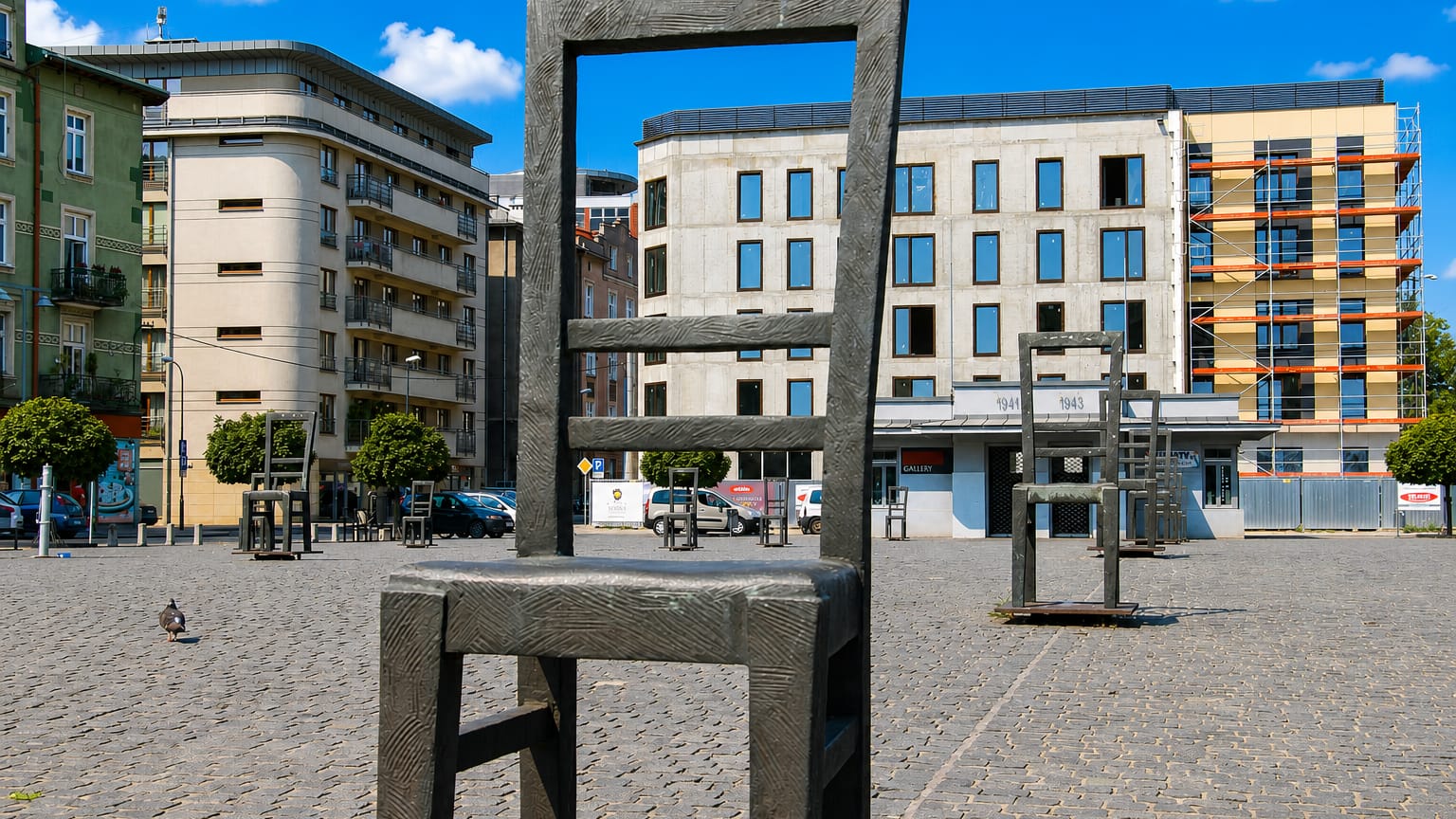
The Kraków Ghetto was the wartime Jewish quarter of Kraków, a walled district of grief now marked for remembrance.
About Kraków Ghetto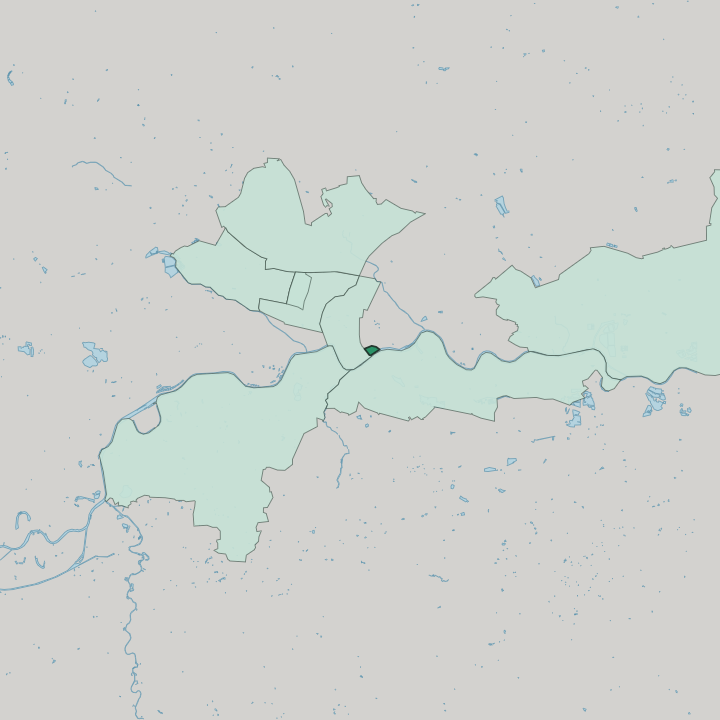
Where to stay in Kraków Ghetto
The right area depends on your trip — here's what each neighbourhood is best for.
This is a district of memory, not of hotels. Beds are few inside the old ghetto ground itself, so most visitors sleep across the wider Kraków and walk the memorial streets by day. The quarter reads best on foot, following the wall traces and plaques that mark where the Kraków Ghetto once stood.
Stay close, then walk in slowly.
About Kraków Ghetto
What are the main landmarks in Kraków Ghetto?
The memorials are the landmarks here. The Kraków Ghetto is remembered through its surviving wall fragments and the museums that hold its story, chief among them MOCAK, the Museum of Contemporary Art in Kraków, built on ground tied to the wartime quarter. Beyond the district, the Kraków-Płaszów concentration camp stands as the labour camp to which its people were driven.
Every stone here carries the same weight.
What is the history of Kraków Ghetto?
The walls went up in 1941. The Kraków Ghetto was created by Germany as the Jewish Residential District in the General Government during the occupation of Poland in World War II, established to concentrate, exploit, and persecute the city's Jews. It became a staging ground for Operation Reinhard, where the German authorities separated able workers from those marked for the camps.
Liquidation followed between 1942 and 1943. Most of the district's people were deported to the Belzec extermination camp, to the Kraków-Płaszów concentration camp, and on to Auschwitz.
Where is Kraków Ghetto?
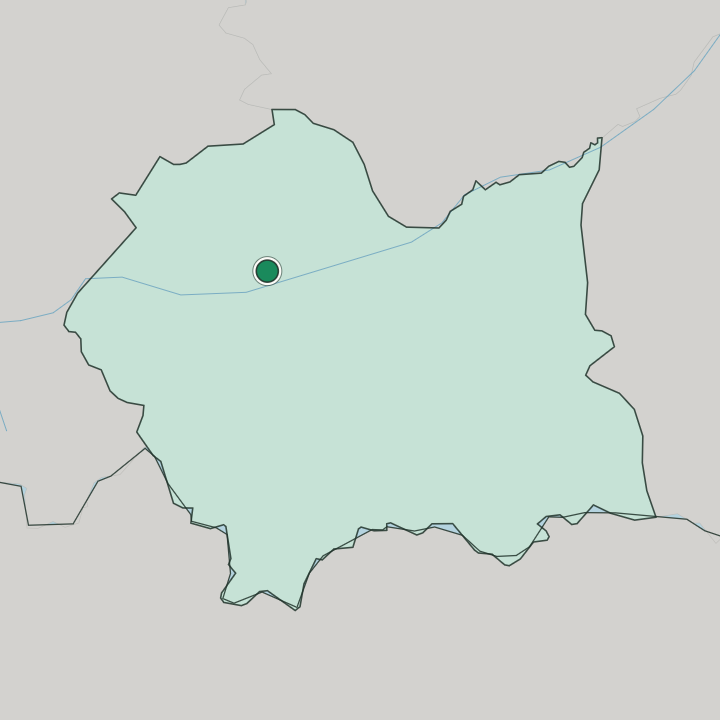
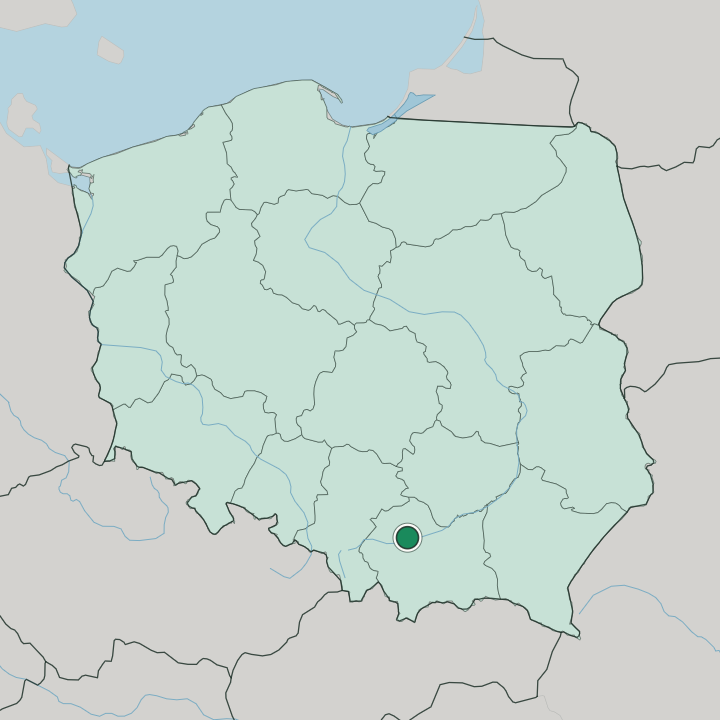
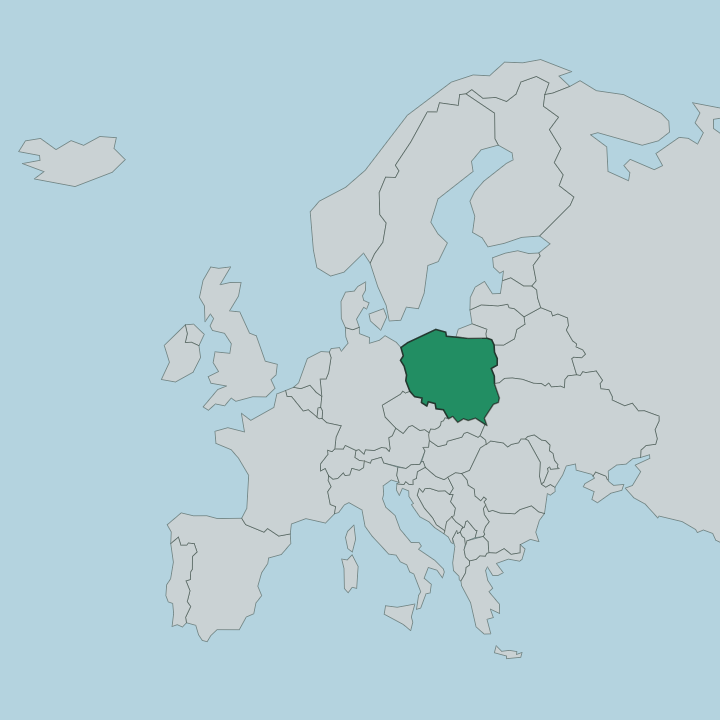
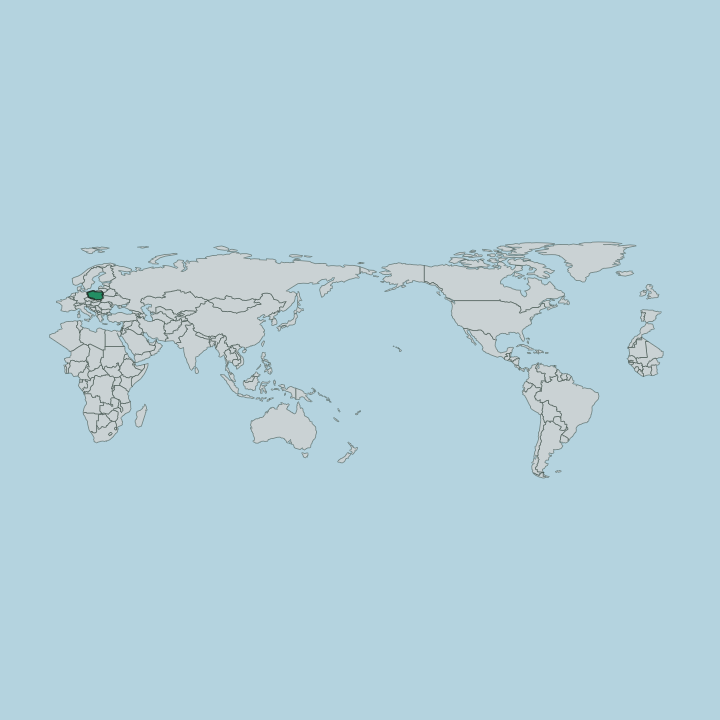
The Kraków Ghetto occupied a walled quarter of Kraków, set apart from the old city as the wartime Jewish Residential District within occupied Poland.
Good for
More areas in Kraków
Updated July 2026