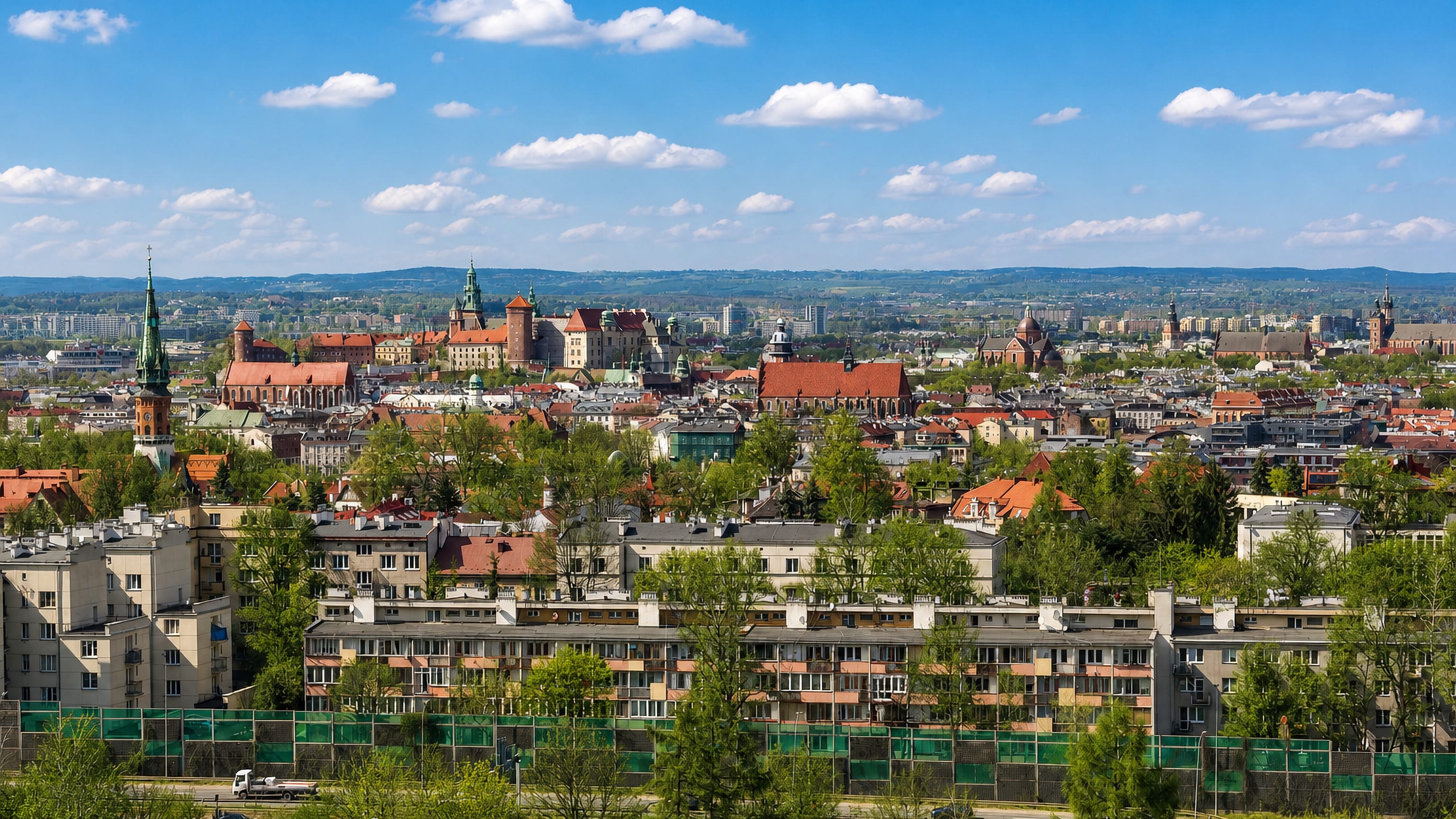
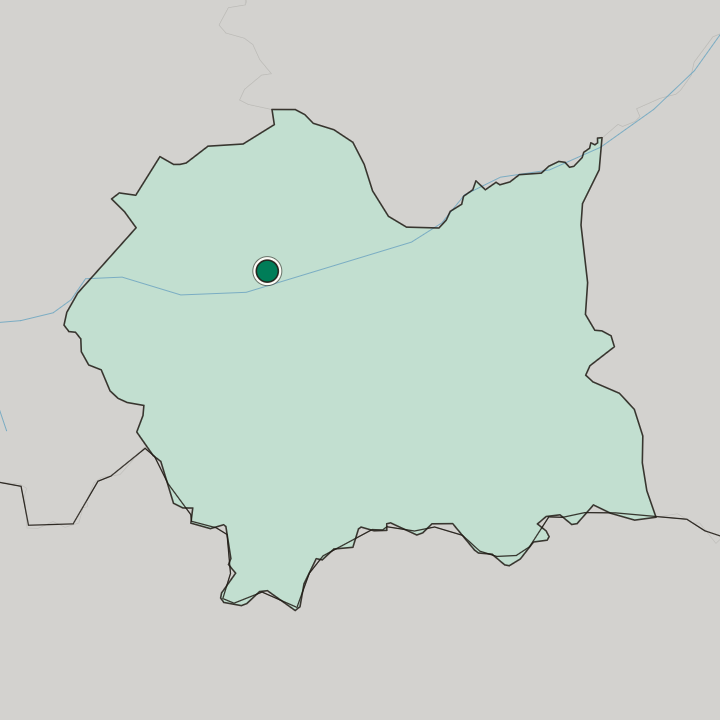
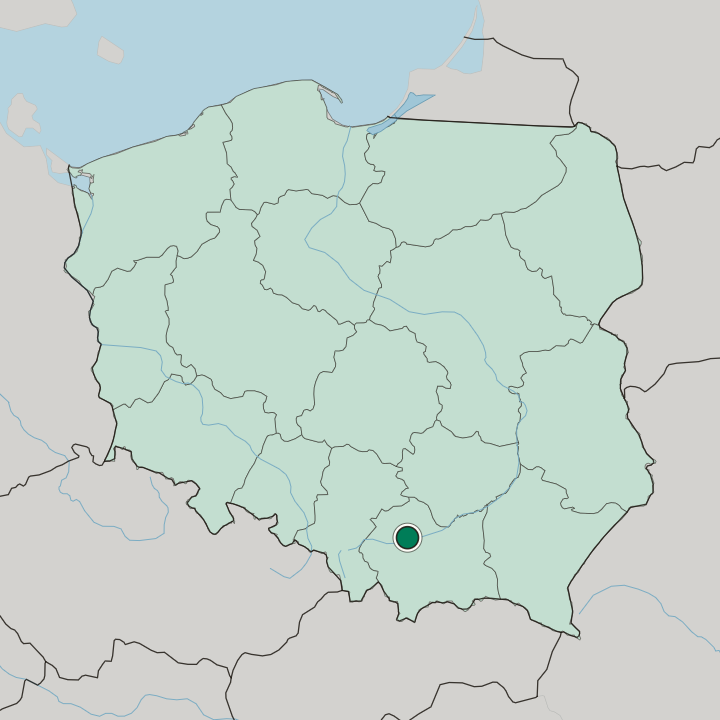
Poland · Lesser Poland Voivodeship · Kraków
Podgórze, Kraków — Area Guide & Where to Stay
Podgórze is a district of Kraków on the southern bank of the Vistula River, below Lasota Hill.
Hotel links are affiliate links: booking through them may earn us a commission, at no extra cost to you. It never affects how places are ranked. How this works


Map data © OpenStreetMap contributors
Where to stay in Podgórze
Where the beds are, and what that means for the visit.
Podgórze holds a growing cluster of beds of its own. The district sits directly across the Vistula River from Kraków's Old Town, so guests here trade the crowds of the centre for quieter streets while staying within a short walk or tram ride of the main sights, with MOCAK and Krakus Mound close at hand. Rooms gather near the riverbank.
The far side stays busy.
Find hotels in Podgórze
Direct booking searches for these neighbourhoods.
Rynek Podgórski riverbank
The heart of Podgórze around Rynek Podgórski, where lodging sits steps from the Vistula River crossings into central Kraków and a short walk from MOCAK.Find hotels in Rynek Podgórski riverbankyou if you want the green rise of Lasota Hill and the quiet lanes beneath Krakus MoundKrakus Mound slopes
The southern edge of Podgórze below Krakus Mound and Lasota Hill, a calmer base of guesthouses set back from the river and away from Old Town crowds. Few places to stay nearby — book ahead.Find hotels in Krakus Mound slopesHotel links are affiliate links: booking through them may earn us a commission, at no extra cost to you. It never affects how places are ranked. How this works
Things to do in and around Kraków
Ranked by global recognition; descriptions from Wikidata (CC0).
Museums & Galleries
3- Czartoryski Museum Heritage
- National Museum in Kraków
- MOCAK, Museum of Contemporary Art in Kraków
Churches & Religious Sites
8- St. Mary's Basilica in Kraków Heritage
- Wawel Cathedral Heritage
- Saints Peter and Paul Church Heritage
- Church of St. Francis of Assisi Heritage
- St. Andrew's Church Heritage
Show 3 more →
- Old Synagogue in Kraków Heritage
- Skałka Heritage
- Corpus Christi Basilica Heritage
Castles & Historic Sites
2- Wawel Castle Heritage
- Krakus Mound Heritage
Nature & Outdoors
1- Planty Park Heritage
Landmarks & Notable Places
2- Collegium Maius Heritage
- Town Hall Tower Heritage
worth knowingacross 5 categories in and around Kraków
About Podgórze
What are the main landmarks in Podgórze?
Podgórze keeps landmarks of its own weight. Krakus Mound rises on Lasota Hill above the district as one of Kraków's oldest and most enigmatic earthworks, while MOCAK draws visitors to contemporary art down by the river and the site of the Kraków-Płaszów concentration camp records a darker chapter in the Płaszów quarter to the south. The mound looks over everything.
Across the Vistula River wait the Old Town spires.
What is the history of Podgórze?
Podgórze began as a place apart. It became an independent city in 1784, chartered on the right bank of the Vistula River facing Kraków, and kept its own market and town hall until 1915, when it was formally joined to Kraków and folded into the larger city. Its separate spirit endures.
Krakus Mound predates all of it.
Where is Podgórze?
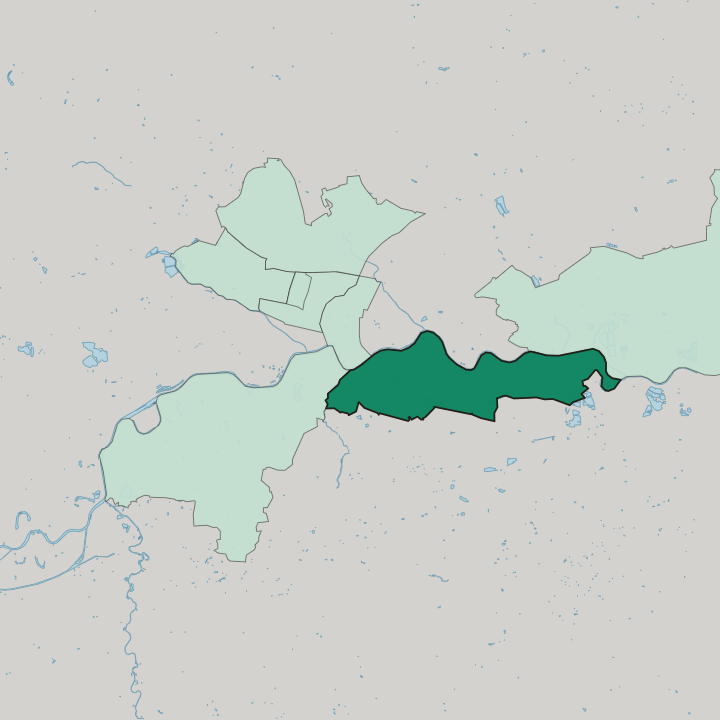
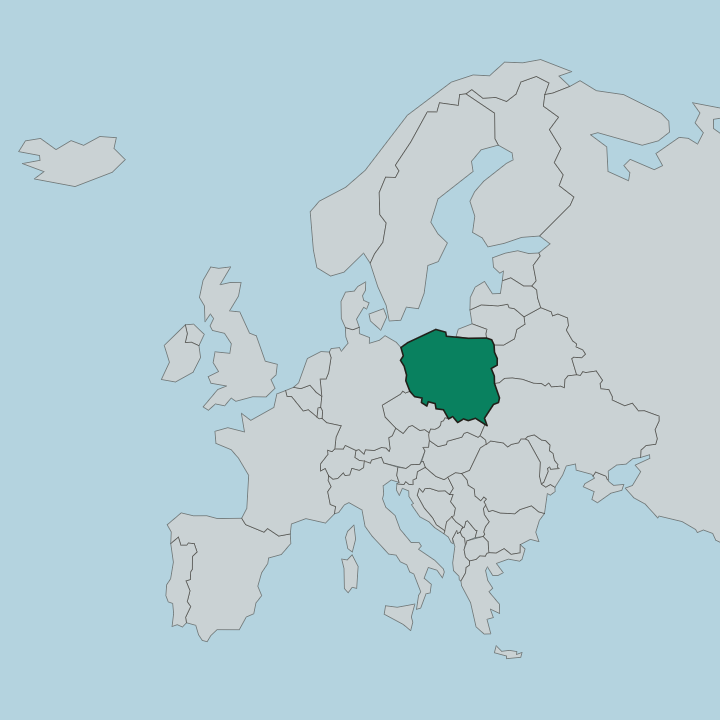
Podgórze lies on the southern bank of the Vistula River. The district spreads across the right bank opposite Kraków's Old Town, rising from the water toward Lasota Hill and its crown of Krakus Mound, with the neighbouring district of Dębniki along the riverbank to the west and the Płaszów flats reaching south. The river marks its northern edge.
Green slopes close the south.
Common questions
What is the best area to stay in Podgórze?
Rynek Podgórski riverbank: you if you want Podgórze's own cafés and the Vistula River footbridge to Kraków's Old Town on foot. Krakus Mound slopes: you if you want the green rise of Lasota Hill and the quiet lanes beneath Krakus Mound.
Good for
More areas in Kraków
Updated October 2026