Poland · Masovian Voivodeship · Warsaw
Czerniaków, Warsaw — Area Guide & Where to Stay
Czerniaków is a residential neighbourhood of Lower Mokotów in Warsaw, holding Czerniaków Lake, the Warsaw Uprising Mound and a church of 1693.
Hotel links are affiliate links: booking through them may earn us a commission, at no extra cost to you. It never affects how places are ranked. How this works


Where to stay in Czerniaków
The practical side of choosing where to sleep.
Czerniaków Lake and the Warsaw Uprising Mound sit at opposite ends of what this neighbourhood puts in front of a visitor, one a body of open water and the other an artificial hill raised as a memorial. The housing is high-rise. Rooms here fall in the eastern half of Mokotów, close to the St. Anthony of Padua Church and within the same walk as the lake.
Find hotels in Czerniaków
Direct booking searches for these neighbourhoods.
Czerniaków
Czerniaków Lake is the largest still body of fresh water in Warsaw, and the neighbourhood's high-rise housing stands within reach of its bank.Find hotels in Czerniakówthe eastern half of Mokotów around the Warsaw Uprising MoundLower Mokotów
The Warsaw Uprising Mound, an artificial hill and memorial, stands in Lower Mokotów, the eastern half of the district that Czerniaków belongs to.Find hotels in Lower MokotówHotel links are affiliate links: booking through them may earn us a commission, at no extra cost to you. It never affects how places are ranked. How this works
About Czerniaków
What are the main landmarks in Czerniaków?
The St. Anthony of Padua Church dates to 1693 and is the oldest thing standing in Czerniaków, which otherwise reads as a neighbourhood of apartment blocks. Two landmarks follow it. The Warsaw Uprising Mound is an artificial hill raised as a memorial, and Czerniaków Lake is the largest still body of fresh water anywhere in Warsaw.
Nothing else is entered on the neighbourhood's own record.
What is the history of Czerniaków?
Czerniaków's oldest date is 1693. That year attaches to the St. Anthony of Padua Church, which still stands in the neighbourhood and gives Lower Mokotów a fixed point older than any of the apartment blocks around it. The Warsaw Uprising Mound carries no date on the record, an artificial hill raised as a memorial.
Beyond those two, the file for Czerniaków keeps no charter, no earlier name and no dated event of its own.
Where is Czerniaków?
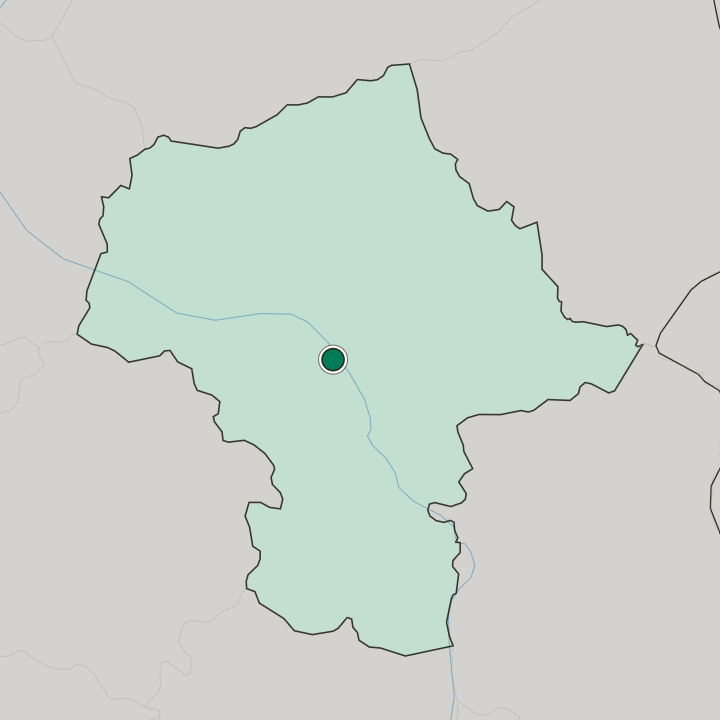
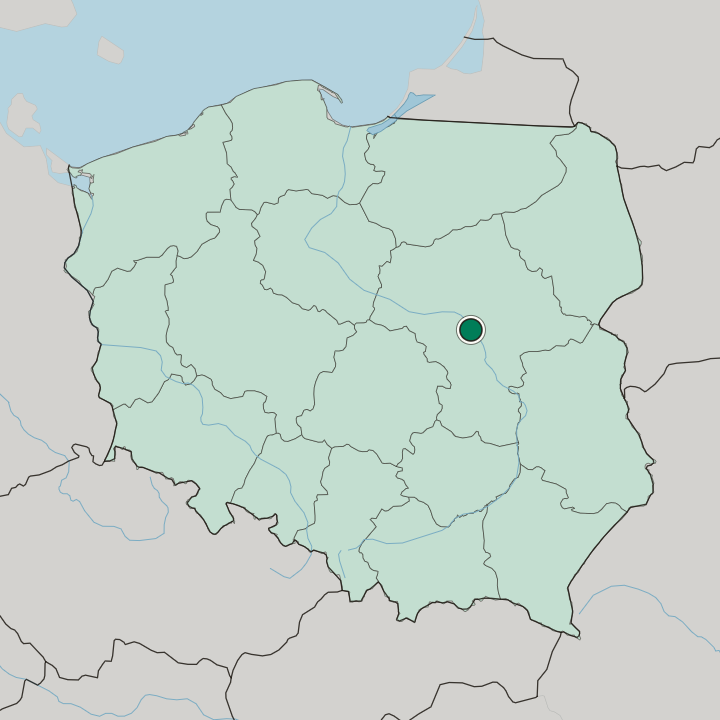
Czerniaków lies in the eastern half of Mokotów, known as Lower Mokotów, with Czerniaków Lake, the largest still body of fresh water in Warsaw, at hand.
Common questions
What is the best area to stay in Czerniaków?
Czerniaków: apartment blocks a walk from Czerniaków Lake. Lower Mokotów: the eastern half of Mokotów around the Warsaw Uprising Mound.
Good for
More areas in Warsaw
Updated September 2026