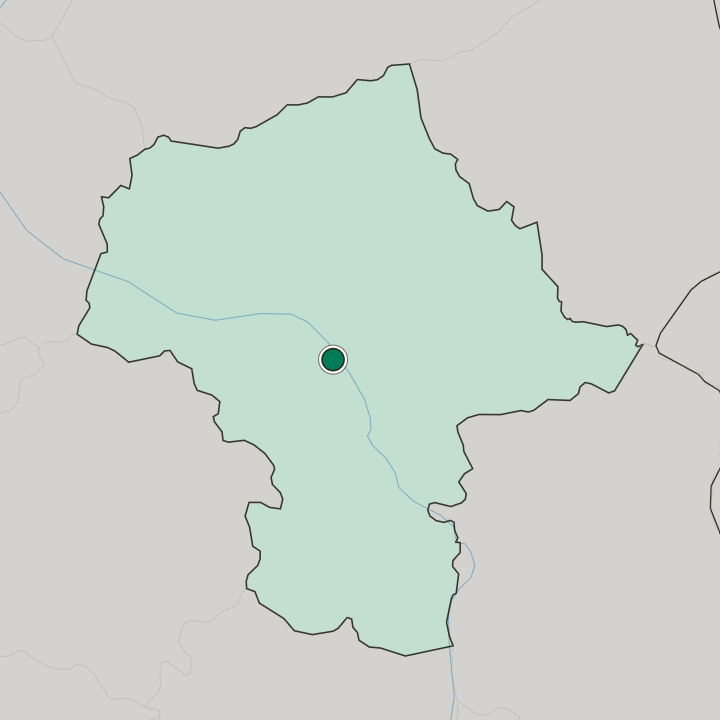
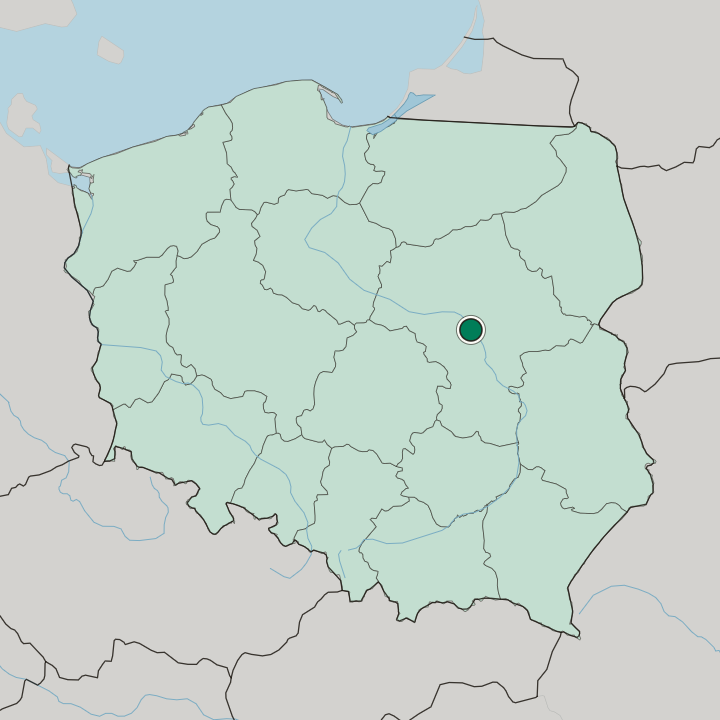
Poland · Masovian Voivodeship · Warsaw
Żoliborz, Warsaw — Area Guide & Where to Stay
Low villas and garden streets fill Żoliborz, a district of Warsaw on the left bank of the Vistula, laid out around Wilson Square north of the centre.
Hotel links are affiliate links: booking through them may earn us a commission, at no extra cost to you. It never affects how places are ranked. How this works


Where to stay in Żoliborz
The practical side of choosing where to sleep.
Żoliborz suits a stay built on walking and the metro. Wilson Square is the hinge, with the line running south to Śródmieście in minutes and the low blocks of Żoliborz Oficerski a street away. Marymont metro station covers the northern end, nearer Kępa Potocka and the open Vistula bank.
The Warsaw Old Town sits rather more than a kilometre south, so the bargain here is a longer approach in exchange for garden streets that empty by evening.
Find hotels in Żoliborz
Direct booking searches for these neighbourhoods.
Wilson Square
The centre of Żoliborz, minutes by metro from Śródmieście and a short walk from Stefan Żeromski Park.Find hotels in Wilson Squarequiet nights among interwar villasŻoliborz Oficerski
Low garden streets east of Wilson Square, residential and early to bed, within reach of the Warsaw Citadel. Beds are limited here, so book early.Find hotels in Żoliborz Oficerskiopen air and river pathsThe Vistula bank
The eastern edge of Żoliborz below the Warsaw Citadel, with Kępa Potocka and the river boulevards on the doorstep. Beds are limited here, so book early.Find hotels in The Vistula bankHotel links are affiliate links: booking through them may earn us a commission, at no extra cost to you. It never affects how places are ranked. How this works
Things to do in and around Warsaw
Ranked by global recognition; descriptions from Wikidata (CC0).
Museums & Galleries
3- Warsaw Uprising Museum
- Polish Army Museum
- Zachęta
Churches & Religious Sites
4- St. John's Archcathedral Heritage
- St. Anne's Church Heritage
- St. Florian's Cathedral Heritage
- Visitationist Church Heritage
Castles & Historic Sites
4- Royal Castle in Warsaw Heritage
- Tomb of the Unknown Soldier, Warsaw Heritage
- Sigismund's Column Heritage
- Krasiński Palace Heritage
worth knowingacross 3 categories in and around Warsaw
About Żoliborz
What are the main landmarks in Żoliborz?
Żoliborz keeps its set pieces on the river side. The Warsaw Citadel holds the tsarist fortress walls and the Gate of Executions above the Vistula, and the Polish Army Museum and the Museum of Polish History stand inside the same ramparts. Wilson Square anchors the interwar core, with Stefan Żeromski Park and the tall brick of St. Stanislaus Kostka Church a few streets north.
Powązki Military Cemetery closes the western end. The older Powązki Cemetery lies outside the district line, over in Wola.
What is the history of Żoliborz?
Żoliborz began as Piarist ground. The Warsaw Citadel was raised over it after the November Uprising of 1830, and the fortress kept the land north of its walls unbuilt for decades. Independence brought the garden district.
The Warsaw Housing Cooperative and the officers' villas of Żoliborz Oficerski laid out low blocks around Wilson Square, and St. Stanislaus Kostka Church became the parish of Jerzy Popiełuszko, whose grave lies beside it. Powązki Military Cemetery holds the war graves on the western edge, and the Umschlagplatz stands outside the district, south of its line.
Common questions
What is the best area to stay in Żoliborz?
Wilson Square: a first stay that leans on the metro. Żoliborz Oficerski: quiet nights among interwar villas. The Vistula bank: open air and river paths.
Good for
More areas in Warsaw
Updated October 2026