Poland · Masovian Voivodeship · Warsaw
Wola, Warsaw — Area Guide & Where to Stay
Brick factory halls and glass towers line the same streets in Wola, a district of western Warsaw with Powązki Cemetery taking up its northern ground.
Hotel links are affiliate links: booking through them may earn us a commission, at no extra cost to you. It never affects how places are ranked. How this works


Where to stay in Wola
The practical side of choosing where to sleep.
Wola divides between the tower quarter at Rondo Daszyńskiego and the older streets running west. Rooms by the roundabout put the metro and the offices of the Warsaw Unit within a short walk, and Śródmieście begins one stop east, which suits a stay pitched at central Warsaw as much as at this district. Beds thin further out.
Chłodna Street holds a few, and the Warsaw Uprising Museum stands a short walk north of the roundabout. Ochota and Żoliborz work as alternatives when Wola fills.
Find hotels in Wola
Direct booking searches for these neighbourhoods.
Rondo Daszyńskiego and the tower quarter
Wola's towers gather around the roundabout and the metro runs east from here into ŚródmieścieFind hotels in Rondo Daszyńskiego and the tower quarterDays given to the museum and the old factory streets north of itAround the Warsaw Uprising Museum
The museum sits in a former tram power station, with Chłodna Street a short walk northFind hotels in Around the Warsaw Uprising MuseumQuiet nights beside the Powązki and Okopowa Street burial groundsBy Powązki Cemetery
The cemetery walls hold Wola's office traffic at a distance and the streets turn residential. Few places to stay nearby — book ahead.Find hotels in By Powązki CemeteryHotel links are affiliate links: booking through them may earn us a commission, at no extra cost to you. It never affects how places are ranked. How this works
Things to do in and around Warsaw
Ranked by global recognition; descriptions from Wikidata (CC0).
Museums & Galleries
3- Warsaw Uprising Museum
- Zachęta
- Museum of Independence
Churches & Religious Sites
2- Field Cathedral of the Polish Army Heritage
- Holy Trinity Church, Warsaw Heritage
Castles & Historic Sites
3- Tomb of the Unknown Soldier, Warsaw Heritage
- Krasiński Palace Heritage
- Mostowski Palace Heritage
worth knowingacross 3 categories in and around Warsaw
About Wola
What are the main landmarks in Wola?
Wola keeps its landmarks at ground level. Powązki Cemetery, laid out in 1790, and the Okopowa Street Jewish Cemetery beside it take up much of the northern district, and the Warsaw Uprising Museum occupies a former tram power station on Grzybowska Street. The Norblin Factory, a metalworks complex on Żelazna Street, holds what the industry left, and Chłodna Street runs north of both.
The Monument to the Ghetto Heroes, the Museum of the History of Polish Jews, the Umschlagplatz and Miła 18 all lie east of Wola's boundary in Muranów.
What is the history of Wola?
Wola carries an industrial record reaching back to the early 19th century. Workshops and factories took the ground west of the centre, and the street pattern they left still runs beneath the office towers. Burial came earlier.
Powązki Cemetery was laid out in 1790 and the Okopowa Street Jewish Cemetery in 1806, and the two together account for much of the northern district. The Russian assault of September 1831 broke on the earth redoubts raised here, one of them held by Józef Sowiński, who died on the position. German units killed tens of thousands of civilians across Wola in August 1944.
Where is Wola?
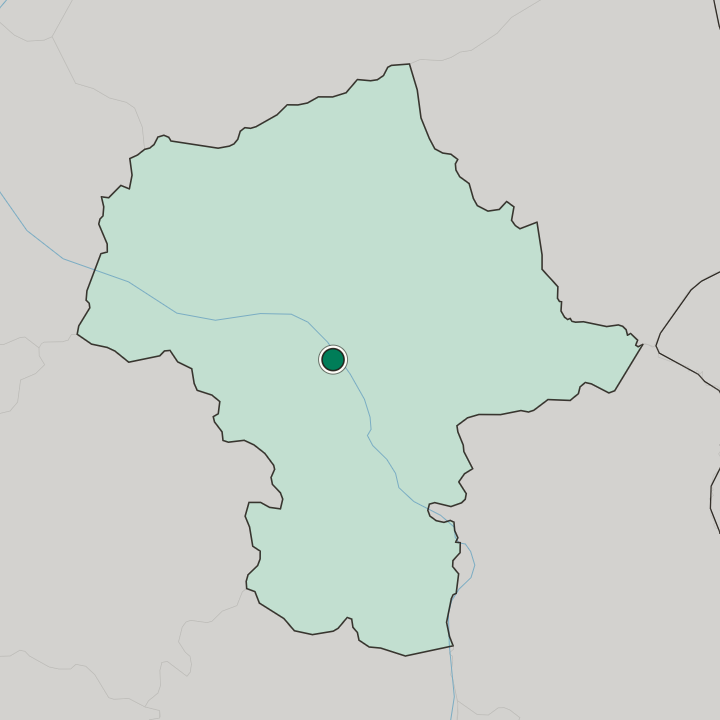
Wola takes the ground west of Śródmieście in Warsaw, with Żoliborz along its northern edge, Ochota to the south and Bemowo across the rail line west.
Common questions
What is the best area to stay in Wola?
Rondo Daszyńskiego and the tower quarter: Quick access to central Warsaw from a room among the office blocks. Around the Warsaw Uprising Museum: Days given to the museum and the old factory streets north of it. By Powązki Cemetery: Quiet nights beside the Powązki and Okopowa Street burial grounds.
Good for
More areas in Warsaw
Updated October 2026