Poland · Masovian Voivodeship · Warsaw
Muranów, Warsaw — Area Guide & Where to Stay
Muranów is a neighbourhood of central Warsaw whose name comes from the palace of Simone Giuseppe Belotti, a Venetian architect from Murano.
Hotel links are affiliate links: booking through them may earn us a commission, at no extra cost to you. It never affects how places are ranked. How this works


Where to stay in Muranów
Where visitors usually base themselves, and why.
Rooms in Muranów put the Museum of the History of Polish Jews and the Monument to the Ghetto Heroes within one walk, while the Warsaw Old Town, the Royal Castle and the Warsaw Barbican begin a few streets away. Distances here stay short. Guests drawn to the memorial ground stay nearer Umschlagplatz, Miła 18 and the Okopowa Street Jewish Cemetery, three sites the district's own record carries.
Find hotels in Muranów
Direct booking searches for these neighbourhoods.
Muranów
Muranów holds Umschlagplatz, Miła 18 and the Monument to the Ghetto Heroes on its own record, so the memorial route begins at the door.Find hotels in Muranówpairing Muranów with the Royal Castle and Sigismund's ColumnWarsaw Old Town
The Warsaw Barbican, St. John's Archcathedral and the Royal Castle stand a few streets off Muranów, which brings the Old Town inside a Muranów stay.Find hotels in Warsaw Old TownHotel links are affiliate links: booking through them may earn us a commission, at no extra cost to you. It never affects how places are ranked. How this works
Things to do in and around Warsaw
Ranked by global recognition; descriptions from Wikidata (CC0).
Churches & Religious Sites
8- St. John's Archcathedral Heritage
- St. Anne's Church Heritage
- Field Cathedral of the Polish Army Heritage
- Church of the Visitation of the Blessed Virgin Mary Heritage
- Jesuit Church Heritage
Show 3 more →
- St. Kazimierz Church Heritage
- St. Hyacinth's Church Heritage
- St. Martin's Church Heritage
Castles & Historic Sites
6- Royal Castle in Warsaw Heritage
- Sigismund's Column Heritage
- Miła 18 Heritage
- Krasiński Palace Heritage
- Mostowski Palace Heritage
Show 1 more →
- Sapieha Palace, Warsaw Heritage
worth knowingacross 2 categories in and around Warsaw
About Muranów
What are the main landmarks in Muranów?
The Museum of the History of Polish Jews sits at the centre of what Muranów carries, with the Monument to the Ghetto Heroes, Umschlagplatz and Miła 18 completing the memorial ground around it. Churches and palaces fill the rest. St. John's Archcathedral, St. Anne's Church, the Jesuit Church, St. Hyacinth's Church and the Field Cathedral of the Polish Army are entered here, alongside Krasiński Palace and Mostowski Palace.
The Grand Theatre, the Polish Army Museum and the Warsaw Uprising Monument close the roster.
What is the history of Muranów?
Muranów dates from the 17th century. The name comes from a palace belonging to Simone Giuseppe Belotti, a Venetian architect who reached Warsaw from the island of Murano, and it has stayed attached to the ground ever since. Umschlagplatz, Miła 18 and the Monument to the Ghetto Heroes record the twentieth-century chapter, and the Warsaw Uprising Monument stands on the same list.
Powązki Cemetery and the Okopowa Street Jewish Cemetery are entered nearby.
Where is Muranów?
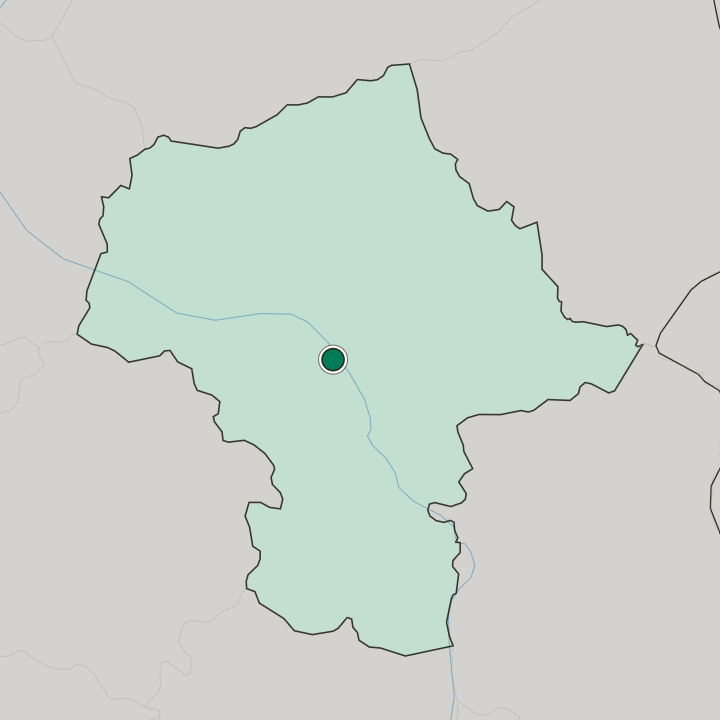
Muranów covers the northernmost ground of central Warsaw's downtown, spread across the Śródmieście and Wola districts.
Common questions
What is the best area to stay in Muranów?
Muranów: walking mornings between the Museum of the History of Polish Jews and Umschlagplatz. Warsaw Old Town: pairing Muranów with the Royal Castle and Sigismund's Column.
Good for
More areas in Warsaw
Updated October 2026