Portugal · Distrito de Lisboa · Lisbon
Alvalade, Lisbon — Area Guide & Where to Stay
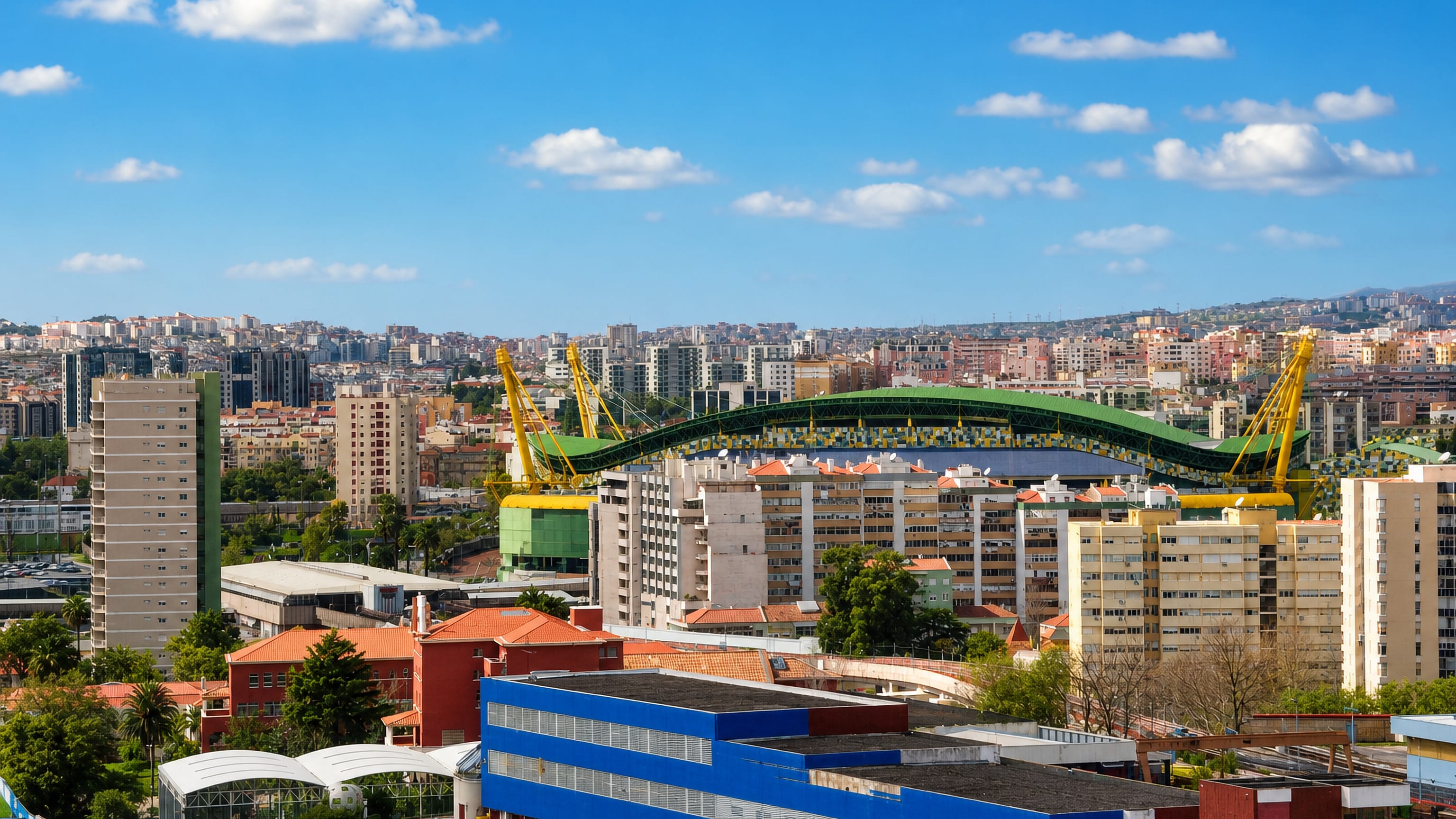
Alvalade is a Lisbon parish laid out to a 1940s plan by the architect Faria da Costa, its name probably from the Arabic Al Balade, a walled place.
Hotel links are affiliate links: booking through them may earn us a commission, at no extra cost to you. It never affects how places are ranked. How this works


Where to stay in Alvalade
Where visitors usually base themselves, and why.
Alvalade suits students and visiting academics. The University City of the University of Lisbon, with its rectorate and the faculties of Law, Humanities, Sciences, and Medicine, lies in the parish. So do ISCTE, the Portuguese Catholic University, and the Lusophone University.
The Lisbon University Stadium and student residences stand in the parish too.
Find hotels in Alvalade
Direct booking search for this neighbourhood.
Hotel links are affiliate links: booking through them may earn us a commission, at no extra cost to you. It never affects how places are ranked. How this works
Things to do in and around Lisbon
Ranked by global recognition; descriptions from Wikidata (CC0).
Museums & Galleries
3- Dr. Anastácio Gonçalves House-Museum Heritage
- Rafael Bordalo Pinheiro Museum Heritage
- Torre do Tombo National Archive
Churches & Religious Sites
8- Igreja de Nossa Senhora de Fátima (Lisbon) Heritage
- Igreja do Sagrado Coração de Jesus Heritage
- Igreja de São Sebastião da Pedreira Heritage
- Church of São João de Brito Heritage
- Church of São João de Deus Heritage
Show 3 more →
- Igreja de Chelas Heritage
- Igreja dos Anjos Heritage
- Cinema Império Heritage
Castles & Historic Sites
3- Estátua do Marquês de Pombal Heritage
- Monument to the Heroes of the Peninsular War (Lisbon)
- Oliveira Martins memorial
Stadiums & Sports
1- Campo Pequeno Bullring Heritage
Landmarks & Notable Places
2- Casa da Quinta da Pimenta Heritage
- Edifício na Rua Viriato, n.º 5 Heritage
worth knowingacross 5 categories in and around Lisbon
About Alvalade
What are the main landmarks in Alvalade?
Avenida do Brasil, Avenida Gago Coutinho, the railway, and Campo Grande frame the 1944 plan, whose two main avenues start where Avenida de Roma crosses the railway. Several architects shared the work. Their closed blocks vary in style, and the variety made the quarter a testing ground for housing.
The Church of São João de Brito is named for the Jesuit martyr, and the Torre do Tombo National Archive, the Rafael Bordalo Pinheiro Museum, and the Casa da Quinta da Pimenta also stand in the parish.
What is the history of Alvalade?
In the 1320s the Battle of Alvalade between King Dinis I and his son, the future Afonso IV, was stopped by Queen Isabel, and a monument to the Saint Queen stands in the parish. Farms and estates held the ground until Faria da Costa's plan answered the city's housing shortage. In 1944 the plan was split into eight neighbourhood cells.
Building began in 1952. The parish was created in 1959, and the 2012 reform merged Campo Grande and São João de Brito into it.
Where is Alvalade?
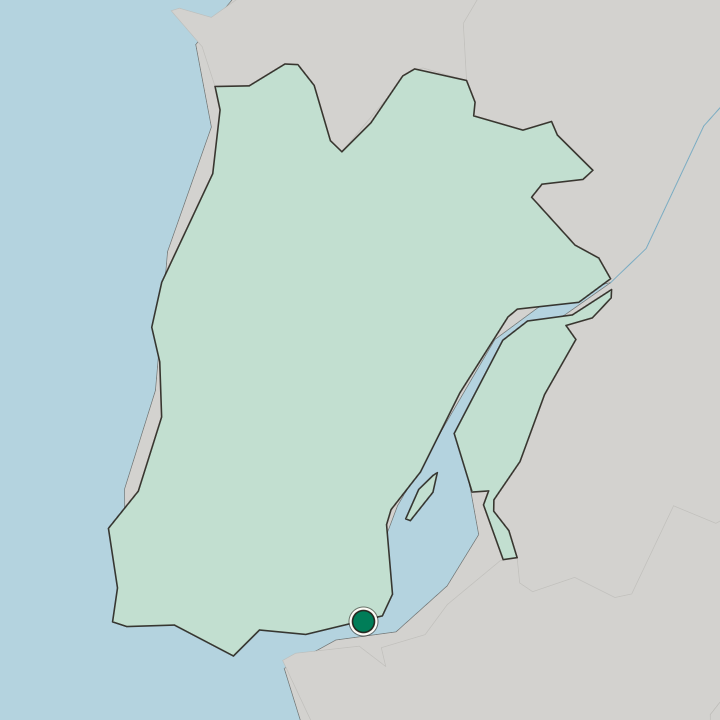
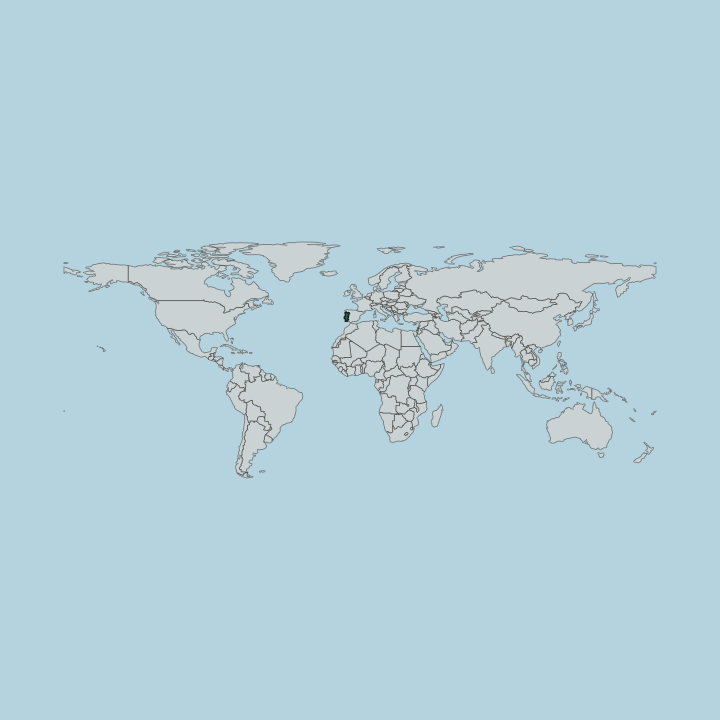
Alvalade lies in central Lisbon, south of Lumiar and Olivais, west of Marvila, east of São Domingos de Benfica, and north of Avenidas Novas and Areeiro. The parish covers 5.34 km².
Common questions
What is the best area to stay in Alvalade?
Alvalade: Researchers and students with business at the universities.
Good for
More areas in Lisbon
Updated October 2026