Portugal · Distrito de Lisboa · Lisbon
Santa Maria Maior, Lisbon — Area Guide & Where to Stay
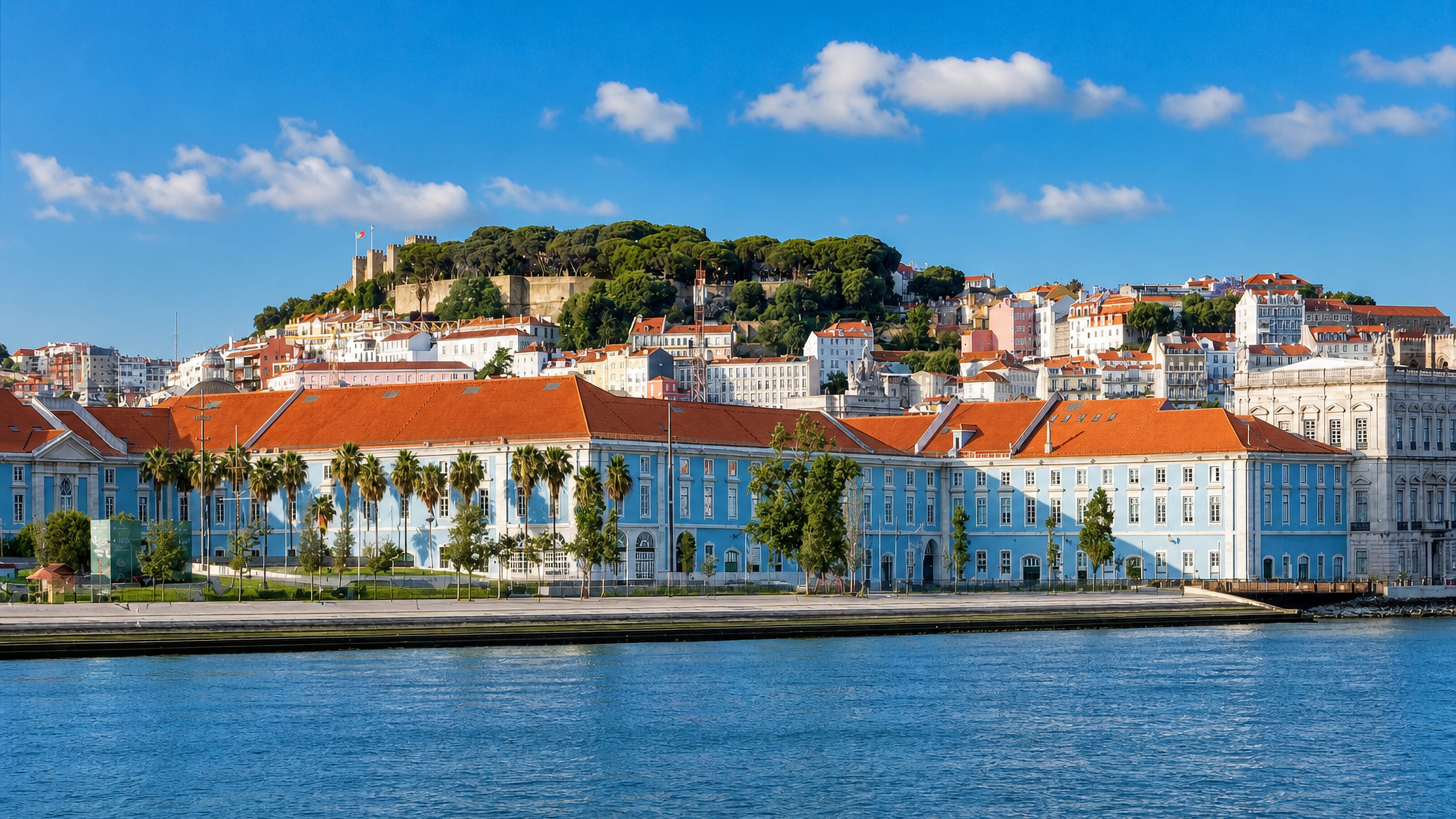
Santa Maria Maior is the historic core of Lisbon, the Baixa grid and Alfama hillside under the Castle of Saint George. Praça do Comércio meets the Tagus.
Hotel links are affiliate links: booking through them may earn us a commission, at no extra cost to you. It never affects how places are ranked. How this works



Where to stay in Santa Maria Maior
Where the beds are, and what that means for the visit.
Staying in Santa Maria Maior puts a visitor in the middle of everything worth walking to in old Lisbon. The Baixa is the practical choice: flat, gridded, and lined with hotels and guesthouses, a short walk from Praça do Comércio, the Rossio, and the ferries across the Tagus. Alfama suits those who want the atmosphere over convenience, its guesthouses reached by stepped lanes below the Castle of Saint George, within earshot of the fado houses that gather near the Fado Museum.
Nights are lively around the downtown squares and quieter up the hill. Book early. The parish is the busiest part of the city, so rooms near the castle fill fast.
Things to do in and around Lisbon
Ranked by global recognition; descriptions from Wikidata (CC0).
Museums & Galleries
3- National Museum of Ancient Art Heritage
- National Azulejo Museum
- National Museum of Natural History and Science, Lisbon
Churches & Religious Sites
8- Church of Santa Engrácia Heritage
- Monastery of São Vicente de Fora Heritage
- Igreja de São Domingos Heritage
- Igreja de São Roque Heritage
- Igreja de Santo António de Lisboa Heritage
Show 3 more →
- Graça Convent Heritage
- Church of Nossa Senhora da Conceição Velha Heritage
- Igreja de Santa Luzia Heritage
Castles & Historic Sites
3- Castle of Saint George Heritage
- São Bento Palace Heritage
- statue of José I of Portugal Heritage
Parks & Gardens
1- Parque Mayer
worth knowingacross 4 categories in and around Lisbon
About Santa Maria Maior
What are the main landmarks in Santa Maria Maior?
The Castle of Saint George crowns the district, its ramparts looking out over the whole of Lisbon. The climb is steep. Down in Alfama, the Miradouro de Santa Luzia opens a terrace above the rooftops beside the Igreja de Santa Luzia, while the Fado Museum tells the story of the city's song a few streets below.
The Igreja de Santo Estêvão marks the quarter's upper lanes, and the Igreja de Santo António de Lisboa stands on the spot long held to be Saint Anthony's birthplace. Where the Baixa reaches the river, the statue of José I of Portugal rides above Praça do Comércio, and the Church of Nossa Senhora da Conceição Velha keeps its Manueline doorway close by. Up near Rossio, the Igreja de São Domingos hides fire-scarred walls behind a plain front.
What is the history of Santa Maria Maior?
The Castelo hill was the walled heart of Moorish Lisbon. After the Christian conquest of 1147, its citadel became the Castle of Saint George, and the town of Alfama spread down the slope below it. When the great earthquake of 1755 struck, Alfama's dense lanes largely held, but the lower town was flattened by the quake and the fire behind it.
On that cleared ground the Marquês de Pombal laid the Baixa, a strict grid running from the Rossio to Praça do Comércio. The parish itself is new. Santa Maria Maior was drawn in 2012, when Lisbon folded its smallest old parishes into one historic centre.
Where is Santa Maria Maior?
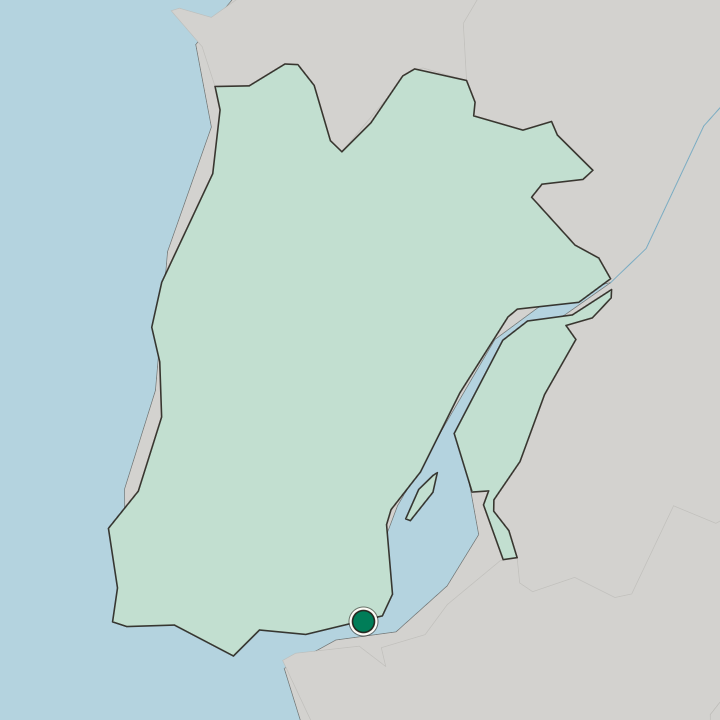
Santa Maria Maior takes in the eastern half of Lisbon's centre, wrapped around the Castelo hill that divides the Baixa from Alfama. The Pombaline grid fills the valley to the west, laid out between the Rossio and the riverfront at Praça do Comércio. Alfama spills down to the Tagus.
Its lanes run on toward the Santa Apolónia waterfront, while the ground to the north rises past Mouraria toward Graça, and Chiado sits across the downtown to the west.
Good for
More areas in Lisbon
Updated October 2026