Serbia · Central Serbia
Where to Stay in Šabac, Central Serbia
Šabac, the traditional centre of the Mačva region in western Serbia, stands on the right bank of the Sava and keeps two museums.
Hotel links are affiliate links: booking through them may earn us a commission, at no extra cost to you. It never affects how places are ranked. How this works


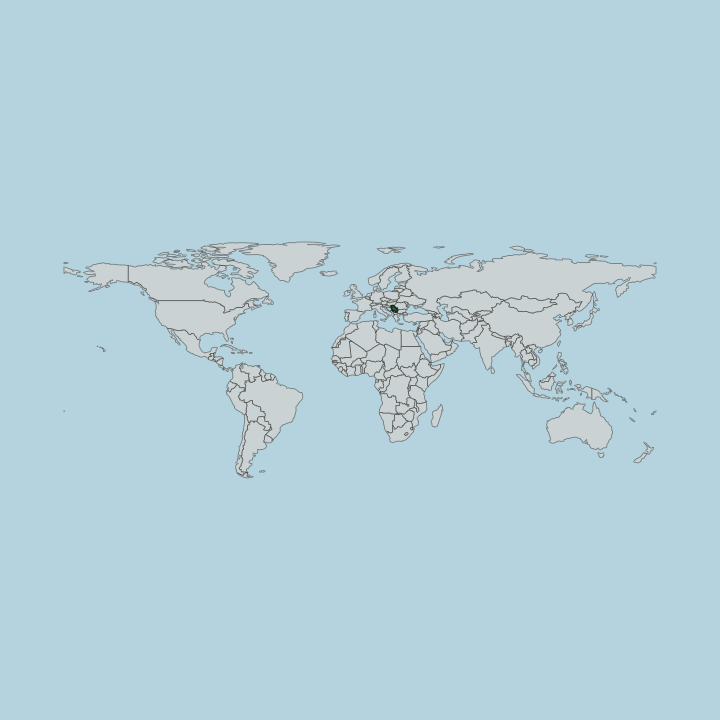
Where to stay in Šabac
Where visitors usually base themselves, and why.
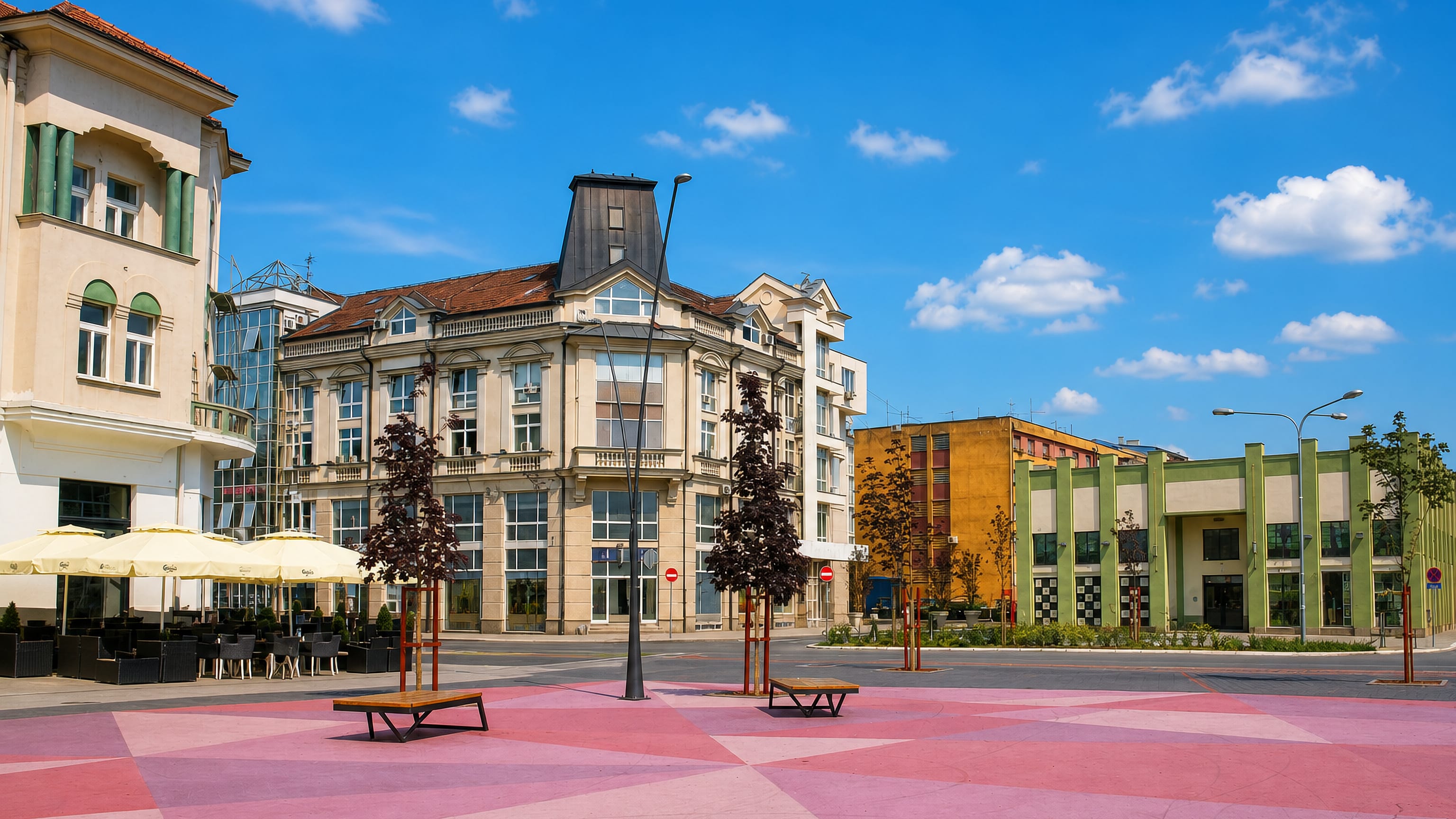
The Church of Holy Trinity in Šabac and the National Museum of Šabac mark the middle of a stay. Rooms in those streets leave the Museum of the Jews of Šabac, the Кућа Јована Павловића, and the monument to Jevrem Obrenović within a walk, which suits you if the town's own record is what you came to read. Everything there is flat.
Out towards the Sava and the open Mačva, the built-up streets give way to farmland and a room comes with a yard rather than a museum on the corner. Drivers gain by it. Majur is close enough on the same plain that its church and its memorial ossuary can be taken in on a morning's outing from either side of Šabac.
The Crkva Livade belongs to the town's list too. Weather decides more than address. Mist gathers off the Sava through winter, and a room away from the water reads differently in December than one in the streets beside the Church of Holy Trinity in Šabac.
Either base leaves the journeys short. Šabac is a walking town on a plain, and the Mačva District begins wherever its streets happen to stop.
Find hotels in Šabac
Direct booking searches for these neighbourhoods.
Around the Church of Holy Trinity in Šabac
The Кућа Јована Павловића and the Jevrem Obrenović monument stand within the same walkFind hotels in Around the Church of Holy Trinity in ŠabacDrivers with the fertile Mačva and its farm roads at the doorThe Mačva plain towards Majur
Farmland begins where Šabac's streets end, with the church and ossuary at Majur a short drive on. Few places to stay nearby — book ahead.Find hotels in The Mačva plain towards MajurHotel links are affiliate links: booking through them may earn us a commission, at no extra cost to you. It never affects how places are ranked. How this works
Things to do in Šabac
Ranked by global recognition; descriptions from Wikidata (CC0).
Museums & Galleries
2- National Museum of Šabac
- Museum of the Jews of Šabac
Churches & Religious Sites
3- Church of Holy Trinity in Šabac
- Crkva Sv. Marka (Majur)
- Crkva Livade (Šabac)
Castles & Historic Sites
3- Зграда Основне школе „Јанко Веселиновић“ Heritage
- Memorial ossuary in Majur
- Monument to Jevrem Obrenović in Šabac
Landmarks & Notable Places
1- Кућа Јована Павловића Heritage
worth knowingacross 4 categories in Šabac
About Šabac
Šabac is the traditional centre of the Mačva region.
What is Šabac known for?
The National Museum of Šabac and the Museum of the Jews of Šabac carry the town's collections, and the Church of Holy Trinity in Šabac stands with the Crkva Livade among the named churches. Farmland runs out from there. Šabac keeps to the right bank of the Sava, and Majur adds a church and a memorial ossuary to the same district.
What are the main landmarks in Šabac?
The National Museum of Šabac anchors the list. Beside it stand the Church of Holy Trinity in Šabac, the Crkva Livade, the Кућа Јована Павловића, and the Museum of the Jews of Šabac, with the monument to Jevrem Obrenović among them. Majur holds two more.
A church and a memorial ossuary stand there, and the school building named for Јанко Веселиновић completes what the Mačva District puts on the register.
What is the history of Šabac?
Šabac's founding year is nowhere recorded. What the record gives instead is a place identified by its region: the traditional centre of the fertile Mačva, standing on the right bank of the Sava and administering the Mačva District around it. Names do the dating here.
A monument to Jevrem Obrenović stands in the town, the Кућа Јована Павловића carries the name of its owner, and the primary school building is named for Јанко Веселиновић. Churches follow the same pattern. The Church of Holy Trinity in Šabac and the Crkva Livade belong to the town, and a further church stands at Majur alongside its memorial ossuary.
Two museums divide the account between them. The National Museum of Šabac holds the general record of the town and the Mačva District, while the Museum of the Jews of Šabac is given over to the history of one community. The ossuary at Majur is a war memorial.
It sits in the same district as the school and the houses, so the register moves from ordinary civic life to commemoration without leaving the plain. The Sava explains the rest. A town on the river bank at the centre of the fertile Mačva acquires administration by default, and Šabac has held the seat of the Mačva District accordingly.
Where is Šabac?
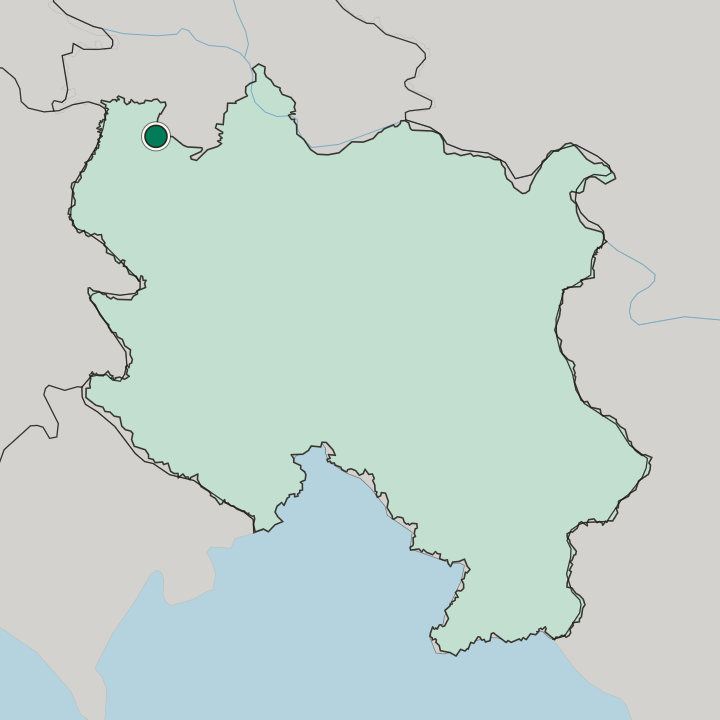
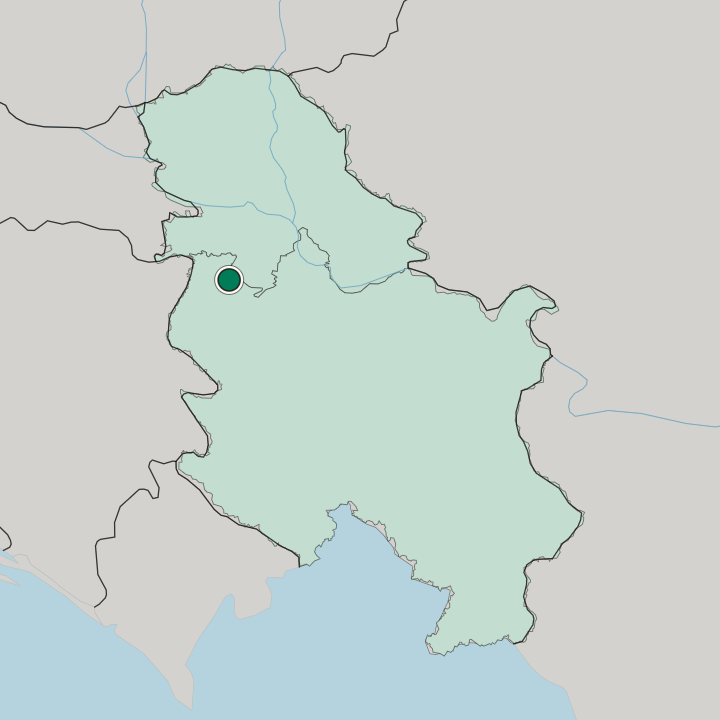
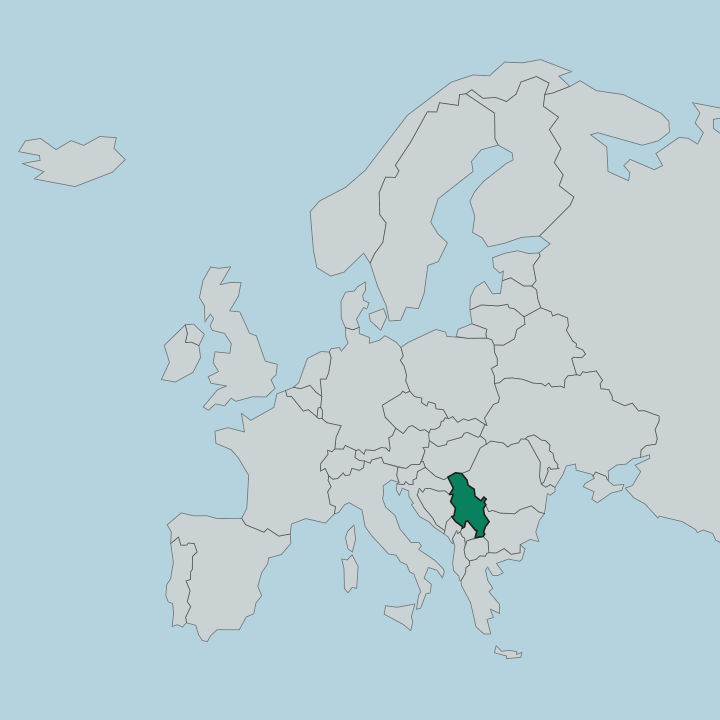
The Mačva is a fertile plain in western Serbia, and Šabac holds its traditional centre on the right bank of the Sava. Flat country reaches away from the river in every direction the Mačva District covers, which is why the town has spread without ever having to climb. The Sava does the draining.
Majur lies in the same district.
What is the climate of Šabac?
The Sava keeps the air damp over the Mačva, and mist lies on the plain through the cold half of the year while nothing on the flat ground shelters the town from wind. Summer turns hot here. Rain falls across the temperate seasons without a dry spell long enough to matter to the fields of the Mačva District.
Western Serbia lies well inland.
How do you get to Šabac?
Šabac is approached across the Mačva. Roads cross the flat country of the Mačva District from every side, and the Sava is the one edge that has to be reckoned with. No hills interrupt the run in.
Arrivals see the town before they reach it, since nothing on this plain in western Serbia stands high enough to hide a place the size of Šabac.
Common questions
What is the best area to stay in Šabac?
Around the Church of Holy Trinity in Šabac: Visitors reading the town through the National Museum of Šabac and the Museum of the Jews of Šabac. The Mačva plain towards Majur: Drivers with the fertile Mačva and its farm roads at the door.
Good for
More cities in Central Serbia
Updated September 2026