Russia
Chuvashskaya Respublika, Russia — Towns & Travel Guide
Chuvashia is a small Russian republic on the right bank of the Volga, home to the Turkic-speaking Chuvash and their capital, Cheboksary.
Find your area →


Towns & cities in Chuvashskaya Respublika
Pick a town or city — each links to where to stay.
 Russia
Cheboksary
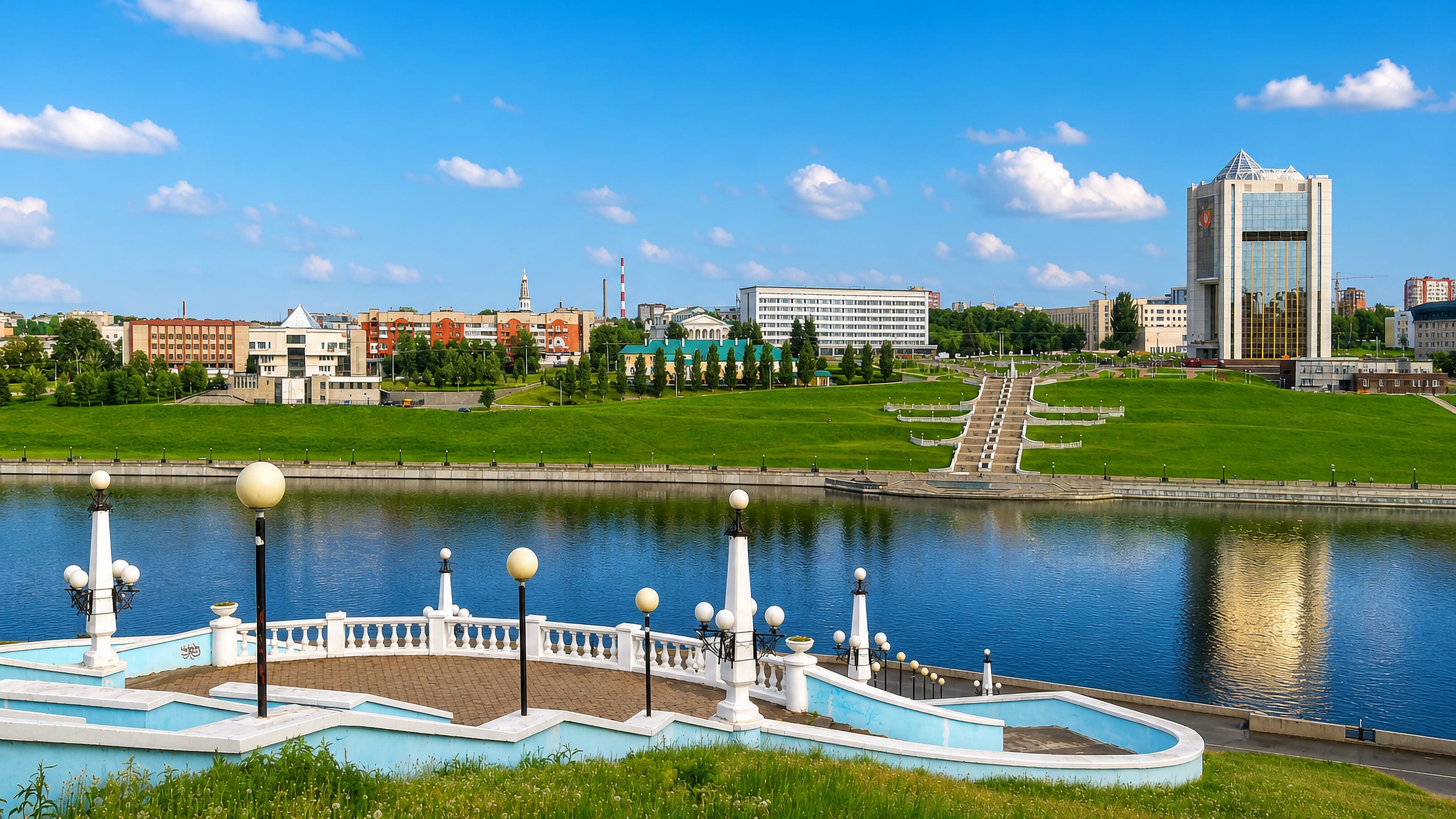
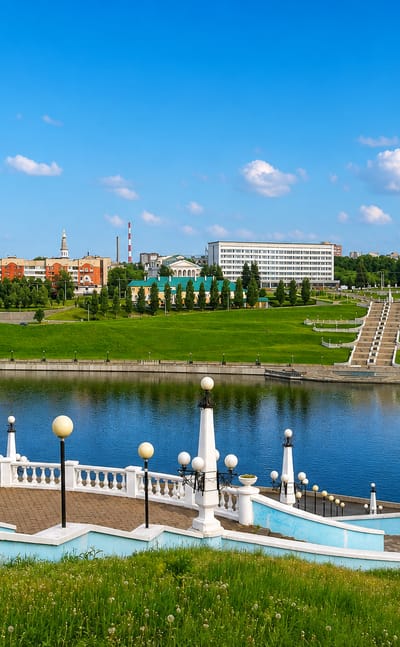
Cheboksary rises above the Volga River, capital of Chuvashia, a port city known for the Presentation Cathedral and its Chuvash National Museum.Where to stay →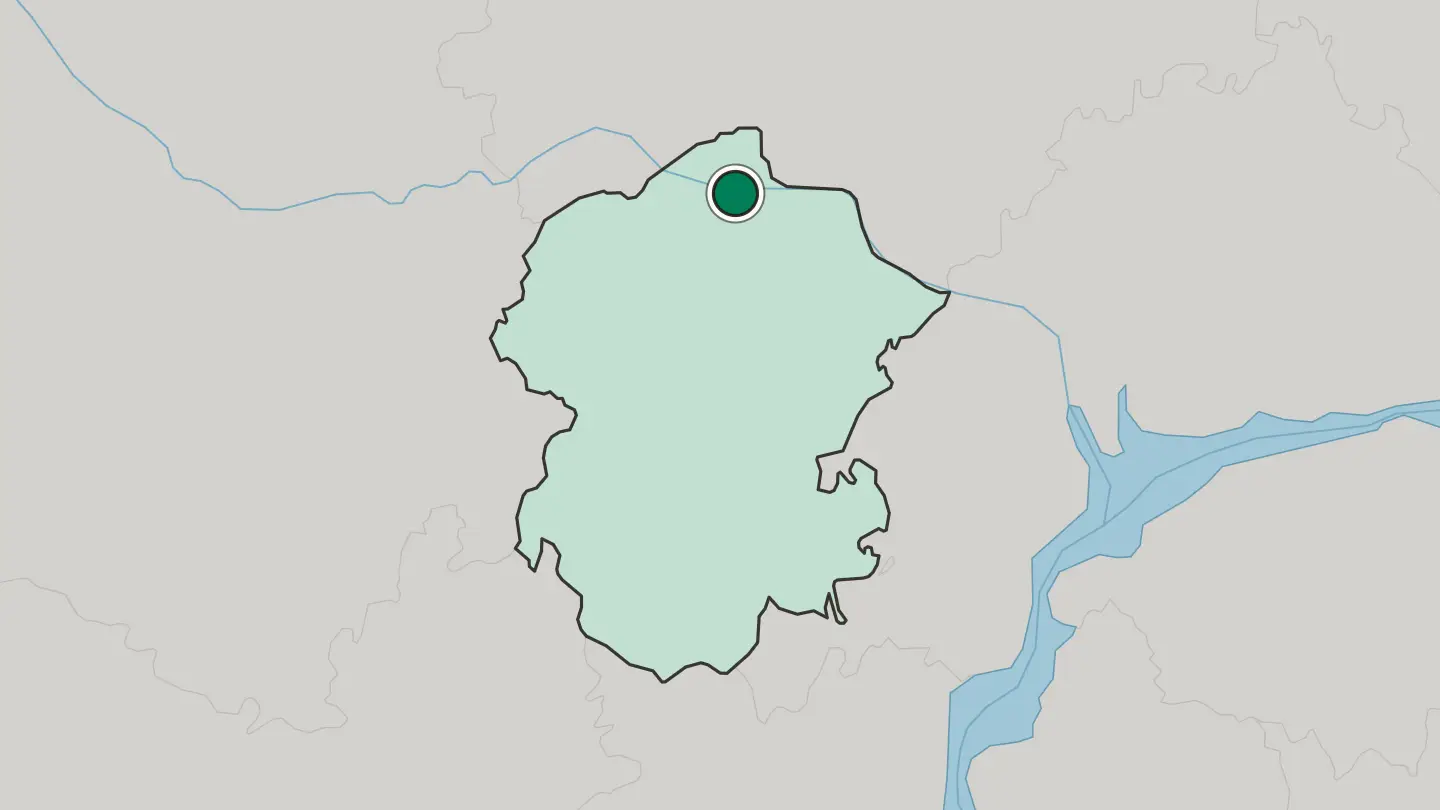 Russia
Novocheboksarsk
Novocheboksarsk is a 1960 city on the southern bank of the Volga River, 3 kilometres east of Cheboksary in Chuvashia.Where to stay →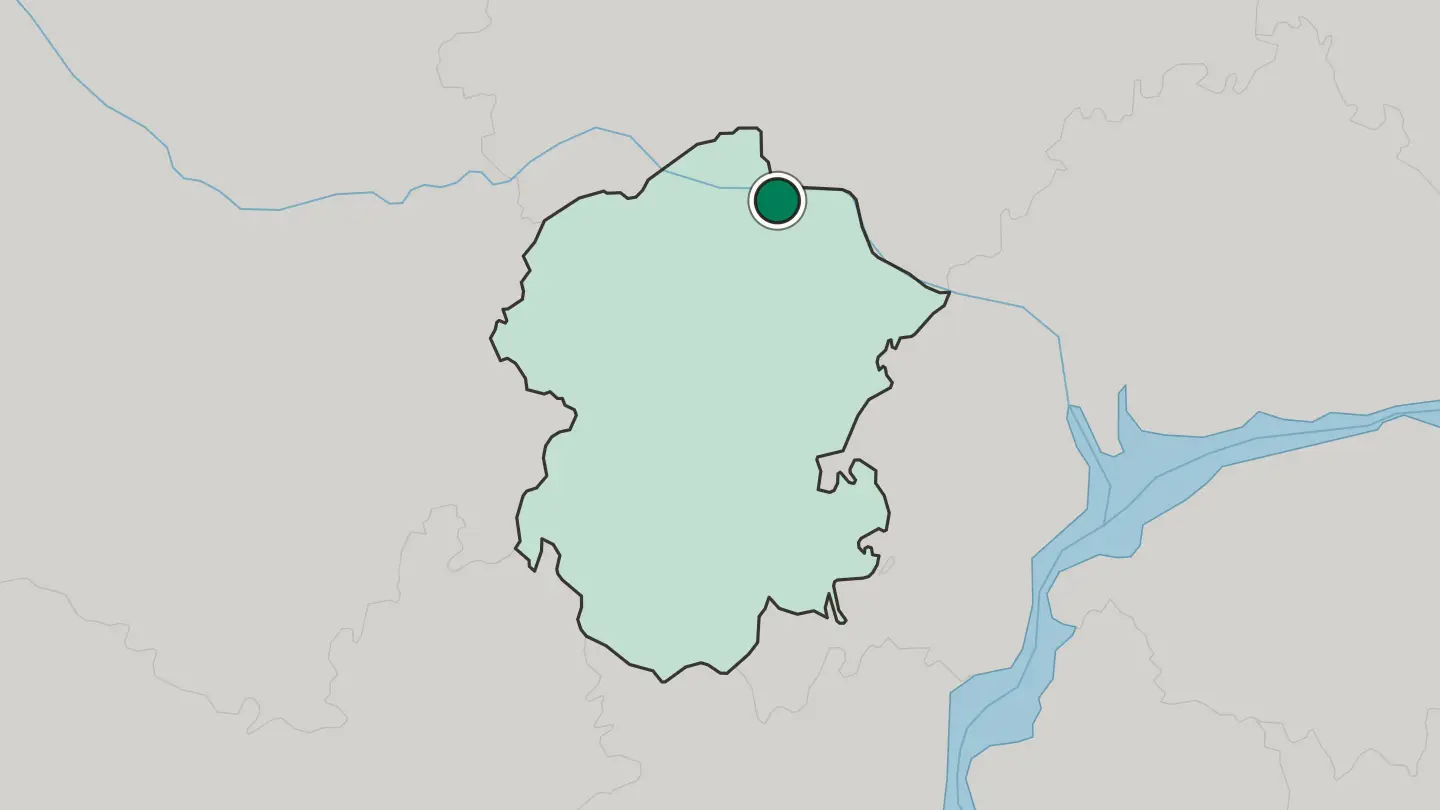
About Chuvashskaya Respublika
This is Chuvash country.
What is Chuvashskaya Respublika known for?
The republic is the homeland of the Chuvash, a Turkic people descended from the Volga Bulgars whose language survives here as the last living branch of the old Oghuric tongue. Cheboksary anchors it on the Volga, its riverfront curved around an artificial lagoon called Cheboksary Bay. Above the water stands the Mother Patroness Monument, a 46-metre figure in Chuvash dress with her arms flung wide.
Beyond the capital lies farm country. Quiet river towns line the Sura and the Tsivil, and old customs hold on in the villages between them.
Where is Chuvashskaya Respublika?
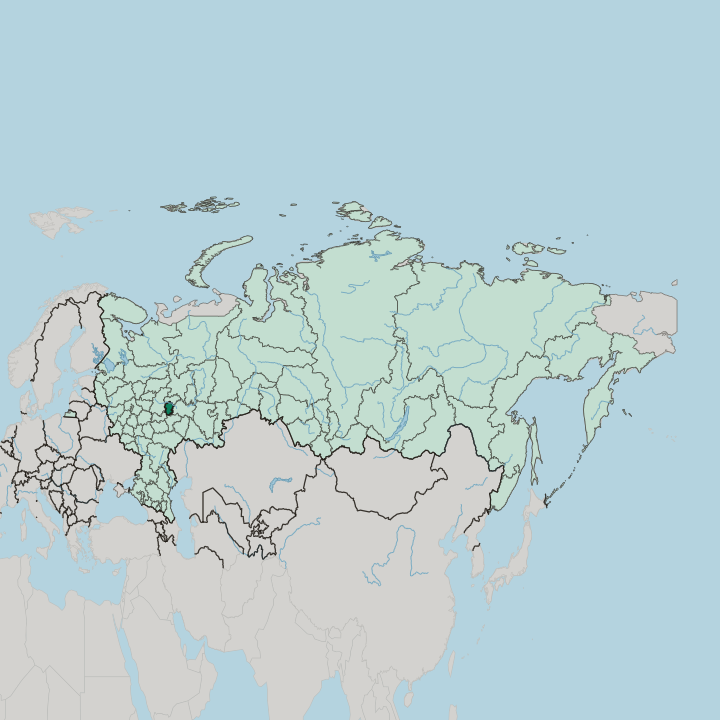
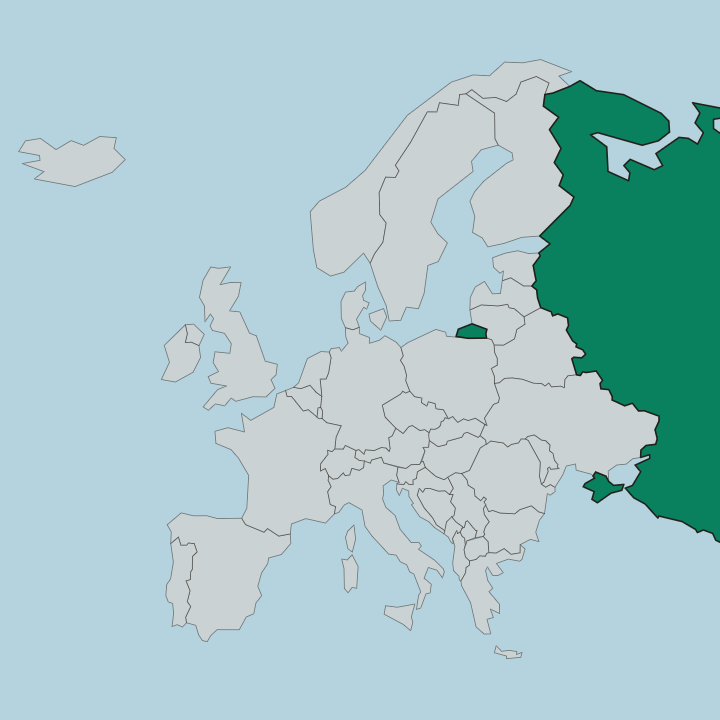
Chuvashia sits in the middle Volga country of European Russia, part of the East European Plain, about 650 kilometres east of Moscow. Chuvashia is a small, closely settled republic. Almost the whole republic lies on the right, western bank of the Volga, wedged between two of the great river's tributaries, the Sura along the west and the Sviyaga to the east.
The land belongs to the Volga Upland, rolling farm country cut by ravines and small rivers rather than any dramatic relief. The Tsivil threads through the centre and drains north into the Volga. More than two thousand streams and several hundred lakes lace the territory, and the Volga itself forms the northern edge as it swings past Cheboksary.
The capital stands on that northern bank, a working port where the river broadens into Cheboksary Bay. Forest cloaks the south around Alatyr, where the Sura marks the frontier with Mordovia and the Nizhny Novgorod region. Tatarstan lies across the Sviyaga to the east.
It is one of Russia's smallest republics by area, and one of the most densely settled, its towns close together on the fertile right bank.
What is Chuvashskaya Respublika like?
The Chuvash give the republic its distinct character. They are a Turkic people, but their language stands apart from every other living tongue, the sole survivor of the Oghuric branch once spoken by the Volga Bulgars. Chuvash and Russian are both official here, and road signs, schools and the local press carry both.
Old belief runs close under the surface. Most Chuvash became Orthodox Christians under the tsars, yet pre-Christian customs, sacred groves, harvest rites and ancestor days lingered longer than the church liked. You see the older world most clearly in the embroidery.
Chuvash women worked geometric patterns in red and white into shirts, headdresses and towels, and the same motifs now decorate the republic's museums and its flag. Cheboksary keeps that heritage on show in its Chuvash National Museum and its opera house, while smaller towns hold to village festivals such as Akatuy, the spring plough feast that follows the sowing. Woodcarving, choral singing and beer brewed at home round out a folk culture that the Soviet century bent but never broke.
The result is a place that feels neither wholly Russian nor quite like its Tatar neighbours.
What is the history of Chuvashskaya Respublika?
The Chuvash trace their roots to the Volga Bulgars, whose state on the middle Volga was broken by the Mongols in the year 1236. Those who kept the old Turkic speech, rather than adopting Islam and turning Tatar, became the Chuvash. Their lands passed to the Khanate of Kazan, then to Moscow after Ivan the Terrible seized Kazan in 1552.
Self-rule came late. A Chuvash Autonomous Oblast was carved out under Soviet power in 1920 and upgraded to an autonomous republic five years later, with Cheboksary confirmed as its capital. The name Chuvash Republic dates only from 1992.
What is the climate of Chuvashskaya Respublika?
Chuvashia has a moderate continental climate, far from any softening sea. Winters bite. From December the Volga freezes hard and January hovels near minus thirteen, with snow lying for months across the right-bank farmland.
Summers turn warm and green, July averaging around nineteen degrees, and most of the year's half-metre of rain falls in the warmer months. Spring and autumn are short, muddy hinges between the two extremes.
How do you get to Chuvashskaya Respublika?
Most travellers reach Chuvashia through Cheboksary. The capital has its own airport with flights from Moscow, a hop of about four hours door to door. Overnight trains are the classic way in, rolling out of Moscow's Kazansky terminal and reaching the republic in roughly twelve hours, with Kanash on the main line a busy junction for onward services.
Volga cruise boats tie up at the Cheboksary river port through the ice-free months, making the water a route in its own right. By road, the M7 highway links the region to Moscow in the west and Kazan across the Volga to the east.
Common questions
What is the best area to stay in Chuvashskaya Respublika?
Cheboksary: the capital and its riverfront. Novocheboksarsk: an overflow base near the capital.
More regions in Russia
Updated September 2026