Russia
Krasnodarskiy Kray, Russia — Towns & Travel Guide
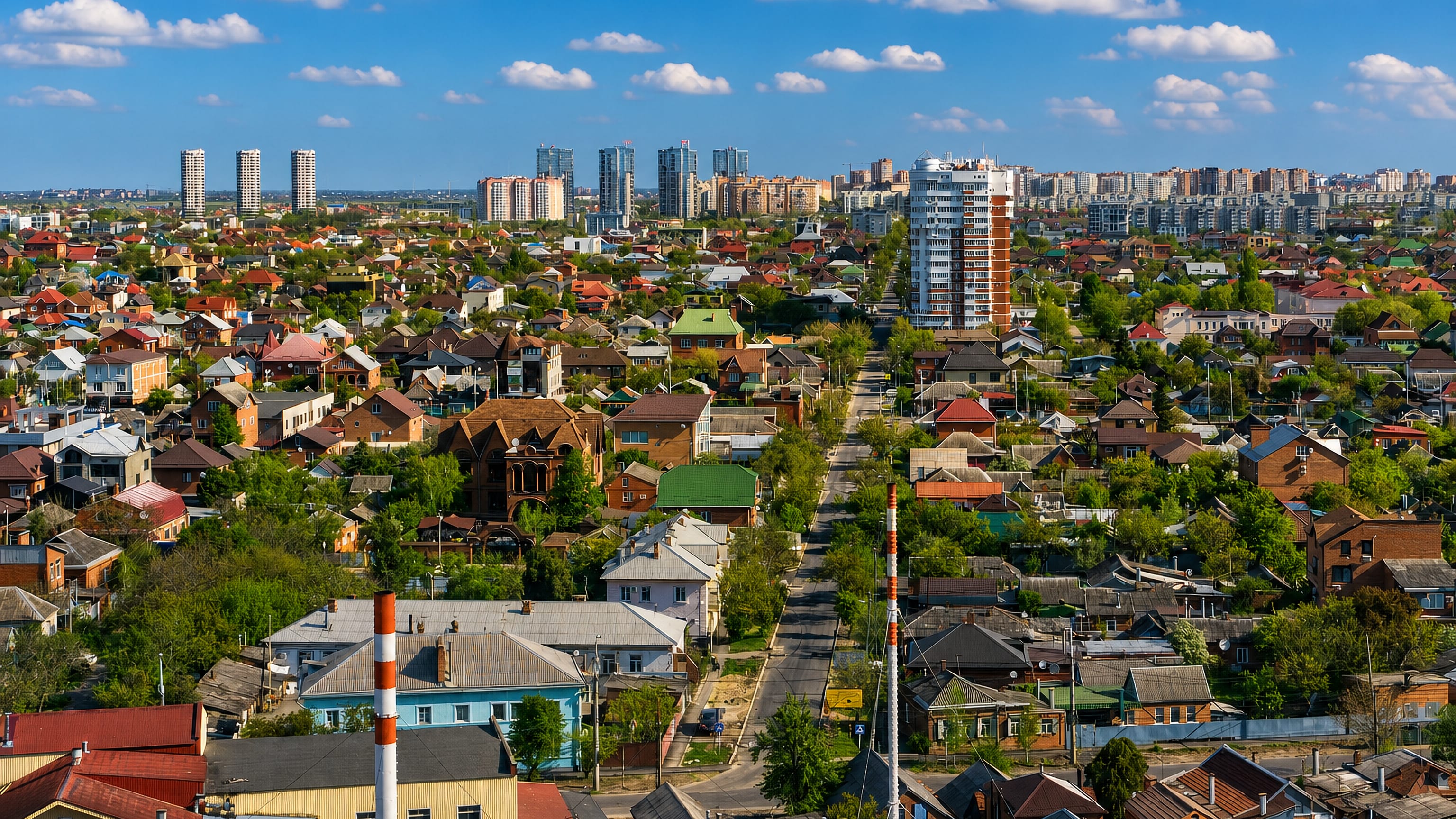
Krasnodarskiy Kray is Russia's warm south, wrapped around the Kuban plain between the Black Sea, the Sea of Azov and the Caucasus.
Find your area →


Towns & cities in Krasnodarskiy Kray
Pick a town or city — each links to where to stay.
 Russia
Krasnodar
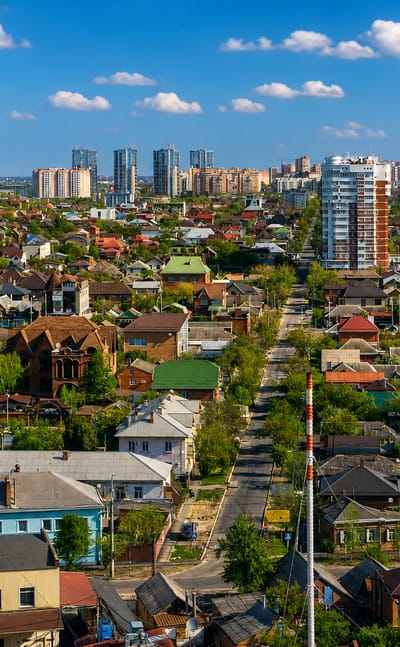
The Alexander Triumphal Arch marks Krasnodar, Krasnodarskiy Kray, with the Monument to the Kuban Cossacks and the Kovalenko Krasnodar Regional Art Museum.Where to stay →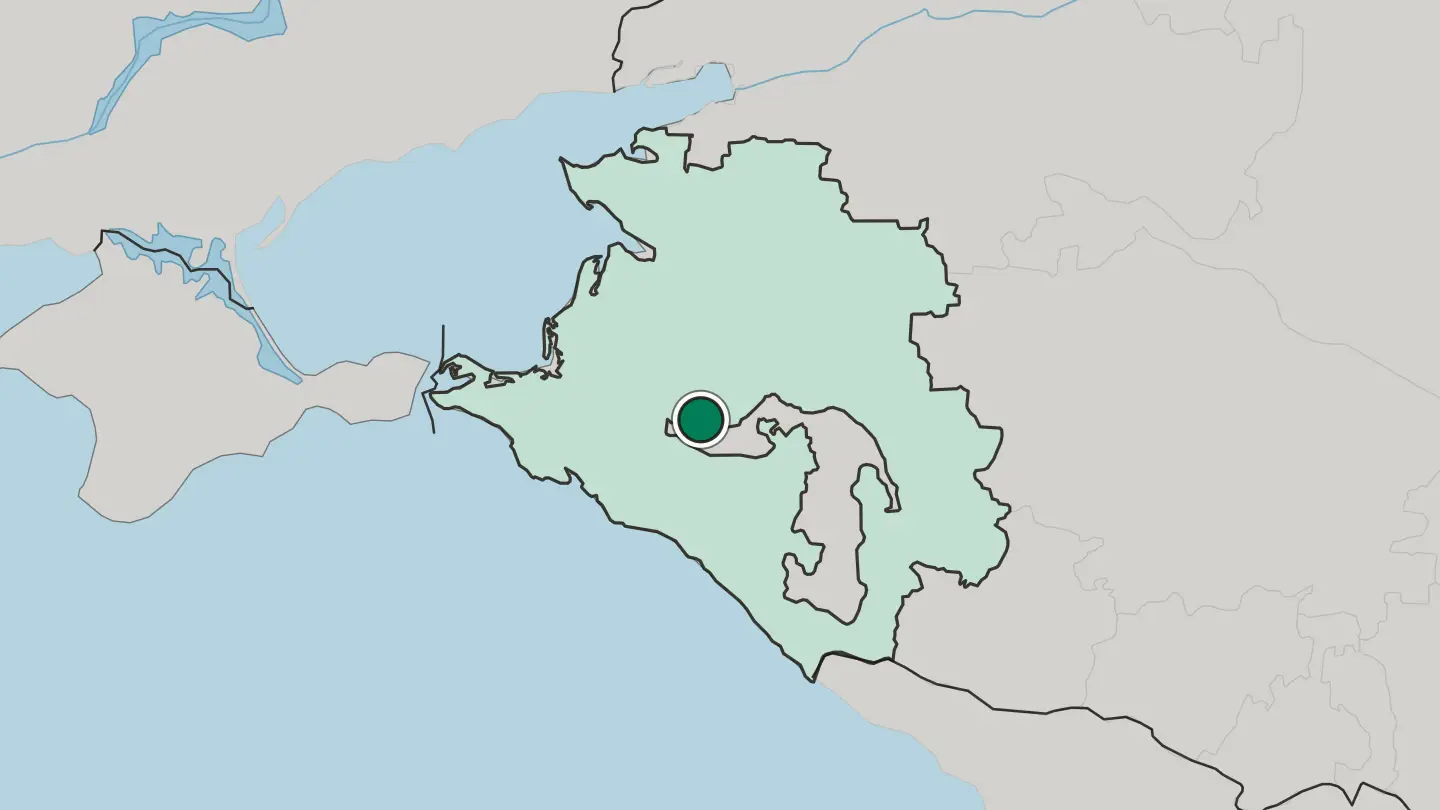
 Russia
Sochi
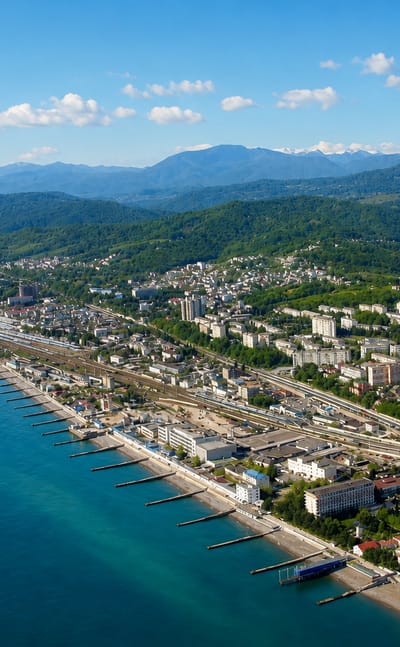
Palms line the Black Sea shore at Sochi, a resort city below the North Caucasus mountains, known for the Sochi Arboretum and Park Riviera.Where to stay →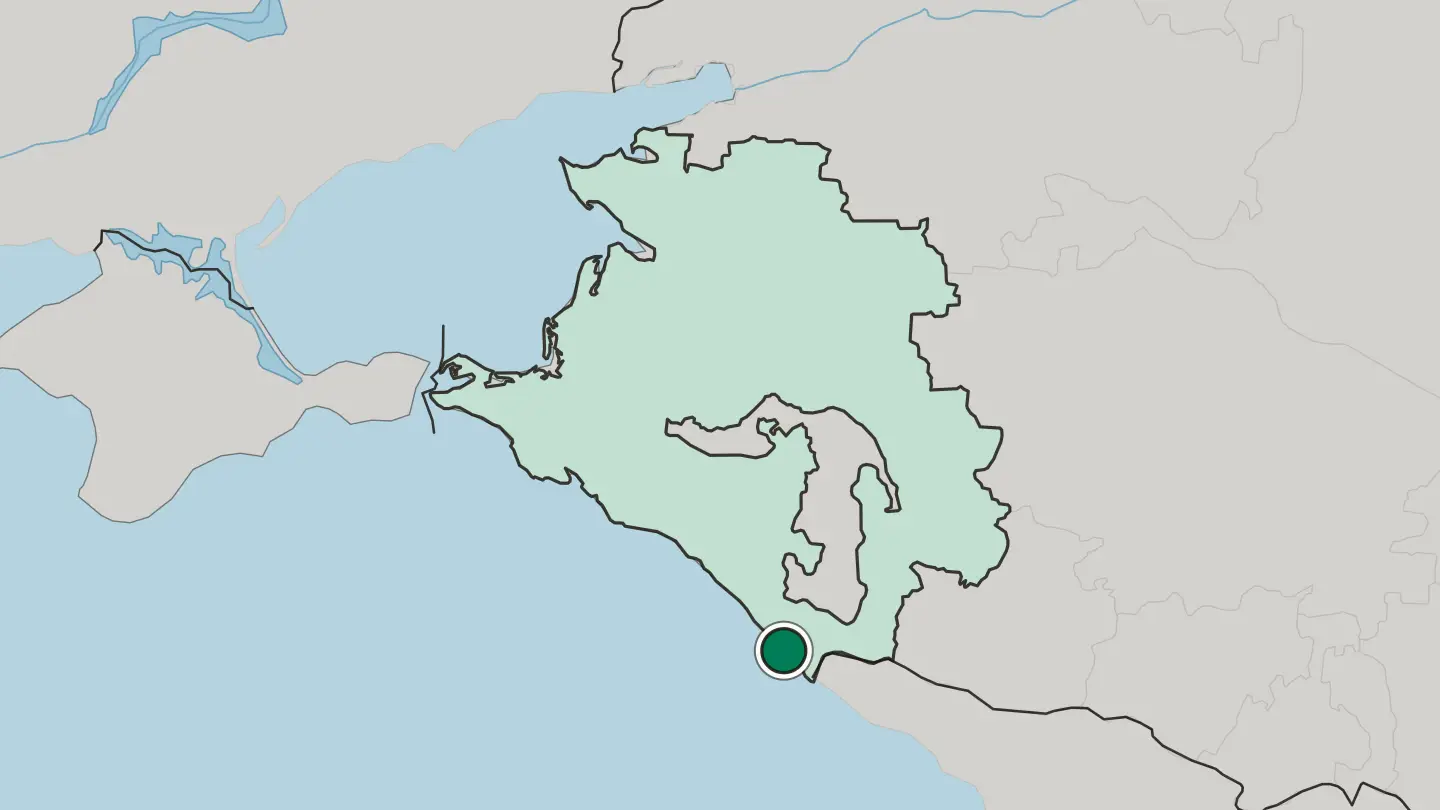
 Russia
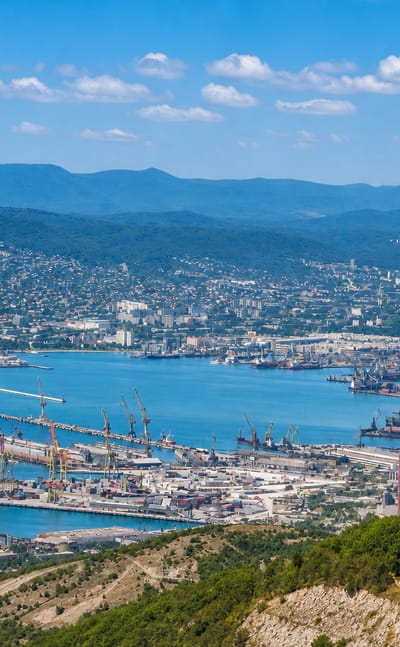
Novorossiysk
Cargo cranes line the Black Sea harbour at Novorossiysk, a port city in Krasnodarskiy Kray, a Soviet Hero City remembered at Heroes' Square.Where to stay →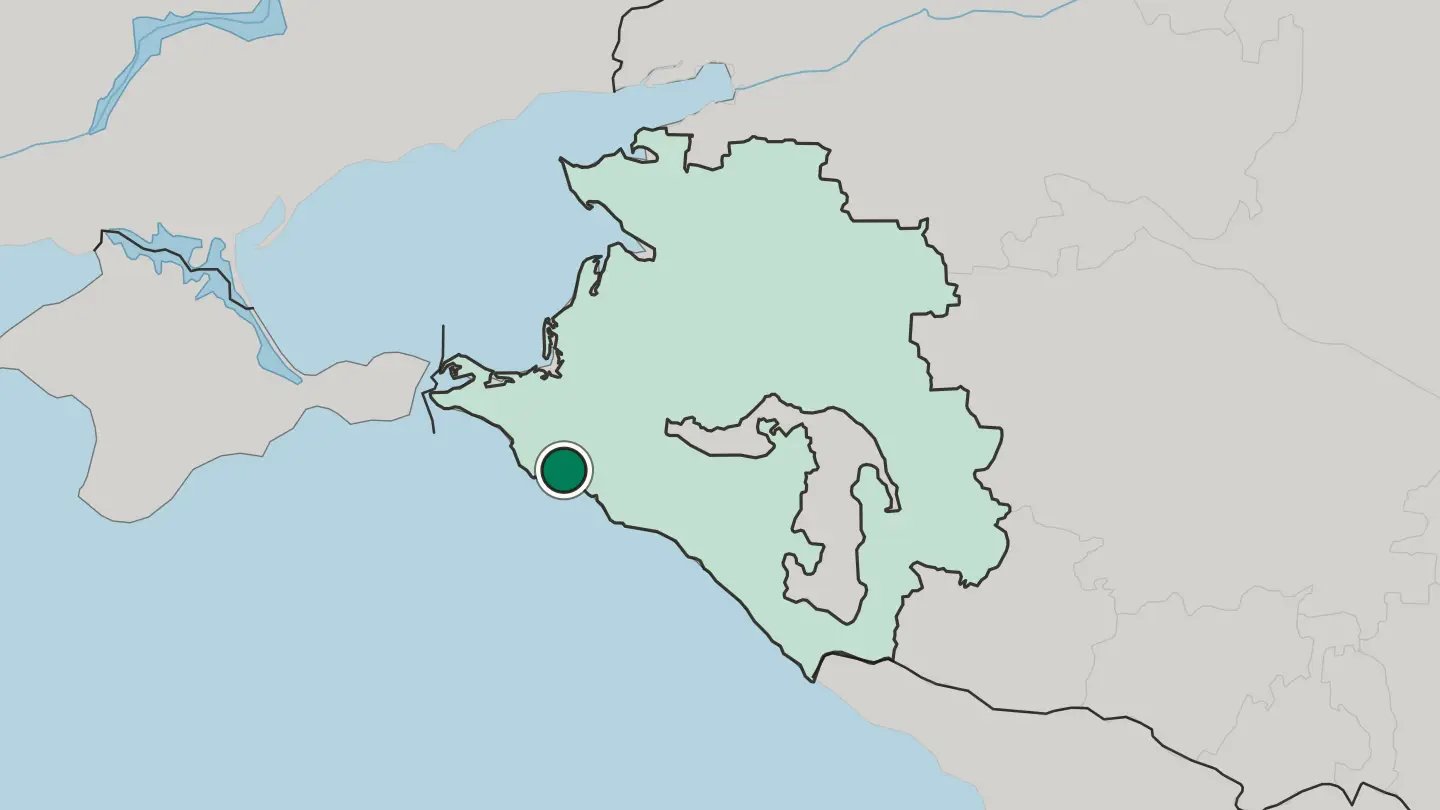
 Russia
Armavir
Armavir works the left bank of the Kuban River in Krasnodar Krai, an industrial city founded in 1839 and second in the region only to Krasnodar.Where to stay →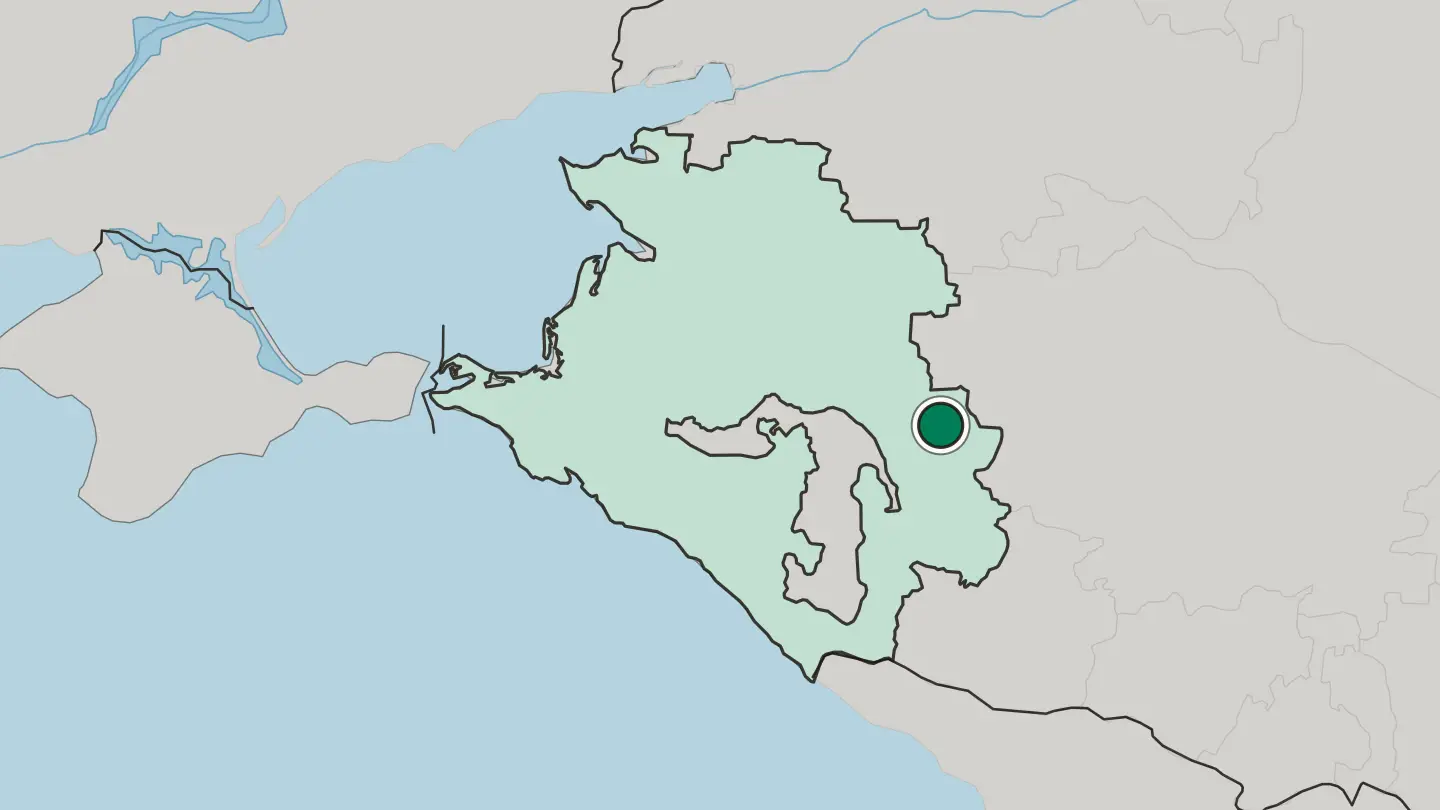 Russia
Yeysk
Yeysk holds the Yeysk Spit between the Yeya River and the Sea of Azov, a port and resort town dating from 1848. Taganrog Gulf lies beyond.Where to stay →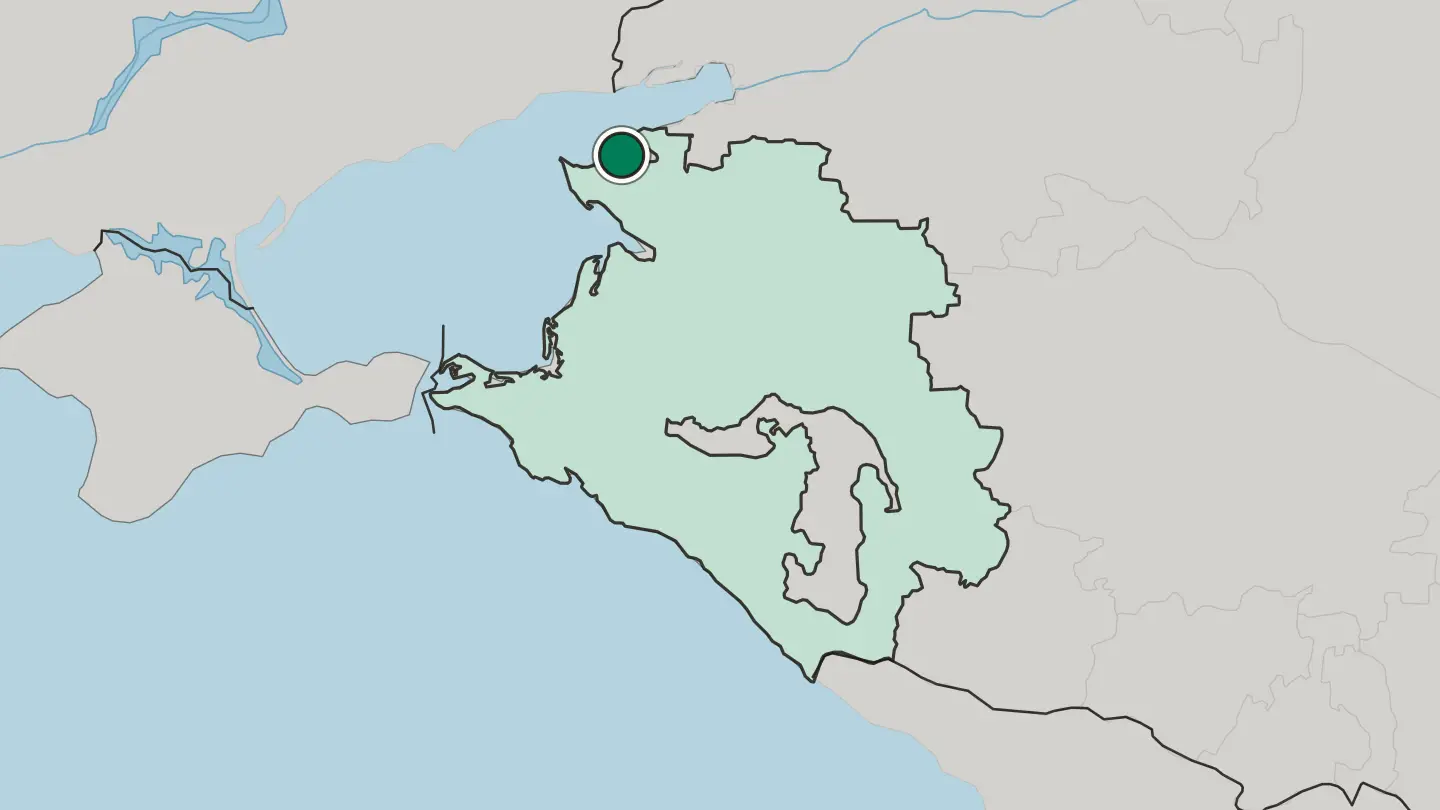
 Russia
Kropotkin
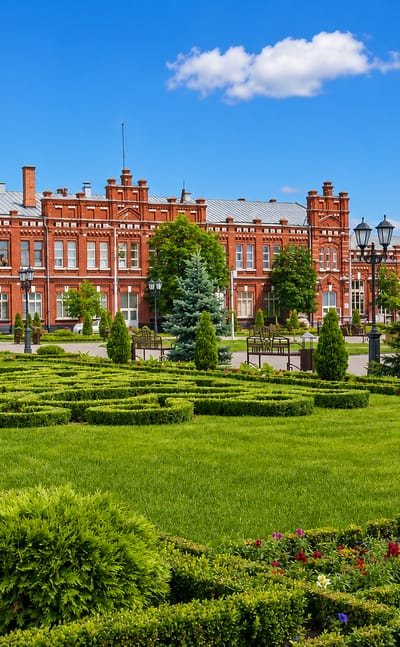
Romanovsky until 1921, Kropotkin is a Krasnodar Krai rail town on the right bank of the Kuban River. Kavkazskaya train station anchors it.Where to stay →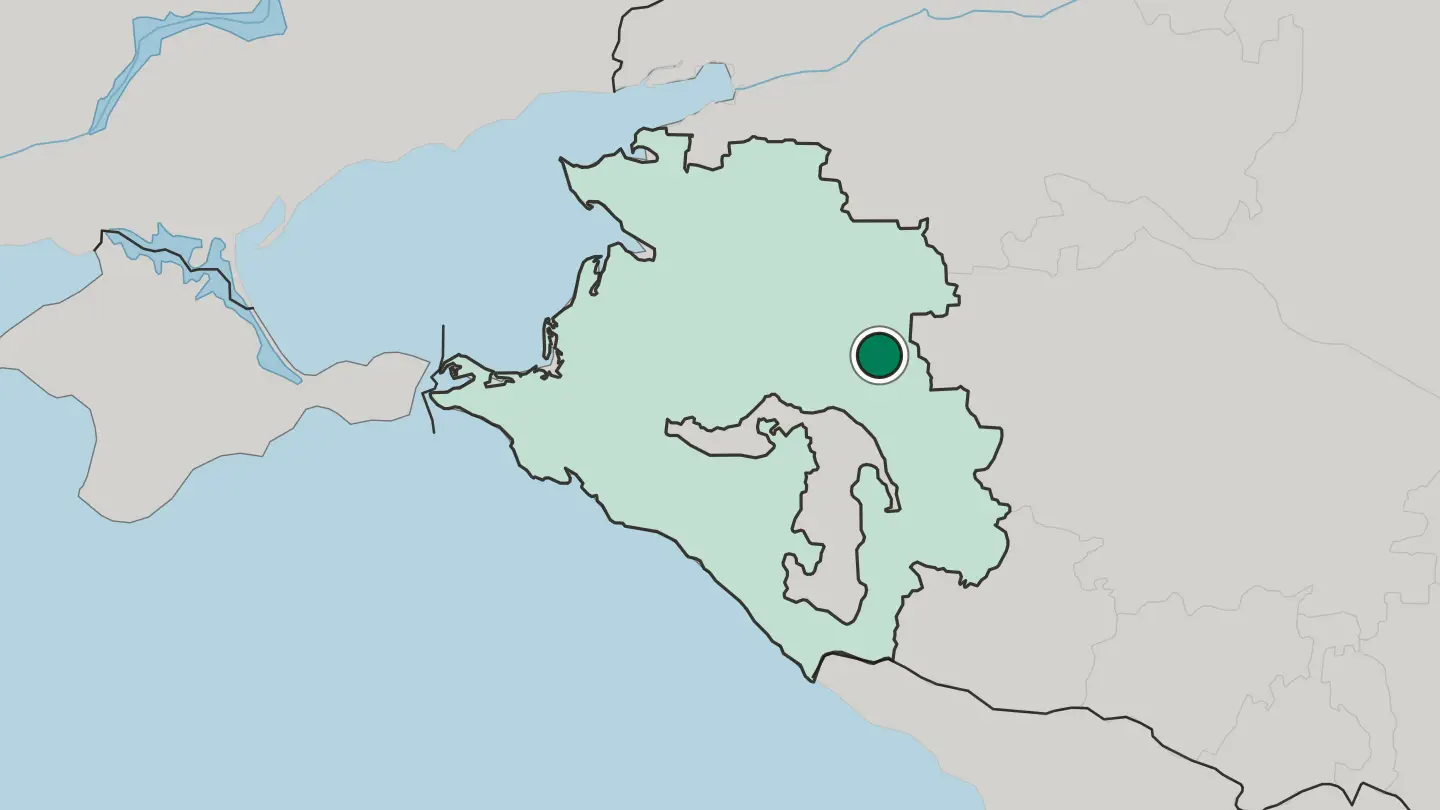
 Russia
Adler
Adler sits at the mouth of the Mzymta River on the Black Sea coast, a resort quarter of Sochi and the centre of Adlersky city district.Where to stay →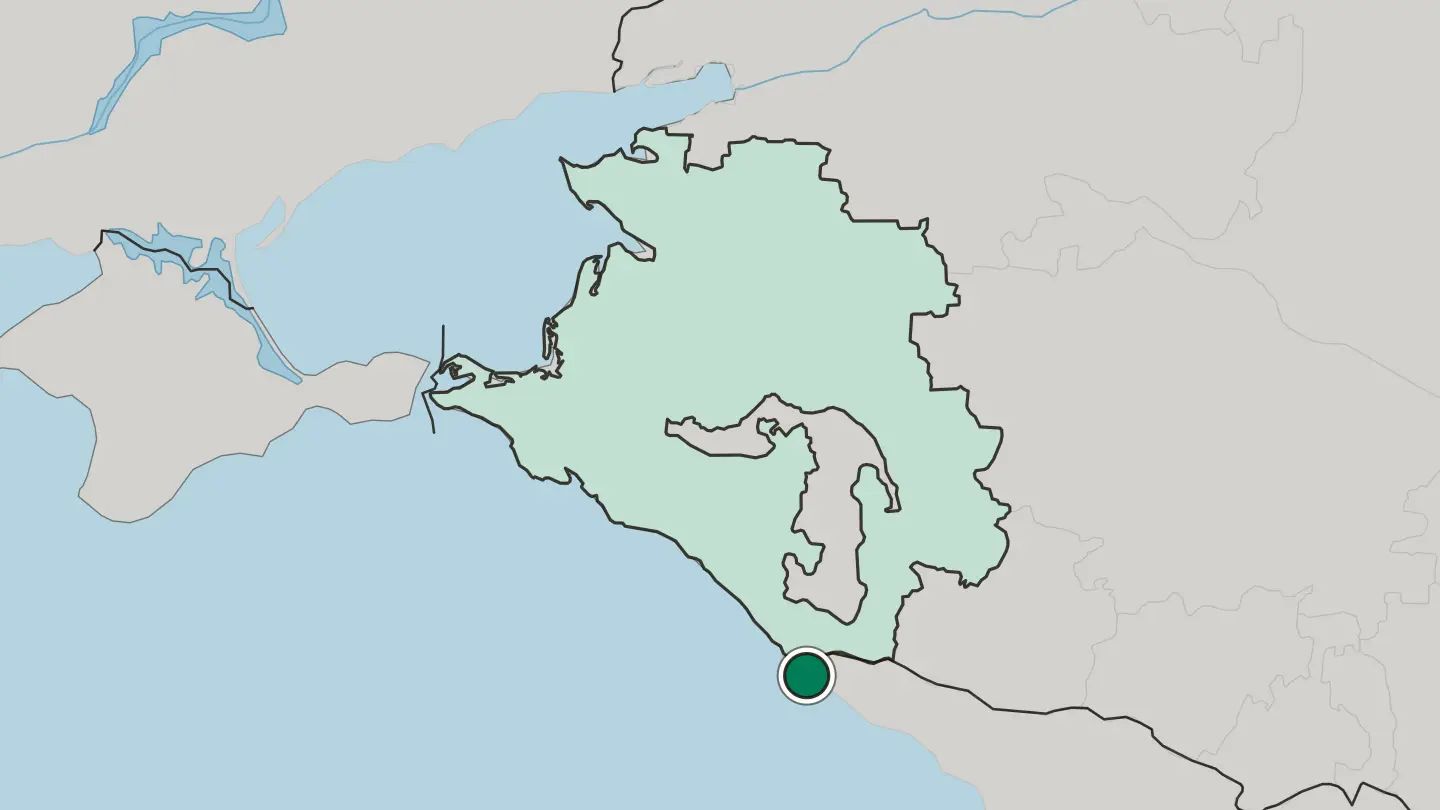 Russia
Slavyansk-na-Kubani
Slavyansk-na-Kubani sits in the Kuban River delta, a town of Krasnodar Krai dating from 1865. Славянская is the older name.Where to stay →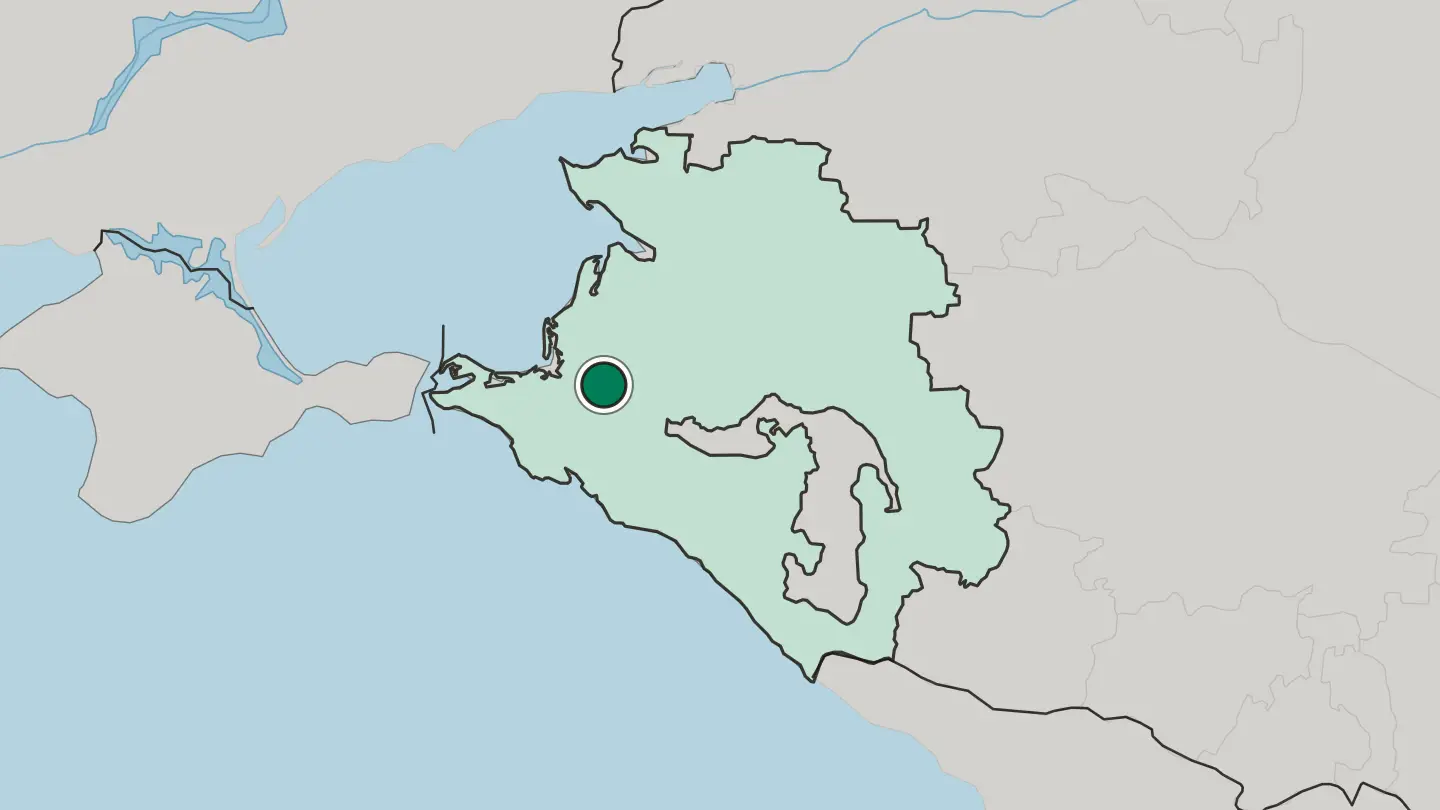
All towns & cities (16)
Russia
Tikhoretsk
Tikhoretsk dates from 1895, administrative centre of the Tikhoretsky District in Krasnodar Krai. Tikhoretskaya station serves it.Where to stay →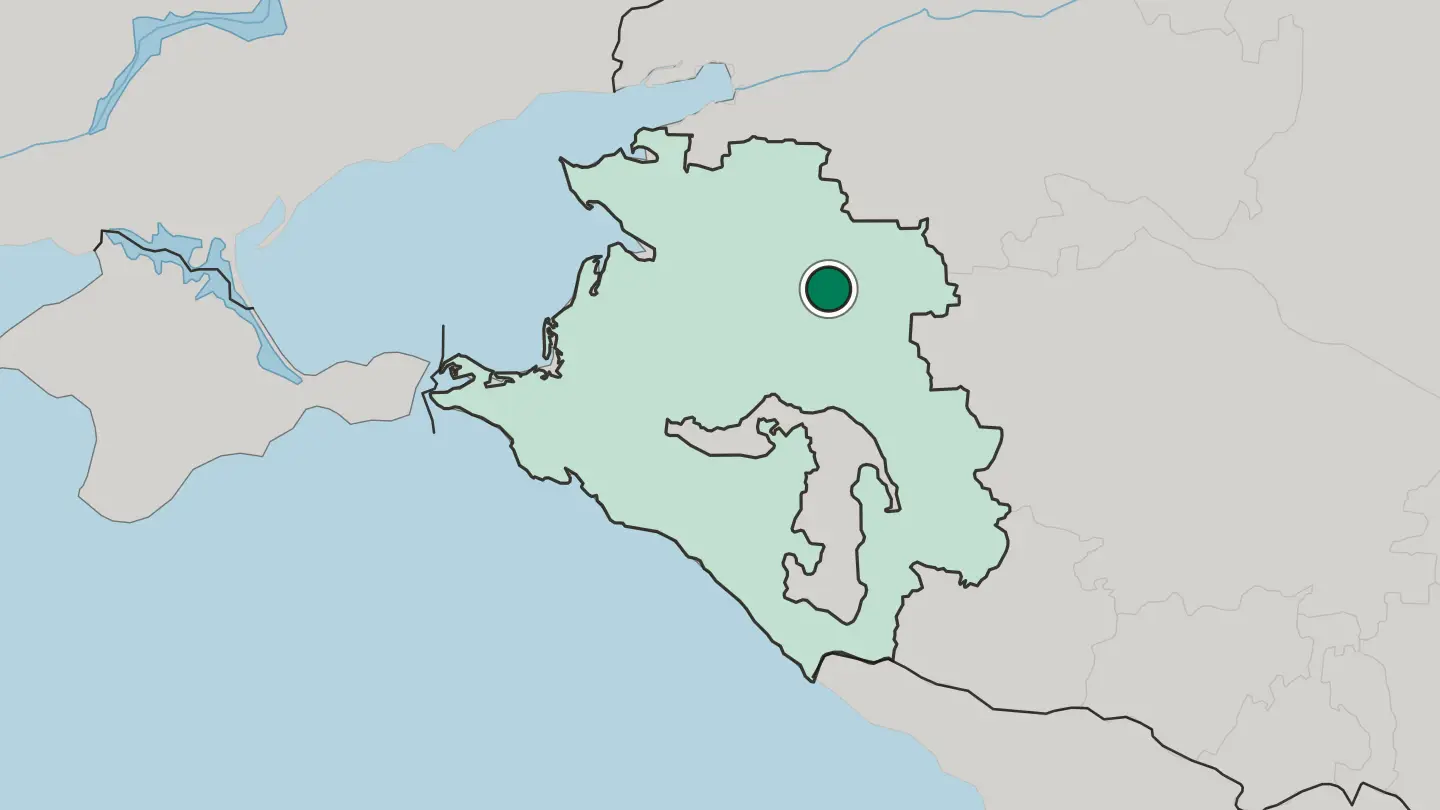
 Russia
Tuapse
Tuapse holds Black Sea shore between Gelendzhik and Sochi, a Krasnodar Krai town dating from 1838. ТIуапсы is the other spelling.Where to stay →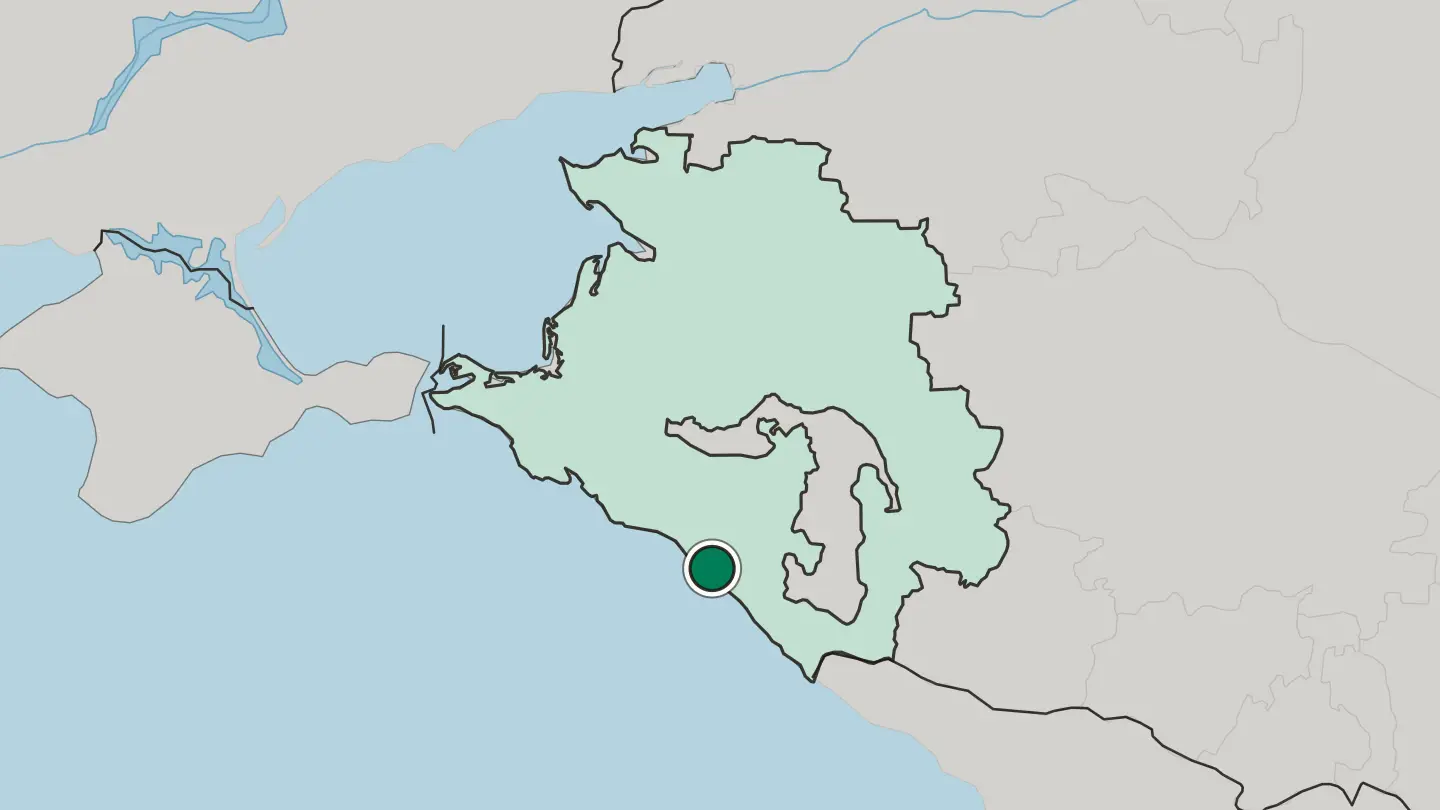 Russia
Labinsk
Labinsk was founded in 1841. The town belongs to Krasnodar Krai and sits on the Bolshaya Laba, southeast of Krasnodar and southwest of Armavir.Where to stay →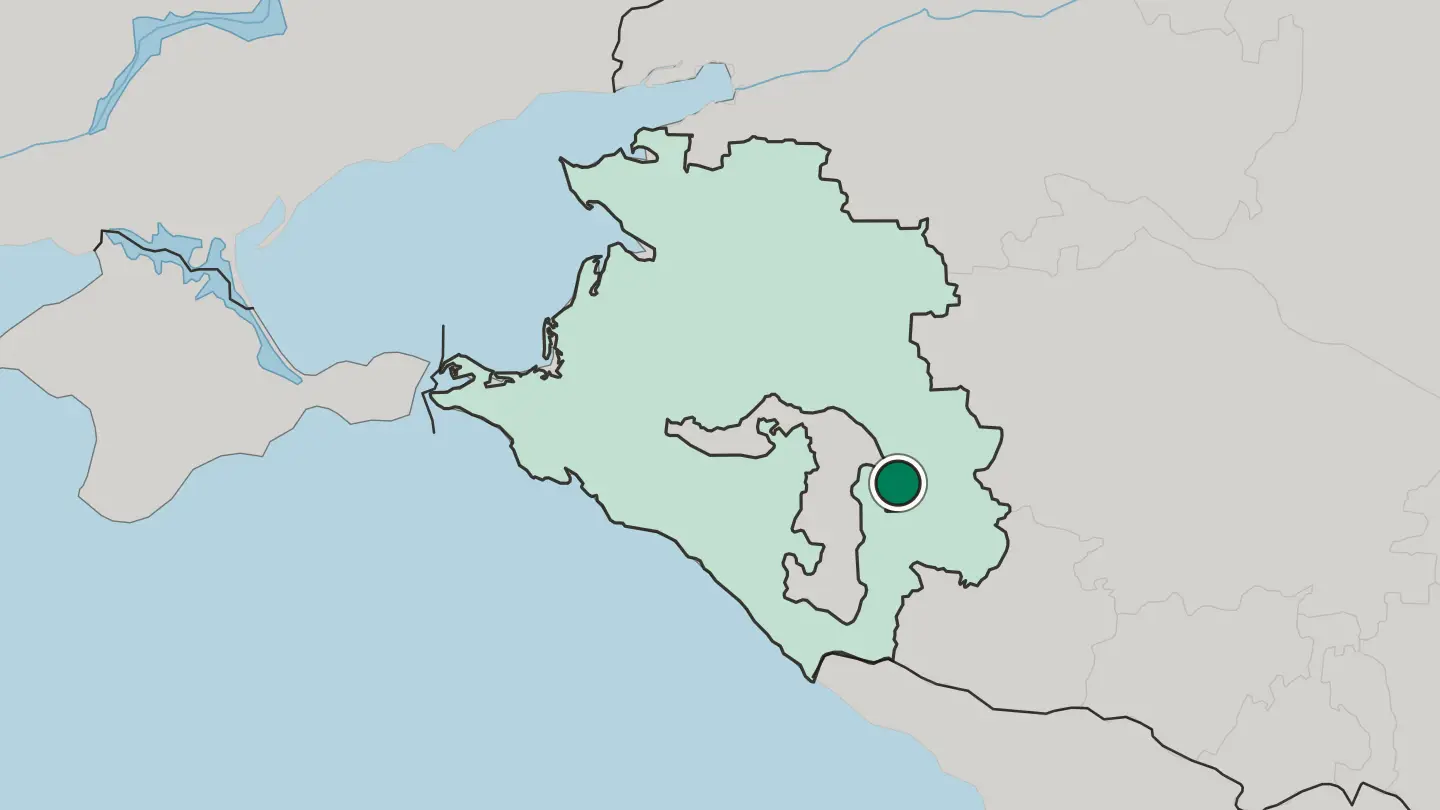 Russia
Krymsk
Krymsk dates from 1862, a working town of Krasnodar Krai whose single entry in the register is Карагодеуашх. Expectations stay modest.Where to stay →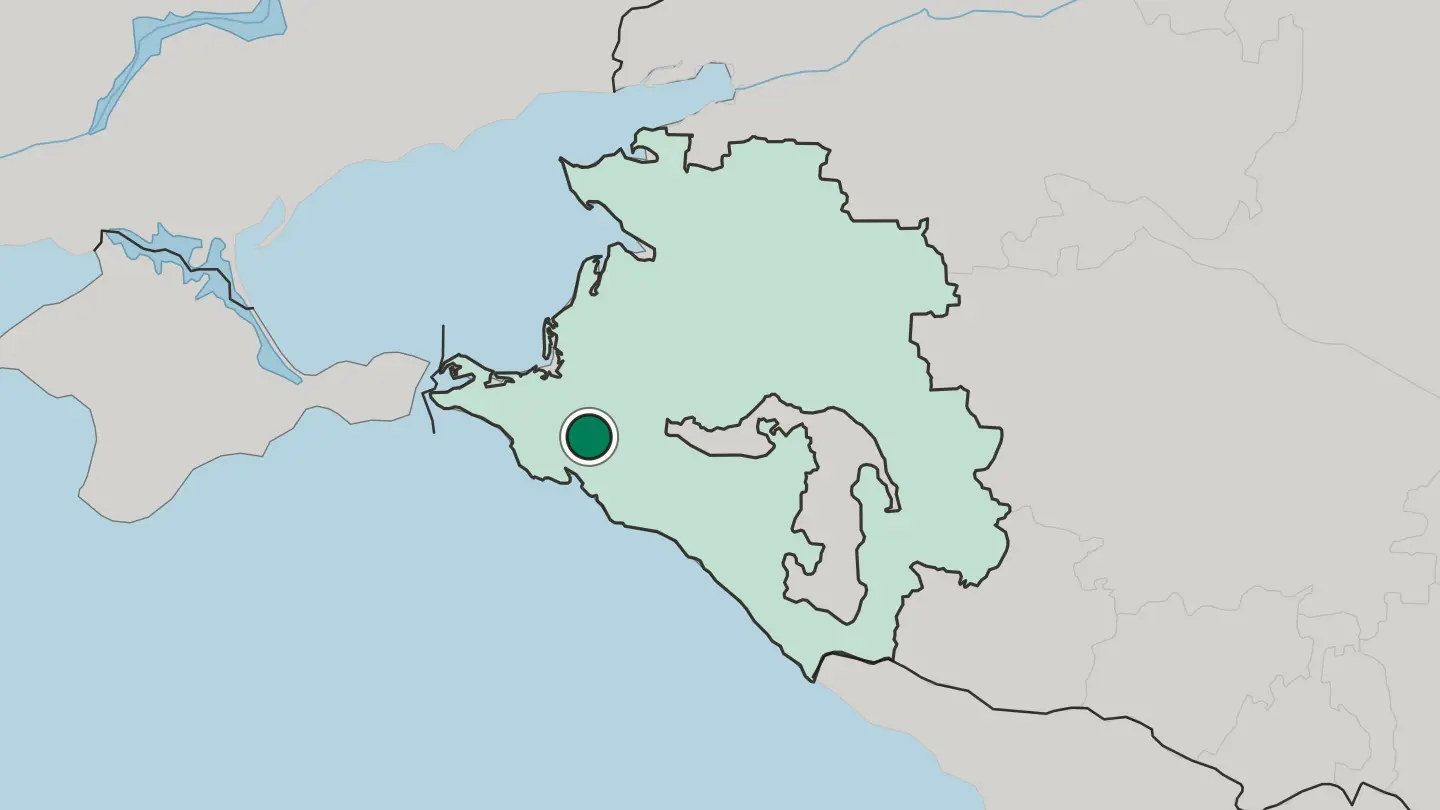 Russia
Belorechensk
Belorechensk stands on the Belaya River in Krasnodar Krai, a town founded in 1862 that takes its name straight from the river beside it.Where to stay →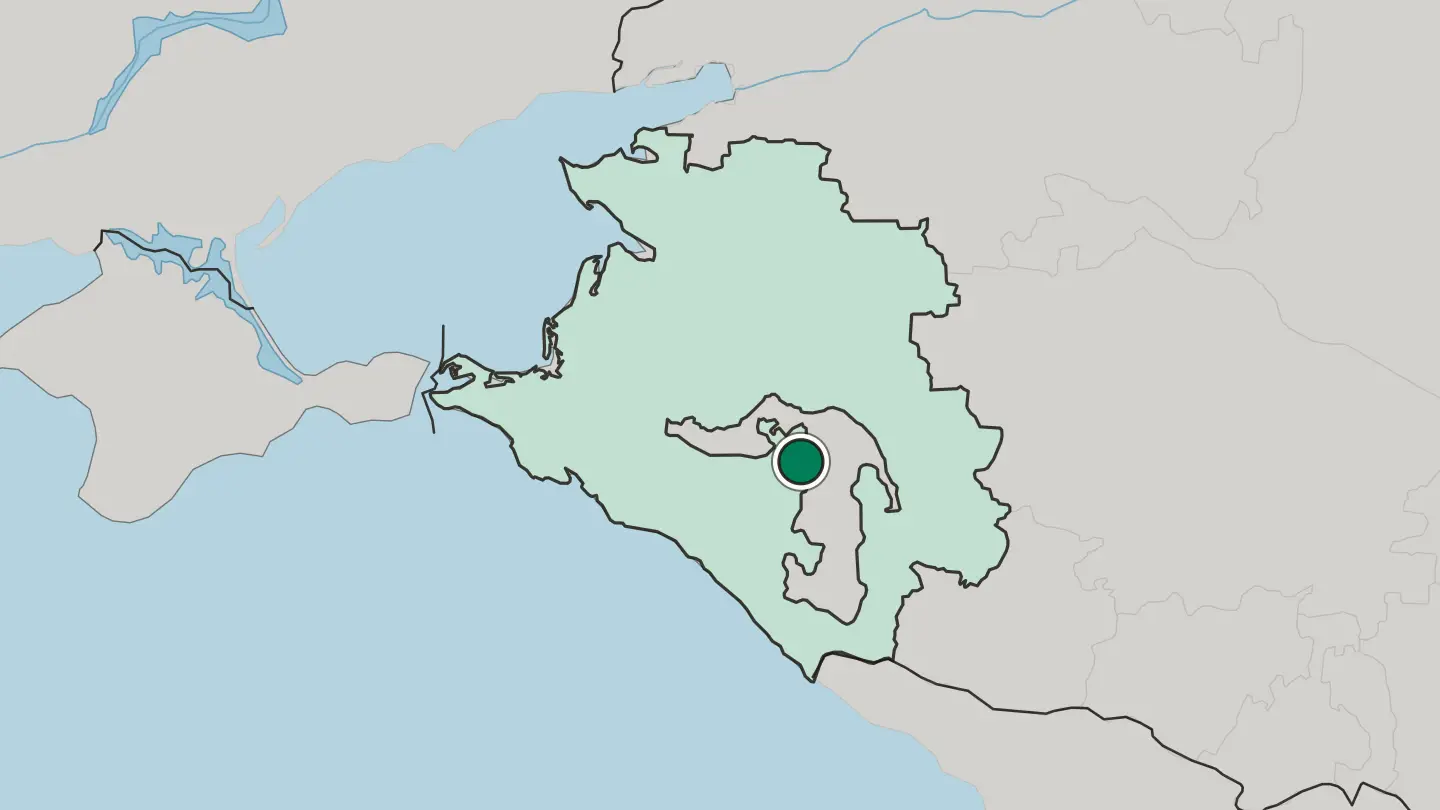 Russia
Timashyovsk
Timashyovsk stands on the Kirpili. The town heads Timashevsky District within Krasnodar Krai, 73 kilometres north of Krasnodar, and dates from 1794.Where to stay →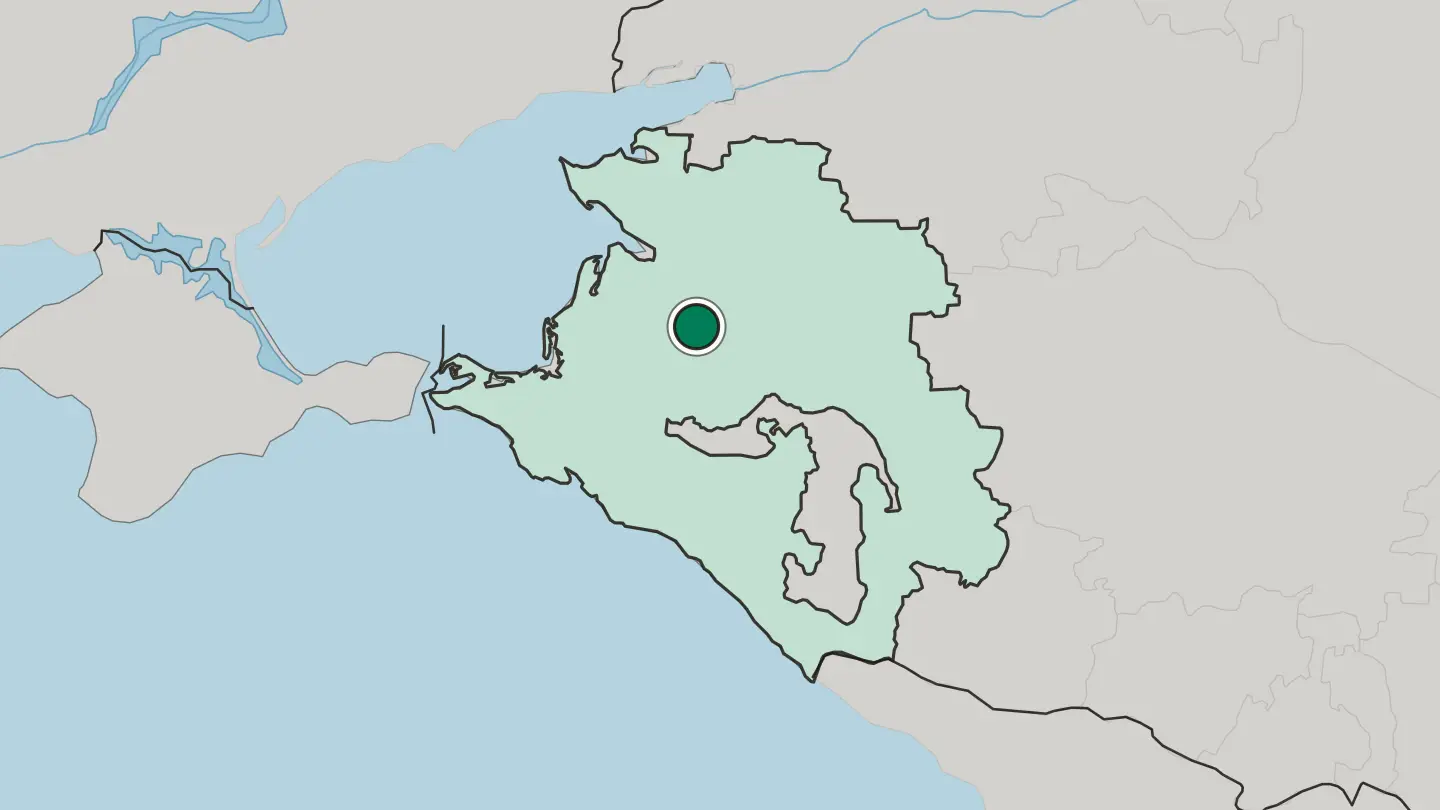
 Russia
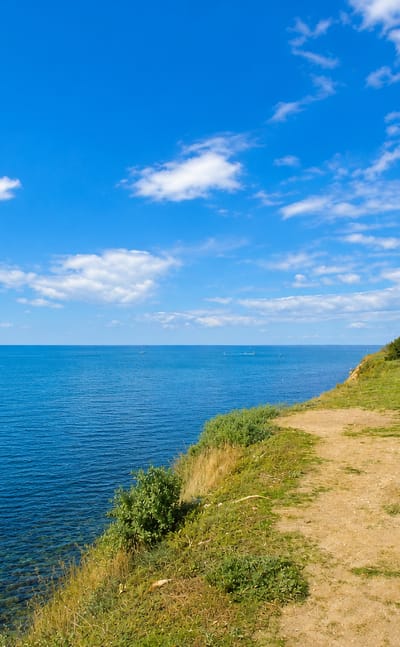
Anapa
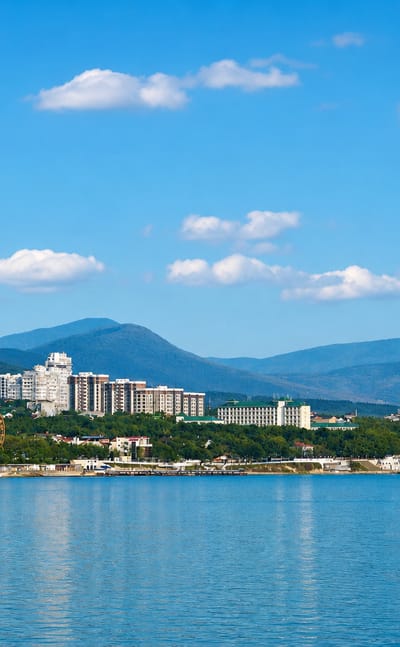
Sand beaches meet ancient ruins at Anapa, a Black Sea resort town near the Sea of Azov in Krasnodar Krai, built over the Greek colony of Gorgippia.Where to stay →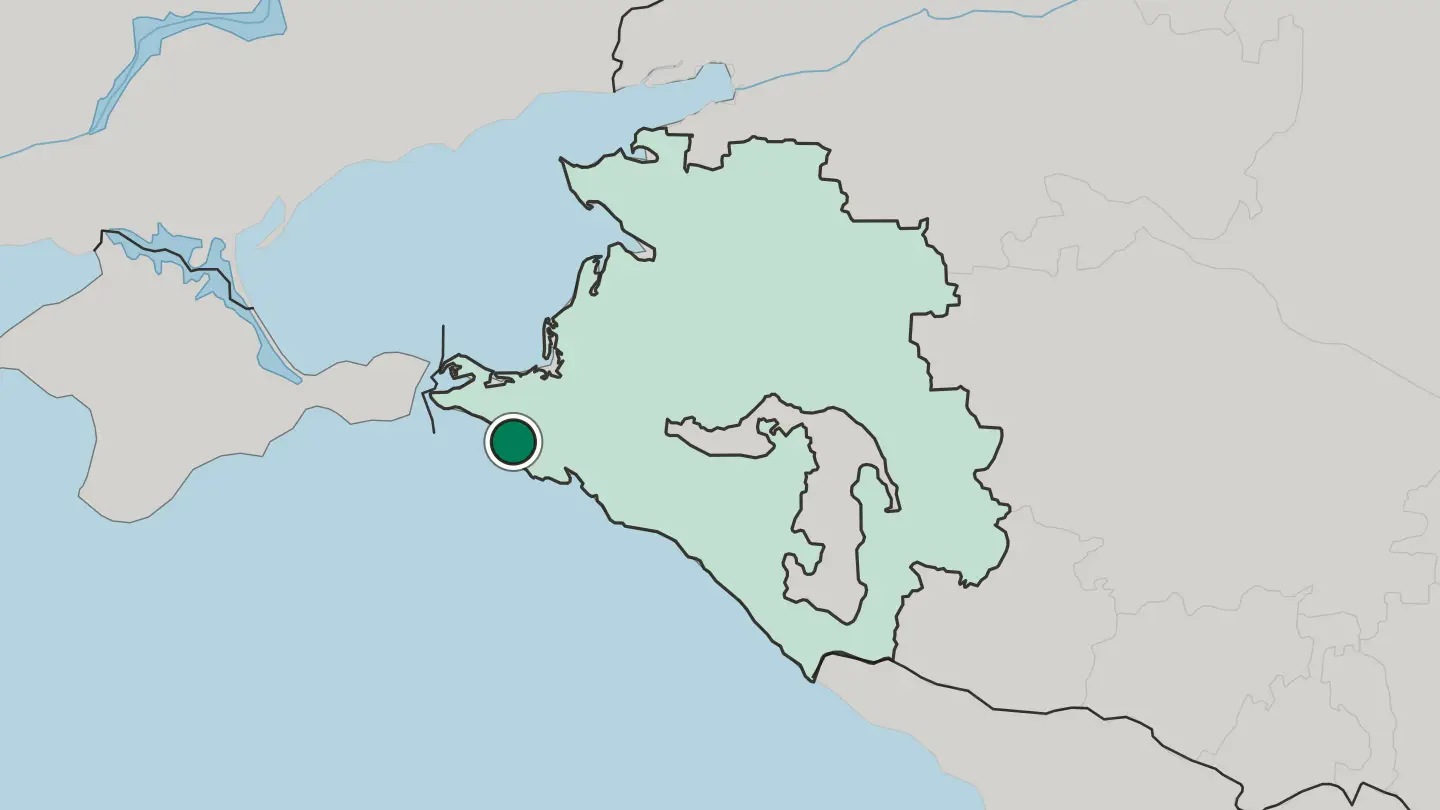
 Russia
Gelendzhik
A curved bay opens to the sea at Gelendzhik, a Black Sea resort town in Krasnodar Krai on the southern Russian coast.Where to stay →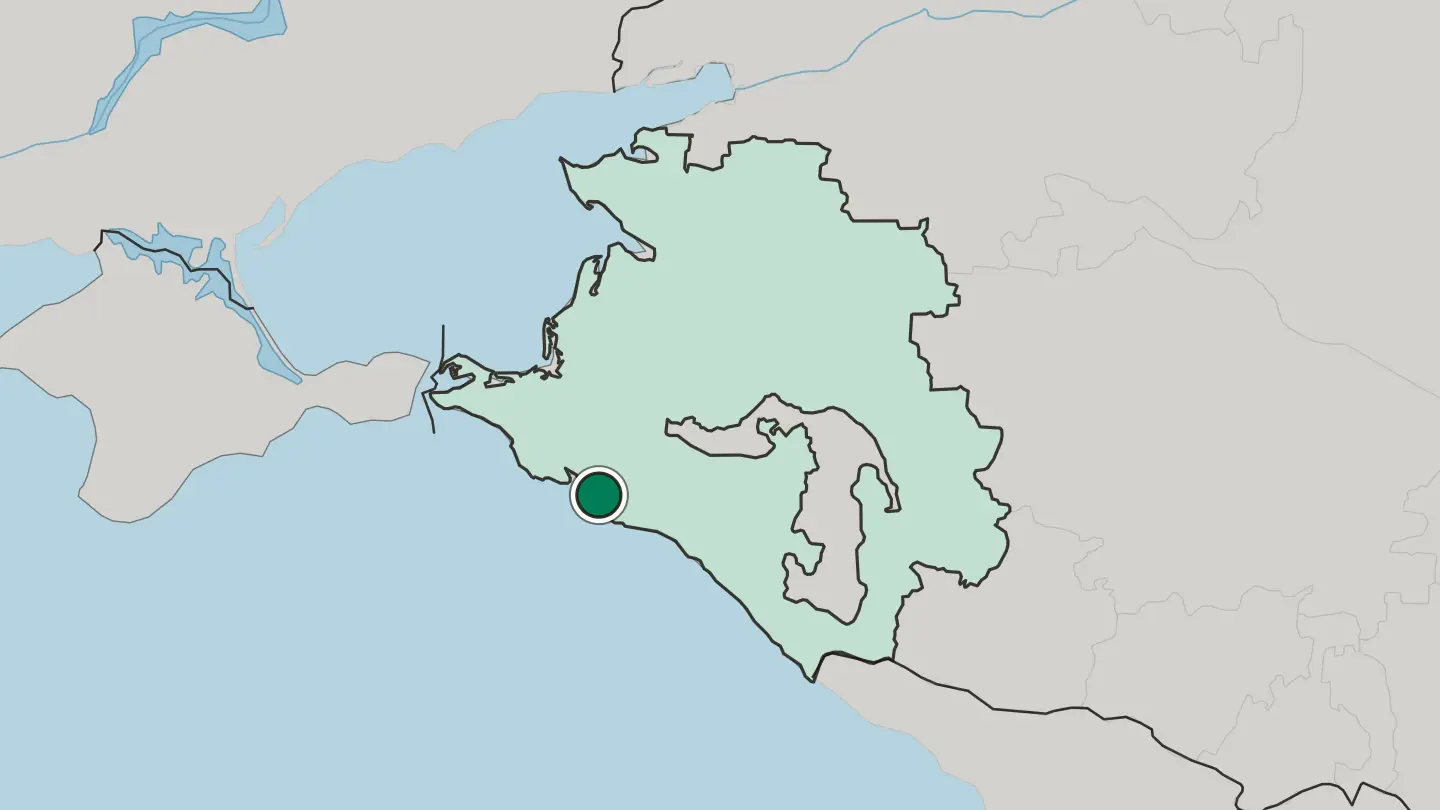
About Krasnodarskiy Kray
This is where Russia goes to the sea.
What is Krasnodarskiy Kray known for?
The Black Sea resorts line its southern edge, and Sochi anchors them all as the country's summer capital and the host of the 2014 Winter Olympics. Beyond the beaches sits the Kuban, a black-earth plain that grows much of Russia's grain, sunflower and wine. Cossack settlements gave the region its name and its stubborn character.
Krasnodar runs it from the plain, while Novorossiysk works the coast as Russia's busiest Black Sea port.
Where is Krasnodarskiy Kray?
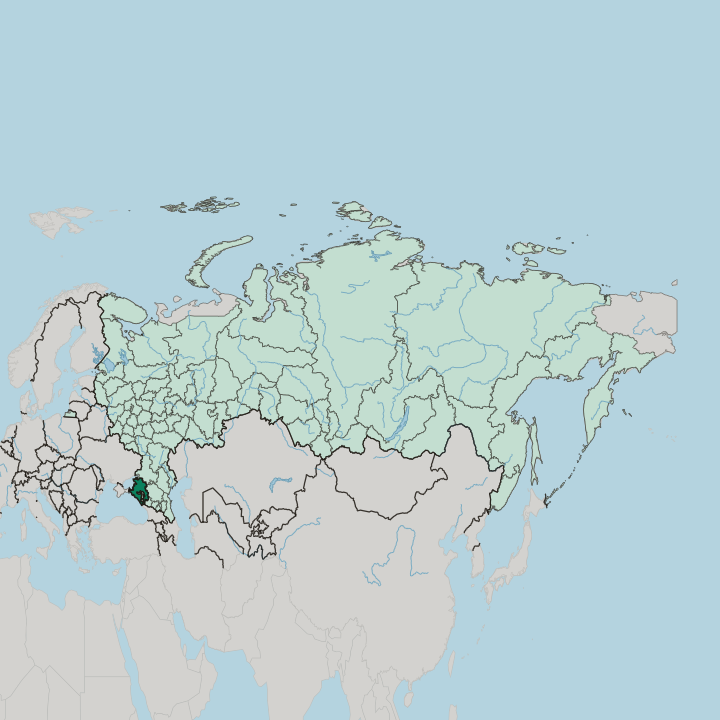
Krasnodarskiy Kray fills the far south-west of Russia, the last stretch of the country before the mountains rise into the Caucasus. The Kuban river splits it in two. North of the river lies open black-earth steppe, a flat plain that runs to the shallow, low-salinity Sea of Azov.
South of it the land tilts up into the western Caucasus, whose ridges climb past three thousand metres and shed short rivers toward the Black Sea. Between that range and the shore runs only a narrow coastal shelf, and the resort towns are strung all along it, hemmed against the water with nowhere else to spread. It is a dramatic squeeze.
Mountains at your back, warm sea at your feet. The Taman Peninsula reaches west toward Crimea, its low ground the delta where the Kuban finally empties into the Sea of Azov. Only the Kerch Strait divides that peninsula from the Crimean shore opposite.
Inland, the Republic of Adygea sits entirely surrounded by the kray, an enclave of hills and forest folded into its southern quarter. North, the plain runs on toward Rostov.
What is Krasnodarskiy Kray like?
The Kuban thinks of itself as Cossack country first. Catherine the Great resettled Black Sea Cossacks onto this frontier in the seventeen-nineties to hold the new southern border, and their descendants still shape how the region sings, farms and marks its holidays. Choirs in Cossack dress remain a point of local pride.
The land they were given turned out to be some of the richest in Russia, and agriculture became the plain's whole rhythm, grain, sunflower, and increasingly wine, with the vineyards of Abrau-Dyurso and the Taman Peninsula behind much of the country's sparkling. Russian is the everyday language across the kray. Two lives run side by side here.
On the coast the mood is holiday, all promenades and beach cafes through the warm months, while the plain keeps a slower, agricultural tempo tied to the harvest. Sochi pulls in a different crowd again, half seaside resort and half mountain town since the Olympics rebuilt Krasnaya Polyana into a year-round base. The result is a region that feels less like one place than three: the beaches, the black earth, and the high Caucasus behind them both.
What is the history of Krasnodarskiy Kray?
The kray in its present shape dates to 1937, when Soviet redrawing carved it out of the wider North Caucasus. Its story is older and harder than that line. This was the homeland of the Circassians until the Russian conquest of the nineteenth century drove most of them out, and Black Sea Cossacks moved onto the emptied land from the seventeen-nineties onward.
Krasnodar, first founded as the Cossack fort of Yekaterinodar, grew into the capital of the plain the settlers called the Kuban. The name stuck to the whole region.
What is the climate of Krasnodarskiy Kray?
Krasnodarskiy Kray is the warmest corner of Russia. The Sochi coast is humid subtropical, sheltered by the Caucasus wall behind it, so winters stay green and mild while summers turn hot and sticky along the Black Sea. Inland the story changes.
On the Kuban plain the mild sea influence fades and the weather swings harder, hotter summers, colder and drier winters out on the open steppe toward the Sea of Azov. Rain leans to the coast, where the mountains wring it out of the sea air. The long warm summer is why the beaches fill from June onward.
How do you get to Krasnodarskiy Kray?
The great majority arrive by air. Sochi and Krasnodar both run large airports, and Sochi's was rebuilt for the Olympics into the coast's main gateway. From the plain, road and rail carry on down to the resorts, and a fast Olympic-era line links Sochi with its Krasnaya Polyana mountain cluster.
Novorossiysk handles the heavy sea traffic as Russia's busiest Black Sea port rather than the tourists. Overland the region joins the rest of the Russian south through Rostov to the north.
Common questions
What is the best area to stay in Krasnodarskiy Kray?
Sochi: mountains meeting the sea. Anapa: calm family beaches. Gelendzhik: a sheltered resort bay. Krasnodar: the inland Kuban plain.
Good for
More regions in Russia
Updated September 2026