Russia
Bashkortostan, Russia — Towns & Travel Guide
Bashkortostan is a Turkic republic in Russia's Southern Urals, where the Belaya river cuts between forested mountains and open upland.
Find your area →


Towns & cities in Bashkortostan
Pick a town or city — each links to where to stay.
 Russia
Ufa
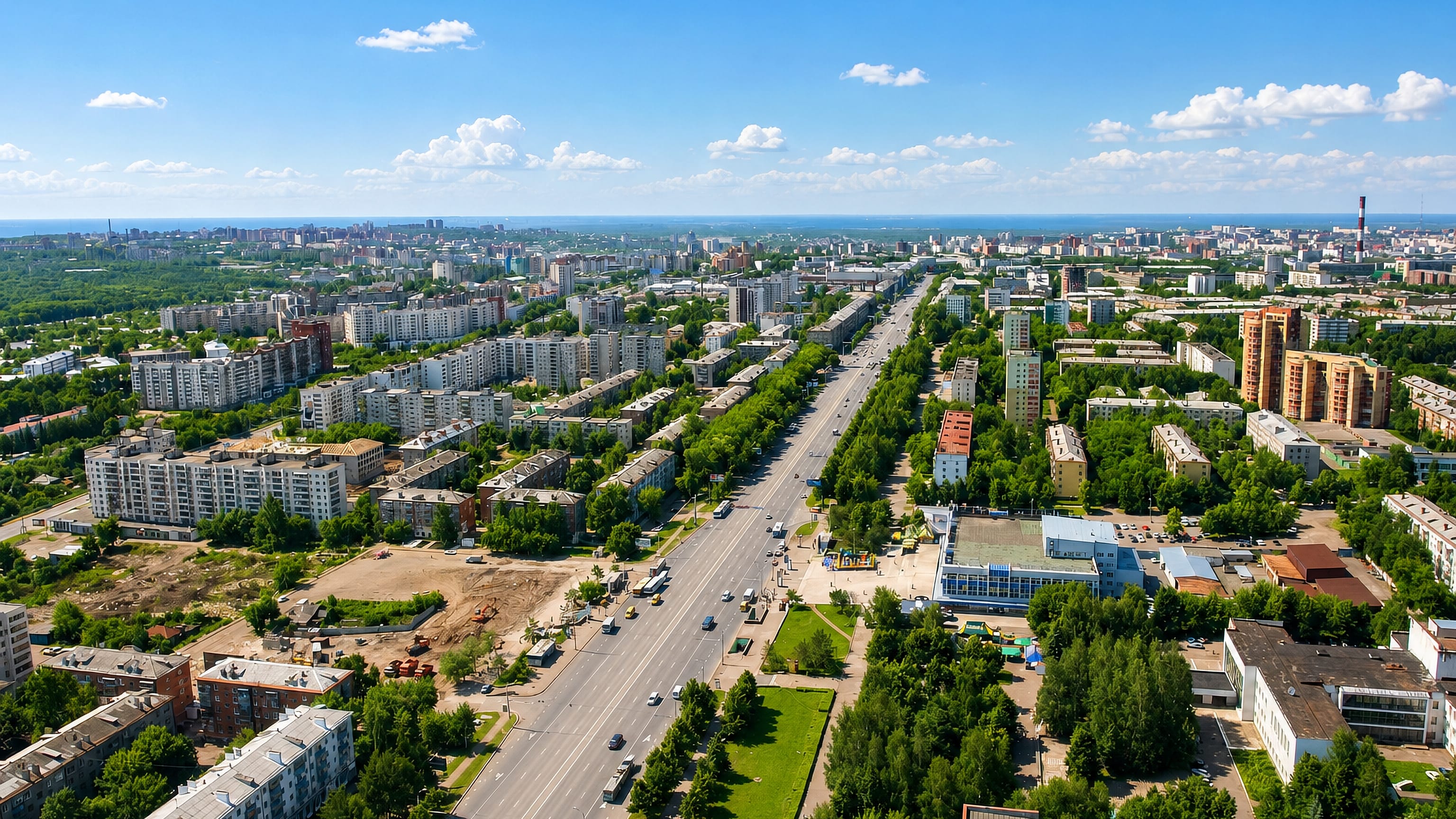
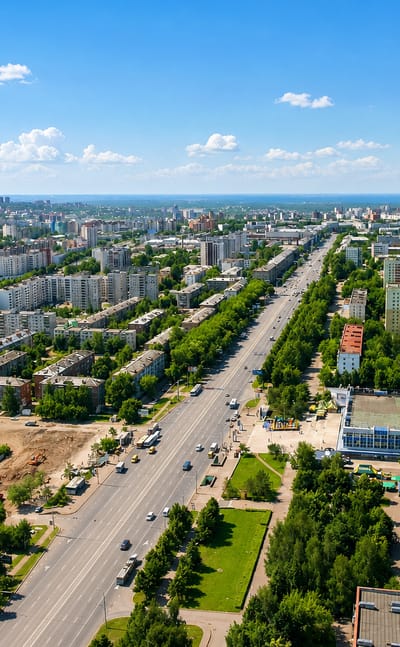
The Monument to Salavat Yulaev rears on its bluff at Ufa, the capital of Bashkortostan, known for the Ufa Kremlin and the Nesterov Museum.Where to stay →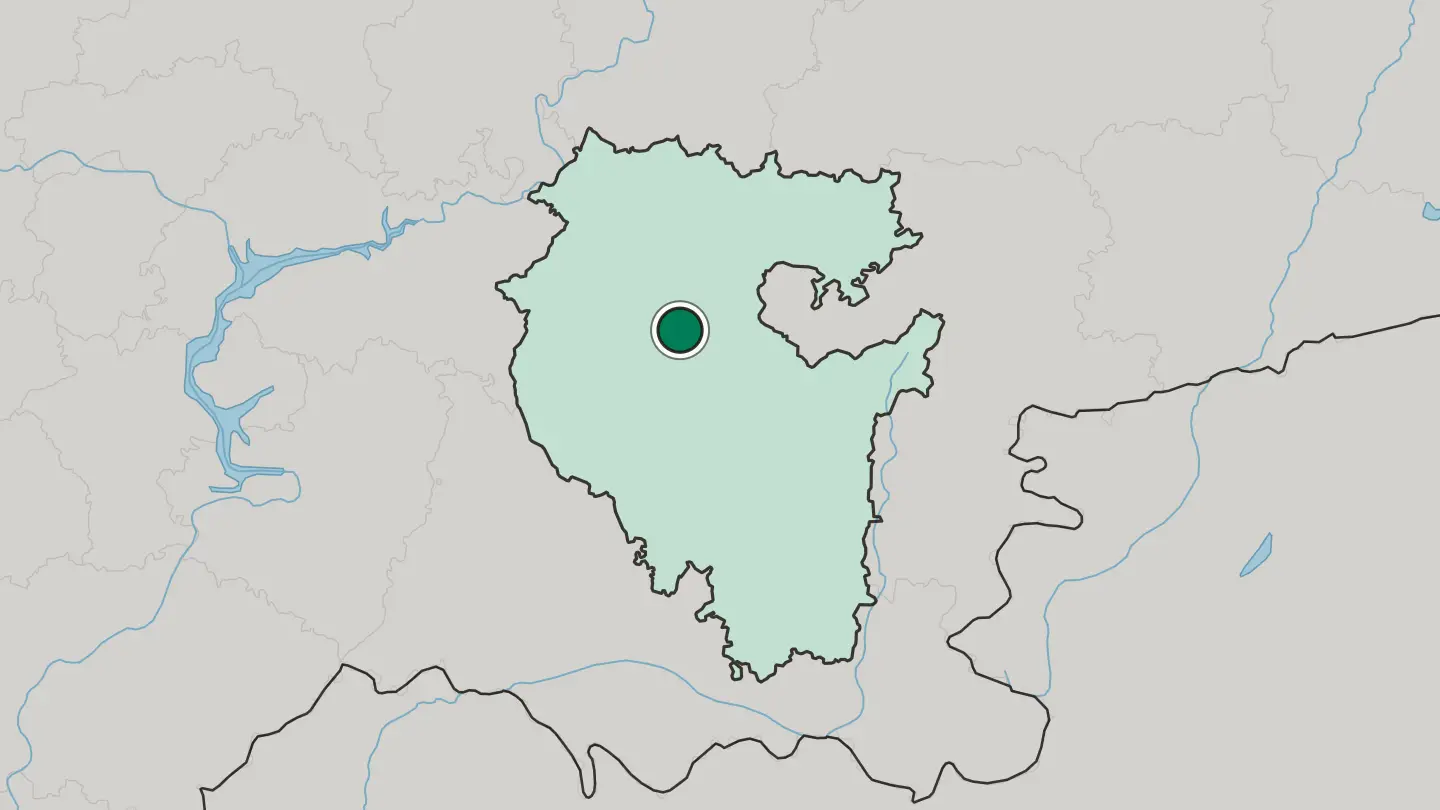 Russia
Sterlitamak
Sterlitamak is a city of Bashkortostan in Russia on the Belaya river, an industrial town on the steppe watched over by the lone reef-hills called shikhans.Where to stay →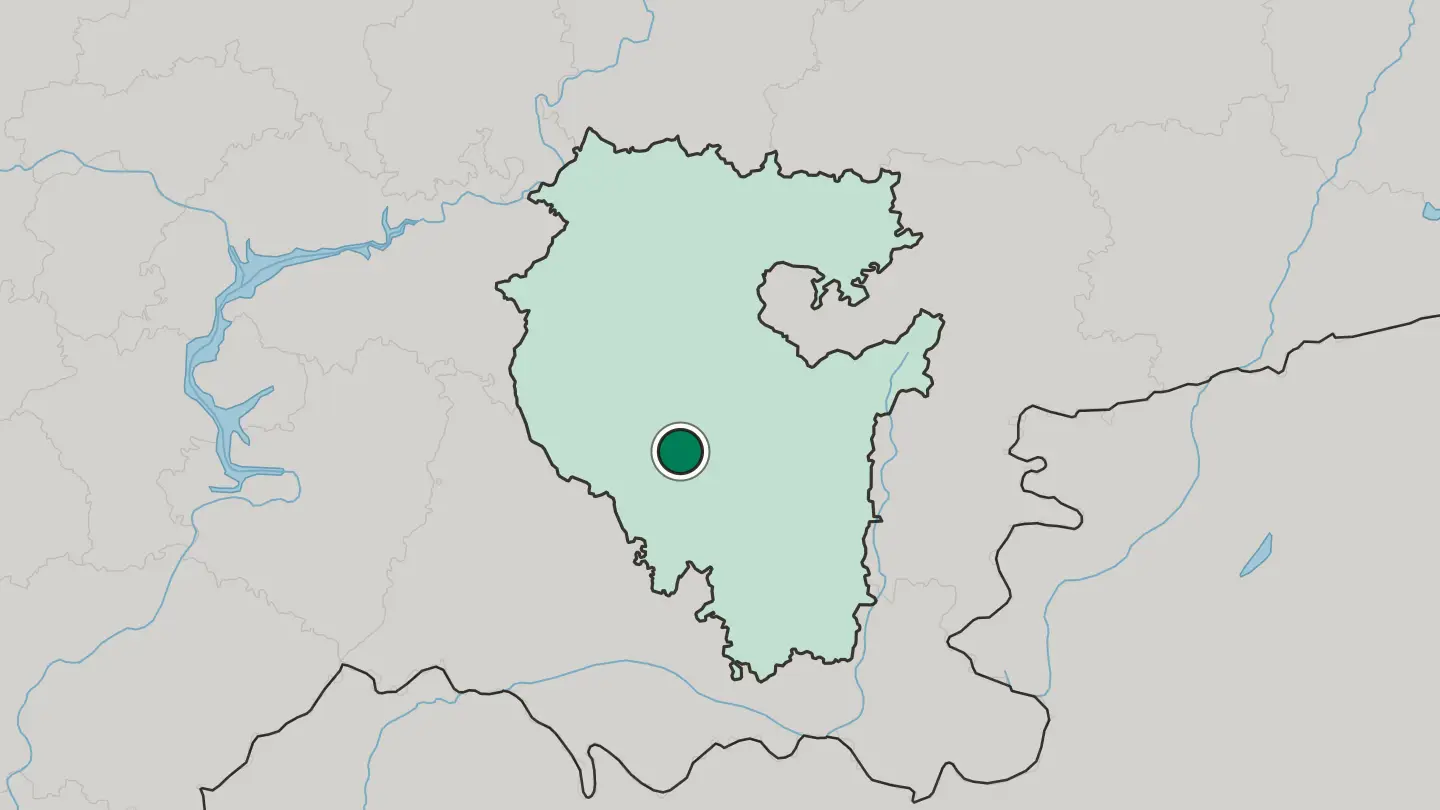
 Russia
Salavat
Salavat, founded in 1948, ranks third among the cities of Bashkortostan and keeps an Eternal flame, a Lenin statue and a picture gallery.Where to stay →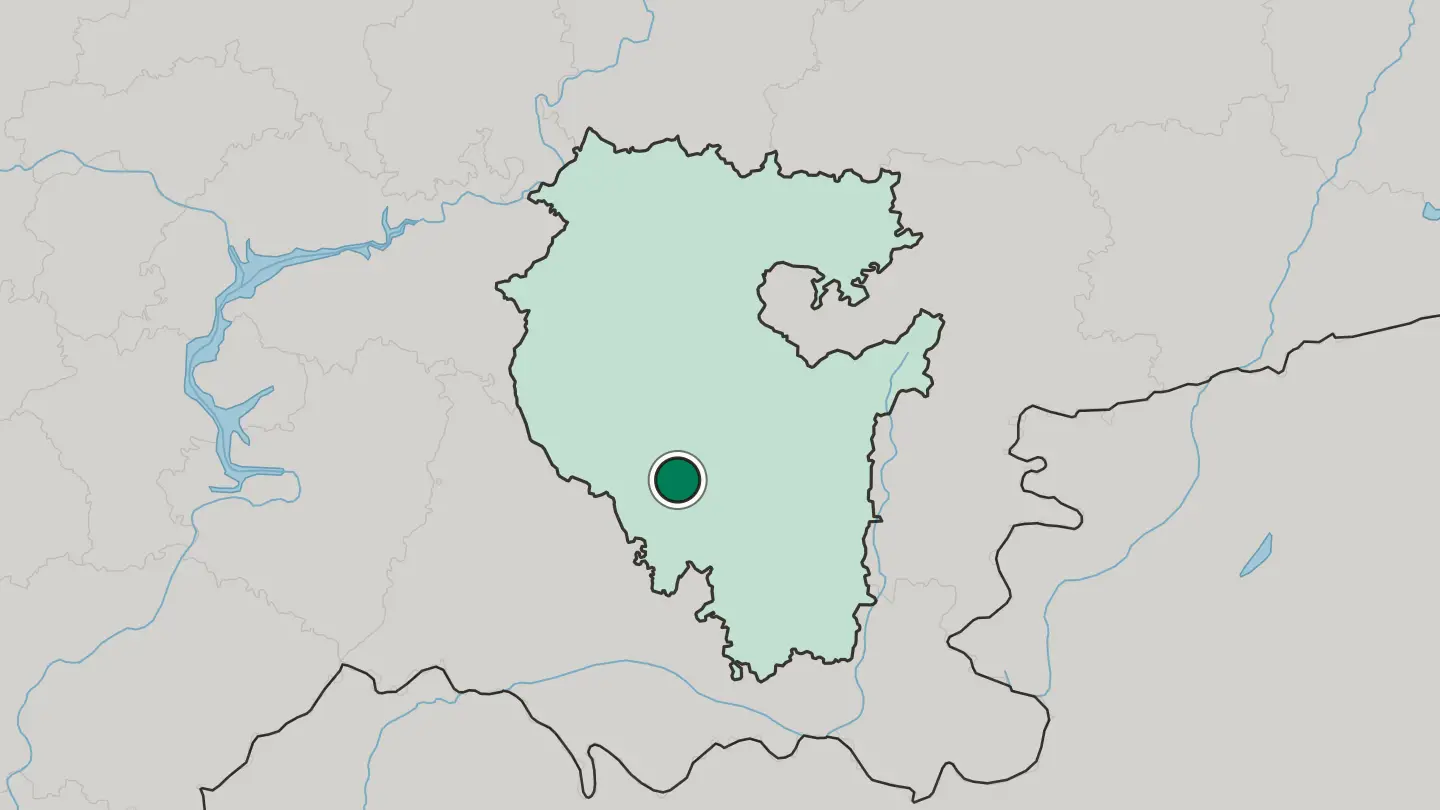
 Russia
Neftekamsk
Neftekamsk is an industrial city of Bashkortostan on the Kama River, laid out from 1963, with the Saint Nicholas Church among its landmarks.Where to stay →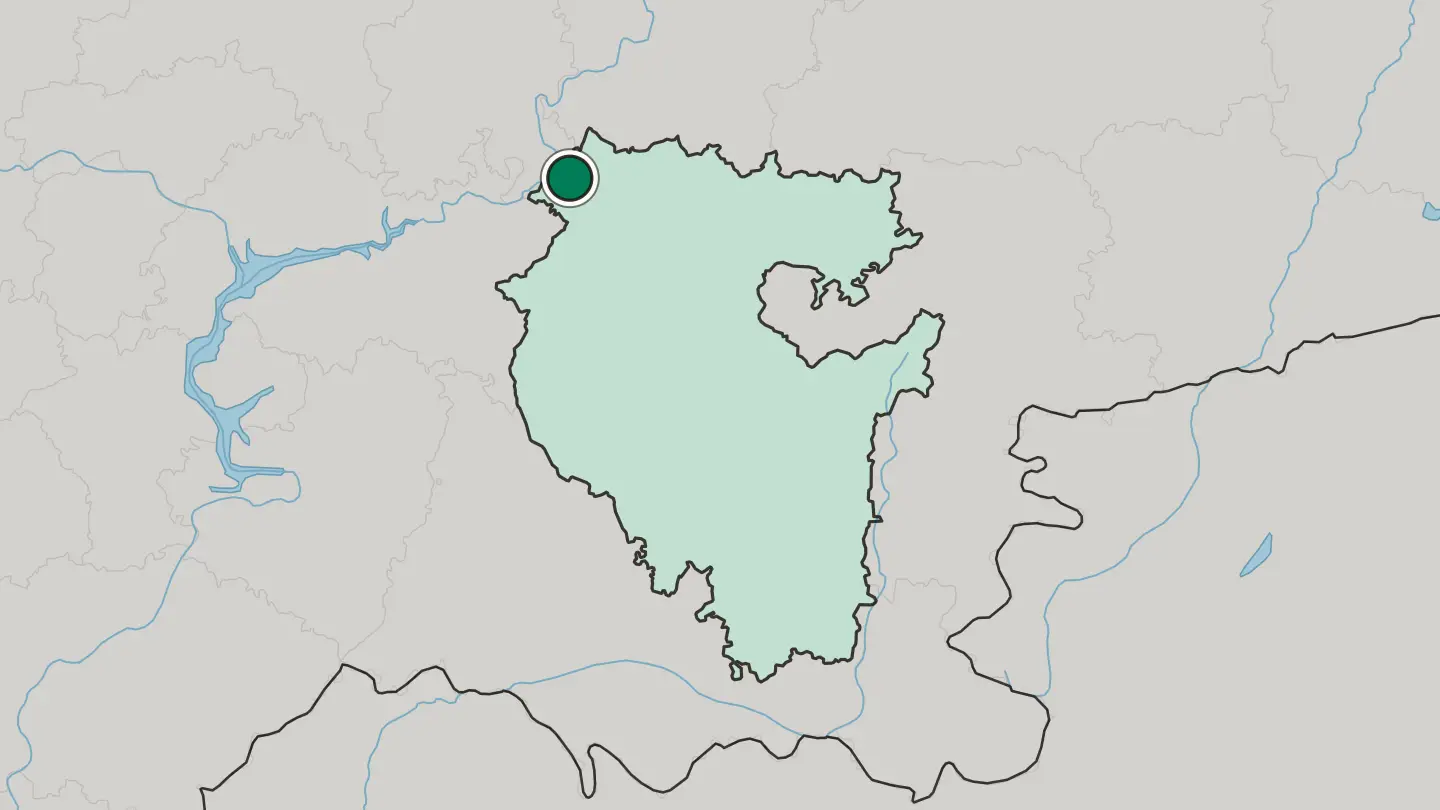
 Russia
Oktyabrsky
Oktyabrsky stands on the Ik River in Bashkortostan, dating from 1937 and ranked first among Category II cities for comfort in 2015.Where to stay →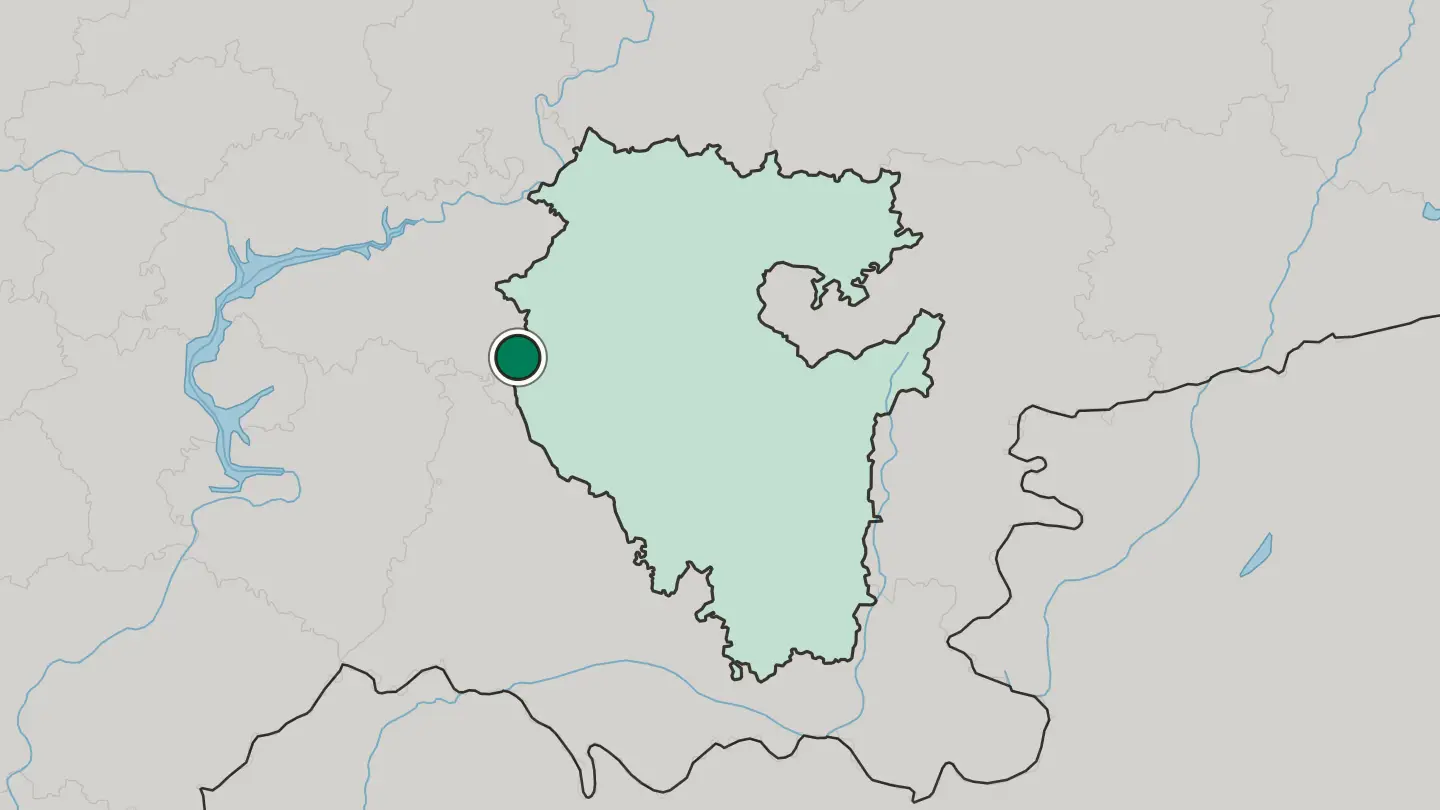
 Russia
Beloretsk
Iron built Beloretsk. The Bashkortostan town rose beside the Belaya in 1762, and the Beloretsk Metal Works still carries its name.Where to stay →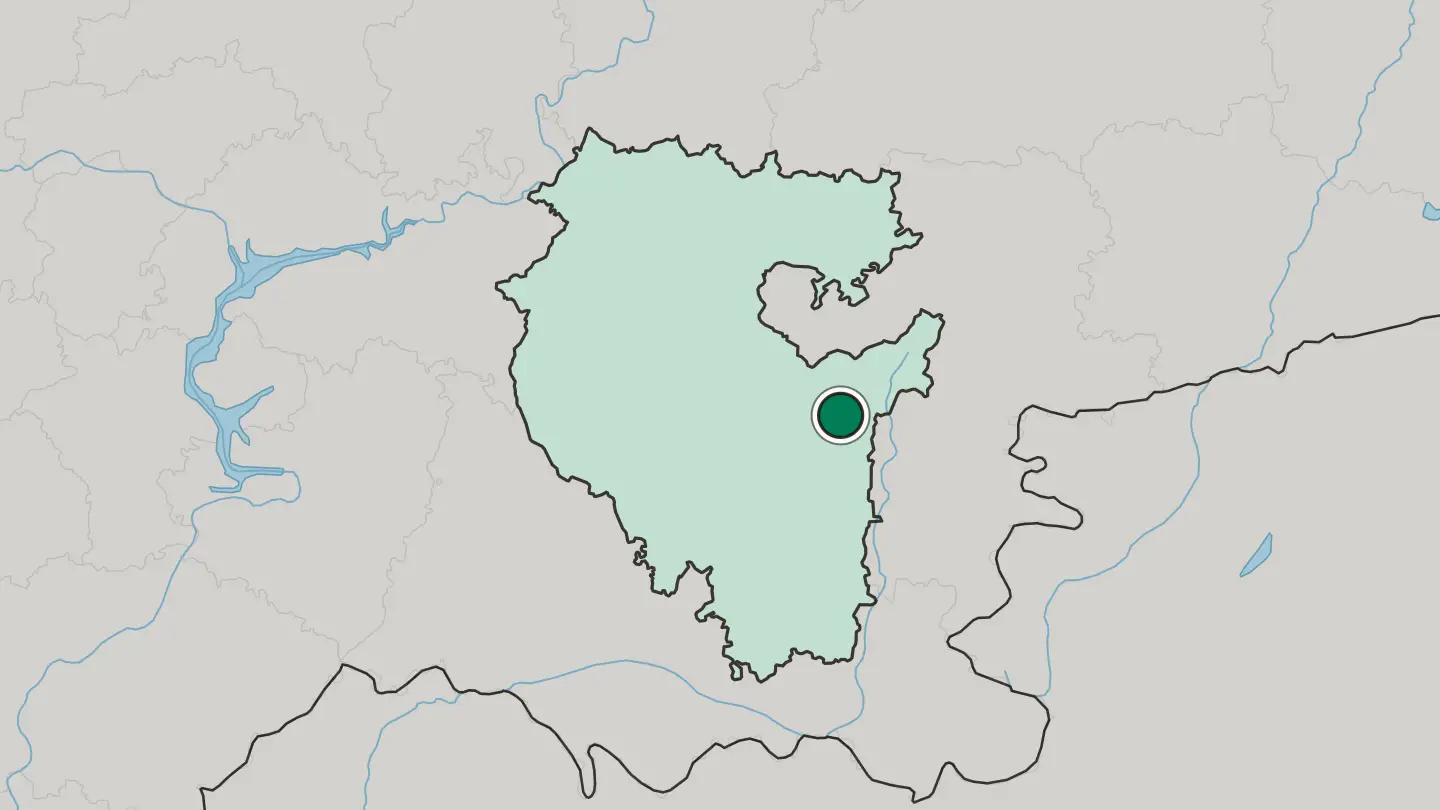 Russia
Ishimbay
Ishimbay is a town on the Belaya and Tayruk rivers in the Republic of Bashkortostan, Russia, 166 kilometres south of Ufa, founded in 1815.Where to stay →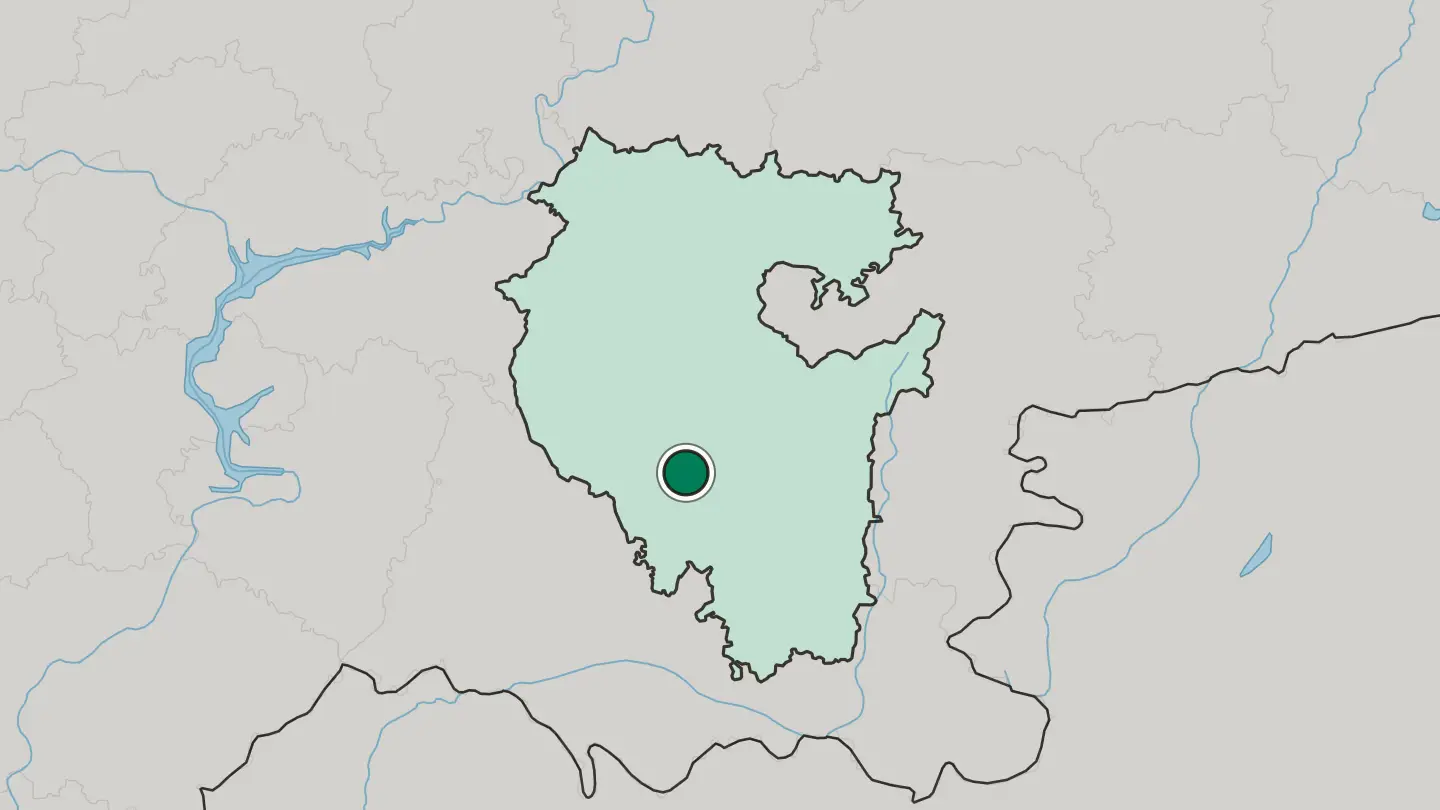 Russia
Tuymazy
Tuymazy is an industrial town in the Republic of Bashkortostan, Russia, 145 kilometres from Ufa, founded in 1912 and built on petroleum and gas.Where to stay →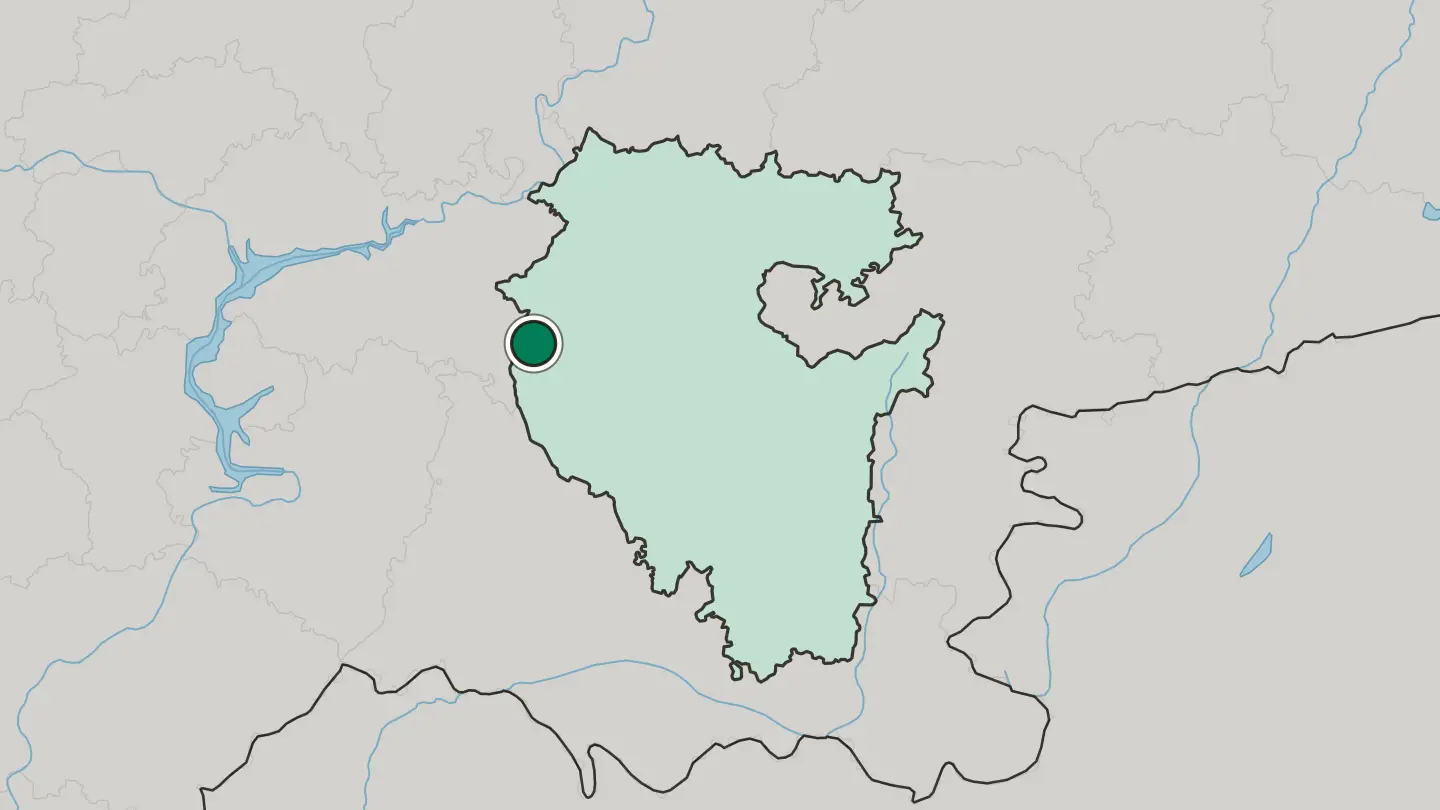
All towns & cities (11)
Russia
Kumertau
Founded in 1947, Kumertau is a town in the Republic of Bashkortostan, Russia, 250 kilometres from Ufa and 102 kilometres from Sterlitamak.Where to stay →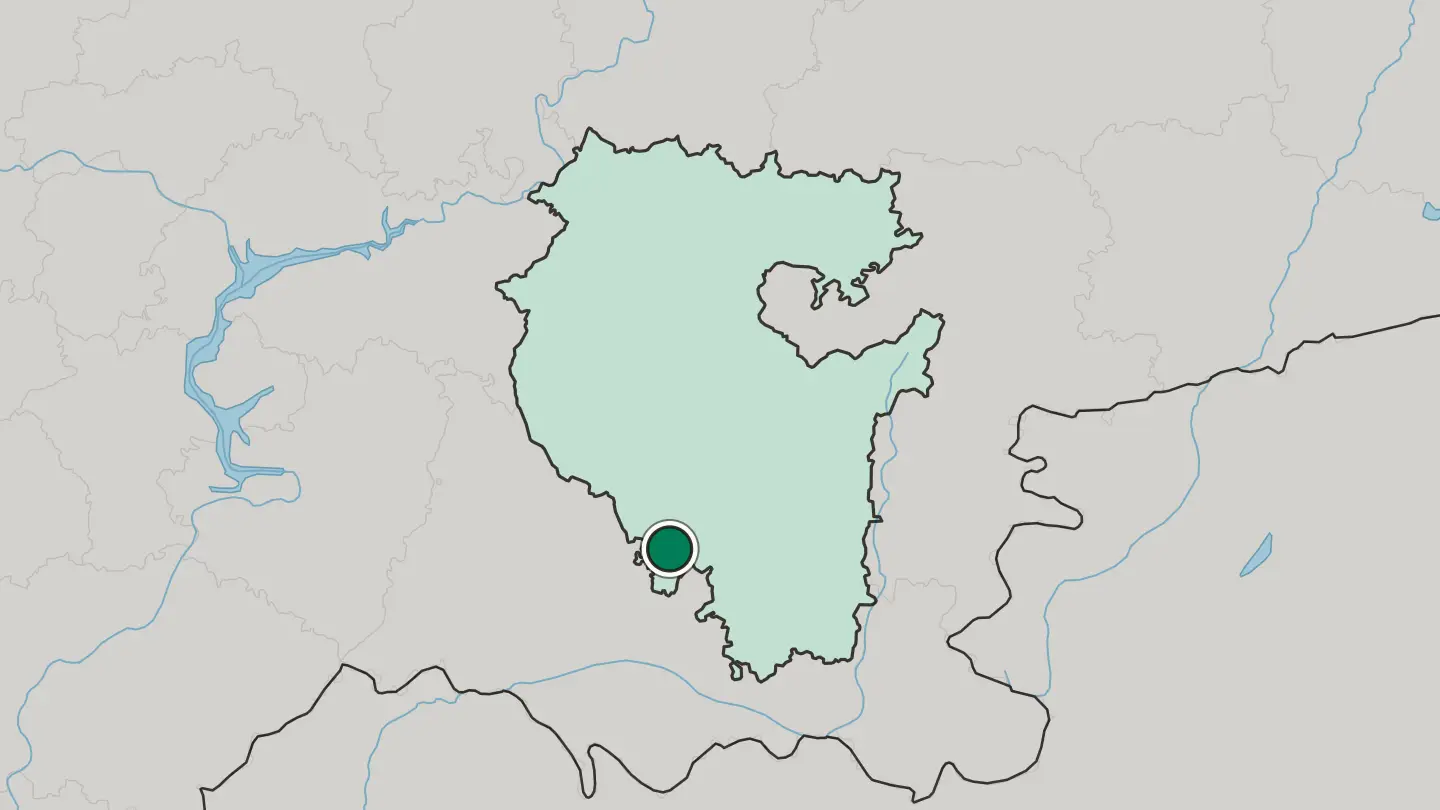 Russia
Belebey
Belebey holds the Aksakov family museum. The Bashkortostan town stands on the Usen, 180 kilometres from Ufa, and was founded in 1757.Where to stay →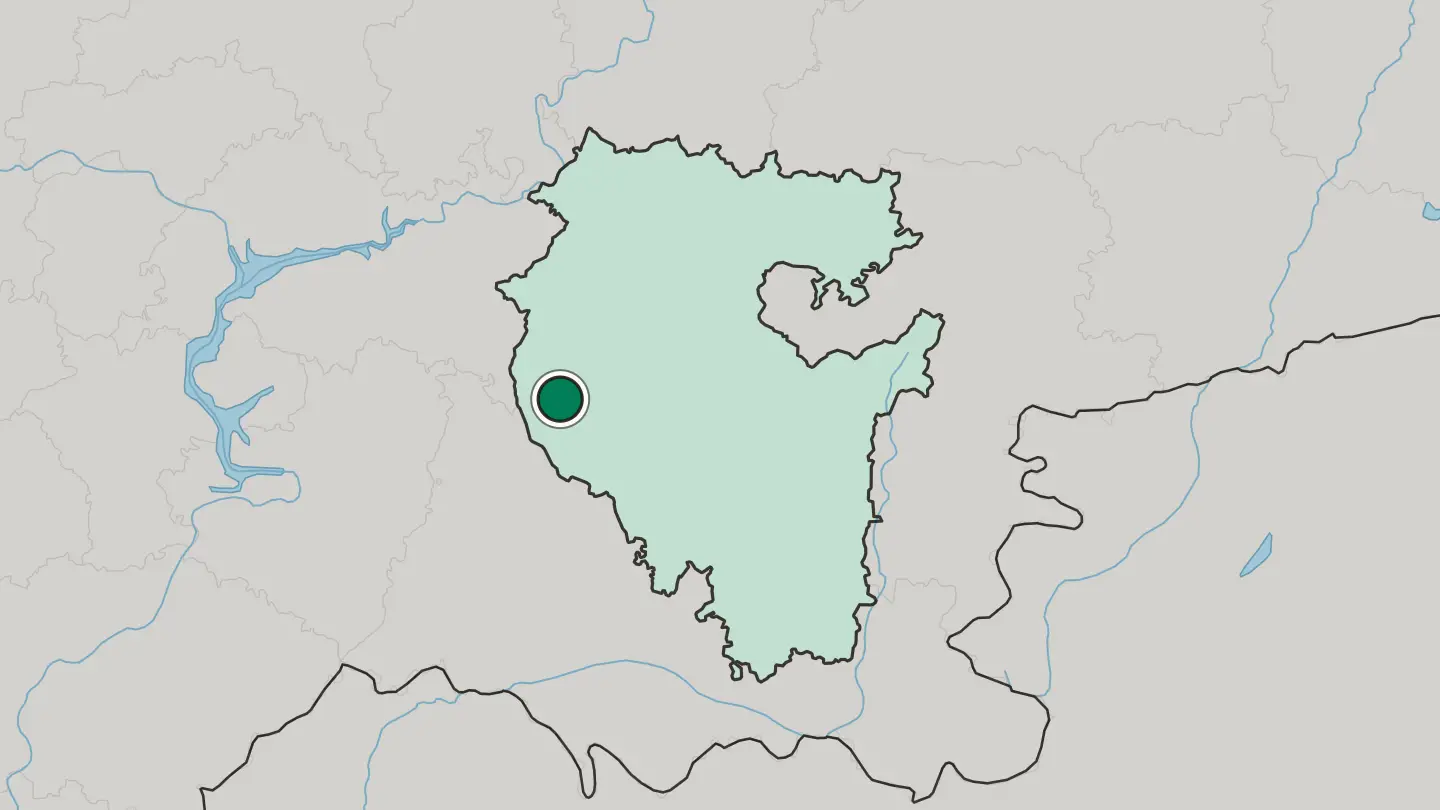
 Russia
Sibay
Sibay is a town on the Europe-Asia border in the Republic of Bashkortostan, Russia, on the east slope of the Southern Urals, founded in 1849.Where to stay →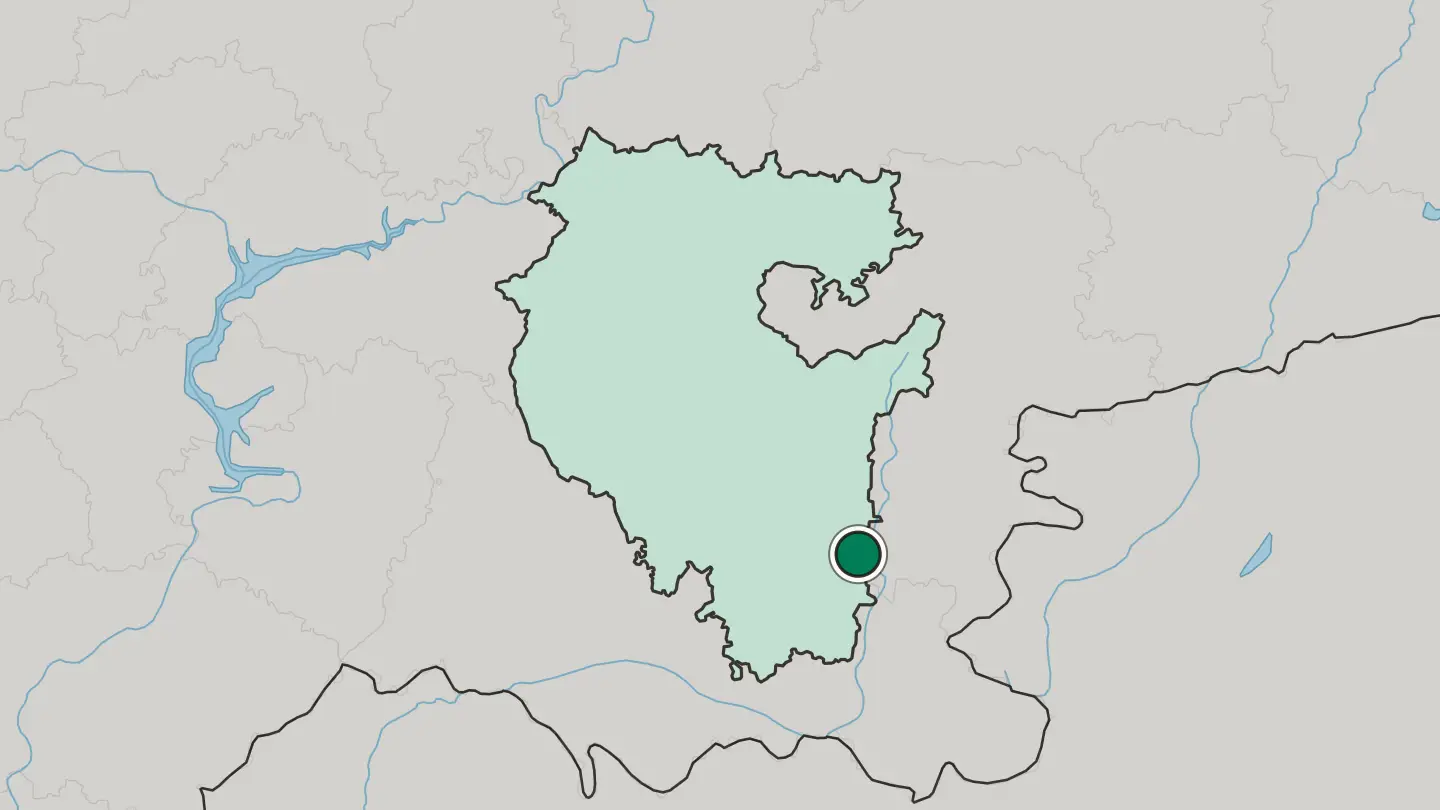
About Bashkortostan
What is Bashkortostan known for?
Bashkortostan is a republic of Russia named for the Bashkirs, a Turkic people of the Southern Urals. Ufa is the capital. The city stands above the Belaya river and anchors an oil-and-chemicals economy that pumps more crude than any other Russian region.
Away from the refineries, the republic is known for its wild honey, gathered from hives in the Burzyan forests, and for the ancient cave paintings at Shulgan-Tash. Salavat Yulaev, the poet who rode with Pugachev, remains its national hero.
Where is Bashkortostan?
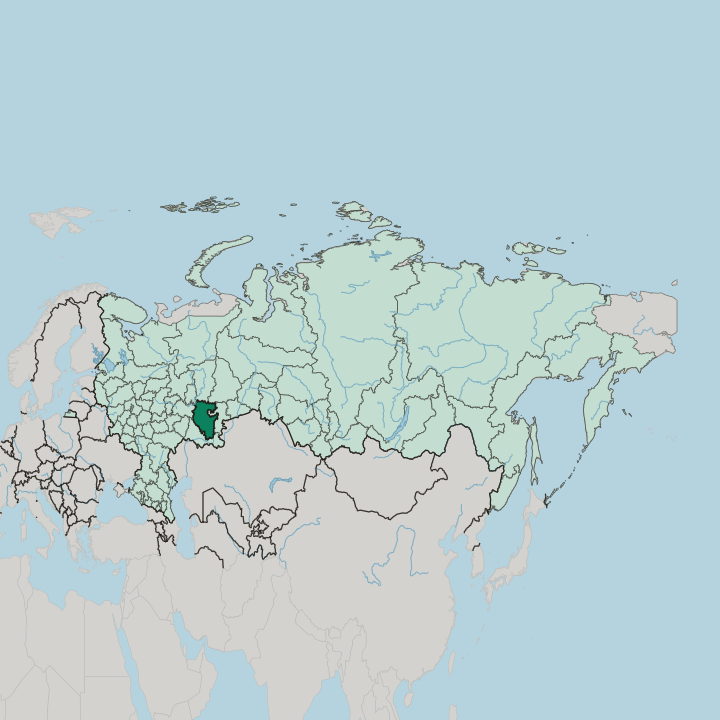
Bashkortostan lies in the foothills of the Southern Urals, on the edge where European Russia begins to climb toward Asia. The land tilts across the republic. Its eastern third rises into the forested ranges of the Ural Mountains, crowned by Yamantau, the tallest summit of the whole southern chain.
West of the mountains the ground falls away into rolling upland and river plain, and it is here that most of the towns and farms sit. The Belaya river, called Agidel in Bashkir, is the thread that ties the two halves together. It rises in the southern mountains, loops southwest and then swings northwest across the whole republic, gathering the Ufa, the Dyoma and the Sim before it drains north into the Kama.
More than thirteen thousand rivers thread this ground. Tatarstan borders it to the west, Chelyabinsk Oblast to the east across the ridgeline, and Orenburg Oblast to the south toward the steppe. Ufa stands near the centre-north, on the hills above the Belaya. Water is everywhere in Bashkortostan.
What is Bashkortostan like?
The republic takes its name and its temper from the Bashkirs, a Turkic people who herded horses and kept bees across these uplands long before the fortress at Ufa was raised. Their language, Bashkir, is close kin to Tatar and still shares the streets and schools with Russian. Two cultures overlap here, and neither has erased the other.
The old life leaves its mark on the table. Kumis, the tart fermented mare's milk of the steppe, is still drunk in summer, and the wild honey of the Burzyan forests is prized across Russia and gathered much as it was centuries ago. Song carries the memory forward too.
The long throat-singing melodies and the reedy kubyz sit at the heart of a folk tradition that fills the republic's festivals and national theatres. Above all of it stands one figure. Salavat Yulaev, the eighteenth-century warrior-poet who joined Pugachev's revolt against the empress, is the face on the emblem, the name on the hockey team, and the hero every schoolchild learns.
Islam and Orthodox Christianity share the calendar of holidays. That layering is the point of the place.
What is the history of Bashkortostan?
The Bashkirs were nomads of the Southern Urals, split among rival khanates after the Mongol empire broke apart. In the middle of the sixteenth century they accepted the rule of Moscow, and Ufa was founded in 1574 as a Russian fortress on the Belaya. What followed was not always peace.
Bashkir revolts flared for two centuries, the fiercest led by Salavat Yulaev alongside Pugachev in the 1770s. The modern republic dates its sovereignty to 1990, and it took the name Bashkortostan two years later.
What is the climate of Bashkortostan?
Bashkortostan has a sharply continental climate, set well inland from any moderating sea. Winters bite. January often sinks far below freezing across the Belaya valley, and the rivers and reservoirs lock solid under ice for months on end.
Summers swing warm and green. July afternoons turn hot enough for the honey harvest in the Burzyan forests. The mountains of the Southern Urals in the east hold their snow longer and stay cooler than the western plains.
Late spring and early autumn are the kindest windows for travel.
How do you get to Bashkortostan?
Ufa is the way in. Its airport, the only large one in the republic, links the capital to Moscow and other Russian cities by daily flights over the Urals. The Trans-Siberian main line also runs through Ufa, so trains reach it from Moscow in a long day and from Siberia beyond.
Inside the republic, roads follow the Belaya and its valleys out toward the mountains and the southern honey country. Reaching the caves and forest lodges of the far south means a long drive from the capital.
Common questions
What is the best area to stay in Bashkortostan?
Ufa: an opening base for Bashkortostan.
Good for
More regions in Russia
Updated September 2026