Sweden · Gävleborg County
Where to Stay in Bollnäs, Gävleborg County
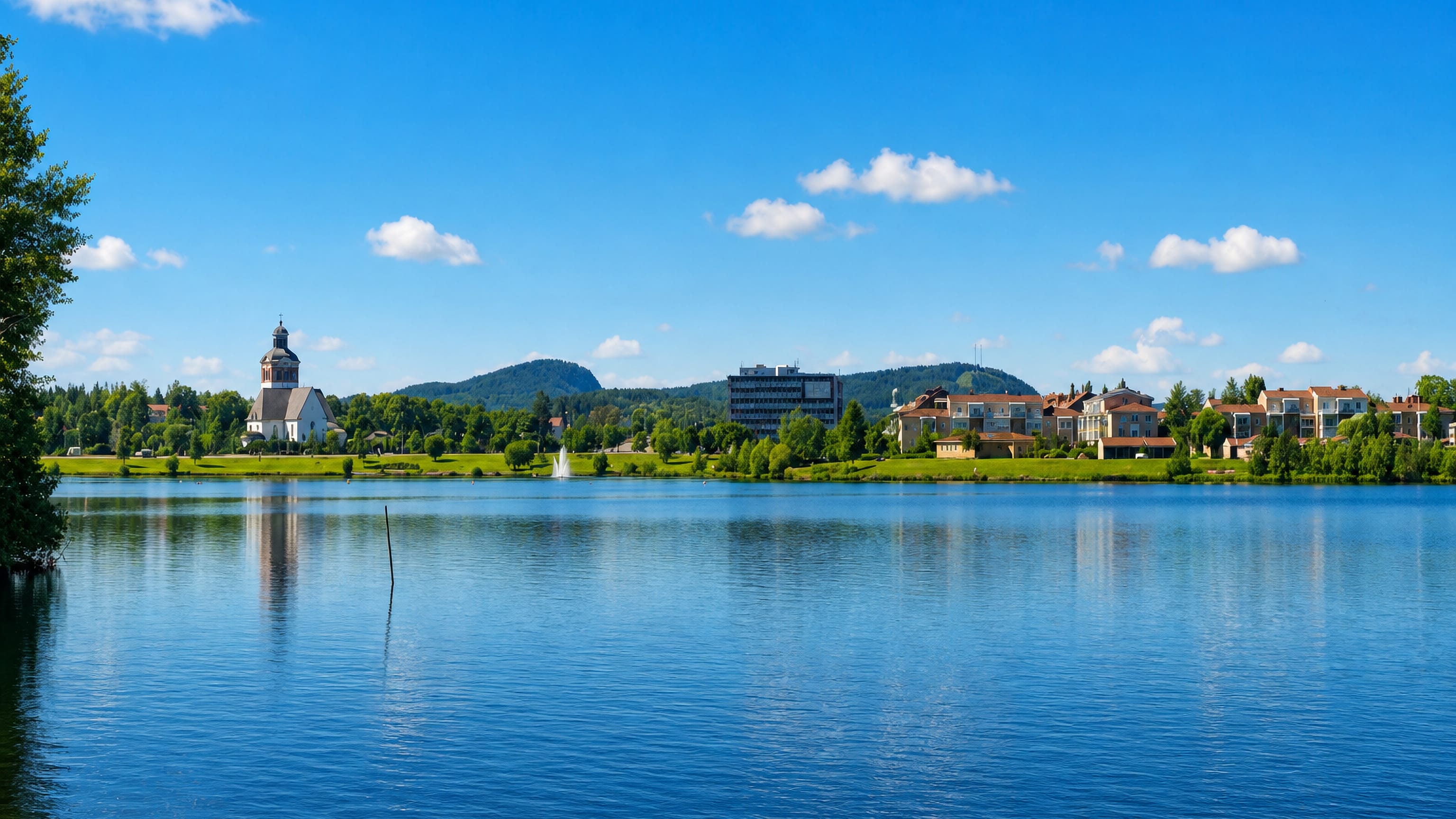
Bollnäs is a river town in the northern part of Gävleborg County, set on the Ljusnan in the Hälsingland interior of northern Sweden.
Hotel links are affiliate links: booking through them may earn us a commission, at no extra cost to you. It never affects how places are ranked. How this works


Where to stay in Bollnäs
The practical side of choosing where to sleep.
Most visitors stay in the town centre, the compact grid of streets near the station and the river that puts shops, restaurants, and services within an easy walk. It suits anyone stepping off at the station. Rooms here run from commercial hotels serving business guests to smaller guesthouses, the widest choice anywhere in this part of Hälsingland.
The riverside and outskirts give a calmer alternative for anyone who wants water or greenery at the door. Along the Ljusnan and out toward the surrounding villages, the options shift to cabins, campsites, and self-catering stugor, a relaxed base for families and lake fishers drawn to the lakes and forest trails. Beds fill up around major bandy fixtures.
For drivers touring the wider valley, the practical lodgings sit near the main roads out of town, handy for reaching the farms and farmhouses of the Hälsingland countryside. Pick the centre for transport links. Choose the river for quiet.
Find hotels in Bollnäs
Direct booking searches for these neighbourhoods.
Town centre
station, shops and restaurants within a short walkFind hotels in Town centrefamilies and lake fishers along the LjusnanRiverside and outskirts
cabins and campsites along the LjusnanFind hotels in Riverside and outskirtsdriversMain-road fringe
practical rooms with quick access up the Ljusnan valleyFind hotels in Main-road fringeHotel links are affiliate links: booking through them may earn us a commission, at no extra cost to you. It never affects how places are ranked. How this works
About Bollnäs
Bollnäs lives for bandy.
What is Bollnäs known for?
The winter sport runs deep here, and the town's club draws hard-frozen crowds to its ground through the cold months, giving Bollnäs a sporting name that carries well beyond Hälsingland. The setting completes the picture. Spread along the Ljusnan among the lakes and forests of the southern Hälsingland valleys, the town serves as a regional hub for the surrounding farming country, with Bollnäs kyrka and a compact centre at its core.
What are the main landmarks in Bollnäs?
Bollnäs kyrka is the town's main landmark, a parish church standing near the centre above the river. The Ljusnan itself shapes the place. Its broad water and the lakes around it give the town its open setting, and the bandy arena draws the community together through the long winters that the sport thrives on.
Forest trails and farms ring the valley. Together these features mark Bollnäs out as a working river town at the heart of southern Hälsingland.
What is the history of Bollnäs?
Bollnäs began as a parish. For centuries this was farming country in the Ljusnan valley, a rural district of villages whose church drew the scattered households of southern Hälsingland together, and life turned on the river, the forest, and the linen trade that brought wealth to the region's farmers. The settlement stayed agricultural for generations.
The railway turned the parish into a town. When the line reached the valley, a junction grew where road, rail, and river met, and shops, workshops, and timber industry gathered into a proper urban centre that finally earned town rights in the twentieth century. Sport gave the place its wider identity.
Bandy took hold as a winter passion, the club became a source of local pride, and Bollnäs settled into its role as the trading and administrative seat for the surrounding farms, forests, and lakeside villages of the Hälsingland interior.
Where is Bollnäs?
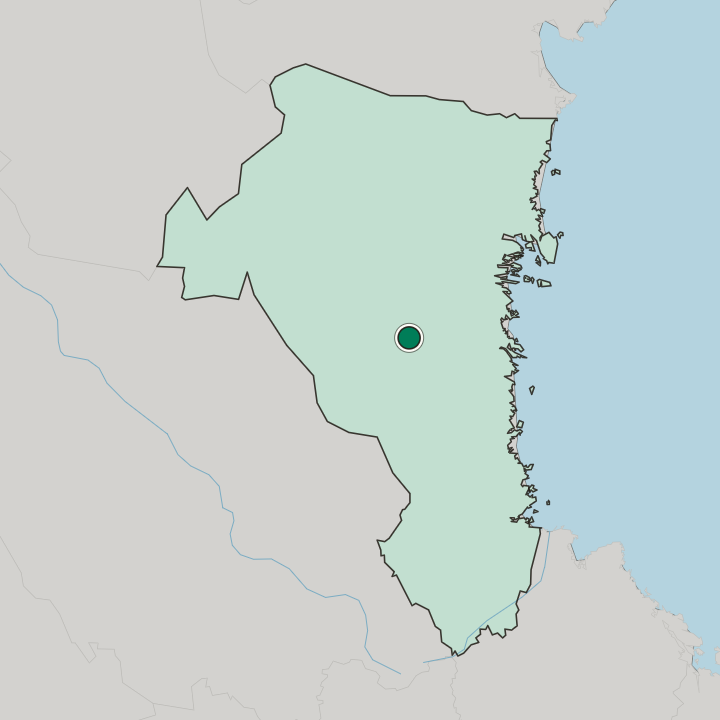
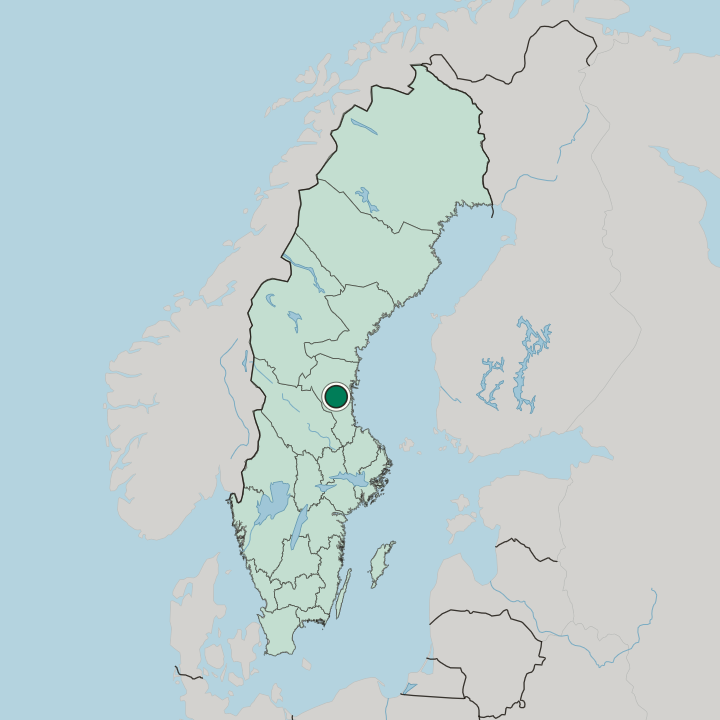
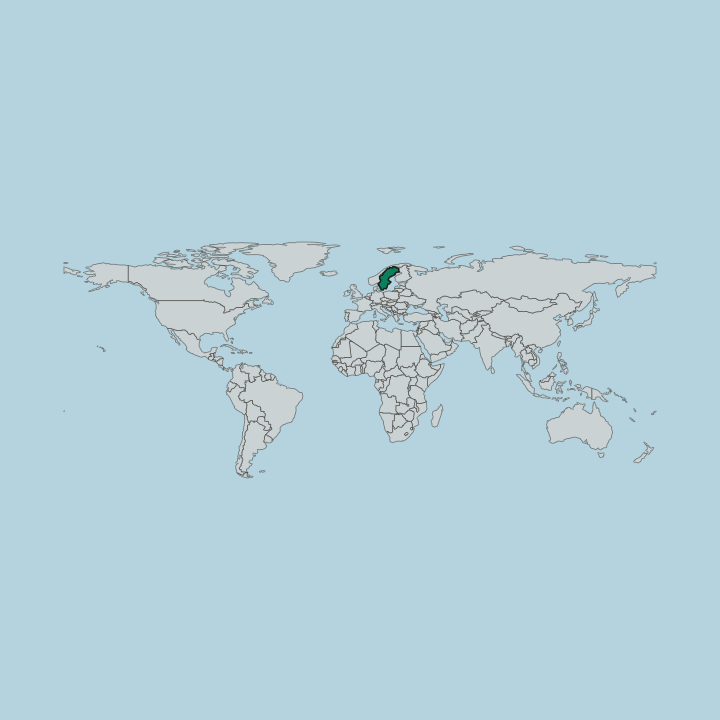
Bollnäs lies in the northern part of Gävleborg County, on the Ljusnan in the southern Hälsingland valleys. The river dominates. Its broad course and a string of connected lakes spread through the town, ringed by forested ridges and patches of farmland on the valley floor, while the wider terrain rolls away into the wooded interior.
The town clusters on the riverbanks where the ground lies flat enough for streets and squares. It is a green inland setting.
What is the climate of Bollnäs?
Bollnäs has a cold northern climate. Far inland in the Hälsingland valleys away from the moderating sea, the town sees long winters with dependable snow and hard frost that keep the ice firm enough for its long bandy season, while summers turn mild and green under high northern light. Snow holds late here.
The forests trap the cold. Autumn flares quickly across the birch and pine ridges before the first deep snowfalls settle over the Ljusnan valley.
How do you get to Bollnäs?
Bollnäs is well connected by rail. The town sits on the Norra stambanan main line, with trains linking it south toward Gävle and Stockholm and north into the interior, and the station stands a short walk from the centre. By road, several regional routes meet here in the Ljusnan valley.
Buses fan out to the surrounding villages. Travellers flying in usually land at Gävle or Sundsvall, then continue overland to reach this part of Hälsingland.
Common questions
What is the best area to stay in Bollnäs?
Town centre: first-timers. Riverside and outskirts: families and lake fishers along the Ljusnan. Main-road fringe: drivers.
Good for
More cities in Gävleborg County
Updated September 2026