Sweden · Gävleborg County
Where to Stay in Hofors, Gävleborg County
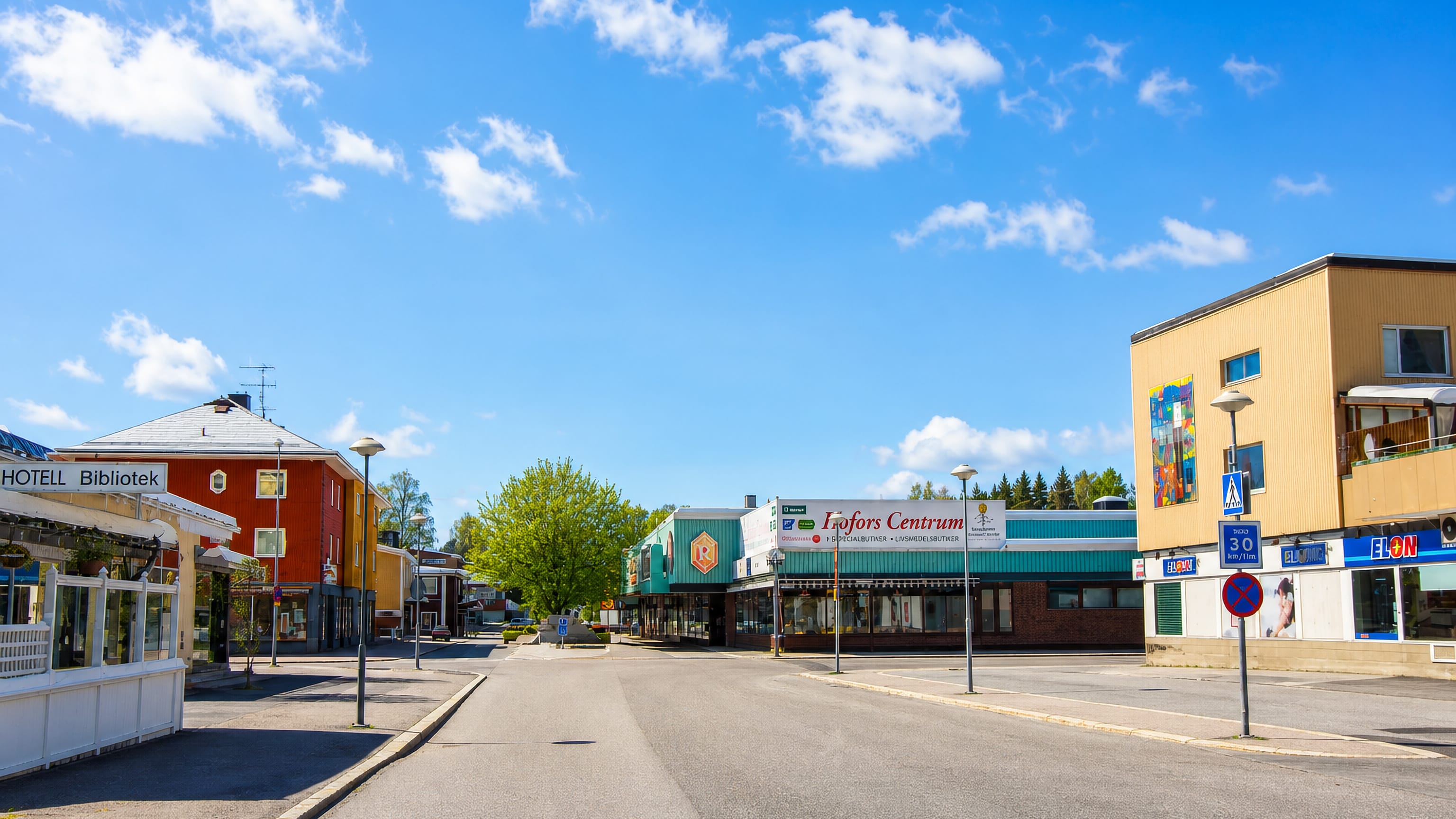
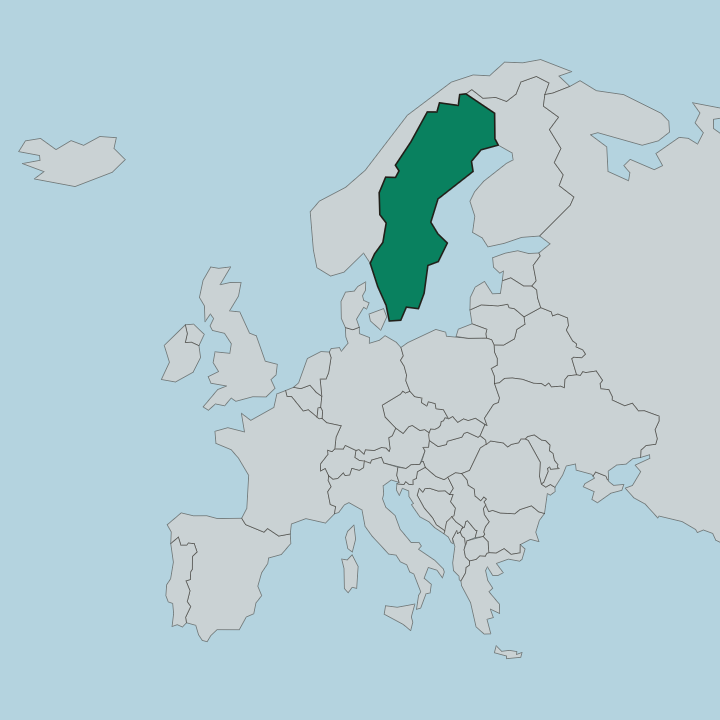
Hofors is a small industrial town in the south-western part of Gävleborg County, in central Sweden, built around steel and forest.
Hotel links are affiliate links: booking through them may earn us a commission, at no extra cost to you. It never affects how places are ranked. How this works


Where to stay in Hofors
The practical side of choosing where to sleep.
Most visitors base themselves in the town centre, the compact grid of streets around the church and the main road where the few hotels, guesthouses, and shops sit within an easy walk of one another. It suits anyone passing through on business at the steelworks or breaking a longer drive across central Sweden. Beds in town are few.
Beds fill fast when the mill hosts visitors, so book ahead in the working week. Away from the centre, the lakeshores and forest edges hold scattered cottages and a campsite or two, the better choice for travellers who want quiet water and pine rather than a town address. Around Hofors kyrka, the older streets keep a settled, residential feel within a short stroll of services.
The villages out toward Torsåker offer a rural alternative for drivers. The grid by the church and main road is where to begin. Everything else is a short hop by car.
Find hotels in Hofors
Direct booking searches for these neighbourhoods.
Town centre
hotels and services within an easy walk of the church and main road. Few places to stay nearby — book ahead.Find hotels in Town centrequiet staysLakeshores and forest edge
cottages and a campsite away from the works. Beds are limited here, so book early.Find hotels in Lakeshores and forest edgedrivers wanting rural calmToward Torsåker
village lodging in the surrounding countryside. Rooms are few around here — worth securing early.Find hotels in Toward TorsåkerHotel links are affiliate links: booking through them may earn us a commission, at no extra cost to you. It never affects how places are ranked. How this works
About Hofors
Steel made Hofors.
What is Hofors known for?
The town grew up around its ironworks, and for generations the specialist steel mill set the rhythm of working life, the shifts, and the local economy across this corner of central Sweden. Forest surrounds the built-up core on every side. Ovako, the long-running steelmaker, remains the name most people attach to the place.
Locals know it as a works town.
What are the main landmarks in Hofors?
Hofors kyrka anchors the town. The church stands among the central streets, a steady civic marker in a place otherwise defined by its industry, and its tower is the clearest fixed point in the low skyline. The steelworks itself dominates the western approach, a working landscape of sheds, stacks, and rail sidings rather than a tourist sight.
Forest trails and lakes ring the rest. Walk out and the pines close in quickly.
What is the history of Hofors?
Iron shaped Hofors long before it was a town. The surrounding district of Torsåker worked bog and mined ore for centuries, and the modern community took its present form only when a large ironworks consolidated production here and drew labour from the farms and forests around it. Charcoal-fired forges gave way to steel.
A railway tied the works to the wider network and to the coast. The twentieth century made the place a one-industry town. Hofors became a municipality in its own right, its fortunes rising and falling with the steel trade through booms, restructurings, and the long contraction of Swedish heavy industry.
Specialist steelmaking endured where bulk production did not. The mill still runs. The town remains bound to it.
Where is Hofors?
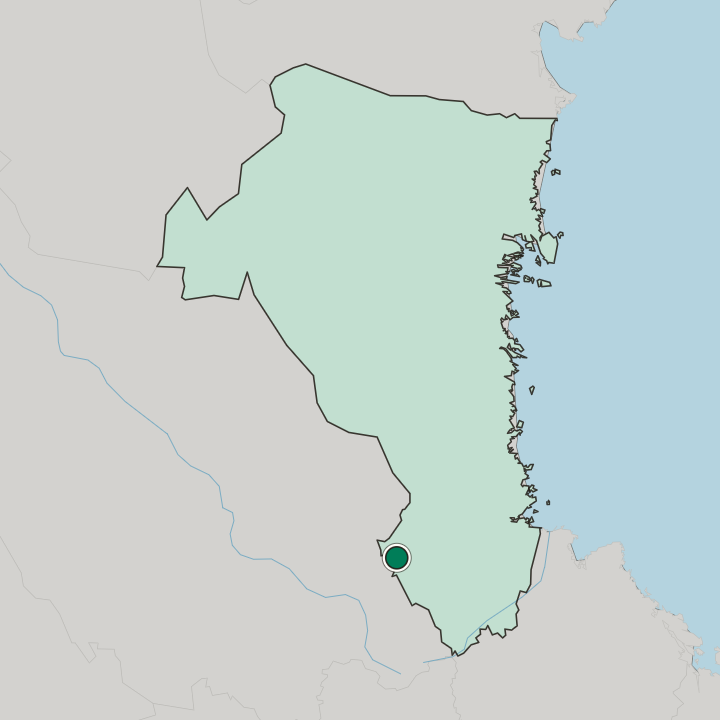
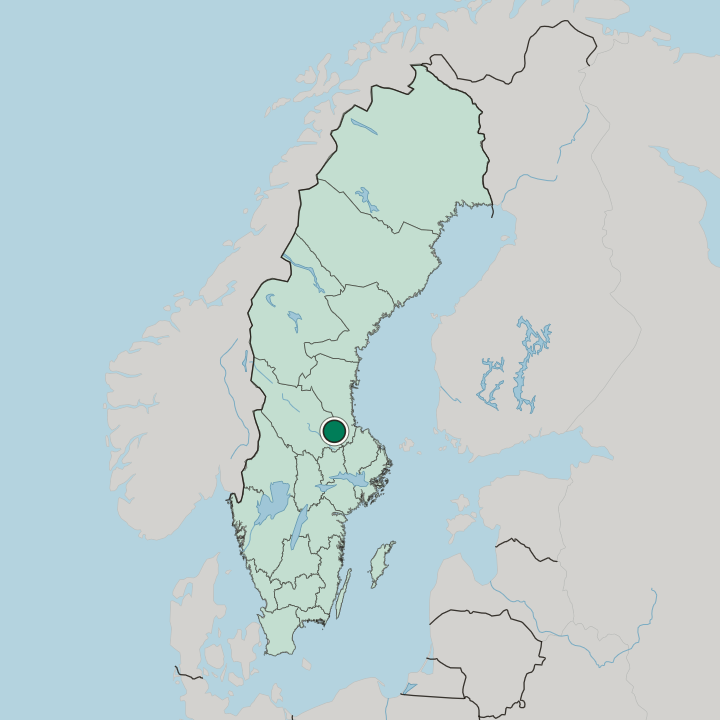
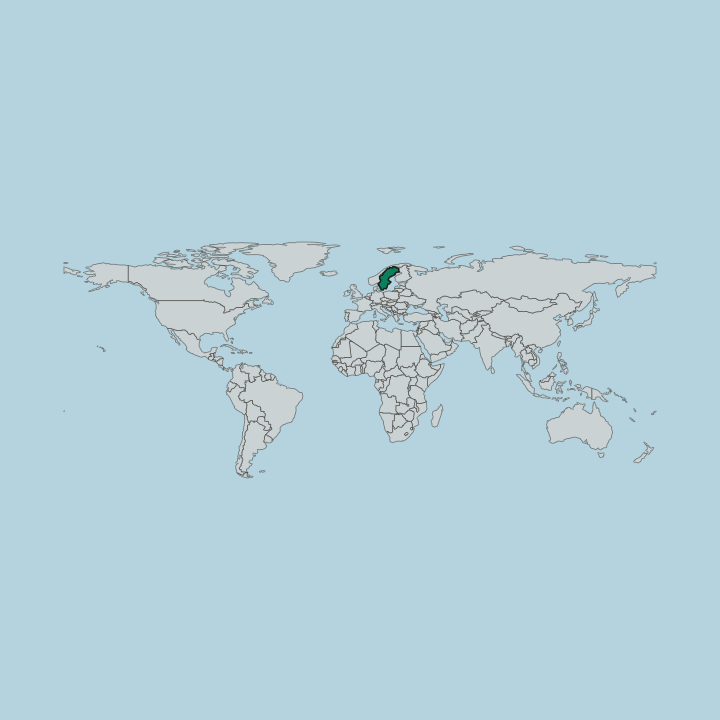
Hofors lies in the south-western part of Gävleborg County, in central Sweden, on the wooded uplands that roll between the Dalälven country and the coast at Gävle. Forest covers most of the municipality, broken by small lakes, marshes, and the cleared ground around the works. The town sits inland.
Low ridges and pine stretch out in every direction beyond the last streets, with scattered farmland filling the gaps near the older villages. It is a landscape of trees and water.
What is the climate of Hofors?
Hofors has a humid continental climate shaped by its inland position in central Sweden. Winters are long and cold, with reliable snow lying across the forest from December well into March. Summers are short, mild, and green, and the long northern daylight around midsummer stretches the evenings far past the point where southern Europe has gone dark.
Spring comes reluctantly to Hofors. Autumn turns wet and grey before the freeze returns.
How do you get to Hofors?
Hofors sits on the rail line between Gävle and Falun, and regional trains stop in the town on their run across the central uplands. Services link it eastward to the coast and westward into Dalarna, with onward connections at the larger junctions. Road brings most travellers in.
The main route through town joins the wider network toward Sandviken and Gävle within half an hour by car. Trains thin out in the evenings.
Common questions
What is the best area to stay in Hofors?
Town centre: first-timers and people in town for Ovako. Lakeshores and forest edge: quiet stays. Toward Torsåker: drivers wanting rural calm.
Good for
More cities in Gävleborg County
Updated September 2026