Sweden · Gävleborg County
Where to Stay in Edsbyn, Gävleborg County
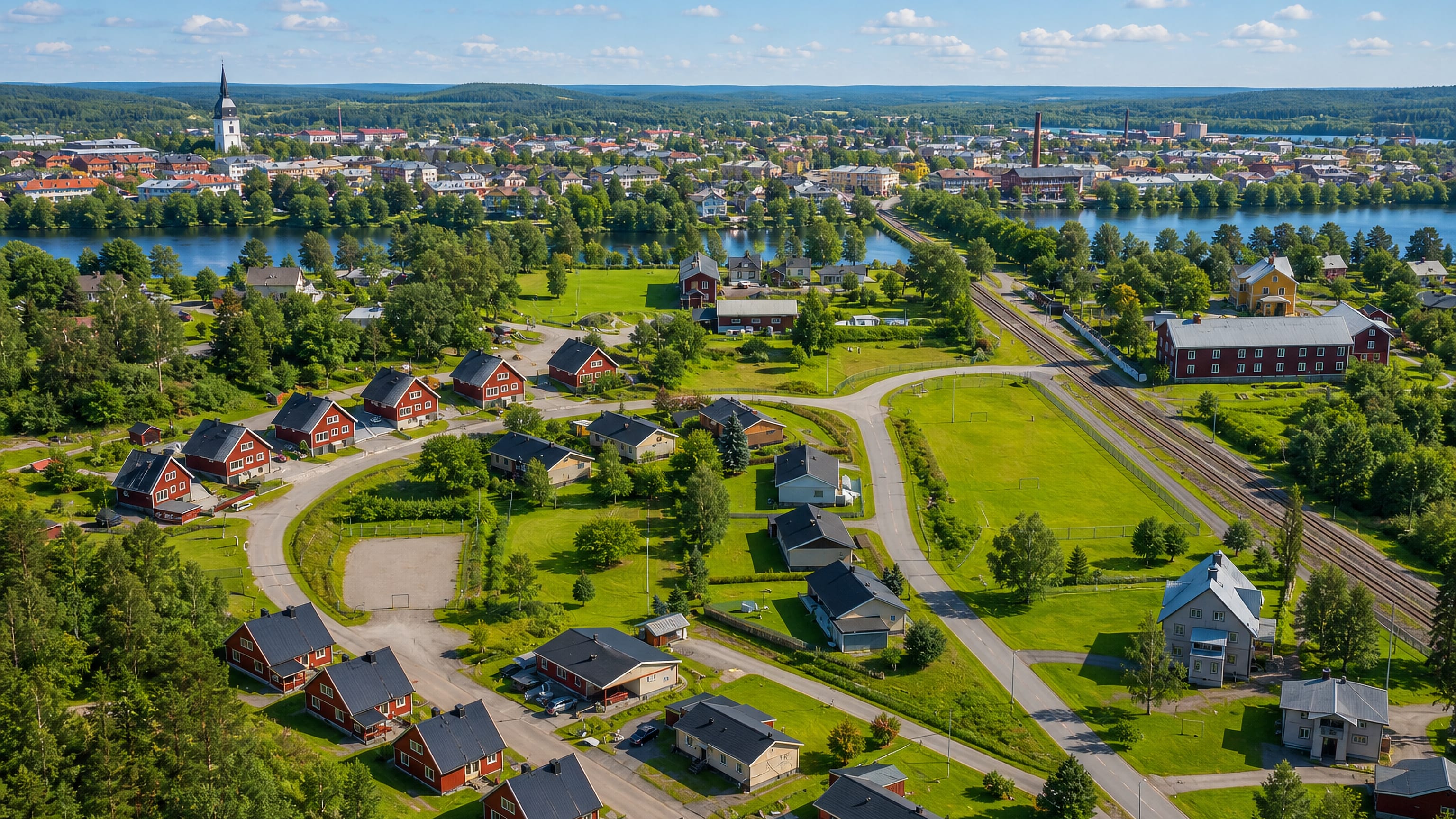
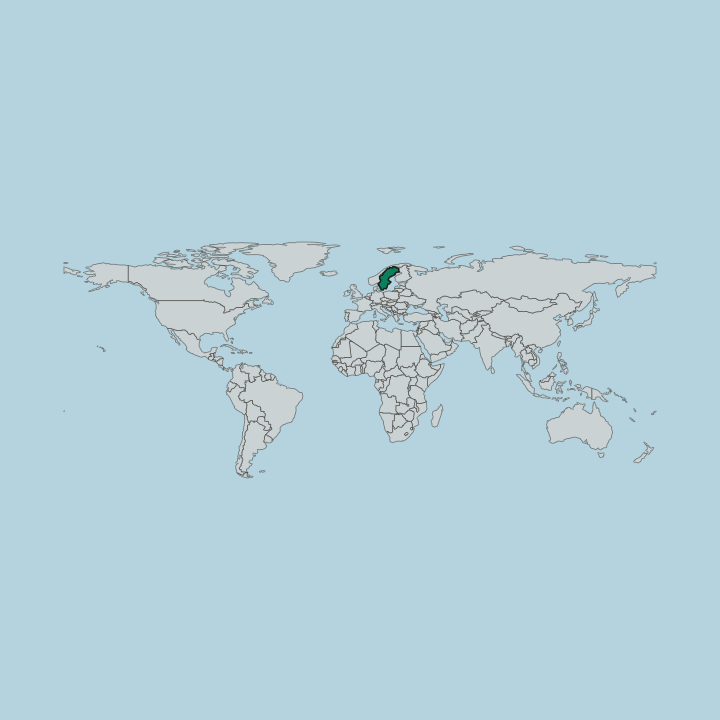
Edsbyn is a forest town in the north-western part of Gävleborg County, set on the Voxnan in the Hälsingland interior of northern Sweden.
Hotel links are affiliate links: booking through them may earn us a commission, at no extra cost to you. It never affects how places are ranked. How this works


Where to stay in Edsbyn
How the choice of base plays out on the ground.
Most visitors stay in the town centre, the small core of streets near the main road and the river that keeps shops, services, and a few places to sleep within an easy walk. It suits travellers coming for a match. Lodging here is modest, running to a local hotel and guesthouses, with rooms growing scarce around the big bandy fixtures that draw fans into town.
The river and forest fringe is the other choice for anyone seeking quiet. Out along the Voxnan and the surrounding villages, the options lean to cabins, campsites, and self-catering stugor, a calm base for families and Voxnan anglers planning days among the lakes and woods. Beds thin out fast in winter.
For travellers touring the wider Hälsingland country, the practical spots sit near the roads toward Bollnäs and the valley beyond, handy for drivers exploring the region's farms and farmhouses. Choose the centre for the arena. Pick the river for stillness.
Find hotels in Edsbyn
Direct booking searches for these neighbourhoods.
Town centre
shops, the arena and services within a short walk. Rooms are few around here — worth securing early.Find hotels in Town centrefamilies and Voxnan anglersRiver and forest fringe
cabins and campsites along the Voxnan. Beds are limited here, so book early.Find hotels in River and forest fringedriversBollnäs-road corridor
practical rooms with access to the wider Hälsingland countryFind hotels in Bollnäs-road corridorHotel links are affiliate links: booking through them may earn us a commission, at no extra cost to you. It never affects how places are ranked. How this works
About Edsbyn
Edsbyn is a bandy town.
What is Edsbyn known for?
Its club ranks among the most successful in Sweden, and the home ground at Öns IP fills with hard-frozen crowds through the winter, giving this small Hälsingland place a sporting name far out of proportion to its size. Industry made the town too. Edsbyn grew on furniture and woodworking drawn from the forests of the Voxnan valley, and that mix of timber craft and winter sport still defines its character.
What are the main landmarks in Edsbyn?
Öns IP is the town's defining landmark, the home arena of a bandy club that put Edsbyn on the national sporting map. The Voxnan runs close by. Its forested banks and the lakes around them frame the settlement, and the old furniture works that grew up on the valley's timber stand as monuments to the craft that built the town.
Forest trails climb the surrounding ridges. Together these features mark Edsbyn as a place shaped by sport, wood, and water.
What is the history of Edsbyn?
Edsbyn grew on timber. The settlement began as a farming and forest community in the Voxnan valley, part of the historical province of Hälsingland, where households lived off the woods, the river, and the linen trade common across the region. The forests held the future.
As demand for wood products rose, workshops and a furniture industry took root and turned the village into a working industrial town. The factories shaped everything that followed. Edsbyn became known across Sweden for its furniture, and the company that anchored the town drew workers and prosperity into the valley.
Sport rose alongside the industry. Bandy took hold as a winter passion, the local club climbed to the top of the national game, and Edsbyn earned a reputation in the sport that still outshines its modest size, settling into its role as the industrial and administrative seat of the surrounding Ovanåker district.
Where is Edsbyn?
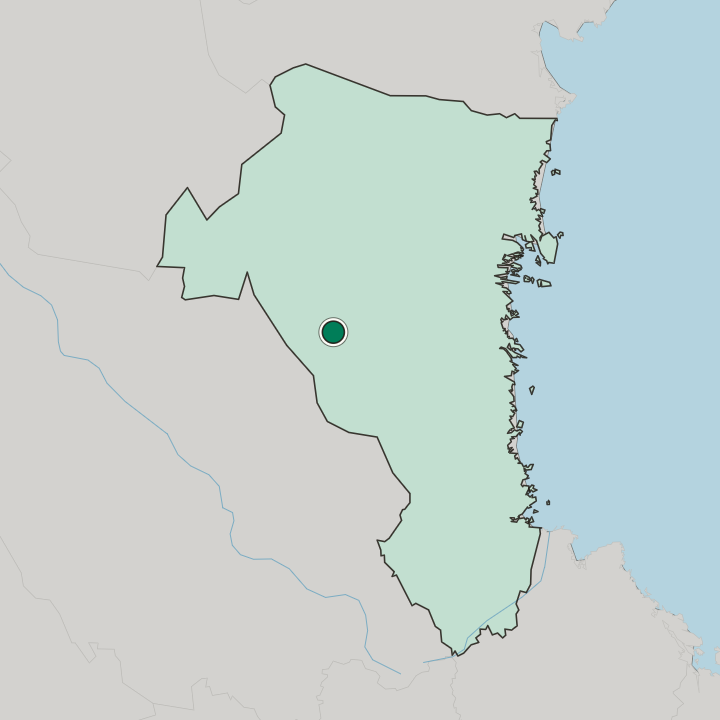
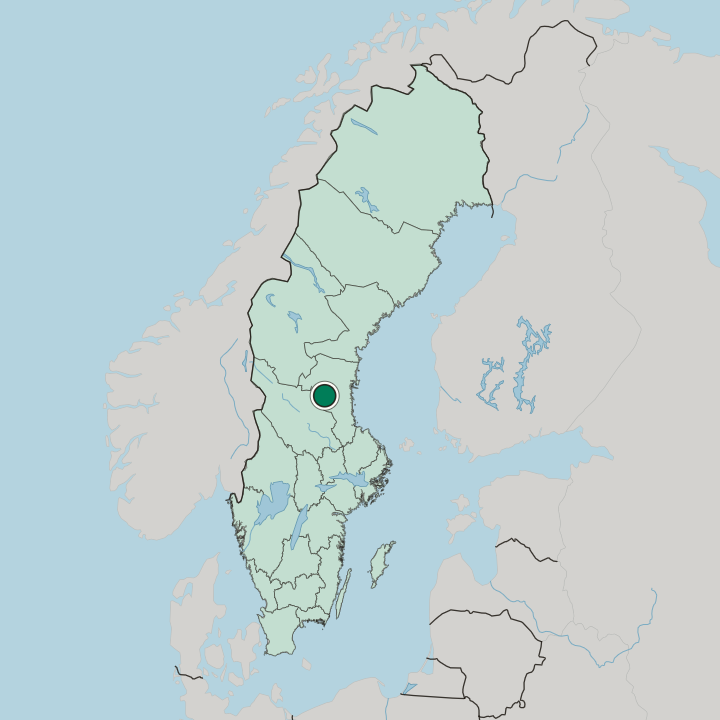
Edsbyn lies in the north-western part of Gävleborg County, on the Voxnan deep in the Hälsingland interior. The land is wooded. Forested ridges and lakes surround the valley floor where the town sits along the river, and the terrain climbs westward toward the wilder uplands near the Dalarna border.
Farms break the forest on the flatter ground near the water. The settlement strings out along the valley where road, river, and rail once ran together. It is a green, inland place.
What is the climate of Edsbyn?
Edsbyn sits deep in the cold forests of western Hälsingland. Far from the moderating sea among the forests of western Hälsingland, the town sees long winters with deep, reliable snow and hard frost that hold the ice firm for its famous bandy season, while summers turn mild and bright under high northern light. Snow lingers into spring.
The forests keep the chill. Autumn comes early and colourful across the wooded ridges before the first heavy snowfalls settle over the Voxnan valley.
How do you get to Edsbyn?
Edsbyn lies well away from any coast. Most travellers reach the town by car along the regional roads that climb the Voxnan valley from Bollnäs and the main rail line to the east. Buses link it to Bollnäs and the trains there.
The drive runs through forest and farmland. Visitors flying in usually land far to the south near Gävle, then continue overland through the Hälsingland hills to reach this corner of Ovanåker.
Common questions
What is the best area to stay in Edsbyn?
Town centre: first-timers. River and forest fringe: families and Voxnan anglers. Bollnäs-road corridor: drivers.
Good for
More cities in Gävleborg County
Updated September 2026