Sweden · Gävleborg County
Where to Stay in Ljusdal, Gävleborg County
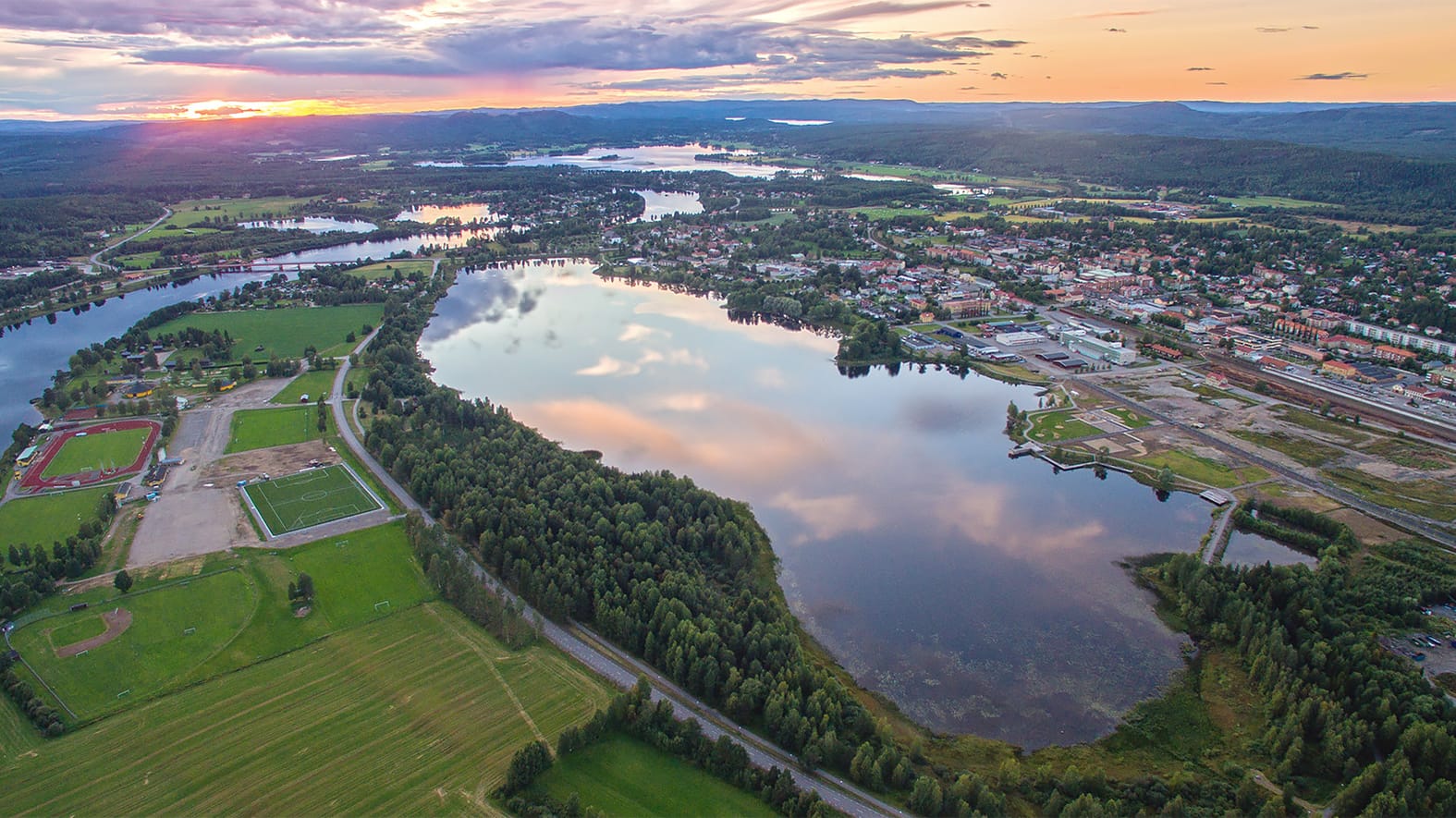
Ljusdal is an inland town in the north-western part of Gävleborg County, set in the forest and river country of northern Hälsingland.
Hotel links are affiliate links: booking through them may earn us a commission, at no extra cost to you. It never affects how places are ranked. How this works


Where to stay in Ljusdal
Where visitors usually base themselves, and why.
Most visitors stay in the town centre, the small grid of streets around the station and the church where the hotels, the shops, and the services sit close enough to cover on foot. It suits anyone arriving by train or breaking a long drive through the interior. The choice of beds stays small.
Beds tighten during the summer market and festival season, so book early if you travel then. Along the Ljusnan and the lakes nearby, cottages and a campsite give a greener, quieter base for travellers with a car who want water and forest over a town address. The villages out toward the famous Hälsingland farmhouses offer rural stays among open fields and decorated timber houses.
Around Ljusdals kyrka, the older streets keep a settled residential calm a short stroll from the centre. Begin in the town centre. The countryside is the real draw.
Find hotels in Ljusdal
Direct booking searches for these neighbourhoods.
Town centre
station, church and services within a short walk. Rooms are few around here — worth securing early.Find hotels in Town centrequiet, car-based staysAlong the Ljusnan and lakes
cottages and a campsite along the Ljusnan. Beds are limited here, so book early.Find hotels in Along the Ljusnan and lakesrural and cultural tripsFarmhouse villages
lodging among the decorated Hälsingland farms. Rooms are few around here — worth securing early.Find hotels in Farmhouse villagesHotel links are affiliate links: booking through them may earn us a commission, at no extra cost to you. It never affects how places are ranked. How this works
About Ljusdal
Ljusdal is a railway and forest town.
What is Ljusdal known for?
It grew where the inland line crosses the Ljusnan valley, and for the wide rural municipality around it the town serves as the natural hub for trade, services, and travel deep into northern Hälsingland. The decorated Hälsingland farmhouses of the surrounding parishes draw visitors. Ljusdalsbygdens museum gathers the local story.
The annual market and motor traditions give the place an outsized reputation for its size.
What are the main landmarks in Ljusdal?
Ljusdals kyrka anchors the town. The church stands near the centre, a steady civic marker in a community otherwise built around its railway and its forests, and it remains the clearest fixed point in the low skyline. Ljusdalsbygdens museum keeps the district's art, crafts, and local history.
The real wealth lies in the parishes around it. The decorated Hälsingland farmhouses nearby, several on the UNESCO list, are the landmarks people travel furthest to see.
What is the history of Ljusdal?
Ljusdal began as a farming and church parish in the Ljusnan valley, settled where the river and the old roads met in the heart of northern Hälsingland. For centuries it lived by agriculture, forestry, and the linen and flax that made the region's farmers prosperous enough to raise the great decorated farmhouses that still stand around the district. The land was rich, and the fertile valley floor drew settlement and prosperous farming long before any modern town took shape around the station.
The railway transformed everything. When the inland line reached the valley in the nineteenth century, a modern town grew up around the station, and timber, trade, and workshops gathered where there had been only fields and farmsteads. Ljusdal became the seat of a large forest municipality.
Markets, motors, and festivals later gave the small town a name far beyond its size.
Where is Ljusdal?
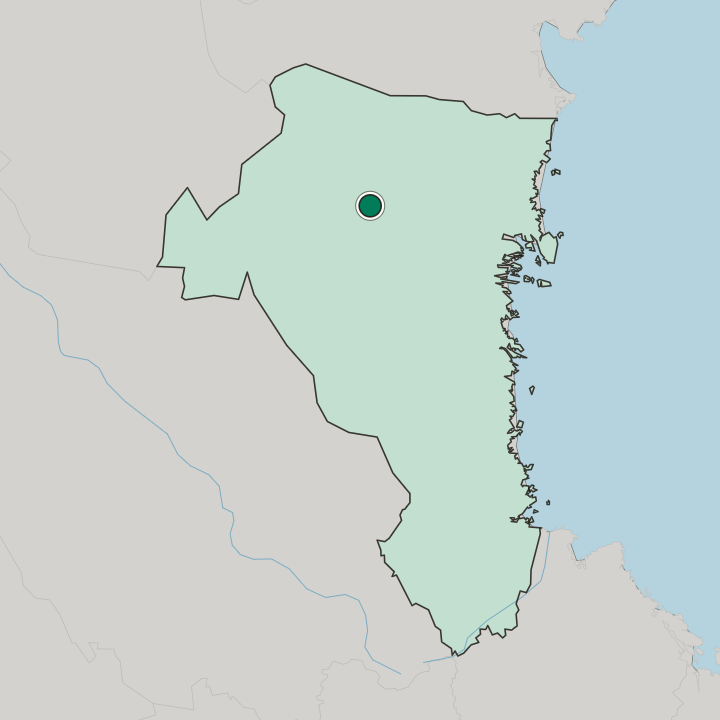
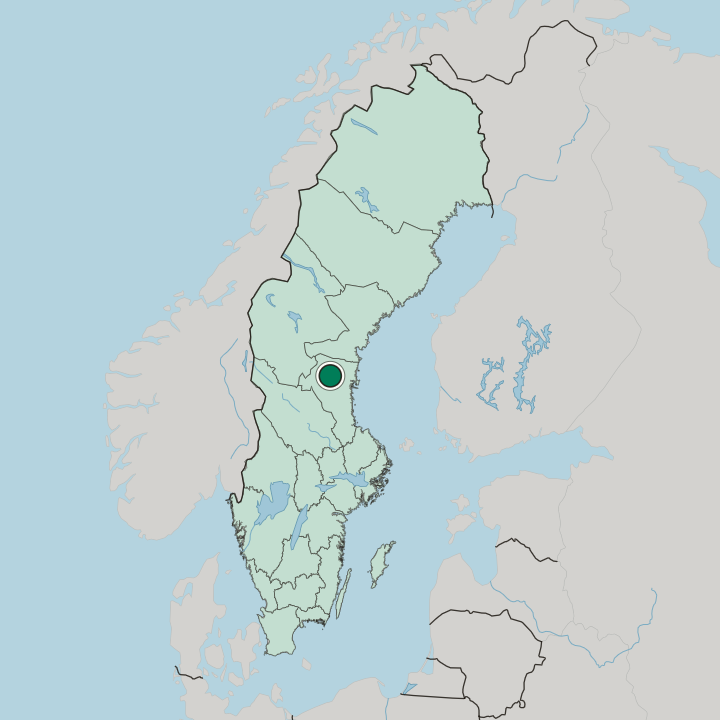
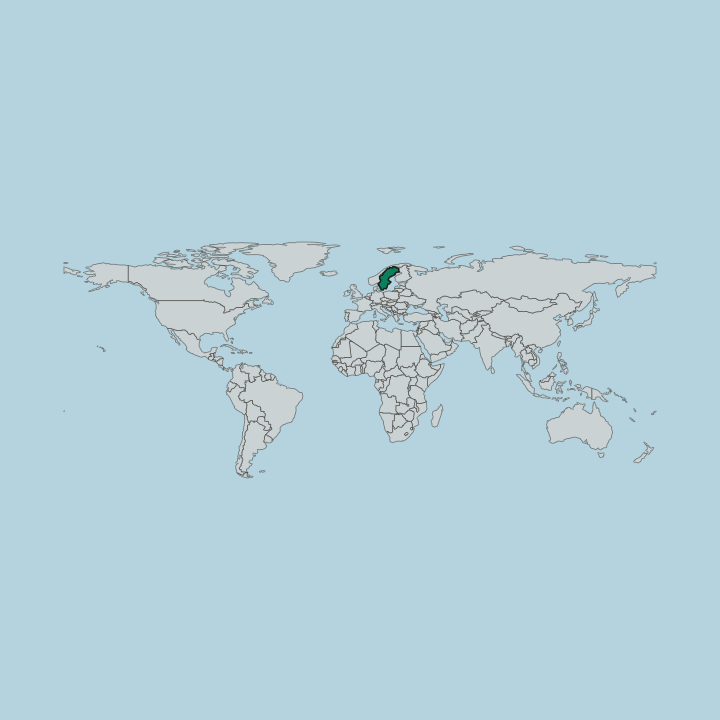
Ljusdal lies in the north-western part of Gävleborg County, set in the broad valley of the Ljusnan where the river winds through the forests of northern Hälsingland. Wooded hills and lakes surround the town on every side, with open farmland filling the valley floor around the older parishes. The interior is vast and thinly settled.
Forest, water, and the long river dominate the land, stretching west toward the Härjedalen mountains and east down toward the coast. Trees run to the horizon.
What is the climate of Ljusdal?
Ljusdal has a humid continental climate, cold and clearly inland in character. Winters are long, dark, and snowy, with deep cover lying across the forest from late autumn well into spring. Summers stay short but mild and green, and the long northern daylight around midsummer keeps the valley bright late into the evening when the south of Europe has long since gone dark.
Spring runs late. Autumn turns fast toward frost.
How do you get to Ljusdal?
Ljusdal sits on the Norra stambanan, the northern main railway running through the interior. Trains link the town south toward Bollnäs and Gävle and north toward Östersund, making it a useful stop for travellers crossing the country's wooded middle. Road carries the rest.
The main routes run east to the coast at Hudiksvall and west into the mountains, with buses serving the scattered villages of the wide municipality. Train times thin in the evening.
Common questions
What is the best area to stay in Ljusdal?
Town centre: first-timers. Along the Ljusnan and lakes: quiet, car-based stays. Farmhouse villages: rural and cultural trips.
Good for
More cities in Gävleborg County
Updated September 2026