Sweden · Gävleborg County
Where to Stay in Ockelbo, Gävleborg County
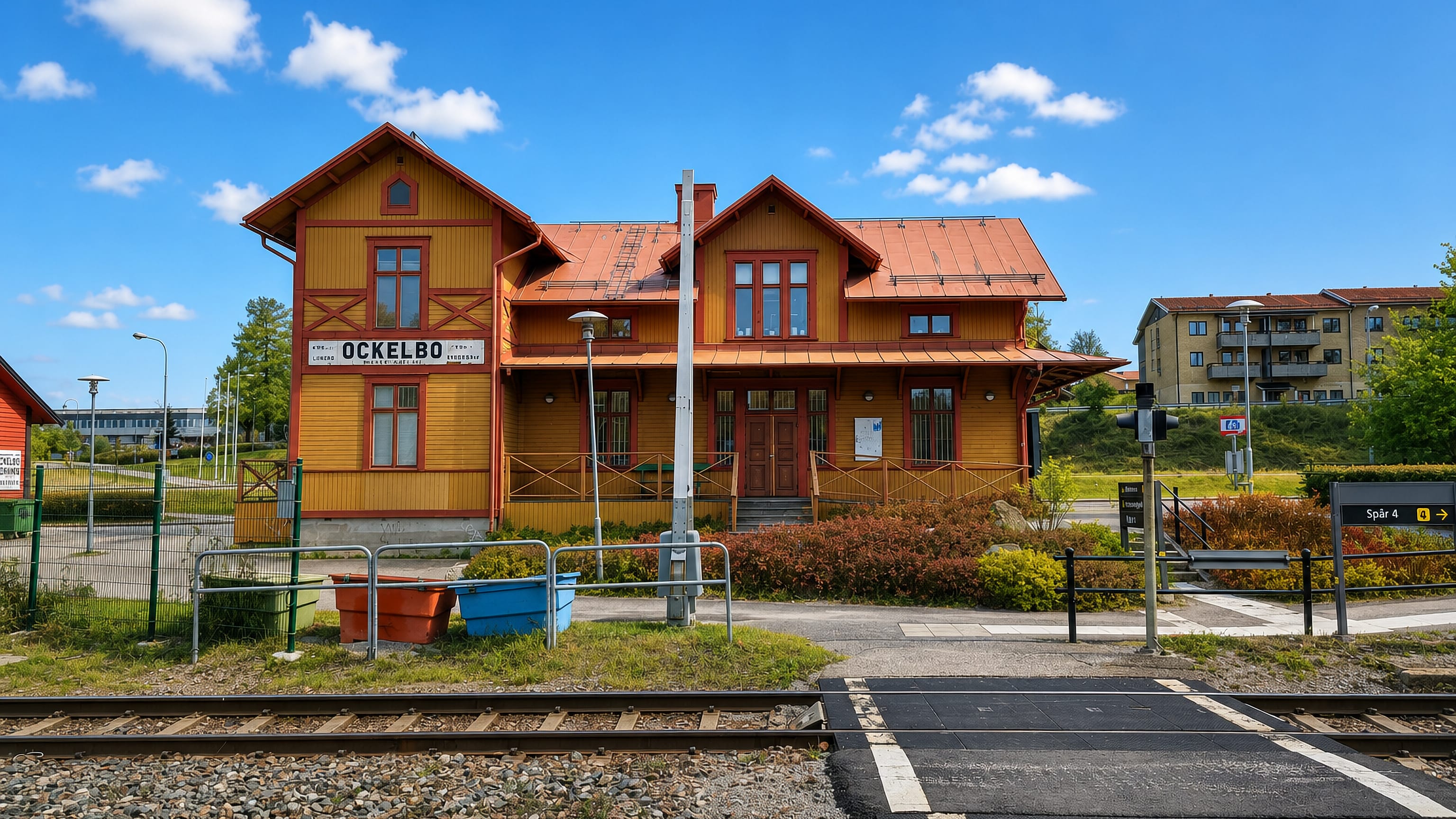
Ockelbo is a small inland town in the southern part of Gävleborg County, set among the forests and lakes of southern Hälsingland.
Hotel links are affiliate links: booking through them may earn us a commission, at no extra cost to you. It never affects how places are ranked. How this works


Where to stay in Ockelbo
Where the beds are, and what that means for the visit.
Most visitors stay in the small town centre, the handful of streets around the church and the station where the few rooms, shops, and services sit within an easy walk of one another. It suits anyone arriving by train or breaking a drive through the forest interior. Rooms in Ockelbo are limited.
The choice runs to a small hotel, a guesthouse or two, and rooms on the farms nearby. Along the lakes and the Testeboån, cottages and a campsite give a greener base for travellers with a car who want water, fishing, and pine over a town address. The villages out in the wider parish offer rural stays among open fields and old farmsteads.
Around Ockelbo kyrka, the older streets keep a settled residential calm a short stroll from the centre. Stay central if you come by train. The lakes reward a car.
Find hotels in Ockelbo
Direct booking searches for these neighbourhoods.
Town centre
church, station and services within a short walk. Few places to stay nearby — book ahead.Find hotels in Town centreanglers and quiet staysLakes and the Testeboån
cottages and a campsite by the water. Lodging is scarce in this area; reserve in advance.Find hotels in Lakes and the Testeboånrural tripsOuter parish villages
farm lodging among fields and forest. Beds are limited here, so book early.Find hotels in Outer parish villagesHotel links are affiliate links: booking through them may earn us a commission, at no extra cost to you. It never affects how places are ranked. How this works
About Ockelbo
Ockelbo is rune country.
What is Ockelbo known for?
The district is known above all for its carved runestones, the most celebrated being the lost Ockelbo stone whose richly figured surface survives in a faithful copy by the church. Forest, lakes, and quiet roads draw cyclists and anglers through the surrounding parish. Ockelbo kyrka anchors the small centre.
The town serves as the hub of a wide, thinly settled forest municipality.
What are the main landmarks in Ockelbo?
The runestones are the real draw. Ockelbo's most famous carving, a tall stone covered in figures and scenes, was lost to fire long ago but lives on in a careful reconstruction that stands by the church for visitors to study. Ockelbo kyrka itself anchors the centre, a steady civic marker in a town otherwise defined by its forests.
Lakes and trails ring the rest. Walk a short way and the pines close in.
What is the history of Ockelbo?
Ockelbo's roots reach back to the Viking age and beyond. The district's runestones, carved a thousand years ago, mark it as a settled and prosperous parish long before the modern town existed, and they remain the clearest trace of that early Norse community in the forests of southern Hälsingland. Farming and forestry sustained the parish for centuries, and the church grew as the gathering point at its heart while the surrounding farms cleared ground from the encircling forest.
The railway brought the modern town. When lines reached the district in the nineteenth century, a small commercial and industrial centre gathered around the station, and timber, workshops, and trade replaced the old village pattern of scattered farms. Ockelbo became the seat of its own forest municipality.
The runestone heritage still defines its identity.
Where is Ockelbo?
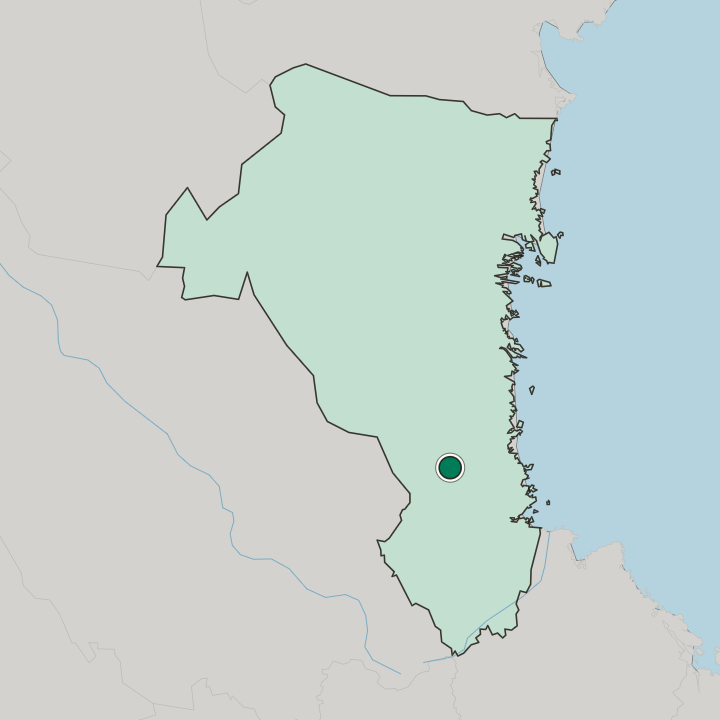
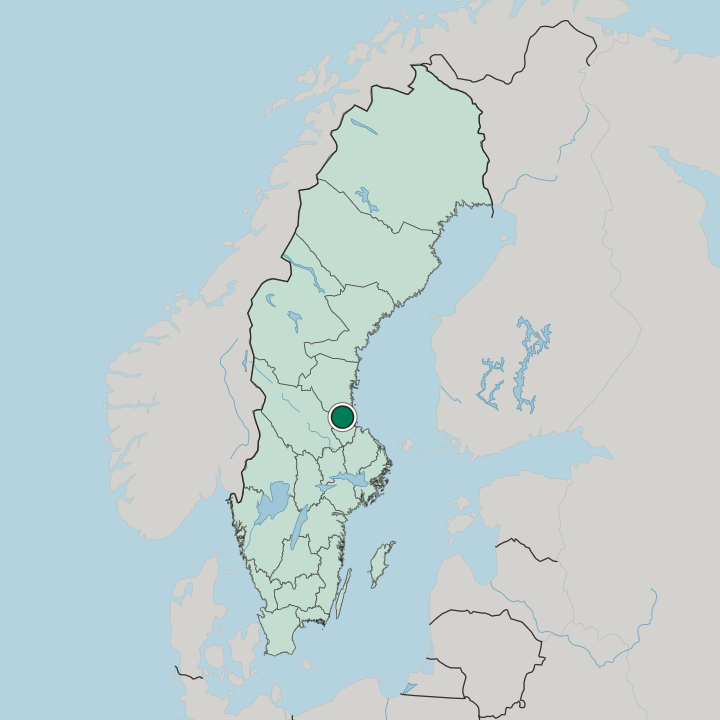
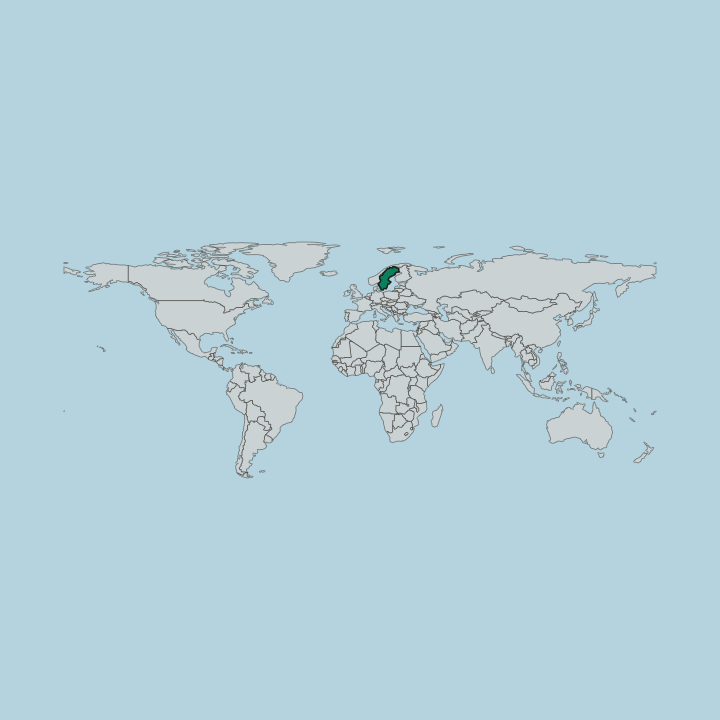
Ockelbo lies in the southern part of Gävleborg County, set in the wooded country inland from the coast at Gävle, on the southern edge of Hälsingland. Forest covers most of the municipality, broken by lakes, marshes, and the Testeboån that drains down toward the sea. The town sits among trees.
Open farmland fills the cleared valley around the church and the older villages, while pine and water stretch out unbroken in every direction beyond them. It is deep forest country.
What is the climate of Ockelbo?
Ockelbo has a humid continental climate, cold and firmly inland. Winters are long and snowy, with deep cover lying across the forest from late autumn into spring. Summers stay short but mild and green, and the long northern daylight around midsummer keeps the lakes and clearings bright far into the evening when southern Europe has long gone dark.
Spring arrives late this far inland. Autumn slides quickly toward the first hard frosts.
How do you get to Ockelbo?
Ockelbo sits on the Norra stambanan, the northern main railway, and trains stop in the town on their run through the forest interior. Services link it south-east toward Gävle and north toward Bollnäs and Ljusdal, giving rail access despite the remote setting. Road carries the rest.
The main routes run down to Gävle in well under an hour and out to the scattered villages of the wide parish, with buses filling the gaps. Evening trains are sparse.
Common questions
What is the best area to stay in Ockelbo?
Town centre: first-timers and rail arrivals. Lakes and the Testeboån: anglers and quiet stays. Outer parish villages: rural trips.
Good for
More cities in Gävleborg County
Updated September 2026