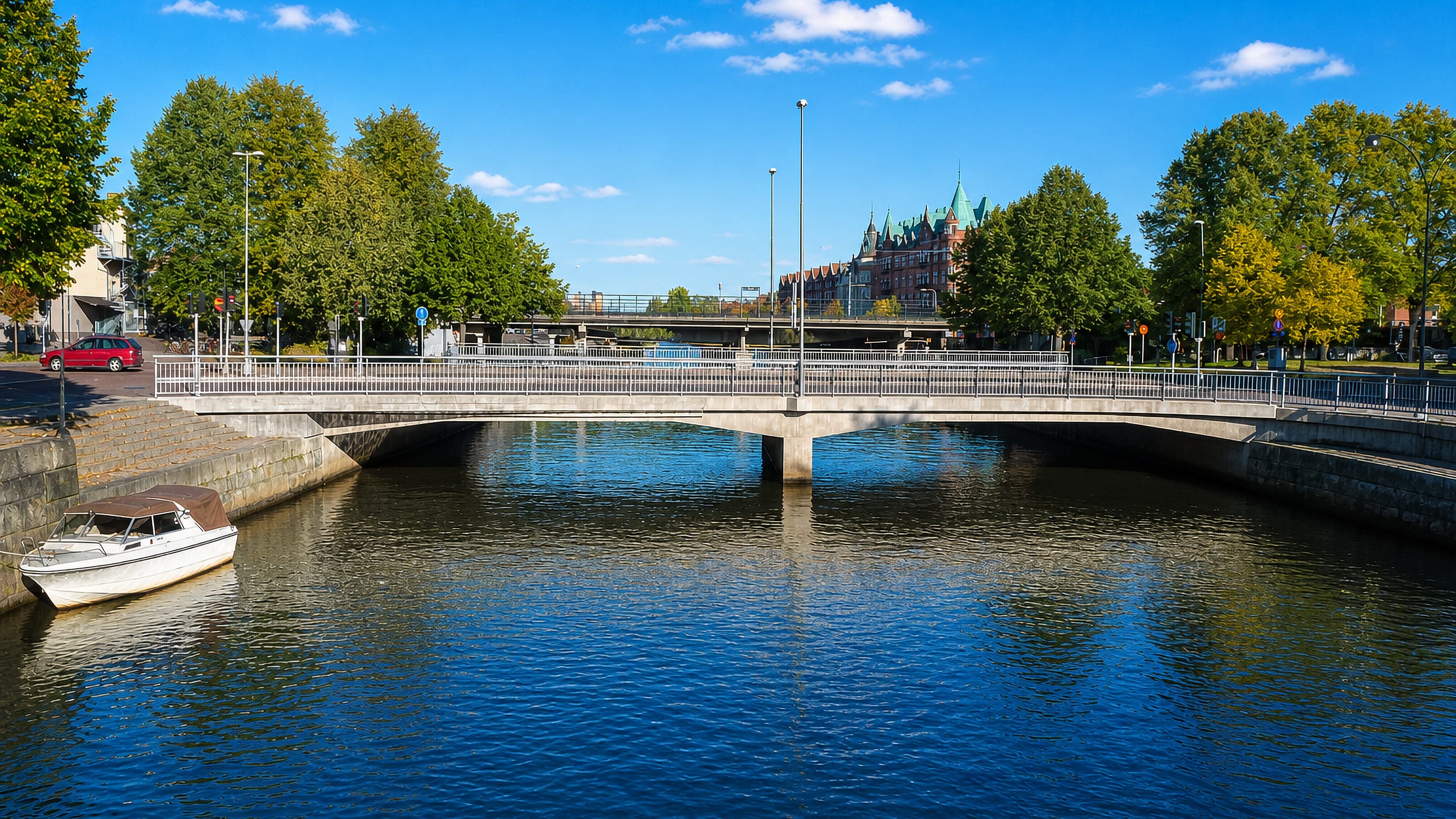
Sweden
Gävleborg County, Sweden — Towns & Travel Guide
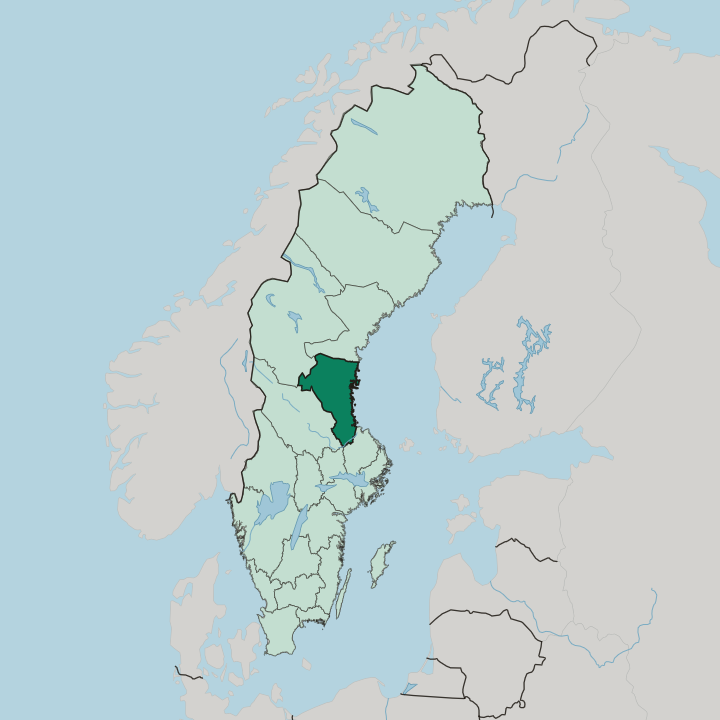
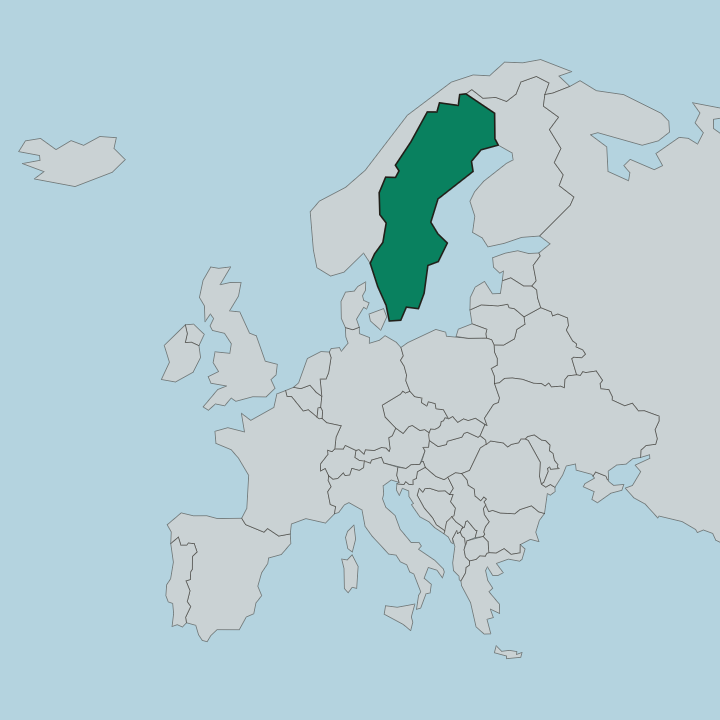
Gävleborg County is a coastal län in eastern Sweden, fronting the Gulf of Bothnia between Uppsala and the far north.
Hotel links are affiliate links: booking through them may earn us a commission, at no extra cost to you. It never affects how places are ranked. How this works


Towns & cities in Gävleborg County
Pick a town or city — each links to where to stay.
 Sweden
Gävle
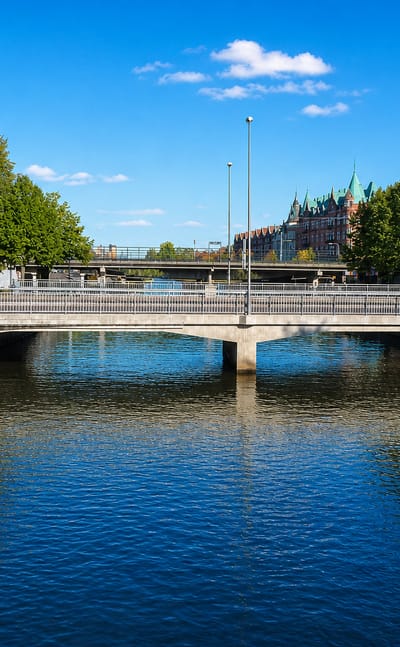
Gävle is a coastal city in the eastern part of Gävleborg County, set where the Gavleån meets the Gulf of Bothnia on the Baltic coast of eastern Sweden.Where to stay →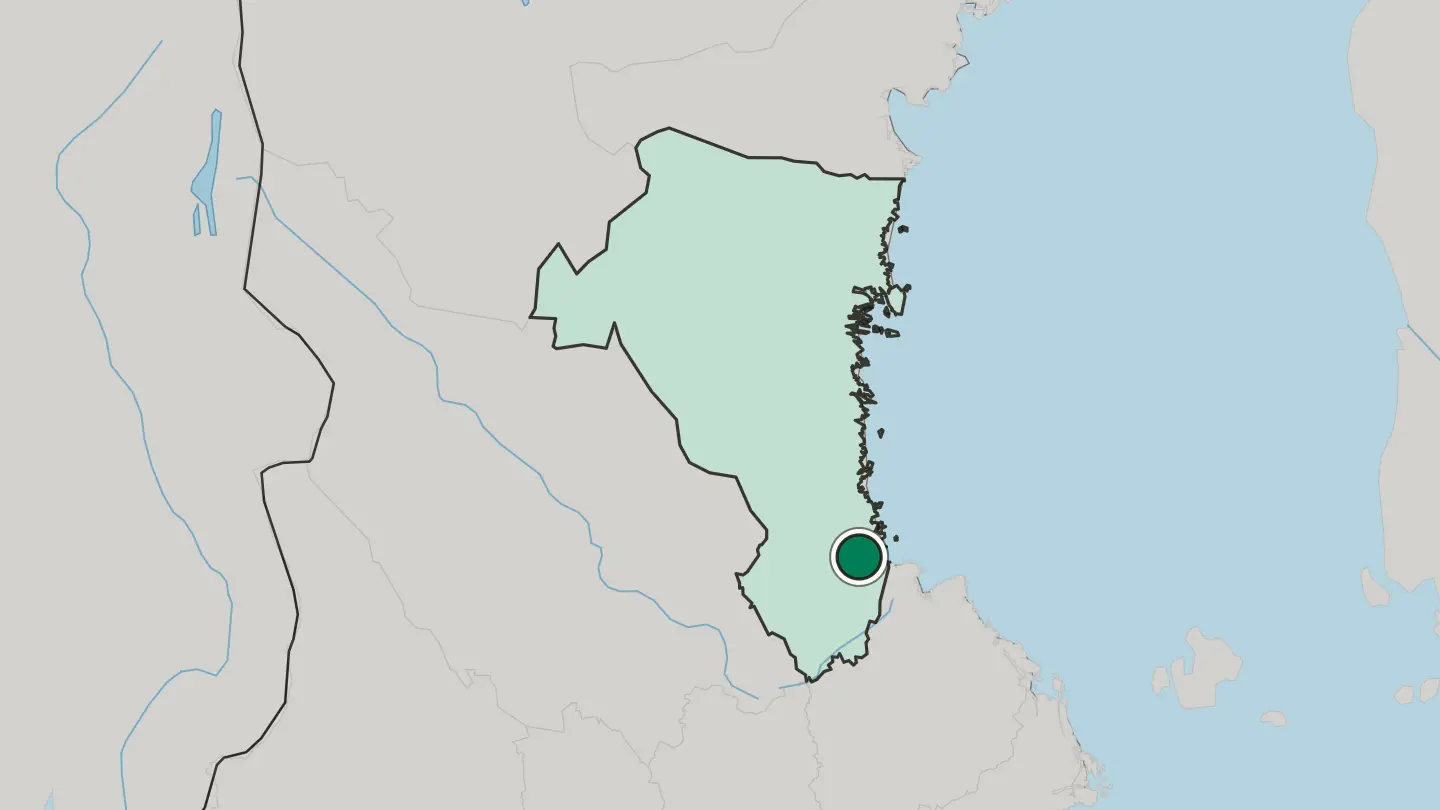 Sweden
Sandviken
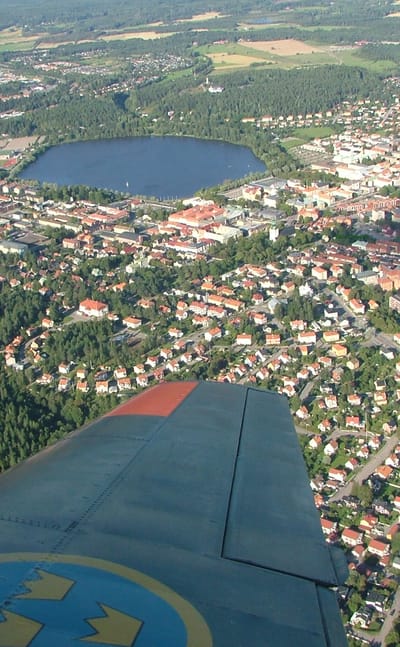
Sandviken is an industrial town in the southern part of Gävleborg County, in eastern Sweden, built around steel on the shore of Storsjön.Where to stay →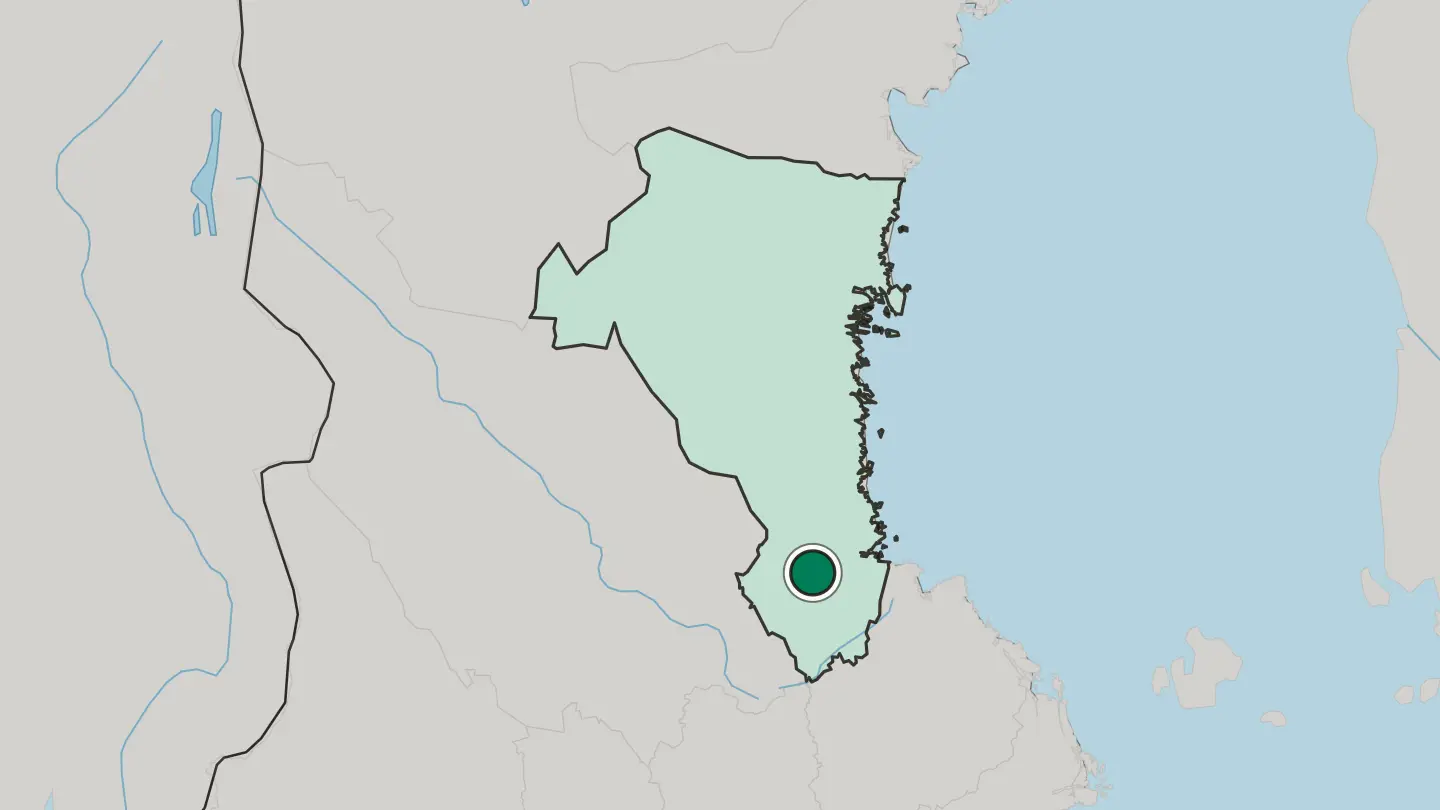
 Sweden
Hudiksvall
Hudiksvall is a coastal town in the north-eastern part of Gävleborg County, set on an inlet of the Bothnian Sea in Hälsingland.Where to stay →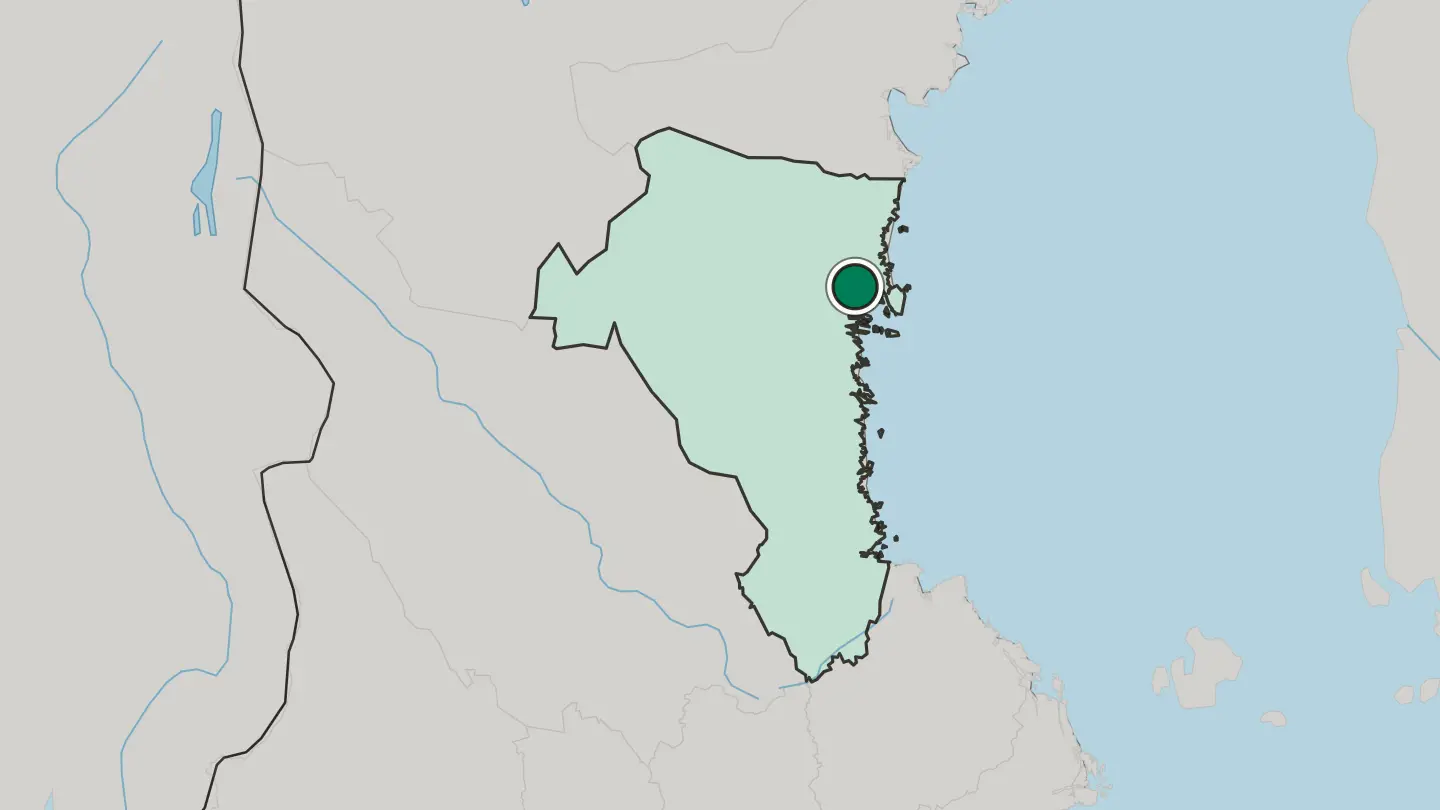
 Sweden
Bollnäs
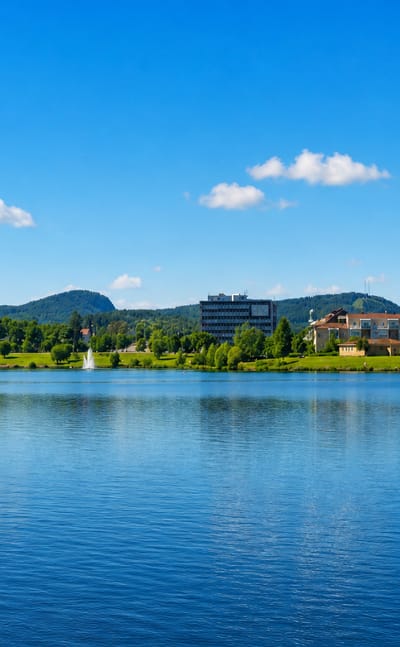
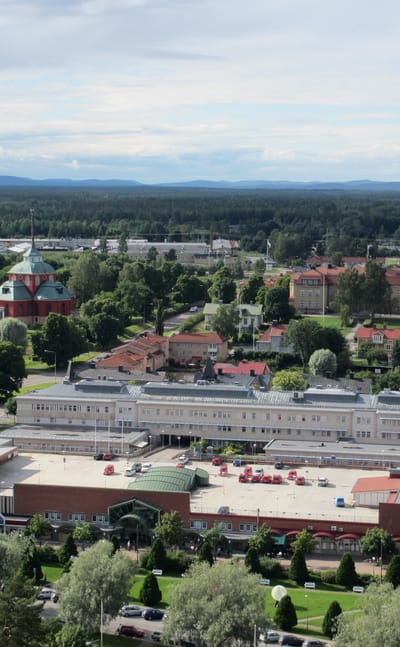
Bollnäs is a river town in the northern part of Gävleborg County, set on the Ljusnan in the Hälsingland interior of northern Sweden.Where to stay →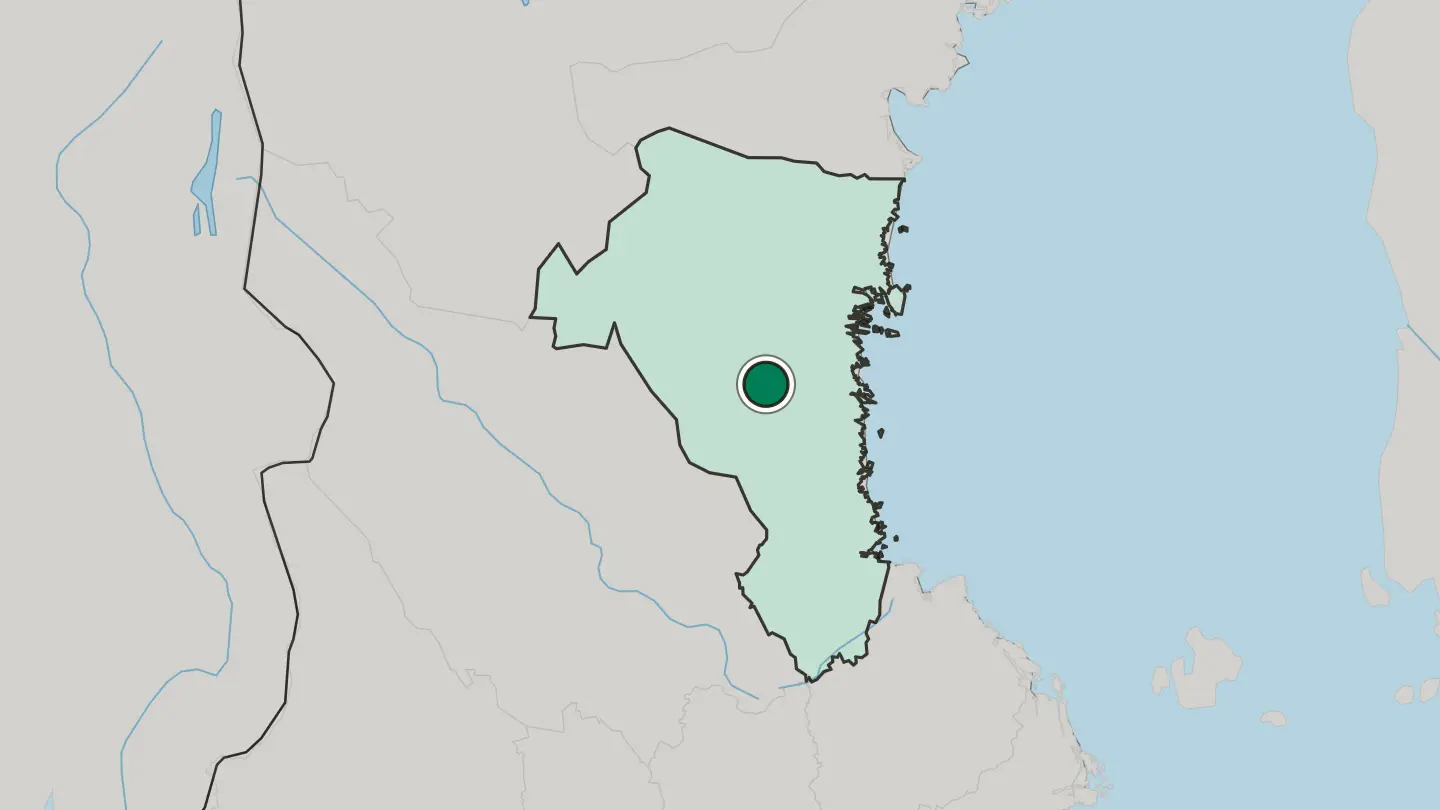
 Sweden
Söderhamn
Söderhamn is a coastal town in the north-eastern part of Gävleborg County, set where a river valley opens onto the Bothnian Sea in Hälsingland.Where to stay →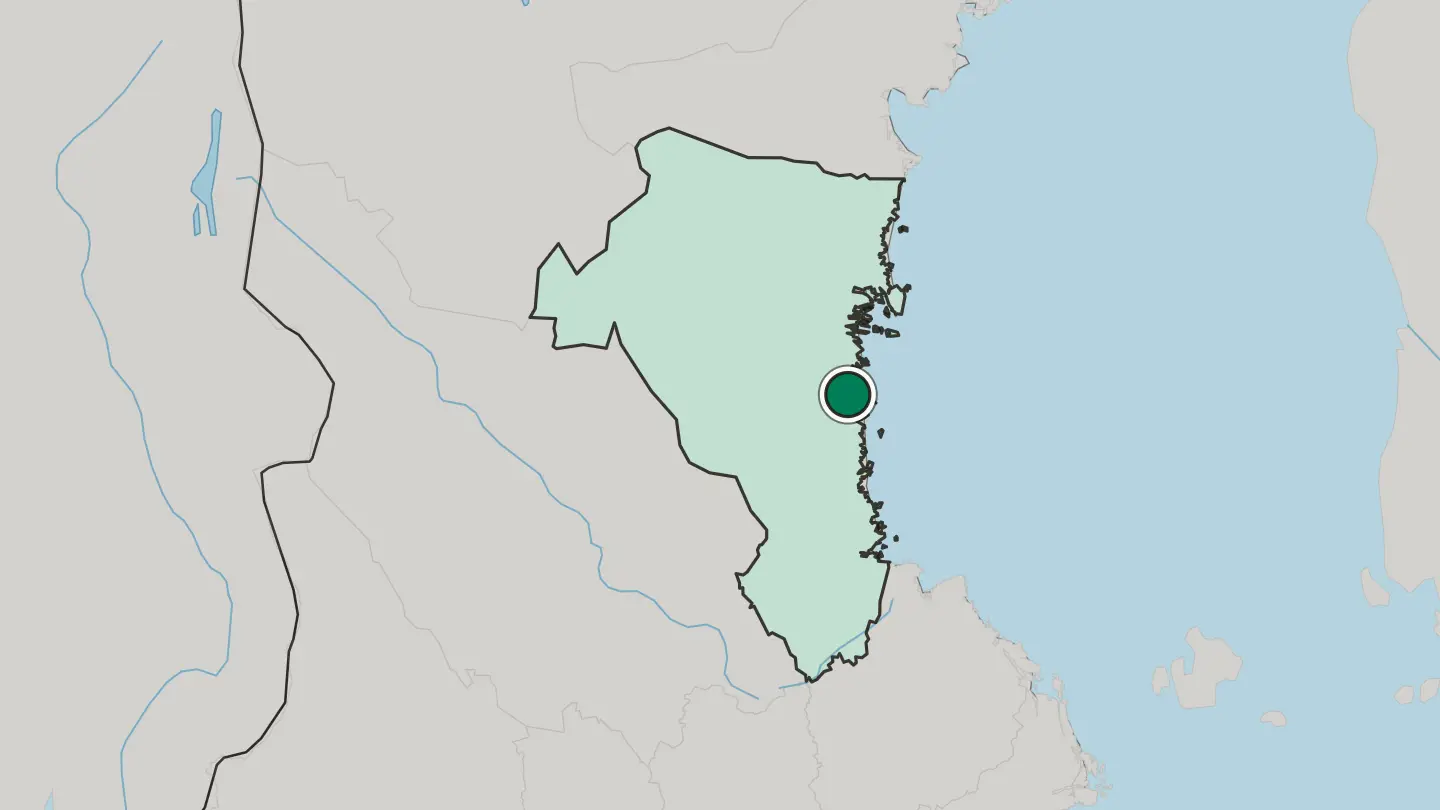
 Sweden
Ljusdal
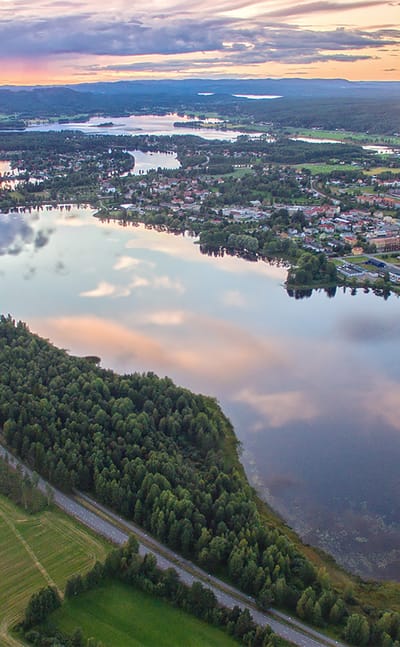
Ljusdal is an inland town in the north-western part of Gävleborg County, set in the forest and river country of northern Hälsingland.Where to stay →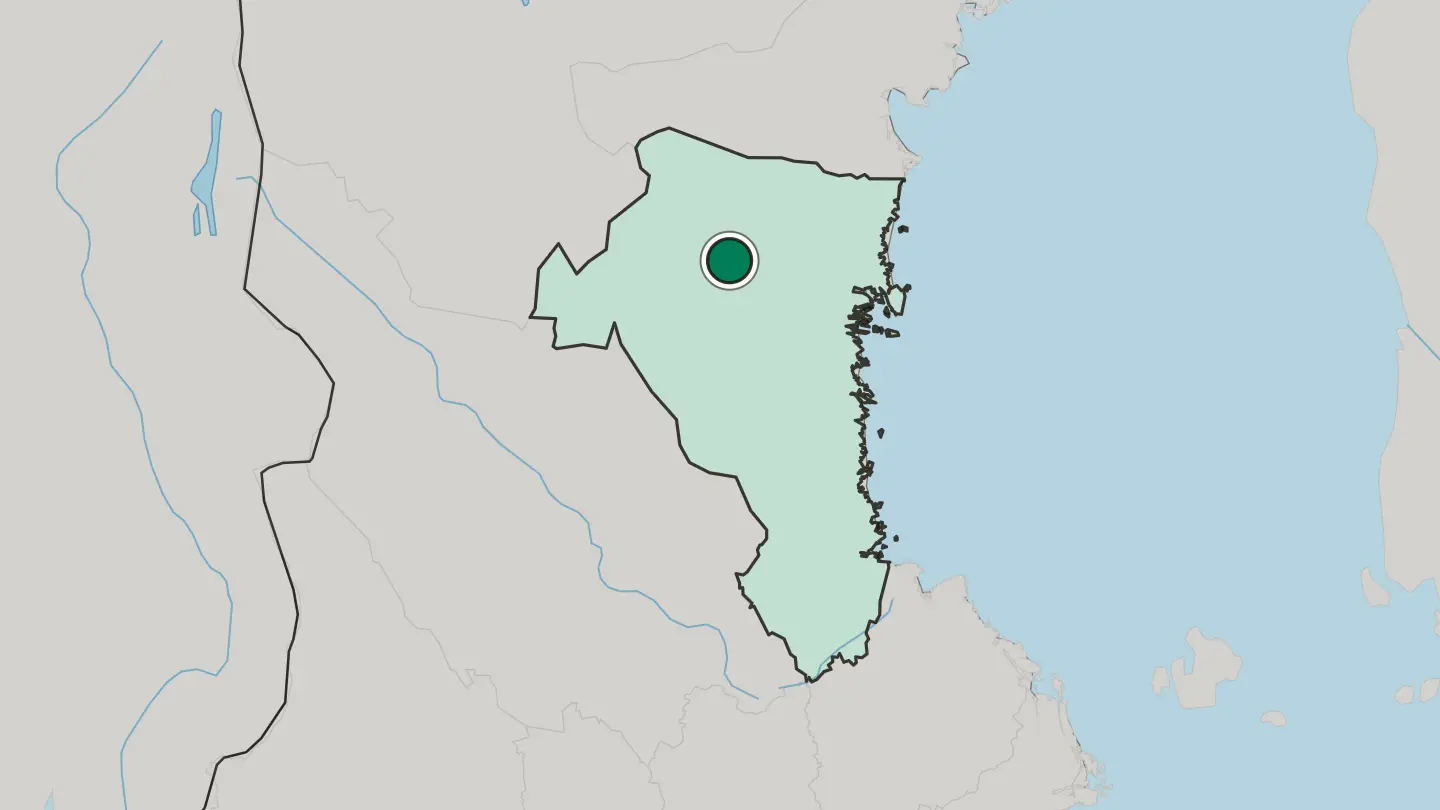
 Sweden
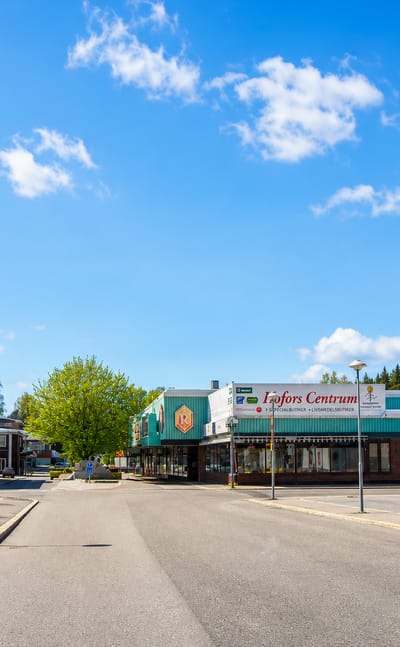
Hofors
Hofors is a small industrial town in the south-western part of Gävleborg County, in central Sweden, built around steel and forest.Where to stay →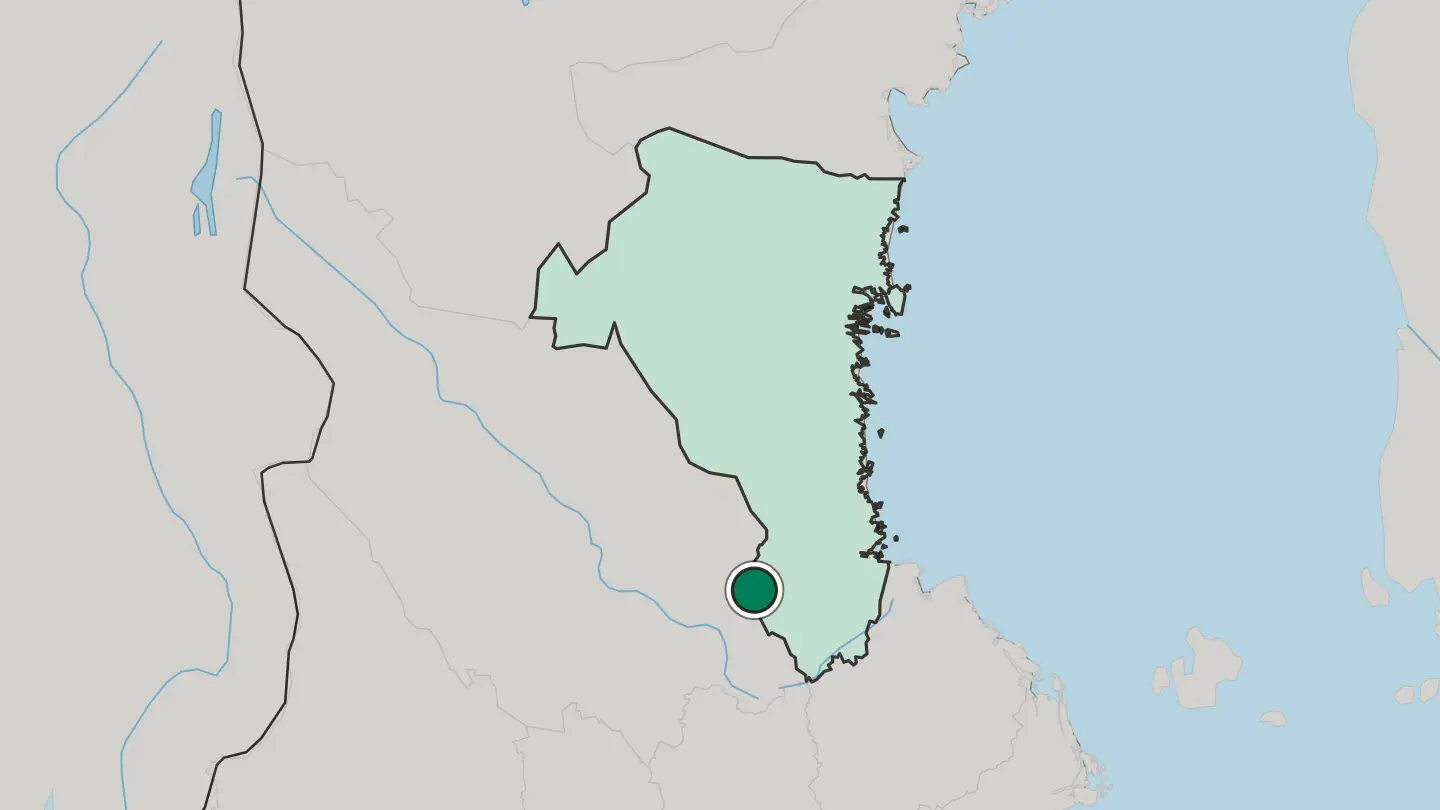
 Sweden
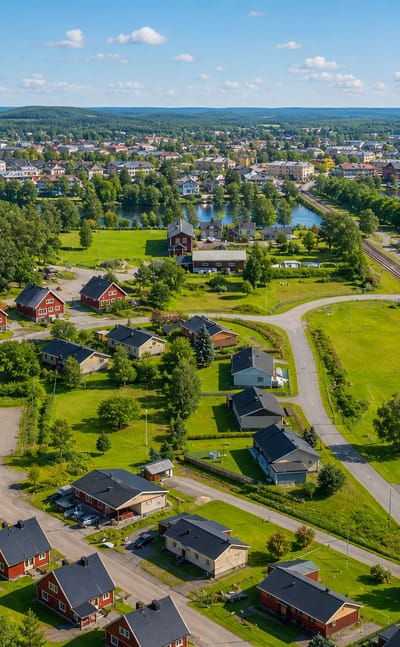
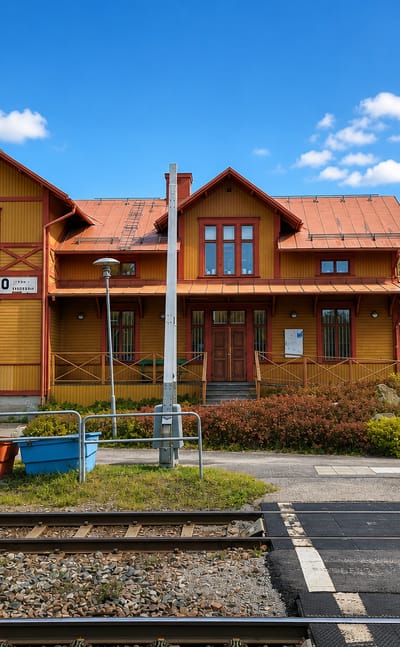
Edsbyn
Edsbyn is a forest town in the north-western part of Gävleborg County, set on the Voxnan in the Hälsingland interior of northern Sweden.Where to stay →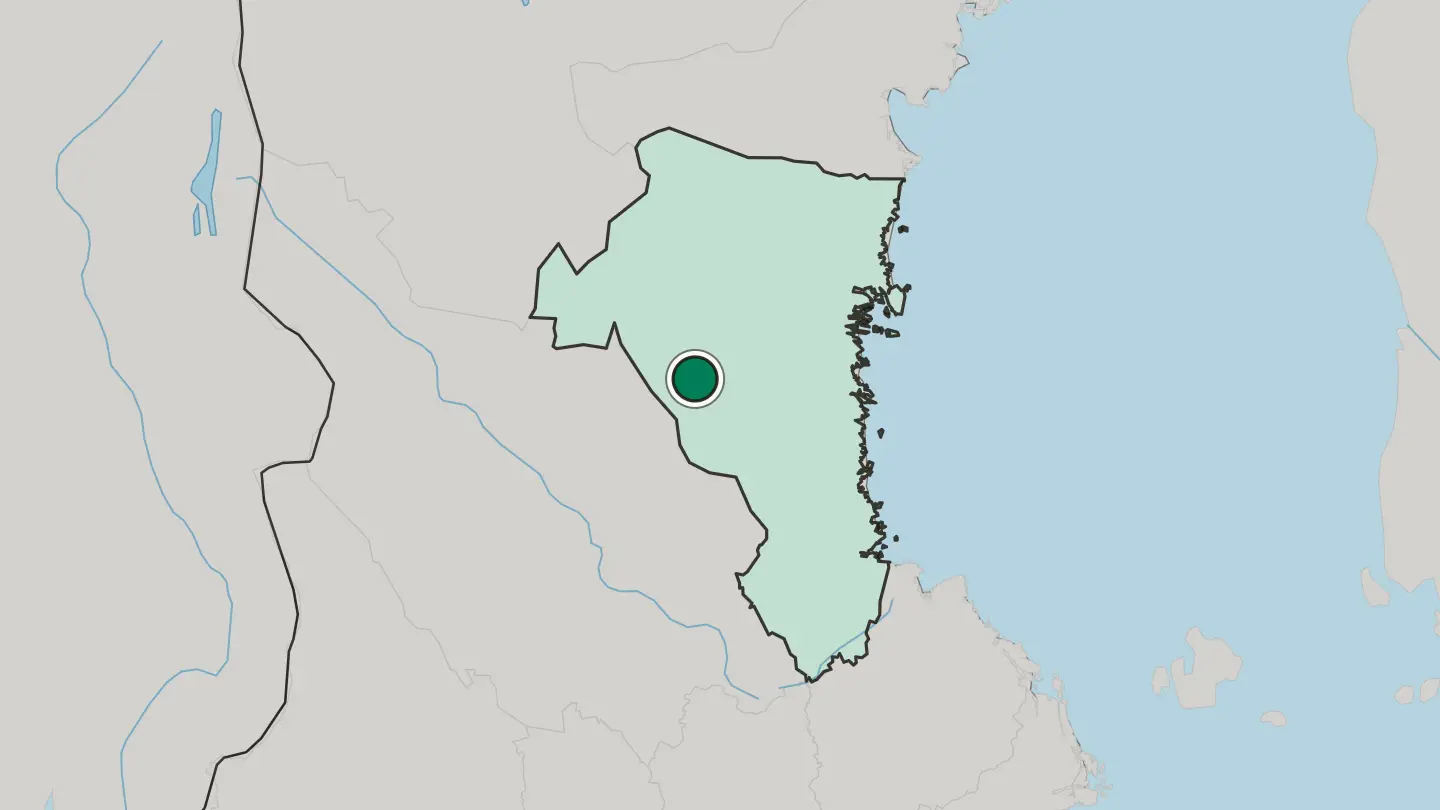
All towns & cities (10)
 Sweden
Ockelbo
Ockelbo is a small inland town in the southern part of Gävleborg County, set among the forests and lakes of southern Hälsingland.Where to stay →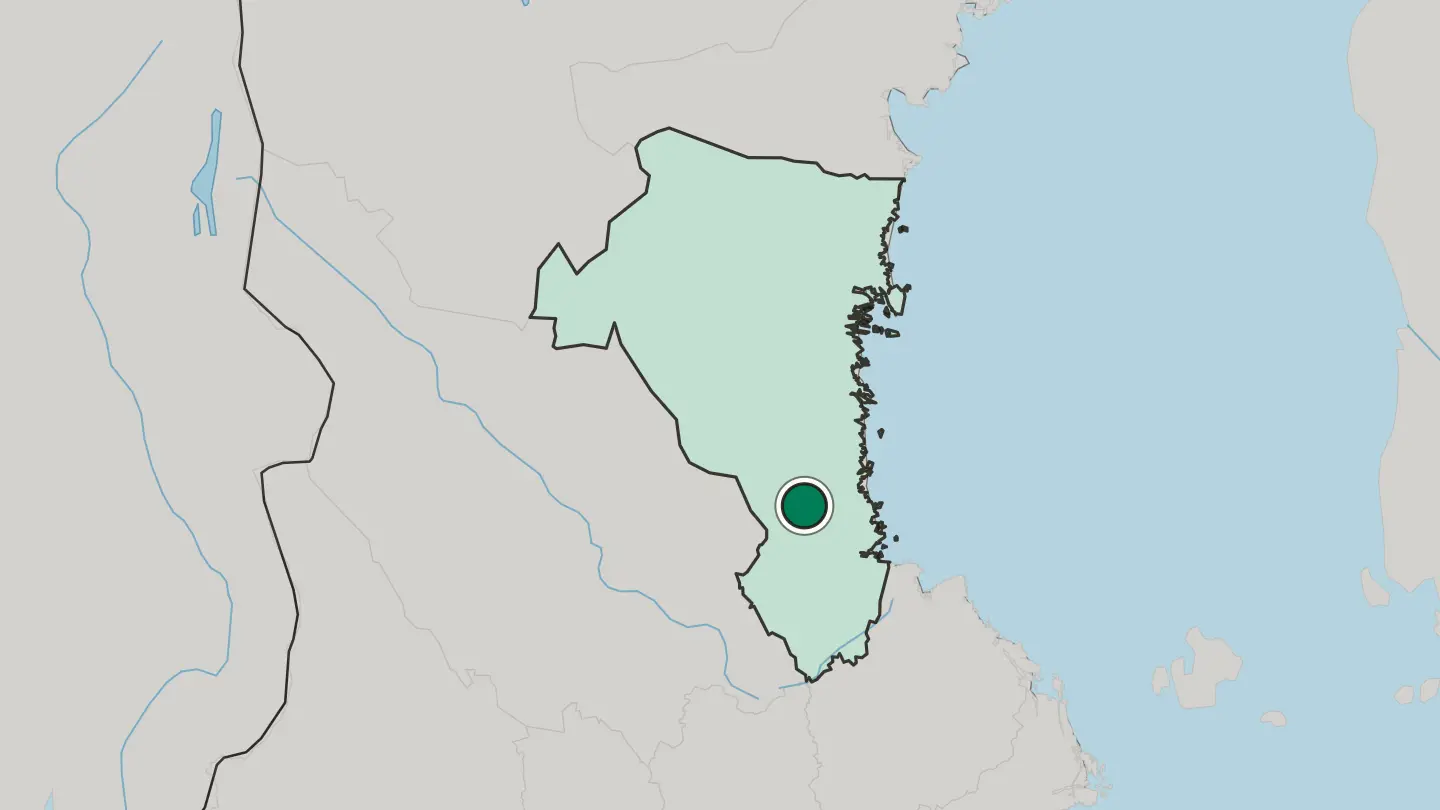 Sweden
Bergsjö
Bergsjö is a small inland town in the north-eastern part of Gävleborg County, set among the forested hills of Hälsingland in north-eastern Sweden.Where to stay →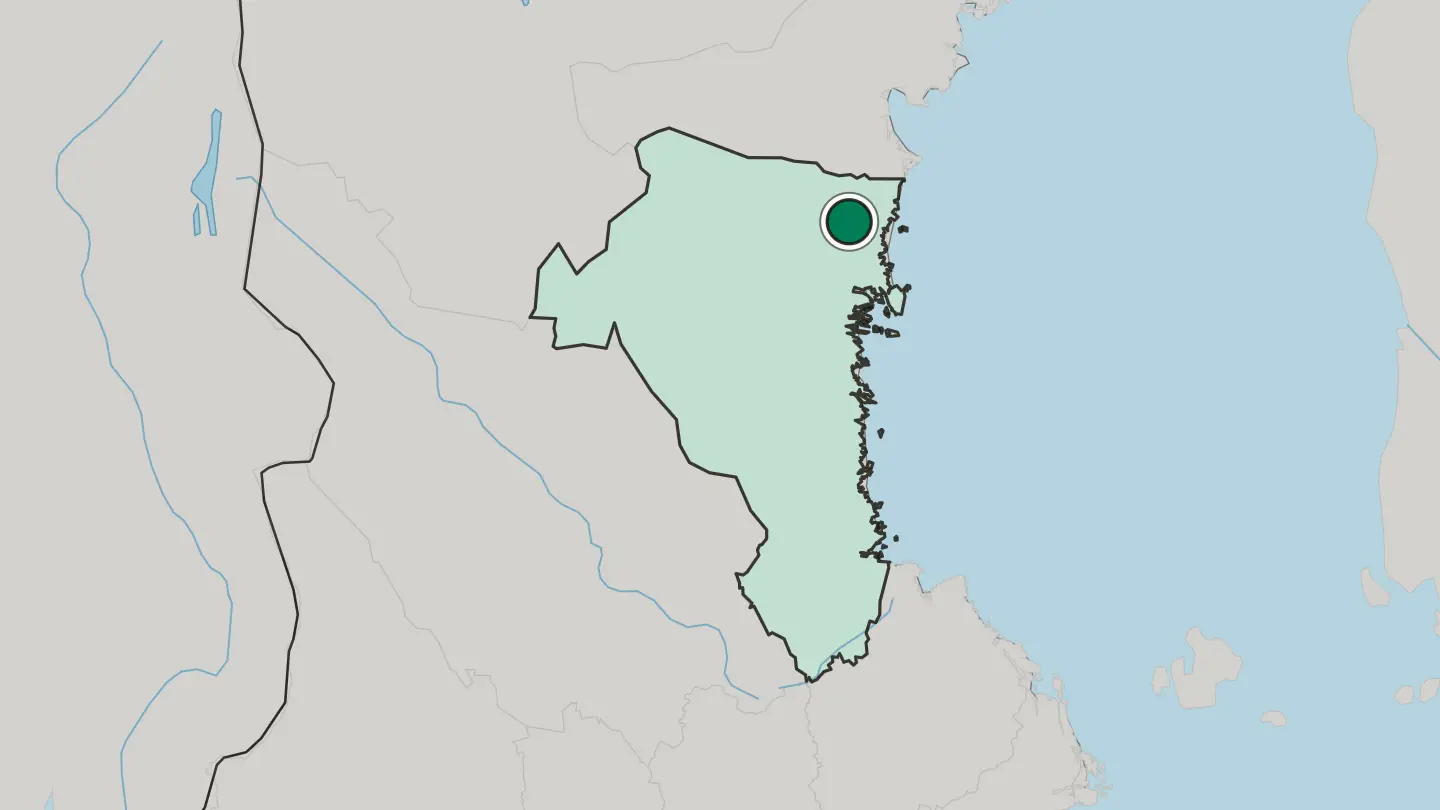
Hotel links are affiliate links: booking through them may earn us a commission, at no extra cost to you. It never affects how places are ranked. How this works
About Gävleborg County
Forests, rivers, and a long Baltic shore define this county.
What is Gävleborg County known for?
Gävle anchors it. The old town there, Gamla Gefle, keeps rows of wooden houses that escaped the great fire of 1869. North along the coast lies the Hälsingland farmhouse country, where painted timber halls earned a place on the UNESCO World Heritage list.
Travellers come for the High Coast approaches, the fishing harbours, and the deep inland woods.
Where is Gävleborg County?
Gävleborg sits in eastern Sweden. Its eastern edge meets the Gulf of Bothnia, a long shore of bays, fishing harbours, and low skerries that breaks the open Baltic into sheltered water. The land rises gently westward from this coast into the great belt of boreal forest that covers most of the county, broken by lakes, bogs, and the broad river valleys that carry meltwater down toward the sea.
Three major rivers shape the interior. The Ljusnan and the Voxnan drain the western highlands, while the Dalälven marks part of the southern border before it reaches the coast near the capital. To the south the county borders Uppsala and Västmanland; to the west, Dalarna; and to the north, Jämtland and Västernorrland.
Hälsingland fills the northern half and Gästrikland the south. Farms, mills, and timber towns grew where the rivers met the plain. The mix is simple.
Coast, river, and deep wood together give the county its shape and its working life.
What is Gävleborg County like?
Two old provinces meet here. Gästrikland in the south and Hälsingland in the north each carry their own customs, dialects, and building traditions, and the contrast still marks village fairs, music, and food across the county. The decorated Hälsingland farmhouses stand at the centre of regional identity.
Wealthy linen and timber farmers built these large timber halls in the eighteenth and nineteenth centuries and filled their best rooms with painted walls and festival furniture. Seven of these farmhouses joined the UNESCO World Heritage list in 2012, recognising a folk-art tradition found nowhere else at such scale. Music runs deep too.
Fiddle playing, accordion, and the old dances survive at summer gatherings throughout the river valleys. Gävle keeps the urban side of the culture. The city holds museums, theatres, and the railway heritage of a port that shipped iron and timber for generations.
Each December the city raises a giant straw goat in the central square. Folk craft, music, and the painted farmhouses give the county a cultural weight far beyond its quiet size.
What is the history of Gävleborg County?
The county took its present form in 1762, joining the two old provinces of Gästrikland and Hälsingland under one administration. Gävle itself is far older. It won town privileges in 1446 and grew into one of the chief ports of the Bothnian coast, shipping iron from the Bergslagen mines and timber from the inland forests.
Linen weaving and farming made Hälsingland prosperous, and that wealth raised the painted farmhouses. Industry, rail, and the harbour carried the county into the modern age.
What is the climate of Gävleborg County?
The county has a cold temperate climate. Winters are long and snowy, especially in the western forests, where the cover lasts for months and feeds the rivers each spring. Summers run short.
Long northern daylight through the warm weeks draws people to the beaches and the lakes. The coast near Gävle stays milder than the highland interior, since the Gulf of Bothnia tempers the seasons along the shore and slows both the autumn frost and the spring thaw. Autumn brings colour to the woods.
How do you get to Gävleborg County?
Gävle sits on the main rail line north from Stockholm, a journey of about an hour and a half, with frequent trains continuing up the coast to Söderhamn, Hudiksvall, and beyond. The E4 motorway runs the same coastal corridor for drivers. Stockholm Arlanda is the nearest large airport, well to the south, while Gävle harbour still handles shipping.
From the capital, regional trains and buses reach the Hälsingland towns and the river valleys inland. Rail makes the easiest approach.
Common questions
What is the best area to stay in Gävleborg County?
Gävle: first-time visitors and trains down to Stockholm. Hälsingland towns: touring the farmhouse heritage. Coast and forest: bathers and anglers.
Good for
More regions in Sweden
Updated September 2026