Sweden · Gävleborg County
Where to Stay in Gävle, Gävleborg County
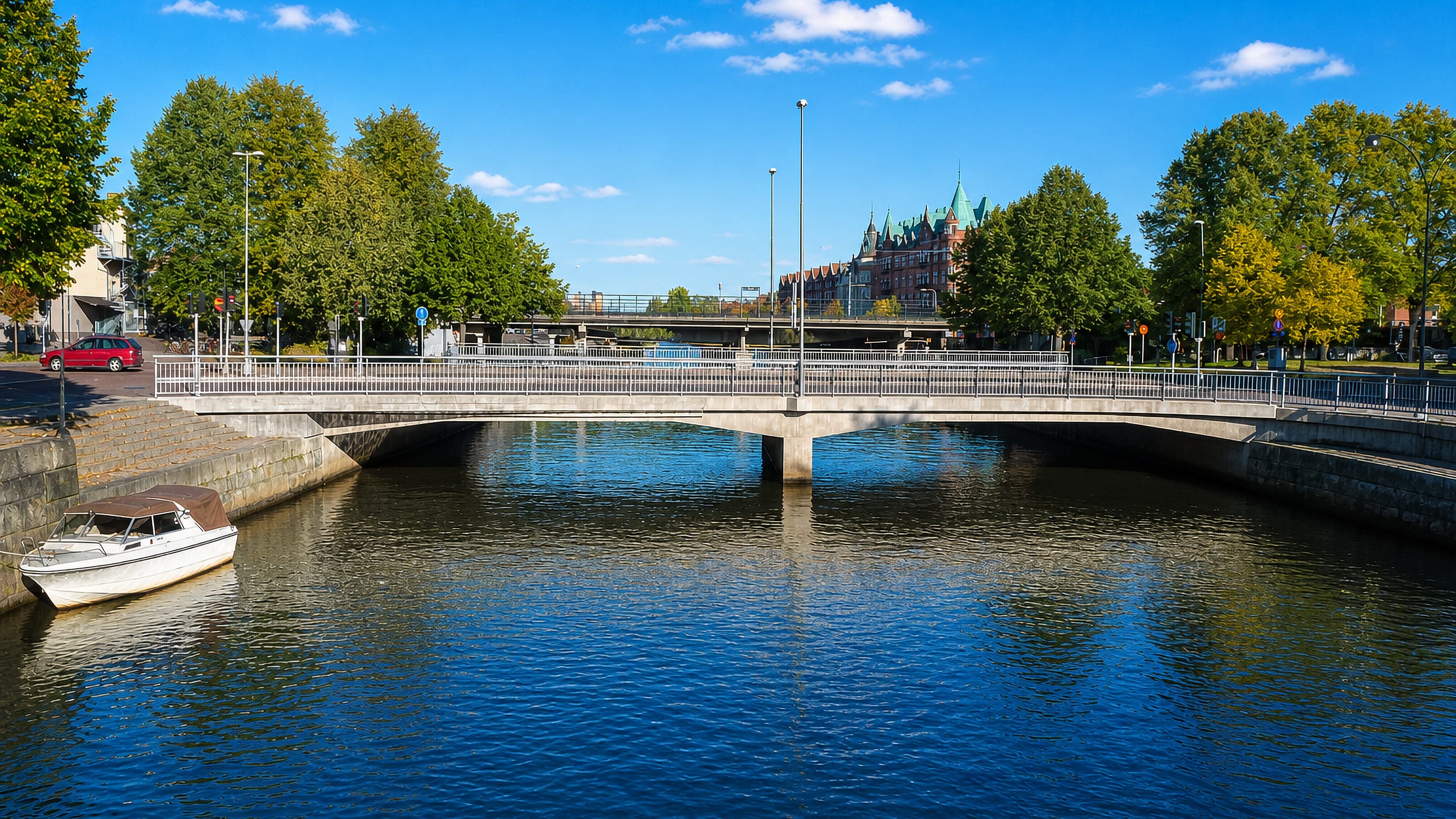
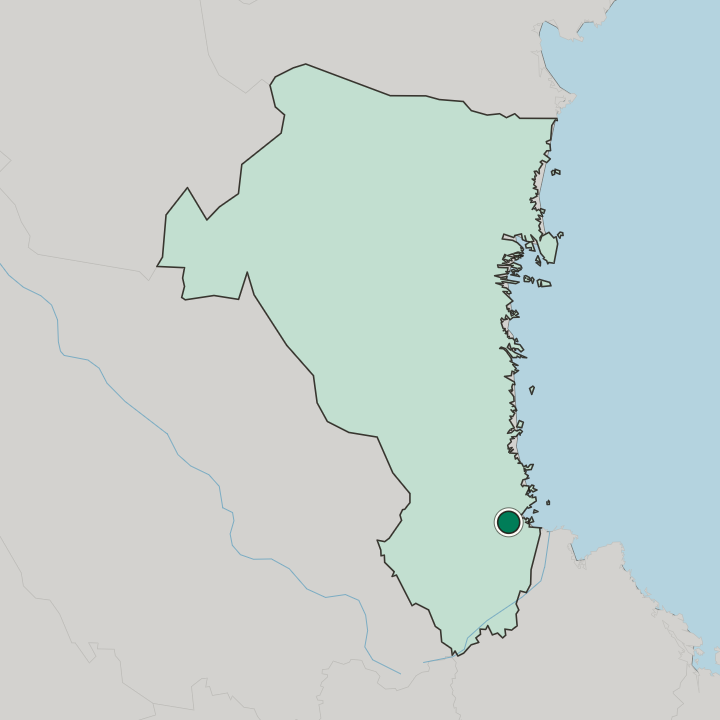
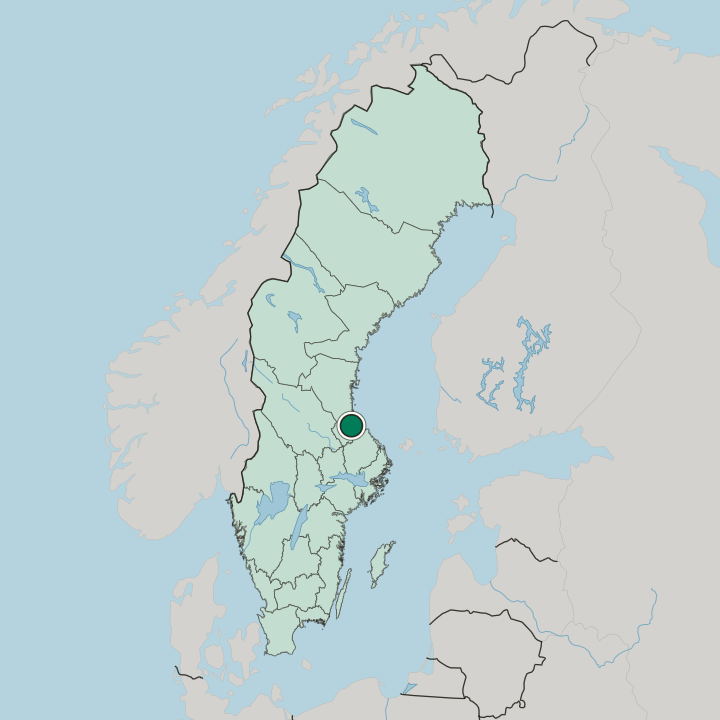
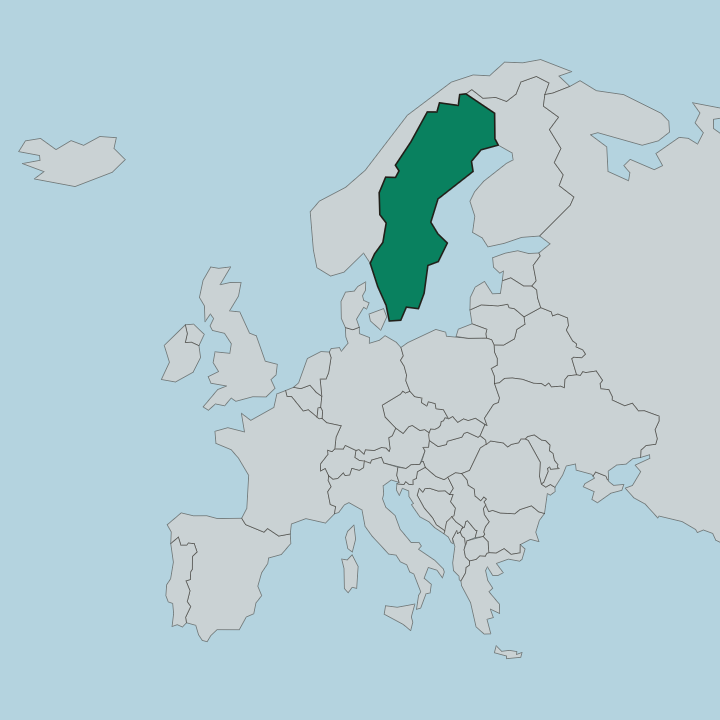
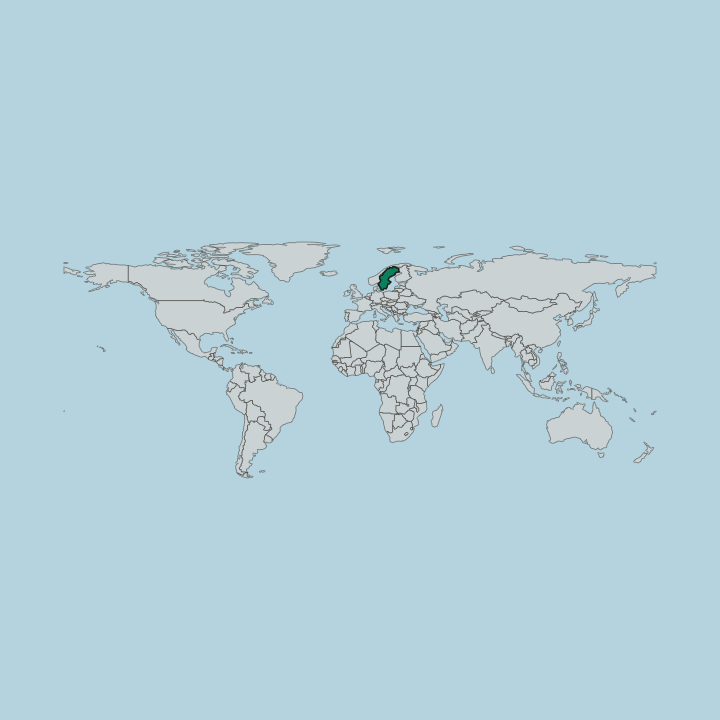
Gävle is a coastal city in the eastern part of Gävleborg County, set where the Gavleån meets the Gulf of Bothnia on the Baltic coast of eastern Sweden.
Hotel links are affiliate links: booking through them may earn us a commission, at no extra cost to you. It never affects how places are ranked. How this works


Where to stay in Gävle
The right area depends on your trip — here's what each neighbourhood is best for.

 GävleSweden
Strömsbro
Strömsbro is a district on the north-western side of Gävle, the county town in eastern Sweden.Where to stay →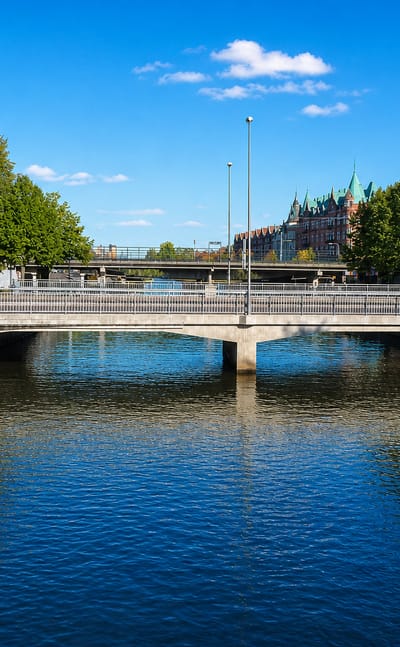 GävleSweden
Bomhus
Bomhus is a coastal district on the north-eastern side of Gävle, within Gävle kommun in eastern Sweden.Where to stay →Hotel links are affiliate links: booking through them may earn us a commission, at no extra cost to you. It never affects how places are ranked. How this works
Find hotels in Gävle
Direct booking searches for these neighbourhoods.
City centre
station, square and restaurants within a short walkFind hotels in City centreatmosphere seekersGamla Gefle
small guesthouses among the old wooden lanes. Beds are limited here, so book early.Find hotels in Gamla Geflefamilies and driversParks and coast
larger hotels and campsites near Boulognerskogen and the BalticFind hotels in Parks and coastHotel links are affiliate links: booking through them may earn us a commission, at no extra cost to you. It never affects how places are ranked. How this works
Things to do in Gävle
Ranked by global recognition; descriptions from Wikidata (CC0).
Museums & Galleries
3- Swedish Railway Museum national museum for Sweden's railway history
- Sveriges Fängelsemuseum working life museum
- County Museum of Gävleborg cultural heritage museum of the provinces of Gästrikland and Hälsingland
Churches & Religious Sites
8- Heliga Trefaldighets kyrka Heritage
- Staffans kyrka Heritage
- Bomhus Church Heritage
- Mariakyrkan Heritage
- Strömsbro Church Heritage
Show 3 more →
- Hemlingby Church Heritage
- Tomaskyrkan Heritage
- Andreaskyrkan Heritage
worth knowingacross 2 categories in Gävle
About Gävle
Gävle is known for its goat.
What is Gävle known for?
Each Advent the city raises the Gävlebocken, a giant straw goat whose annual struggle against arsonists has made the figure famous well beyond Sweden. The city has older claims too. Chartered in 1446, Gävle is among the oldest towns on this coast, a former harbour and trading port that gave the world the Gevalia coffee brand and still keeps the wooden lanes of Gamla Gefle below the Gavleån.
What are the main landmarks in Gävle?
Gamla Gefle is the city's treasured quarter, a surviving district of wooden houses south of the river spared by the great fire. Heliga Trefaldighets kyrka anchors the centre with its carved seventeenth-century interior. Länsmuseet Gävleborg holds the regional art and history collections, while Gävle konstcentrum shows contemporary work, and the lawns of Boulognerskogen draw walkers along the Gavleån.
The Gävlebocken rises each winter. Together these places trace the long arc from a Hanseatic-era port to a modern county capital.
What is the history of Gävle?
Gävle is an old port. Chartered in 1446, the town became the leading harbour of the northern coast, the place from which timber, iron, and tar flowed south to the Baltic markets, and for centuries it held a privileged trading position that made it one of the wealthiest towns north of Stockholm. Ships and fishing built its early fortunes.
The harbour drew merchants, shipyards, and a busy waterfront life along the Gavleån. Fire reshaped the city. A great blaze in 1869 swept through the close-packed wooden streets and destroyed most of the old town, sparing only the quarter now known as Gamla Gefle, and the rebuilding that followed gave central Gävle its broad fire-proof avenues and stone facades.
Industry powered the new era. Railways, engineering, and the coffee trade that produced the Gevalia name fuelled a working harbour city, and Gävle grew into the administrative capital of its county, a role it still carries as the seat of regional government on the Bothnian coast.
Where is Gävle?
Gävle lies in the eastern part of Gävleborg County, where the Gavleån reaches the Gulf of Bothnia. The sea defines its edge. Streets spread across the flat coastal plain on both banks of the river, with a harbour and low islands fringing the Baltic shore, while forests and farmland roll inland to the west.
The river splits the centre, dividing the modern grid from the old wooden town to the south. It is a low, water-laced setting on the northern coast.
What is the climate of Gävle?
Gävle sits under a cold seaside climate. The Gulf of Bothnia tempers the seasons only a little, so winters along this northern shore stay long and snowy with hard frost, while summers turn mild and bright with long, light evenings over the water. On this Bothnian shore the snow cover holds from late autumn well into spring.
The sea moderates the chill. Autumn brings storms and colour to the coast before the bay begins to freeze and the deep cold of the northern winter settles over the city.
How do you get to Gävle?
Few coastal cities are as easy to reach as this rail hub on the Bothnian shore. The city is a major rail junction, with fast trains running south to Stockholm in about an hour and lines branching north and west into the interior, and the central station sits right in the heart of town. By road the E4 and E16 meet here on the coast.
Buses serve the wider region. Travellers flying in usually use Stockholm Arlanda, then ride the train north along the Bothnian coast to reach the city.
Common questions
What is the best area to stay in Gävle?
City centre: first-timers. Gamla Gefle: atmosphere seekers. Parks and coast: families and drivers.
Good for
More cities in Gävleborg County
Updated October 2026