Sweden · Gävleborg County
Where to Stay in Hudiksvall, Gävleborg County
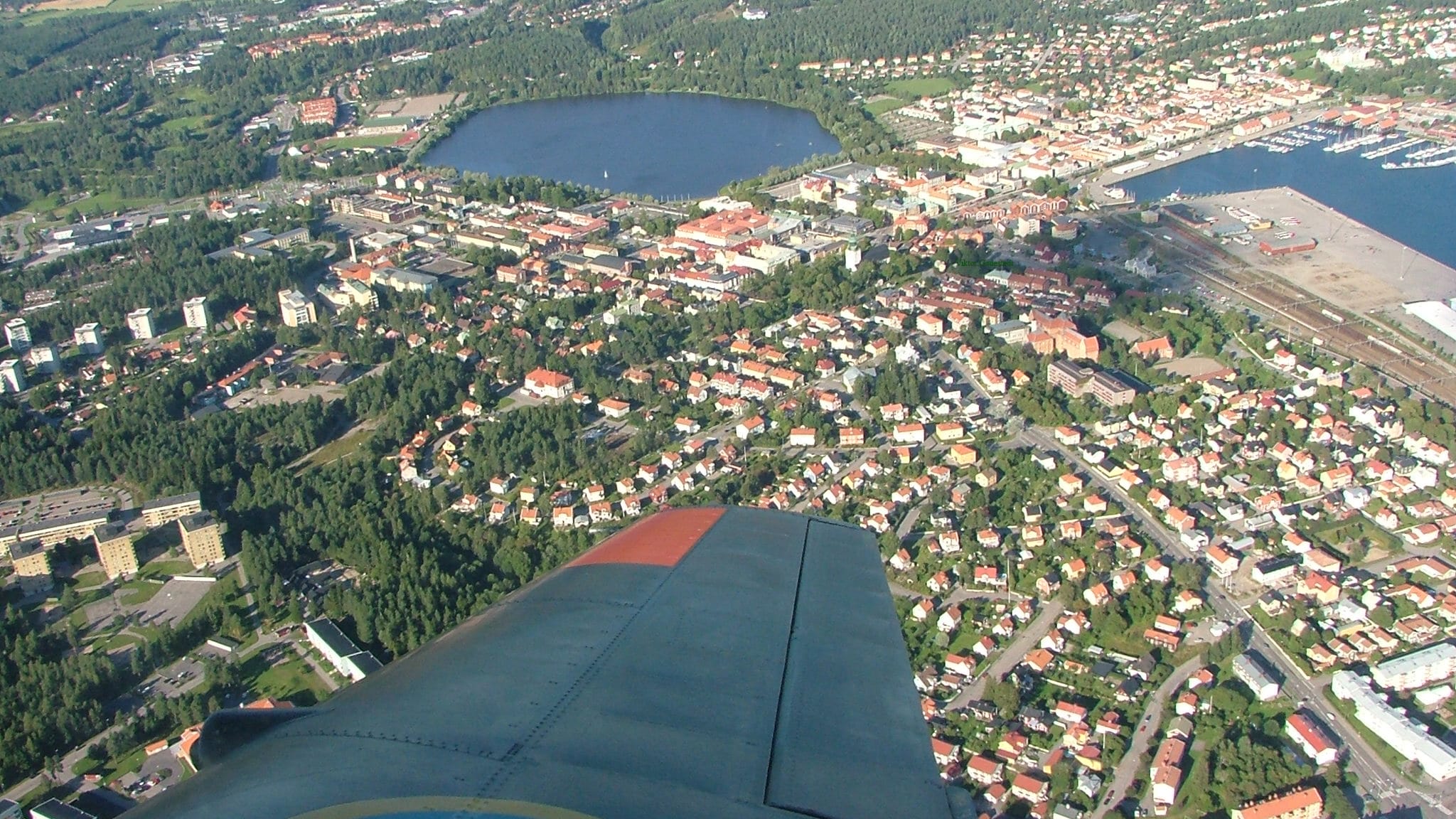
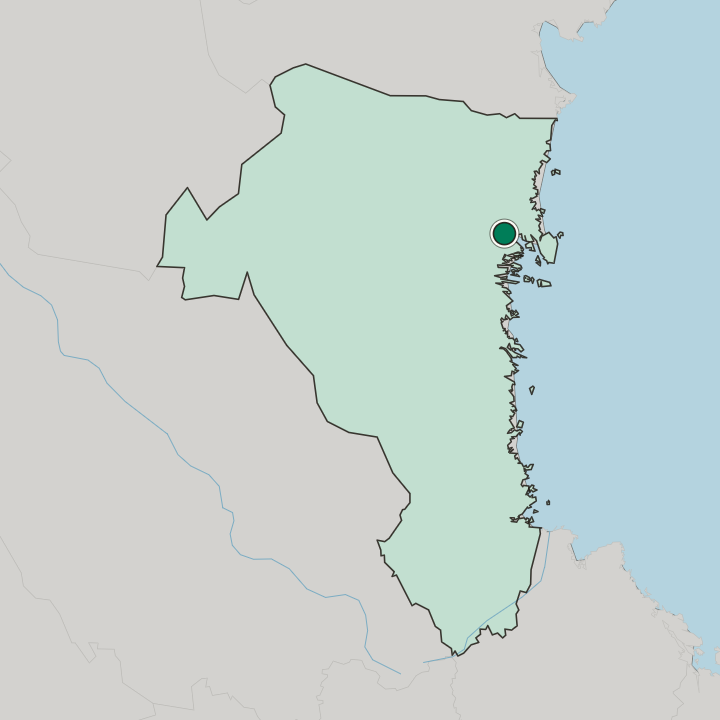
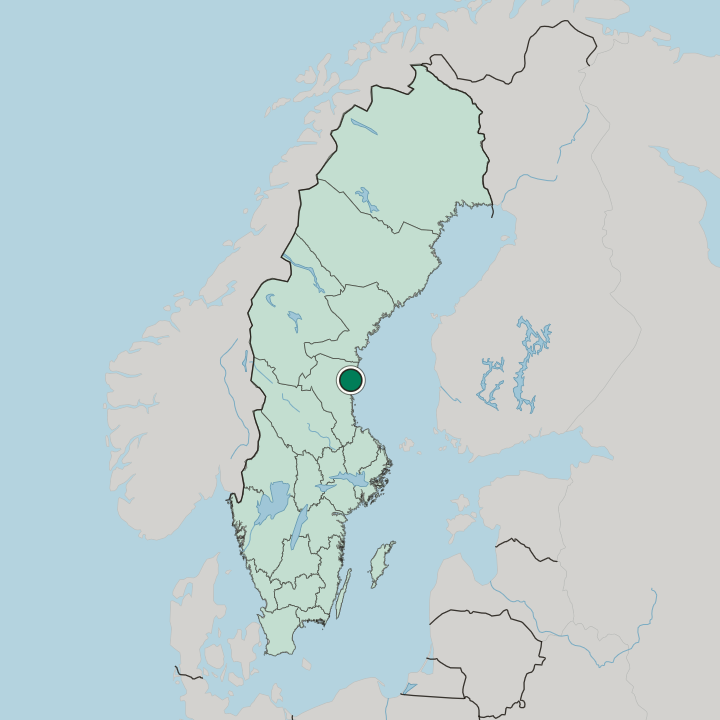
Hudiksvall is a coastal town in the north-eastern part of Gävleborg County, set on an inlet of the Bothnian Sea in Hälsingland.
Hotel links are affiliate links: booking through them may earn us a commission, at no extra cost to you. It never affects how places are ranked. How this works


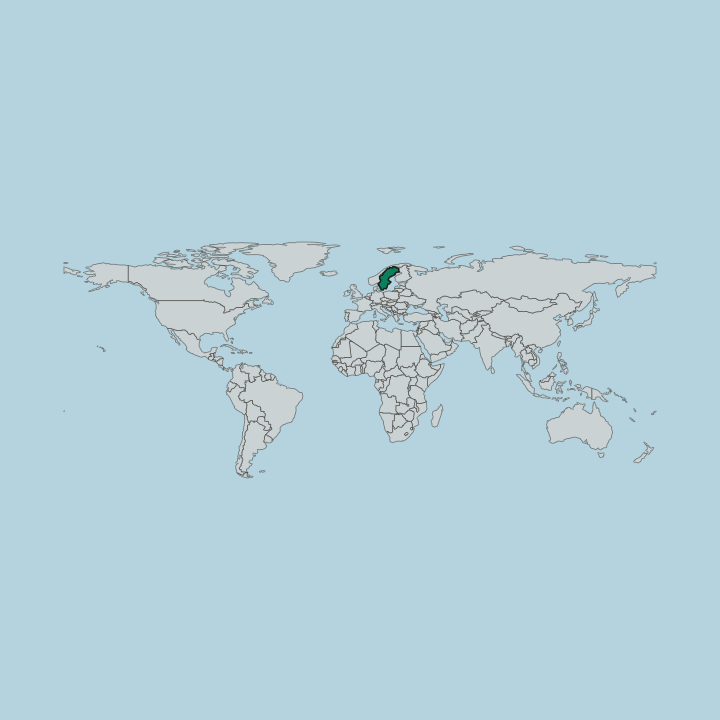
Where to stay in Hudiksvall
The practical side of choosing where to sleep.
Most visitors stay in the town centre, the tight grid around the harbour canal where the hotels, the old wooden quay, and the main shopping streets all sit within a few minutes' walk of one another. It suits anyone arriving by train who wants to explore on foot. Rooms run from established town hotels to small guesthouses.
Around the Möljen and the inner harbour, you sleep close to the water and the restaurants that line it, lively on summer evenings and quiet out of season. The streets behind Hudiksvalls kyrka keep a calmer residential feel, still an easy stroll from the centre. Out along the coast and the fjärd, scattered cottages and a campsite give a quieter, greener base for travellers with a car.
The villages of the surrounding Hälsingland farmland offer space and the famous decorated farmhouses nearby. Stay near the harbour canal first. The coast rewards a longer trip.
Find hotels in Hudiksvall
Direct booking searches for these neighbourhoods.
Town centre
harbour canal, hotels and shops within a short walkFind hotels in Town centrewaterside staysInner harbour and Möljen
wooden quay and restaurants on the canalFind hotels in Inner harbour and Möljenquiet, car-based tripsCoast and fjärd
cottages and a campsite out by the MöljenFind hotels in Coast and fjärdHotel links are affiliate links: booking through them may earn us a commission, at no extra cost to you. It never affects how places are ranked. How this works
Things to do in Hudiksvall
Ranked by global recognition; descriptions from Wikidata (CC0).
Museums & Galleries
1- Hälsingland Museum museum for regional history of Hälsingland County
Churches & Religious Sites
5- St. Jacob's Church Heritage
- Hälsingtuna Church Heritage
- Idenors Church Heritage
- Björkbergskyrkan Heritage
- Håstakyrkan Heritage
worth knowingacross 2 categories in Hudiksvall
About Hudiksvall
Locals call it Glada Hudik.
What is Hudiksvall known for?
The nickname, meaning the happy Hudik, has followed the town for generations and feeds an easy civic pride that visitors notice almost at once. Old wooden warehouses line the Möljen quay along the harbour canal, painted in faded reds and ochres. Hälsinglands museum keeps the region's story under one roof.
It is one of the oldest chartered towns along this stretch of the Bothnian coast.
What are the main landmarks in Hudiksvall?
The Möljen quay is the postcard view. Its row of red and ochre wooden fishing warehouses stands along the canal, the most photographed corner of the whole Bothnian coast and the heart of the old harbour. Hudiksvalls kyrka rises over the centre, while the modern Björkbergskyrkan serves the upper town.
Hälsinglands museum holds the region's art and history. Nearby, the medieval Hälsingtuna kyrka and Idenors kyrka mark the old rural parishes around the bay.
What is the history of Hudiksvall?
Hudiksvall was chartered in 1582 under King Johan III, the oldest town in Hälsingland and one of the earliest along this part of the Bothnian coast. It grew as a trading and shipping port, sending out the timber, tar, and linen of the inland farms and bringing back the goods of the wider Baltic. The harbour made the town.
Fire and war repeatedly tested it. Russian raids burned Hudiksvall during the Great Northern War, and a series of later fires destroyed much of the wooden centre over the following centuries. Each time the town rebuilt, and the surviving warehouses of the Möljen recall the harbour economy that sustained it.
Rail arrived in the nineteenth century. Industry and trade carried it into the modern age.
Where is Hudiksvall?
Hudiksvall lies in the north-eastern part of Gävleborg County, set where a sheltered inlet of the Bothnian Sea cuts into the Hälsingland coast. The town wraps around its inner harbour and the Hudiksvallsfjärden, with low wooded hills rising behind the centre. Forest and farmland fill the hinterland.
A scatter of islands, skerries, and quiet bays breaks up the coast to the east, while rivers from the interior drain down toward the sea past the surrounding parishes. The sheltered inlet is never far.
What is the climate of Hudiksvall?
Hudiksvall has a humid continental climate, tempered a little by the Bothnian Sea. Winters are long and cold, with snow and often sea ice along the sheltered inlet from December into early spring. Summers stay mild and bright, and around midsummer the northern daylight lingers so late that the harbour barely darkens before the short night gives way again to dawn.
Spring comes slowly. Autumn brings grey skies and Baltic gales.
How do you get to Hudiksvall?
Hudiksvall sits on the East Coast Line, the main railway running up the Bothnian coast. Trains link it south toward Gävle and Stockholm and north toward Sundsvall, with regional services threading the smaller coastal towns between. The E4 motorway passes close by.
Drivers reach Gävle in well under two hours and Sundsvall in about one, while the nearest airports lie at the larger cities along the coast. Buses cover the rural parishes.
Common questions
What is the best area to stay in Hudiksvall?
Town centre: first-timers. Inner harbour and Möljen: waterside stays. Coast and fjärd: quiet, car-based trips.
Good for
More cities in Gävleborg County
Updated October 2026