Sweden · Östergötland County
Where to Stay in Åtvidaberg, Östergötland County
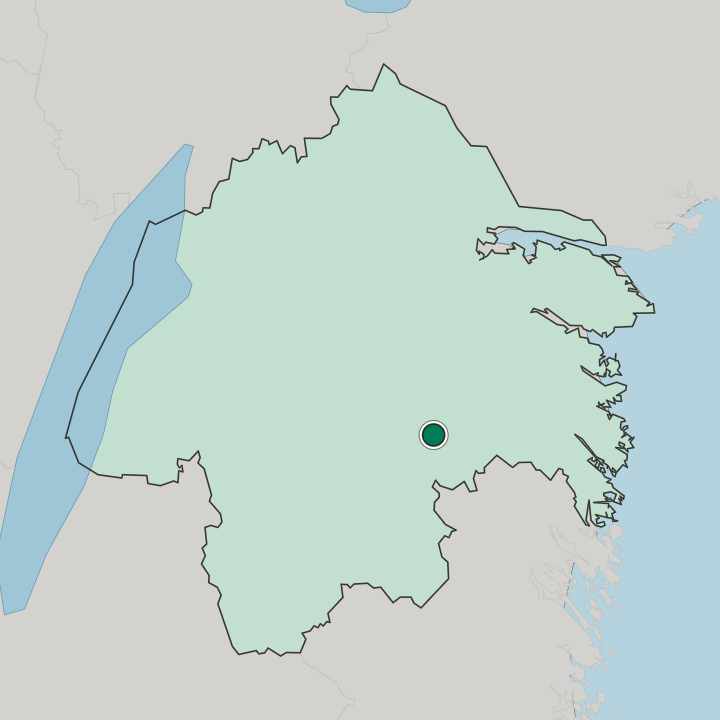
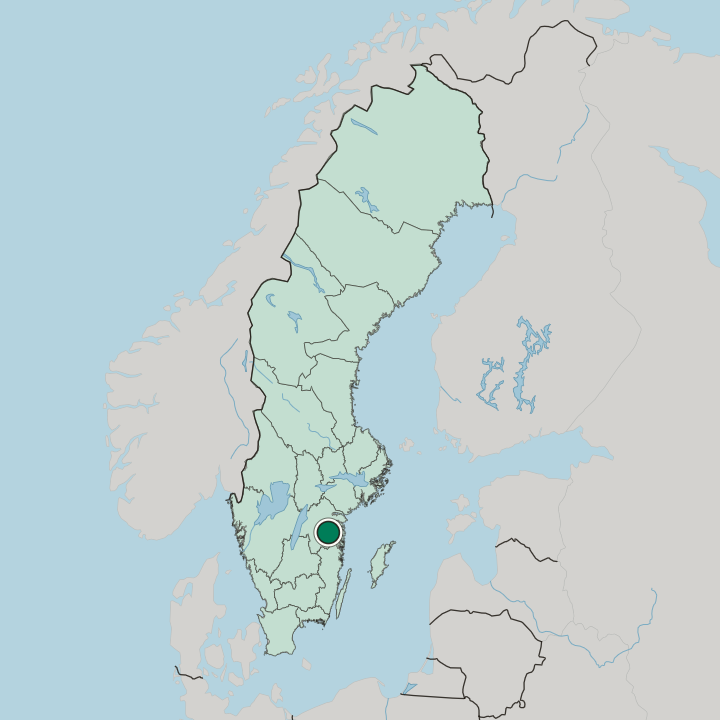
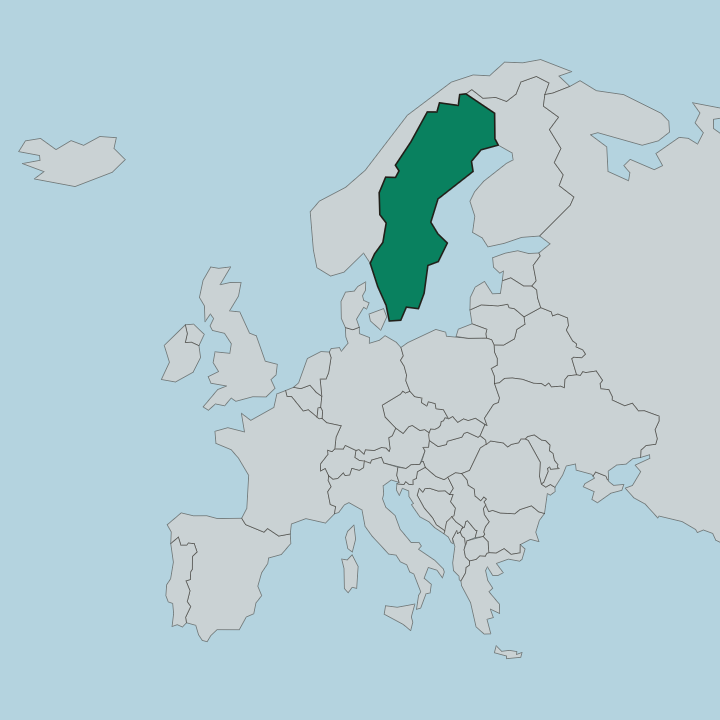
Åtvidaberg is a town and municipal seat in the south-eastern part of Östergötland County, set among lakes and forest in the interior of central Sweden.
Hotel links are affiliate links: booking through them may earn us a commission, at no extra cost to you. It never affects how places are ranked. How this works


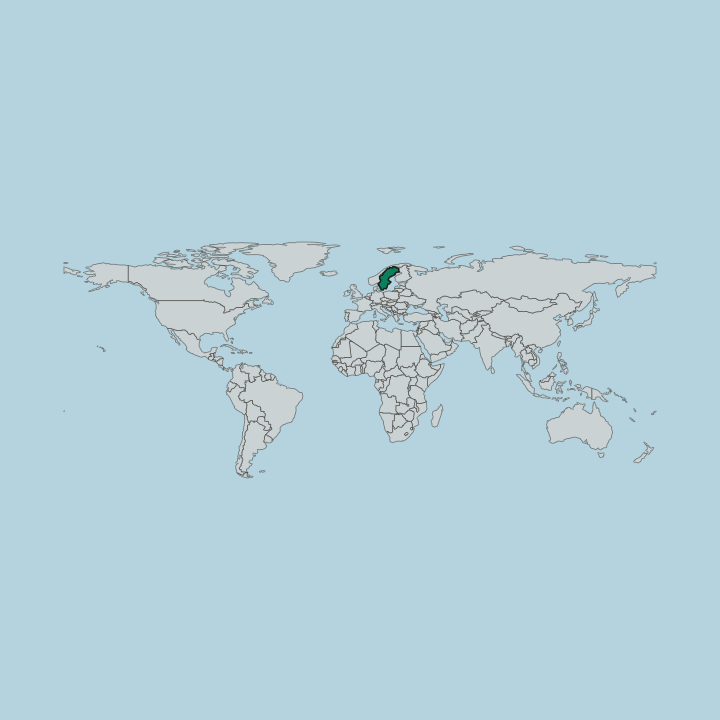
Where to stay in Åtvidaberg
Where the beds are, and what that means for the visit.
Most visitors stay in the town centre, where a hotel and a guesthouse or two, the shops, and the services of the place gather within a short walk of the station, the churches, and the old works that built the town. The centre suits travellers who want a quiet base with everything close at hand and easy reach of the surrounding country. The town centre holds few beds.
Out among the lakes and forests of the wider municipality, cabins, campsites, and self-catering cottages open for those who come to fish, swim, walk, or tour the lake country and the old mining grounds by car, and a country lodge or two stands among the woods. The lakeside and forest spots draw families and anglers through the warm season for the water and the long summer light. Book the centre's few rooms ahead in summer.
Business travellers to the industries, visitors to the football and the churches, and outdoor parties together press on the modest stock of rooms across the busiest weeks.
Find hotels in Åtvidaberg
Direct booking searches for these neighbourhoods.
Town centre
hotel and guesthouses near the station, churches, and old works. Rooms are few around here — worth securing early.Find hotels in Town centreanglers and familiesLake country
cabins and campsites along the lakes and forests. Rooms are few around here — worth securing early.Find hotels in Lake countrydrivers touring the old mining groundsForest and farm country
cottages among the woods toward Linköping. Few places to stay nearby — book ahead.Find hotels in Forest and farm countryHotel links are affiliate links: booking through them may earn us a commission, at no extra cost to you. It never affects how places are ranked. How this works
Things to do in Åtvidaberg
Ranked by global recognition; descriptions from Wikidata (CC0).
Museums & Galleries
3- ÅSSA Industri- och Bilmuseum working life museum
- Skolmuseet
- Åtvidabergs bruks- och Facitmuseum
Churches & Religious Sites
3- Åtvids gamla kyrka Heritage
- Åtvids nya kyrka Heritage
- Johanneskyrkan
Landmarks & Notable Places
1- Ålundamagasinet Heritage heritage building at Åtvidaberg
worth knowingacross 3 categories in Åtvidaberg
About Åtvidaberg
Åtvidaberg is an industry town.
What is Åtvidaberg known for?
The place grew from old copper mines and the works that followed, and in the modern age it became known across Sweden for the manufacture of office machines and adding machines that carried its name far beyond the county. Industry shaped it. Visitors also know Åtvidaberg for its churches, old and new, for the lakes and forests that ring the town, and for its football club, whose long history has made the small place a name in the Swedish game.
What are the main landmarks in Åtvidaberg?
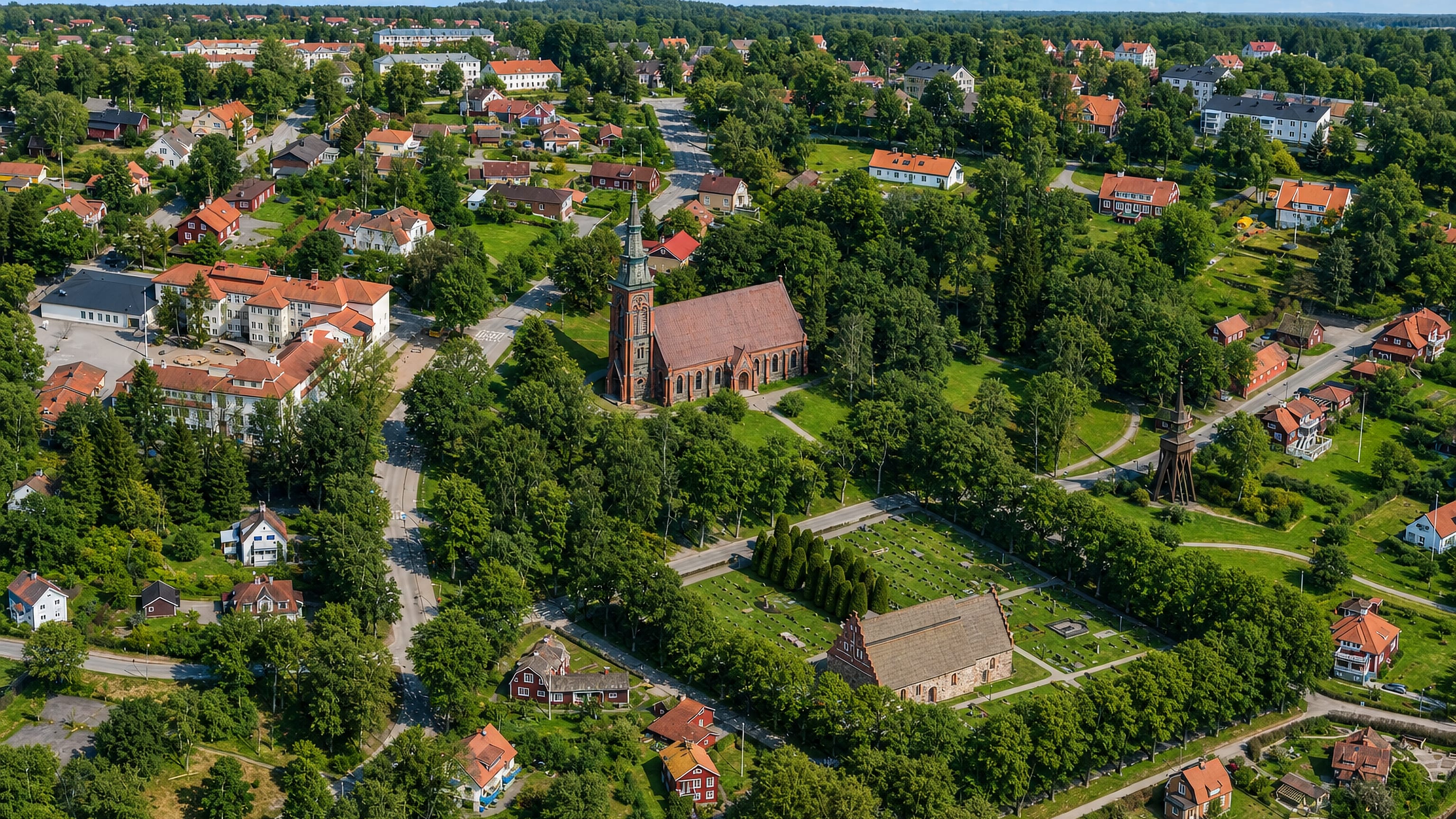
Åtvids gamla kyrka is the old parish church of the town, a medieval stone church that stands among the works and houses near the water. The newer Åtvids nya kyrka serves the parish alongside it, joined by Johanneskyrkan and the Pingstkyrkan among the town's free congregations. The old church is the chief landmark.
Around the centre the legacy of copper mining and the later factories marks the ground in works, ponds, and the planned streets of a company town, while the lakes and forests that ring Åtvidaberg make their own plain landmarks of water and woodland. Beyond the town the quiet lakes and farms of the lake country spread away on every side.
What is the history of Åtvidaberg?
Copper made the place. For long centuries the ground around Åtvidaberg yielded ore, and the mines and smelting works drew Swedish labour to the lakes and forests of south-eastern Östergötland, while a medieval church gathered the scattered miners and farms into one parish above the water. The works ran for generations.
A great estate held the mines and the land, and the company shaped the town that grew around the pits and furnaces. Manufacture remade the town in the modern age. As the copper failed, new industry rose in its place, and Åtvidaberg became a centre for the making of office machines and adding machines that carried its name across Sweden and abroad, building up the works, streets, and houses of a thriving company town.
The factories drew workers from far around. Though the great machine works have long since passed their height, the old church, the planned streets, and the lakes and forests around the town still tell the story of a place that copper, manufacture, and the company together made.
Where is Åtvidaberg?
Åtvidaberg lies in the south-eastern part of Östergötland County, set among lakes and forest in the interior of central Sweden a good way inland from the Baltic coast. The town sits by water, with lakes pressing close to the centre and wooded ridges, farmland, and the old mining grounds spreading away on every side. The land is forested.
Smaller lakes, streams, and low hills fill the country around the town, while roads tie Åtvidaberg north and west toward Linköping and the wider county and south-east toward the coast at Valdemarsvik and the sea.
What is the climate of Åtvidaberg?
Åtvidaberg's cool temperate climate carries a clear inland edge. Winters are cold and grey, with frost and snow holding the lakes and forests for stretches of the season while the days run short and dim across the wooded country. The lakes turn bright in summer.
Long inland light warms the lake country and opens the water for swimming, fishing, and boating before the cold returns. Away from the moderating sea, the town runs colder in winter and warmer on its best summer days than the coast to the east, with snow lying through the heart of the cold months.
How do you get to Åtvidaberg?
Åtvidaberg sits on the railway that runs south-east from Linköping toward the coast, reached by train along the line through the lake country. Roads link the town to Linköping and the wider county. Buses serve the surrounding district.
The nearest large airport lies near Linköping, which serves as the main gateway from Stockholm and the south, while regional roads carry travellers on to the lakes, forests, and old mining grounds around the town.
Common questions
What is the best area to stay in Åtvidaberg?
Town centre: first-time visitors by Åtvids nya kyrka. Lake country: anglers and families. Forest and farm country: drivers touring the old mining grounds.
Good for
More cities in Östergötland County
Updated October 2026