Sweden · Östergötland County
Where to Stay in Söderköping, Östergötland County
Söderköping is a medieval town in eastern Östergötland County, a stop on the Göta Canal near the Baltic coast.
Hotel links are affiliate links: booking through them may earn us a commission, at no extra cost to you. It never affects how places are ranked. How this works


Where to stay in Söderköping
The practical side of choosing where to sleep.
Most visitors stay in the old town along the canal, where hotels, inns, and guesthouses sit among the cobbled lanes within an easy walk of the locks, the waterside, and Sankt Laurentii kyrka. The old centre suits travellers who want history, the canal, and the cafés close at hand and a short stroll to the boats. Beds book up fast in summer.
The canal season, the day-trippers, and the warm-weather crowds together press hard on rooms across the brightest weeks, when cruisers tie up at the locks and the lanes fill with visitors. Out toward the coast and the wider parish, near the country churches of Skönberga and Drothem, campsites, cabins, and farm lodgings open through the warm months for those touring by car. The country options suit families and drivers who want quiet and space away from the busy old town.
Reserve early in peak weeks. With a small stock of rooms in a town that draws heavily through the canal season, the central beds tighten very quickly across the warmest part of the year.
Find hotels in Söderköping
Direct booking searches for these neighbourhoods.
Old town and canal
inns among cobbled lanes by the locks and the church. Lodging is scarce in this area; reserve in advance.Find hotels in Old town and canalfamilies and driversCoast and parishes
campsites and farm lodgings toward the shore and country churchesFind hotels in Coast and parishesHotel links are affiliate links: booking through them may earn us a commission, at no extra cost to you. It never affects how places are ranked. How this works
About Söderköping
Söderköping is a medieval canal town.
What is Söderköping known for?
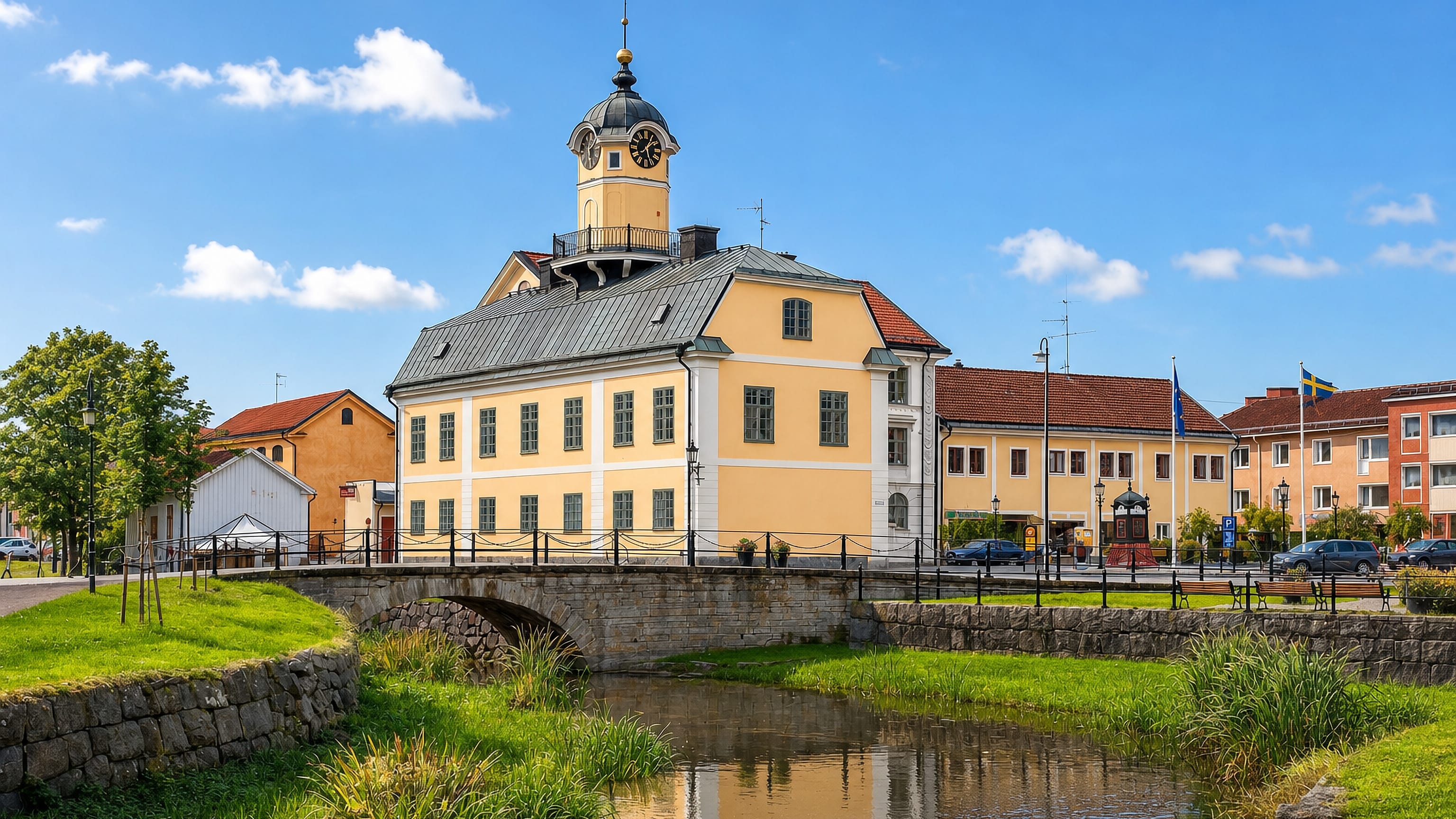
Once one of the busiest harbours in the kingdom, it endures as a small place of cobbled lanes and old wooden houses where the Göta Canal slips past on its way to the sea. The canal brings boats all summer. Visitors come for the waterside walks, the cafés and ice-cream beside the locks, and the great church of Sankt Laurentii kyrka that has watched over the town since the Middle Ages.
What are the main landmarks in Söderköping?
Sankt Laurentii kyrka rises over the old town, the great medieval church that has stood since the days when this was a royal harbour. The Göta Canal threads the heart of the town, its locks and quays drawing boats and walkers through the warm season. The lanes are a sight in themselves.
Old wooden houses, the steep wooded ridge of Ramunderberget above the rooftops, and the parish churches of Skönberga and Drothem fill out the picture, while the free congregations keep the Pingstkyrkan and the small Vintervadskyrkan among the streets. The waterside closes the scene.
What is the history of Söderköping?
Söderköping was once a great harbour. In the Middle Ages it stood among the foremost towns of the kingdom, a busy port on the Storån where it ran out to the Baltic, gathering merchants, monks, and a stone church on the trade between the inland and the sea. Kings held meetings here.
The town drew Hanseatic traders and prospered for centuries as one of the leading harbours on the eastern coast. Then the water turned against it. As the land slowly rose from the sea, the old harbour silted and shallowed, the ships could no longer reach the quays, and Söderköping faded from a great port into a quiet country town while trade shifted to Norrköping and the deeper coast.
The canal brought new life. When the Göta Canal was cut through in the nineteenth century it passed beside the town, and the old streets, the medieval church, and the wooden houses survived where larger towns lost theirs, leaving Söderköping the well-kept canal town that draws summer visitors as the seat of its municipality.
Where is Söderköping?
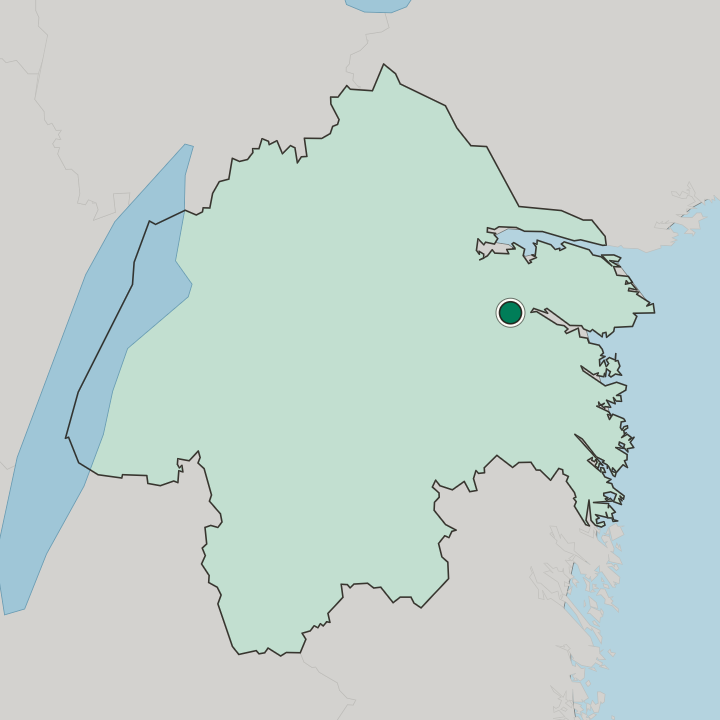
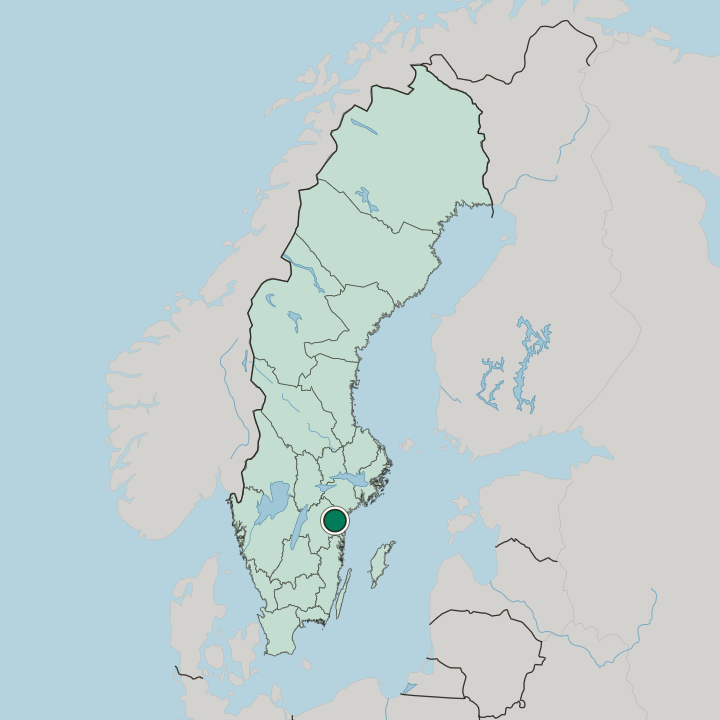
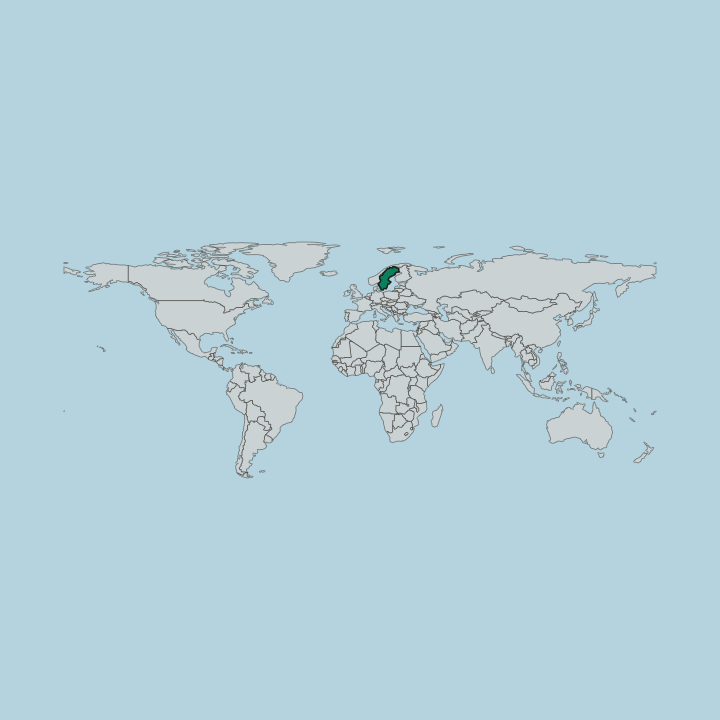
Söderköping lies in the eastern part of Östergötland County, on the Storån near the point where the Göta Canal runs down to Slätbaken, the long bay that opens east toward the Baltic. The town sits in a narrow river valley below the wooded ridge of Ramunderberget, with the canal and the old harbour at its feet, low farmland on the plain inland, and the coast and its skerries a short way to the east. The setting is green and sheltered.
Roads and the canal tie the town to Norrköping in the north and to the coast and the wider county around.
What is the climate of Söderköping?
Söderköping has a mild temperate climate for its inland-coastal setting. Winters are cold and often snowy, though the nearness of the bay and the open Baltic softens the deepest chill that grips places further from the sea, and frost and ice settle over the valley through the dark months. Warm weeks fill the canal town.
The long days bring the canal and the riverside to life, and the brightest stretch of the year falls across high summer when the town is at its busiest. Spring and autumn are mild and changeable here.
How do you get to Söderköping?
Söderköping has no railway of its own, so most travellers arrive by road from Norrköping, a short drive to the north, where the nearest trains and main lines run. Buses link the two towns. In summer the Göta Canal itself brings cruisers and pleasure boats to the locks.
The nearest airport lies on the bay near Norrköping, with a larger gateway near Linköping further west, while road and bus services tie Söderköping to Norrköping, the coast, and the wider county around.
Common questions
What is the best area to stay in Söderköping?
Old town and canal: history lovers and boaters. Coast and parishes: families and drivers.
Good for
More cities in Östergötland County
Updated September 2026