Sweden
Östergötland County, Sweden — Towns & Travel Guide
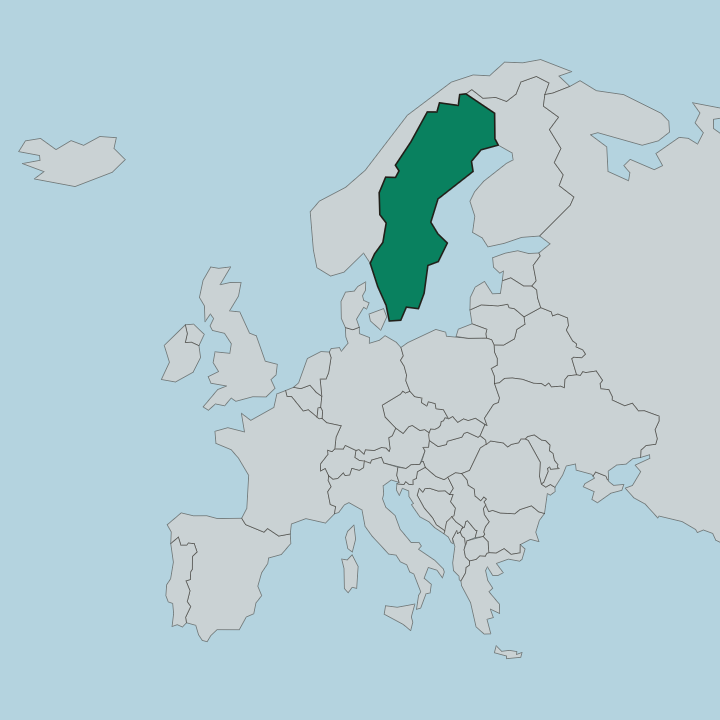
Östergötland County is a län in central Sweden, spread across a broad farming plain between Lake Vättern and the Baltic coast.
Hotel links are affiliate links: booking through them may earn us a commission, at no extra cost to you. It never affects how places are ranked. How this works


Towns & cities in Östergötland County
Pick a town or city — each links to where to stay.
 Sweden
Linköping
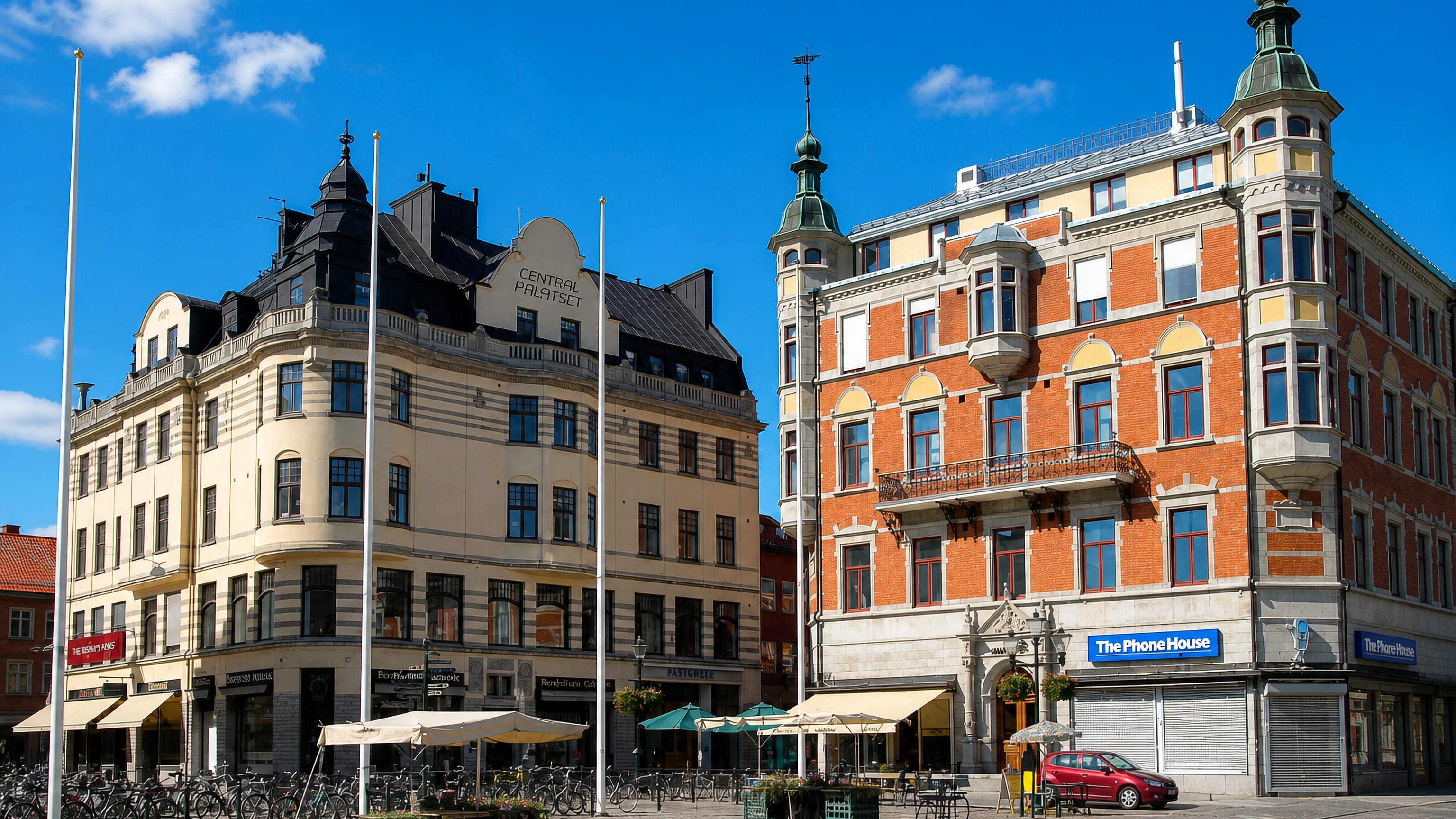
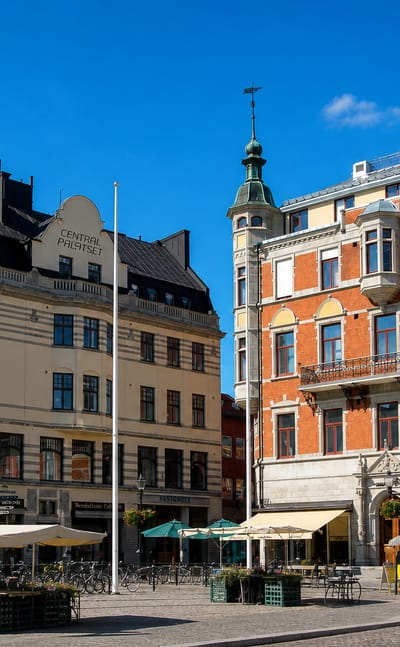
Linköping is a cathedral city in central Östergötland County, the county seat and a university and aviation centre on the Östgöta plain.Where to stay →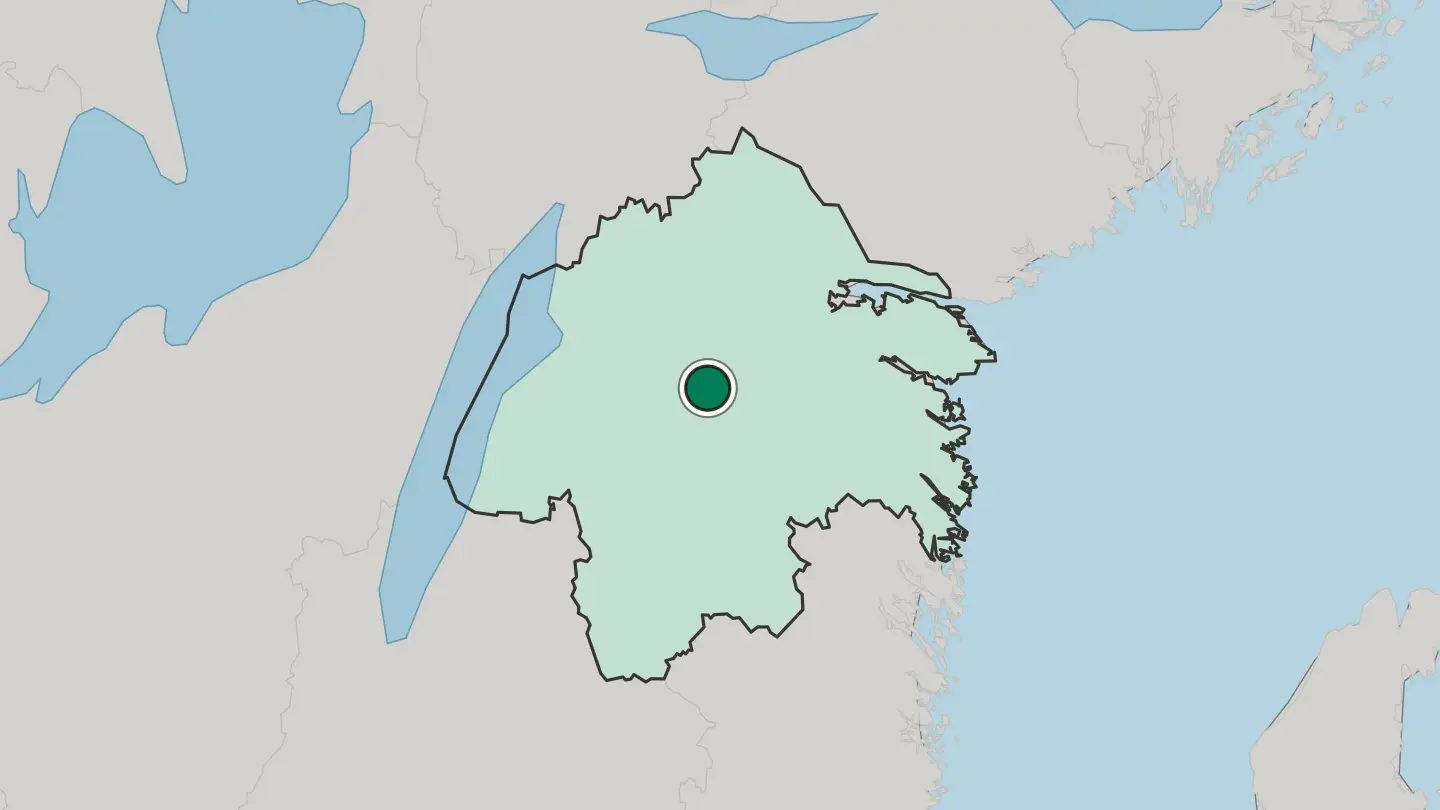
 Sweden
Norrköping
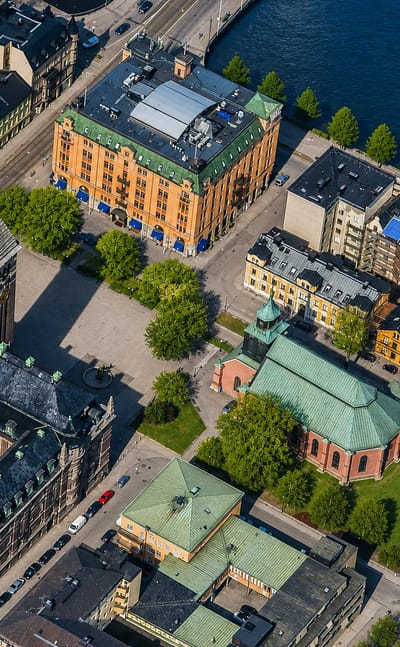
Norrköping is a city in north-eastern Östergötland County, an old textile town on the Motala ström.Where to stay →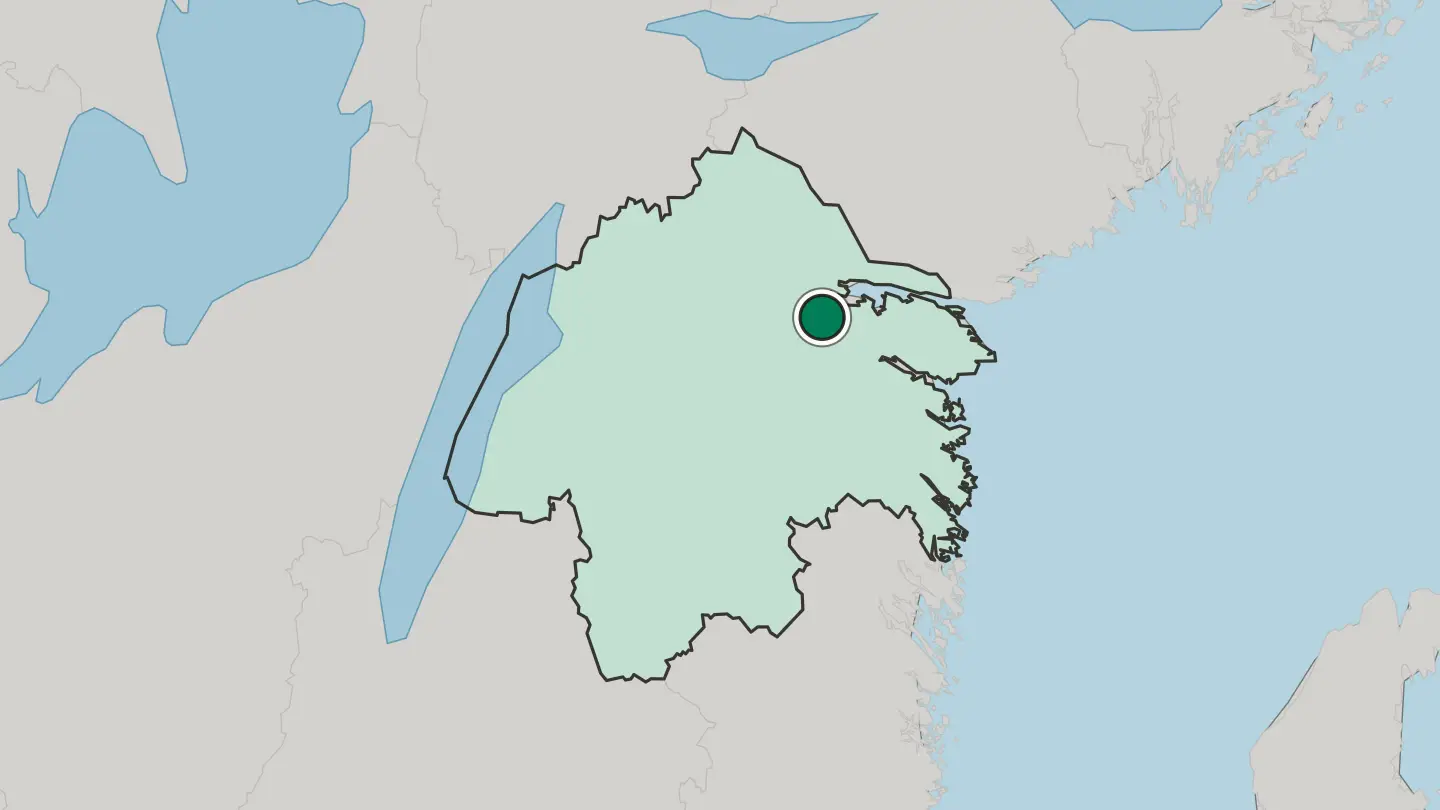
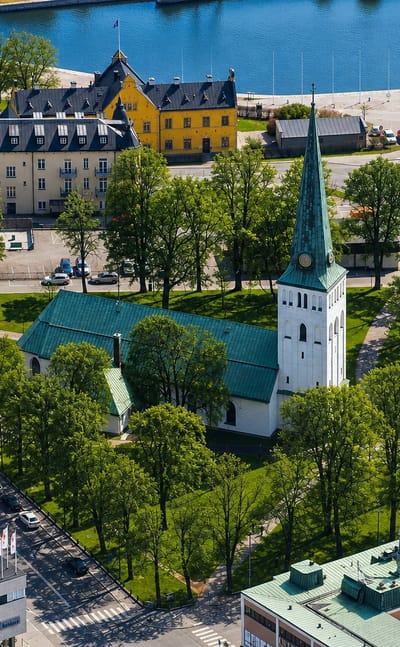 Sweden
Motala
Motala is a town on the eastern shore of Lake Vättern in north-western Östergötland County, a hub of the Göta Canal.Where to stay →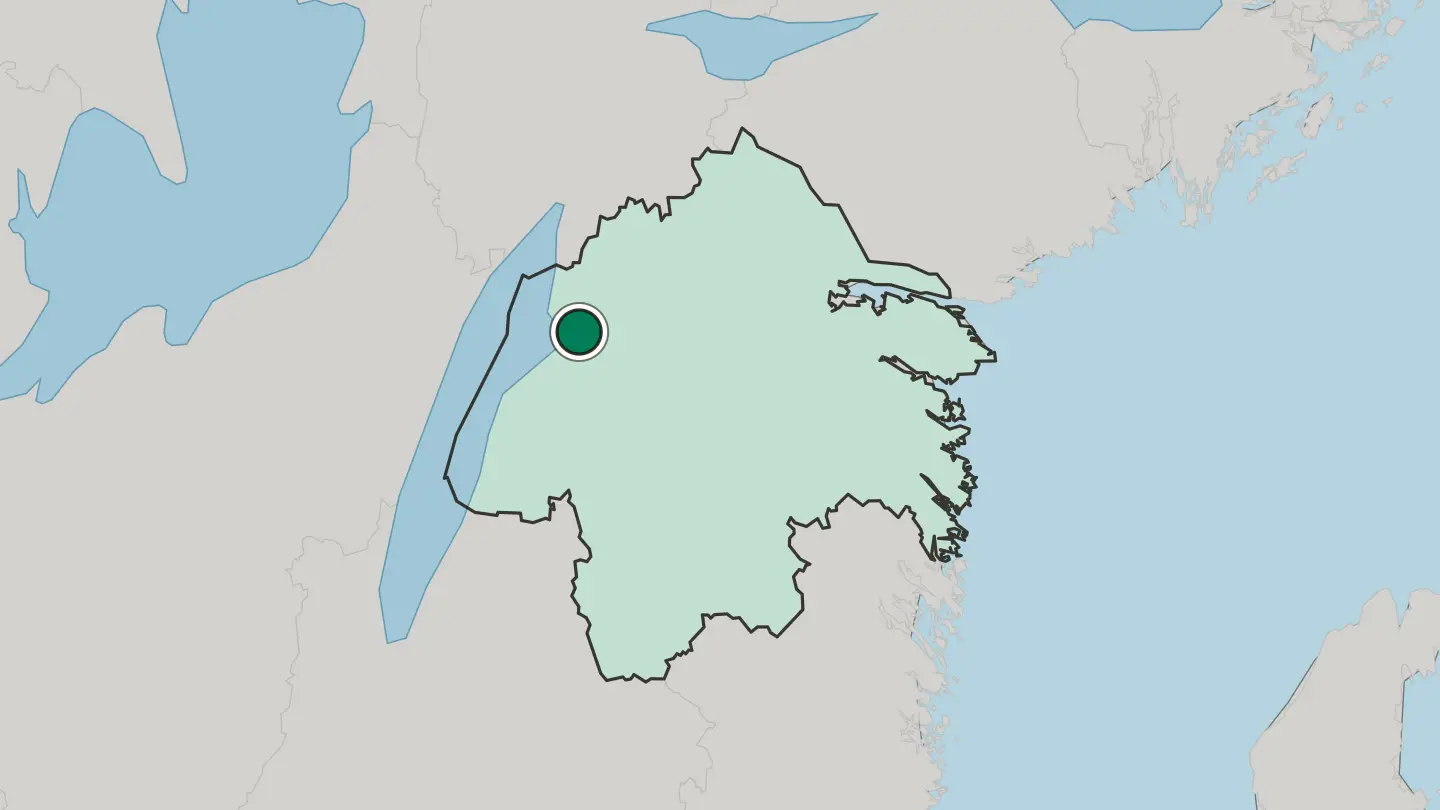
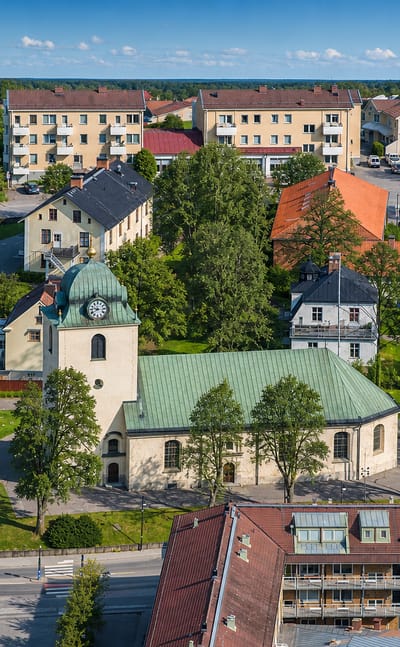 Sweden
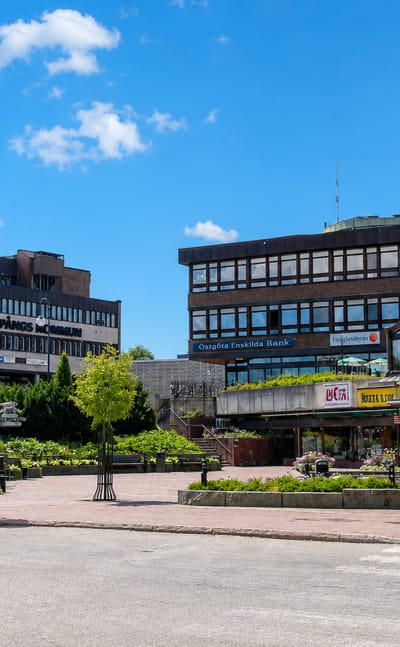
Mjölby
Mjölby is a town in the western part of Östergötland County, in central Sweden, the seat of its municipality and a railway junction on the Svartån river.Where to stay →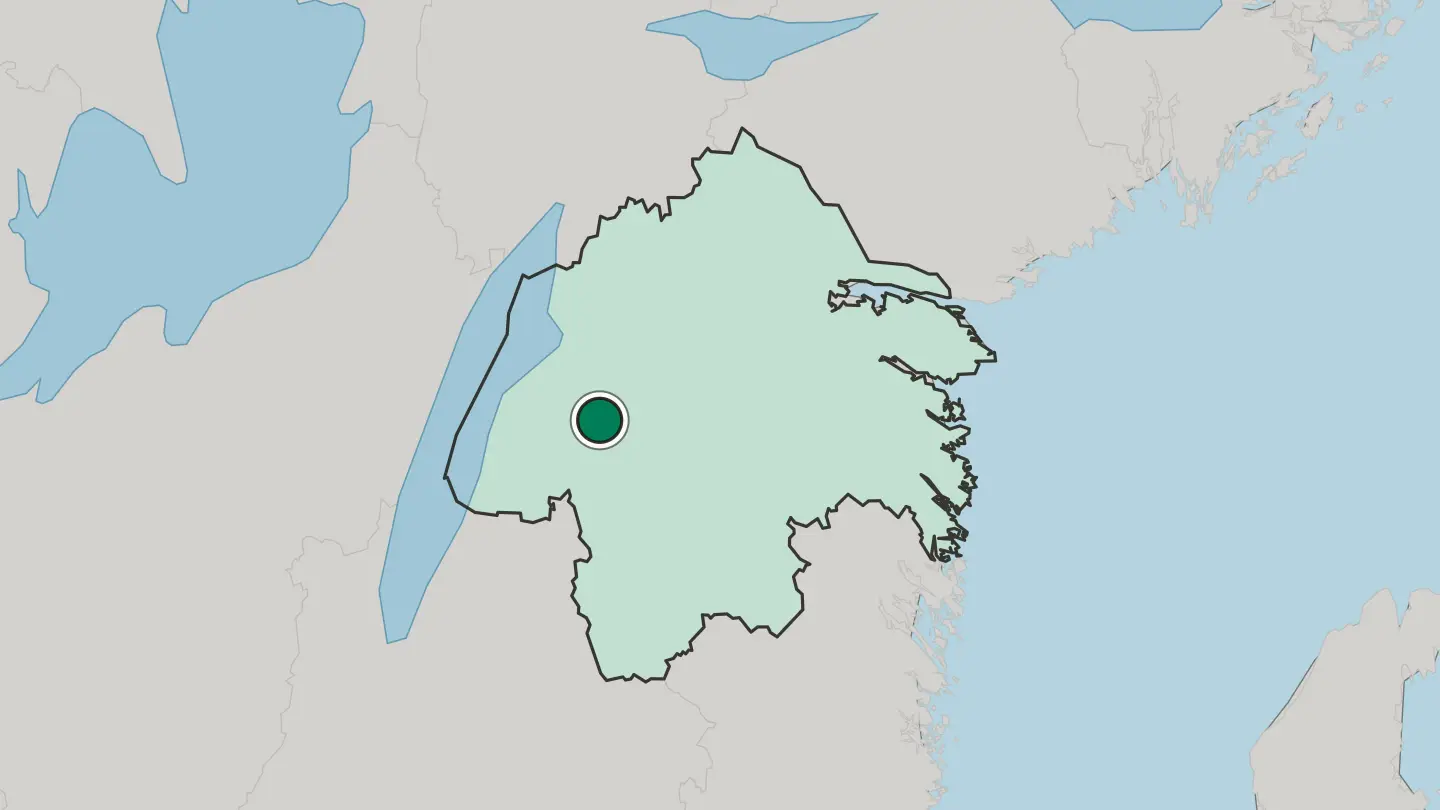
 Sweden
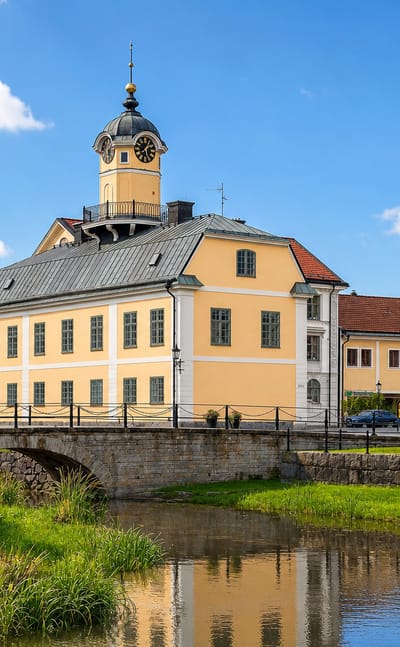
Finspång
Finspång is a town in northern Östergötland County, an old foundry community by the lakes north of the Östgöta plain.Where to stay →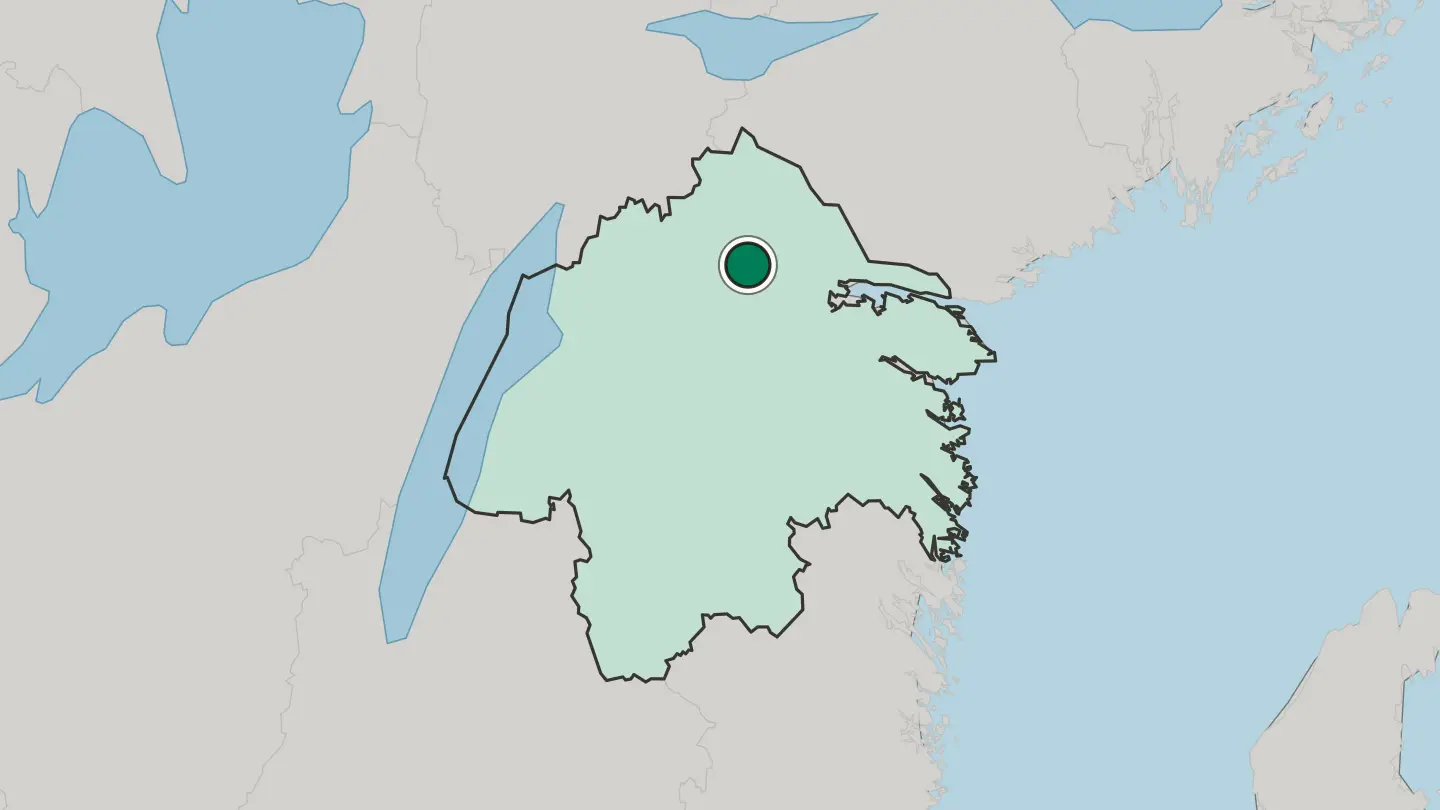
 Sweden
Söderköping
Söderköping is a medieval town in eastern Östergötland County, a stop on the Göta Canal near the Baltic coast.Where to stay →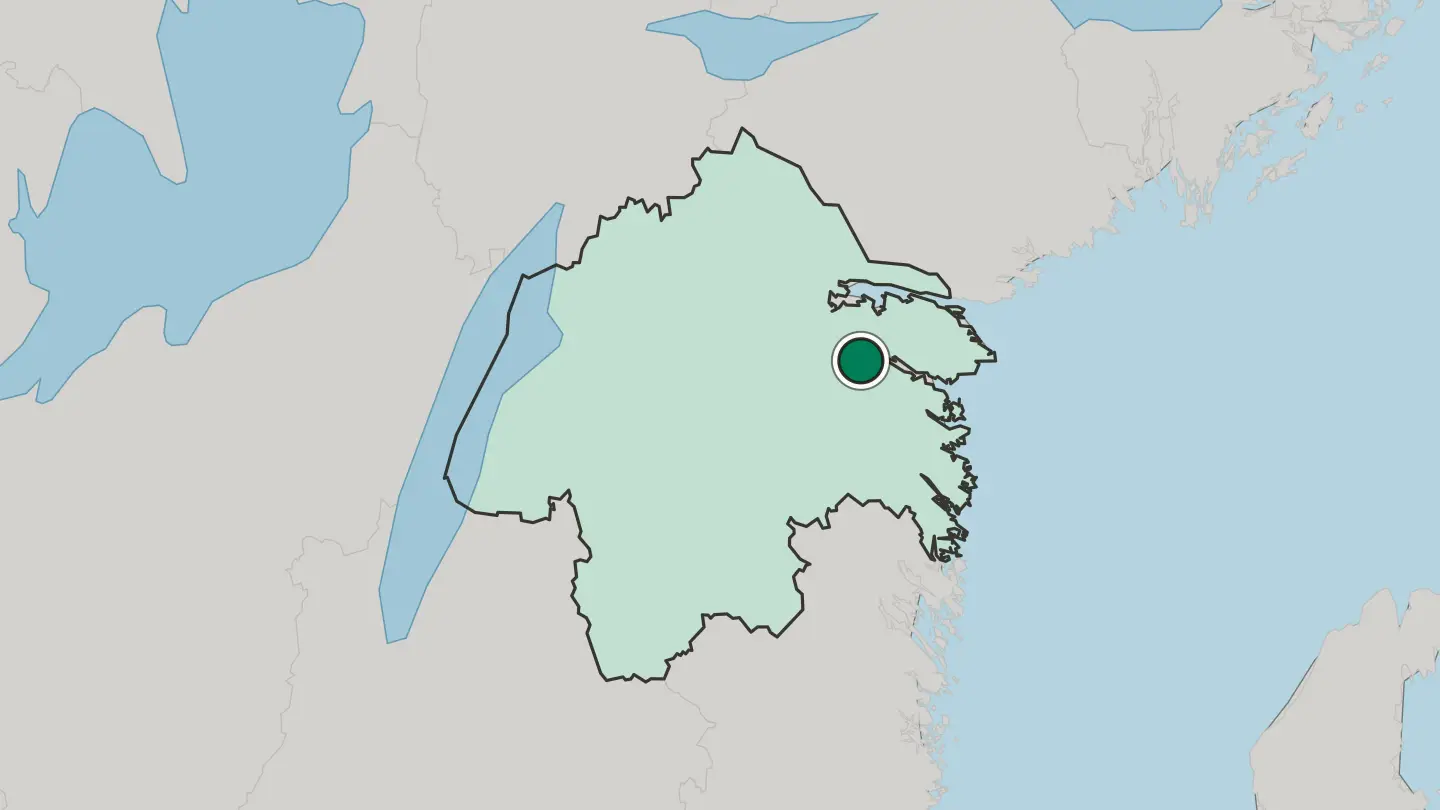
 Sweden
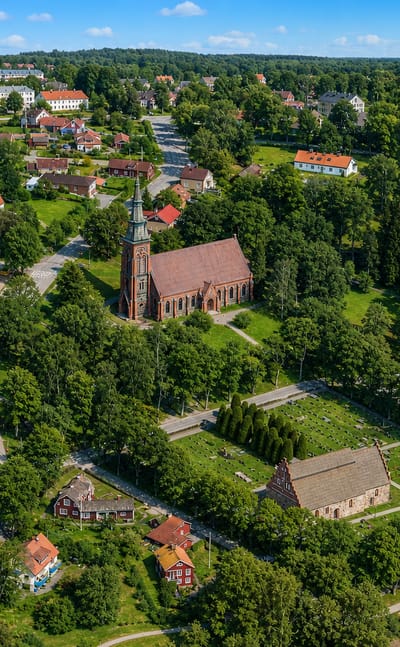
Åtvidaberg
Åtvidaberg is a town and municipal seat in the south-eastern part of Östergötland County, set among lakes and forest in the interior of central Sweden.Where to stay →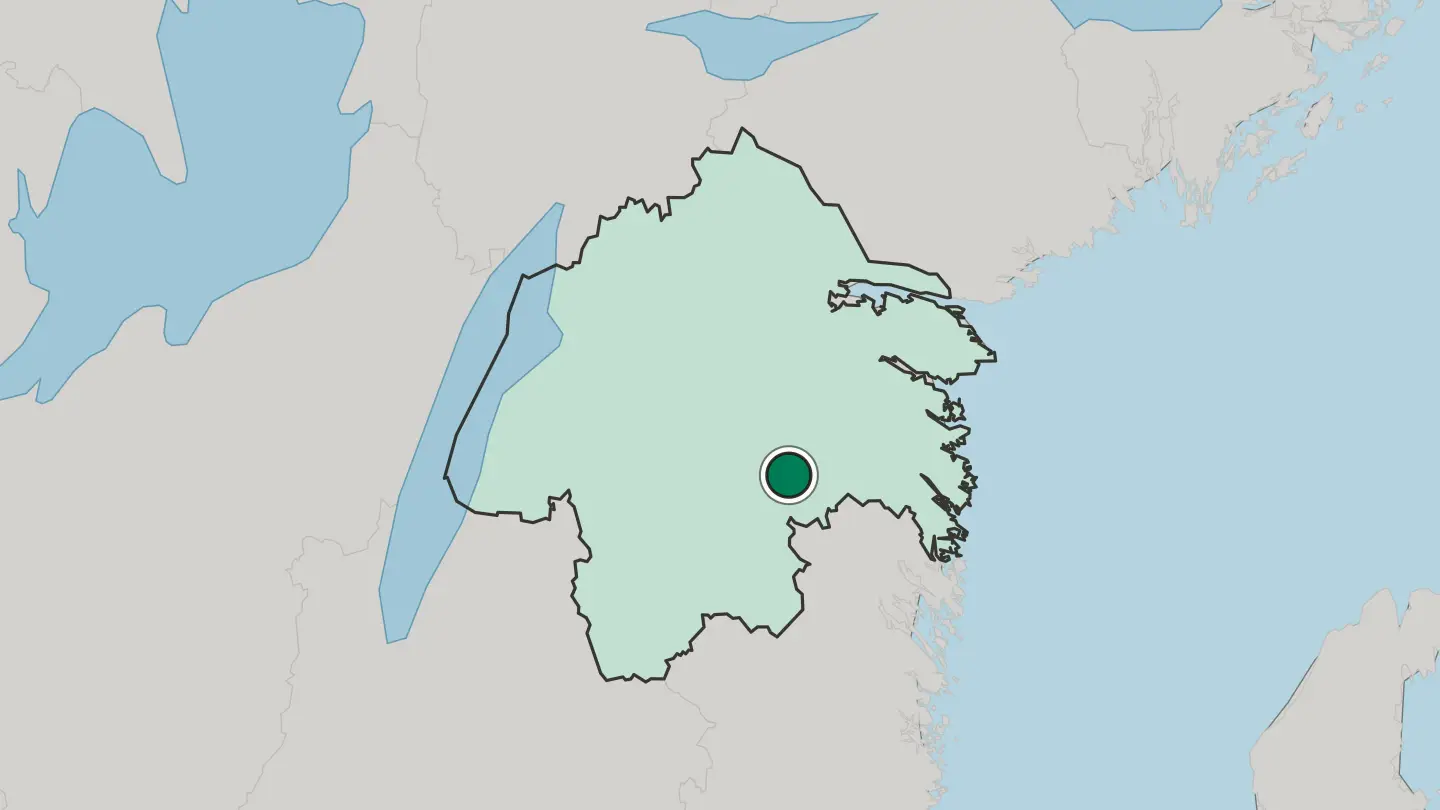
 Sweden
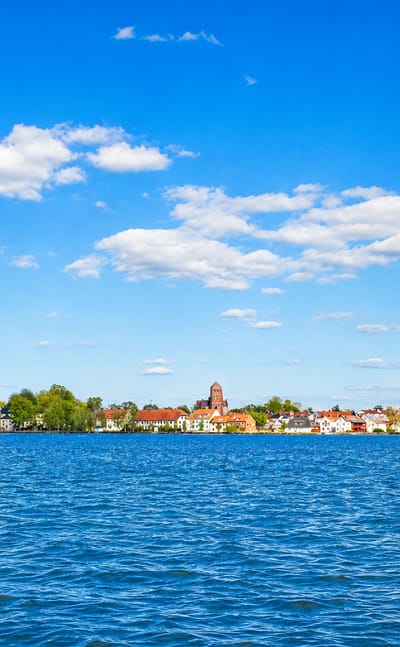
Vadstena
Vadstena is a historic town on the eastern shore of Lake Vättern in western Östergötland County, known for Saint Birgitta's abbey.Where to stay →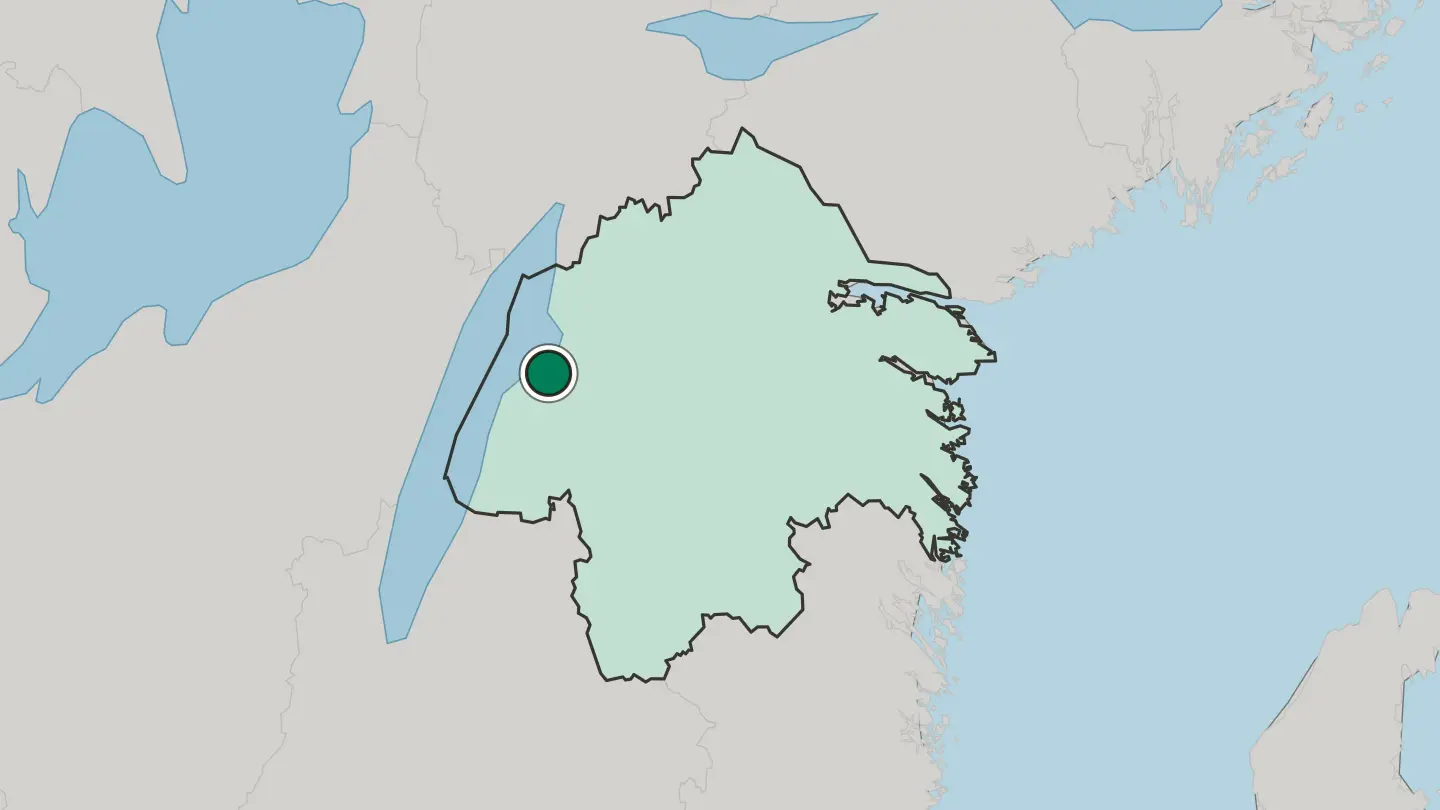
All towns & cities (13)
 Sweden
Kisa
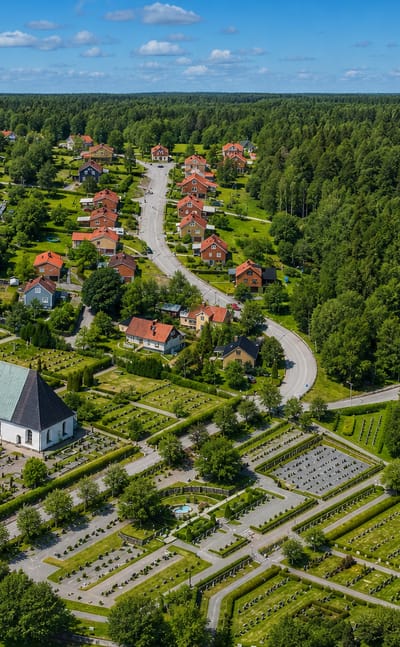
Kisa is a small town in southern Östergötland County, the main town of Kinda Municipality among the lakes and forests near the Småland border.Where to stay →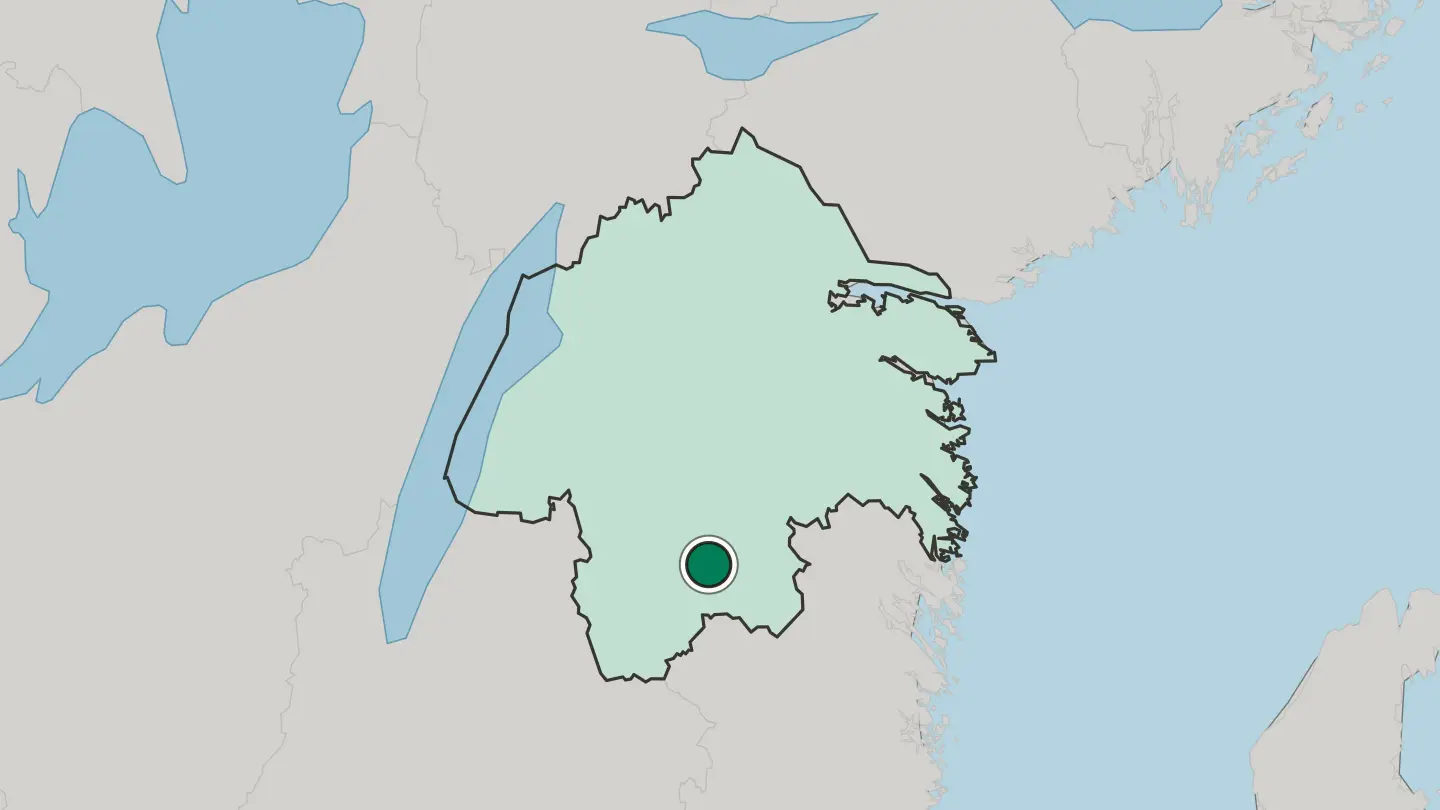
 Sweden
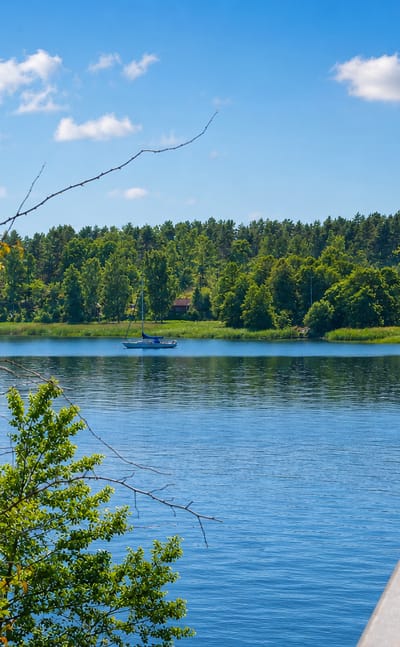
Boxholm
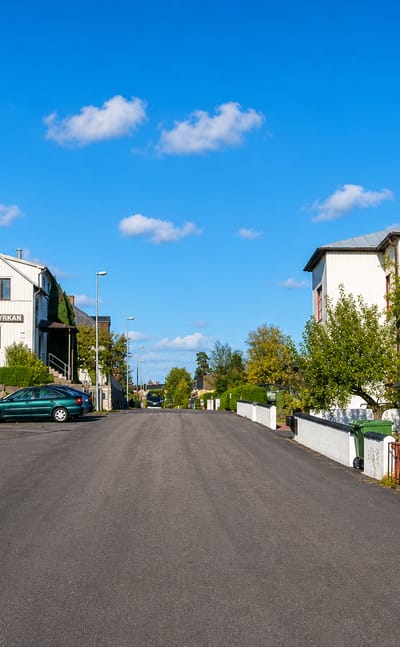
Boxholm is a small town in south-western Östergötland County, a former ironworks community on the Svartån river.Where to stay →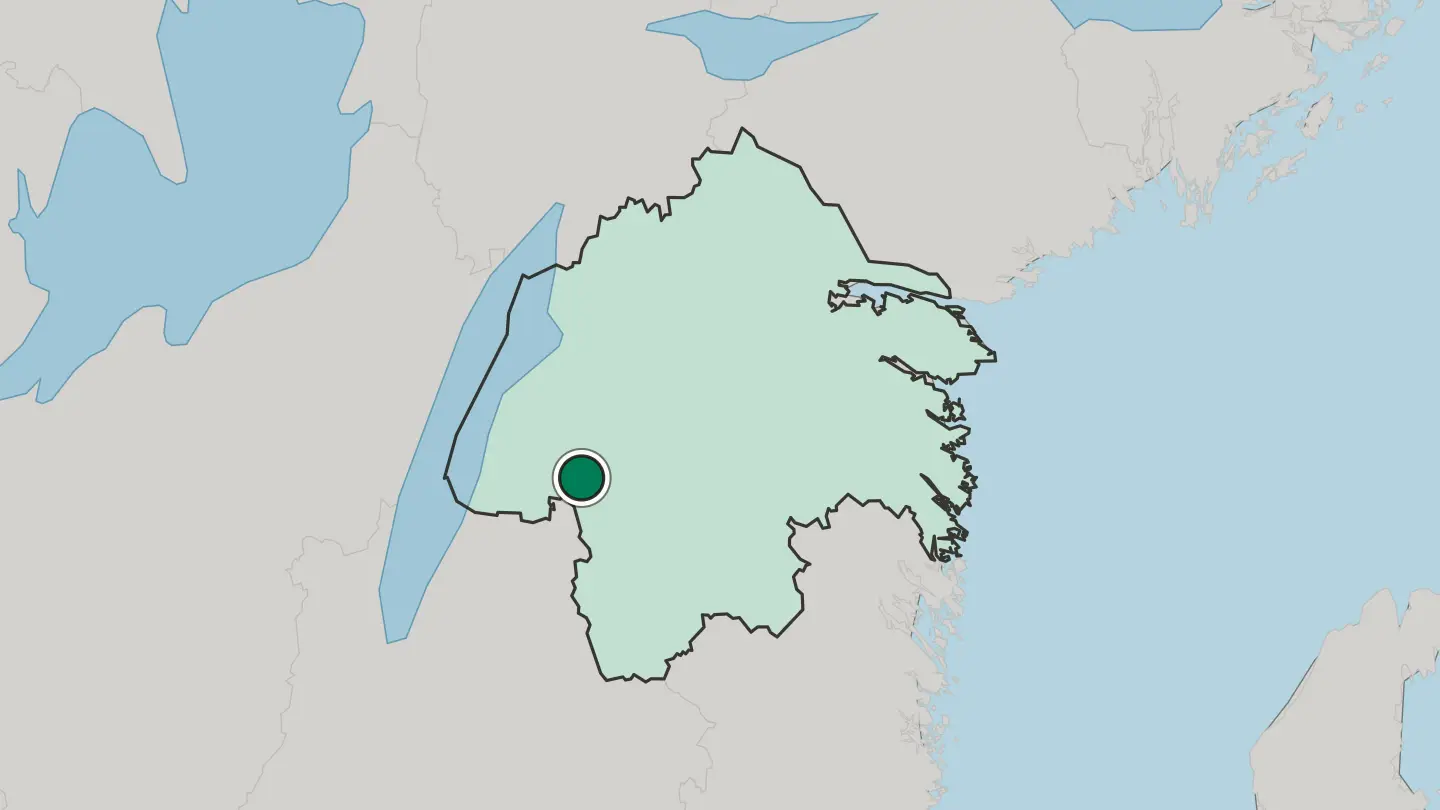
 Sweden
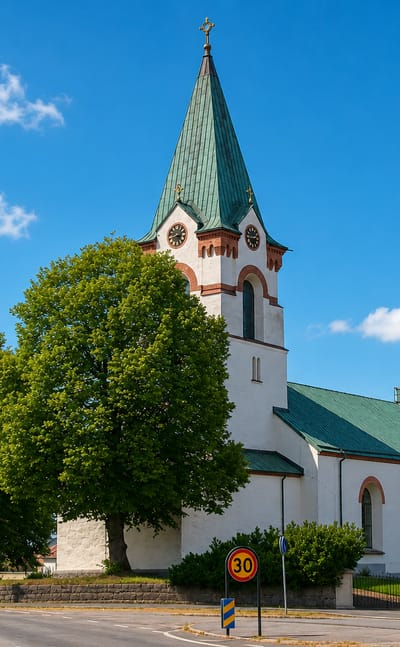
Valdemarsvik
Valdemarsvik is a coastal town in south-eastern Östergötland County, at the head of a bay that opens to the Baltic Sea.Where to stay →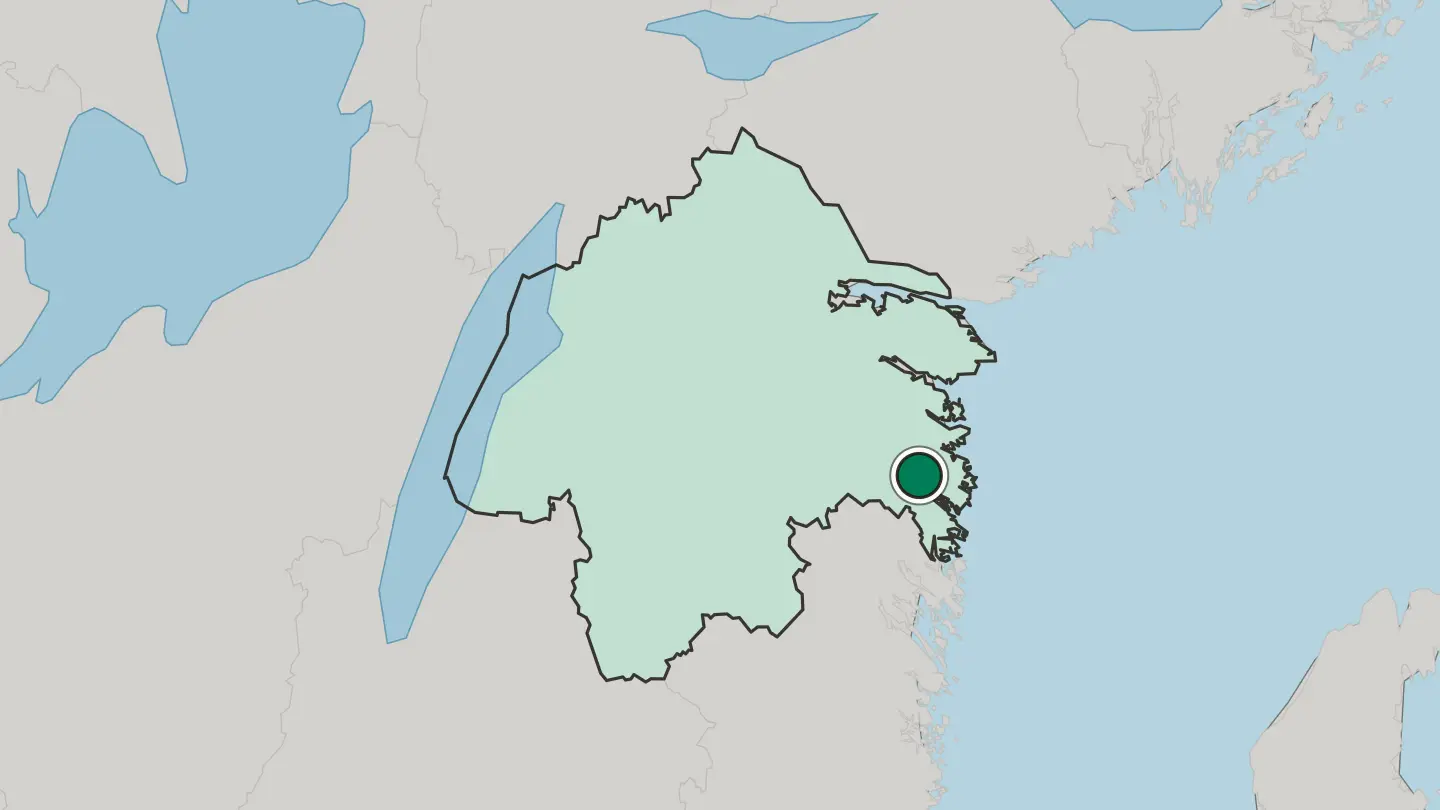
 Sweden
Ödeshög
Ödeshög is a town and municipal seat in south-western Östergötland County, near the shore of Lake Vättern.Where to stay →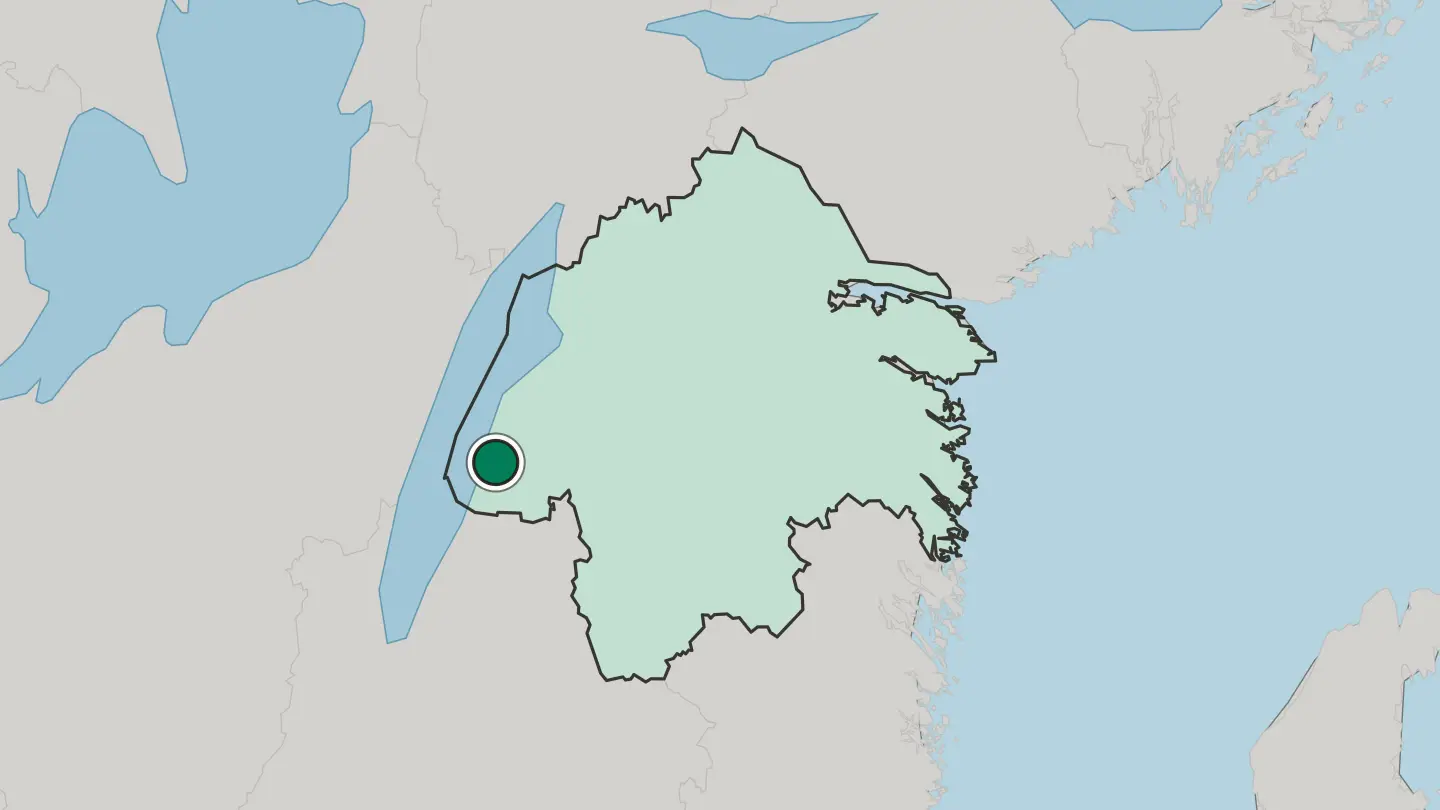
 Sweden
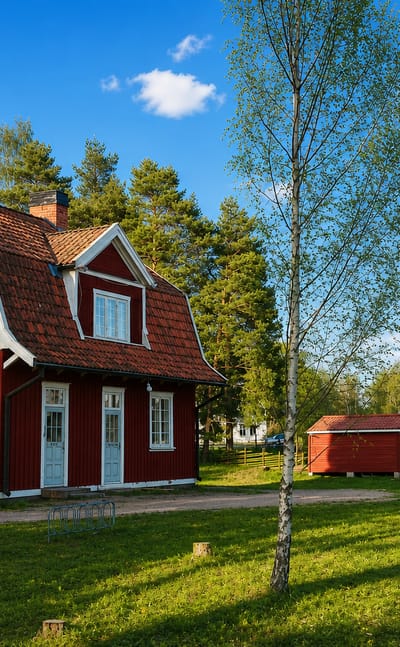
Österbymo
The smallest municipal seat in Sweden, Österbymo runs Ydre Municipality from a lakeside village in Östergötland County.Where to stay →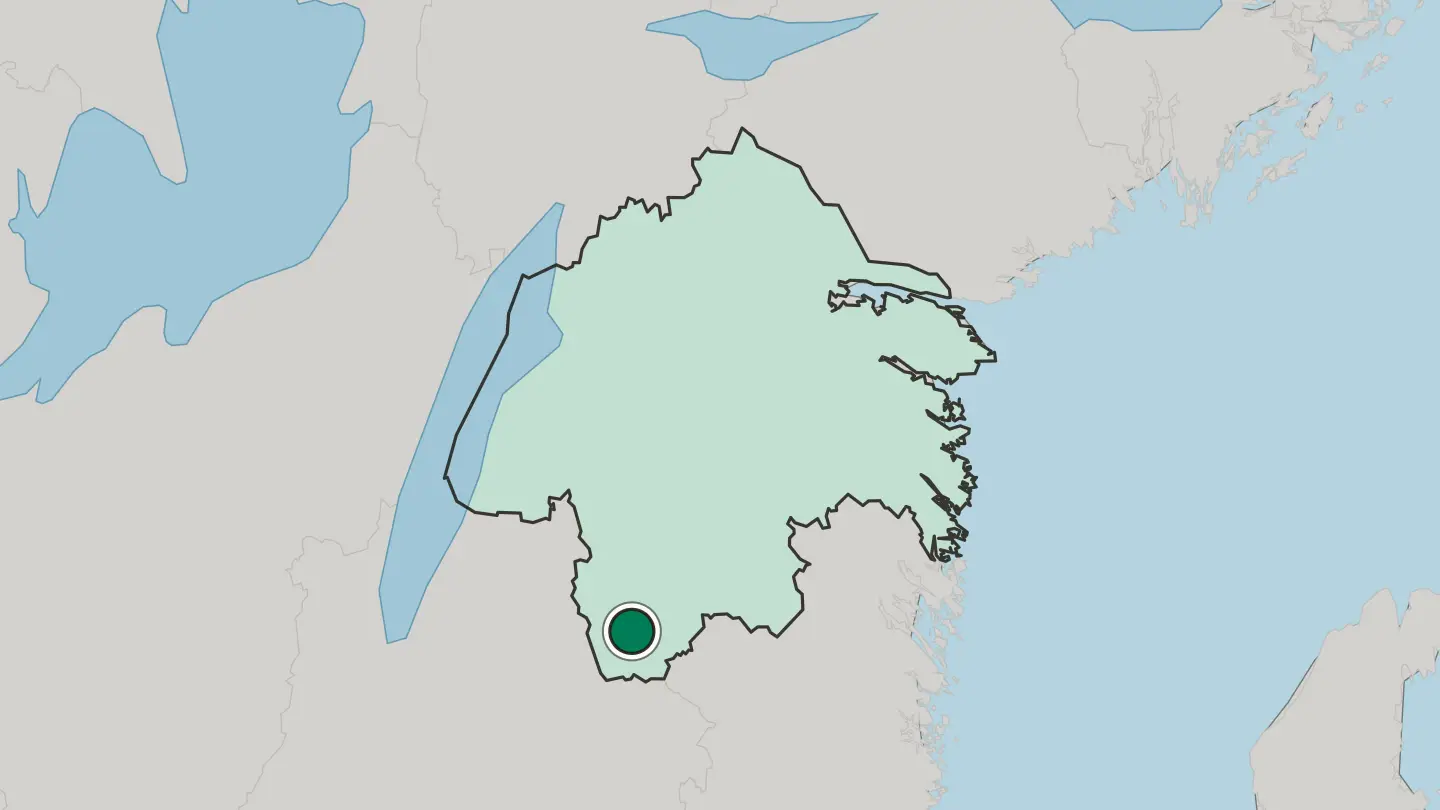
Hotel links are affiliate links: booking through them may earn us a commission, at no extra cost to you. It never affects how places are ranked. How this works
About Östergötland County
Plain and history define this county.
What is Östergötland County known for?
The wide Östgötaslätten, one of the great grain plains of Sweden, runs through the middle between two cities, Linköping with its cathedral and Norrköping with its old textile mills. The Göta Canal threads east to west across the län, climbing through locks toward Lake Vättern. Vadstena holds its medieval abbey and castle on the lakeshore.
Plain, canal, and old cities give the län its character.
Where is Östergötland County?
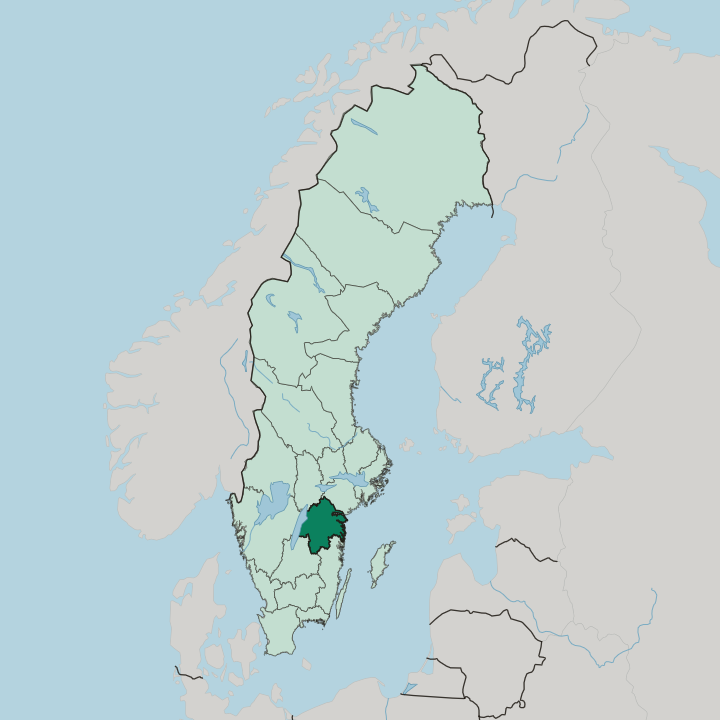
Östergötland County stretches across the southern part of central Sweden, from Lake Vättern in the west to the Baltic in the east. The heart is a plain. Fertile Östgötaslätten spreads its open fields and clay soils through the middle of the county, one of the richest farming belts in the country, framed north and south by wooded uplands.
Across this lowland the Göta Canal runs in a chain of locks, linking the lakes and rivers along a route engineered through the early nineteenth century. Forest walls the plain on both sides. North lies Kolmården, a great wooded ridge separating Östergötland from Södermanland, while to the south rise the highland forests toward Småland.
The eastern edge breaks into the Baltic in a fringe of bays and the wooded archipelago around Sankt Anna. Lake Vättern forms the western boundary, its deep clear water touching Vadstena and Motala. Borders run to Örebro, Jönköping, Kalmar, and Södermanland.
Plain, lake, forest, and coast together set the geography of this central county.
What is Östergötland County like?
Farm and faith shaped the culture here. The rich plain bred an old agrarian society of grand farms and market towns, while medieval religion left a deep mark through Vadstena, the abbey town founded by Saint Birgitta that became a centre of Nordic Christianity. That pilgrimage heritage still draws visitors to the lakeshore.
Folk music, harvest tradition, and church festival run through the rural calendar. The twin cities carry the modern culture. Linköping grew around its cathedral and later its aviation and technology industry, while Norrköping built itself on water power and textiles, leaving an Industrial Landscape of brick mills along the river now turned to museums, concert halls, and a university campus.
The Göta Canal added its own engineering pride and a summer culture of boats and lock-side cafes. Kolmården's forest holds a famous wildlife park. Abbey heritage, mill history, and the life of the plain together give Östergötland a culture balanced between deep faith, industry, and farming.
What is the history of Östergötland County?
This is old heartland. The rich plain made Östergötland one of the early cores of the Swedish kingdom, with royal estates, the cathedral see at Linköping, and the medieval abbey at Vadstena among its seats of power. The county dates from 1634.
A bloody chapter came in 1600 with the Linköping Bloodbath, when a dynastic struggle ended in public executions in the city square. Industry later reshaped Norrköping into a great textile town on the river.
What is the climate of Östergötland County?
The county has a temperate climate. The plain and the Baltic coast enjoy fairly mild, settled weather by Swedish standards, with warm summers that ripen the grain across the open fields. Winters settle snow and frost over the uplands.
The forested uplands of Kolmården and the southern highlands run colder and snowier than the lowland plain, holding their cover later into spring. Lake Vättern moderates its western shore, easing both the summer heat and the winter cold. Rain falls across the year, with the heaviest showers in late summer.
How do you get to Östergötland County?
The Southern Main Line runs straight through. Fast trains link Linköping and Norrköping to Stockholm in around an hour and a half and onward toward Malmö, making the twin cities easy to reach. Drivers cross the county on the E4, which carries traffic the length of the plain.
Norrköping has an airport with some scheduled flights. Regional trains and buses connect the cities with Motala, Vadstena, and the smaller towns, while summer boats ply the Göta Canal.
Common questions
What is the best area to stay in Östergötland County?
Linköping and Norrköping: first-time visitors. Vadstena and Vättern: history and lakeside travellers. Göta Canal and coast: summer boaters and families.
Good for
More regions in Sweden
Updated September 2026