Sweden · Östergötland County
Where to Stay in Kisa, Östergötland County
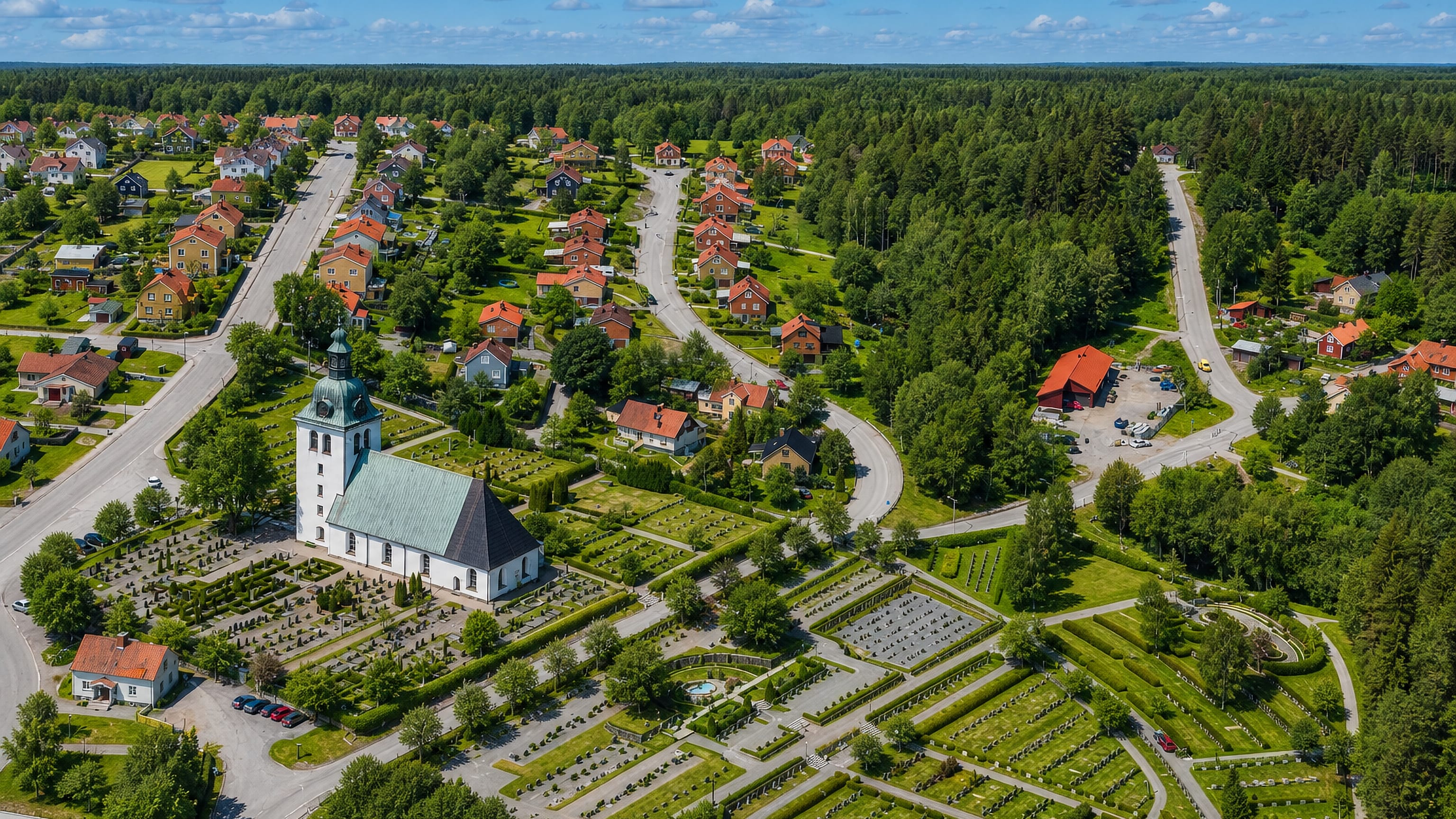
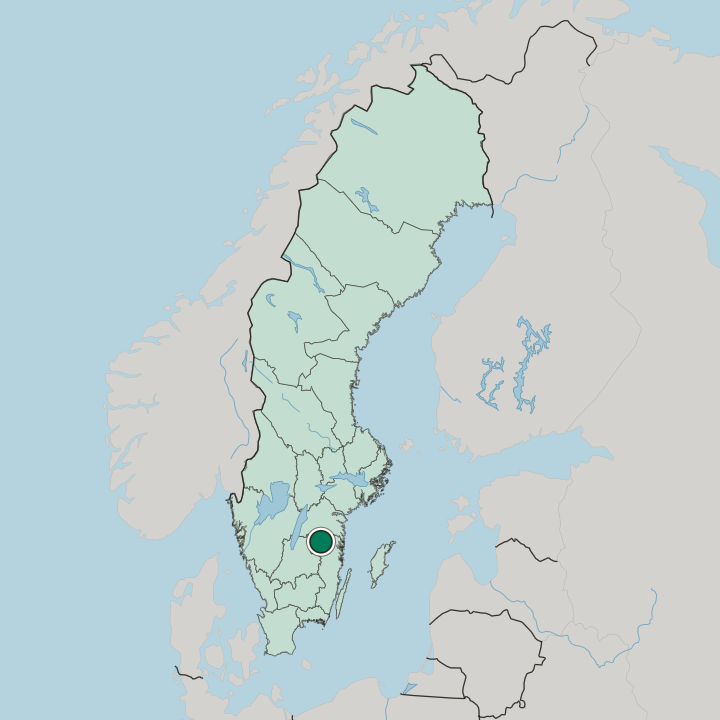
Kisa is a small town in southern Östergötland County, the main town of Kinda Municipality among the lakes and forests near the Småland border.
Hotel links are affiliate links: booking through them may earn us a commission, at no extra cost to you. It never affects how places are ranked. How this works


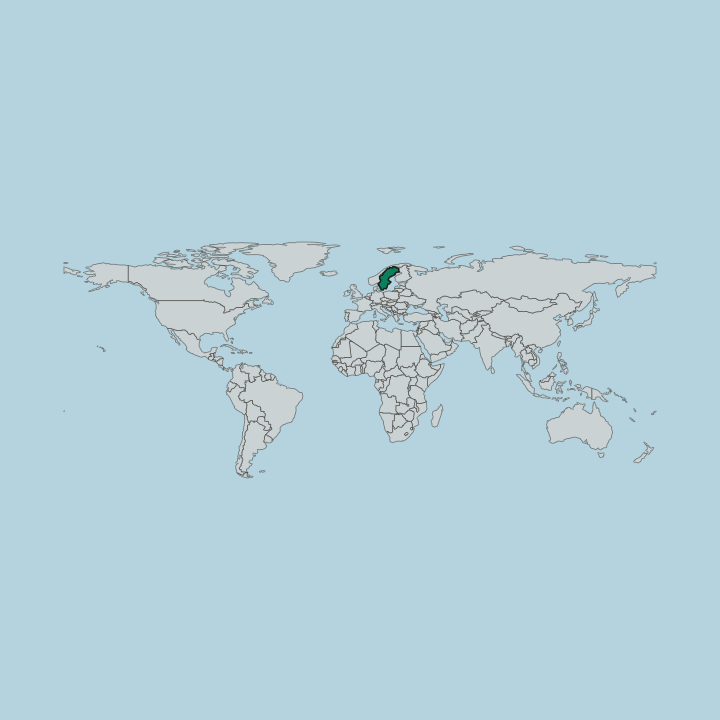
Where to stay in Kisa
The practical side of choosing where to sleep.
Most visitors stay near the small town centre, where a handful of inns and guesthouses sit within walking distance of the railway, the parish church, and the emigrant museum that draws so many here. The centre suits travellers who want a quiet base close to the station and the museum, and it draws those tracing family roots as well as people touring the lake country of Kinda. Beds are few in town.
The choice runs to small hotels, bed-and-breakfasts, and self-catering rooms rather than large establishments, so visitors seeking more variety often look to Linköping a drive to the north. Out among the lakes and forests around the town, cabins, campsites, and holiday cottages open through the warm months for those who come to fish, paddle, and walk. The surrounding countryside holds farm stays and quiet houses near the water and the old parishes.
Many cottages line the long lakes of Kinda. Anglers, paddlers, and visitors drawn by the emigrant trail and the lake country make up much of the warm-season trade, and a room booked ahead spares the late hunt for a bed when the cottages around the shore fill through the brightest weeks of summer.
Find hotels in Kisa
Direct booking searches for these neighbourhoods.
Town centre
inns near the station, church, and emigrant museum. Beds are limited here, so book early.Find hotels in Town centrepaddlers and lakeside walkersLakes and forests of Kinda
cabins and cottages by the long lakes and woodsFind hotels in Lakes and forests of Kindathose wanting larger hotelsLinköping to the north
more rooms a drive away on the plainFind hotels in Linköping to the northHotel links are affiliate links: booking through them may earn us a commission, at no extra cost to you. It never affects how places are ranked. How this works
Things to do in Kisa
Ranked by global recognition; descriptions from Wikidata (CC0).
Museums & Galleries
3- Café Columbia Coffeehouse
- Kisa Emigrantmuseum
- Emigrantmuseet working life museum in Kinda Municipality
Churches & Religious Sites
1- Kisa Church Heritage church building in Kinda Municipality
Landmarks & Notable Places
1- Lokstallet i Kisa Heritage Heritage building at Kisa
worth knowingacross 3 categories in Kisa
About Kisa
Kisa is an emigration town.
What is Kisa known for?
From the parishes around it left some of the earliest groups of Swedes bound for America in the nineteenth century, and the Kisa Emigrantmuseum keeps that story for the many descendants who return to trace it. The town is a quiet country hub. Among the lakes and forests of southern Östergötland, it serves the surrounding parishes of Kinda, with the parish church, the old wooden Café Columbia, and the railway through the centre drawing the eye of those who pass between the plain and the Småland border.
What are the main landmarks in Kisa?
Kisa kyrka stands in the town, the parish church that serves the surrounding community. The Kisa Emigrantmuseum gathers the records of the great departure to America close by. Both lie near the centre.
The old wooden Café Columbia, named for the new world the emigrants sought, keeps its place among the town's small sights, while the church marks the heart of the parish and the museum draws the descendants who come from across the ocean to trace the path their forebears took from these lakes and forests.
What is the history of Kisa?
Kisa began as a country parish. It grew where roads crossed among the lakes and forests of southern Östergötland, a market and church place for the farms of Kinda that gathered around its parish church well before the modern age. The land was hard to farm.
The thin soils and the long winters of the forest country pressed on the people who worked them, and in the lean years of the nineteenth century many looked across the sea for a better living. Emigration marked the town's name. Kisa stood among the first parishes from which Swedes left in numbers for America, following the early groups who sailed in the middle of the century, and the story of that departure became the town's lasting memory and the heart of its museum.
The railway came later. The line through southern Östergötland reached the town and tied it to Linköping and the plain, and through the modern age Kisa took shape as the main town of Kinda Municipality, a quiet country centre whose emigrant history still draws descendants back across the ocean to the lakes their families once left.
Where is Kisa?
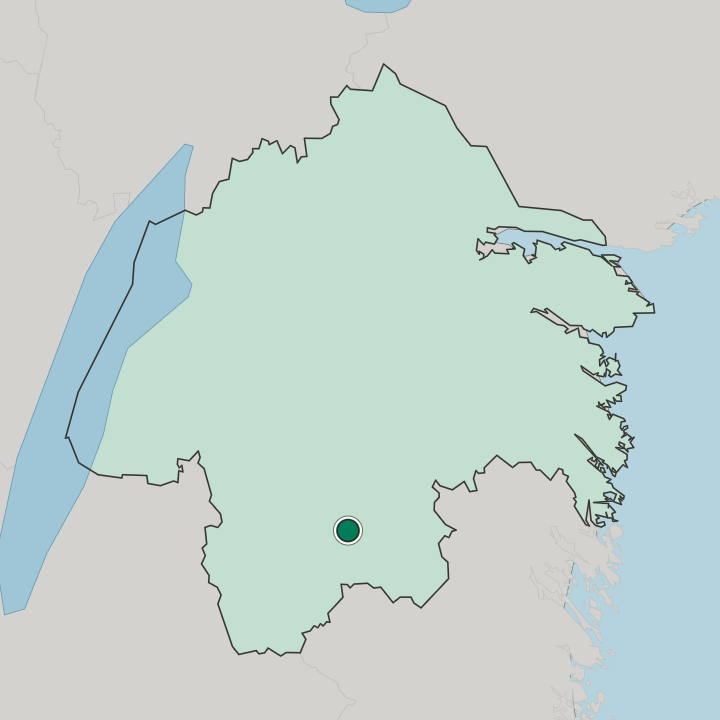
Kisa lies in the southern part of Östergötland County, among the lakes and forests of the Kinda country near the Småland border. Water threads the land around the town, with long lakes reaching south through the woods and low ridges and farm patches breaking the forest between them. The setting is wooded and broken.
Roads and the railway tie the town north to Linköping and the great Östgöta plain and south into the forest country toward the Småland border and the lakes beyond.
What is the climate of Kisa?
Kisa has a humid continental climate, shaped by its inland and wooded position. Winters run cold and often snowy, with the forest setting and the distance from the sea letting frost settle hard through the dark months and the lakes around the town freezing over in the deepest cold. Summers turn mild and green across the woods and lakes.
The long days of midsummer warm the woods and water, and the warm season draws walkers, paddlers, and anglers to the lakes and trails of Kinda. Spring and autumn stay cool and changeable.
How do you get to Kisa?
Kisa sits on the railway through southern Östergötland, with trains stopping on the line between Linköping and the Småland border. Drivers reach the town on the roads from the plain and the forest country. Local buses tie it to the surrounding parishes of Kinda.
The nearest larger rail and the main airports lie near Linköping and the plain to the north, which serve as the wider gateways and connect to the town by rail and road.
Common questions
What is the best area to stay in Kisa?
Town centre: rail travellers and roots tourists. Lakes and forests of Kinda: paddlers and lakeside walkers. Linköping to the north: those wanting larger hotels.
Good for
More cities in Östergötland County
Updated October 2026