Sweden · Östergötland County
Where to Stay in Linköping, Östergötland County
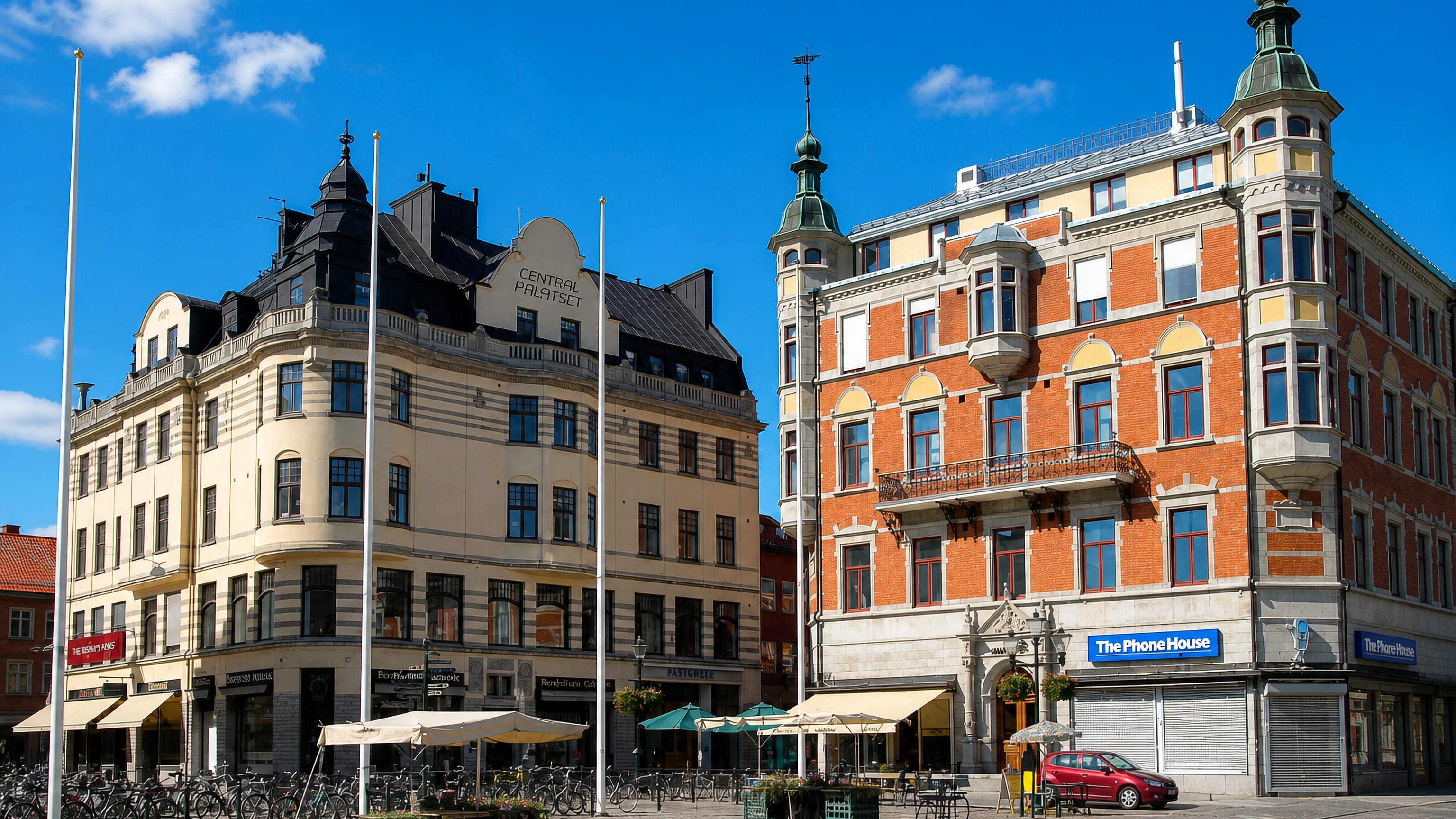
Linköping is a cathedral city in central Östergötland County, the county seat and a university and aviation centre on the Östgöta plain.
Hotel links are affiliate links: booking through them may earn us a commission, at no extra cost to you. It never affects how places are ranked. How this works


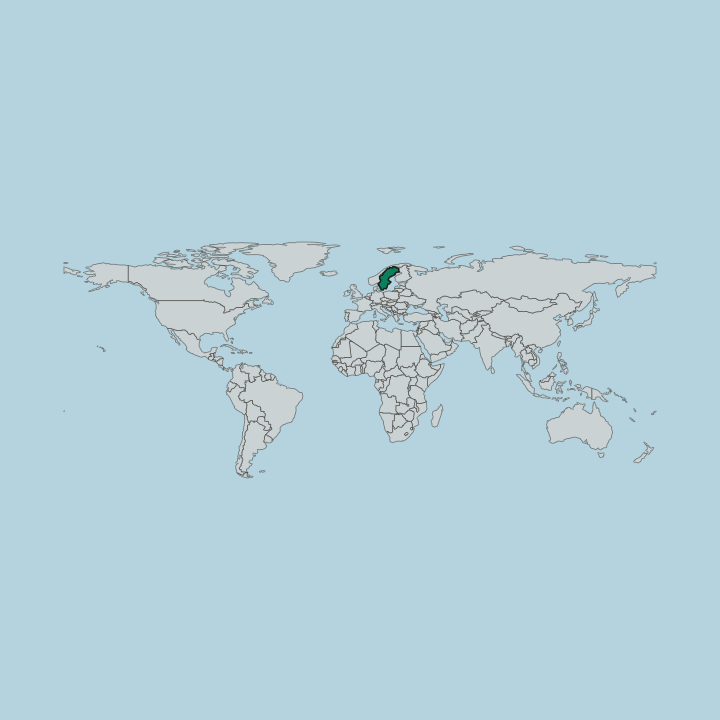
Where to stay in Linköping
The right area depends on your trip — here's what each neighbourhood is best for.

 LinköpingSweden
Tannefors
Tannefors is a district of Linköping, just east of the city centre across the Stångån.Where to stay → LinköpingSweden
Johannelund
Johannelund is a district on the south-eastern side of Linköping, the city in central Sweden.Where to stay →Hotel links are affiliate links: booking through them may earn us a commission, at no extra cost to you. It never affects how places are ranked. How this works
Find hotels in Linköping
Direct booking searches for these neighbourhoods.
City centre
hotels by the cathedral, square, and station. Lodging is scarce in this area; reserve in advance.Find hotels in City centretravellers wanting a base above the StångånGamla Linköping and the university
smaller hotels near the open-air quarter and campusFind hotels in Gamla Linköping and the universitysummer families and drivers along the RoxenPlain and Göta Canal country
campsites, cabins, and farm stays on the open landFind hotels in Plain and Göta Canal countryHotel links are affiliate links: booking through them may earn us a commission, at no extra cost to you. It never affects how places are ranked. How this works
Things to do in Linköping
Ranked by global recognition; descriptions from Wikidata (CC0).
Museums & Galleries
4- Garrison Museum Heritage Historic military museum
- Onkel Adamsgården Heritage working life museum
- Linkoping Railway Museum
- Swedish Computer Museum Computer history museum
Churches & Religious Sites
8- Linköping Cathedral Heritage 12th century Gothic cathedral
- Sankt Lars kyrka Heritage
- Skäggetorp Church Heritage
- Mikaelskyrkan Heritage
- Berga Church Heritage
Show 3 more →
- Sankta Maria i Johannelund Heritage
- Tannefors kyrka Heritage
- Vidingsjö Church Heritage
Castles & Historic Sites
2- Linköping Castle Heritage Sweden's oldest preserved secular building with parts from the 12th century
- The open-air museum Old Linköping The museum consists of three parts: the urban district, the farm of Walla and Wallacogen.
Stadiums & Sports
1- Campushallen
Landmarks & Notable Places
1- Östergötland Museum Heritage museum managing and preserving art and cultural heritage collections of regional, national and international importance
worth knowingacross 5 categories in Linköping
About Linköping
Linköping is a cathedral and university city.
What is Linköping known for?
Its great medieval church, Linköpings domkyrka, raises one of the tallest spires in the country over the old centre, and the city carries a long name as a seat of learning and of the church. The city is an aviation hub. Long tied to aircraft building on the plain, it draws visitors for the cathedral, the open-air streets of Gamla Linköping, and the computing collections of the IT-ceum, while the university and the industries around it give the place its modern weight.
What are the main landmarks in Linköping?
Linköpings domkyrka rises over the old centre, the great medieval cathedral whose spire ranks among the tallest in the land. The castle of Linköpings slott stands beside it from the same age. The cathedral close rewards a slow walk.
Friluftsmuseet Gamla Linköping recreates the old wooden town for visitors, the Datamuseet IT-ceum keeps the story of early computing, and the wide spread of parish churches, from Sankt Lars and Mikaelskyrkan to the modern Tomaskyrkan and Vidingsjö kyrka, rings the city, while LasseMajas Deckarhus draws younger crowds to the heritage quarter.
What is the history of Linköping?
Linköping is an ancient seat of the church. The town grew on the Östgöta plain as one of the oldest bishoprics in the land, and through the medieval age it rose around its great cathedral and castle into a centre of faith, learning, and royal power that gathered clergy, scholars, and merchants to the plain. Kings and councils met here.
The bloody executions that followed the struggle for the crown, the Linköping bloodbath of 1600, took place in the city's square. The plain kept the city prosperous. As the centuries turned, Linköping held its place as a seat of the bishop and the county, surviving the fires and wars that swept the Swedish towns, and the cathedral and castle stood on through every change of fortune.
The modern age brought rails and wings. The railway tied the city to Stockholm and the south, aircraft building rose on the plain in the twentieth century, and a university took root, so that Linköping grew into one of the foremost cities of central Sweden, a place of the church, of learning, and of flight.
Where is Linköping?
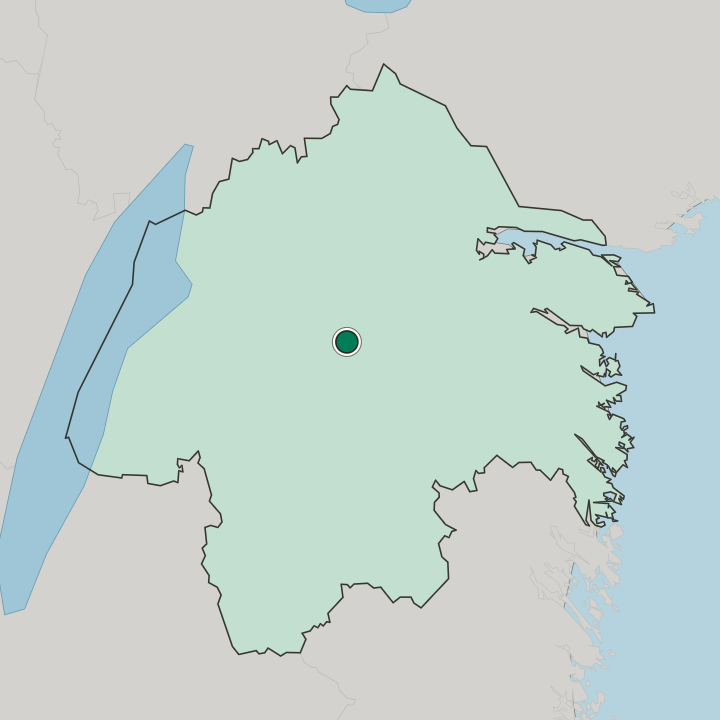
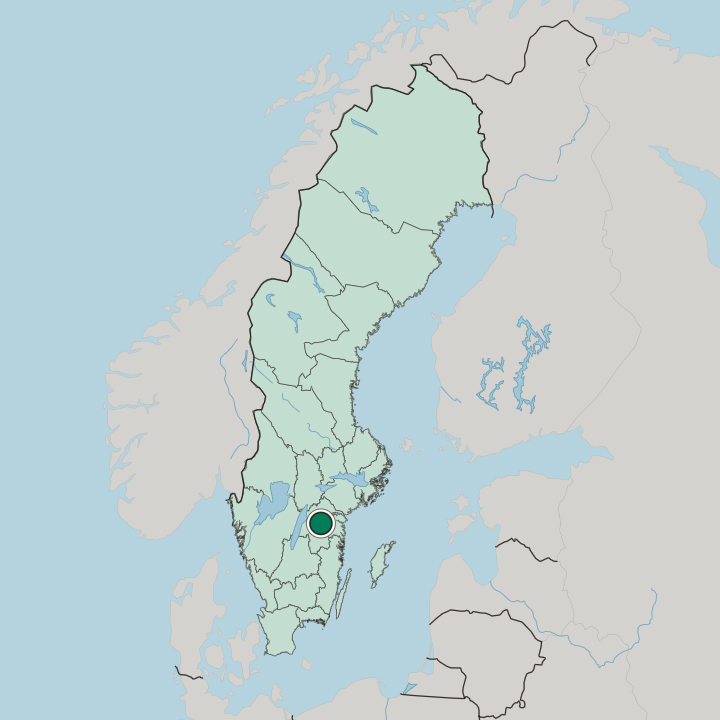
Linköping lies in the central part of Östergötland County, on the broad Östgöta plain between the forests of Småland to the south and the lake Roxen to the north. The land around the city is open and fertile, flat farmland reaching to low wooded ridges, with the Stångån river running north through the centre toward the lake and the Göta Canal. The setting is level and inland.
Roads and the railway tie the city north-east to Norrköping, south-west toward Jönköping, and on to Stockholm along the main line.
What is the climate of Linköping?
Linköping has a humid continental climate, shaped by its inland position on the plain. Winters run cold and often snowy, with the distance from the sea and the open farmland letting the temperature drop well below freezing through the dark months, while the nearby lake Roxen can soften the sharpest edges of the cold. Summers turn warm and run long on the open Östergötland plain.
The days stretch late into the evening at midsummer, and the warm season brings the city's busiest and brightest weeks for visitors and outdoor life. Spring and autumn are changeable and brisk.
How do you get to Linköping?
Linköping sits on the main railway between Stockholm and the south, with frequent fast trains through the day. Drivers reach the city on the motorway that runs the length of the plain. The bus network ties it to the surrounding towns of Östergötland.
A small airport lies just west of the centre with limited flights, while the larger airports near Stockholm serve as the main long-haul gateways and connect to the city by rail in around two hours.
Common questions
What is the best area to stay in Linköping?
City centre: first-time visitors at Linköpings domkyrka. Gamla Linköping and the university: travellers wanting a base above the Stångån. Plain and Göta Canal country: summer families and drivers along the Roxen.
Good for
More cities in Östergötland County
Updated October 2026