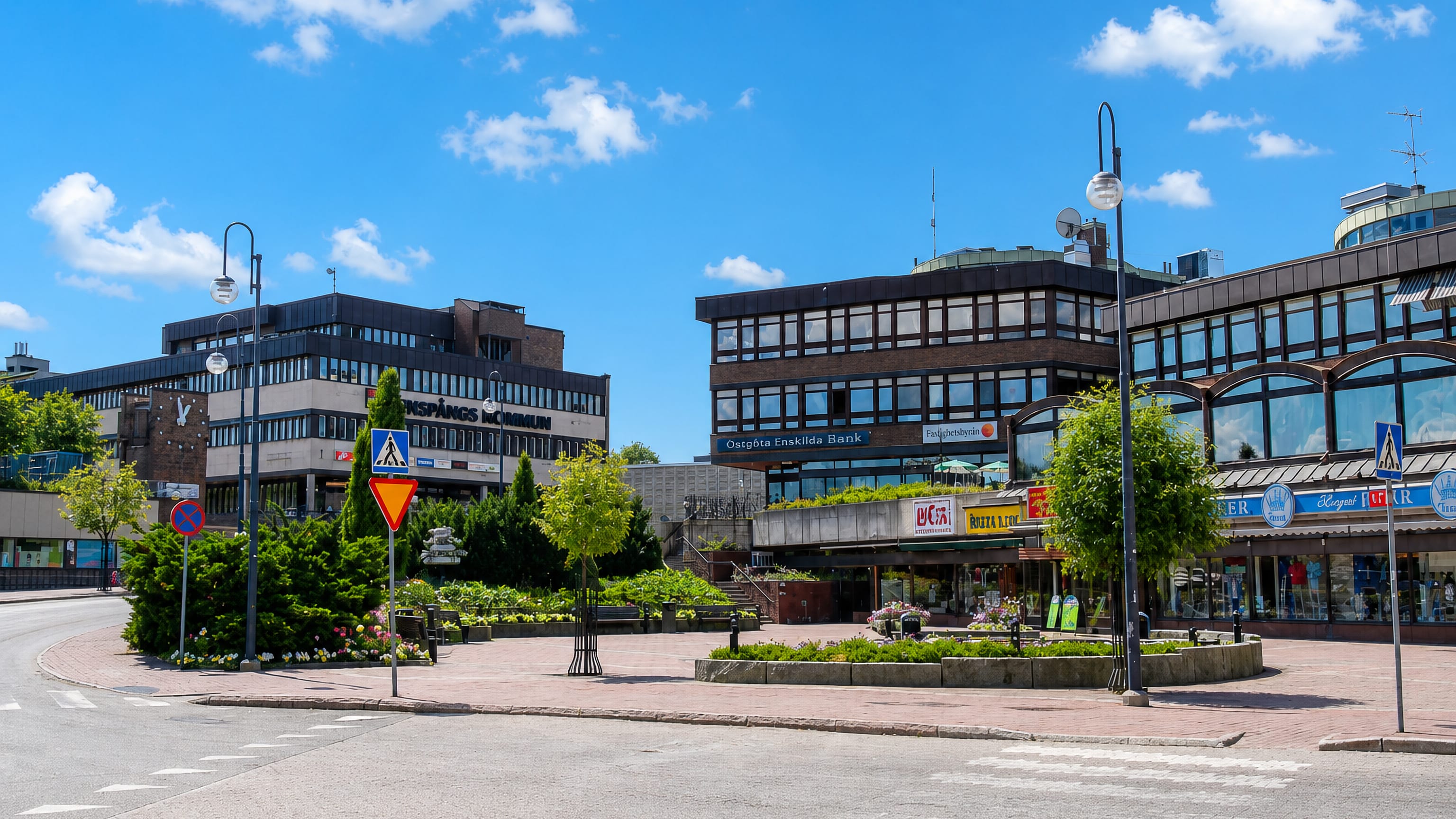
Sweden · Östergötland County
Where to Stay in Finspång, Östergötland County
Finspång is a town in northern Östergötland County, an old foundry community by the lakes north of the Östgöta plain.
Hotel links are affiliate links: booking through them may earn us a commission, at no extra cost to you. It never affects how places are ranked. How this works


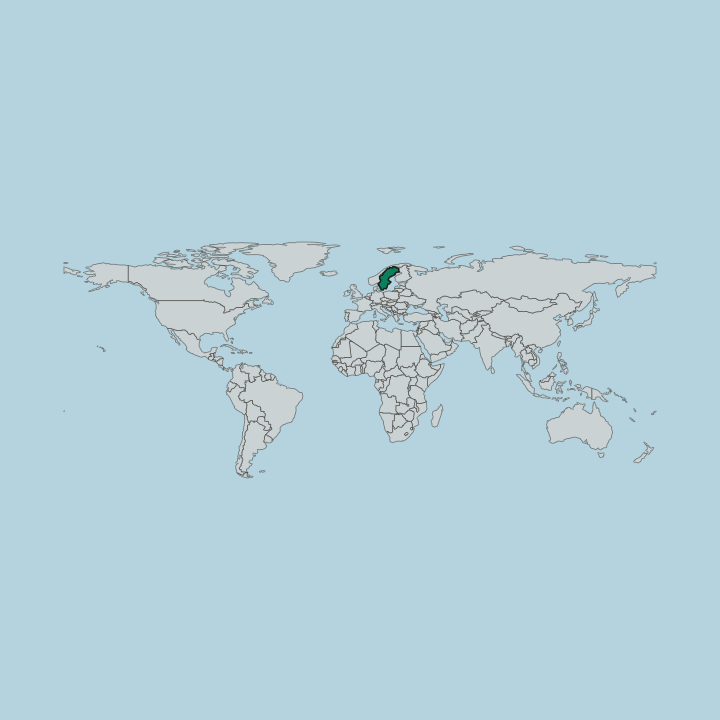
Where to stay in Finspång
Where the beds are, and what that means for the visit.
Most visitors stay near the town centre, where hotels and guesthouses sit within walking distance of the manor park, the shops, and the works that have long given Finspång its living. The centre suits travellers who want services and the manor close at hand, and it draws business guests bound for the engineering plants as well as those touring the lake country. Rooms can be tight midweek.
The choice runs from a manor-style hotel by the park to smaller inns and bed-and-breakfasts in the streets nearby, giving a base within easy reach of the chapel and the lakeshore. Out among the lakes and forests around the town, cabins, campsites, and holiday cottages open through the warm months for those who come to fish, paddle, and walk. The surrounding countryside holds farm stays and quiet houses near the old churches of Risinge and the water.
Larger hotels lie in Norrköping a short drive south. Anglers, cyclists, and weekend visitors drawn by the manor and the lake country make up much of the warm-season trade, and a room booked ahead spares the late hunt for a bed when the bright weeks of summer fill the cottages around the shore.
Find hotels in Finspång
Direct booking searches for these neighbourhoods.
Town centre and manor park
hotels near the manor, chapel, and shops. Rooms are few around here — worth securing early.Find hotels in Town centre and manor parkanglers and lake paddlersLakes and forests around town
cabins and cottages by the water and woodsFind hotels in Lakes and forests around townthose wanting larger hotels in NorrköpingNorrköping to the south
more rooms a short drive away on the plainFind hotels in Norrköping to the southHotel links are affiliate links: booking through them may earn us a commission, at no extra cost to you. It never affects how places are ranked. How this works
Things to do in Finspång
Ranked by global recognition; descriptions from Wikidata (CC0).
Museums & Galleries
3- Finspångs bruksmuseum working life museum
- Finspångs skolmuseum
- Finspångs turbinhistoria
Churches & Religious Sites
3- Risinge gamla kyrka Heritage
- Risinge new Church Heritage
- Finspångs slottskapell
worth knowingacross 2 categories in Finspång
About Finspång
Finspång is an old foundry town.
What is Finspång known for?
Its name long stood for the casting of cannon and iron, and the great manor of Finspångs slott, with its chapel, still marks the heart of the place that grew around the works. The town is an industrial centre. Among the lakes and forests of northern Östergötland, it carries on a tradition of heavy engineering and turbine work, while the manor park, the slottskapell, and the country churches of Risinge nearby draw the visitor who turns off the road between the plain and the woods.
What are the main landmarks in Finspång?
Finspångs slottskapell stands by the manor, the chapel that served the lords of the great foundry estate. The two churches of Risinge, the old and the new, rise among the parishes nearby. The manor park draws its own visitors.
Risinge gamla kyrka keeps medieval wall paintings within its walls, while the newer Risinge nya kyrka serves the modern parish, and the free-church meeting halls of the Missionskyrkan and the Ölstads missionshus round out the small set of sights around the town and its surrounding country.
What is the history of Finspång?
The town grew around its foundry. Finspång rose where iron ore, water power, and forest charcoal met among the lakes of northern Östergötland, and through the seventeenth century its works became one of the great cannon foundries of the north, casting guns under the Walloon ironmasters who held the estate and raising the manor that still crowns the place. Iron shaped the town from the start.
The lords of the foundry built their manor, their chapel, and a community of smiths and labourers along the water. The works outlived the cannon trade. As the centuries turned, Finspång moved from casting guns to forging machinery and later to building turbines, and the great engineering plants kept the town alive as heavy industry shifted around them.
The railway tied it to the plain. The community grew into the seat of its municipality, drawing workers from the surrounding parishes, and through the modern age it held its place as one of Östergötland's foremost industrial towns while the old manor and the medieval churches of Risinge nearby kept the longer memory of the land.
Where is Finspång?
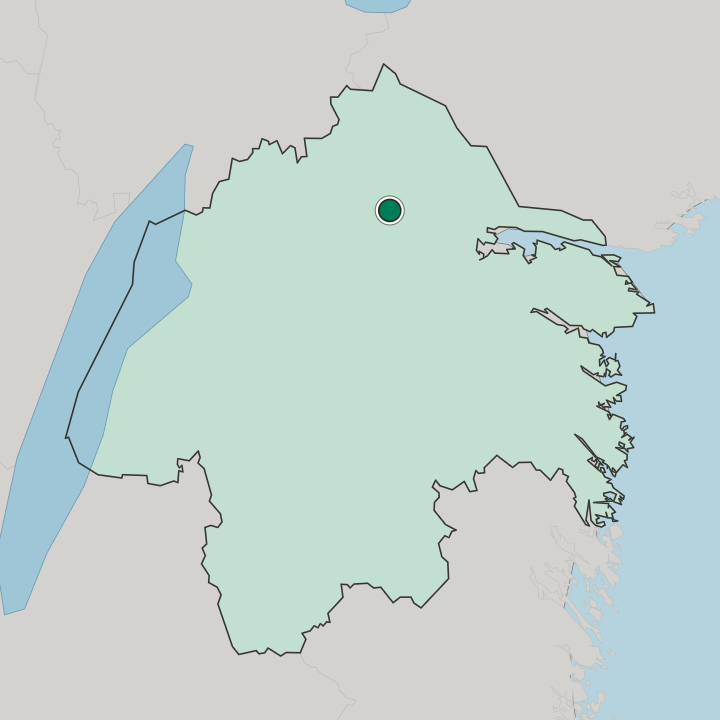
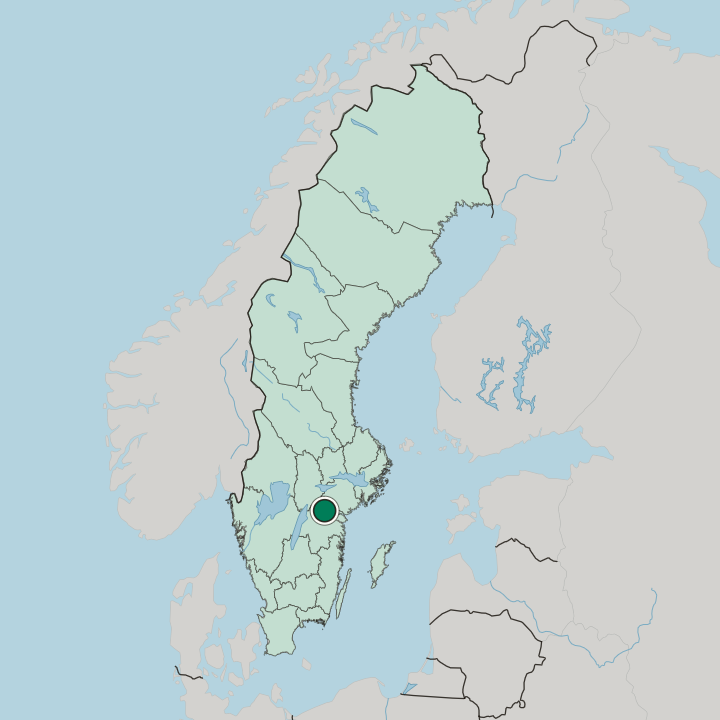
Finspång lies in the northern part of Östergötland County, among the lakes and forests that rise north of the great Östgöta plain. Water threads the land around the town, with lakes reaching into the woods on every side and low ridges and farm patches breaking the forest between them. The setting is wooded and broken.
Roads tie the town south to Norrköping and the plain and north and west into the lake and forest country toward the borders of Örebro and Södermanland.
What is the climate of Finspång?
Finspång has a humid continental climate, shaped by its inland and wooded position. Winters run cold and often snowy, with the forest setting and the distance from the sea letting frost settle hard through the dark months and the lakes around the town freezing over in the deepest cold. Summers turn mild and green through the wooded country.
The long days of midsummer warm the woods and water, and the warm season draws walkers, paddlers, and anglers to the lakes and trails. Spring and autumn stay cool and changeable.
How do you get to Finspång?
Finspång sits on the road north-west of Norrköping, with regular buses running down to the larger city and its railway. Drivers reach the town on the routes between the plain and the lake country. Local services tie it to the surrounding parishes.
The nearest rail and the main airports lie near Norrköping and the plain to the south, which serve as the wider gateways and connect to the town by road in well under an hour.
Common questions
What is the best area to stay in Finspång?
Town centre and manor park: business guests and first-time visitors. Lakes and forests around town: anglers and lake paddlers. Norrköping to the south: those wanting larger hotels in Norrköping.
Good for
More cities in Östergötland County
Updated October 2026