Sweden · Östergötland County
Where to Stay in Vadstena, Östergötland County
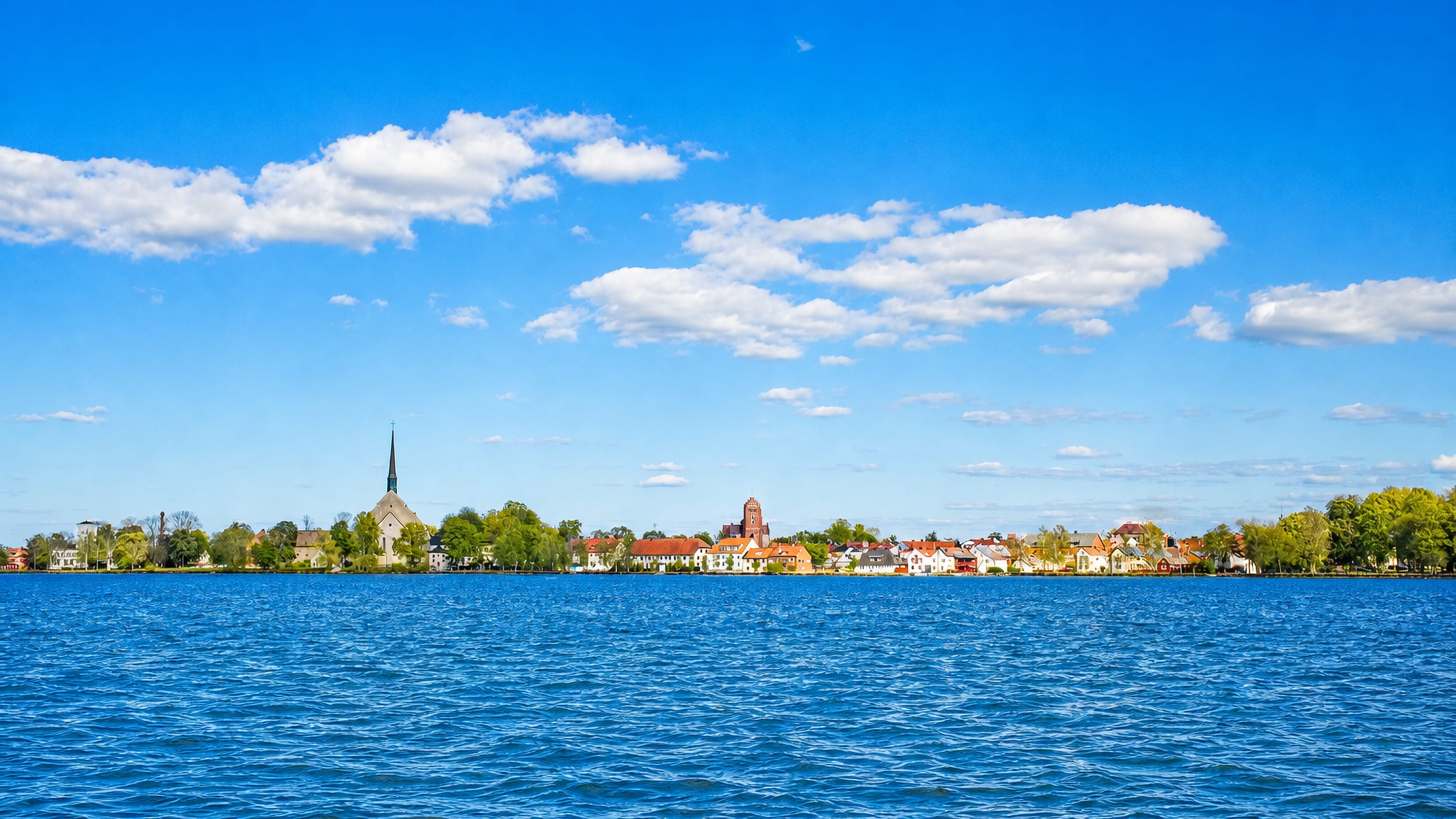
Vadstena is a historic town on the eastern shore of Lake Vättern in western Östergötland County, known for Saint Birgitta's abbey.
Hotel links are affiliate links: booking through them may earn us a commission, at no extra cost to you. It never affects how places are ranked. How this works


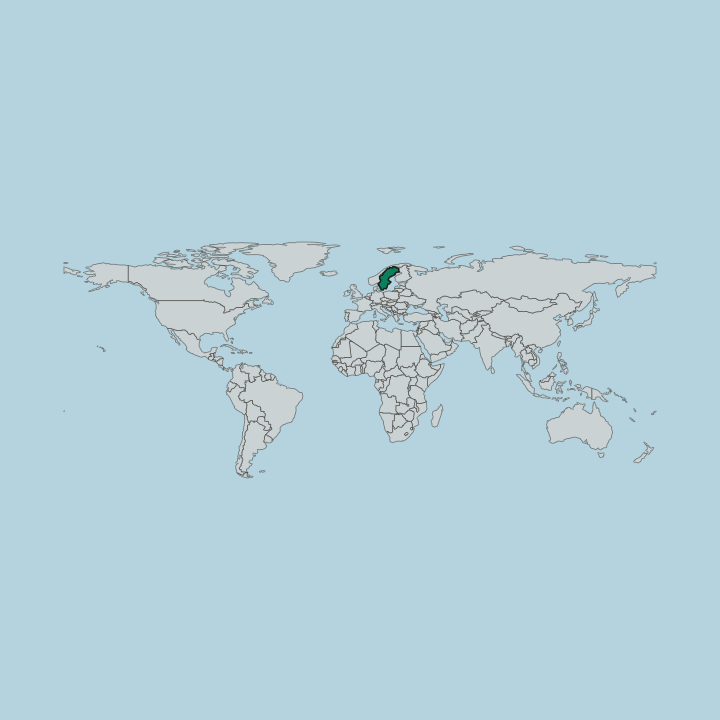
Where to stay in Vadstena
Where visitors usually base themselves, and why.
Most visitors stay in the old town near the lake, where hotels, inns, and guesthouses sit among the cobbled lanes within an easy walk of the abbey, Vadstena slott, the harbour, and the shore of Lake Vättern. The old centre suits travellers who want history, the abbey, and the waterfront close at hand and a short stroll between the great sights. Beds here fill quickly in summer.
Pilgrims, day-trippers, and the warm-weather crowds together press hard on rooms across the brightest weeks, when the abbey, the castle, and the opera festival draw visitors to the small town. One famous lodging is the abbey guesthouse itself, set in the medieval convent buildings beside the church, where guests sleep within the walls that Saint Birgitta's order raised. Those drawn to the quiet and history of the place find the convent rooms a fitting choice.
Out along the lake and the surrounding plain, campsites, cabins, and farm lodgings open through the warm months for campers and families. Reserve early in peak weeks. With a small stock of rooms in a town that draws pilgrims and tourists alike, the central beds tighten very quickly across the warmest part of the year.
Find hotels in Vadstena
Direct booking searches for these neighbourhoods.
Old town and lakeshore
inns among cobbled lanes near the abbey, castle, and harbour. Beds are limited here, so book early.Find hotels in Old town and lakeshorepilgrims and quiet seekersThe abbey guesthouse
rooms within the medieval convent buildings beside the church. Few places to stay nearby — book ahead.Find hotels in The abbey guesthousecampers and familiesLake and plain
campsites and farm lodgings along the water and fieldsFind hotels in Lake and plainHotel links are affiliate links: booking through them may earn us a commission, at no extra cost to you. It never affects how places are ranked. How this works
Things to do in Vadstena
Ranked by global recognition; descriptions from Wikidata (CC0).
Museums & Galleries
4- Vadstena Toy Museum cultural history museum
- Vadstena–Fågelsta Järnväg working life museum
- Vadstena MC- och traktormuseum
- Sancta Birgitta Klostermuseum museum with exhibition of items related to the abbey of S: ta Birgittas kloster Pax Mariae
Churches & Religious Sites
3- Vadstena Abbey Heritage medieval abbey
- Vadstena Monastery Church Heritage
- Klåstads gamla kyrkoplats Heritage
Castles & Historic Sites
1- Vadstena Castle Heritage built as the fortress to protect Stockholm from enemies approaching from the south
Landmarks & Notable Places
1- Vadstena Town Hall The town hall is the oldest surviving town hall in Sweden.
worth knowingacross 4 categories in Vadstena
About Vadstena
What is Vadstena known for?
Vadstena is Sweden's great medieval pilgrim town. Saint Birgitta founded her abbey here in the fourteenth century, and the convent of the Bridgettine order drew pilgrims from across the north to the blue-stone abbey church that still stands by the lake. A Renaissance castle guards the harbour.
Vadstena slott was raised by King Gustav Vasa, and visitors come for the abbey, the castle, the cobbled old town, and the long lakeshore on Lake Vättern.
What are the main landmarks in Vadstena?
Vadstena klosterkyrka rises by the lake, the great blue-stone abbey church of Saint Birgitta's order and the heart of the medieval town. Vadstena slott guards the harbour, the moated Renaissance castle that King Gustav Vasa raised against the shore. A wide lake spreads beyond.
The old convent of Vadstena kloster, the Sancta Birgitta Klostermuseum, the medieval rådhus on the square, and the parish church of S:t Pers kyrka fill out the centre, while the slottskyrka stands within the castle walls and the small MC- och traktormuseum gathers old machines on the edge of town. Cobbled streets tie it all together.
What is the history of Vadstena?
Vadstena grew around its abbey. In the fourteenth century Saint Birgitta founded the Bridgettine order here on the shore of Lake Vättern, and the convent rose into the spiritual heart of medieval Sweden, drawing pilgrims, scholars, and royal gifts to its blue-stone church across the centuries that followed. The town gathered around the holy house.
For two hundred years the abbey made Vadstena a place of learning and faith known far beyond the kingdom. The Reformation changed its fortunes. When the old faith was set aside the convent was closed, and King Gustav Vasa raised a great moated castle by the harbour, turning the pilgrim town toward the power of the crown.
The lake kept it alive. Vadstena slipped into a quiet life as a small lakeside town, its medieval church, castle, and cobbled streets surviving almost whole, so that the place stands as one of the best-preserved historic towns in the country and the seat of its municipality, with the abbey once more a centre of pilgrimage by the water.
Where is Vadstena?
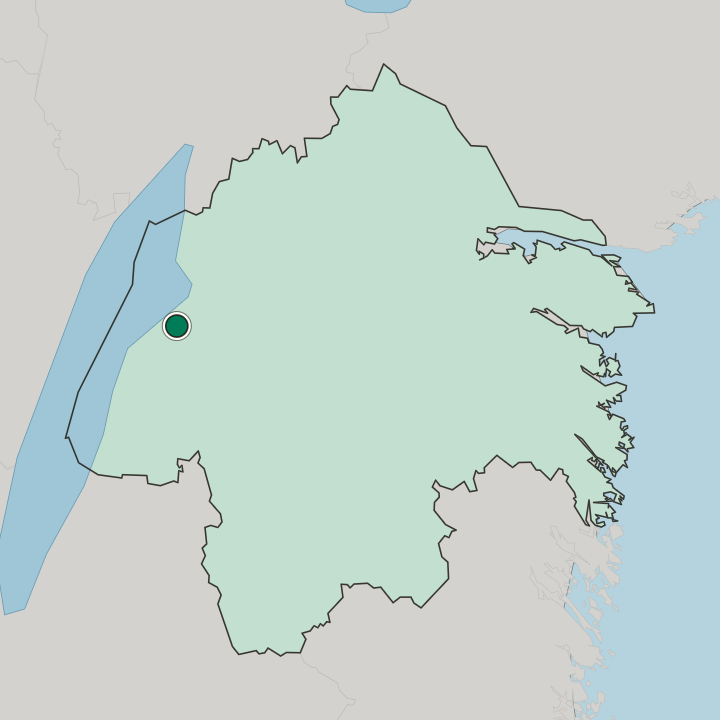
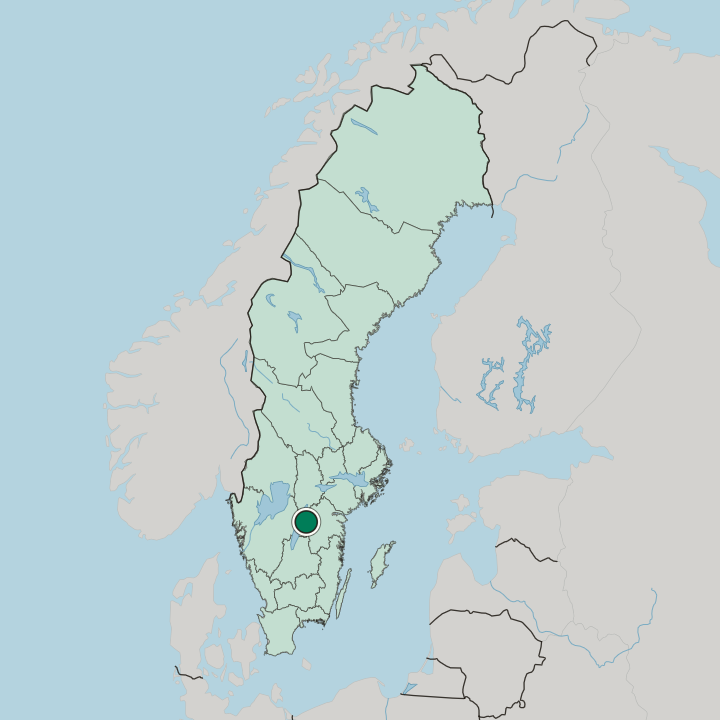
Vadstena lies in the western part of Östergötland County, on the flat eastern shore of Lake Vättern where the great lake meets the fertile Östgöta plain. The town spreads along the waterfront, with the abbey and the moated castle at the shore, the wide blue lake stretching west to the far hills, and open farmland and parish villages spreading east and south behind it across the plain. The land here is low and level.
Roads tie the town to Motala in the north and to Mjölby and the wider county to the east.
What is the climate of Vadstena?
Vadstena has a temperate climate softened by Lake Vättern. Winters are cold and often snowy, yet the huge body of the lake holds back the deepest chill and slows the freeze along the shore, so the waterfront stays milder than the open plain inland through the dark half of the year. Summers grow warm and bright.
The long days draw visitors to the abbey, the castle, and the lakeshore, and the warmest, sunniest weeks fall across high summer when the town is at its busiest. Wind off the open water is common all year.
How do you get to Vadstena?
Vadstena has no railway of its own, so most travellers arrive by road or by bus from Motala, a short way to the north, where the nearest trains and main lines run. Drivers come by road. In summer pleasure boats reach the harbour along the lake.
The nearest large airport lies near Linköping to the east, which serves as the main air gateway, while road and bus services tie Vadstena to Motala, Mjölby, and the wider county around.
Common questions
What is the best area to stay in Vadstena?
Old town and lakeshore: history lovers and first-time visitors. The abbey guesthouse: pilgrims and quiet seekers. Lake and plain: campers and families.
Good for
More cities in Östergötland County
Updated October 2026