Sweden · Östergötland County
Where to Stay in Motala, Östergötland County
Motala is a town on the eastern shore of Lake Vättern in north-western Östergötland County, a hub of the Göta Canal.
Hotel links are affiliate links: booking through them may earn us a commission, at no extra cost to you. It never affects how places are ranked. How this works


Where to stay in Motala
Where the beds are, and what that means for the visit.
Most visitors stay near the canal harbour and the lakeshore, where hotels, guesthouses, and a busy summer marina sit within an easy walk of the locks, the town square, and the long beach on Lake Vättern. The harbour area suits boaters, families, and travellers who want the water, the canal traffic, and the cafés close at hand. Canal-season rooms book up fast.
The canal season, the lake beaches, and the boat crowds together press hard on rooms across the warm months, when Motala fills with cruisers passing along the Göta Canal and bathers drawn to the shore. Back from the water, the town centre near Motala kyrka holds further hotels and guesthouses handy to the shops and the station for those who prefer to be among the streets. The centre suits guests arriving by train or car who want services rather than the marina bustle.
Out along the lake and the canal, campsites and cabins open through the warm season. Reserve early in peak weeks. With the canal, the beaches, and the summer festivals all drawing at once, the lakeside rooms tighten quickly across the brightest part of the year.
Find hotels in Motala
Direct booking searches for these neighbourhoods.
Canal harbour and lakeshore
hotels and a marina by the locks and the beach on Lake Vättern. Beds are limited here, so book early.Find hotels in Canal harbour and lakeshoretrain and car travellersTown centre
hotels near the church, shops, and stationFind hotels in Town centrecampers and cabin guestsLake and canal shores
campsites and cabins along the water through the warm seasonFind hotels in Lake and canal shoresHotel links are affiliate links: booking through them may earn us a commission, at no extra cost to you. It never affects how places are ranked. How this works
Things to do in Motala
Ranked by global recognition; descriptions from Wikidata (CC0).
Museums & Galleries
3- Motala Motor Museum working life museum
- Rundradiomuseum Motala
- Motala longwave transmitter
Churches & Religious Sites
4- Motala Church Heritage
- Charlottenborgskyrkan Heritage
- Lillkyrkan Heritage
- Råssnäskyrkan Heritage
Stadiums & Sports
1- LMT Arena
worth knowingacross 3 categories in Motala
About Motala
Motala is the capital of the Göta Canal.
What is Motala known for?
The great waterway meets Lake Vättern here, climbing through a chain of locks designed in the early nineteenth century by Baltzar von Platen, who lies buried beside the canal he built. It also gave Sweden a voice. For decades the Motala longwave transmitter carried national radio across the country, and visitors still come for the lakeside marina, the canal harbour, and the Motala Motormuseum with its hall of vintage cars.
What are the main landmarks in Motala?
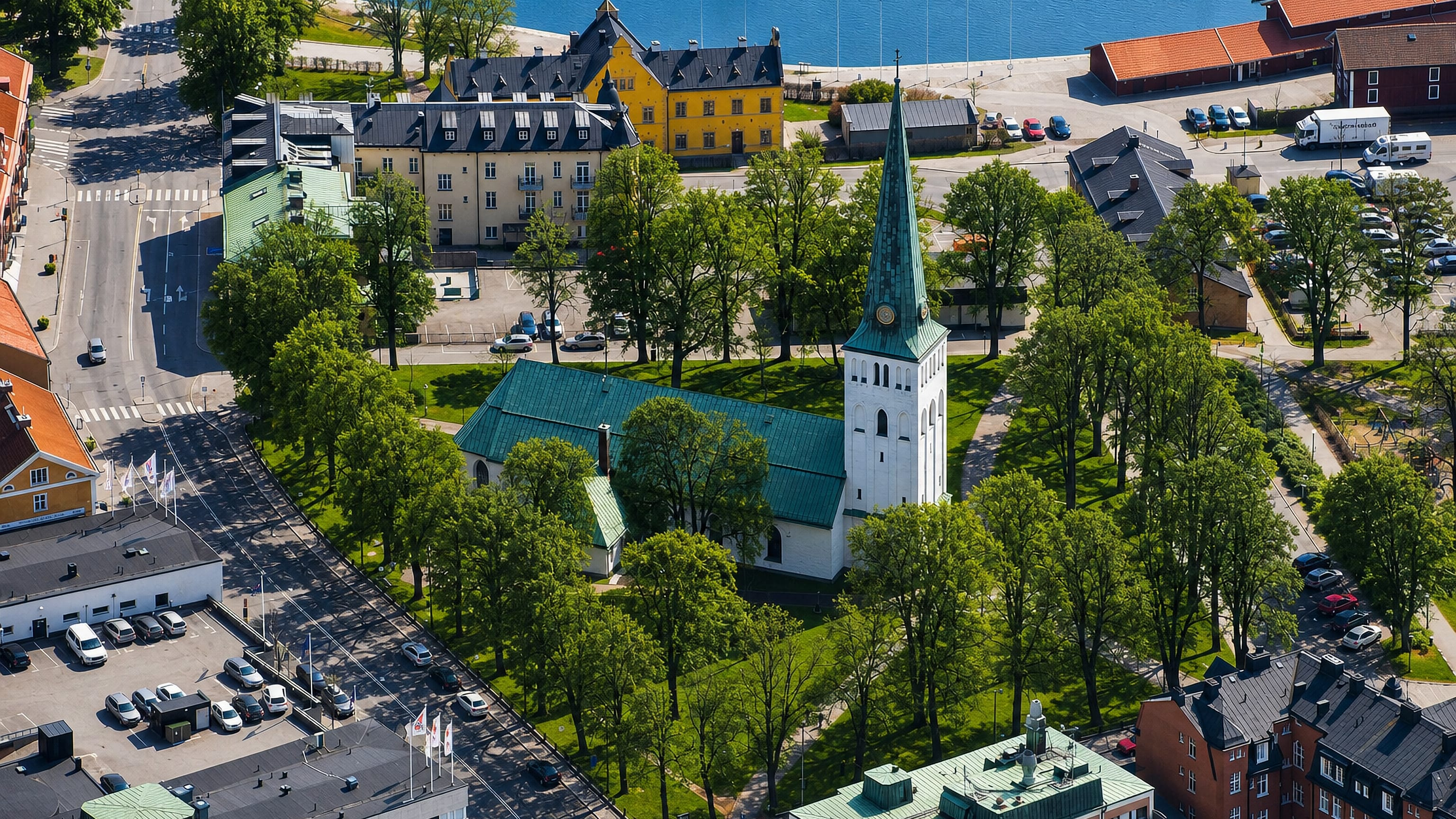
The Göta Canal is the great sight, climbing from Lake Vättern through its flight of locks at Borenshult and threading the heart of town past the old canal harbour. Motala kyrka stands above the centre, the round neoclassical church that anchors the streets. A wide blue lake spreads west.
The tall mast of the Motala longwave transmitter once beamed radio across Sweden, while the Motala Motormuseum gathers vintage cars and the everyday objects of the past century, and the parish churches of Charlottenborgskyrkan, Lillkyrkan, and Råssnäskyrkan serve the wider town. The LMT Arena draws crowds to its rink and hall.
What is the history of Motala?
Motala was chartered in the thirteenth century. The old village stood where the Motala ström flows out of Lake Vättern, a meeting of water and road on the route across the Östgöta plain, and for centuries it remained a small place of farms, fishing, and a parish church on the great lake. Trade moved through it slowly.
The lakeshore gave the settlement its living long before the modern age remade it. The canal made the modern town. When Baltzar von Platen drove the Göta Canal through to Lake Vättern in the early nineteenth century, Motala became its key station, with workshops, an engineering industry, and a planned grid of streets laid out beside the new waterway that he himself helped design.
Industry and radio followed. The town grew into a centre of mechanical works, and in the twentieth century its great longwave transmitter carried Swedish national radio across the land, fixing the name Motala in the ear of the whole country and shaping the lakeside town that now serves as the seat of its municipality.
Where is Motala?
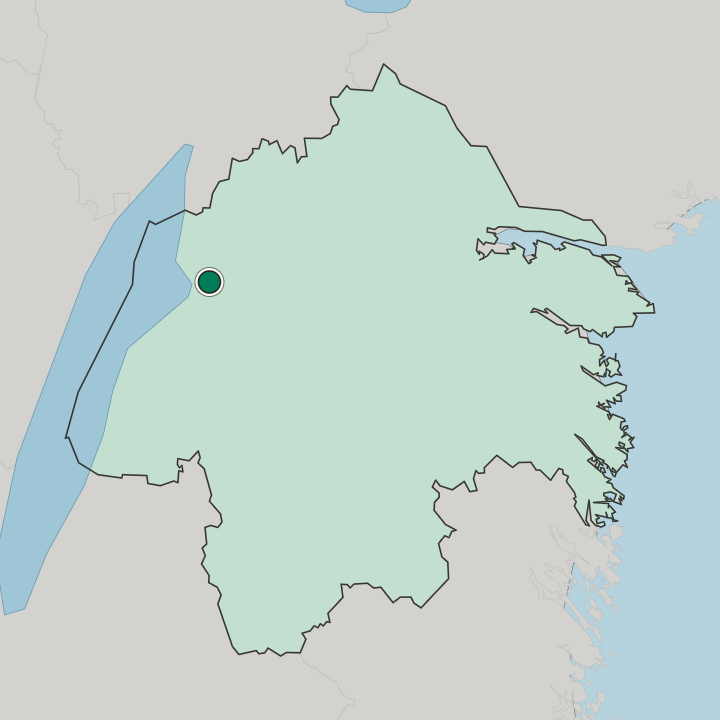
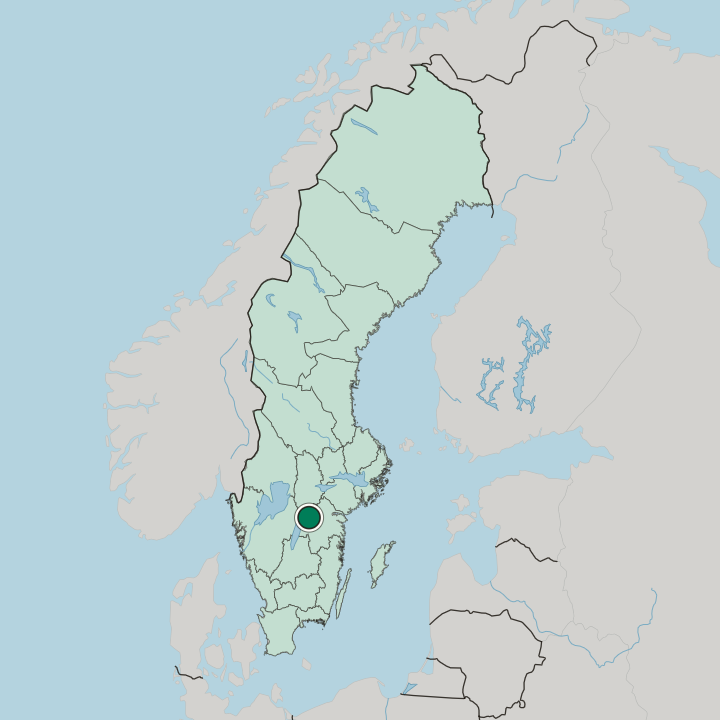
Motala lies in the north-western part of Östergötland County, on the eastern shore of Lake Vättern where the Motala ström leaves the great lake and runs east across the Östgöta plain. The town spreads along the waterfront and the Göta Canal, with the wide blue lake to the west, low farmland and forest rising inland to the east, and the locks and harbour stitching the water through the centre. The setting is open and lakeside.
Roads and the railway tie Motala to Linköping and Norrköping in the east and to the towns of the wider county around.
What is the climate of Motala?
Motala has a temperate climate softened by Lake Vättern. Winters are cold and often snowy, yet the huge body of the lake holds back the deepest chill and slows the freeze along the shore, so the waterfront stays milder than the open plain inland through the dark half of the year. High summer turns warm and bright.
The long days draw bathers and boaters to the lake and the canal, and the warmest, sunniest weeks fall across high summer when the harbour is at its busiest. Wind off the open water is common all year.
How do you get to Motala?
Motala sits on the railway across Östergötland, with trains stopping through the day on the line between Stockholm and the west. Cars come by road. Drivers reach it on the main road along the lake and across the broad farmland of the plain.
In summer the Göta Canal itself brings cruisers and pleasure boats to the harbour. The nearest large airport lies near Linköping to the east, which serves as the main air gateway, while regular road and rail services tie Motala to Linköping, Norrköping, and the wider county around.
Common questions
What is the best area to stay in Motala?
Canal harbour and lakeshore: boaters and summer families. Town centre: train and car travellers. Lake and canal shores: campers and cabin guests.
Good for
More cities in Östergötland County
Updated October 2026