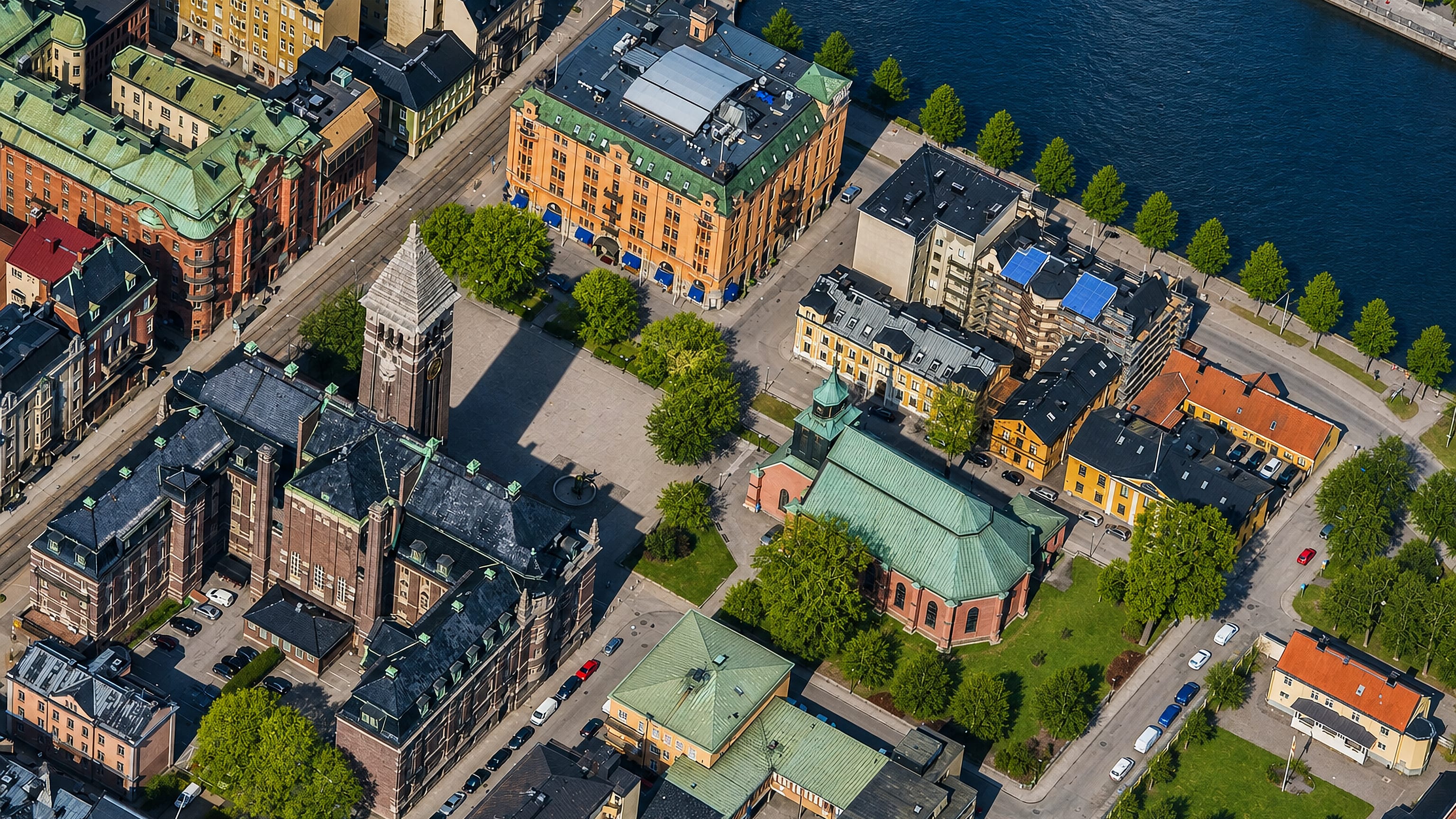
Sweden · Östergötland County
Where to Stay in Norrköping, Östergötland County
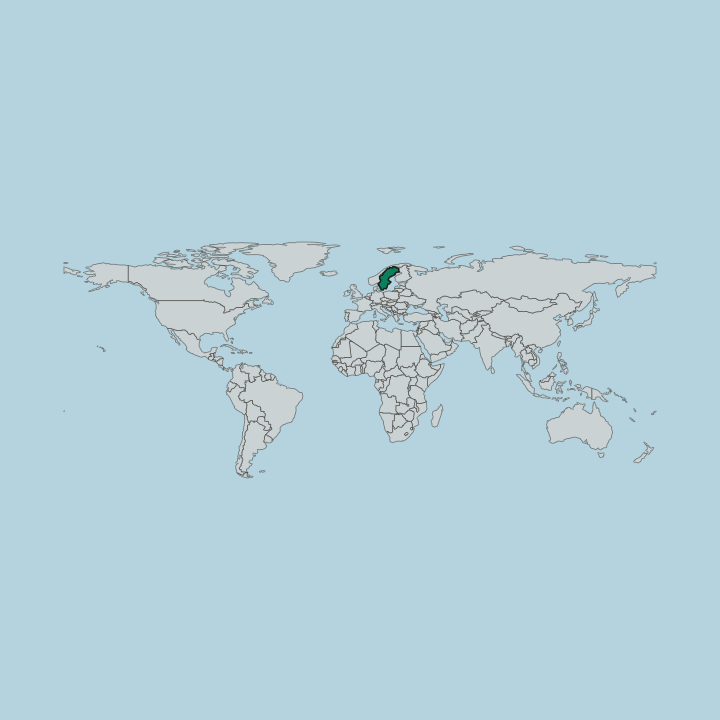
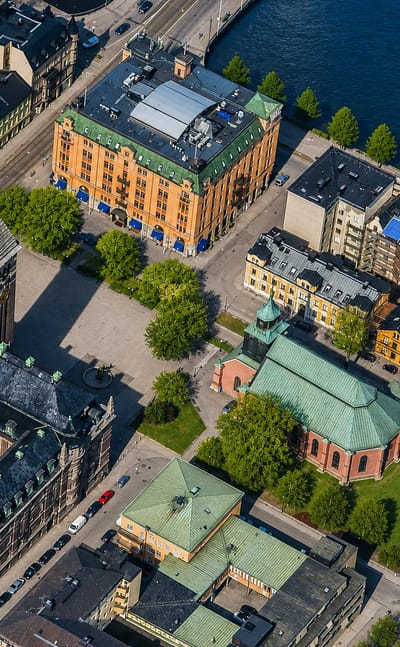
Norrköping is a city in north-eastern Östergötland County, an old textile town on the Motala ström.
Hotel links are affiliate links: booking through them may earn us a commission, at no extra cost to you. It never affects how places are ranked. How this works


Where to stay in Norrköping
Where you base yourself shapes the visit — here's the character of each area.
 NorrköpingSweden
Skarphagen
Skarphagen is a district of Norrköping, built up largely from the 1950s and made up mostly of single-family houses.Where to stay →NorrköpingSwedenVilbergen
Vilbergen is a residential district in south-eastern Norrköping, a post-war housing area in central Sweden.Where to stay →NorrköpingSwedenKarlshov
Karlshov is a mapped district of Norrköping in Östergötland County, one of that city's addresses rather than a destination with sights of its own.Where to stay →NorrköpingSwedenÖstra Eneby
Östra Eneby is a district in north-western Norrköping, a residential edge of the city in central Sweden.Where to stay →Hotel links are affiliate links: booking through them may earn us a commission, at no extra cost to you. It never affects how places are ranked. How this works
Find hotels in Norrköping
Direct booking searches for these neighbourhoods.
City centre
hotels near the river, shops, station, and trams. Beds are limited here, so book early.Find hotels in City centrehistory and culture seekersIndustrilandskapet
lodgings in converted mills beside the falls and museums. Rooms are few around here — worth securing early.Find hotels in Industrilandskapetcampers and nature loversCoast and bay
campsites and cabins toward the water and archipelagoFind hotels in Coast and bayHotel links are affiliate links: booking through them may earn us a commission, at no extra cost to you. It never affects how places are ranked. How this works
Things to do in Norrköping
Ranked by global recognition; descriptions from Wikidata (CC0).
Museums & Galleries
4- Museum of Work working life museum
- Norrköping Art Museum
- Norrköping town museum
- Drag power station industrial heritage museum
Churches & Religious Sites
7- Matteus kyrka Heritage
- Hedvig Church Heritage Church of Sweden churchbilding
- Saint Olai Church Heritage
- Saint John's Church Heritage Church of Sweden church building
- Östra Eneby Church Heritage
Show 2 more →
- Borgs kyrka Heritage
- Söderledskyrkan Heritage
Castles & Historic Sites
1- Ringstadholm Heritage
Stadiums & Sports
3- Stadium Arena indoor arena
- Bollspelaren
- Himmelstalunds bandybana
worth knowingacross 4 categories in Norrköping
About Norrköping
What is Norrköping known for?
Norrköping is Sweden's old industrial heart. Mills and factories once crowded the falls of the Motala ström, drawing power from the rushing water to spin and weave wool and cotton, and the city earned its name as the Manchester of the north. Those red-brick mills still stand.
The riverside Industrilandskapet now holds museums, halls, and the Norrköpings Konstmuseum, while the city keeps its trams, its theatre, and its harbour on the bay leading out to the Baltic.
What are the main landmarks in Norrköping?
The Industrilandskapet is the great sight, a riverside run of red-brick mills along the falls of the Motala ström, holding museums, halls, and the Drags kraftstation that once drove the looms. Sankt Olai kyrka and Hedvigs kyrka rise over the old centre. The trams still run.
Norrköpings Konstmuseum and Norrköpings stadsmuseum keep the city's art and its working past, the dyer's yard at Färgargården preserves an old craft, and parish churches such as Matteus kyrka, Sankt Johannes kyrka, and Östra Eneby kyrka serve the wider town. The Bollspelaren statue marks a city square.
What is the history of Norrköping?
The falls gave the city life. Where the Motala ström tumbles toward the bay, a market town grew in the Middle Ages, and the rushing water that powered mills and forges set the course of everything that followed across the centuries to come. Early on it served kings and trade.
By the seventeenth century the place had become a town of brass works, paper mills, and weavers, with the river driving the wheels and the harbour carrying its goods out to the Baltic. The textile age made the modern city. Through the eighteenth and nineteenth centuries the great wool and cotton mills rose in red brick along the falls, and Norrköping grew into the leading industrial town of the country, the Manchester of the north, crowded with workers, looms, and smoking chimneys.
The mills later fell silent. As the old industry faded in the twentieth century the riverside works were saved and remade as the Industrilandskapet of museums and halls, and the city, still the seat of its municipality, turned to learning, culture, and its harbour while keeping the brick and water that shaped it.
Where is Norrköping?
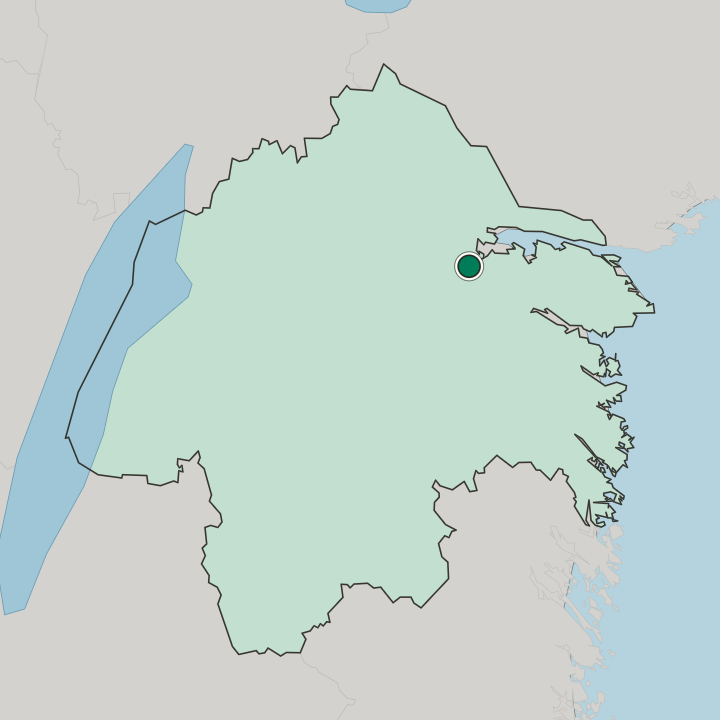
Norrköping lies in the north-eastern part of Östergötland County, where the Motala ström falls through the city toward Bråviken, the long bay that opens east to the Baltic Sea. The city straddles the river, with the old mill district along the falls, a working harbour on the bay, and the flat Östgöta plain spreading west and south behind it toward the lakes. An archipelago breaks the coast.
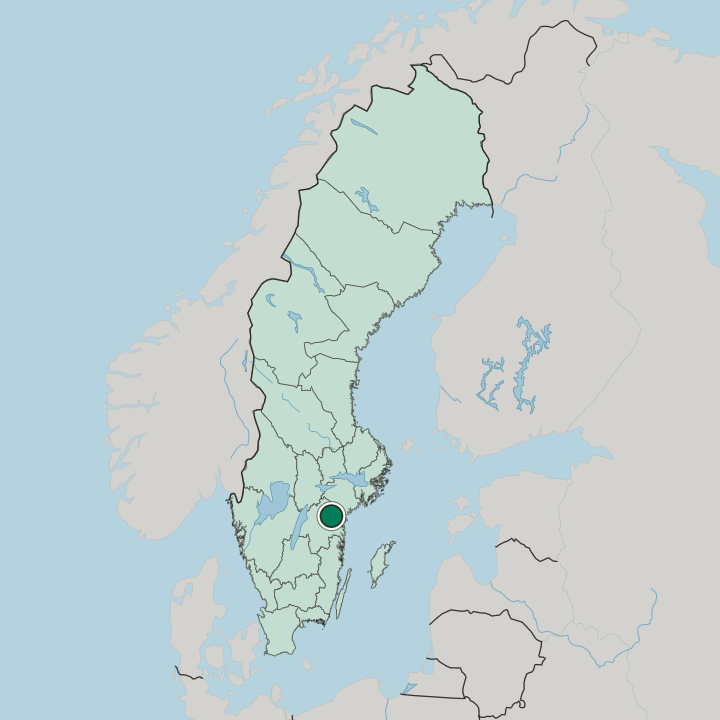
Roads and the railway tie Norrköping to Linköping in the west and to Stockholm up the coast to the north-east.
What is the climate of Norrköping?
Norrköping has a temperate climate tempered by the sea. Winters are cold and often snowy, though the nearness of Bråviken and the open Baltic holds back the harshest chill that grips places further inland, and ice and frost settle over the city through the dark months. When summer comes, it is mild and bright over the river and the bay.
Long days warm the water, and the warmest, sunniest weeks fall across high summer when the harbour and the riverside come alive. Sea winds reach the city all year.
How do you get to Norrköping?
Norrköping sits on the main railway between Stockholm and the south, with frequent trains stopping through the day at the central station. Cars come by motorway. Drivers reach the city on the road that runs down the coast and across the broad plain.
The city has its own airport on the bay for regional flights, and the harbour handles shipping out to the Baltic. From the station and the road, regular services tie Norrköping to Linköping in the west, to Stockholm to the north-east, and to the towns of the wider county around.
Common questions
What is the best area to stay in Norrköping?
City centre: first-time visitors near the Konstmuseum. Industrilandskapet: history and culture seekers. Coast and bay: campers and nature lovers.
Good for
More cities in Östergötland County
Updated October 2026