Sweden · Skåne County
Where to Stay in Arlöv, Skåne County
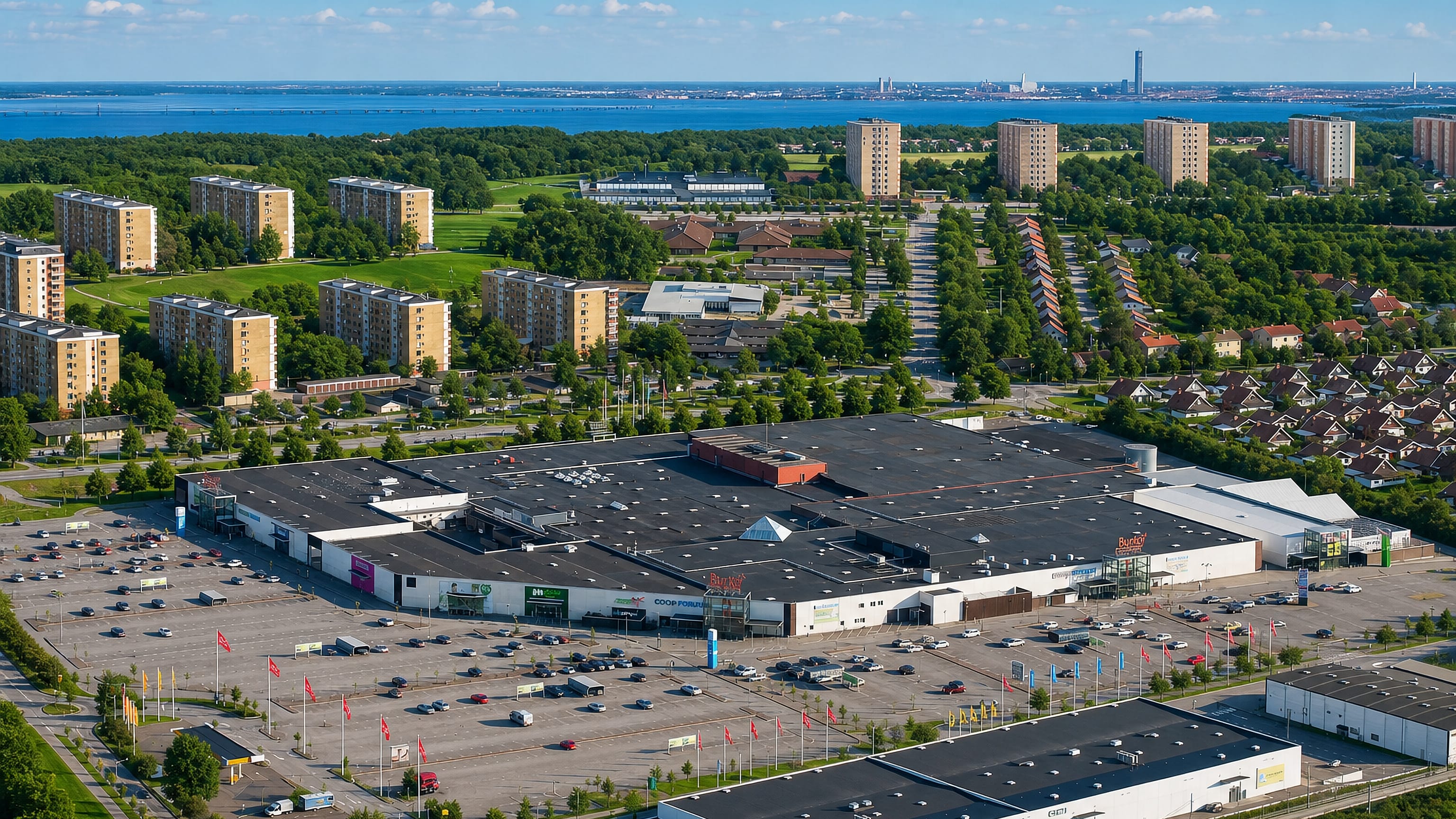
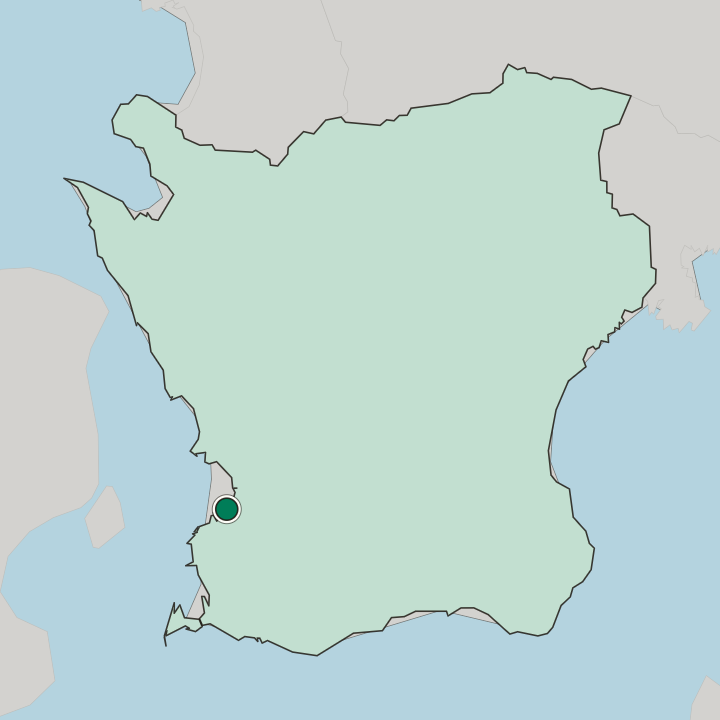
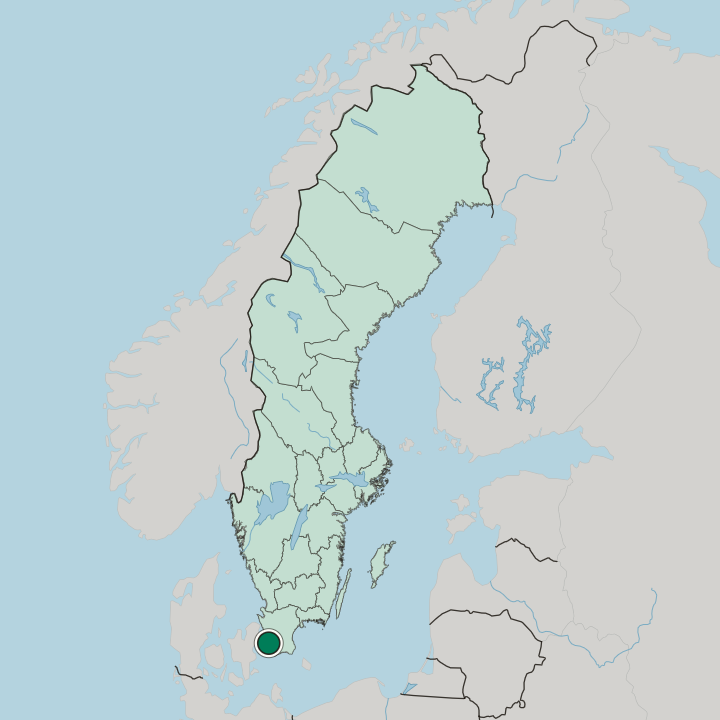
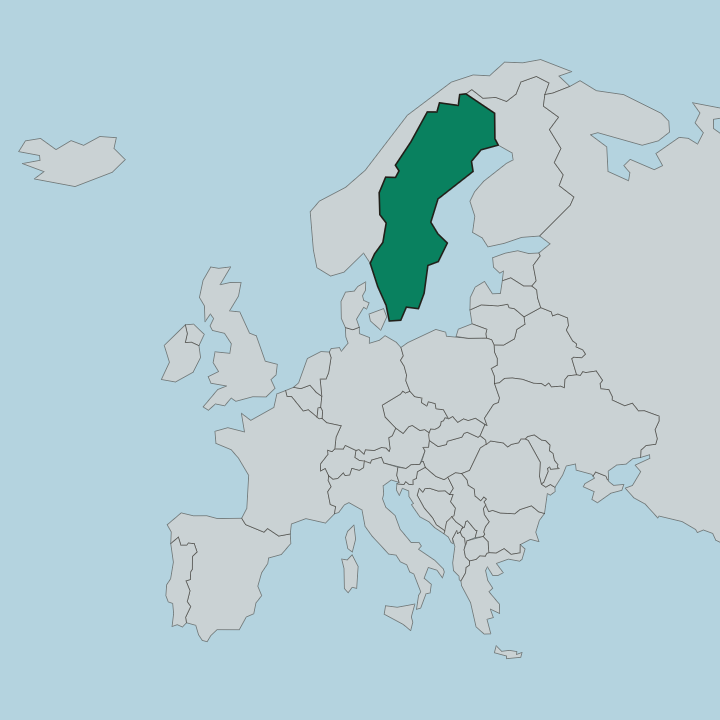
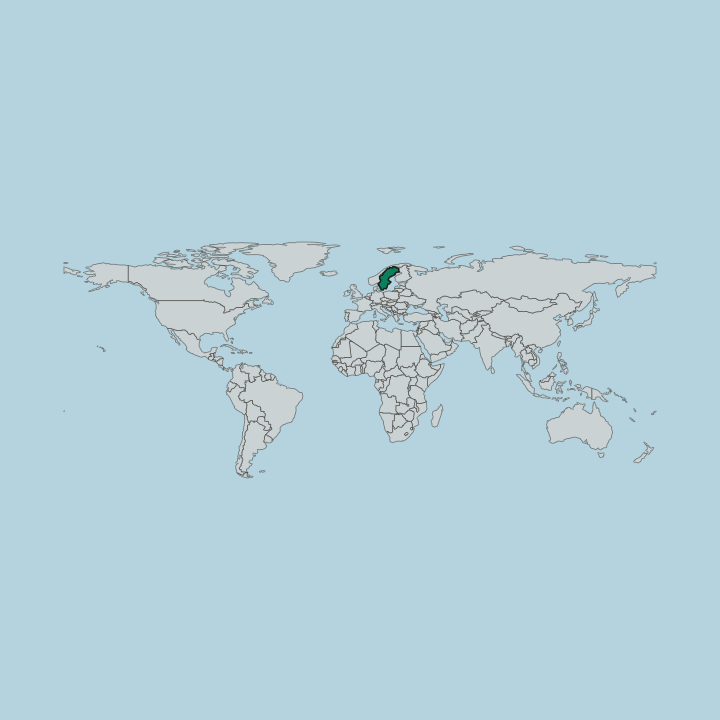
Arlöv is a town in the south-western part of Skåne County, in south-western Sweden, set on the plain just north of Malmö.
Hotel links are affiliate links: booking through them may earn us a commission, at no extra cost to you. It never affects how places are ranked. How this works


Where to stay in Arlöv
How the choice of base plays out on the ground.
Most visitors stay in the centre of Arlöv, where modest hotels and guesthouses sit within an easy walk of the station and the shops, and within a short train ride of Malmö. The centre suits travellers who want value and a quick link to the city without paying central Malmö rates. It makes a practical base.
Around the station and along the main streets, simple lodging serves those passing through the region or visiting on business in the wider Öresund area. Malmö lies very close. The city's full range of hotels is a few minutes away by train, so many visitors to Arlöv treat it as a quieter, cheaper edge of the larger metropolitan area.
Book ahead for events. Beds across the whole region fill fast when fairs, concerts, or matches fill Malmö, so a room in the smaller town is best reserved early when something large is on in the city.
Find hotels in Arlöv
Direct booking searches for these neighbourhoods.
Town centre
station and shops within a short walkFind hotels in Town centrevalue seekersAround the station
simple lodging with a quick train link to MalmöFind hotels in Around the stationcity visitorsMalmö nearby
the city's full range of hotels minutes away by trainFind hotels in Malmö nearbyHotel links are affiliate links: booking through them may earn us a commission, at no extra cost to you. It never affects how places are ranked. How this works
About Arlöv
Arlöv is known for sugar.
What is Arlöv known for?
The town grew around a great refinery on the Skåne plain, and sugar processing gave it both its work and its character through generations of industrial life just outside Malmö. The plain shaped its growth. Standing on the flat, fertile farmland of south-western Skåne, the town sits within the orbit of the city to its south, an industrial and residential place tied closely to the larger life of Malmö and the Öresund region.
What are the main landmarks in Arlöv?
The old sugar refinery is Arlöv's defining structure, the largest landmark on this stretch of the Skåne plain. Kronetorps mölla, a tall Dutch-type windmill raised in 1841, ranks among the largest mills in Skåne. Burlövs gamla kyrka anchors the old parish.
The medieval church marks the rural roots of the district, while at Åkarp the restored mill house Möllegården serves the area as a cultural centre beside the fields. The plain dominates the rest. Flat farmland stretches around Arlöv, broken only by the railway, the roads, and the edge of Malmö to the south.
What is the history of Arlöv?
Arlöv began as a farming district on the Skåne plain. For long centuries the land here lay as rich farmland and scattered villages around the medieval parish church, part of the fertile country that fed the south and, until the seventeenth century, belonged to the Danish crown before passing to Sweden. The old church served these farms through the medieval and early modern age.
Rural, flat, and given over to grain and grazing, the country changed little for generations. Industry and the railway grew the modern town. When the line between Malmö and Lund came through in the nineteenth century, a great sugar refinery rose beside it, and Arlöv grew from a farming village into an industrial town drawing workers to the mills and the railway.
Sugar carried the town for generations. The refinery, the old church, and the nearness of Malmö tie the modern community to a history that runs from Danish farmland through industry to a busy edge of the Öresund region.
Where is Arlöv?
Arlöv lies in the south-western part of Skåne County, set on the flat, fertile plain just north of Malmö near the shore of the Öresund strait. Open farmland spreads around the town, broken by the railway, the motorway, and the spreading suburbs of the city to the south. Flat farmland stretches around Arlöv.
The Sege å winds across the plain toward the sea, and the dense network of roads and rail that serves the Öresund region threads through the country around the town, tying it firmly to Malmö and beyond.
What is the climate of Arlöv?
Arlöv has a mild temperate climate, the gentlest in Sweden. Winters are cool but rarely harsh, the nearness of the Öresund strait and the open sea beyond holding off the deep frost that grips the inland, so snow comes and goes and rain falls often through the colder months. Summers run warm and long across the Skåne plain.
The flat plain and the soft sea air give the town one of the kindest growing seasons in the country, and the long northern daylight stretches the summer evenings late. Wind sweeps the open plain.
How do you get to Arlöv?
Arlöv sits on the main railway between Malmö and Lund, among the best-connected small towns in the country. Trains call often at the station, linking the town in minutes to Malmö, Lund, and across the Öresund Bridge to Copenhagen and its airport, so reaching Arlöv without a car is easy. The motorway runs close by.
Drivers come on the dense road network of the Öresund region, and Copenhagen Airport across the strait, with Malmö's own airport to the south-east, puts the wider world within easy reach of the town.
Common questions
What is the best area to stay in Arlöv?
Town centre: first-timers. Around the station: value seekers. Malmö nearby: city visitors.
Good for
More cities in Skåne County
Updated October 2026