Sweden · Skåne County
Where to Stay in Åstorp, Skåne County
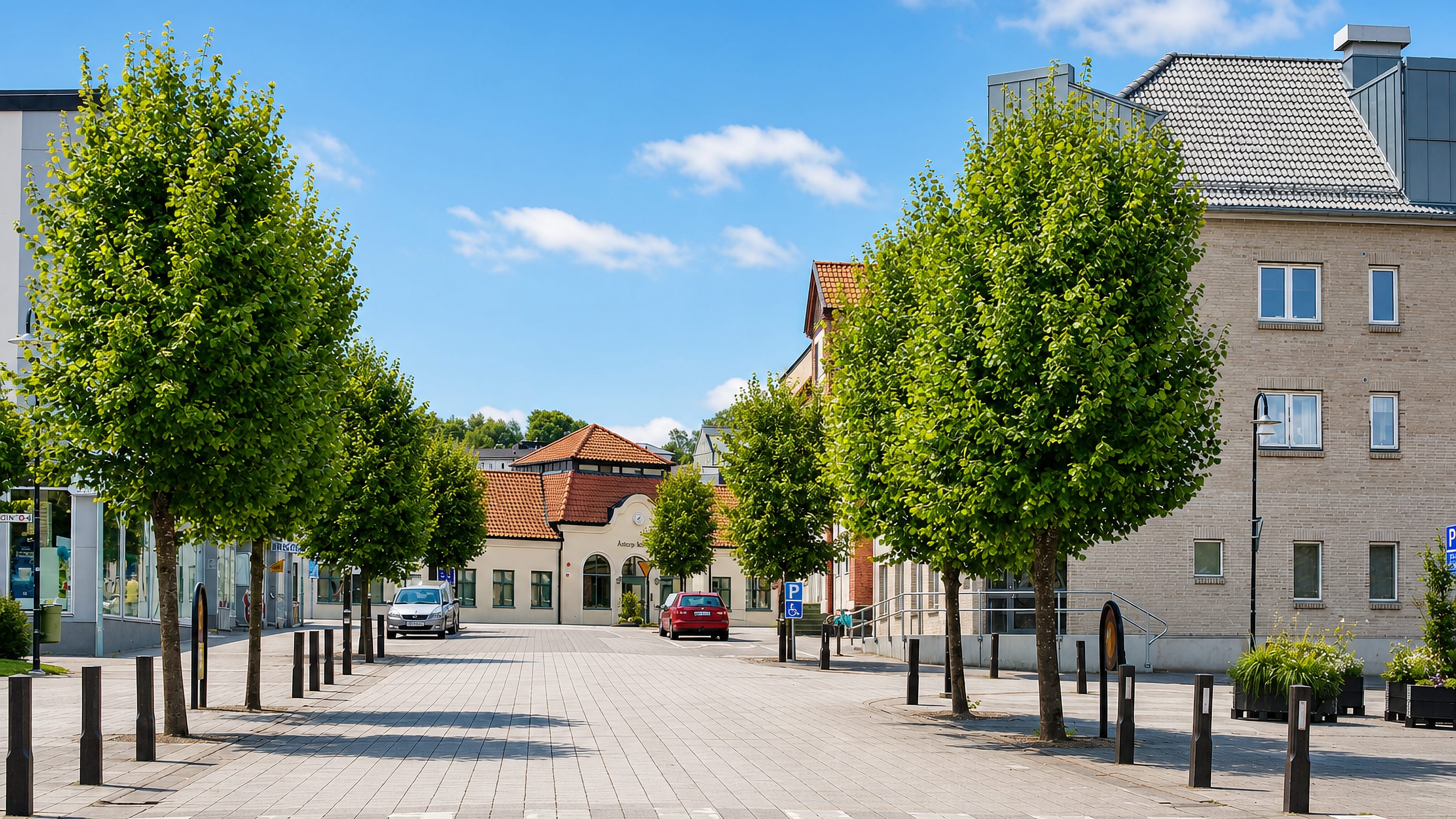
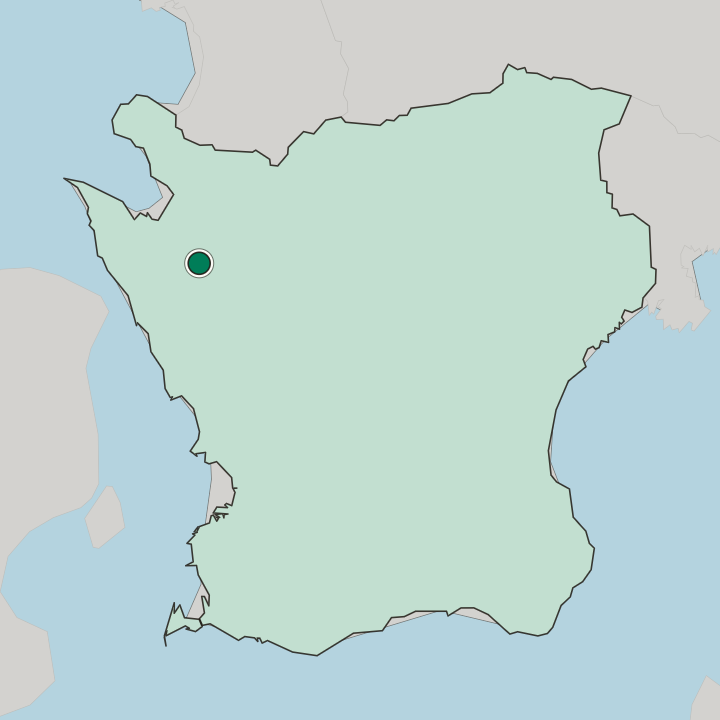
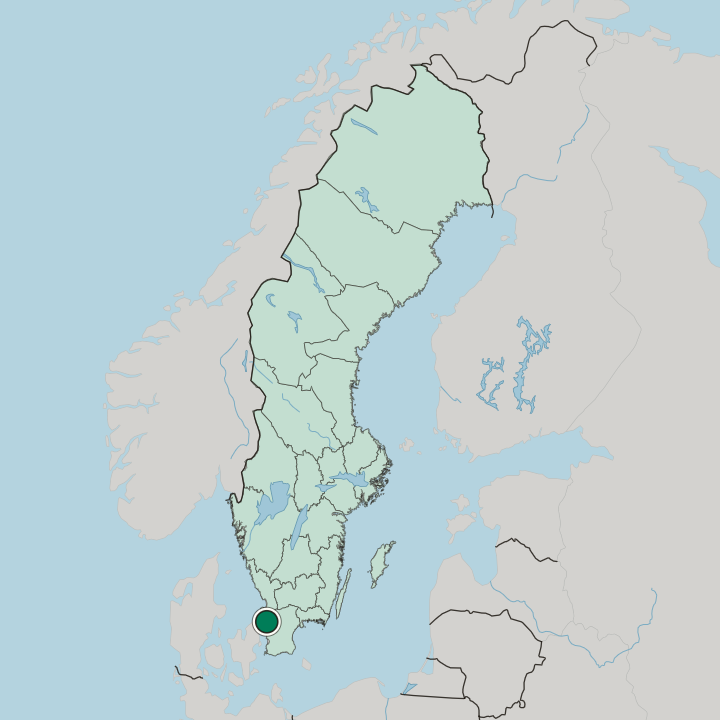
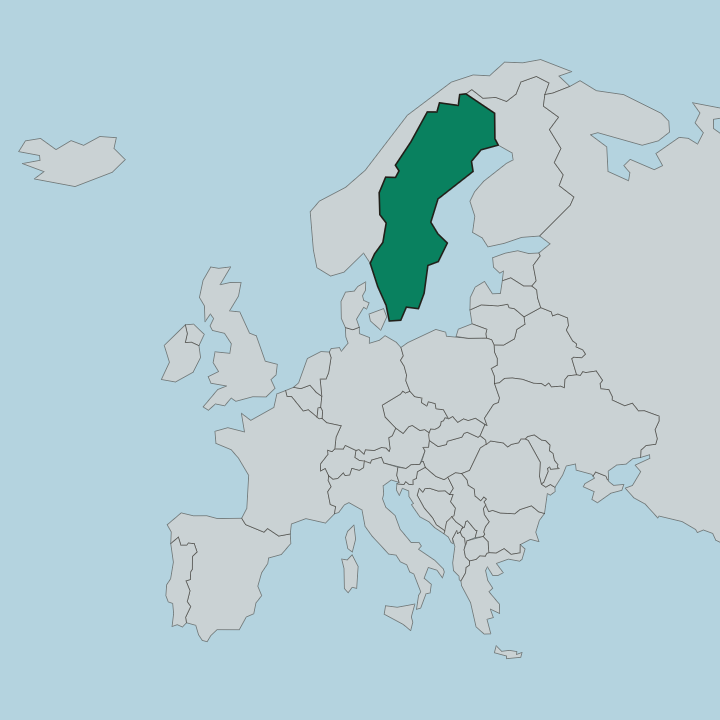
Åstorp is a town in the north-western part of Skåne County, in south-western Sweden, the seat of its municipality below the Söderåsen ridge.
Hotel links are affiliate links: booking through them may earn us a commission, at no extra cost to you. It never affects how places are ranked. How this works


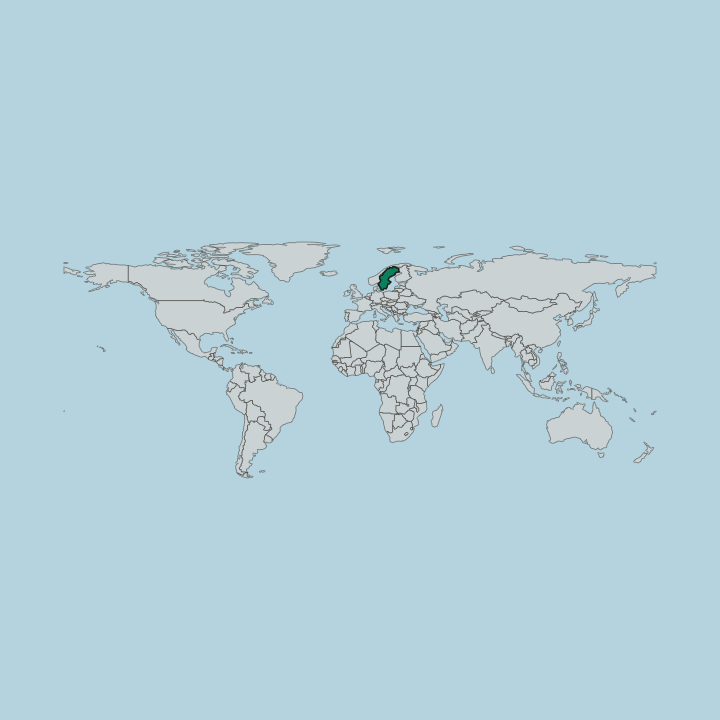
Where to stay in Åstorp
How the choice of base plays out on the ground.
Most beds sit in or near the town centre, within easy reach of the railway station, the shops, and the road out toward the ridge. The centre suits travellers passing through by train or those using the town as a quiet base for the surrounding country. The town centre holds only a handful of rooms.
A short drive east, along the wooded slopes of Söderåsen, holiday cabins, farm stays, and small guesthouses open through the warmer months for the walkers and families who come for the beech forests and the rift valley of the national park, and these fill quickly across high summer and the bright autumn weekends. The open farmland around Björnekulla and Västra Broby holds further self-catering houses for those touring by car. Book ahead in peak weeks.
Larger Helsingborg lies close to the west on the coast, and many visitors choose its wider range of hotels and then drive inland to the ridge and the town.
Find hotels in Åstorp
Direct booking searches for these neighbourhoods.
Town centre
a handful of beds near the station and shops. Few places to stay nearby — book ahead.Find hotels in Town centrewalkers climbing into Söderåsen National ParkSöderåsen slopes
cabins and guesthouses near the beech forests and national park. Beds are limited here, so book early.Find hotels in Söderåsen slopesdrivers touring Söderåsen National ParkSurrounding farmland
self-catering houses among the fields near the old parishes. Few places to stay nearby — book ahead.Find hotels in Surrounding farmlandHotel links are affiliate links: booking through them may earn us a commission, at no extra cost to you. It never affects how places are ranked. How this works
Things to do in Åstorp
Ranked by global recognition; descriptions from Wikidata (CC0).
Museums & Galleries
3- Nyvångs gruvmuseum working life museum
- Luftbevakningsmuseet i Skåne
- Perslunds hembygdsgård
Churches & Religious Sites
2- Björnekulla Church Heritage
- Västra Broby Church Heritage
worth knowingacross 2 categories in Åstorp
About Åstorp
Åstorp grew up as a railway town.
What is Åstorp known for?
It grew where the lines crossed below the long wooded ridge of Söderåsen, and that junction shaped the place into the small industrial and market centre it remains at the heart of its municipality. The ridge is the great draw. Walkers come for the beech forests and the deep rift valley of Söderåsen National Park just to the east, while the parish churches of Björnekulla and Västra Broby anchor the older country settlements that the modern town grew out of.
What are the main landmarks in Åstorp?
Björnekulla kyrka stands above the town, the parish church of the older settlement on the slope. Västra Broby kyrka lies among the fields to the west, a country church of the surrounding farmland. The ridge itself is the sight.
Söderåsen National Park rises just to the east, its beech forests, steep rift valley, and clear streams drawing walkers from across the region, and the wooded heights look out over the Skåne plain below. The old station and the lines that made the town are landmarks of a quieter, industrial kind.
What is the history of Åstorp?
The country parishes came first. Long before the town, the farms of Björnekulla and Västra Broby worked the land below Söderåsen under Danish rule, and their medieval churches still mark where those old settlements stood among the fields of north-western Skåne. Then the railway changed everything.
When the lines were laid across the district in the nineteenth century, a station settlement rose at the junction, and around it grew the workshops, the market, and the close streets of a new industrial town. The junction made the place. Åstorp drew trade and industry to the crossing of its lines, gathered the scattered country parishes into a single municipality, and turned from farmland into the small working town at its heart. The ridge stayed close at hand.
As the heavy industry of the rail age faded, the beech forests and rift valley of Söderåsen were set aside as a national park, and the town leaned toward the walkers and visitors who come for the heights, while keeping the railway that first called it into being.
Where is Åstorp?
Åstorp lies in the north-western part of Skåne County, on the open plain below the long wooded ridge of Söderåsen. The town sits where the flat farmland meets the rising slope, with the steep beech forests and rift valley of the ridge climbing to the east and the broad coastal lowland running west toward Helsingborg and the Öresund. Åstorp itself stands inland. Roads and railway lines cross at the town and tie it to the coast, to Helsingborg, and to the wider plain of central Skåne.
What is the climate of Åstorp?
Åstorp enjoys one of the mildest climates in Sweden. Winters are cool rather than harsh, with the nearby Öresund and the far-southern position holding back the deep cold and heavy snow that grip the country much further to the north through the dark half of the year. Summers stay warm and green.
The beech forests of Söderåsen draw their fullest crowds in the bright, mild weeks of summer and the colour of early autumn, and rain falls steadily across the year. Sea wind off the coast reaches the plain in most seasons.
How do you get to Åstorp?
Åstorp sits on the railway, with regular trains stopping at the town through the day on the lines that first built it. Drivers come on the roads from Helsingborg and the coast to the west. The ridge lies a short drive east.
The nearest large airport and the main coastal hubs lie near Helsingborg and the Öresund to the west, which serve as the gateway, while regional roads and rail tie the town to the wider plain of Skåne around it.
Common questions
What is the best area to stay in Åstorp?
Town centre: rail travellers and quiet stays. Söderåsen slopes: walkers climbing into Söderåsen National Park. Surrounding farmland: drivers touring Söderåsen National Park.
Good for
More cities in Skåne County
Updated October 2026