Sweden · Skåne County
Where to Stay in Falsterbo, Skåne County
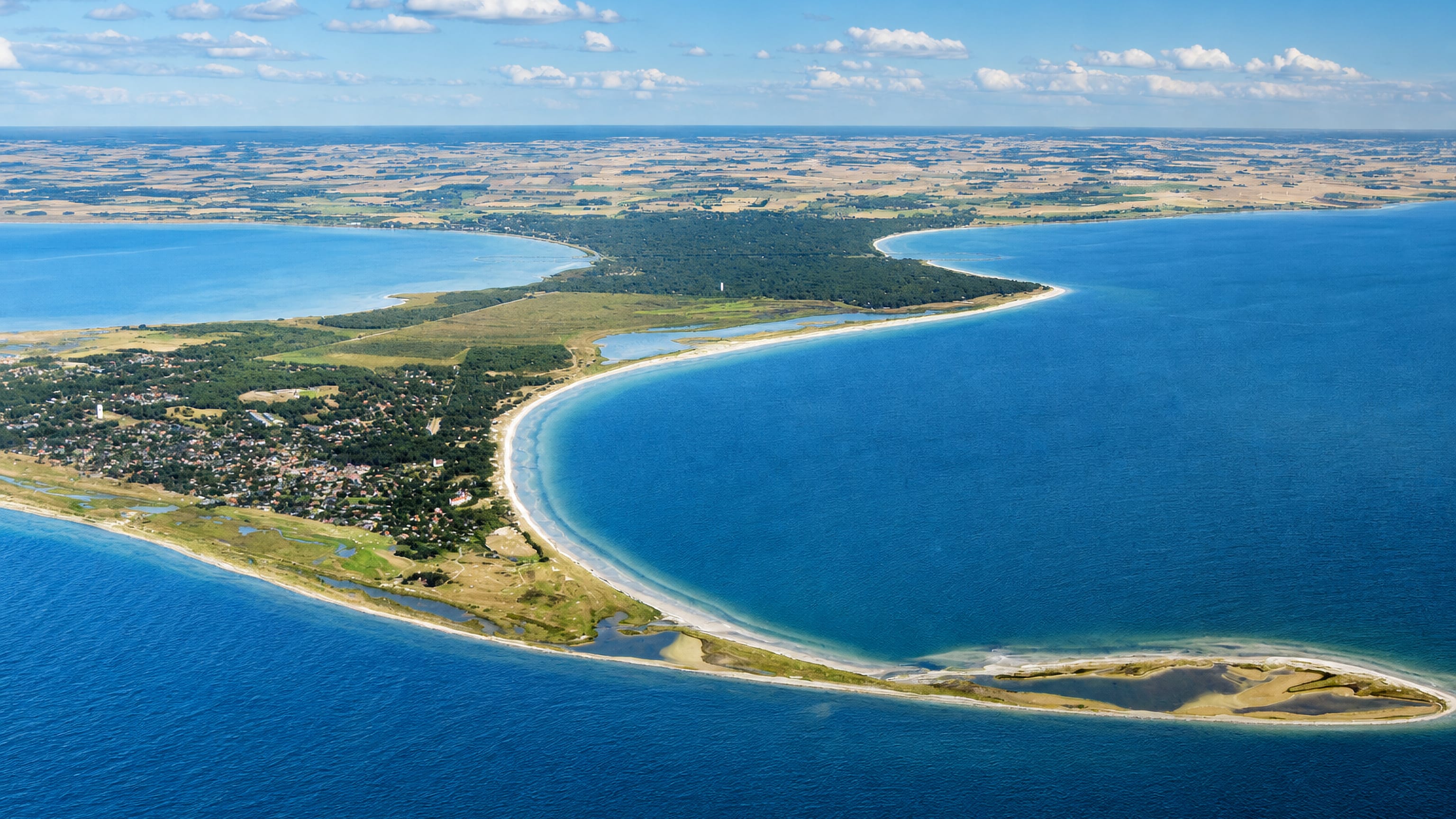
White sand runs to the lighthouse at Falsterbo, a seaside town on Sweden's southwestern tip known for its beaches and autumn bird migration.
Hotel links are affiliate links: booking through them may earn us a commission, at no extra cost to you. It never affects how places are ranked. How this works


Where to stay in Falsterbo
Where visitors usually base themselves, and why.
Falsterbo and Skanör have grown together at the end of the peninsula, and beds split between villas, small hotels, and guesthouses rather than resort blocks. Book summer far ahead. The weeks around midsummer fill with beach families, and the Horse Show in July takes every pillow within reach.
Falsterbo's own lanes suit you best if you want the lighthouse, the bird observatory, and the southern beach within a barefoot walk. Skanör gathers more life around its harbour. Fish smokehouses and a bathing jetty give the northern town the better evenings, with rooms above restaurants and along the old streets near Skanörs kyrka.
Ljunghusen and Höllviken, back along the neck of the peninsula, add holiday houses and the area's larger supermarkets among the pines. Outside high summer the peninsula empties. Autumn birders and winter walkers find quiet rooms easily, and many visitors simply day-trip from Malmö, half an hour away.
Find hotels in Falsterbo
Direct booking searches for these neighbourhoods.
Falsterbo lanes
villas a barefoot walk from the lighthouse garden and the southern strand. Few places to stay nearby — book ahead.Find hotels in Falsterbo lanesharbour eveningsSkanör harbour
rooms near the fish smokehouses, the jetty, and Skanörs kyrka. Few places to stay nearby — book ahead.Find hotels in Skanör harbourfamilies with carsLjunghusen and Höllviken
holiday houses among the pines at the neck of the peninsulaFind hotels in Ljunghusen and HöllvikenHotel links are affiliate links: booking through them may earn us a commission, at no extra cost to you. It never affects how places are ranked. How this works
Things to do in Falsterbo
Ranked by global recognition; descriptions from Wikidata (CC0).
Museums & Galleries
3- Falsterbo lighthouse Heritage lighthouse at Falsterbo, Vellinge Municipality
- Falsterbo museum local museum
- Andreas Lundbergagården working life museum in Vellinge Municipality
Churches & Religious Sites
3- Skanör Church Heritage church building in Vellinge Municipality
- Falsterbo Church Heritage
- Danska kyrkan Heritage
Castles & Historic Sites
1- Skanörs borg Heritage building in Vellinge Municipality
worth knowingacross 3 categories in Falsterbo
About Falsterbo
What is Falsterbo known for?
Falsterbo is known for the broad white beaches that rim the peninsula and for the migrating birds that funnel over its point every autumn. Birders count raptors here by the thousand. The observatory in the lighthouse garden has logged the passage since the nineteen fifties, golfers have played the dune links since the early nineteen hundreds, and the seal banks of Måkläppen stretch off the southern tip.
Each July the Falsterbo Horse Show fills the meadows between the twin towns.
What are the main landmarks in Falsterbo?
Falsterbo fyr has guided ships past the peninsula's sandbanks since 1796, an older light having burned on the point for centuries before, and its garden hosts the bird observatory. Falsterbo kyrka stands among the dunes nearby, a brick church of the herring-market age. Skanör answers with its own medieval church and the grass-grown castle mound of Skanörs borg above the harbour.
Two small museums fill the gaps. Falsterbo museum keeps the towns' fishing and bathing history, and the farmstead of Andreas Lundbergagården shows daily life as it once was.
What is the history of Falsterbo?
Falsterbo was once one of the busiest trade grounds in northern Europe. Through the thirteen and fourteen hundreds the herring markets of Skanör and Falsterbo drew merchants from Lübeck and the whole Hanseatic world, who salted fish on the beaches and answered to the Danish crown's castles. The towns held charters from around 1300.
When the herring shoals thinned and trade moved on, the peninsula sank into centuries of quiet fishing and grazing, and sand drifted through the lanes. Skåne passed from Denmark to Sweden in 1658. Bathing culture revived the towns in the early twentieth century, as Malmö families raised summer villas behind the dunes and a seaside resort grew where the fish sheds had stood.
Birds wrote the next chapter. The observatory founded at the lighthouse in 1955 made Falsterbo a fixed point of European ornithology, and the autumn migration draws watchers as the herring once drew merchants.
Where is Falsterbo?
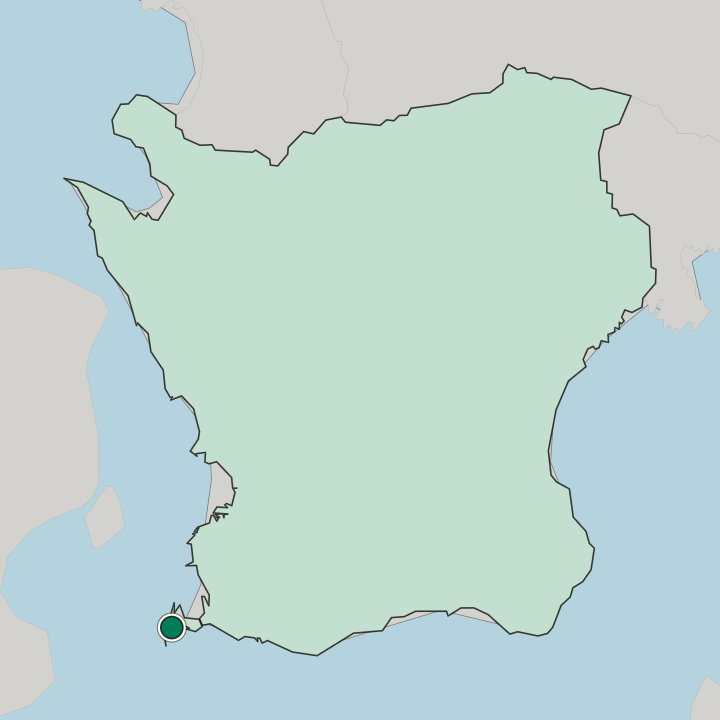
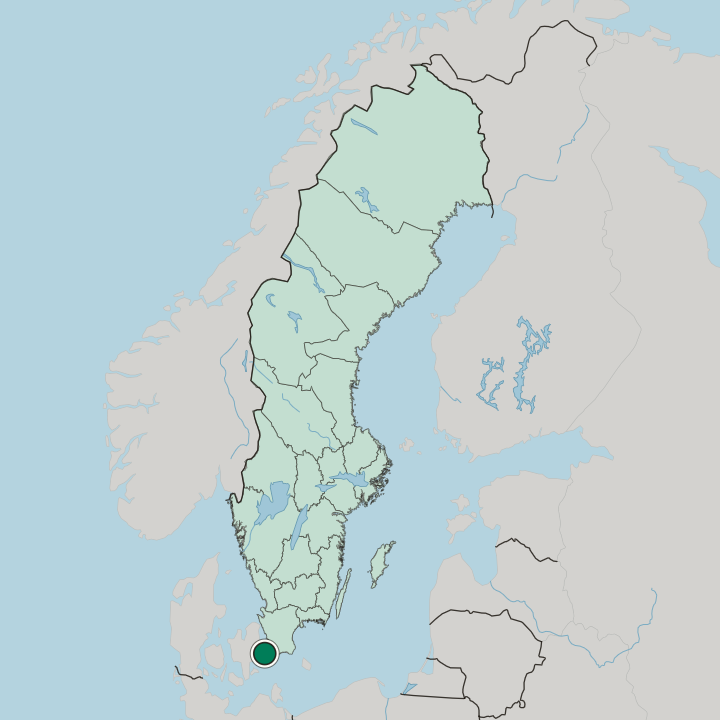
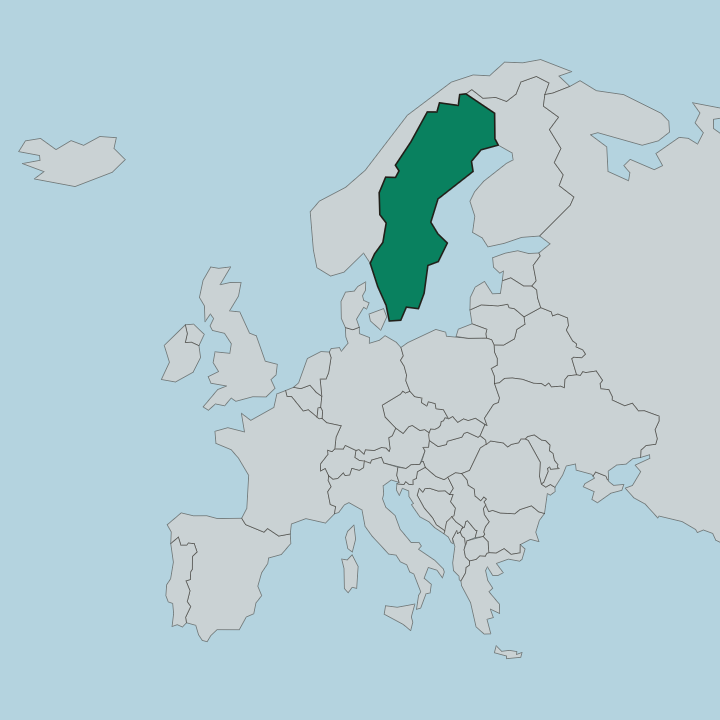
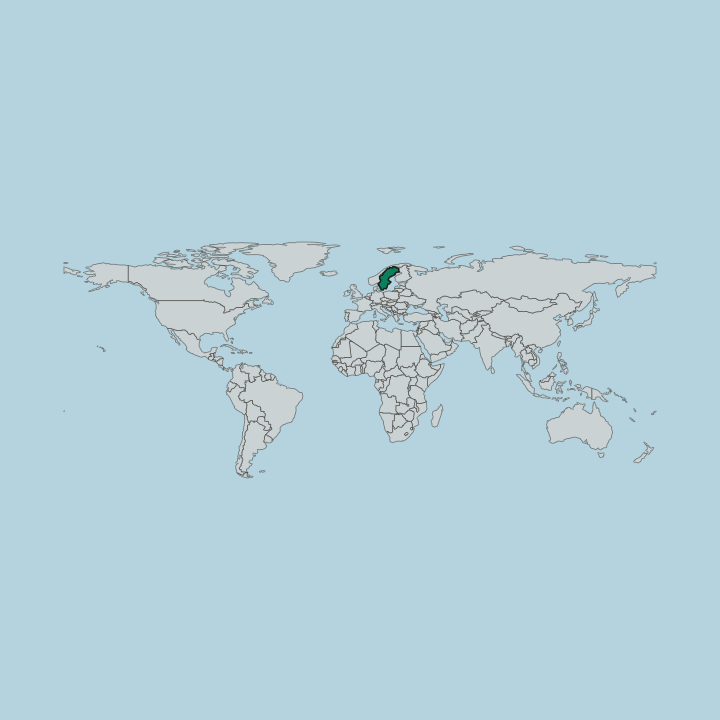
Falsterbo occupies the southwestern corner of Sweden, out at the tip of a low sandy peninsula in Skåne County. The Öresund lies to the west and the open Baltic to the south, with the protected sandbank of Måkläppen trailing off the point like a comma. Nothing here rises higher than a dune.
Heath, salt meadow, and planted pines cover the ground between the twin towns and Höllviken, and on clear days the Öresund bridge and the Danish coast show across the water.
What is the climate of Falsterbo?
Falsterbo enjoys one of the mildest and sunniest corners of Sweden. The surrounding seas soften every season, so spring arrives early on the peninsula, autumn lingers, and snow rarely settles long on the beaches. Falsterbo is never out of the wind.
Sea breezes that cool July bathers also carry the bird migration past the point, and autumn gales pile surf on the southern strand. Winters stay grey and damp rather than harsh, with open water on both sides of the towns.
How do you get to Falsterbo?
Falsterbo hangs at the end of one road. Route 100 runs out from Malmö past Höllviken and Ljunghusen to the twin towns, and regional buses cover the stretch in about forty minutes. Trains do not reach the peninsula.
Most visitors drive or ride the bus from Malmö, where the national rail network and the Öresund bridge connect onward, and Copenhagen Airport sits just across the strait. Cyclists love the flat approach. A marked seaside route rolls the whole way from the city to the dunes.
Common questions
What is the best area to stay in Falsterbo?
Falsterbo lanes: beach mornings and birding. Skanör harbour: harbour evenings. Ljunghusen and Höllviken: families with cars.
Good for
More cities in Skåne County
Updated October 2026