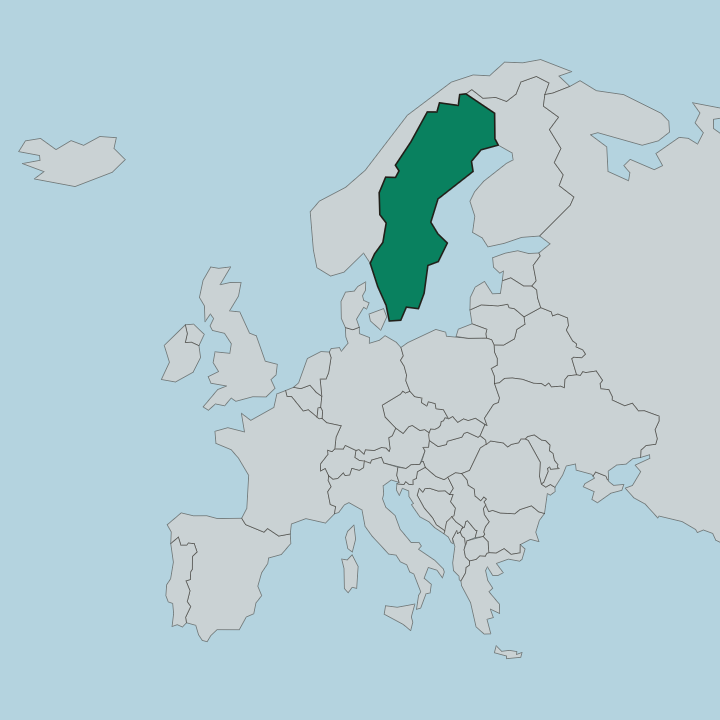
Sweden · Skåne County
Where to Stay in Hörby, Skåne County
Hörby is a small market town in south-eastern Skåne County, among the farms and woods of the province's central interior.
Hotel links are affiliate links: booking through them may earn us a commission, at no extra cost to you. It never affects how places are ranked. How this works


Where to stay in Hörby
Where visitors usually base themselves, and why.
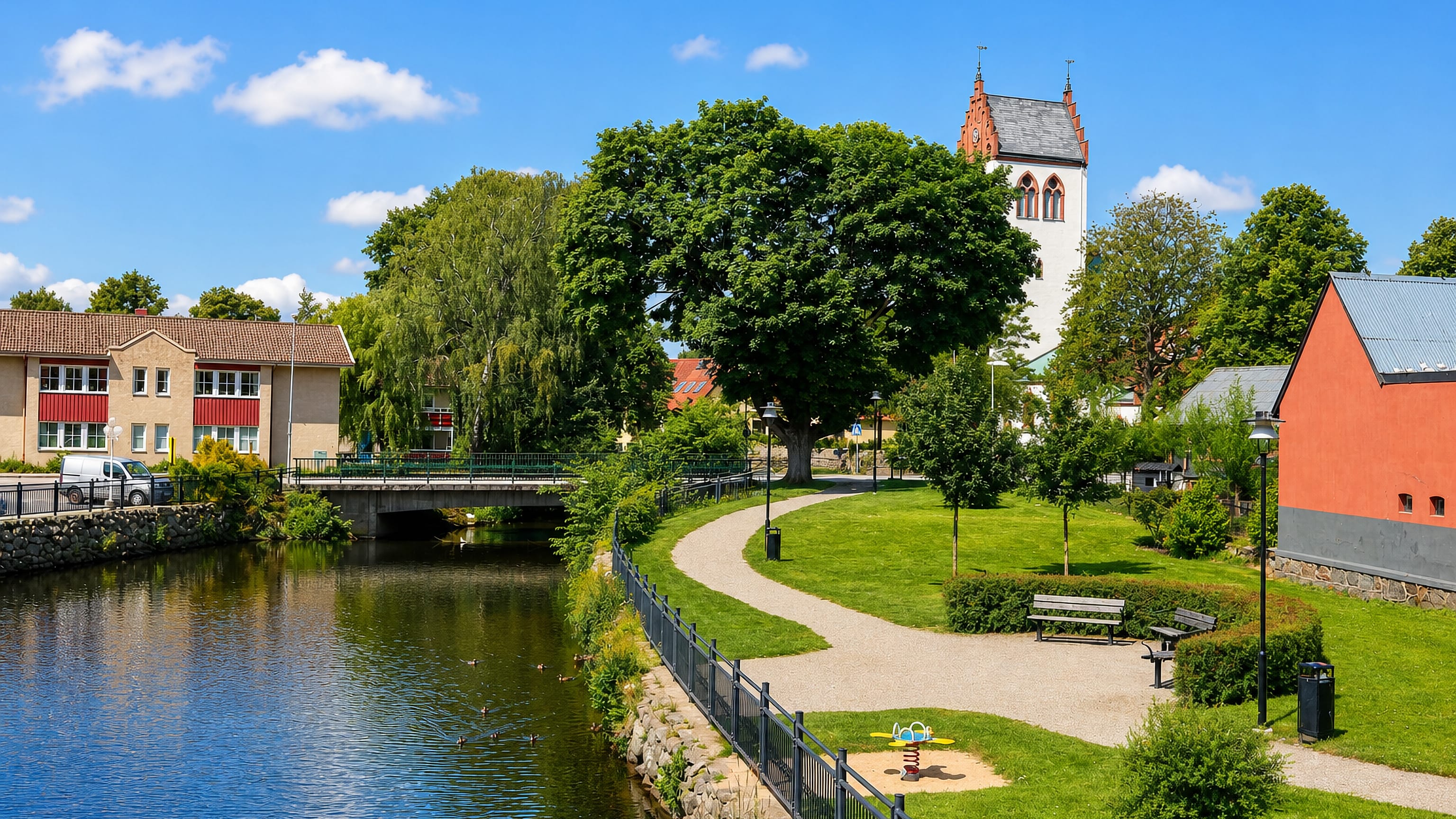
Most visitors stay in the small centre, where a hotel and a few guesthouses sit within an easy walk of the market square, the church, and the shops along the main street, putting the town's modest core close to hand. The centre keeps things simple. It suits a short stop.
The quieter residential streets just beyond hold rooms and smaller lodgings for those who prefer calm a few minutes from the square at the heart of the town. Out in the surrounding countryside, farm stays, cottages, and cabins spread across the fields and woods of central Skåne for visitors travelling by car who want green quiet and room to explore the lakes and trails of the district. Book your rooms ahead for summer.
Beds across the rural district fill through the warm weeks, when the farmland, forests, and small lakes around the town draw walkers, anglers, and families out from the cities for the season.
Find hotels in Hörby
Direct booking searches for these neighbourhoods.
Town centre
square, church and shops within a short walkFind hotels in Town centrequiet seekersResidential streets
rooms and small lodgings near Hörby kyrkaFind hotels in Residential streetsdriversSurrounding countryside
farm stays and cottages across the fields and woods. Few places to stay nearby — book ahead.Find hotels in Surrounding countrysideHotel links are affiliate links: booking through them may earn us a commission, at no extra cost to you. It never affects how places are ranked. How this works
About Hörby
Hörby is market-town Skåne.
What is Hörby known for?
It has long served as the trading centre for the rich farmland of the central province, its old market square and fairs drawing the countryside in to buy and sell, a role that still shapes the calm rhythm of the place. Hörby kyrka anchors the centre. The town is known above all as a quiet inland hub among fields and woods, a working country town rather than a tourist draw, where the surrounding farms and forests give it its steady, rural character.
What are the main landmarks in Hörby?
Hörby kyrka stands at the centre, a parish church whose roots reach back into the medieval life of the district. Lyby kyrka serves the surrounding country, an old village church among the farms beyond the town. The market square defines the place.
More than any single building, the open square and the old fair tradition give Hörby its character as a country trading town. Fields and woods press close on every side.
What is the history of Hörby?
Hörby grew as a market village. Long before it was a town it was a gathering place for the farms of central Skåne, a spot where roads met and country people came to trade, hold fairs, and worship at the parish church among the fields. The church came early.
Hörby kyrka served the district through the medieval centuries, when this part of Skåne lay under the Danish crown and the village was one of many small farming settlements scattered across the rolling interior. Skåne passed to Sweden in the seventeenth century, and Hörby went on much as before, a quiet market and church village serving the surrounding land. The fairs kept it busy.
It gained the formal status of a market town as the roads and trade of the district grew, and later still the trappings of a modern municipal centre. Through all these changes the town kept its rural soul, the farms and forests of central Skåne pressing close around a place that has always lived by the land that surrounds it.
Where is Hörby?
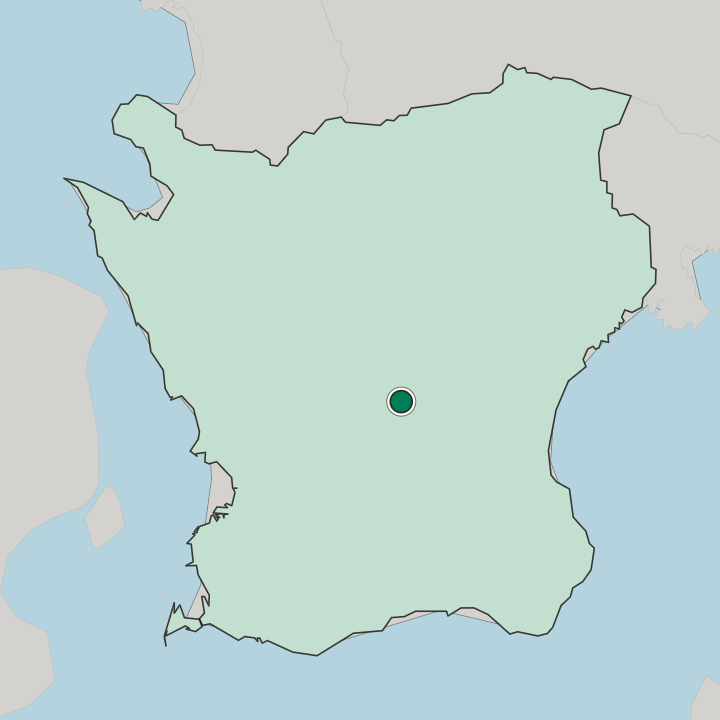
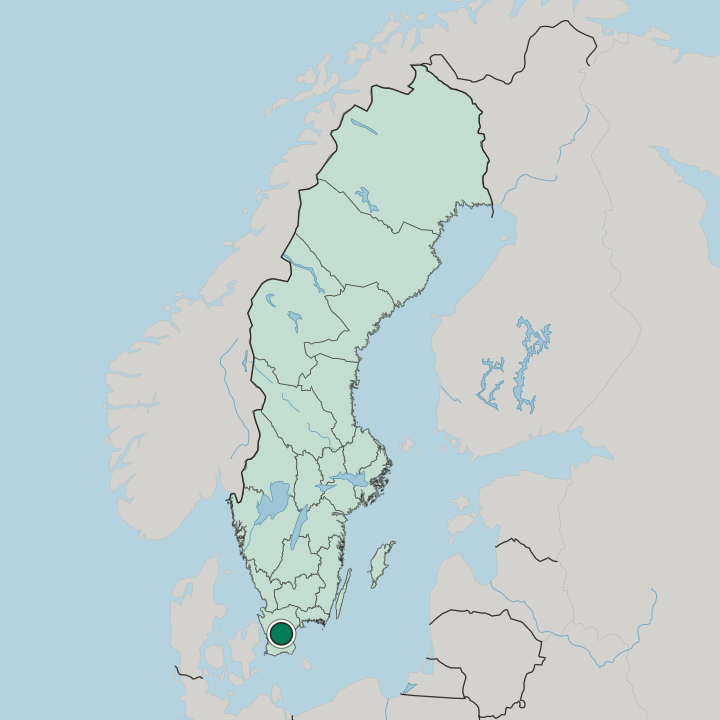
Hörby lies in the south-eastern part of Skåne County, on the gently rolling farmland of the province's central interior well back from both coasts. Fields spread in every direction. Woods, small lakes, and low ridges break the open country around the town, the land rising slowly toward the wooded heights of central Skåne to the north.
Farms, hedgerows, and quiet villages cover the district, a green agricultural landscape that has shaped the market town at its heart for centuries.
What is the climate of Hörby?
Hörby has a mild temperate climate, though its inland setting gives it a slightly sharper edge than the Skåne coast. Winters are cool and damp, with frost and the occasional spell of snow across the open farmland, the inland country holding the cold a little longer than the milder shores to the east and west. Summers turn warm and green across the farmland.
Long northern daylight stretches the evenings late through midsummer, the season that brings the fields, woods, and small lakes around the town to life. Rain spreads through every season here.
How do you get to Hörby?
Hörby sits inland in central Skåne, reached mainly by road since the town has no railway of its own. Buses link it nearby. Drivers come on the trunk roads that cross the province, connecting Hörby to Lund, Kristianstad, and the motorways within an easy drive in every direction.
The nearest stations lie at the surrounding towns, and the airports at Malmö and Copenhagen sit within reach to the south-west, so most visitors arrive by car along the country roads through the farmland.
Common questions
What is the best area to stay in Hörby?
Town centre: first-timers. Residential streets: quiet seekers. Surrounding countryside: drivers.
Good for
More cities in Skåne County
Updated September 2026