Sweden · Skåne County
Where to Stay in Kävlinge, Skåne County
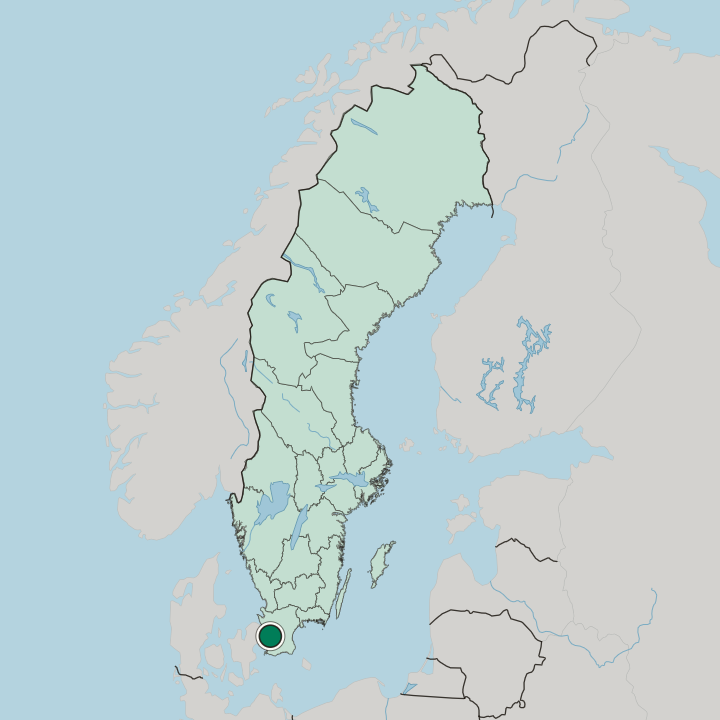
Kävlinge is a small town in the south-western part of Skåne County, set on the open farm plain of south-western Sweden.
Hotel links are affiliate links: booking through them may earn us a commission, at no extra cost to you. It never affects how places are ranked. How this works


Where to stay in Kävlinge
Where the beds are, and what that means for the visit.
Kävlinge keeps most of its rooms close to the centre, in the grid of streets around the station where shops, cafes, and the bus stops sit within an easy walk. It suits travellers who want a quiet, low-cost base with fast trains into Lund and Malmö rather than a tourist scene of their own. A handful of small hotels and guesthouses cover the demand.
The villages around the town offer the other option. Furulund, joined to Kävlinge along the river, and the older church hamlets out on the plain give a calmer, more rural feel for anyone travelling by car. Drivers tend to choose this fringe for the space and the easy parking.
Stay near the station for trains. Choose the villages for quiet.
Find hotels in Kävlinge
Direct booking searches for these neighbourhoods.
Station district
shops and platforms within a short walk. Rooms are few around here — worth securing early.Find hotels in Station districta riverside baseFurulund
quieter streets joined to the town along the Kävlingeån. Rooms are few around here — worth securing early.Find hotels in Furulunddrivers seeking calmPlain villages
rural church hamlets with easy parking. Lodging is scarce in this area; reserve in advance.Find hotels in Plain villagesHotel links are affiliate links: booking through them may earn us a commission, at no extra cost to you. It never affects how places are ranked. How this works
About Kävlinge
Kävlinge is known above all as a commuter town.
What is Kävlinge known for?
It grew up around the railway and the river that shares its name, and most people who live here work in the larger cities a short ride away. The town sits at the centre of a flat, fertile stretch of Skåne, ringed by old village churches such as Lackalänga kyrka and Stora Harrie kyrka. Frequent trains serve the line.
The Kävlingeån threads quietly through the surrounding fields, giving the otherwise modern town a softer, green seam at its edge.
What are the main landmarks in Kävlinge?
Gamla kyrkan i Kävlinge marks the older heart of the town, a small parish church carrying centuries of local worship on the Skåne plain. Around it the wider municipality holds a cluster of village churches whose whitewashed walls and squat towers punctuate the farmland for miles. Korsbackakyrkan serves the modern town.
Out among the fields stand Lackalänga kyrka, Stora Harrie kyrka, Södervidinge kyrka, and Västra Hoby kyrka, medieval foundations that together trace how thickly this fertile corner of Sweden was once settled by farming parishes.
What is the history of Kävlinge?
Kävlinge began as a farming parish. For long centuries it was no more than a church and a scatter of holdings on the rich plain of central Skåne, a corner of land that belonged to the Danish crown before the province passed to Sweden in the seventeenth century. Life here turned on the soil and the seasons, and the old churches that still ring the town date from those quiet agricultural ages.
The coming of the railway remade the place. When the line through Skåne reached the village in the nineteenth century, a station rose on the flat ground and a modern community grew around it, drawing workers, small industry, and trade to a spot that had been purely rural. The town spread outward from the tracks.
Furulund developed nearby as a works settlement, and the two grew together along the Kävlingeån. That railway origin still shapes the place, a town whose centre sits where the platforms do and whose growth has always followed the lines that carry its people to the cities of southern Sweden.
Where is Kävlinge?
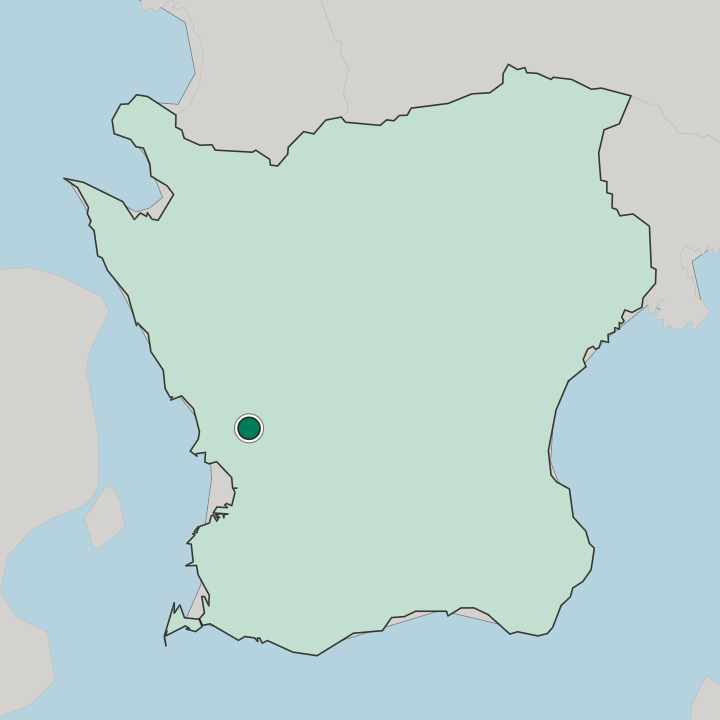
Kävlinge lies on the open farm plain in the south-western part of Skåne County, a short way inland from the Öresund coast. The land here is famously flat. Wide fields of barley and beet roll to the horizon on every side, broken only by farm clusters, church towers, and the wooded line of the Kävlingeån as it winds west toward the sea.
The river gives the town its name. Lund rises on its low ridge a little to the south-east, and Malmö lies to the south on the strait.
What is the climate of Kävlinge?
Kävlinge shares the mild maritime climate of south-western Skåne. The town lies on the low plain near the Öresund, and it sees gentle winters with little lasting snow and mild, fairly long summers warmed by the sea air off the strait. Showers come round in every season.
Spring arrives early here. The open fields green up well before the forests of inland Sweden, and the flat, exposed land catches the steady winds that sweep in from the coast through much of the colder season.
How do you get to Kävlinge?
Kävlinge is easy to reach by rail. The town sits on the line between Malmö and Helsingborg, with frequent trains stopping at the central station and quick links south to Lund and on across the region. By road it lies just off the main routes through western Skåne, an easy drive from the coast and the larger cities nearby.
Trains come often. Copenhagen Airport, reached over the Öresund bridge, is the closest international gateway for travellers flying in.
Common questions
What is the best area to stay in Kävlinge?
Station district: rail commuters. Furulund: a riverside base. Plain villages: drivers seeking calm.
Good for
More cities in Skåne County
Updated October 2026