Sweden · Skåne County
Where to Stay in Klippan, Skåne County
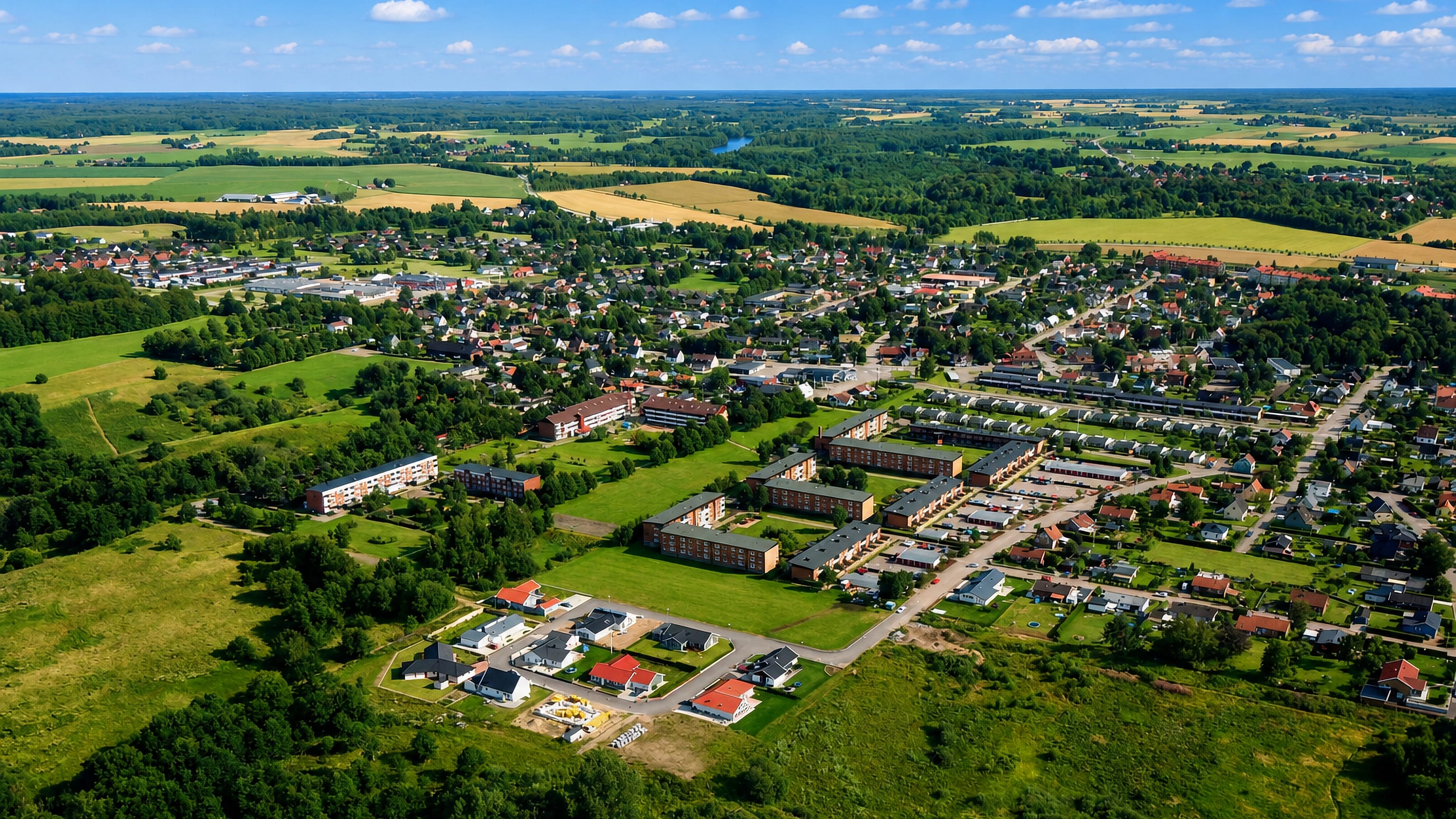
Klippan is a small mill town in north-western Skåne County, grown up along the Rönne river around one of Sweden's oldest paper works.
Hotel links are affiliate links: booking through them may earn us a commission, at no extra cost to you. It never affects how places are ranked. How this works


Where to stay in Klippan
Where the beds are, and what that means for the visit.
Most visitors stay in the centre near the station, where a hotel and a few guesthouses sit within an easy walk of the church, the shops, and the river, putting the town's modest core and its trains close to hand for anyone passing through. The centre keeps things simple. It suits a short stay.
The quieter residential streets just beyond hold rooms and smaller lodgings for those who prefer calm a few minutes from the heart of the town. Out in the surrounding countryside, farm stays, cottages, and cabins spread across the woods and farmland of north-western Skåne for visitors travelling by car who want green quiet and room to explore the Rönne valley and the trails of the district. Reserve early for the warm weeks.
Beds across the rural district fill through the warm weeks, when the river, woods, and walking country around the town draw anglers, cyclists, and families out from the cities for the season.
Find hotels in Klippan
Direct booking searches for these neighbourhoods.
Centre by the station
church, shops and river within a short walkFind hotels in Centre by the stationquiet seekersResidential streets
rooms and small lodgings near the coreFind hotels in Residential streetsdriversSurrounding countryside
farm stays and cottages across the woods and farmland. Few places to stay nearby — book ahead.Find hotels in Surrounding countrysideHotel links are affiliate links: booking through them may earn us a commission, at no extra cost to you. It never affects how places are ranked. How this works
Things to do in Klippan
Ranked by global recognition; descriptions from Wikidata (CC0).
Museums & Galleries
1- Föreningen Veteranjärnvägen
Churches & Religious Sites
4- Sankt Petri kyrka Heritage
- Gråmanstorp Church Heritage
- Västra Sönnarslöv Church Heritage
- Vedby Church Heritage
worth knowingacross 2 categories in Klippan
About Klippan
Paper made Klippan.
What is Klippan known for?
The town grew around Klippans bruk, one of the oldest paper mills in Sweden, whose works on the Rönne river gave the place its trade, its name in the industry, and much of its working life over the centuries. Sankt Petri kyrka anchors the centre. The mill and the river still mark the town, which serves as a quiet rail and road hub for the wooded farming country of north-western Skåne that spreads around it.
What are the main landmarks in Klippan?
Sankt Petri kyrka stands at the centre, the town's main church above the streets that grew with the mill. Klippans bruk gives the place its history, the old paper works on the Rönne river that built the town and whose buildings still trace its industrial past. Gråmanstorps kyrka serves the older parish nearby.
Vedby kyrka and Västra Sönnarslövs kyrka mark the outlying villages, medieval country churches among the farms beyond the town. The Rönne river threads past them all.
What is the history of Klippan?
Klippan was born of the river. The town grew from a paper mill founded on the Rönne river in the seventeenth century, Klippans bruk, which drew its power from the water and became one of the earliest and longest-lived paper works in the whole of Sweden. The mill came first.
Workers' housing, a harbour for the river trade, and the makings of a settlement followed as the works expanded along the banks through the centuries. The older parishes of Gråmanstorp and the country churches around had served this part of Skåne since the Middle Ages, when the province lay under the Danish crown. Rails came after the water.
When the line reached the district in the nineteenth century, the junction beside the mill drew trade and growth, and the modern town of Klippan took shape around the station and the works. It grew through the modern era into the municipal centre it is, yet the river and the old paper mill remain the heart of a town that the water and the works called into being.
Where is Klippan?
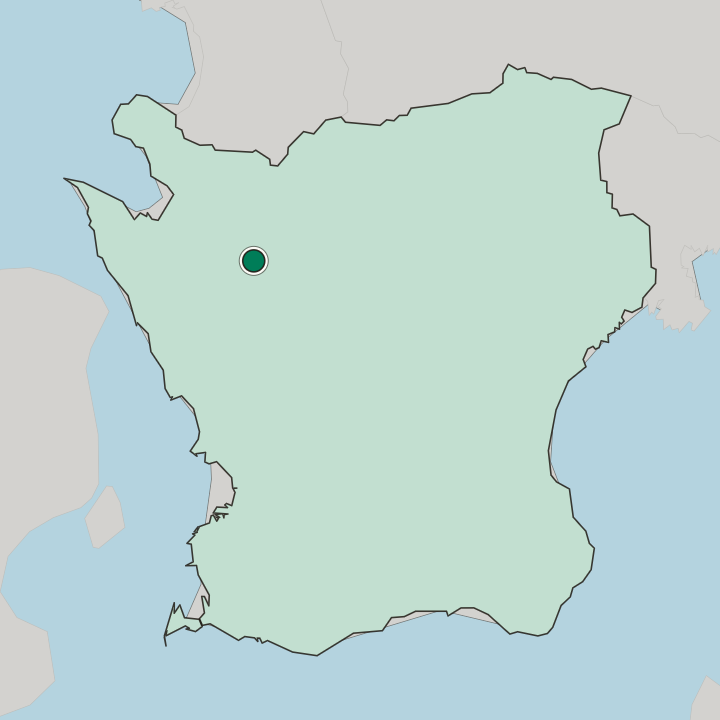
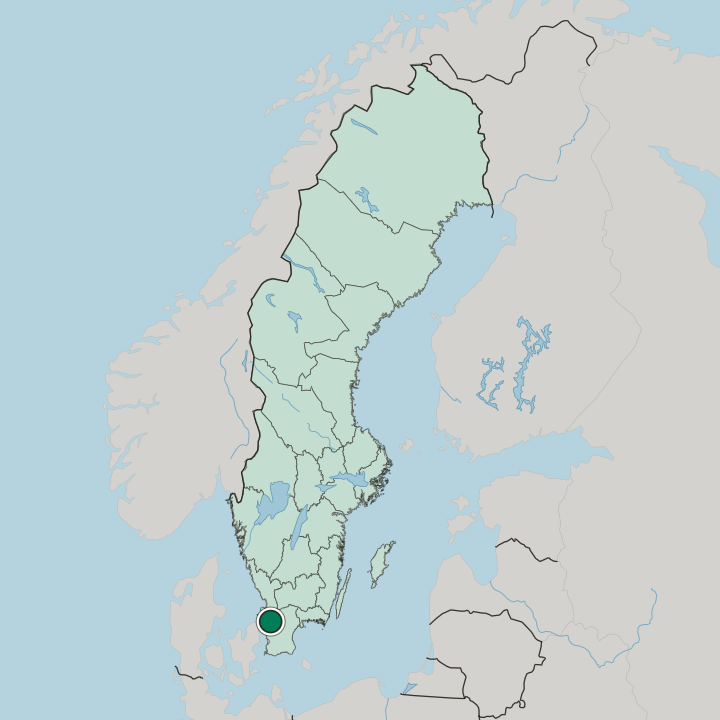
Klippan lies in the north-western part of Skåne County, on the Rönne river where it threads the wooded farming country between the plains of the south and the forested heights of the interior. The river runs through the town. Farmland, woods, and low ridges spread around it, the land rising gently toward the wooded uplands and the Söderåsen ridge to the south.
Fields, forests, and the valley of the Rönne cover the district, a green and varied landscape that has shaped the mill town at its heart since its founding.
What is the climate of Klippan?
Klippan has a mild temperate climate, its weather softened by the nearby sea yet given a slightly sharper inland edge by the wooded country around. Winters are cool and damp, with frost and the occasional spell of snow over the river valley and the ridges, the higher inland ground to the south holding the cold a little longer than the coast. The Rönne valley turns green.
Long northern daylight stretches the evenings late through midsummer, the season that fills the river, woods, and trails around the town with visitors. Showers reach the Rönne valley in every month.
How do you get to Klippan?
Klippan sits on the railway in north-western Skåne, with trains on the line between Helsingborg and the interior calling at the town station. The line runs from Helsingborg inland. Drivers come on the trunk roads that cross the province, linking Klippan to Helsingborg, Hässleholm, and the motorways within an easy drive in every direction.
The airports at Malmö and Copenhagen lie within reach to the south-west, so most visitors arrive by train or car, the route in passing through the river valley and the wooded farming country around the town.
Common questions
What is the best area to stay in Klippan?
Centre by the station: first-timers. Residential streets: quiet seekers. Surrounding countryside: drivers.
Good for
More cities in Skåne County
Updated October 2026