Sweden · Skåne County
Where to Stay in Perstorp, Skåne County
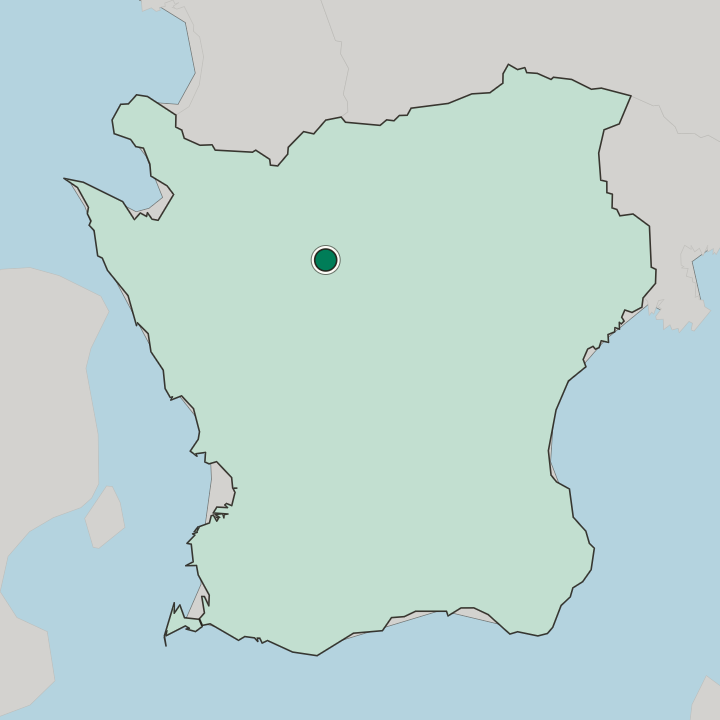
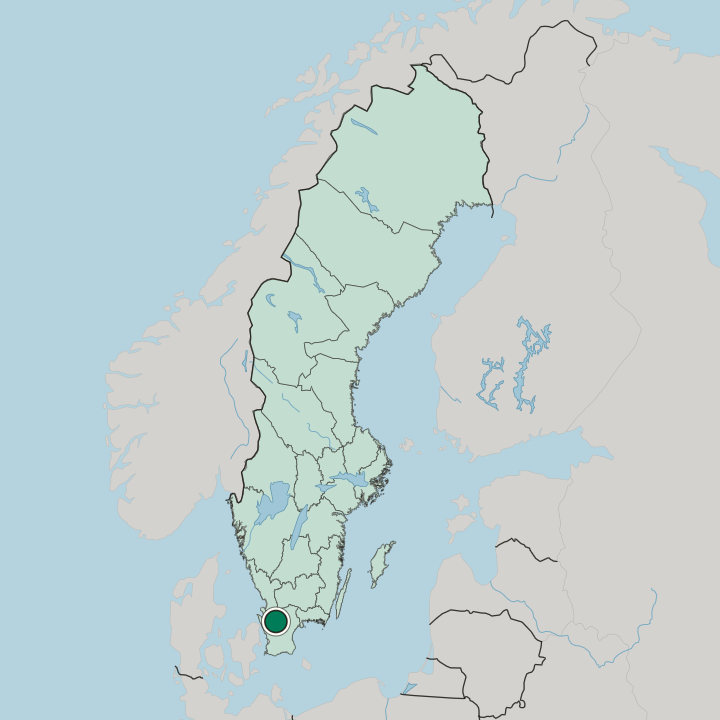
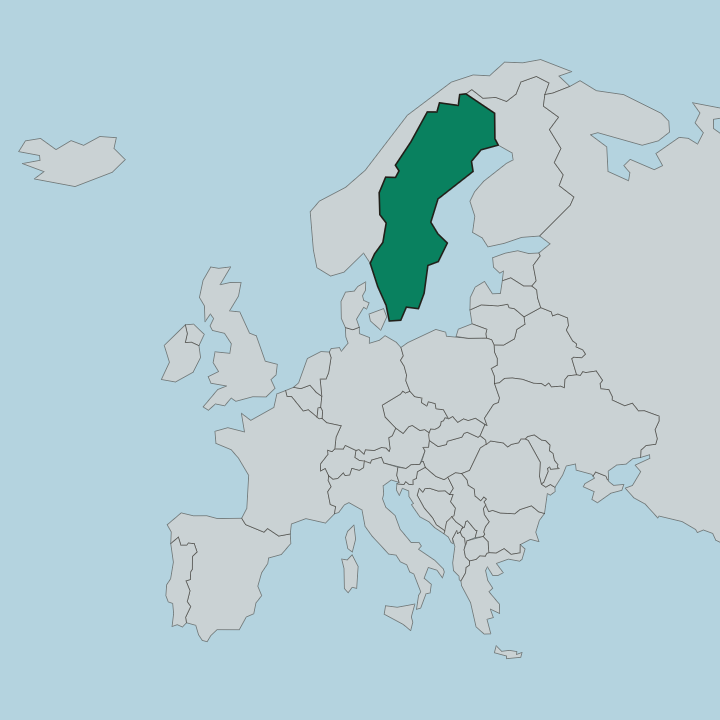
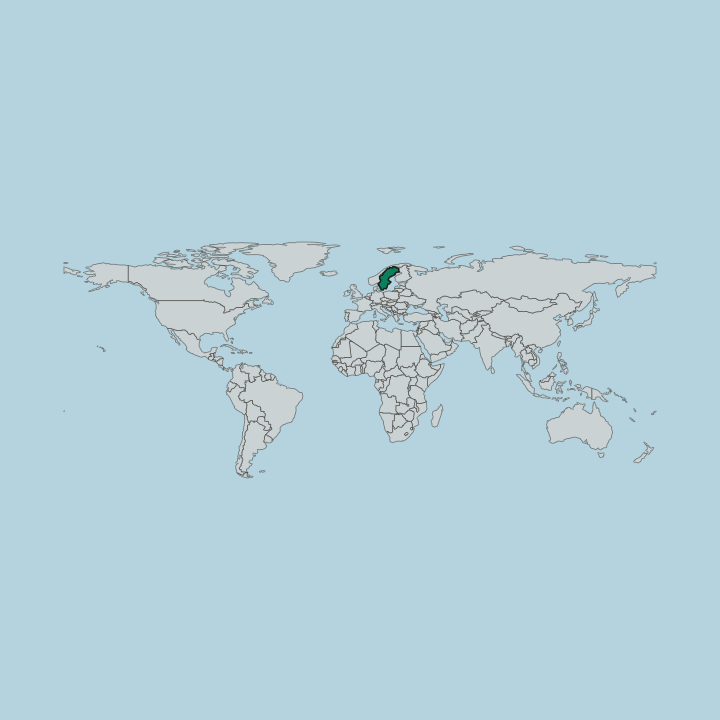
Perstorp is a small town in the northern part of Skåne County, in south-western Sweden.
Hotel links are affiliate links: booking through them may earn us a commission, at no extra cost to you. It never affects how places are ranked. How this works


Where to stay in Perstorp
How the choice of base plays out on the ground.
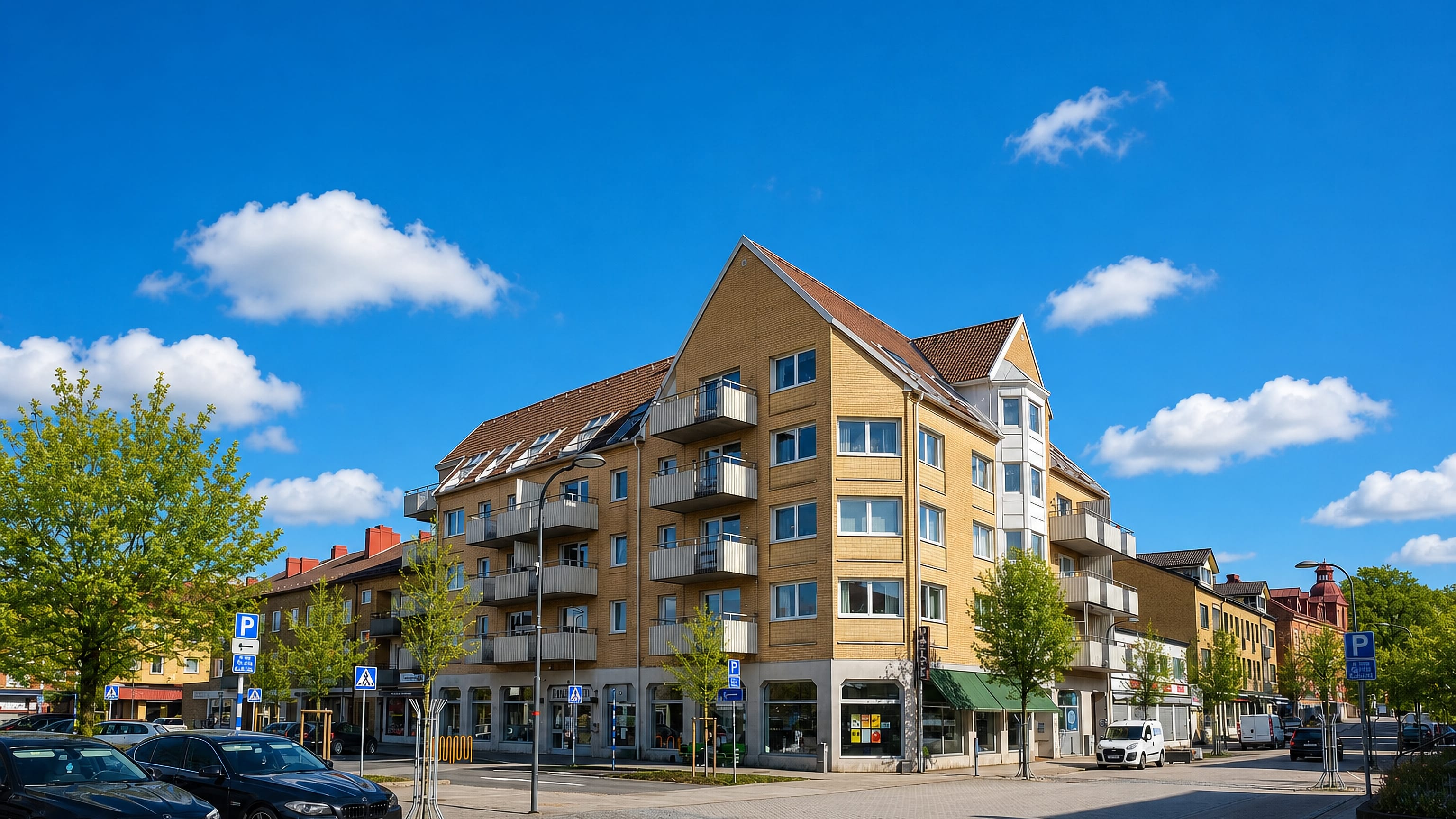
Most visitors stay in the town centre, the compact grid of streets around the church and the railway station that keeps shops, the bus stops, and everyday services within an easy walk. It suits travellers arriving by rail. Lodging here runs to a handful of small hotels and guesthouses, enough for a business trip or a quiet overnight stop between larger Skåne towns.
The quieter residential edges and the surrounding countryside form the other choice, where rooms and rural stays sit among the woods and small lakes that ring the town. This setting works well for anyone wanting forest walks, calm nights, and a base for exploring northern Skåne by car. Drivers favour it for the open road.
Beyond the town, the wider municipality offers cabins and campsites near the lakes, practical for families and longer summer stays, with quick access to the routes south toward Hässleholm and Helsingborg. Base yourself in the grid by the station first. The countryside rewards a longer stay.
Find hotels in Perstorp
Direct booking searches for these neighbourhoods.
Town centre
a short walk to church, shops and the platform. Beds are limited here, so book early.Find hotels in Town centrecalm and quiet staysResidential edges and woods
rooms among the forest and small lakes around town. Beds are limited here, so book early.Find hotels in Residential edges and woodsfamilies with a car toward SmålandWider municipality
cabins and campsites near the lakes with easy road access. Rooms are few around here — worth securing early.Find hotels in Wider municipalityHotel links are affiliate links: booking through them may earn us a commission, at no extra cost to you. It never affects how places are ranked. How this works
About Perstorp
Chemistry made the name.
What is Perstorp known for?
Perstorp is known above all for the specialty chemicals industry that grew up here, the firm that gave the world an early laminate and later lent the town its industrial identity across the forests of northern Skåne. Perstorps kyrka anchors the centre. The plant still shapes daily life, drawing workers and giving the town a weight in the regional economy far beyond what its modest size on the map would suggest.
Forest surrounds it on every side.
What are the main landmarks in Perstorp?
Perstorps kyrka is the town's clearest landmark, a parish church standing near the centre and serving the community around it. The industrial works form the other defining sight, their buildings and chimneys marking the skyline and telling the story of how a forest village turned into a chemicals town. Woods press in close.
Beyond the built-up core lie the small lakes and the pine forest of northern Skåne, where marked trails and quiet shores draw walkers out of the centre and into the surrounding country.
What is the history of Perstorp?
Perstorp began as forest country. For long centuries the land in northern Skåne held only scattered farms and woodland, where people lived by their fields and the timber of the surrounding pine forest, and the parish church gathered the settlements of the district. The line through the province transformed it.
A station on the line through the province pulled trade and people toward the spot. Industry then remade the place. A chemicals firm founded here turned local resources and rail access into a manufacturing base, producing laminates and other materials that carried the town's name into wider markets, and the works grew into the heart of the local economy.
The town expanded around the plant, drawing workers from the countryside and the wider region into new streets and housing near the line. The place now keeps that twin character, an old forest parish overlaid by a modern industrial town, and the balance between woodland calm and working factory still defines how Perstorp lives.
Where is Perstorp?
Perstorp lies in the northern part of Skåne County, in south-western Sweden. The town sits on the gently rolling upland of inland Skåne, where pine forest and small lakes break up the farmland and the ground rises away from the open plains to the south. Woods surround the town.
This is the wooded interior of the province rather than its famous coast, a quieter landscape of timber, water, and scattered farms that stretches north toward the border with Småland.
What is the climate of Perstorp?
Perstorp has a mild but changeable climate. Winters stay cool and grey, with frost, some snow, and short days settling over the forest and the lakes, though the cold rarely bites as hard as it does farther north. The Skåne forest greens early in summer.
The long light then brings walkers and swimmers out to the woods and the lakeshores around the town before the season turns. Rain falls across the year, keeping the inland forest lush.
How do you get to Perstorp?
Perstorp is easy to reach by rail. Trains stop in the town on the line through inland Skåne, with the station near the centre, and roads link it south toward Hässleholm and on to Helsingborg and the coast. Buses serve the villages nearby.
The nearest large airports lie at Copenhagen and Malmö within driving range to the south-west. Drivers from Malmö head north through the province and into the wooded interior to reach the town.
Common questions
What is the best area to stay in Perstorp?
Town centre: newcomers arriving by rail. Residential edges and woods: calm and quiet stays. Wider municipality: families with a car toward Småland.
Good for
More cities in Skåne County
Updated September 2026