Sweden · Skåne County
Where to Stay in Simrishamn, Skåne County
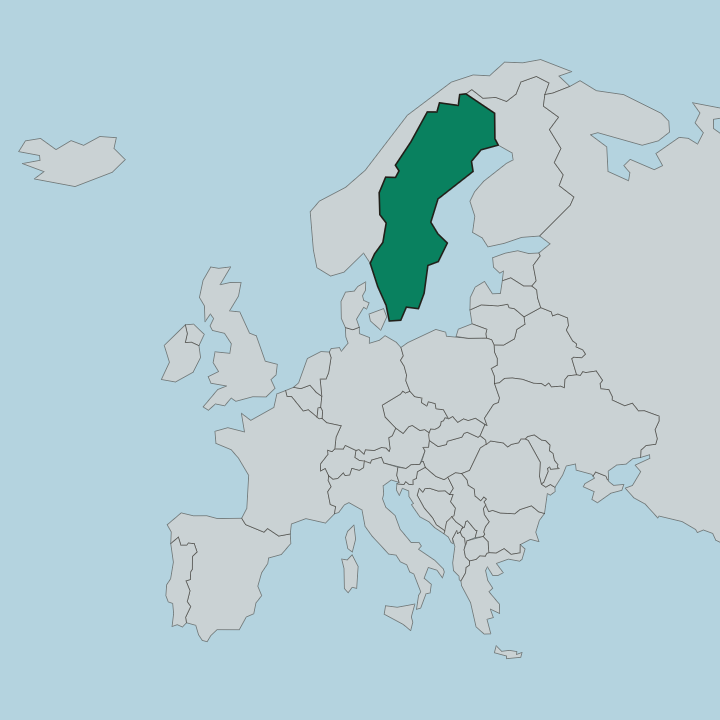
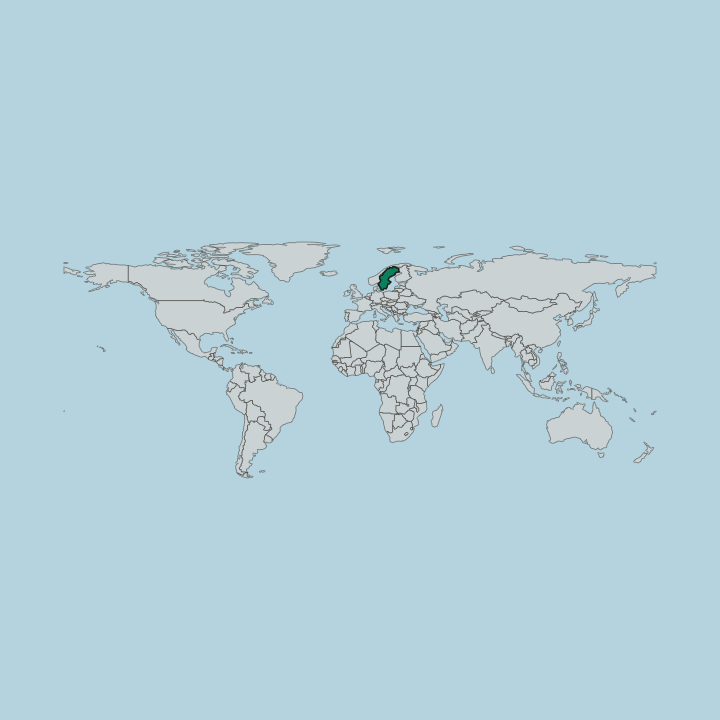
Simrishamn is a coastal town on the Baltic shore in the south-eastern part of Skåne County, in southern Sweden.
Hotel links are affiliate links: booking through them may earn us a commission, at no extra cost to you. It never affects how places are ranked. How this works


Where to stay in Simrishamn
Where visitors usually base themselves, and why.
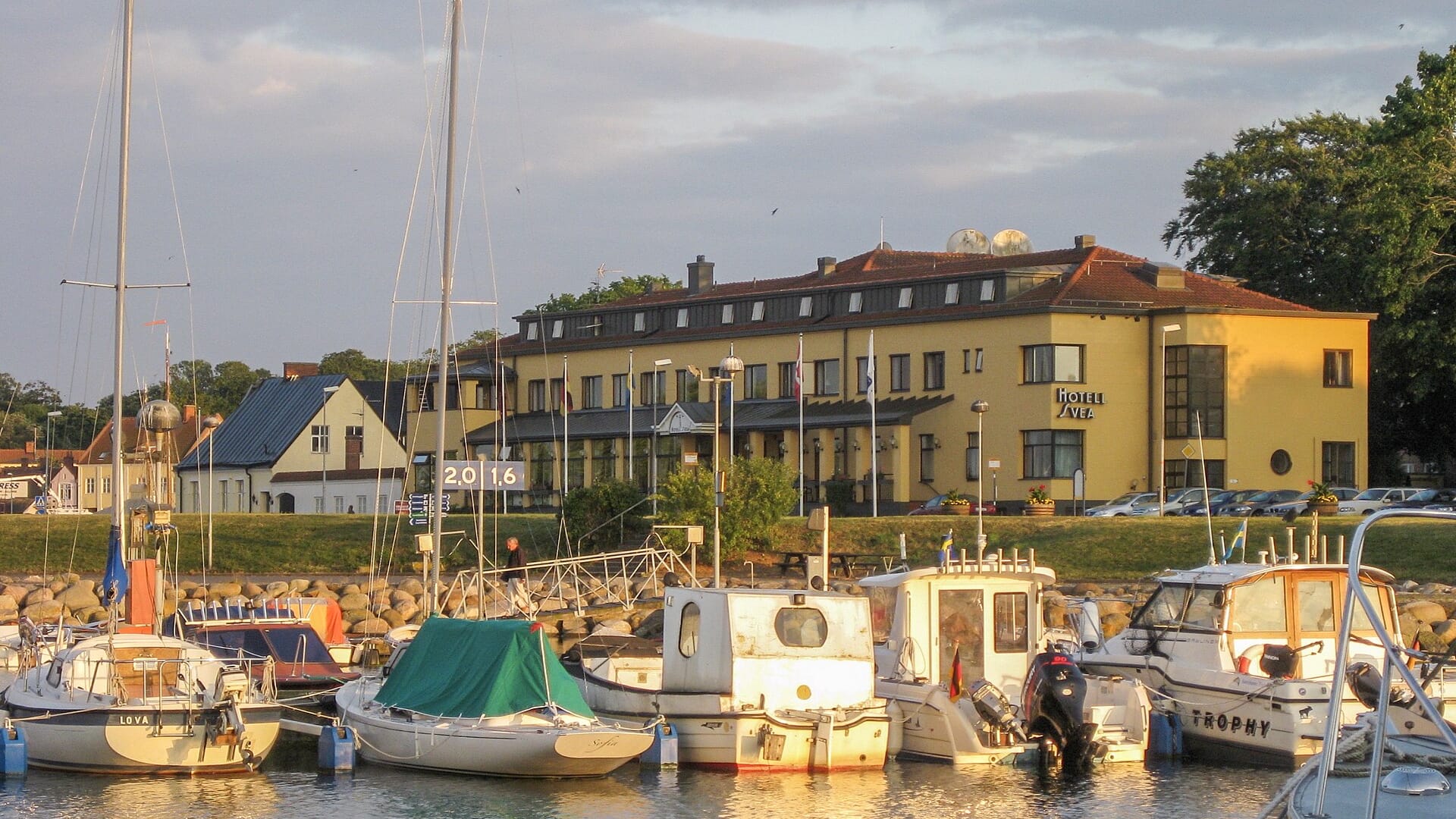
Most visitors stay in the old town and harbour, the compact heart where cobbled lanes and low half-timbered houses run down toward the quay and Sankt Nicolai kyrka. It suits first-timers on foot. Lodging here covers small hotels, guesthouses, and rooms above the shops, putting cafes, the museum, and the working port within an easy stroll of the door.
The coast north and south of the town is the other clear choice, where lodging looks out over the Baltic near the long beaches and fishing villages that string along the Österlen shore. This setting works well for anyone after sand, sea swims, and quiet evenings by the water, a calm base for cycling the flat coastal roads between orchards and dunes. Cyclists love it in summer.
Inland, the farms and manor estates of Österlen offer rural stays and bed-and-breakfasts among the apple groves and fields, good for drivers and longer visits, with easy access back to the town and the coast. Start in the old town. The coast rewards a longer trip.
Find hotels in Simrishamn
Direct booking searches for these neighbourhoods.
Old town and harbour
cobbled lanes, the church and the port within a short walkFind hotels in Old town and harboursea and sandCoast and beaches
lodging by the Baltic near the long Österlen beachesFind hotels in Coast and beachesdrivers and rural calmÖsterlen countryside
farm and manor stays among the orchards and fieldsFind hotels in Österlen countrysideHotel links are affiliate links: booking through them may earn us a commission, at no extra cost to you. It never affects how places are ranked. How this works
Things to do in Simrishamn
Ranked by global recognition; descriptions from Wikidata (CC0).
Museums & Galleries
3- Autoseum working life museum
- Österlens museum
- Simrishamn Tannery Museum
Churches & Religious Sites
3- Sankt Nicolai kyrka Heritage
- Simris Church Heritage
- Sankt Clemens kapell
Castles & Historic Sites
1- Gladsaxehus Heritage
worth knowingacross 3 categories in Simrishamn
About Simrishamn
The harbour sets the tone.
What is Simrishamn known for?
Simrishamn is known as the main town of Österlen, the gentle south-eastern corner of Skåne famous for its painters, apple orchards, fishing harbours, and long sandy coast, and the place draws summer crowds to its old streets and quay. Sankt Nicolai kyrka rises over the centre. Half-timbered houses, the Österlens museum, and the working fishing port give the town its character, while the surrounding countryside has long pulled artists toward its light.
The Baltic shore stays close at hand.
What are the main landmarks in Simrishamn?
Sankt Nicolai kyrka is the town's tallest landmark, a medieval stone church whose spire marks the centre above the harbour. Nearby stand the older Sankt Clemens kapell and, out in the parishes around the town, Simris kyrka, each tying the district to its long Christian past. The museums tell the rest. Österlens museum gathers the story of the coast and its people, the Garverimuseet preserves an old tannery, and the Autoseum displays vintage cars, while out in the countryside the medieval Gladsax hus marks a vanished stronghold.
The fishing harbour completes the picture.
What is the history of Simrishamn?
Simrishamn rose out of its harbour. A fishing settlement gathered on this sheltered stretch of the Baltic shore in the Middle Ages, where boats could land and trade their catch, and a church rose to serve the harbour folk while the herring runs drew merchants from across the region. The town was long Danish.
For centuries Skåne lay under the Danish crown, and Simrishamn shared the fortunes of that border province. The stronghold of Gladsax hus once guarded the district, a medieval seat whose ruins still mark the countryside inland. After Skåne passed to Sweden in the seventeenth century, the town settled into a quieter life of fishing and small trade, its half-timbered houses and narrow lanes preserved as the centuries passed.
In the modern era Österlen's light and coast drew painters and summer visitors, and tourism joined fishing as a mainstay of the local economy. The town now lives by its harbour, its old streets, and the steady season of travellers who come for the sea and the surrounding land.
Where is Simrishamn?
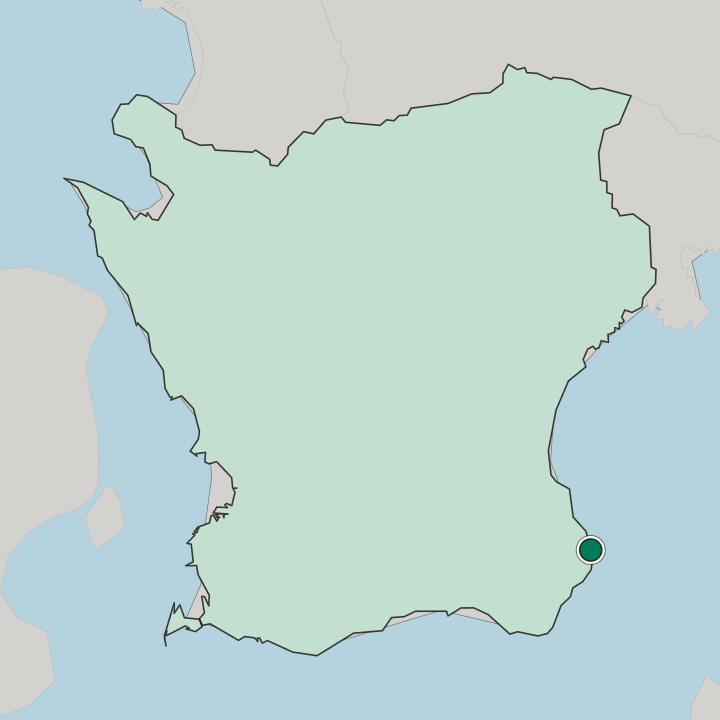
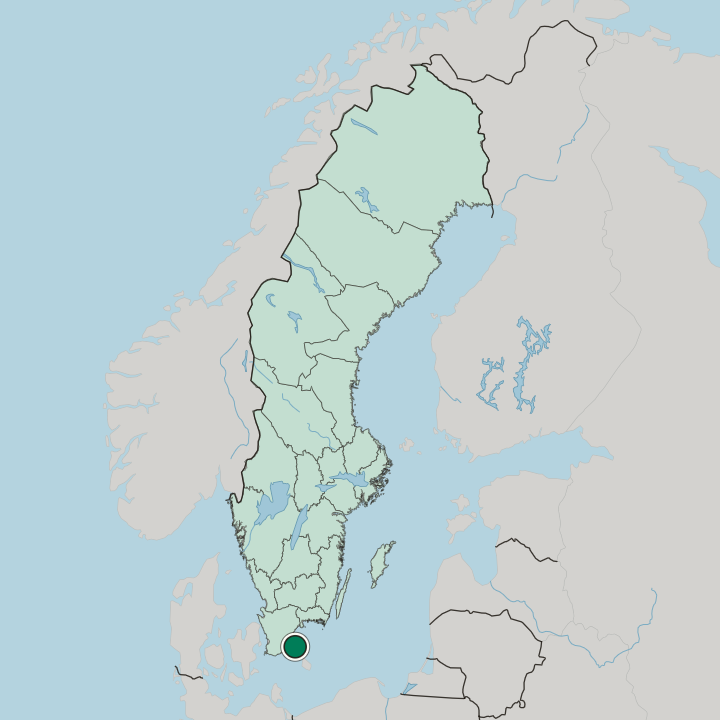
Simrishamn lies in the south-eastern part of Skåne County, in southern Sweden. The town sits on the Baltic coast where the land of Österlen meets the sea, with low cliffs, sandy beaches, and a working harbour along the shore and gentle farmland rising inland. The sea lies to the east.
This is the easternmost edge of Skåne, a soft landscape of fields, orchards, and coast that catches the morning light off the Baltic and stretches south toward Sandhammaren and north toward the Stenshuvud headland.
What is the climate of Simrishamn?
Simrishamn enjoys a gentle climate off the sea. The Baltic tempers the seasons, so winters stay cool and grey rather than harsh, with little lasting snow and frequent wind off the water across the open shore. The summer turns warm and brilliant. Österlen counts among the sunniest corners of the country, and the long light then fills the beaches and orchards with visitors before the season turns.
Spring comes early here, drawing the apple blossom out across the fields.
How do you get to Simrishamn?
Simrishamn is reachable by rail and road. Trains run to the town on the Österlen line from Ystad and Malmö, with the station near the harbour, and roads follow the coast north and south through the surrounding countryside. Buses serve the villages nearby.
The nearest large airports lie at Malmö and Copenhagen within driving range to the west. Drivers from Malmö head south-east across Skåne and out to the coast to reach the town.
Common questions
What is the best area to stay in Simrishamn?
Old town and harbour: first-timers on foot. Coast and beaches: sea and sand. Österlen countryside: drivers and rural calm.
Good for
More cities in Skåne County
Updated October 2026