Sweden · Västerbotten County
Where to Stay in Bjurholm, Västerbotten County
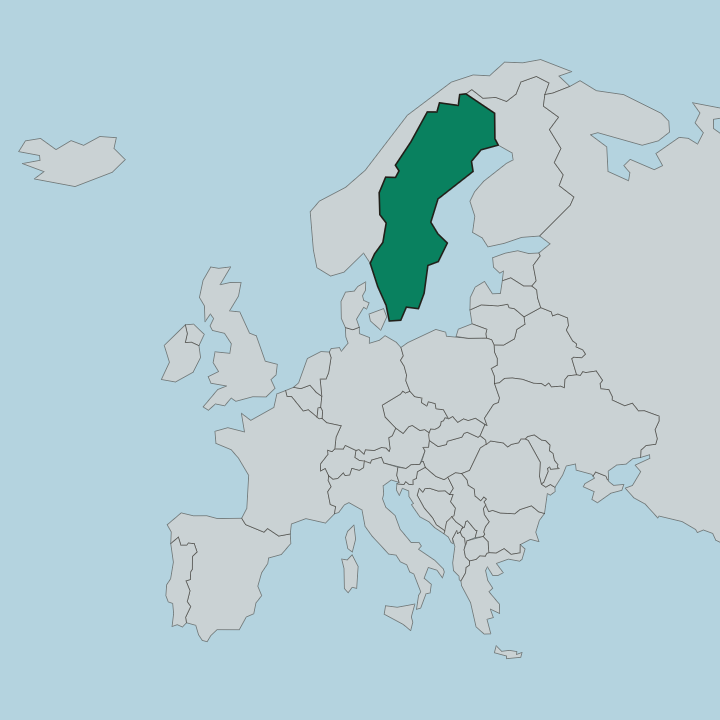
Bjurholm is a small town in south-eastern Västerbotten County, the seat of one of Sweden's least populous municipalities.
Hotel links are affiliate links: booking through them may earn us a commission, at no extra cost to you. It never affects how places are ranked. How this works


Where to stay in Bjurholm
Where the beds are, and what that means for the visit.
Most visitors stay in or near the village centre, where a small guesthouse and cabins sit within an easy reach of Bjurholms kyrka, the shops, and the Öre River that runs through the heart of the parish in inland Västerbotten. The centre suits travellers who want services close at hand and a short step to the river. Lodging in the small parish is limited.
Around the river and the surrounding forest, cabins, campsites, and holiday cottages open through the warm months near the fishing waters and the quiet roads, drawing anglers, families, and those after the calm of the inland north. Älgens Hus lies just outside the village and offers its own draw. Reserve early in Bjurholm. The handful of beds, the short summer season, and the pull of the moose farm together strain what little lodging the small municipality holds.
Find hotels in Bjurholm
Direct booking searches for these neighbourhoods.
Village centre
a guesthouse and cabins near the church and the river. Few places to stay nearby — book ahead.Find hotels in Village centreanglers and quiet-seekersRiver and forest
cabins and campsites by the Öre River and fishing waters. Lodging is scarce in this area; reserve in advance.Find hotels in River and forestfamilies visiting the moose farmNear Älgens Hus
cottages within reach of the elk farm outside the village. Few places to stay nearby — book ahead.Find hotels in Near Älgens HusHotel links are affiliate links: booking through them may earn us a commission, at no extra cost to you. It never affects how places are ranked. How this works
About Bjurholm
Bjurholm is tiny.
What is Bjurholm known for?
It ranks among the smallest municipal seats in all of Sweden, a quiet village on the Öre River in the forest country of inland Västerbotten, and most travellers know it for Älgens Hus, the moose farm where visitors meet tame elk and learn about the great animals of the north. Bjurholms kyrka watches over the centre. The surrounding parish draws those after forest calm, river fishing, and a slow corner of the inland north far from the coast and the larger towns.
What are the main landmarks in Bjurholm?
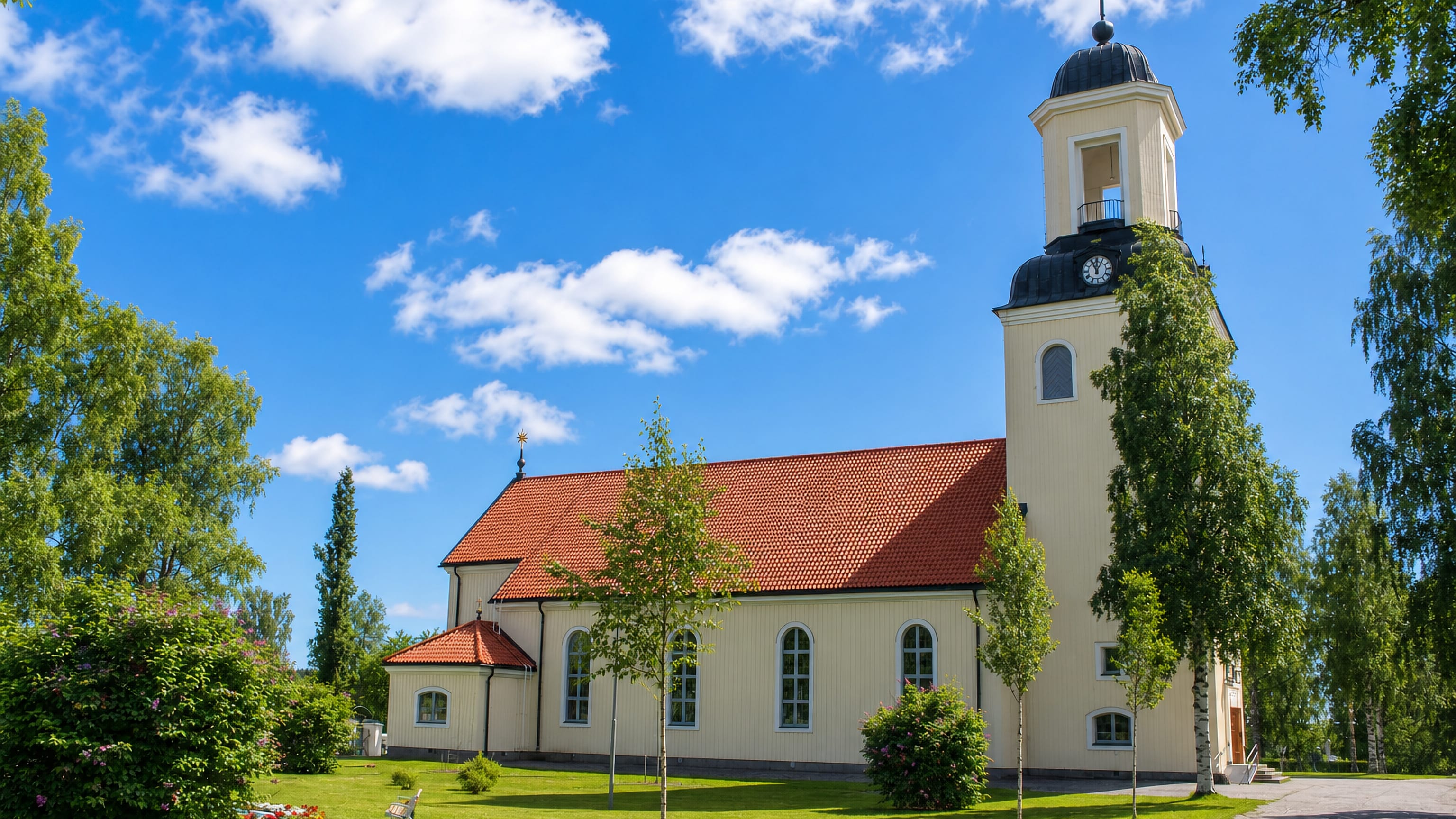
Bjurholms kyrka stands at the centre of the village, the parish church that gives the small community its landmark. Älgens Hus draws the most visitors. The moose farm sits just outside the village, where tame elk and an exhibition tell the story of the great animals of the northern forest. Markuskapellet, the Öre River with its banks and fishing pools, and the forest roads of the surrounding parish round out a landscape shaped by water and woodland.
The Öre River threads the whole parish together.
What is the history of Bjurholm?
The river drew the first settlers. Farms gathered along the Öre River in the forest country of inland Västerbotten, where fishing, hunting, and small-scale farming long sustained a thin and scattered people far from the coast and the larger towns of the north. Bjurholms kyrka rose as the gathering point for that rural parish.
The forest and the river shaped everything. A village formed around the church and the crossing. Bjurholm became the seat of its surrounding municipality as the modern age brought roads, schools, and services to the inland parishes, though it remained among the very smallest such centres in the whole country.
Timber carried the local economy. Through the twentieth century the village held its place as the market and administrative heart of a wide, sparsely settled district, and in later years the moose farm at Älgens Hus gave the small community a draw that brought visitors to its quiet corner of the inland north.
Where is Bjurholm?
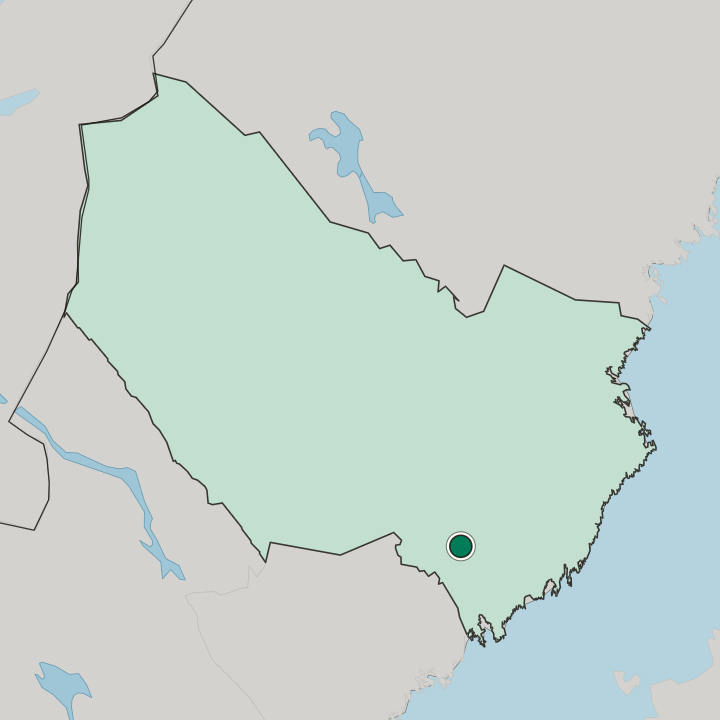
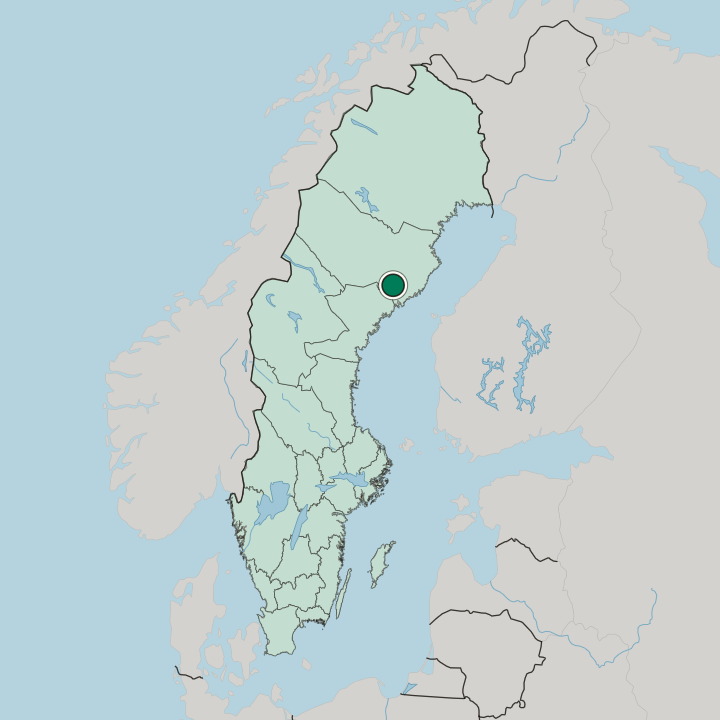
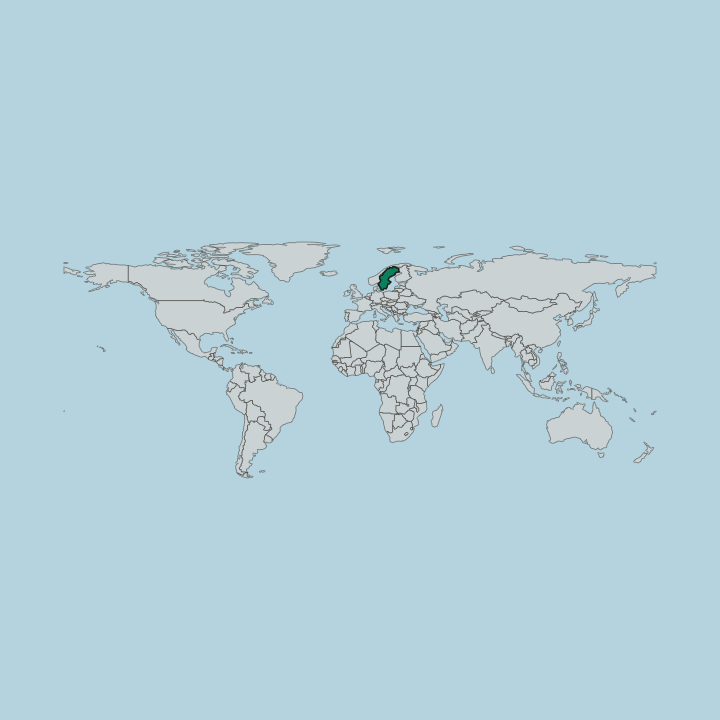
Bjurholm lies in the south-eastern part of Västerbotten County, in the forest country inland from the Gulf of Bothnia in northern Sweden. The village sits along the Öre River, with wooded ridges, scattered farmland, and a long green valley that runs through the surrounding municipality and carries the water down toward the coast to the south-east. The land is low and forested.
Roads tie the village to Umeå and the coast to the east, and to Vännäs and the inland parishes of central Västerbotten. Water threads it all.
What is the climate of Bjurholm?
Bjurholm keeps the cold climate of the inland forest. Winters are long and hard, with deep snow lying over the forest and the river freezing for months through the dark half of the year, a steady cold that suits skiing and the quiet of the northern winter. The northern summers stay short but bright.
The long daylight of high summer warms the river and the woods for a few green weeks, drawing anglers and walkers before the autumn and the cold return. Frost can come early and late.
How do you get to Bjurholm?
Bjurholm sits on the inland roads of southern Västerbotten, reached by car from Umeå and the coast to the east. Drivers come in along the river valley. Regional buses also run the inland route.
The nearest large airport lies at Umeå on the coast, which serves as the main gateway, while regional roads tie the village to Vännäs, Nordmaling, and the other inland and coastal parishes of the surrounding county.
Common questions
What is the best area to stay in Bjurholm?
Village centre: visitors after the church and river nearby. River and forest: anglers and quiet-seekers. Near Älgens Hus: families visiting the moose farm.
Good for
More cities in Västerbotten County
Updated September 2026