Sweden · Västra Götaland County
Where to Stay in Vara, Västra Götaland County
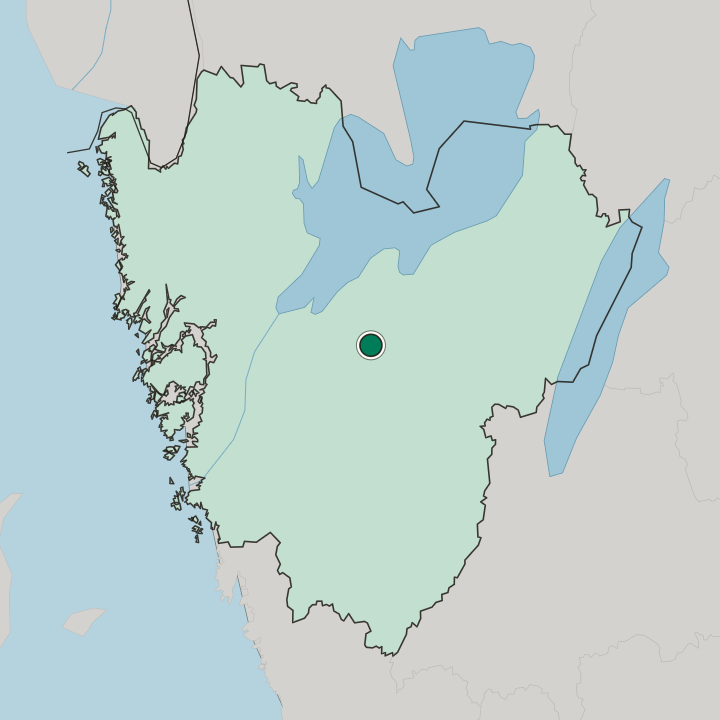
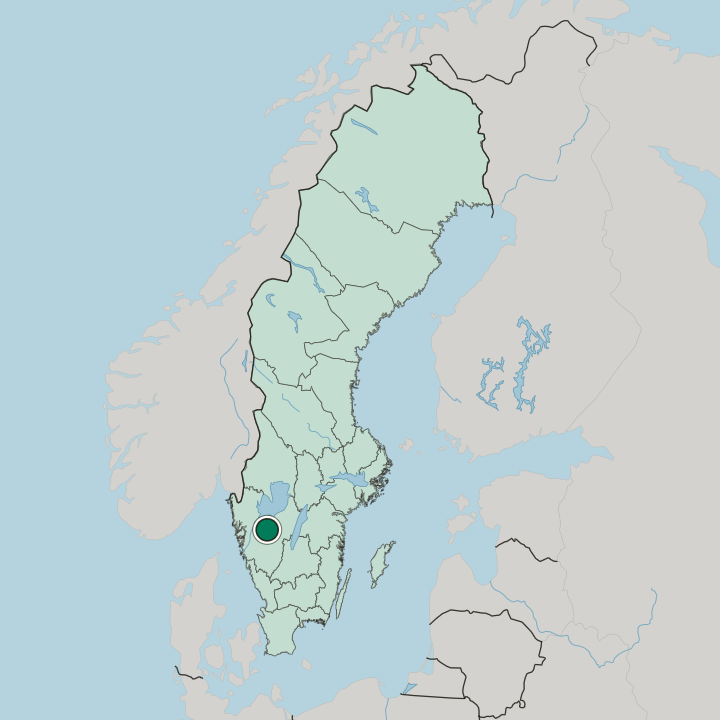
Vara is a small plains town in the eastern part of Västra Götaland County, set on the open farmland of the Västgöta plain in western Sweden.
Hotel links are affiliate links: booking through them may earn us a commission, at no extra cost to you. It never affects how places are ranked. How this works


Where to stay in Vara
How the choice of base plays out on the ground.
Most visitors stay in the town centre, the small cluster of streets around the station, the church, and the concert hall that keeps shops and cafes within an easy walk. Staying central works well for those on foot. Rooms here run from a modest town hotel to guesthouses and rented apartments, and they fill quickest on nights when the Vara Konserthus draws a full house from across the region.
The surrounding plain offers the other option for anyone who wants quiet and space. Lodging out among the farms and the smaller villages leans toward bed-and-breakfasts, farm stays, and self-catering rentals, a calm base for visitors touring the wide grain country of Västergötland by car. Beds are simple and few.
For drivers, the practical choices sit near the main roads through the plain, handy for reaching Skara, Lidköping, and the Vänern shore beyond. Book ahead for concert nights. The town stays quiet otherwise.
Find hotels in Vara
Direct booking searches for these neighbourhoods.
Town centre
station, church and concert hall within a short walk. Lodging is scarce in this area; reserve in advance.Find hotels in Town centredrivers seeking open calmSurrounding plain
farm stays and rentals among the grain fields. Beds are limited here, so book early.Find hotels in Surrounding plaintouring driversMain road approaches
practical rooms with quick access to Skara and the Vänern shoreFind hotels in Main road approachesHotel links are affiliate links: booking through them may earn us a commission, at no extra cost to you. It never affects how places are ranked. How this works
Things to do in Vara
Ranked by global recognition; descriptions from Wikidata (CC0).
Museums & Galleries
1- Huttla mill
Churches & Religious Sites
4- Vara Church Heritage
- Naum Church Heritage
- Önums kyrka Heritage
- Longs kyrka Heritage
worth knowingacross 2 categories in Vara
About Vara
Vara is known for music.
What is Vara known for?
The Vara Konserthus draws audiences from across the region to a small farming town that few would expect to hold a major concert hall, and its programme of touring acts has given the place a cultural pull far beyond its size. The plain shapes everything else. Vara kyrka stands among the flat fields, and the town sits as a market and rail point at the heart of one of Sweden's richest stretches of grain country.
What are the main landmarks in Vara?
The Vara Konserthus is the town's best-known landmark, a concert hall that brings touring music to the plains. Vara kyrka is the other anchor. The parish church stands near the centre, while out in the surrounding countryside the older village churches of Naums kyrka and Önums kyrka mark the scattered farming parishes that ring the town.
Flat fields stretch to the horizon between them. Together these places give Vara its plain, rural shape and its surprising musical heart.
What is the history of Vara?
Vara grew from the grain. The flat, fertile land of the Västgöta plain has been farmed since prehistoric times, and the scattered parishes around Naums kyrka and Önums kyrka long predate any town, their churches marking the old villages that worked these fields for centuries. For generations there was no real centre here, only farms and country roads.
It was the railway that built the place. When the line crossed the plain in the nineteenth century, a station and a market settlement took shape at the junction, and Vara became the trading and shipping point for the grain that the surrounding farms sent out to the wider world. Shops, a church, and workshops followed the rails.
In the modern era the town reached for something more than agriculture, building the Vara Konserthus and turning a quiet farming centre into an unlikely stage for touring music that now draws audiences from across western Sweden.
Where is Vara?
Vara lies in the eastern part of Västra Götaland County, set on the wide, flat farmland of the Västgöta plain in western Sweden. The land is level and open. Grain fields run to the horizon in every direction, broken only by stands of trees, country roads, and the spires of village churches, with no hill or lake to interrupt the plain around the town.
Lake Vänern lies off to the north. This is deep agricultural Västergötland, far inland from the coast.
What is the climate of Vara?
Vara has a mild inland climate. Out on the open plain of Västergötland, the town sees cold winters with frost and some snow, while the long summer days warm the grain fields through the growing season that this farm country depends on. Winds sweep the flat land.
The plain offers little shelter. Spring and autumn bring grey, changeable weather across the fields, with rain spreading easily over ground that has no hills to break the passing fronts.
How do you get to Vara?
Vara sits on a rail line. Trains crossing the Västgöta plain stop at the town's station, linking it toward Herrljunga and the wider network, and the platform leaves you a short walk from the centre. By road, the main routes across the plain meet near the town, carrying drivers toward Skara, Lidköping, and the Vänern shore.
The larger airports lie out toward Göteborg to the west. Most travellers arrive by car or train, since the flat roads run straight and fast between the plains towns.
Common questions
What is the best area to stay in Vara?
Town centre: first-timers. Surrounding plain: drivers seeking open calm. Main road approaches: touring drivers.
Good for
More cities in Västra Götaland County
Updated October 2026