Turkey
Çanakkale, Turkey — Towns & Travel Guide
Çanakkale is the Turkish province astride the Dardanelles, where Troy stood and the Gallipoli battle was fought.
Hotel links are affiliate links: booking through them may earn us a commission, at no extra cost to you. It never affects how places are ranked. How this works


Towns & cities in Çanakkale
Pick a town or city — each links to where to stay.
 Turkey
Çanakkale
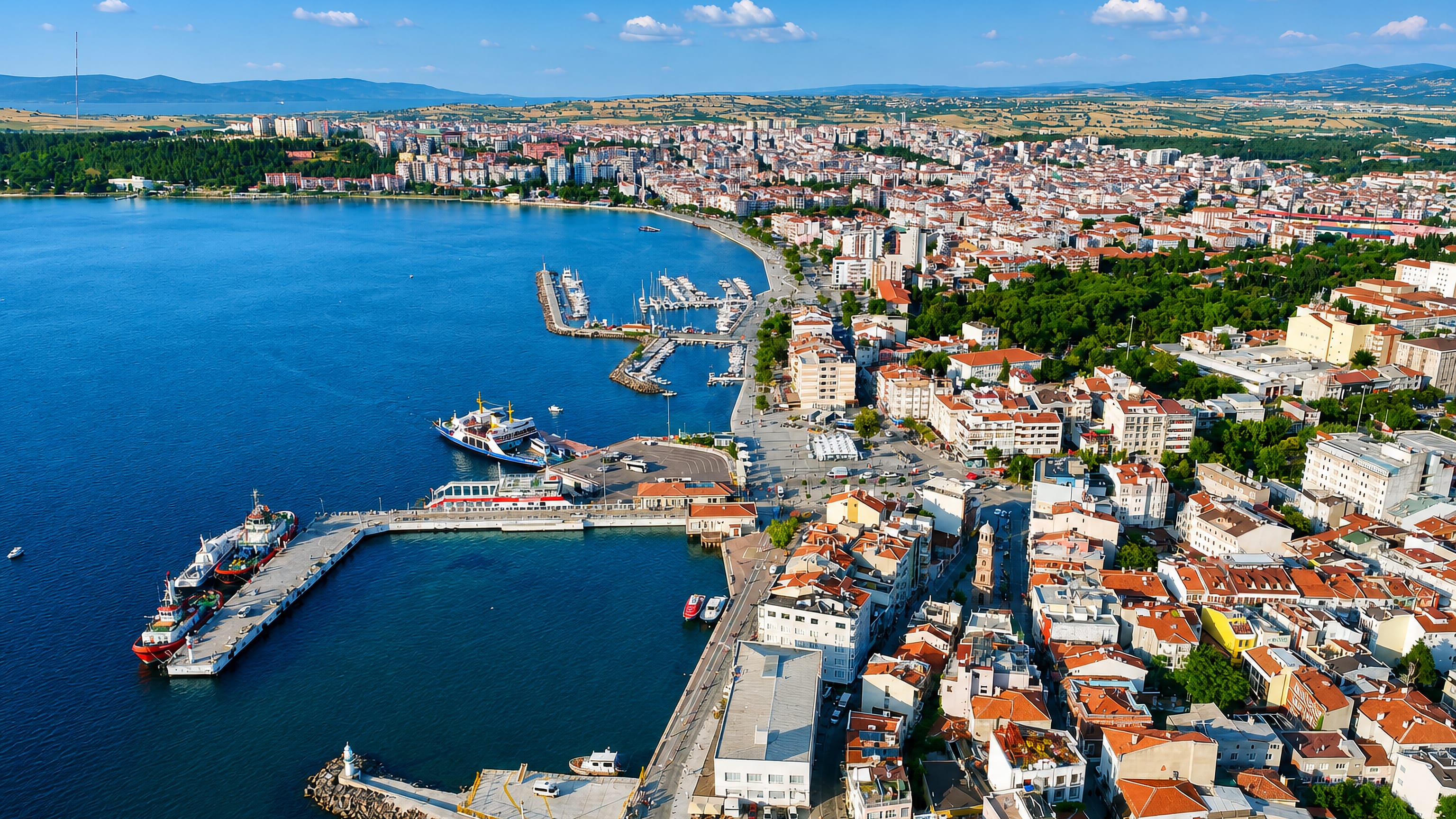
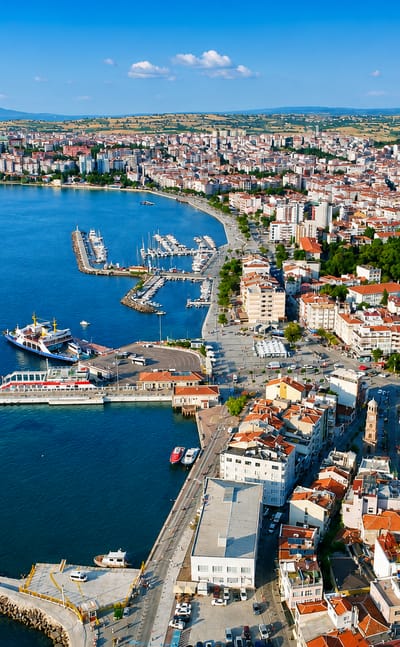
Kilitbahir Castle stands across the water from Çanakkale, a strait city in Çanakkale Province, Turkey, known for its naval museums and war memorials.Where to stay →
 Turkey
Biga
Biga stands on the Biga River in Çanakkale Province, ninety kilometres northeast of the Çanakkale city centre, in the Marmara region.Where to stay →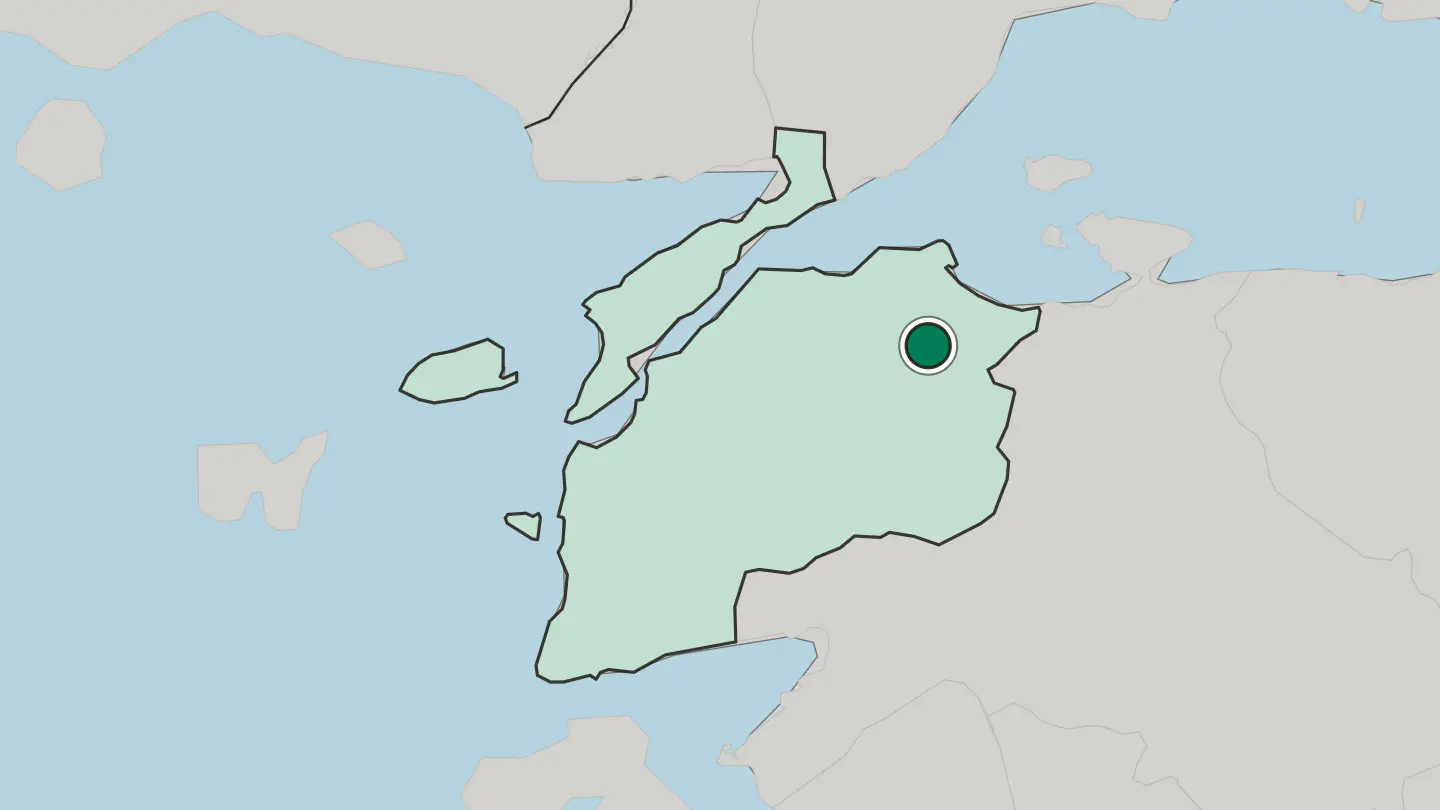
Hotel links are affiliate links: booking through them may earn us a commission, at no extra cost to you. It never affects how places are ranked. How this works
About Çanakkale
Three things pull travellers here.
What is Çanakkale known for?
The ruins of Troy lie at Hisarlık in the south of the province, the many-layered city that Homer's Iliad fixed in the Western imagination. Across the strait, the Gallipoli peninsula holds the war cemeteries and memorials of the 1915 campaign, a place of pilgrimage for Turks, Australians, and New Zealanders. The Dardanelles is the third draw.
This narrow strait carries warships and freighters between the Aegean and the Sea of Marmara, and a wooden horse from a film shoot stands on the Çanakkale waterfront.
Where is Çanakkale?
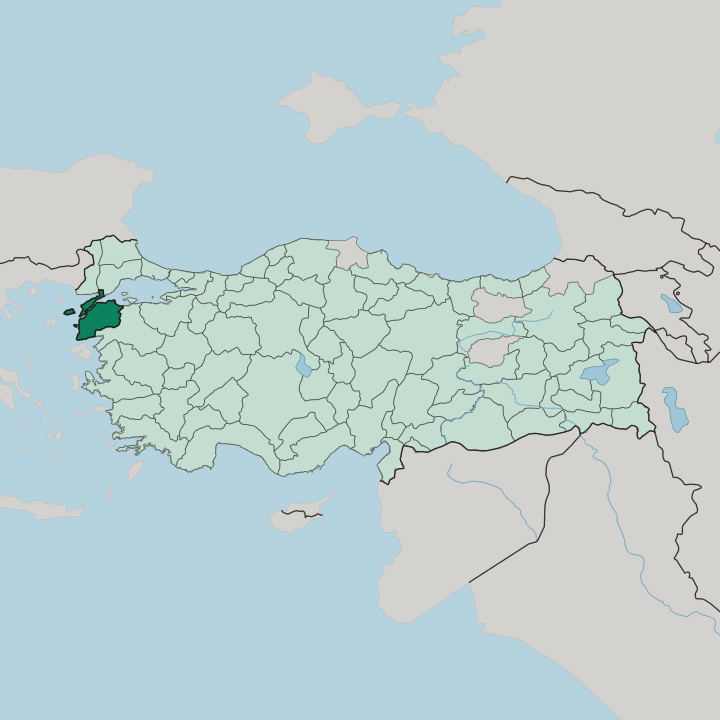
Çanakkale sits in the far north-west of Turkey, and it belongs to two continents at once. The Dardanelles splits it. This long, narrow strait runs from the Sea of Marmara in the north-east down to the Aegean in the south-west, and the whole province is arranged around it.
On the European side lies the Gallipoli peninsula, a long finger of East Thrace between the strait and the Gulf of Saros to its north. The Asian side is the Troad, the old name for the Biga peninsula, where Troy's ruins stand above the plain. The capital faces the Narrows.
There the channel pinches to little more than a kilometre across, close enough that the two continents seem to touch. Two islands belong to it, both out in the Aegean. Gökçeada is the largest island in Turkey and holds the country's westernmost point; Bozcaada is smaller, ringed by vineyards and beaches.
Mount Ida, the Kaz Dağı in Turkish, rises along the southern boundary. Its slopes feed the streams that thread the Troad down to the sea. Ferries have long linked the two shores, and a record-breaking bridge has since carried a motorway across the strait as well.
In Çanakkale the water is always close. From almost anywhere in Çanakkale the sea, the strait, or a river lies close at hand, and the land has always been shaped by the crossing between Europe and Asia.
What is Çanakkale like?
Two stories run through Çanakkale. One is ancient, the other barely a century old, and the province lives easily between them. Homer's Troy is everywhere in the branding here, from the film-prop horse on the Çanakkale waterfront to the museums that lay out the layers of the excavated city.
The Gallipoli campaign is the other thread. Each spring, Turkish crowds and Anzac pilgrims gather on the peninsula for the anniversaries of the fighting, and those days are set deep in national memory. The city keeps a student edge, thanks to Çanakkale Onsekiz Mart University, named for the date of the 1915 victory. Çanakkale's handwork has a long lineage as well. Çanakkale ceramics, with their loose glazes and animal spouts, were traded across the Ottoman world from the potteries of the town.
Out on Bozcaada, the culture is wine. Vineyards of native Karalahna and Çavuş grapes ring the island, pressed in cellars that go back generations. In the Kaz Dağı villages, the table turns to olive oil, thyme honey, and herbs gathered from the mountain, while the everyday rhythm of the province is set by ferries crossing the strait.
The language is Turkish.
What is the history of Çanakkale?
Few straits have been fought over so long. Troy guarded this corner in the Bronze Age, and Homer's Trojan War turned on the approaches to the Dardanelles. At Assos, Aristotle taught for three years in the fourth century BC.
The Ottomans read the choke point. Mehmed the Conqueror threw two fortresses across the Narrows in 1463, Kilitbahir and Çimenlik, to seal the passage to Istanbul. In 1915 it held again, as Ottoman gunners and Mustafa Kemal's divisions stopped the Allied fleet in the battle Turkey remembers as Çanakkale.
What is the climate of Çanakkale?
Çanakkale keeps a Mediterranean rhythm. Summers are hot and dry, cooled on the coast by the meltemi, the steady north wind that funnels down the Dardanelles from the Sea of Marmara. The winters along the Dardanelles stay mild but rainy.
Most of the rain falls between the autumn and early spring, and snow is rare down at the water though common on the heights of Kaz Dağı. The Aegean tempers the islands. Gökçeada and Bozcaada catch the wind and stay a shade cooler in high summer than the mainland shore.
How do you get to Çanakkale?
For most visitors, the way into Çanakkale Province is by road. Buses run from Istanbul and İzmir down to Çanakkale, and since 2022 they cross the strait on the 1915 Çanakkale Bridge, the world's longest suspension span. Ferries still ply the Narrows.
Boats shuttle between Çanakkale and Eceabat on the European shore, and between Lapseki and Gelibolu further up toward the Sea of Marmara. A small airport links the city with Istanbul by air. The two Aegean islands are reached by their own ferries from the Troad coast.
Common questions
What is the best area to stay in Çanakkale?
Çanakkale: a first base at the Dardanelles narrows. Eceabat: touring the Gallipoli battlefields. Assos: quiet nights below the Temple of Athena. Bozcaada: wine and beaches on an Aegean island.
Good for
More regions in Turkey
Updated October 2026