Turkey
Kars, Turkey — Towns & Travel Guide
Kars is a province in northeastern Turkey, a high plateau on the Armenian border, holding the ruined Armenian city of Ani.
Hotel links are affiliate links: booking through them may earn us a commission, at no extra cost to you. It never affects how places are ranked. How this works


Towns & cities in Kars
One town here has its own guide — it links to where to stay.

 Turkey

Kars
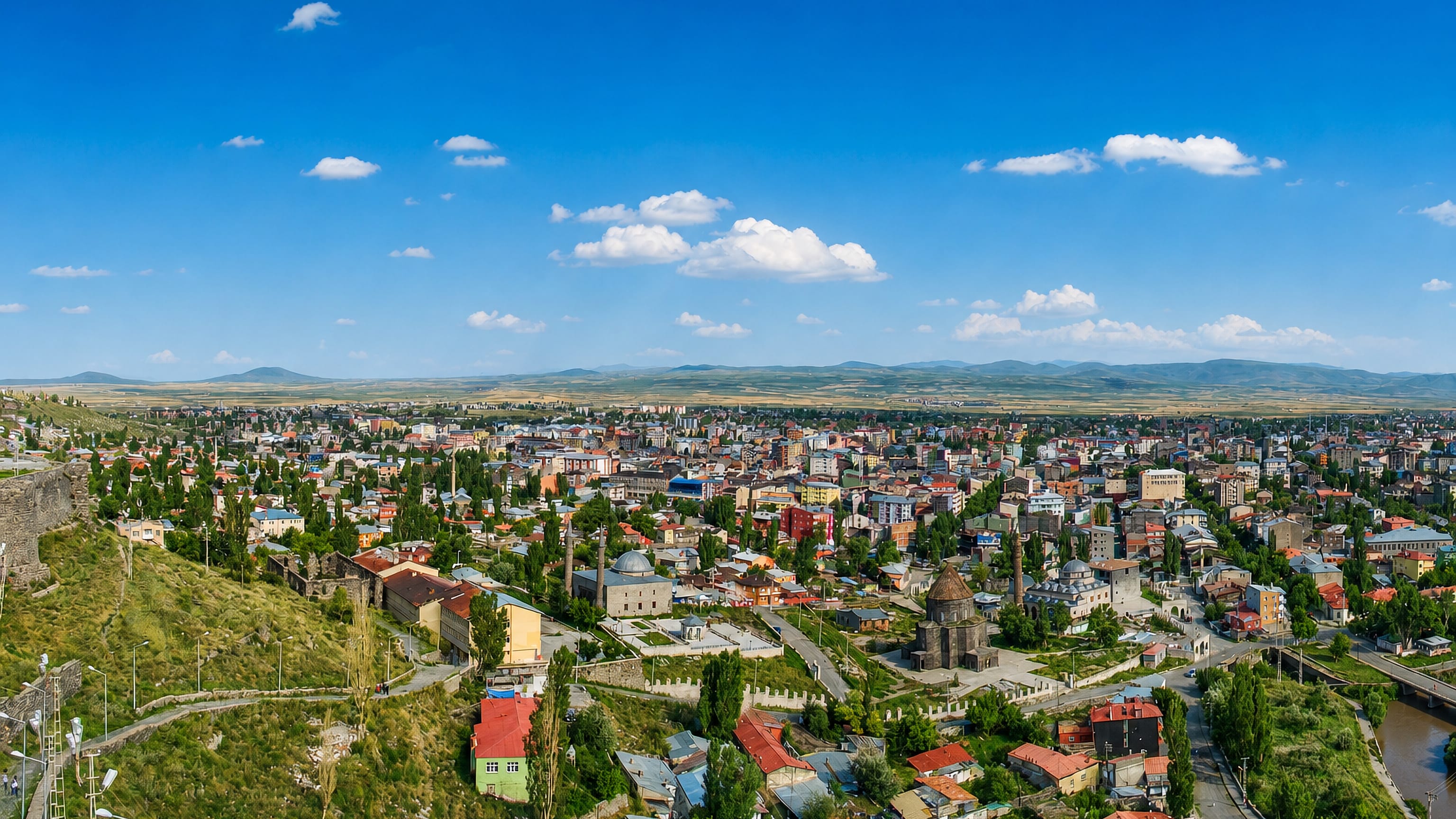
The Castle of Kars rises over the old town of Kars, a high plateau city in Kars Province, Turkey, known for its fortress and the Cathedral of Kars.Where to stay →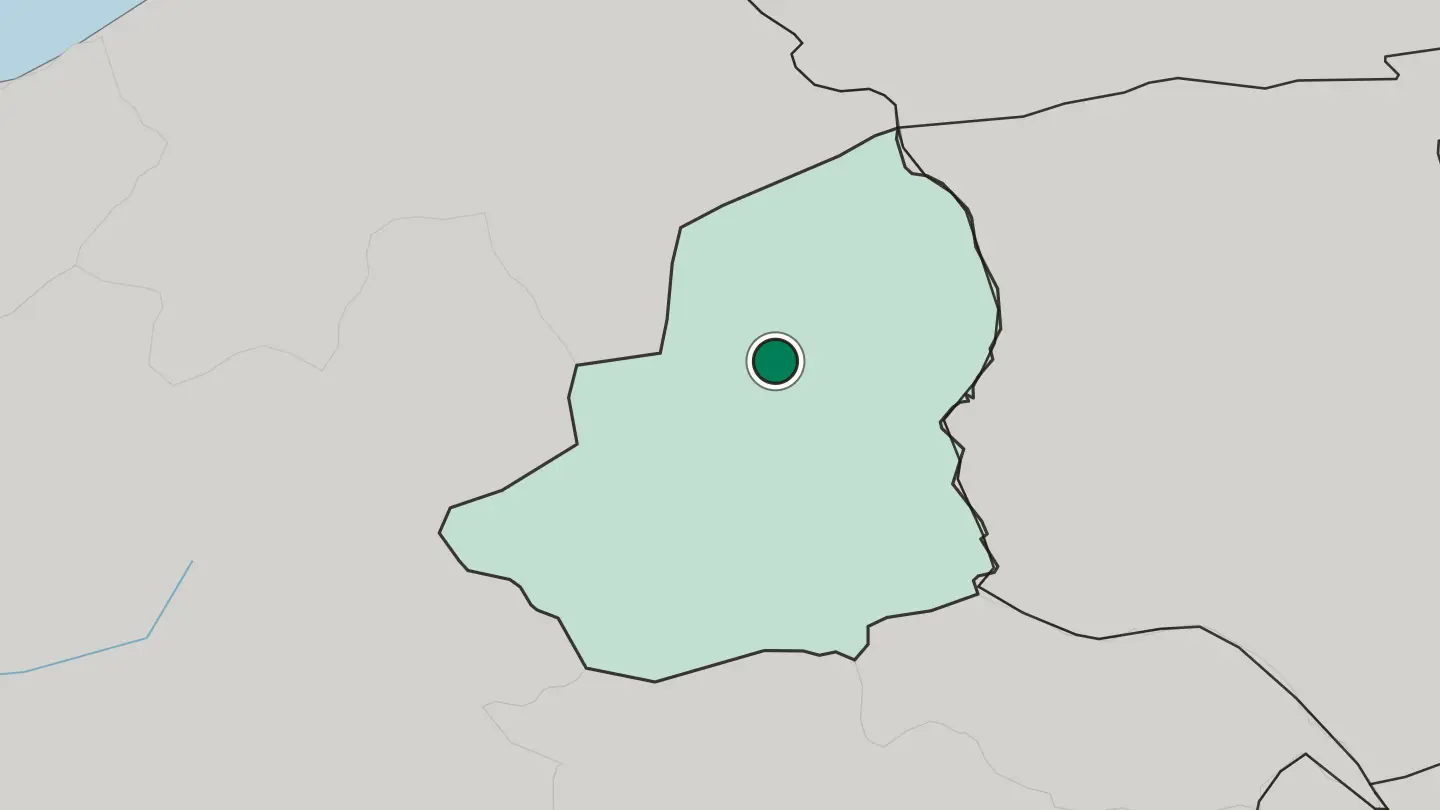
Hotel links are affiliate links: booking through them may earn us a commission, at no extra cost to you. It never affects how places are ranked. How this works
About Kars
What is Kars known for?
Two things carry the province's name. Ani, the ruined Armenian city on the closed border, took the royal seat from Kars in 968 and remains the most notable of the monuments here, alongside the 9th century Church of the Apostles. Kars Kasseri is the other.
That cheese took the national first prize at the İzmir Enternasyonal Fuarı year after year from 1937 to 1950, sharing it with Kars Gruyère, and roasted goose still holds the local table. Orhan Pamuk set Snow in the provincial capital.
Where is Kars?
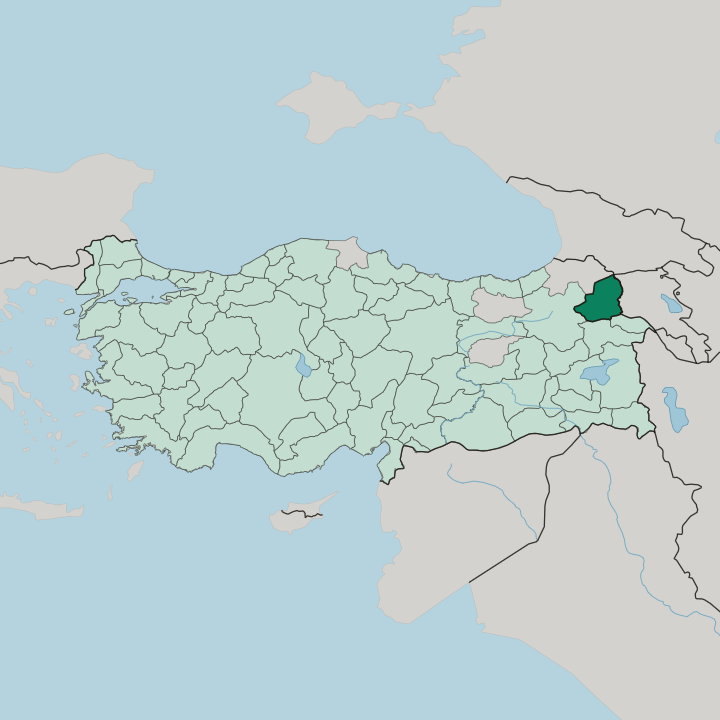
Kars sits on the northeastern shoulder of the Eastern Anatolia Region, sharing a closed frontier with Armenia. Ardahan lies to the north. Erzurum closes the province off to the west, while Iğdır and Ağrı hold the southern edge, and the whole of it rides high on rolling plateau country cut by river valleys.
The Allahuekber Mountains, Mount Soğanlı, and the Aras Mountains give the province its highest ground, with Kısır Dağı and Akbaba rising among them. Two rivers drain the plateau. The Aras River and the Kura both cross the province on their way to the Caspian Sea, and the Aras wetlands make a key stop-over site for migrating birds.
Lake Çıldır, Lake Kuyucuk, and Lake Aygır hold the standing water. The Kars-Iğdır Biodiversity Project run by the KuzeyDoğa Society has logged more than two hundred bird species at Kuyucuk alone, the most important wetland in the region, and the Aras River Bird Research and Education Center at Yukarı Cıyrıklı has counted over three hundred at that one village. Steppe covers most of the ground.
Woodland climbs only the higher slopes, where Scots Pine, spruce, and alder stand; the Sarıkamış Forests in the south shelter Indian wolves, Syrian brown bear, and Caucasian lynx. Grassland and hay meadow take up more of the province than cropland does, which is why the herds matter more here than the plough.
What is Kars like?
Cheese and geese define the table. The kaşar that carries the province's name is worked in dairies known locally as Zavod, and Kars Kasseri, Kars honey, and Kars Gruyère go out from them to the rest of the country. Goose is the other speciality.
Whole birds are roasted for the Kars kitchen, and the liver and down have found buyers in Europe, an export the province built out of a breeding habit peculiar to it. Livestock sets the rhythm of the year, since most working households in the province either keep animals or work the land, and the hay meadows outrun the grain fields. Oral performance runs deep here.
The Aşıklar geleneği of travelling minstrels and the Dengbejler geleneği of sung storytelling both survive in the province, alongside the folk dances that the districts share with the provincial capital. Kafkas Üniversitesi anchors higher education and lends its sports grounds to the province's league football. Serhat TV broadcasts locally.
Under Russian administration the province drew Armenians, Caucasus Greeks, Georgians, Russians, and sectarian communities including Molokans and Doukhobors, a mix that left the place with more than one liturgical memory. Orhan Pamuk chose Kars for Snow, and Nikos Kazantzakis had Zorbas recall a wedding in the province, so its winters reach readers who will never see them.
What is the history of Kars?
Kars was the seat of Vanand, and in 928 it became the capital of Bagratid Armenia before the crown passed to Ani forty years later. A Seljuk emirate followed. Georgian and Armenian forces under David Soslan and the Zakarian brothers took the city in 1207, the Mongols in 1242, and Kanuni Sultan Süleyman brought the whole territory into the Ottoman Empire in 1534.
Russia annexed it as the Kars Oblast after the Russo-Turkish War. The Treaty of Kars fixed the present border in 1921.
What is the climate of Kars?
Winter is the province's defining season. The plateau sits far from any sea, and the continental regime that follows keeps snow on the ground for well over a hundred days, with the deepest cold reaching nearly minus forty. Sarıkamış ranks among the coldest districts.
Kağızman, Digor, Akyaka, and Arpaçay run warmer than Sarıkamış, Selim, and Susuz, a difference the uneven relief of the plateau allows inside one province.
How do you get to Kars?
Kars stands where the road, rail, and air networks of northeastern Anatolia cross. The provincial airport, coded KSY, opened in 1988 and was rebuilt in 2007, and it takes scheduled flights from Sabiha Gökçen Havalimanı and Ankara Esenboğa Havalimanı. Trains reach the capital too.
Roads tie the eight districts to the capital, and the run out to Ani or to the Cıbıltepe pistes at Sarıkamış starts from there.
Common questions
What is the best area to stay in Kars?
Kars: Travellers driving out to Ani and the Church of the Apostles. Sarıkamış: Winter stays built around the Cıbıltepe pistes and the Sarıkamış Forests.
More regions in Turkey
Updated October 2026