Turkey
Tokat, Turkey — Towns & Travel Guide
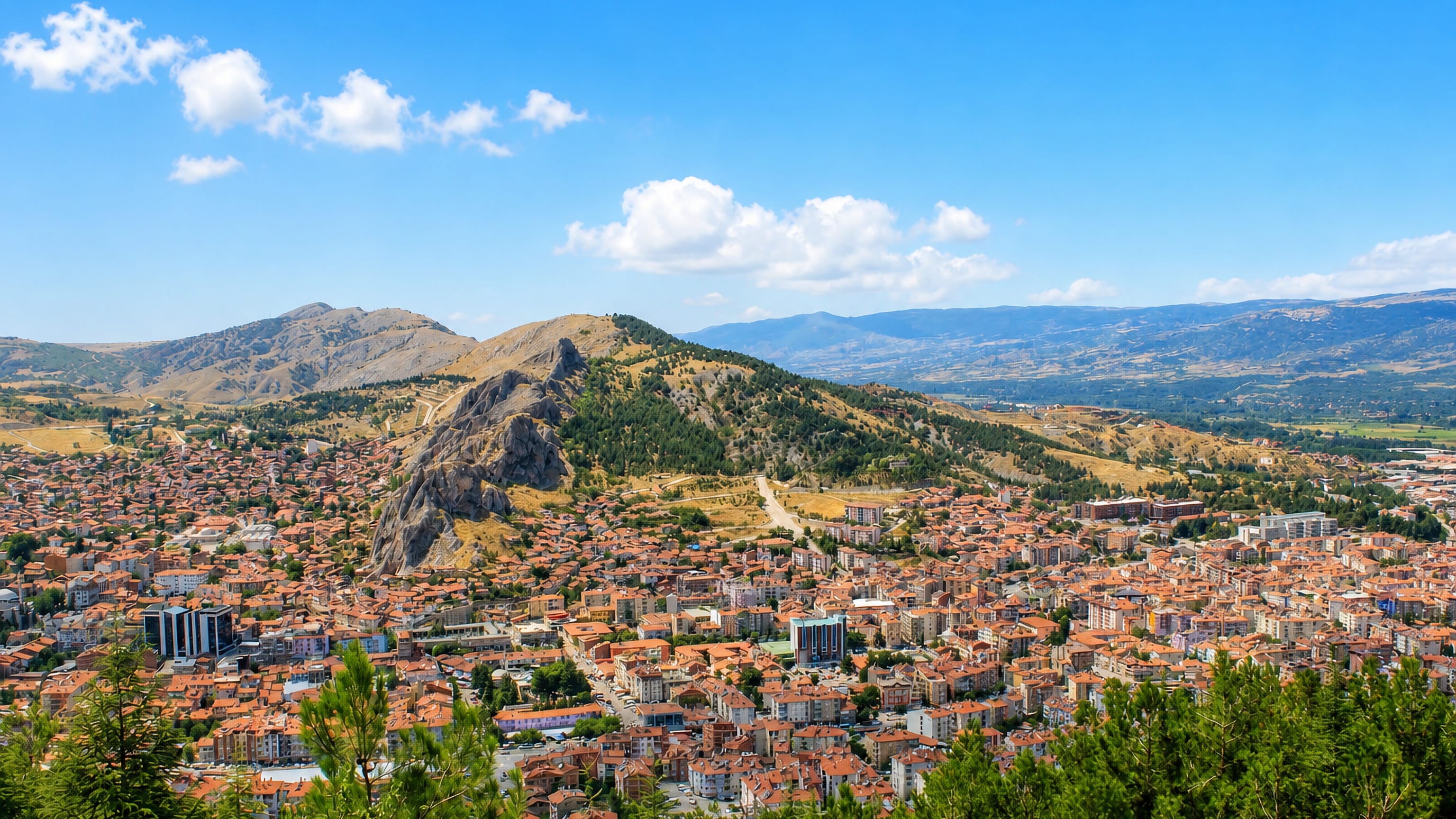
Tokat Province spreads through the Yeşilırmak valley of north-central Turkey, a fertile inland region below the crag-top castle of Tokat.
Hotel links are affiliate links: booking through them may earn us a commission, at no extra cost to you. It never affects how places are ranked. How this works


Towns & cities in Tokat
Pick a town or city — each links to where to stay.

 Turkey
Tokat
Tokat fills the head of a broad valley under Tokat Castle, at the junction of the Tokat River and the Yeşilırmak.Where to stay →
 Turkey
Zile
Zile was the Zela of antiquity, a Tokat Province city south of Amasya where a battle produced the phrase Veni, vidi, vici. Its castle still stands.Where to stay →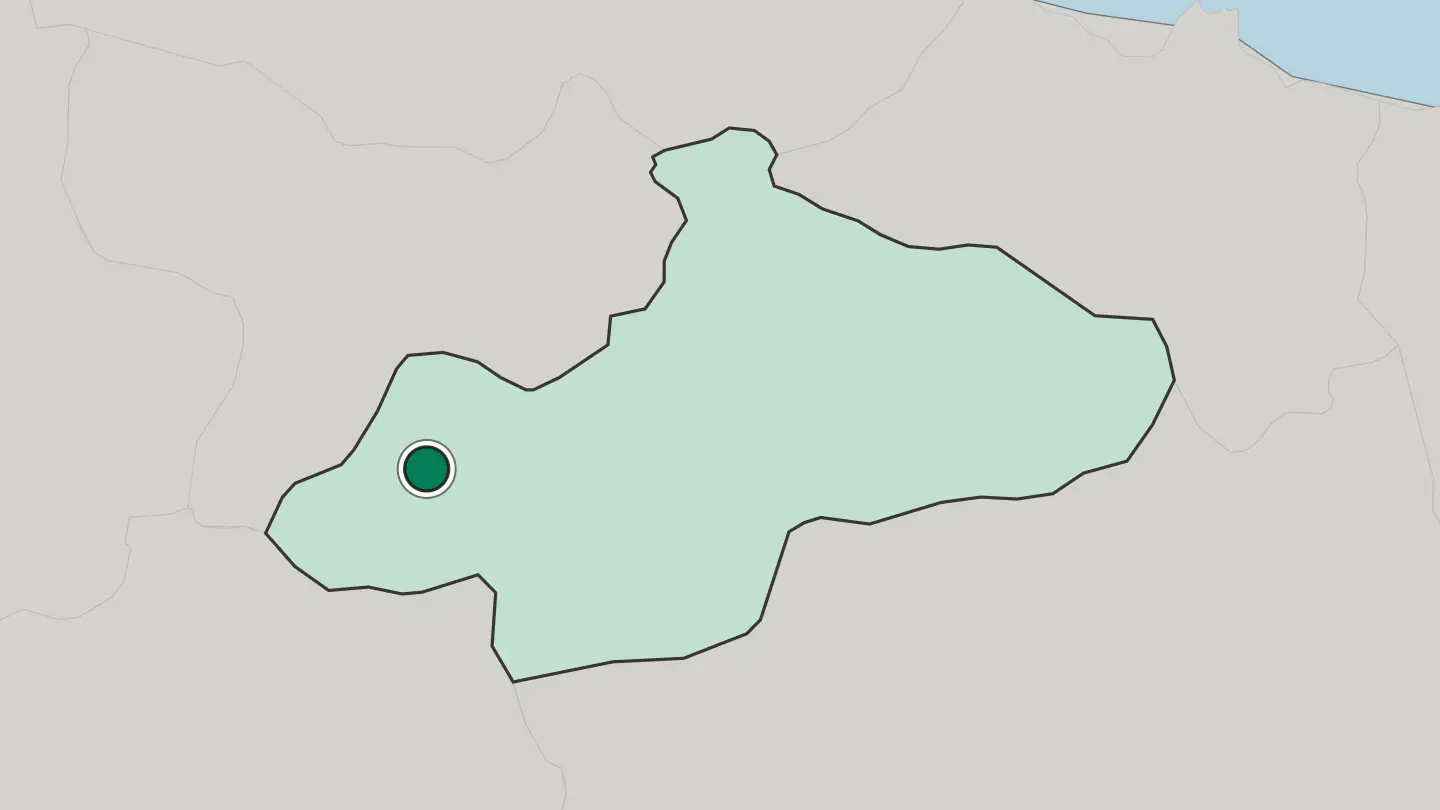
Hotel links are affiliate links: booking through them may earn us a commission, at no extra cost to you. It never affects how places are ranked. How this works
About Tokat
What is Tokat known for?
Tokat Province is known as an old Anatolian crossroads, a fertile inland corridor where the Yeşilırmak opened a route for caravans between the Black Sea coast and the plateau of central Anatolia. The caravan trade shaped Tokat. Seljuk medreses, an Ottoman old town, and the castle above Tokat mark centuries of that passage, and the province still turns out its historic crafts of hammered copper and block-printed cloth.
Zile carries an older fame still.
Where is Tokat?
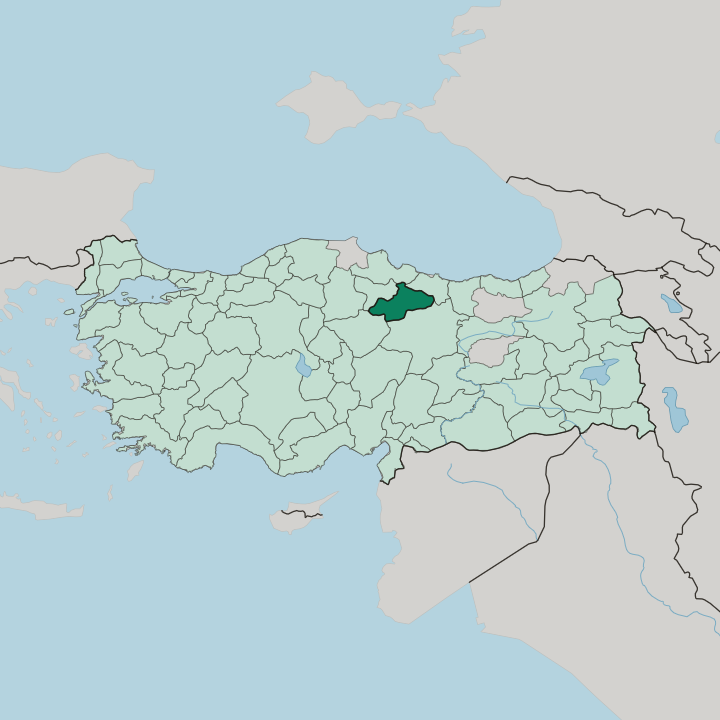
Tokat Province lies in the interior of north-central Turkey, part of the Central Black Sea region yet cut off from the sea itself by the Pontic Mountains rising to the north. The sea never touches the province. The Yeşilırmak, the green river the Greeks knew as the Iris, threads the whole province from east to west, opening the broad and fertile plains of Kazova and Turhal before it turns north toward the Black Sea.
Ridges wall those plains. The Deveci Mountains climb across the south toward the Anatolian plateau, while the wooded Pontic ranges close off the north, so settlement keeps to the river valleys between them. The Kelkit, the Yeşilırmak's longest tributary, drains the northern districts of Niksar, Erbaa, and Reşadiye, and the Almus Dam holds back a long reservoir on the upper river east of the capital.
Water governs everything here. Tokat itself sits where the valley pinches in, the old town pressed against a rock crag beneath its castle, while orchards, tobacco, and vineyards spread over the flats downstream. This is fertile, folded country, well watered and thoroughly inland, greener than the bare plateau of central Anatolia to its south.
What is Tokat like?
Tokat keeps the culture of an old Anatolian trade town rather than a resort. Turkish is spoken here. Centuries on the caravan roads left the province a dense stock of Seljuk and Ottoman monuments, from the tiled Gökmedrese in the capital to the Yağıbasan medrese at Niksar, among the earliest built anywhere in Anatolia.
Timber Ottoman houses still line the slopes below the castle, the grandest of them the restored Latifoğlu mansion, kept as a museum of how a wealthy merchant family once lived. The old crafts survive among them. Copper and cloth made the town's name.
Coppersmiths still hammer trays and pots in the bazaar lanes, and Tokat's block-printed calico, the yazma, is stamped by hand from carved wooden blocks in a craft the town has held for generations. The table carries its own heritage. Tokat kebabı skewers lamb with aubergine, potato, and tomato to roast in a wood-fired oven, a dish named for the town and cooked to order in its grills.
The valleys around it add the wine. Their vineyards grow the Narince white grape, native to Tokat and named for the Turkish word for delicate. Craft, food, and monument all trace back to the same trading past.
What is the history of Tokat?
Tokat's past runs back through every power that crossed Anatolia. Armies passed this way. At Zile, in 47 BC, Julius Caesar crushed Pharnaces of the Kingdom of Pontus in a campaign so swift he summed it up as veni, vidi, vici.
The temple-city of Comana Pontica once stood by Tokat itself. Turkish rule arrived after Manzikert, when the Danishmendids seized the region in 1077 and made Niksar their capital, before the Seljuks, the Eretnids, and finally the Ottomans absorbed it in 1392.
What is the climate of Tokat?
Tokat sits in a climatic seam, shielded from the full damp of the Black Sea by the Pontic Mountains yet spared the hard cold of the plateau to its south. The valley stays mild. Down along the Yeşilırmak the summers run hot and fairly dry while the winters turn cool rather than bitter, and most of the rain arrives across winter and spring.
The northern highlands are a colder, snowier world above the river.
How do you get to Tokat?
Most travellers reach Tokat by road, dropping inland from the Black Sea coast or following the Yeşilırmak valley in from Sivas. Buses do the heavy lifting. The provincial capital keeps a small airport of its own, though many arrive instead through the larger airport at Samsun on the coast and drive a couple of hours south over the Pontic Mountains.
From Tokat, the highways fan out to Niksar, Zile, and Turhal.
Good for
More regions in Turkey
Updated October 2026