Taiwan · Taiwan
Where to Stay in Chang-hua, Taiwan
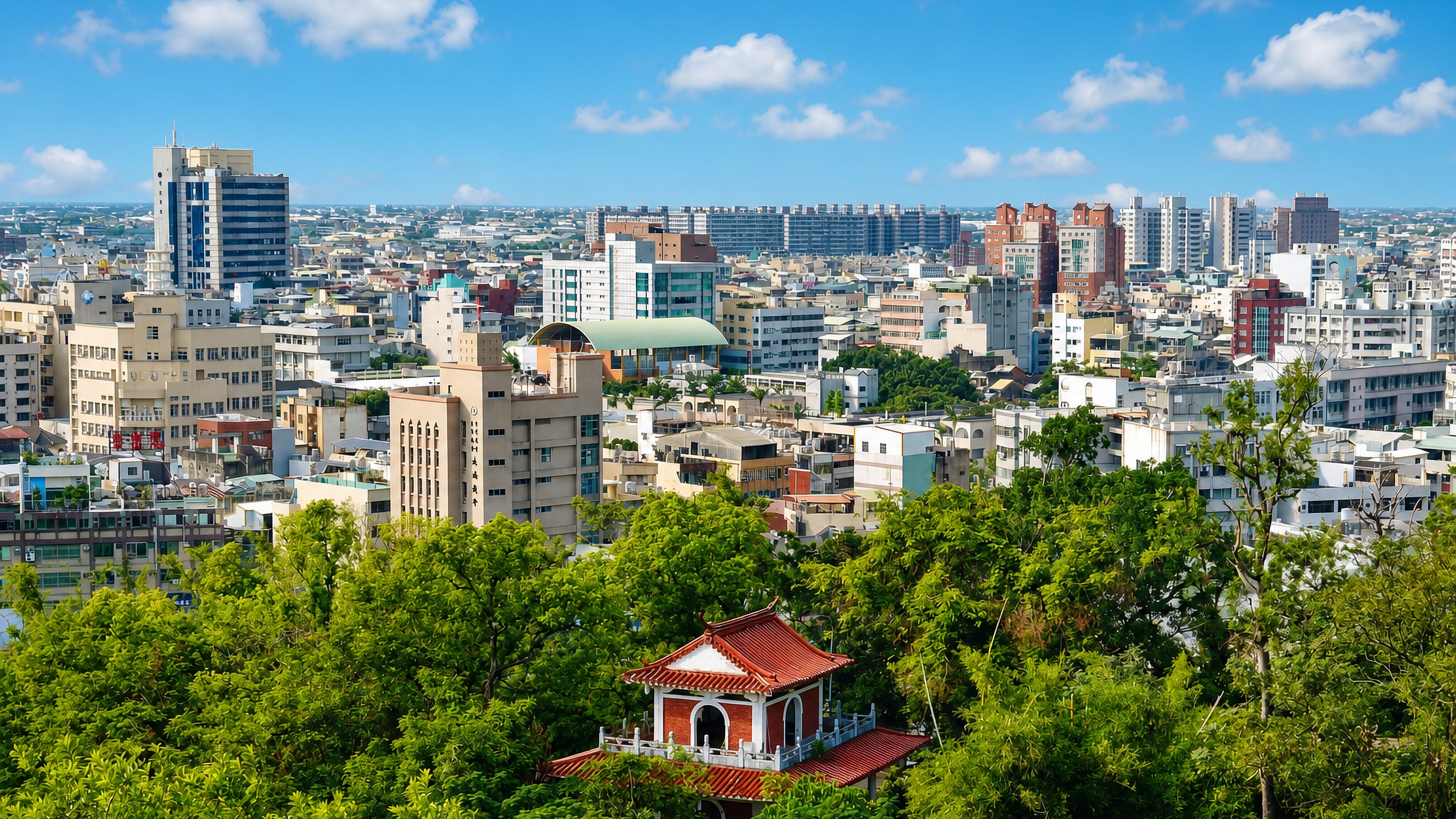
Changhua is a city of west Taiwan, an old town on the coastal plain, under a giant hilltop Buddha and known for the island's last fan-shaped railway shed.
Hotel links are affiliate links: booking through them may earn us a commission, at no extra cost to you. It never affects how places are ranked. How this works


Where to stay in Chang-hua
How the choice of base plays out on the ground.
Where you stay in Changhua turns on the town or the hill. The streets around the station keep the temple, the market, and the meatball stalls within a walk, and staying downtown suits anyone here for the town. Trains fan out at the shed.
The plain runs flat around. Out toward the hills and the coast, the town gives way to the Baguashan ridge, the tea slopes, and the road to Lukang. A room on the hill trades the streets for the Great Buddha, the wooded paths, and the view over the plain.
It watches from the hilltop. Stay downtown for the temple, or up the hill for the Buddha. The Great Buddha crowns the town from its hill.
Find hotels in Chang-hua
Direct booking searches for these neighbourhoods.
The town centre
Around the stationFind hotels in The town centreStays wanting the Great Buddha and viewsBaguashan hill
Up on the ridgeFind hotels in Baguashan hillHotel links are affiliate links: booking through them may earn us a commission, at no extra cost to you. It never affects how places are ranked. How this works
About Chang-hua
Changhua is the Great Buddha town of west Taiwan.
What is Chang-hua known for?
On the rice plain below the Baguashan hills near the Taiwan Strait, it grew as an old walled town of the Qing, and it keeps the giant black Buddha seated on the hill above the streets, the last fan-shaped railway roundhouse on the island, the old Confucius temple of the town, and the heritage port of Lukang on the coast nearby. Rice fields spread west from the hills until they meet the strait. High on its hill sits the Buddha.
What are the main landmarks in Chang-hua?
The Great Buddha is the pride of Changhua. The giant black statue seated on Baguashan hill, looking out over the town and the plain, is the emblem of the city, downtown. A railway shed fans out below.
The last fan-shaped roundhouse in Taiwan turns its engines on a great wheel, while the Confucius temple, the old town streets, and the port of Lukang mark the country around Changhua.
What is the history of Chang-hua?
Changhua grew as a Qing walled town. In the seventeen-hundreds the settlers of the plain built a walled town here, and it became a seat of the Chinese magistrate on the west coast, a market for the rice of the plain. The town saw hard risings.
Changhua stood through revolts and battles in the days of the empire, and it kept its old Confucius temple through the years, a place of learning on the coast. A great Buddha rose on the hill. In the modern age the people built a giant black Buddha on Baguashan above the town, a landmark seen for miles across the plain.
The railway came to the plain. Changhua became a junction of the western line, where the last fan-shaped roundhouse still turns its engines on a great wheel, and the town grew into a busy city of the plain, keeping its Buddha, its temple, and its old streets. The engines still ride the turntable.
Changhua keeps its Great Buddha above the western plain.
Where is Chang-hua?
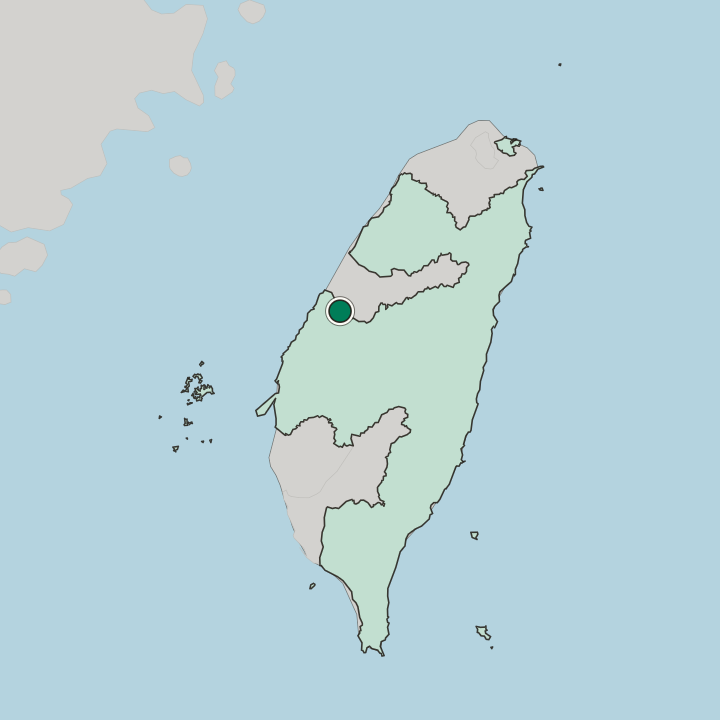
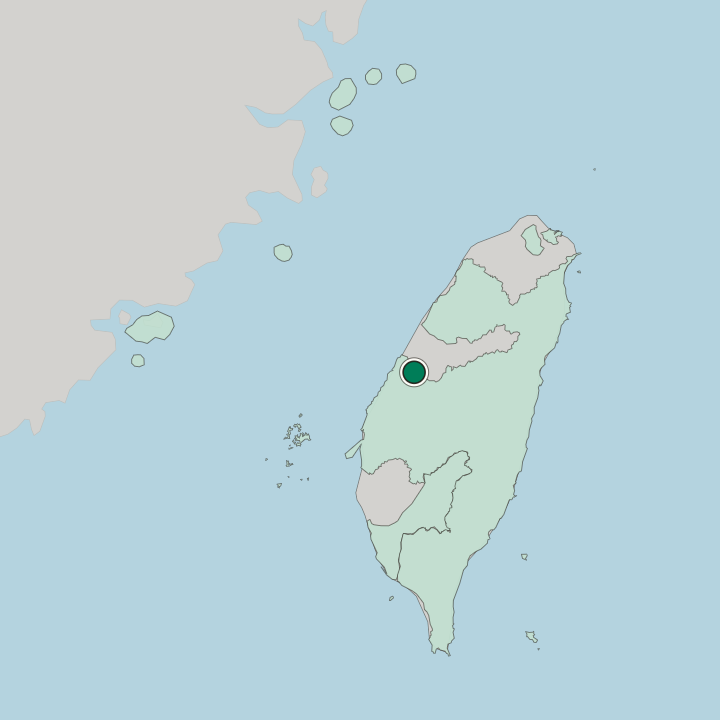
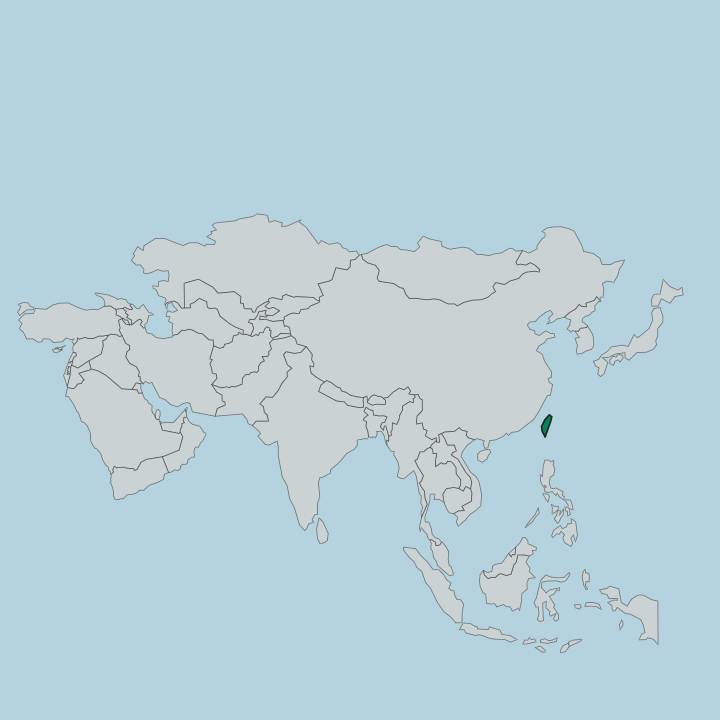
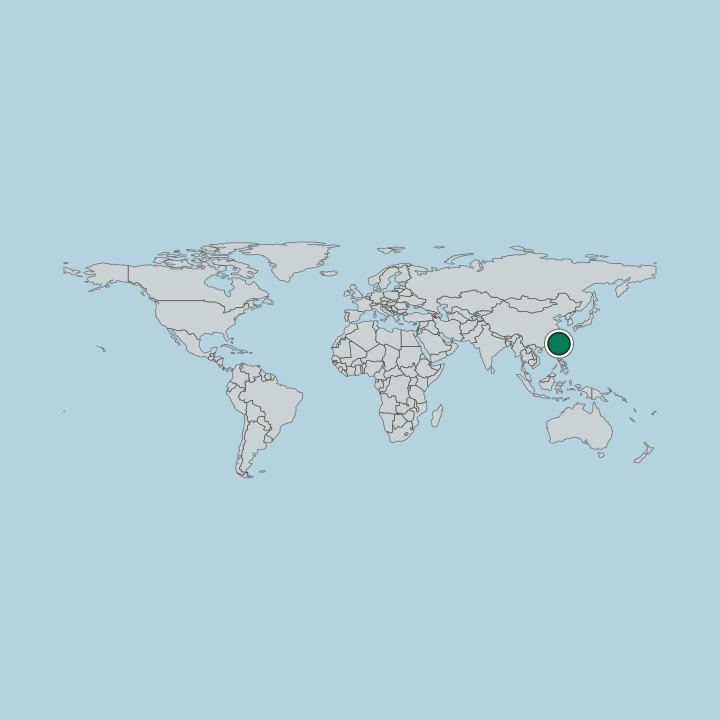
Changhua lies in the center of the west coast of Taiwan, on the plain south of the Dadu river. The city sits at the foot of the Baguashan escarpment where the hills drop to the rice plain, with the flat farmland running west to the Taiwan Strait and the wooded ridge rising to the east. The plain spreads flat and green.
Wooded hills rise to the east.
What is the climate of Chang-hua?
Changhua has a warm, humid subtropical climate. Hot wet summers and mild dry winters cross the plain, with a rainy season in early summer and the risk of a typhoon off the Pacific. Summer runs hot and steamy.
Winter turns cool and dry.
How do you get to Chang-hua?
Changhua lies on the west coast of Taiwan, on the main rail line south of Taichung. Trains and the freeway run to it down the plain from Taichung and Taipei, and roads lead west to Lukang and the coast. Engines ride the turntable.
Taichung lies north up the line.
Common questions
What is the best area to stay in Chang-hua?
The town centre: Visitors here for the Confucius temple and Baguashan. Baguashan hill: Stays wanting the Great Buddha and views.
Good for
More cities in Taiwan
Updated September 2026