
Taiwan · Taiwan
Where to Stay in Zhubei, Taiwan
Zhubei is the administrative capital of Hsinchu County, a county seat beside Hsinchu City and the Hsinchu Science Park.
Hotel links are affiliate links: booking through them may earn us a commission, at no extra cost to you. It never affects how places are ranked. How this works


Where to stay in Zhubei
The practical side of choosing where to sleep.
Lianhua Temple gives the older part of Zhubei its centre of gravity, and the streets around it hold the shortest walk to food, to the county offices and to a bus out. The rest is newer. Blocks laid out for people commuting to the Hsinchu Science Park make up much of the city, so a room can be quiet and modern and still face nothing in particular.
Heritage gathers on one side. The Zhubei Liuzhangli Daifu Mansion and the Quanzhoucuo Fenyang Hall stand within the same few streets, and a bed nearby suits anyone who came for the old halls rather than for a meeting in the park. Zhu-Bei Auspicious Place is close to both.
Hsinchu City is the alternative. Plenty of travellers sleep there and cross over for the day, which is fair enough given the distance, though staying put puts the Aqueduct Museum of Hsinchu City and the Hsinchu Museum of Military Dependents Village on your doorstep instead. Book around the working week.
Rooms here answer to business first, so a weekday night takes more finding than a weekend one.
Find hotels in Zhubei
Direct booking searches for these neighbourhoods.
Around Lianhua Temple
Lianhua Temple, the food streets and the seat of Hsinchu County fall inside one compact circuit. Few places to stay nearby — book ahead.Find hotels in Around Lianhua Templevisits built around the Zhubei Liuzhangli Daifu MansionThe Daifu Mansion streets
The mansion and the Quanzhoucuo Fenyang Hall stand close together, with Zhu-Bei Auspicious Place adding a third stop on the same walk. Few places to stay nearby — book ahead.Find hotels in The Daifu Mansion streetsweekday work at the Hsinchu Science ParkThe science park side
Newer blocks turned towards Hsinchu City, built for people whose morning starts at the science park rather than at a museum.Find hotels in The science park sideHotel links are affiliate links: booking through them may earn us a commission, at no extra cost to you. It never affects how places are ranked. How this works
About Zhubei
County business runs through here.
What is Zhubei known for?
Zhubei holds the offices of Hsinchu County and the Museum of Fine Arts of Cultural Bureau, Hsinchu County along with them, which gives a city of this size far more public building than it would otherwise carry. Chips explain the rest. The Hsinchu Science Park lies within easy reach, and much of what happens in Zhubei follows from the work done there.
What are the main landmarks in Zhubei?
Seven entries make the register. Lianhua Temple and the Quanzhoucuo Fenyang Hall are the older names on it, while the Zhubei Liuzhangli Daifu Mansion is the grandest of the surviving houses. Three museums fill out the balance.
The Aqueduct Museum of Hsinchu City, the Hsinchu Museum of Military Dependents Village and the Museum of Fine Arts of Cultural Bureau, Hsinchu County each hold a separate subject, and Zhu-Bei Auspicious Place closes the list.
What is the history of Zhubei?
City status dates to 1988. Zhubei carried other spellings before that, appearing in the record as Chupei and as Jhubei, and both forms still show up in older writing about the place. The earliest layer here is water.
The Aqueduct Museum of Hsinchu City keeps the memory of works that supplied this ground long before the county offices arrived. Old houses mark the earlier settlement. The Zhubei Liuzhangli Daifu Mansion and the Quanzhoucuo Fenyang Hall belong to that layer, and Lianhua Temple has held its ground through every stage of what followed.
Soldiers left a quarter of their own. The Hsinchu Museum of Military Dependents Village records the housing built for service families, a form of settlement that shaped more than one town in Hsinchu County. The county then made its choice.
Hsinchu County put its administration and most of its building here rather than in the older centre at Hsinchu City, and Zhubei became the working capital of the county as a result. The Hsinchu Science Park did the rest. Engineers and their families needed somewhere to live, and the Museum of Fine Arts of Cultural Bureau, Hsinchu County is one sign of what a settled working town eventually asks for.
Where is Zhubei?
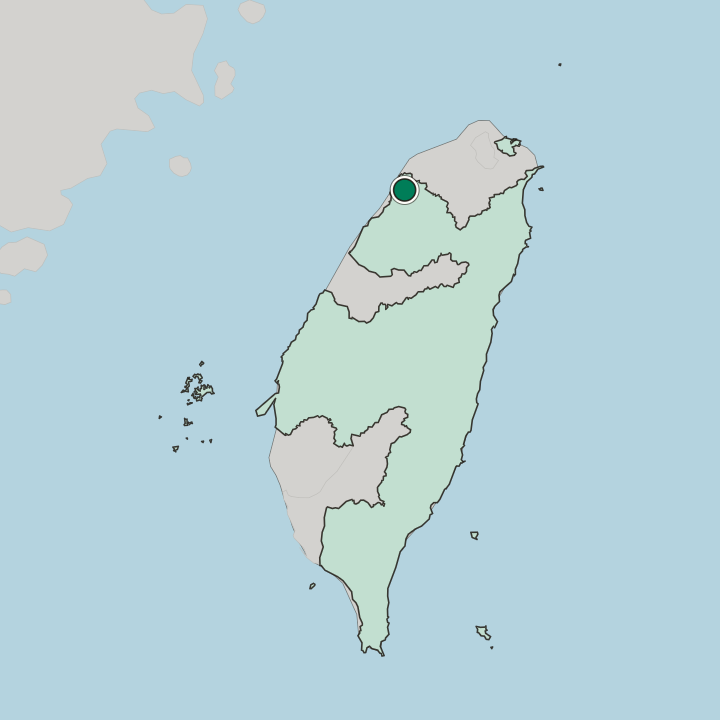
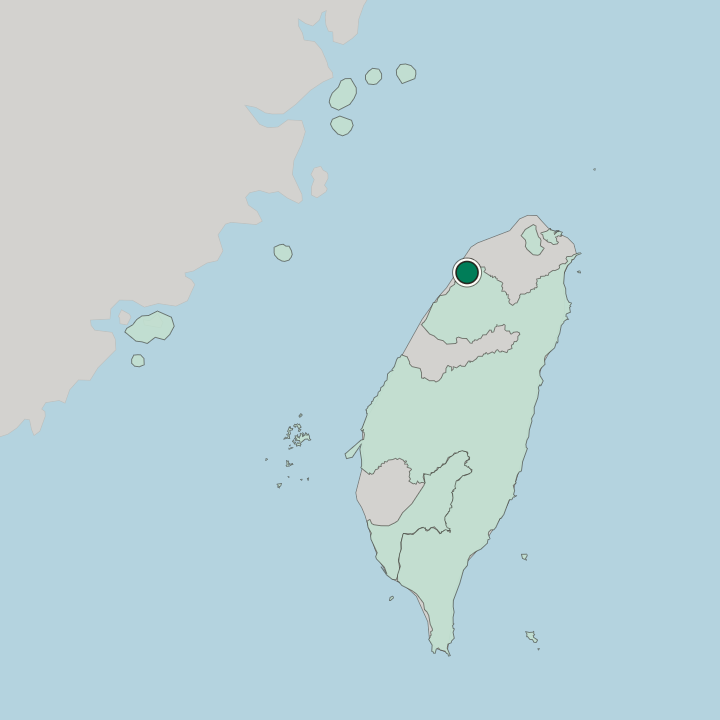
Zhubei and Hsinchu City stand next to one another, near enough that the line between them counts for more on paper than it does on the ground, and the Hsinchu Science Park falls inside the same short compass. Zhubei's temples and halls stand minutes apart. Building runs on with little interruption from one district to the next, and Hsinchu County reaches away from the built-up edge on every side.
What is the climate of Zhubei?
Subtropical air covers the county. Zhubei shares the warm and damp pattern of the island around it, so the seasons here separate themselves by rainfall more than by temperature, and an umbrella earns its keep more reliably than a heavy coat. Winter stays light.
The Museum of Fine Arts of Cultural Bureau, Hsinchu County makes the obvious refuge on a wet afternoon.
How do you get to Zhubei?
Most arrivals come through Hsinchu City. The two run together, so a traveller bound for Zhubei usually passes through its neighbour first, and the road between them carries Hsinchu Science Park traffic at both ends of the working day. County services converge on the offices.
Hsinchu County points its own routes at the administrative centre, which leaves the Museum of Fine Arts of Cultural Bureau, Hsinchu County a short walk from where most people are set down.
Common questions
What is the best area to stay in Zhubei?
Around Lianhua Temple: old-quarter evenings with the county offices nearby. The Daifu Mansion streets: visits built around the Zhubei Liuzhangli Daifu Mansion. The science park side: weekday work at the Hsinchu Science Park.
Good for
More cities in Taiwan
Updated September 2026