United States · Colorado
Where to Stay in Commerce City, Colorado
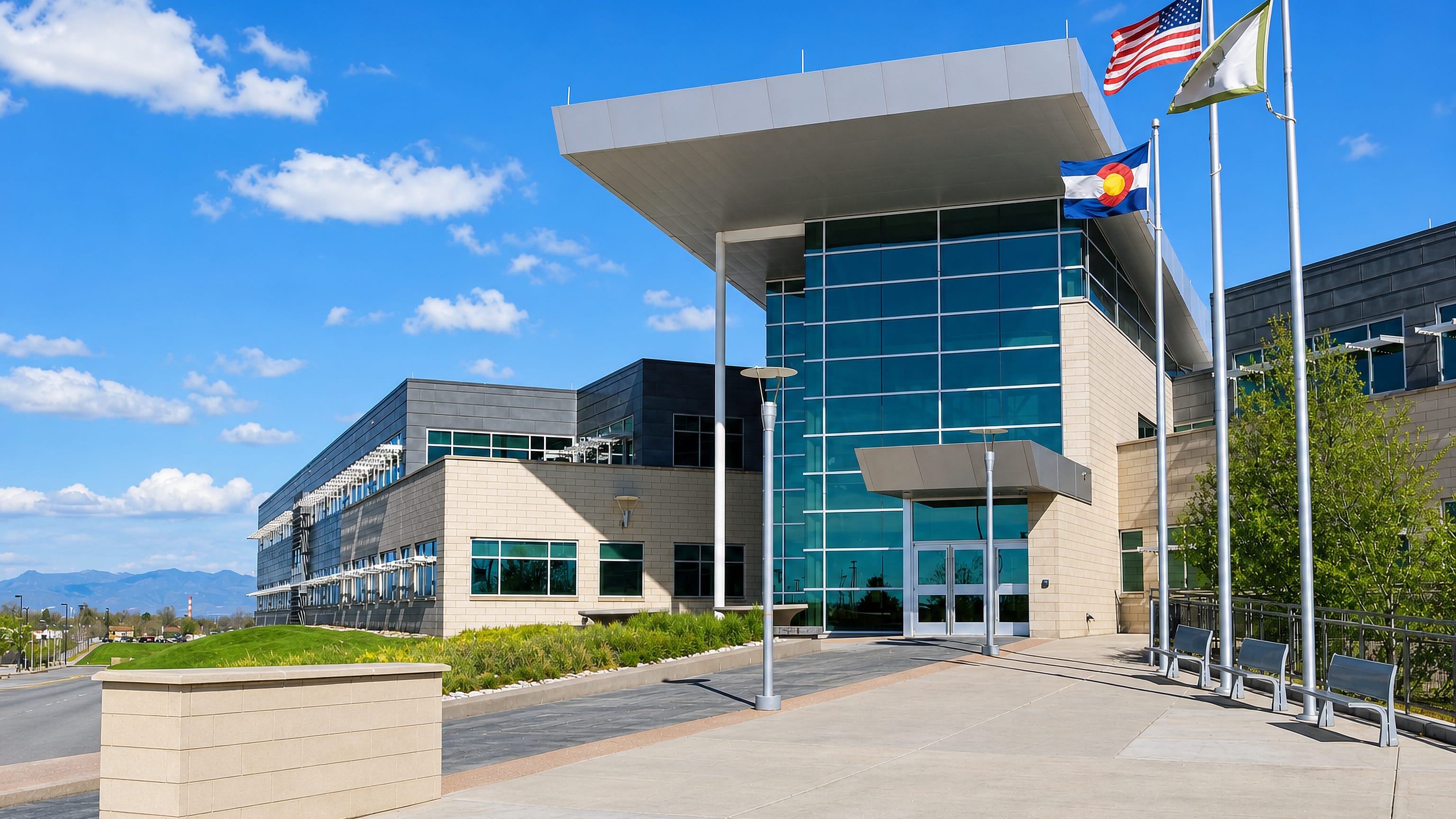
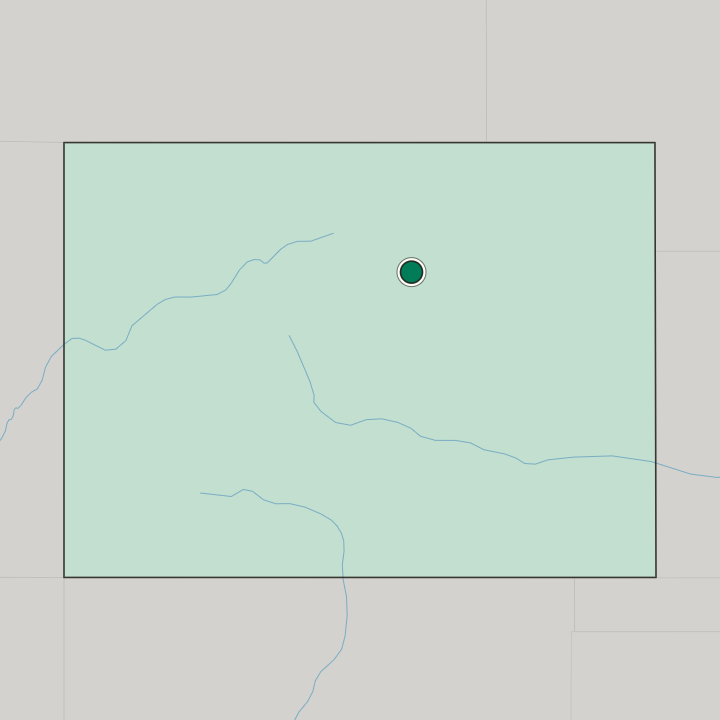
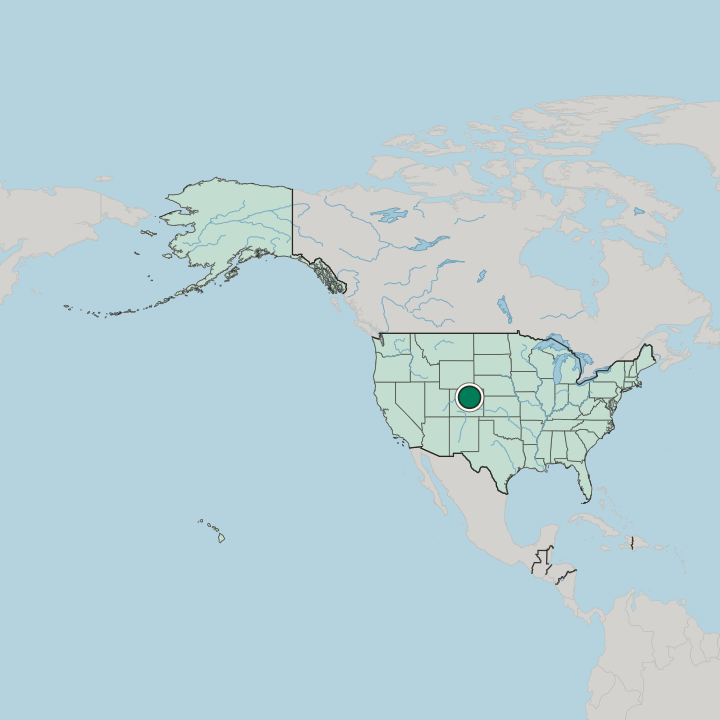
A home rule city of Adams County, Commerce City stands north of Denver in Colorado, on the Front Range Urban Corridor.
Hotel links are affiliate links: booking through them may earn us a commission, at no extra cost to you. It never affects how places are ranked. How this works


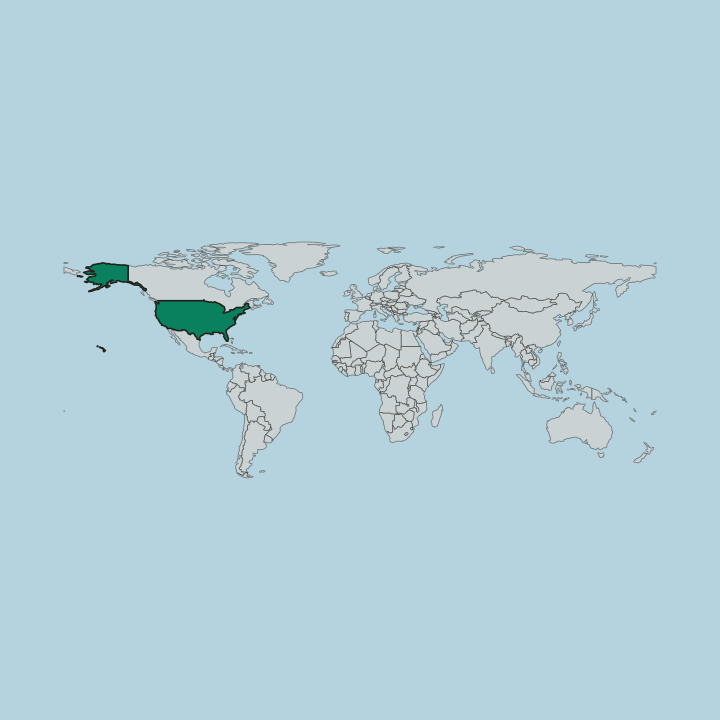
Where to stay in Commerce City
How the choice of base plays out on the ground.
Adams County beds, Denver attractions. That is the trade Commerce City offers, and it is a real one: the city sits north of Denver close enough that the Denver Zoo and the Denver Museum of Nature and Science are an easy run, while the addresses themselves belong to a working municipality rather than a visitor quarter. Rooms here are functional.
Anyone booking on the Commerce City side should expect a car to be part of the plan, because the distances between the Adams County streets and the Denver institutions are driving distances. Denver itself is the alternative and, for most trips, the stronger one: the Black American West Museum and Heritage Center, the Justina Ford House and the Stiles African American Heritage Center all sit on that side, and staying among them removes the commute entirely. Commerce City still has an argument.
It is quieter, it is closer to the northern approaches into the Denver Metropolitan Area, and the Adams County Historical Society And Museum gives the county a story of its own separate from Denver's. If you are here for the Denver Coliseum or a fixture that draws a crowd, take the Commerce City side and drive in; if the trip is museum-led, stay in Denver.
Find hotels in Commerce City
Direct booking searches for these neighbourhoods.
Commerce City
The Adams County streets themselves, a working municipality rather than a visitor quarter, with every Denver institution a drive away. Rooms are few around here — worth securing early.Find hotels in Commerce Citymuseum-led trips taking in the Black American West Museum and Heritage Center and the Justina Ford HouseDenver
The city Commerce City stands north of, where the Denver Zoo and the Forney Transportation Museum need no drive at all.Find hotels in DenverHotel links are affiliate links: booking through them may earn us a commission, at no extra cost to you. It never affects how places are ranked. How this works
Things to do in Commerce City
Ranked by global recognition; descriptions from Wikidata (CC0).
Museums & Galleries
3- Denver Museum of Nature and Science
- Forney Transportation Museum
- Black American West Museum and Heritage Center
Churches & Religious Sites
4- St. Ignatius Loyola Church Heritage
- Montview Boulevard Presbyterian Church Heritage
- Christ Methodist Episcopal Church Heritage
- St. Stephen's Lutheran Church Heritage
Landmarks & Notable Places
3- Thede Farmhouse Heritage
- M.J. Lavina Robidoux House Heritage
- Granville Fuller House Heritage
worth knowingacross 3 categories in Commerce City
About Commerce City
The name says what the place was for.
What is Commerce City known for?
Commerce City is a working municipality on the Adams County side of the metropolitan area, and its interest for a visitor lies less in its own streets than in what sits within a short run of them. Denver is that close. The Denver Zoo, the Denver Museum of Nature and Science and the Denver Coliseum all fall inside the orbit of a stay here, and the Forney Transportation Museum adds a fourth.
What are the main landmarks in Commerce City?
Most of the heavyweight names sit in Denver. The Denver Zoo, the Denver Museum of Nature and Science and the Denver Coliseum are the ones that draw crowds, and the Forney Transportation Museum and the Black American West Museum and Heritage Center follow them closely. Adams County keeps its own record.
The Adams County Historical Society And Museum covers the county Commerce City belongs to, and smaller listings run to Annunciation Church, the Justina Ford House and the Stiles African American Heritage Center.
What is the history of Commerce City?
Commerce City is a mid-century creation. It was established in 1952, which puts it among the municipalities that formed as Denver spread outward across Adams County rather than among the settlements that preceded that spread. The name was not decorative.
It described a municipality organised around work and movement, and the Forney Transportation Museum, close by, keeps the vehicles that carried that work. Older buildings survive around it: the Pearce-McAllister Cottage, Annunciation Church and the Justina Ford House among them. Metropolitan grouping came later.
Commerce City now counts within the Denver-Aurora-Centennial metropolitan statistical area, and within the Front Range Urban Corridor, the band of settlement that runs along that side of Colorado. Those labels changed nothing on the ground. What they registered was a city already tied to Denver by road and by work, and the heritage that visitors reach from Commerce City, the Black American West Museum and Heritage Center, the Stiles African American Heritage Center, the Denver Coliseum, belongs to that shared metropolitan history rather than to any one municipality within it.
Colorado and the United States both recognise it as a home rule city.
Where is Commerce City?
Commerce City stands north of Denver. Its ground lies in Adams County, on the Front Range Urban Corridor, and the municipal area is wide enough that the built streets give way to open land well before the boundary. The city has no natural edge of its own; it runs into the surrounding metropolitan fabric on the Denver side and into open Adams County land on the other, which is why its shape reads administratively rather than geographically.
Everything a visitor wants lies within that spread or just past it.
What is the climate of Commerce City?
Distance from the sea decides most of it. Commerce City sits in the temperate band of the northern hemisphere, deep inside the continent on the Front Range Urban Corridor, and the year swings between a hot half and a cold one without any coastal water to blunt either end. Adams County offers no shelter.
Open land north of Denver leaves the streets exposed, and a day at the Denver Zoo or the Denver Coliseum can feel different from the same day in a sheltered quarter.
How do you get to Commerce City?
Cars cover the distances here. Commerce City stands north of Denver on the Front Range Urban Corridor, which means the approach from the metropolitan centre is short and the approach from anywhere further out in Colorado passes through Adams County first. Aurora and Centennial share the same metropolitan statistical grouping, so a trip that takes in the Denver Museum of Nature and Science from a Commerce City base is a routine drive rather than an excursion.
Nothing here is walkable end to end.
Common questions
What is the best area to stay in Commerce City?
Commerce City: nights near the Denver Coliseum with a car and a shorter northern approach. Denver: museum-led trips taking in the Black American West Museum and Heritage Center and the Justina Ford House.
Good for
More cities in Colorado
Updated October 2026