United States · Colorado
Where to Stay in Grand Junction, Colorado
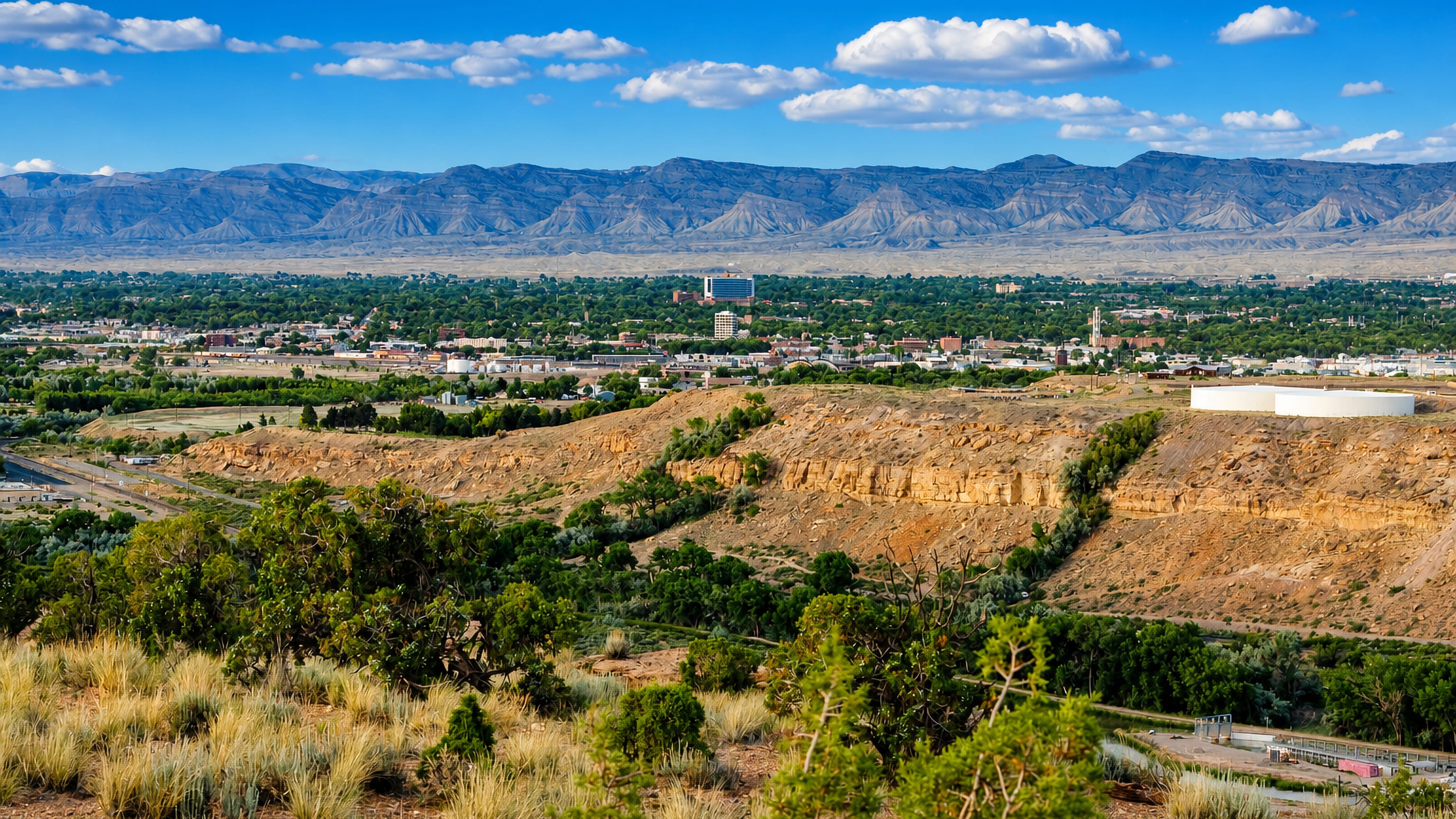
Grand Junction, the Mesa County seat, stands on the Colorado River below Grand Mesa, Mount Garfield, and Colorado National Monument.
Hotel links are affiliate links: booking through them may earn us a commission, at no extra cost to you. It never affects how places are ranked. How this works


Where to stay in Grand Junction
Where the beds are, and what that means for the visit.
The Colorado River sets the plan. Grand Junction spreads over the valley floor beside the water, and its beds gather where the old grid meets the road out, which keeps The Art Center Grand Junction and the Museum Of Western Colorado inside reach of most central rooms. Crossing Grand Junction itself takes only minutes.
Anyone here for Colorado National Monument or Grand Mesa spends far more of the day driving than walking, so a room near the highway gives up very little. Downtown is the interesting choice. The Art Center Grand Junction and the Western Colorado Center for the Arts give the centre a cultural weight that a valley city of this size would not otherwise carry, and Suplizio Field puts a summer crowd within walking distance of the same blocks.
Ball games fill them. A bed near the ground suits you when the visit is timed to a tournament rather than to the mesas. Everything else is an approach road.
The Dinosaur Diamond runs on through Mesa County toward fossil country, Colorado's Wine Country occupies the valley on either hand, and rooms taken along those margins are chosen for the morning drive rather than for the neighbourhood around them. Pick by direction. Mount Garfield, Grand Mesa, and Colorado National Monument each pull a different way off the valley floor, and that is the question a visitor is really answering.
Find hotels in Grand Junction
Direct booking searches for these neighbourhoods.
Downtown by The Art Center
The central grid where The Art Center Grand Junction and the Western Colorado Center for the Arts give this valley city its exhibition life.Find hotels in Downtown by The Art CenterNights timed to a tournament at Suplizio FieldAround Suplizio Field
The blocks beside Suplizio Field, where a summer baseball crowd fills the streets of Grand Junction instead of the mesas above the valley. Beds are limited here, so book early.Find hotels in Around Suplizio FieldEarly starts for Colorado National Monument and Grand MesaThe Colorado National Monument approach
The valley margin of Grand Junction facing Colorado National Monument, taken for the climb out in the morning rather than for anything within walking reach. Lodging is scarce in this area; reserve in advance.Find hotels in The Colorado National Monument approachHotel links are affiliate links: booking through them may earn us a commission, at no extra cost to you. It never affects how places are ranked. How this works
About Grand Junction
Red rock frames the town.
What is Grand Junction known for?
Grand Junction stands on the Colorado River with Grand Mesa, Mount Garfield, and Colorado National Monument arranged around it, which gives a working valley city an extraordinary set of edges. Vines grow here. Colorado's Wine Country runs through Mesa County, while the Dinosaur Diamond brings a wholly different visitor, the sort who came for fossil ground rather than for a vineyard.
What are the main landmarks in Grand Junction?
Five entries, pulling apart. The Museum Of Western Colorado and The Art Center Grand Junction hold the indoor half, while the Western Colorado Center for the Arts adds a third address to a city that keeps its collections in the centre. Suplizio Field is the outdoor exception.
The Dinosaur Diamond works at another scale altogether, a fossil route that treats Grand Junction as one waypoint among many rather than as the destination.
What is the history of Grand Junction?
The city dates from 1882. Grand Junction was laid out where the Colorado River crosses the open valley below Grand Mesa, and the name announces a junction, which is what the site amounted to long before anyone platted a street on it. Mesa County came with it.
Taking the county seat handed the young town an administrative weight that no rival settlement on the valley floor could match. Farming followed the water. Ground beside the Colorado River proved suited to fruit and to vines, and Colorado's Wine Country grew out of that soil rather than out of any later plan, spreading through Mesa County on both sides of the channel.
Orchards preceded galleries. The Museum Of Western Colorado holds the record of that working period for the whole of the country around the city. Culture arrived afterwards.
The Art Center Grand Junction and the Western Colorado Center for the Arts gave the city exhibition rooms of its own, while Suplizio Field supplied the summer gathering that a growing town wants. Travel came last of all. Colorado National Monument, Mount Garfield, and the Dinosaur Diamond turned red rock that had always stood over Grand Junction into the reason a visitor now makes the journey at all.
Where is Grand Junction?
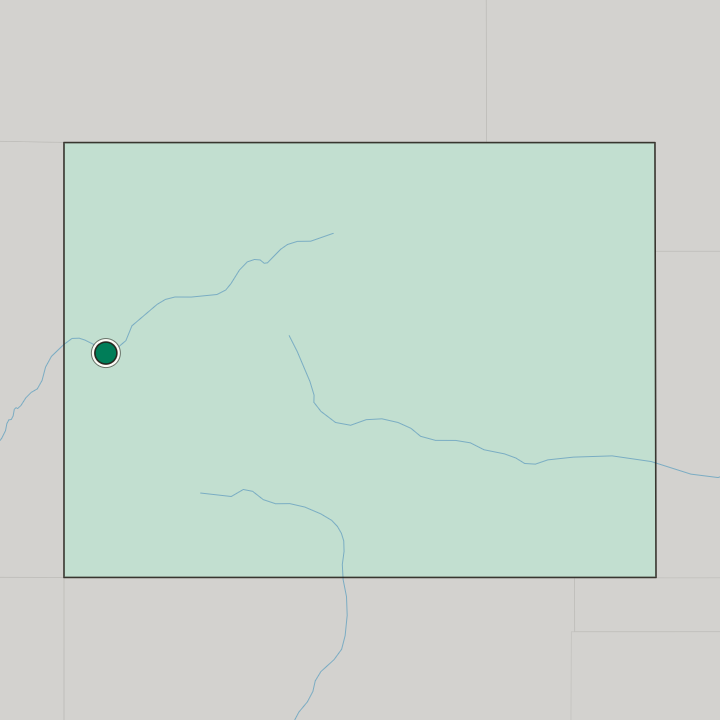
Valley floor, red rock over it. Grand Junction lies on the Colorado River where the ground opens out below Grand Mesa and Mount Garfield, with Colorado National Monument rising close by and Mesa County spreading away from the channel. Mesas fill the horizon.
Level land between them carries the orchards and vines of Colorado's Wine Country, and the city occupies the middle of that band.
What is the climate of Grand Junction?
Grand Mesa governs the outlook. Grand Junction lies in the temperate band on a dry valley floor where the Colorado River is the one dependable water, so the warm months run hot and bright while the high ground above the city keeps a season of its own. Shade is scarce below.
Colorado's Wine Country depends on exactly that arrangement, and the Museum Of Western Colorado is the obvious refuge on days when the valley bakes.
How do you get to Grand Junction?
Most arrivals come up the valley. Grand Junction sits on the route that follows the Colorado River through Mesa County, and the Dinosaur Diamond touring circuit runs the same corridor, which is how a good share of visitors reach the city at all. Driving is the norm.
Grand Mesa and Colorado National Monument are the two turnings that take a traveller off that line and onto the climbs above the valley.
Common questions
What is the best area to stay in Grand Junction?
Downtown by The Art Center: Gallery-led stays near The Art Center Grand Junction. Around Suplizio Field: Nights timed to a tournament at Suplizio Field. The Colorado National Monument approach: Early starts for Colorado National Monument and Grand Mesa.
Good for
More cities in Colorado
Updated September 2026