United States
Texas, United States — Towns & Travel Guide
Texas reaches from the Gulf of Mexico to the Rio Grande, the Lone Star State that joined the United States in 1845.
Hotel links are affiliate links: booking through them may earn us a commission, at no extra cost to you. It never affects how places are ranked. How this works


Towns & cities in Texas
Pick a town or city — each links to where to stay.
 United States
Houston
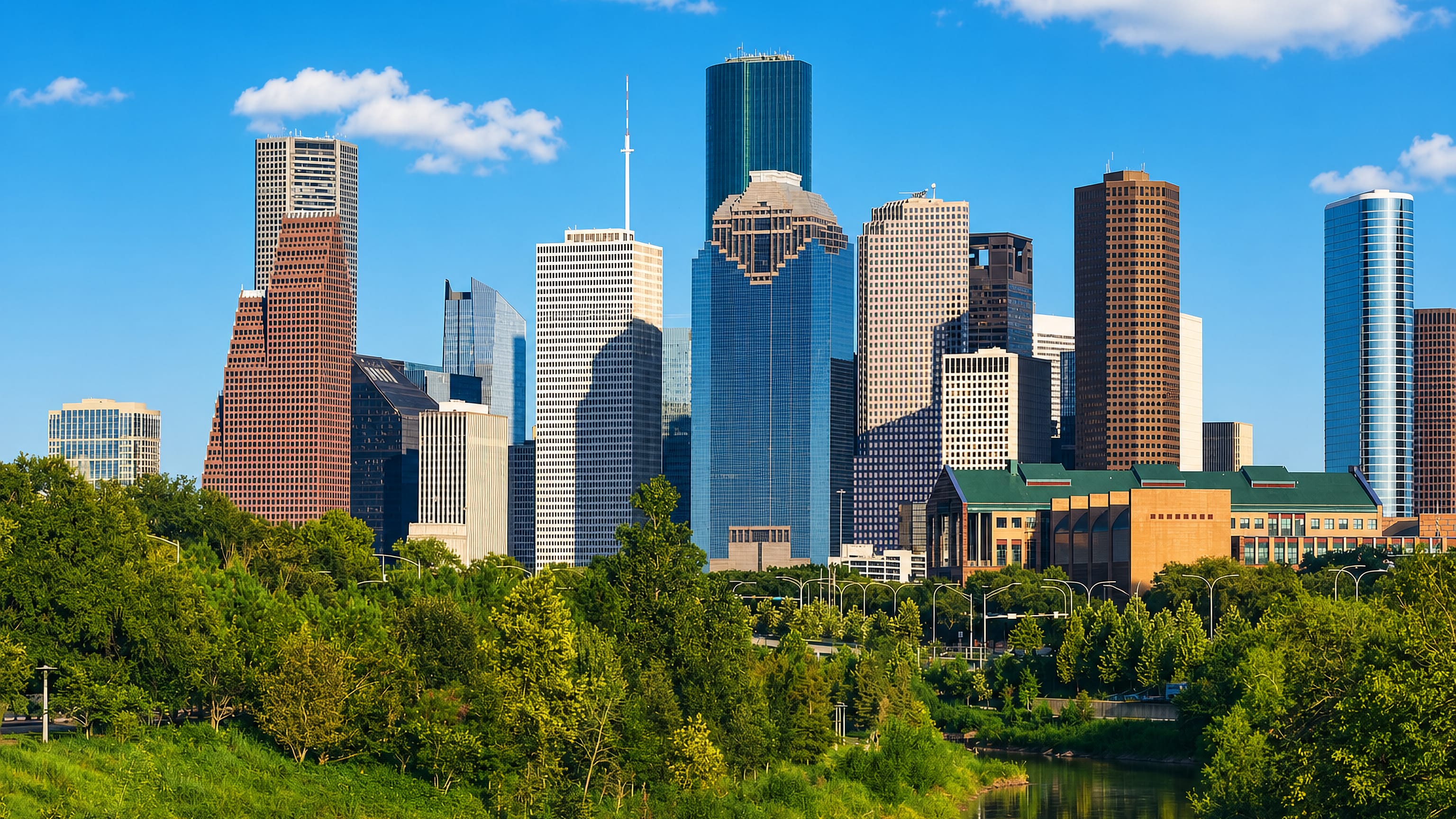
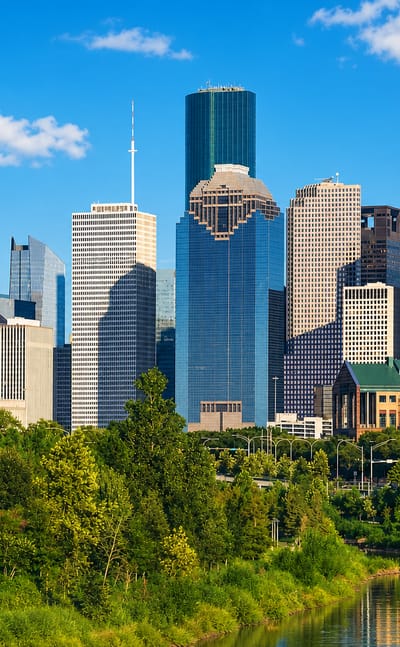
The Gulf of Mexico lies close to Houston, a port city in Texas known for the Menil Collection and the Rothko Chapel.Where to stay →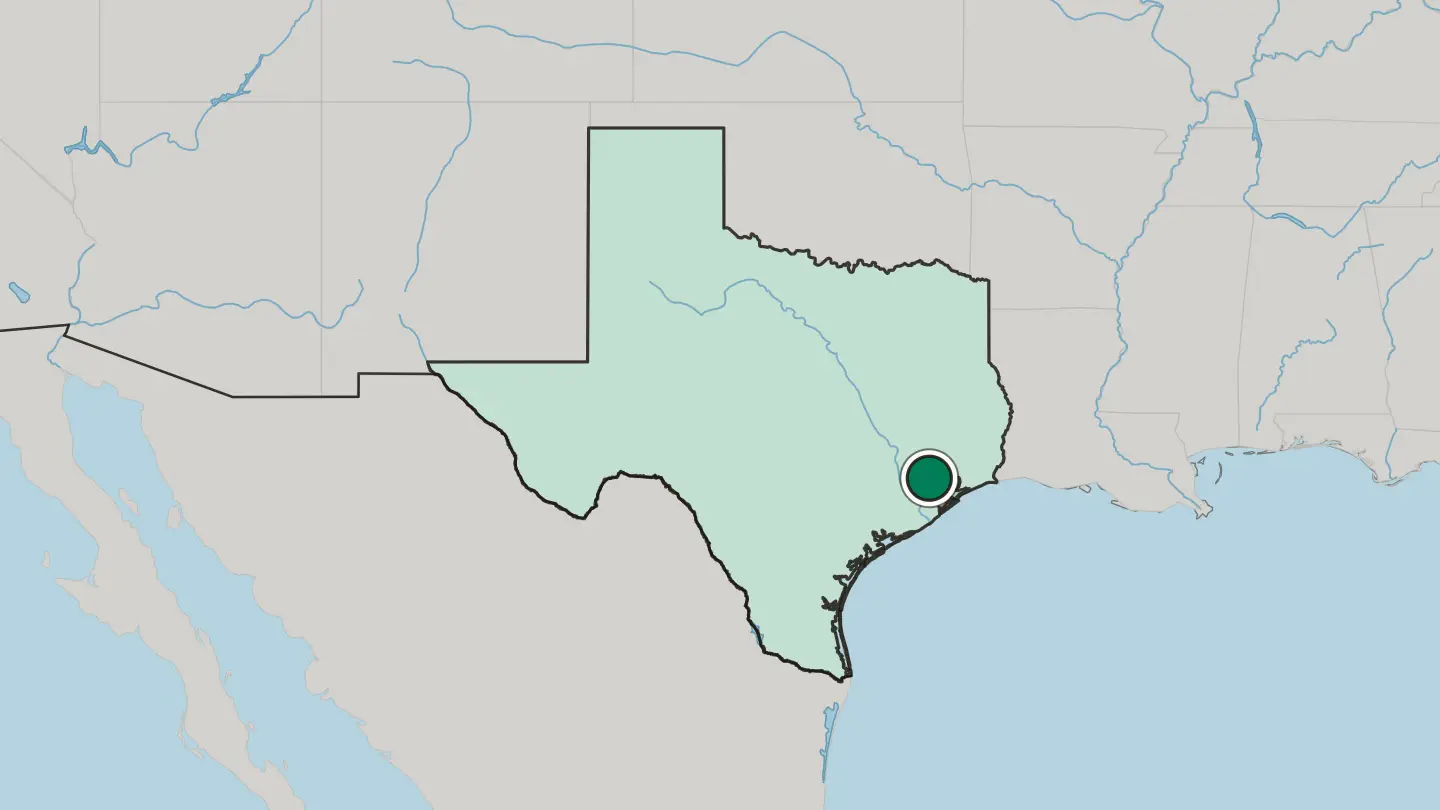
 United States
San Antonio
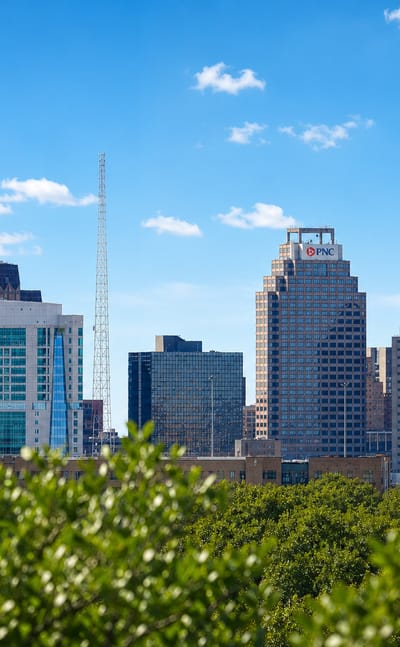
San Antonio is a historic city in Texas, founded in 1718 and known for the Cathedral of San Fernando, Mission Concepcion, and the Tower of the Americas.Where to stay →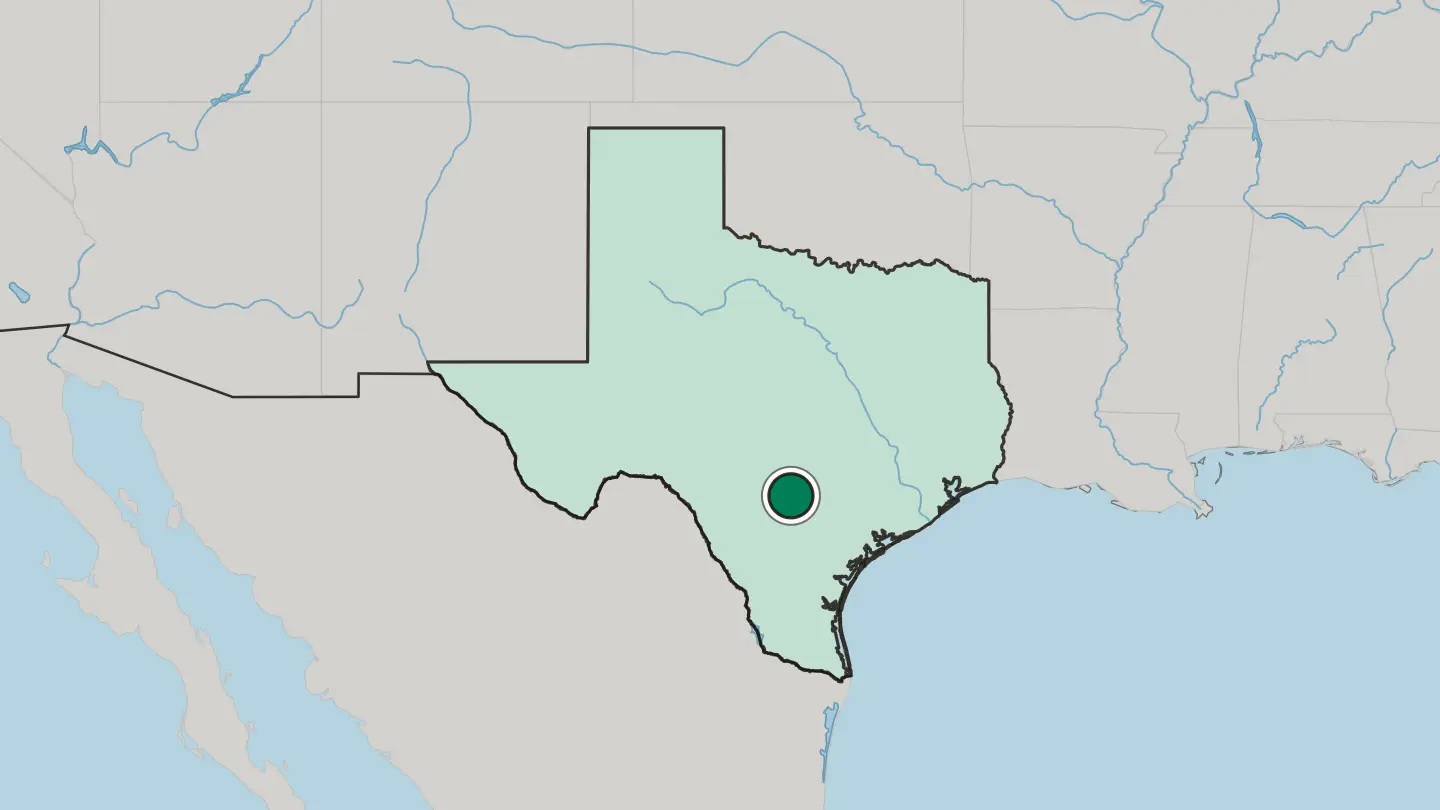
 United States
Dallas
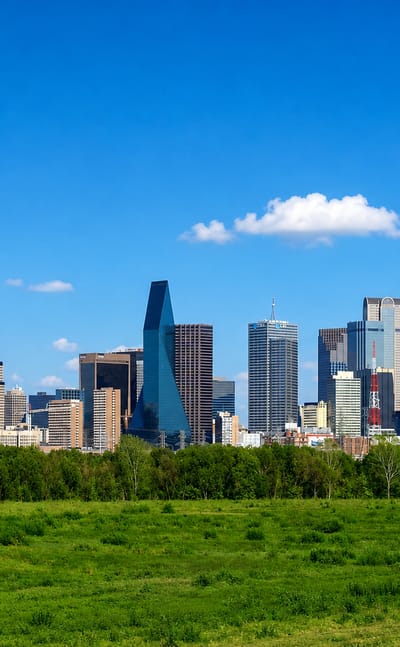
Reunion Tower rises over Dallas, an inland city in Texas known for the Dallas Museum of Art and the Sixth Floor Museum at Dealey Plaza.Where to stay →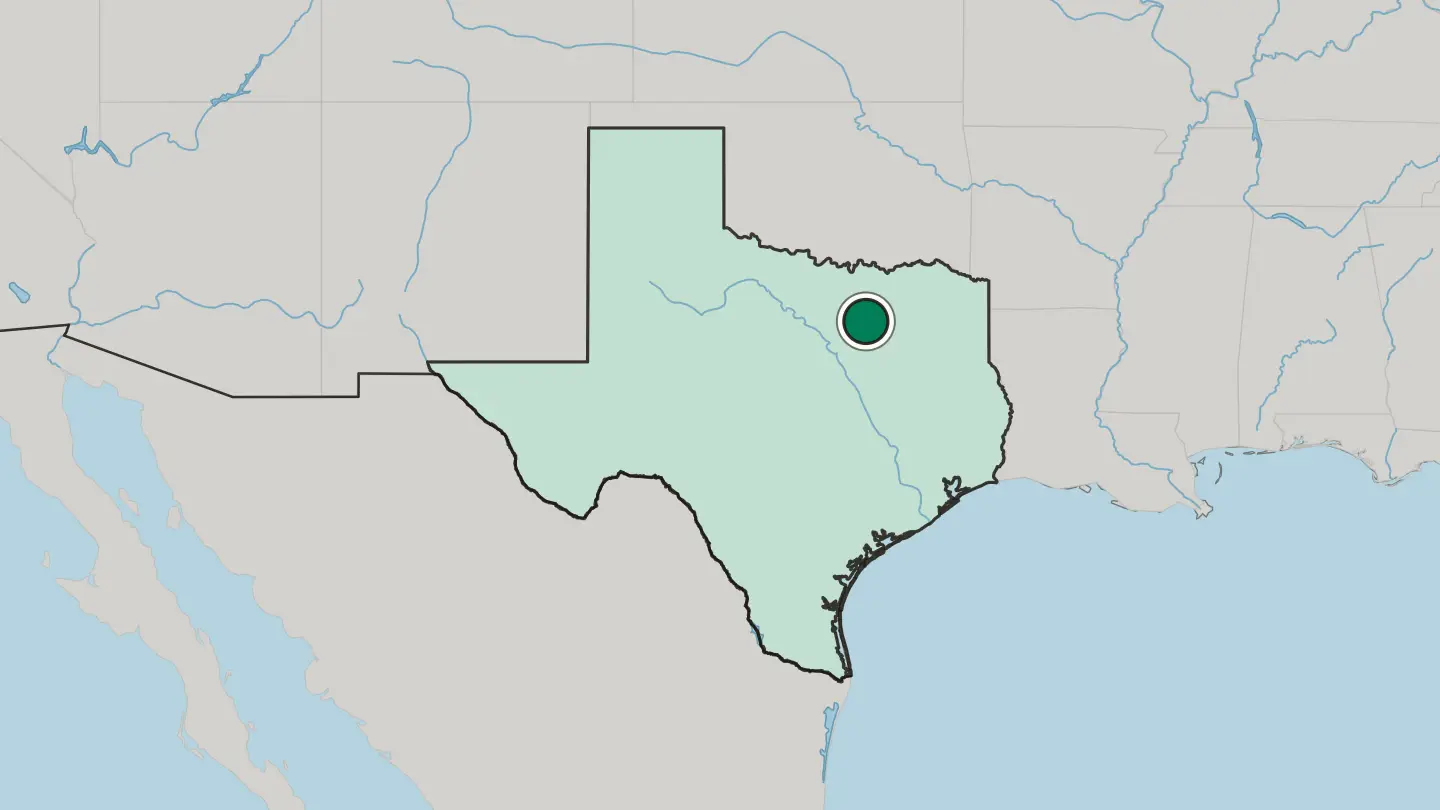
 United States
Fort Worth
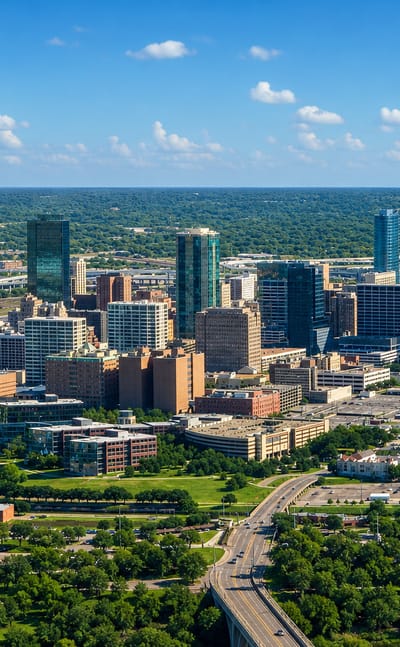
Fort Worth is a cattle-trail city in Texas, known for the Amon Carter Museum of American Art and its historic Stockyards district.Where to stay →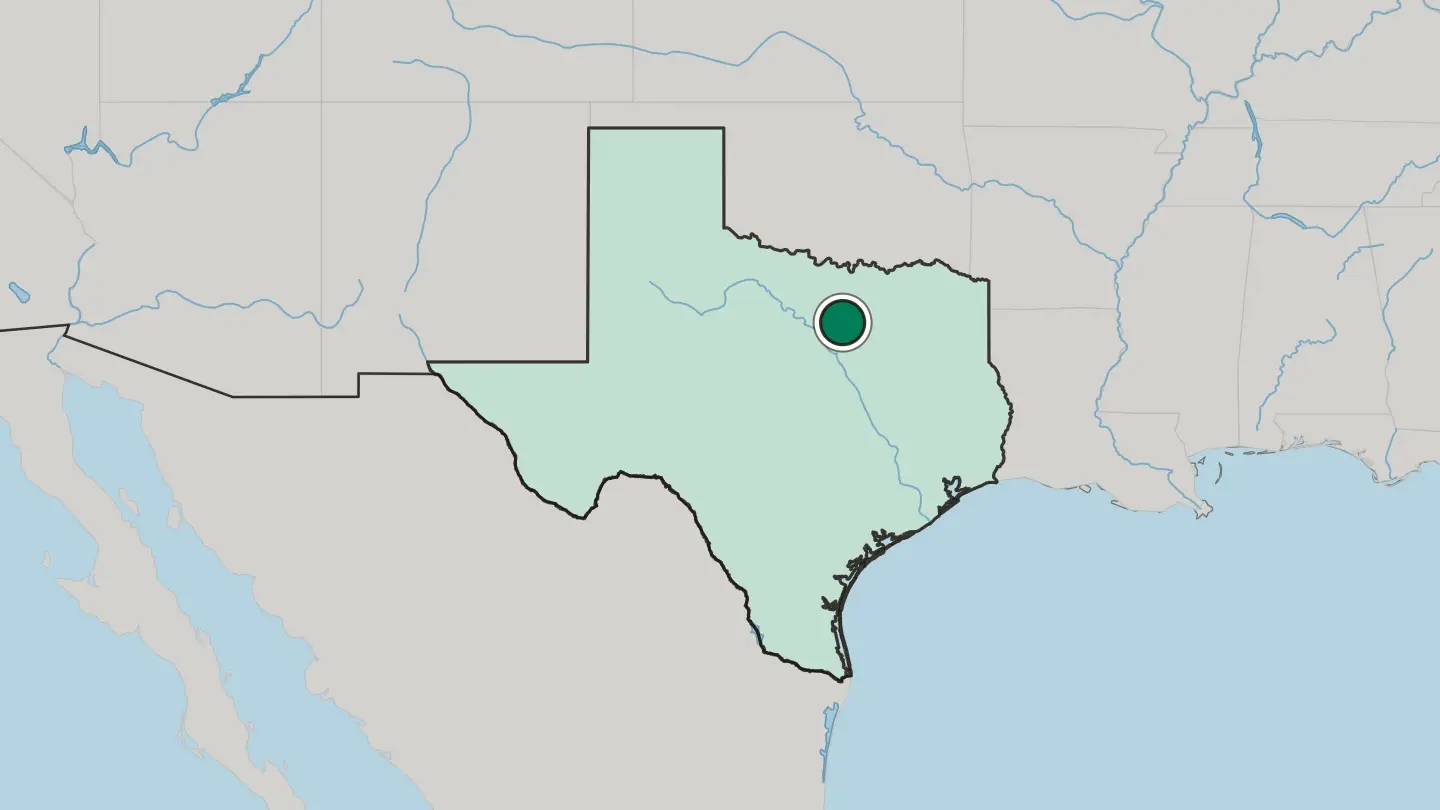
 United States
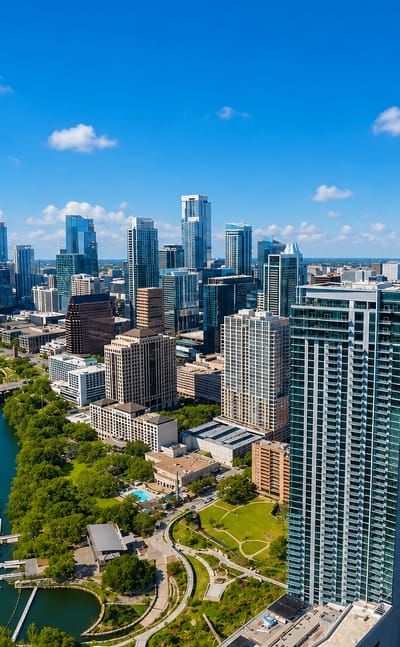
Austin
Austin is the capital of Texas on the Colorado River, known for the Bullock Texas State History Museum and a live-music scene.Where to stay →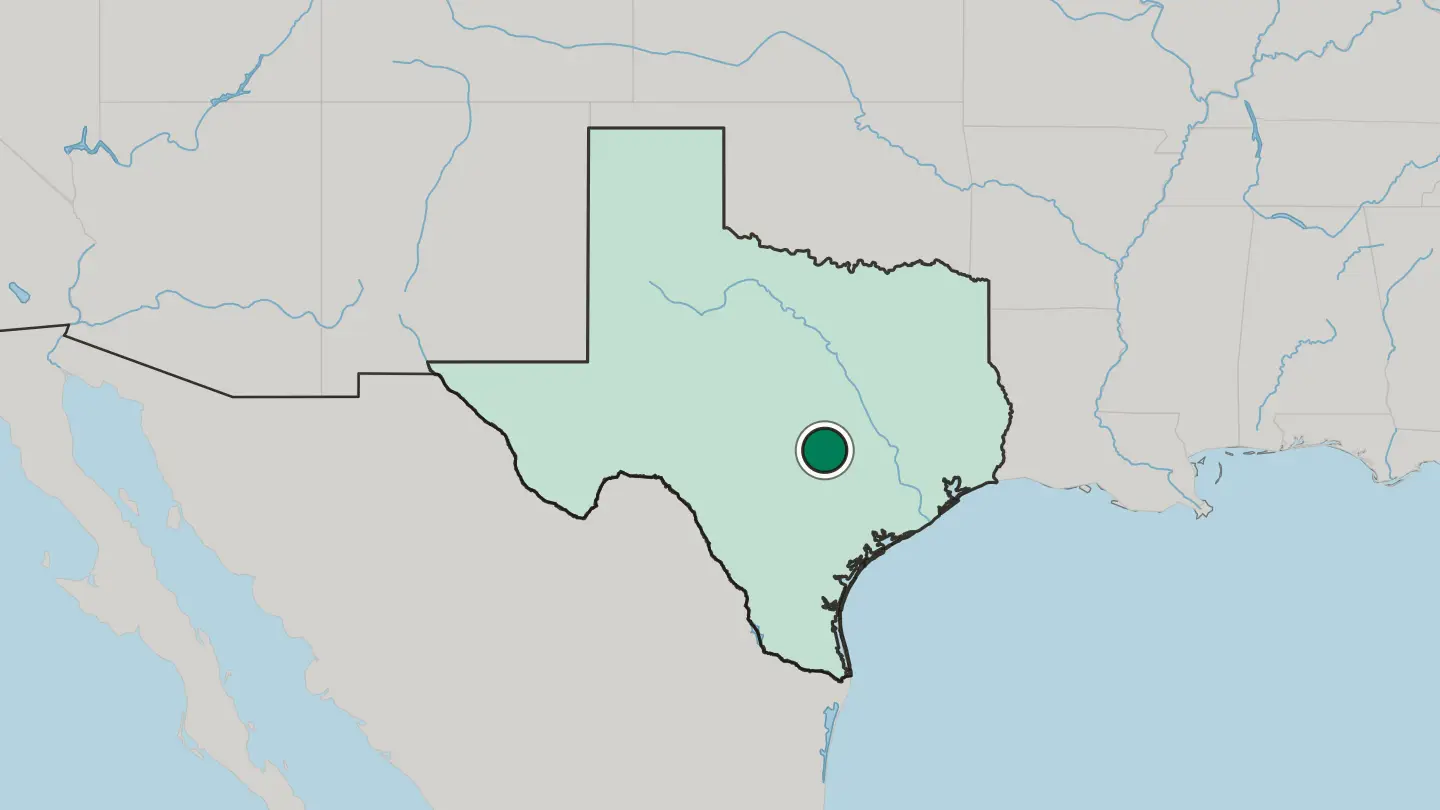
 United States
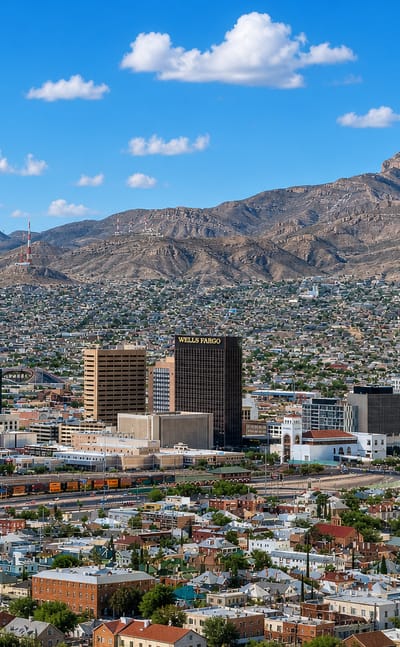
El Paso
Desert light and a river gap in the mountains give El Paso its name, a city in Texas on the southern border, settled in 1680.Where to stay →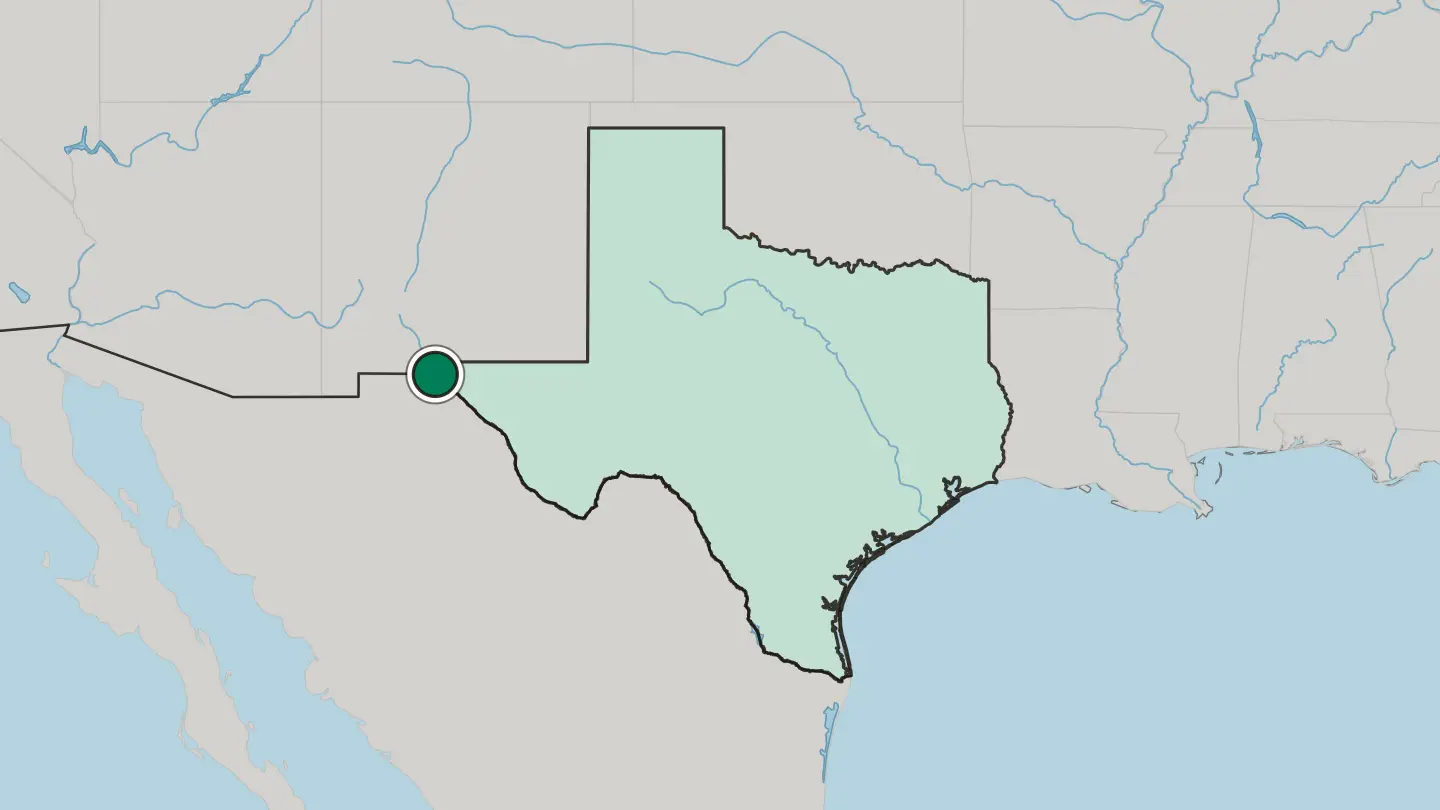 United States
Arlington
Prairie flats spread around Arlington, a city on the North Texas plain, known for the Arlington Museum of Art and its Old Town Historic District.Where to stay →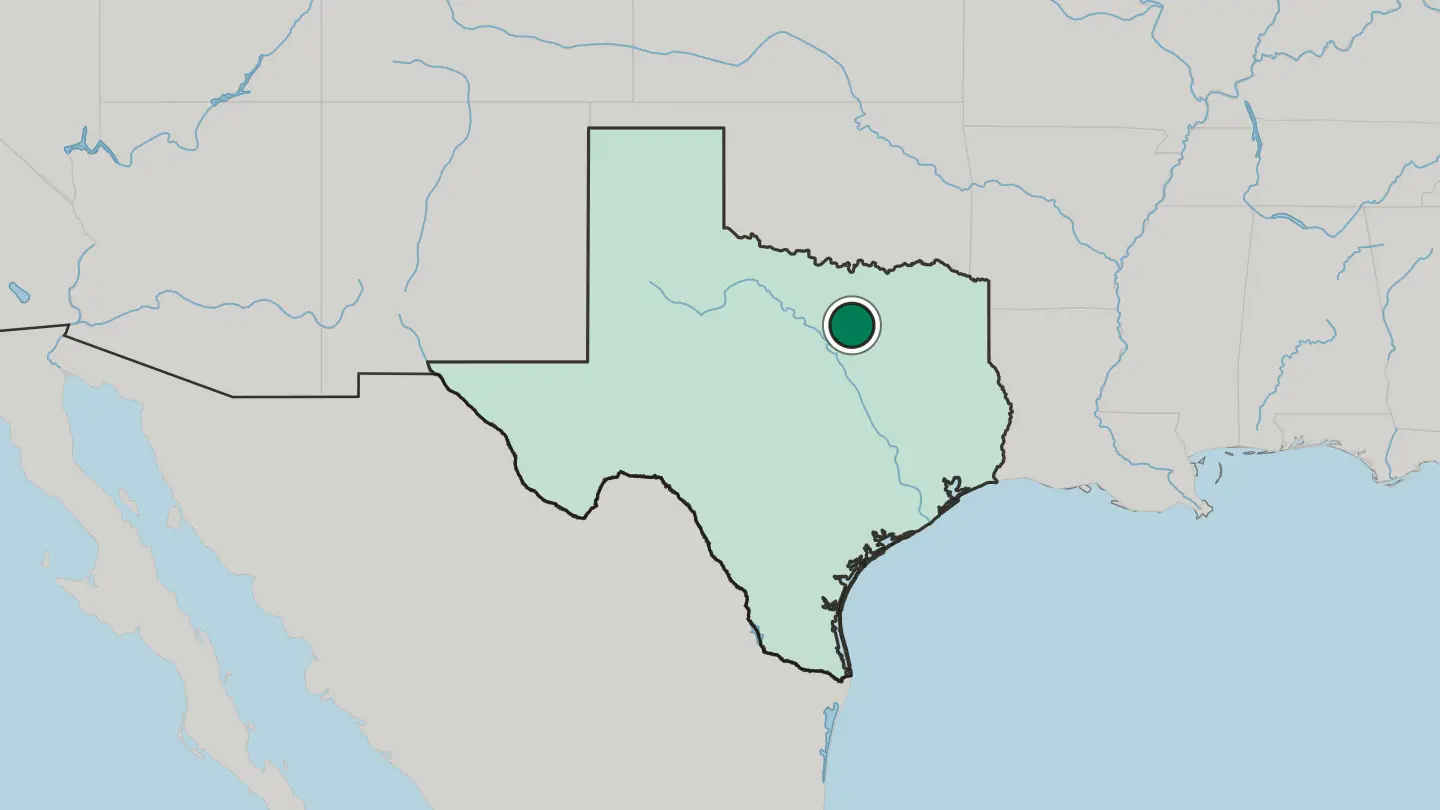
 United States
Corpus Christi
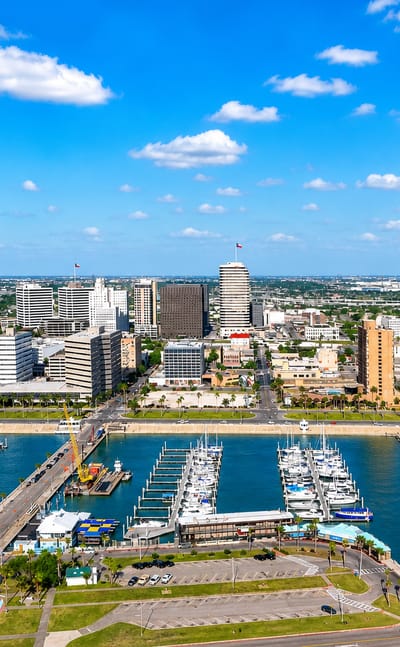
Salt air blows off the bay at Corpus Christi, the largest coastal city of Texas, known for its waterfront and the sands of Padre Island.Where to stay →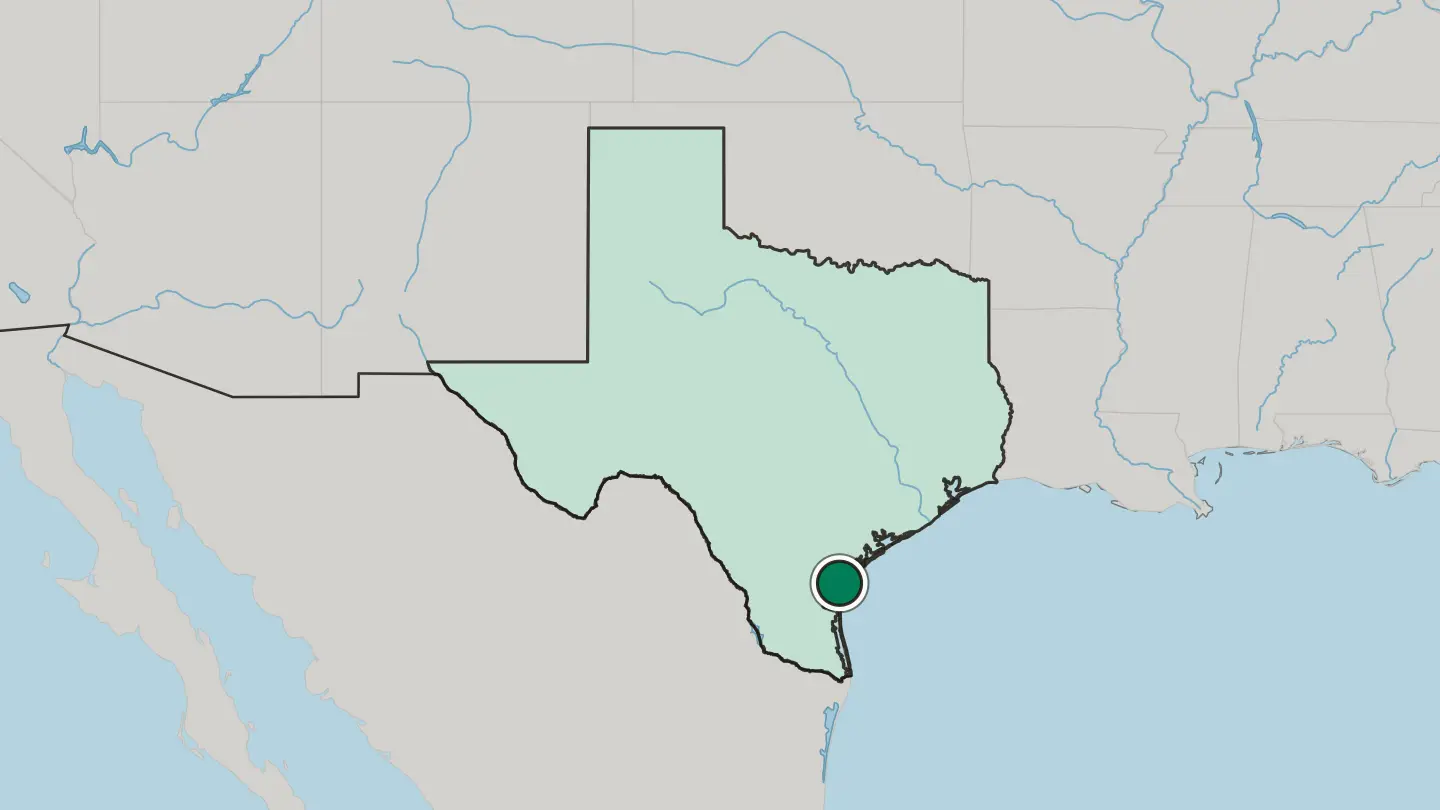
All towns & cities (75)
 United States
Plano
Plano, the largest city in Collin County, sits north of Dallas in the Dallas-Fort Worth metroplex and dates from 1873.Where to stay →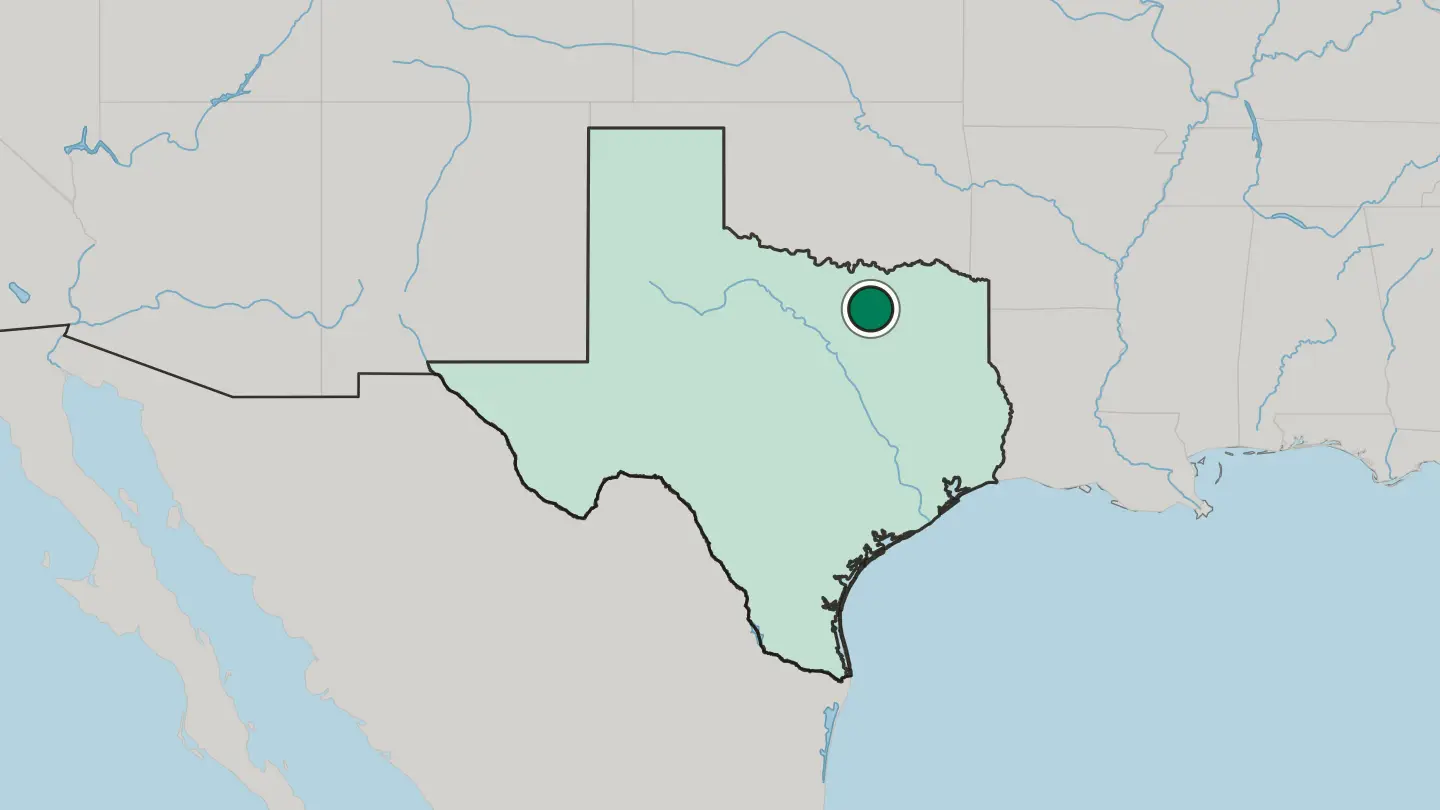 United States
Laredo
Laredo is a city of south Texas in the United States, an old Spanish town on the Rio Grande, a great crossing point for trade with Mexico.Where to stay →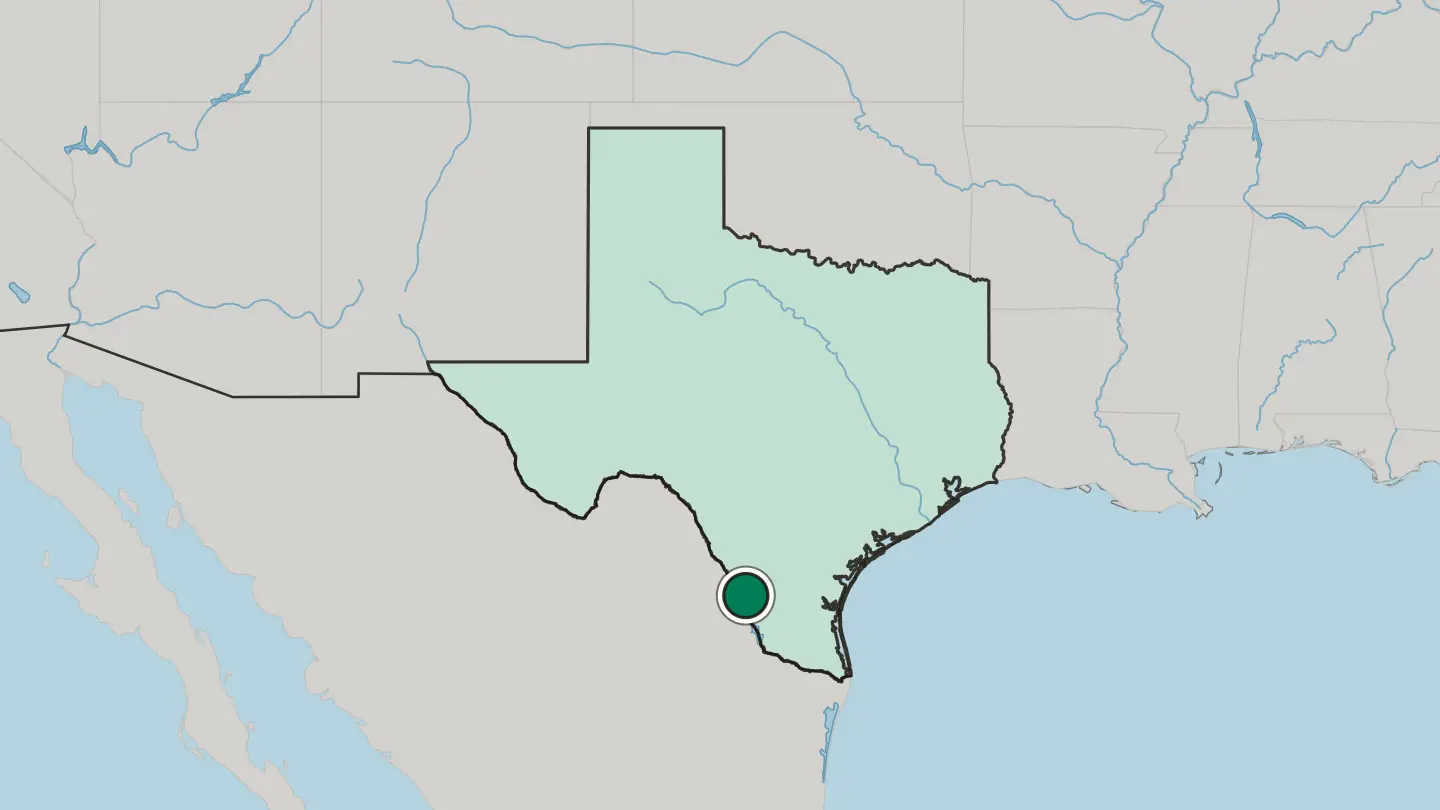
 United States
Lubbock
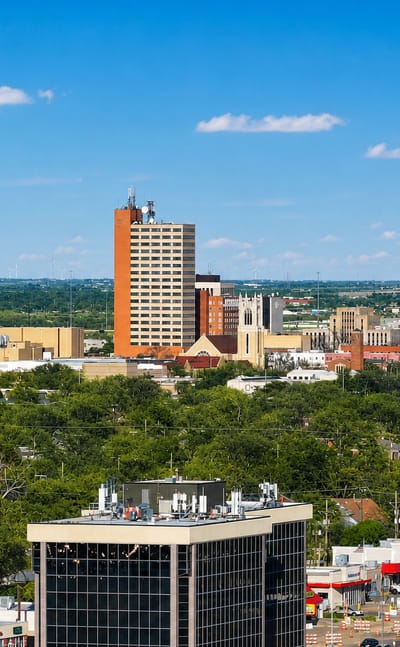
Lubbock spreads flat across the South Plains of Texas, a ranching and college city founded in 1890 and home to the Buddy Holly Center.Where to stay →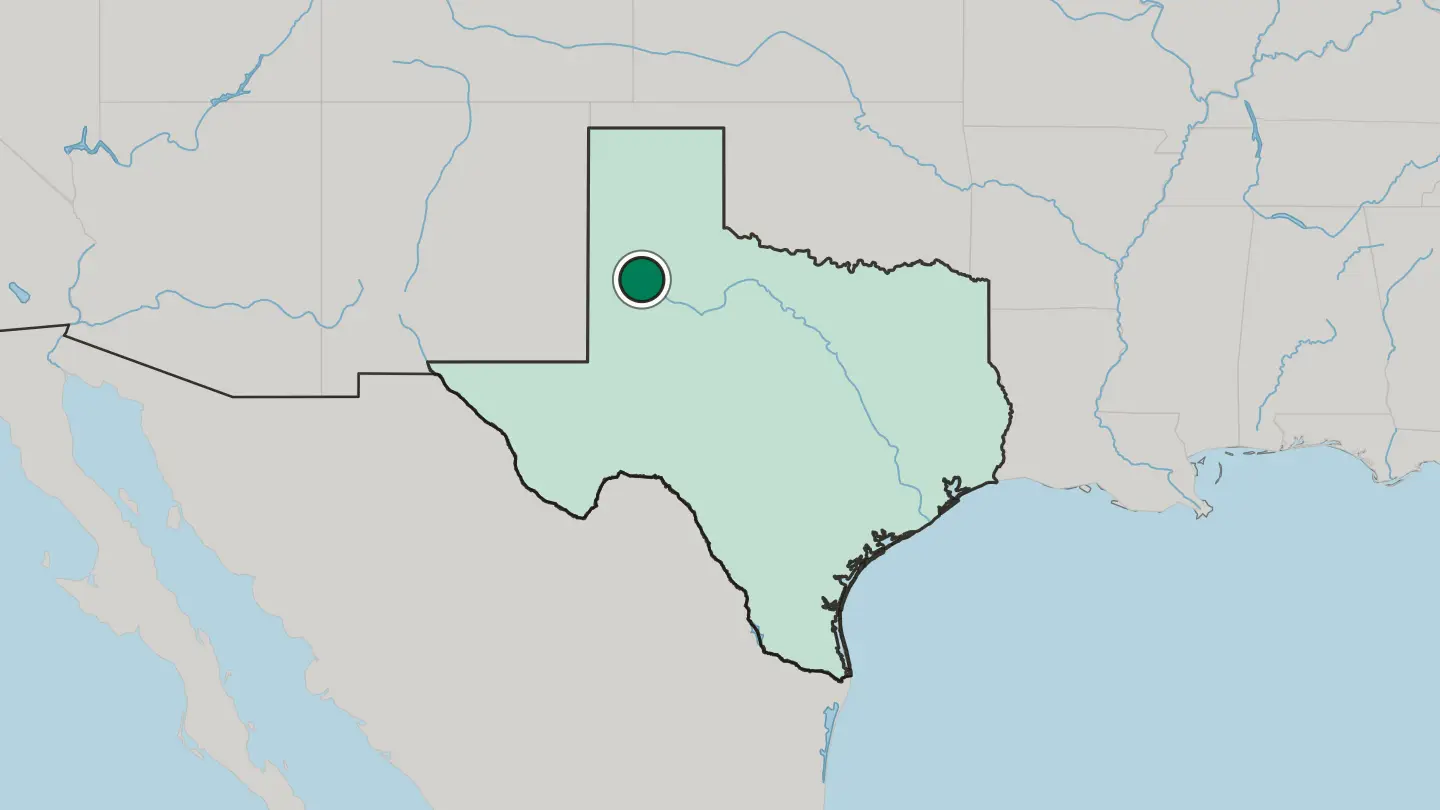
 United States
Garland
Garland is a city of Dallas County northeast of Dallas, reaching into Collin and Rockwall counties, with two DART Blue Line stations of its own.Where to stay →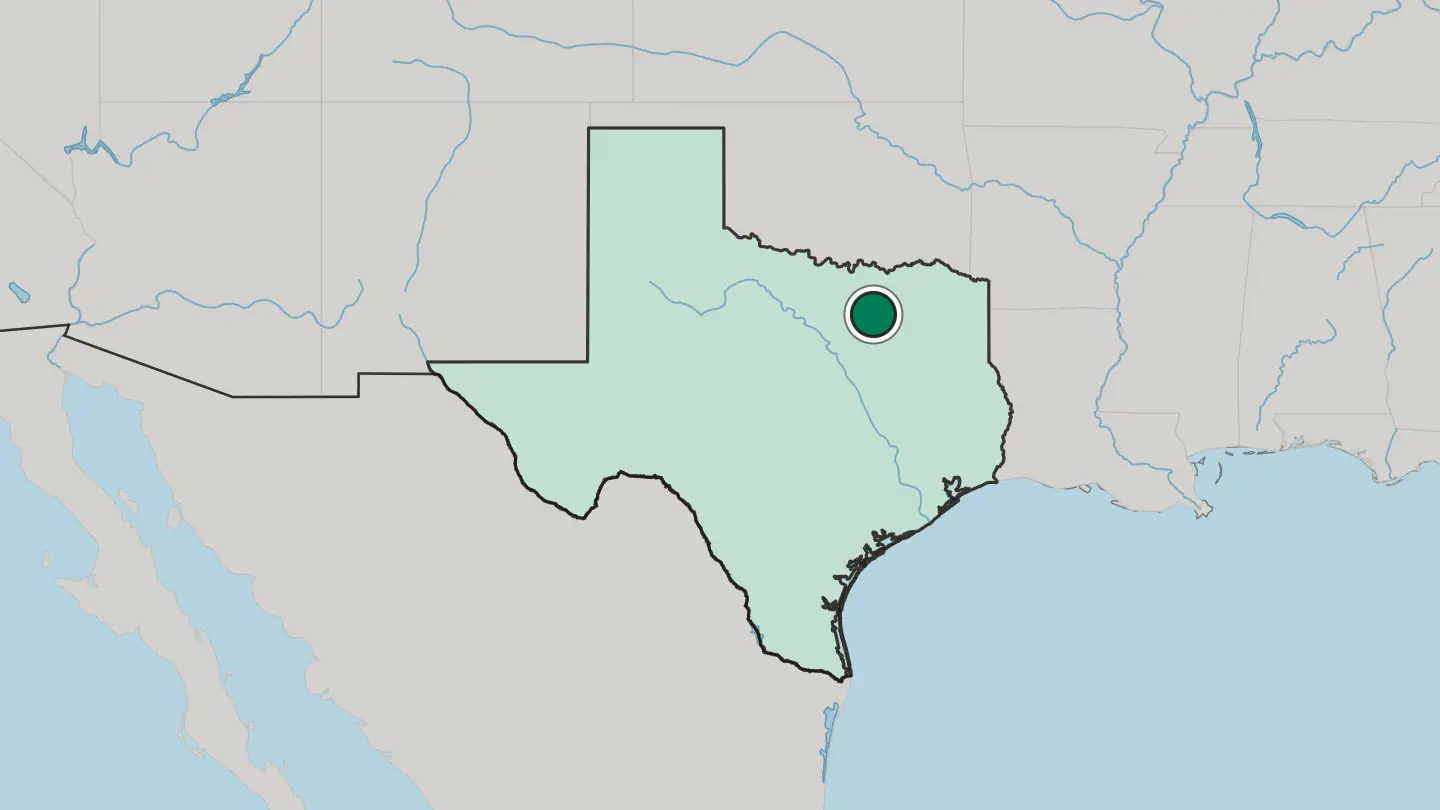
 United States
Irving
Irving holds Las Colinas and part of Dallas Fort Worth International Airport, a Dallas County suburb dating from 1903.Where to stay →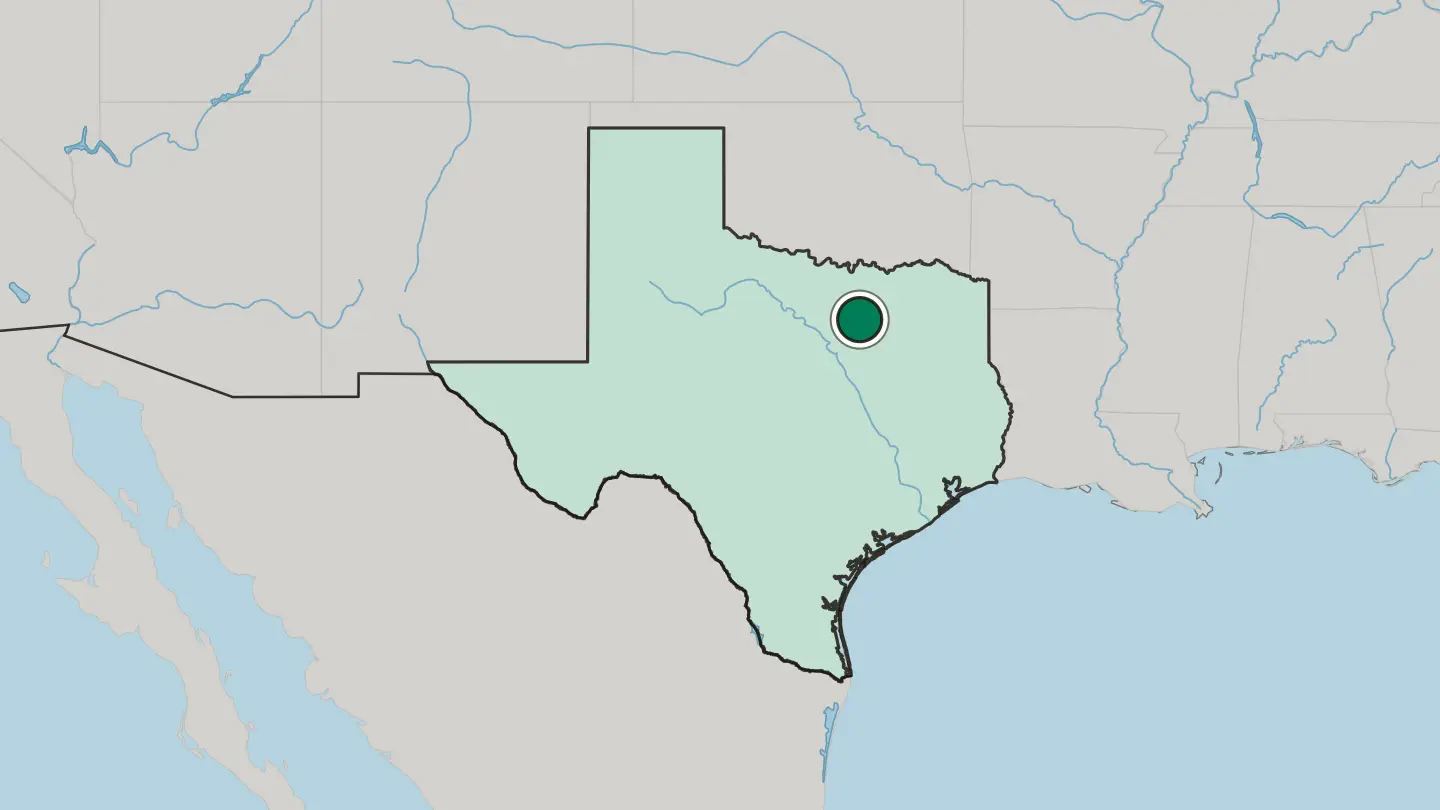 United States
Cypress
Cypress is an unincorporated community in Harris County, strung along Route 290 twenty-four miles from Downtown Houston.Where to stay →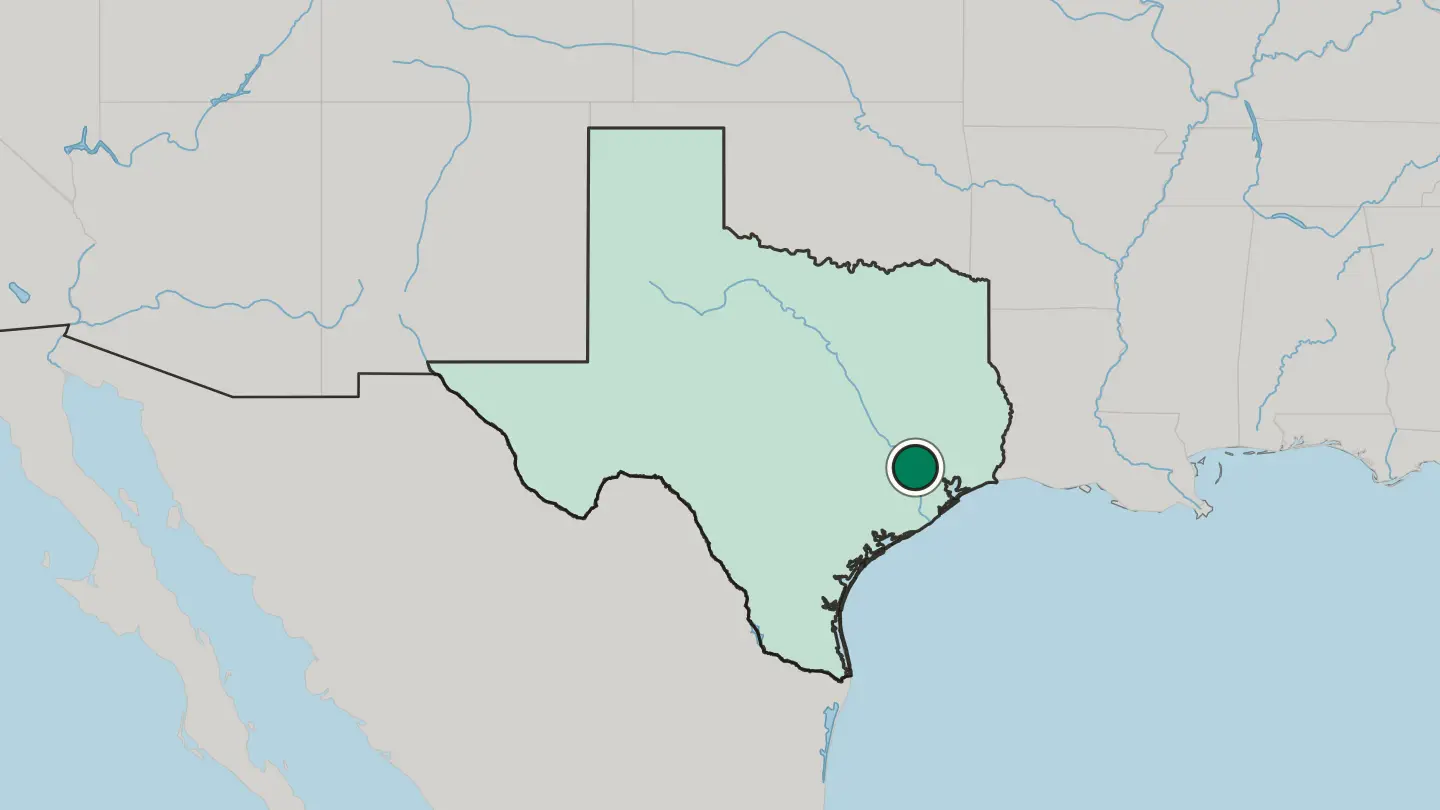
 United States
Amarillo
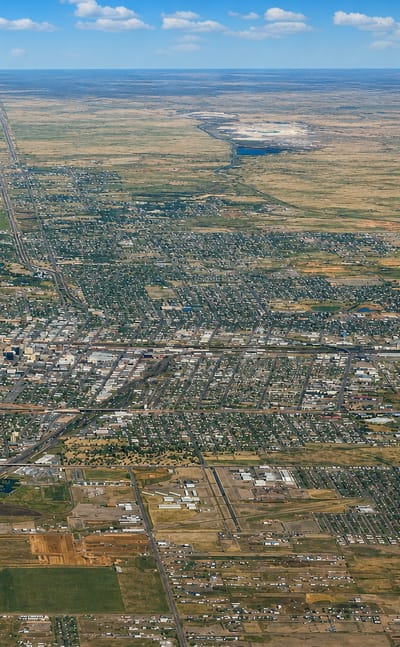
Wide plains open around Amarillo, the center of the Texas Panhandle, known for the American Quarter Horse Hall of Fame and the Amarillo Museum of Art.Where to stay →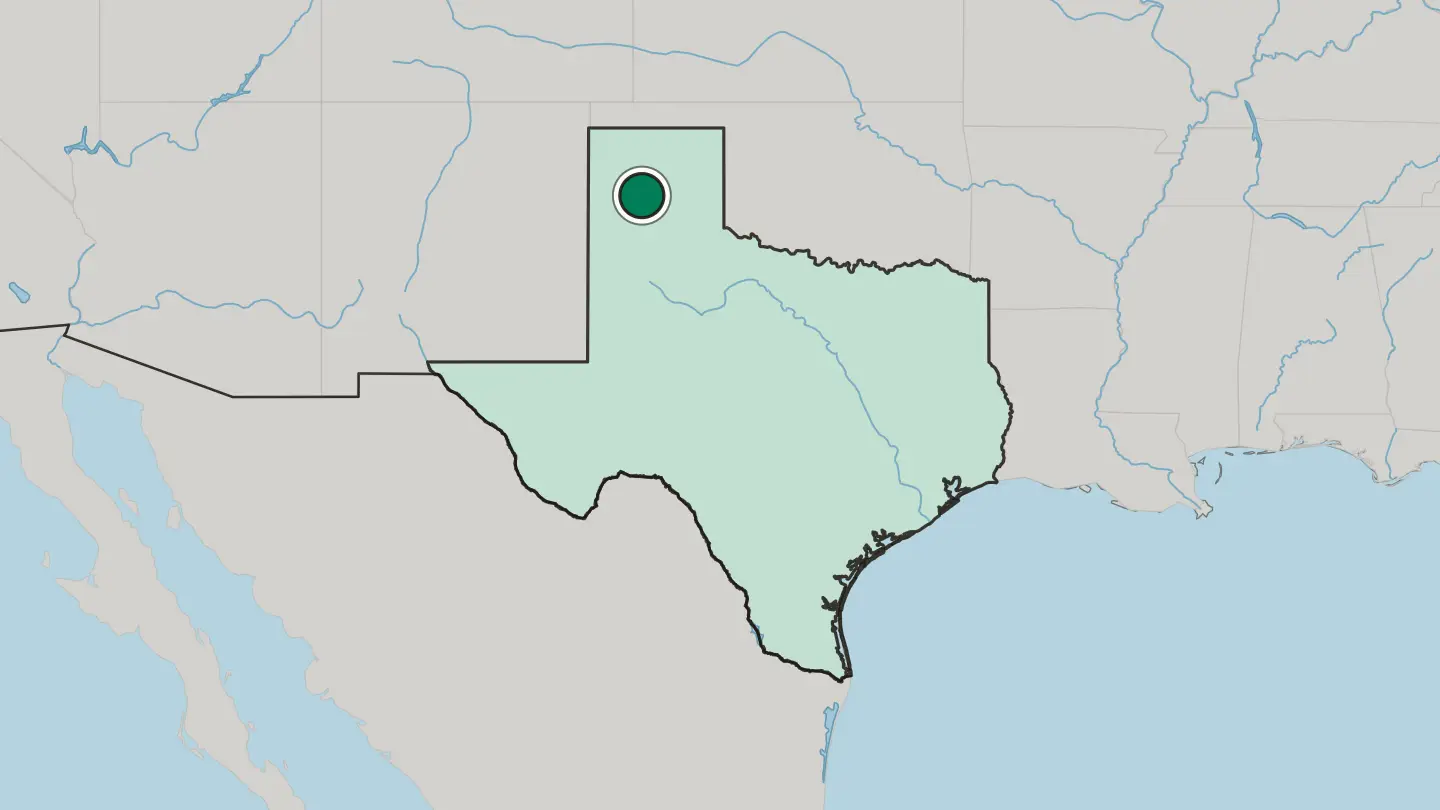
 United States
Grand Prairie
Grand Prairie spreads over Dallas, Tarrant and Ellis counties inside the Dallas-Fort Worth metroplex, a Mid-Cities city dating from 1863.Where to stay →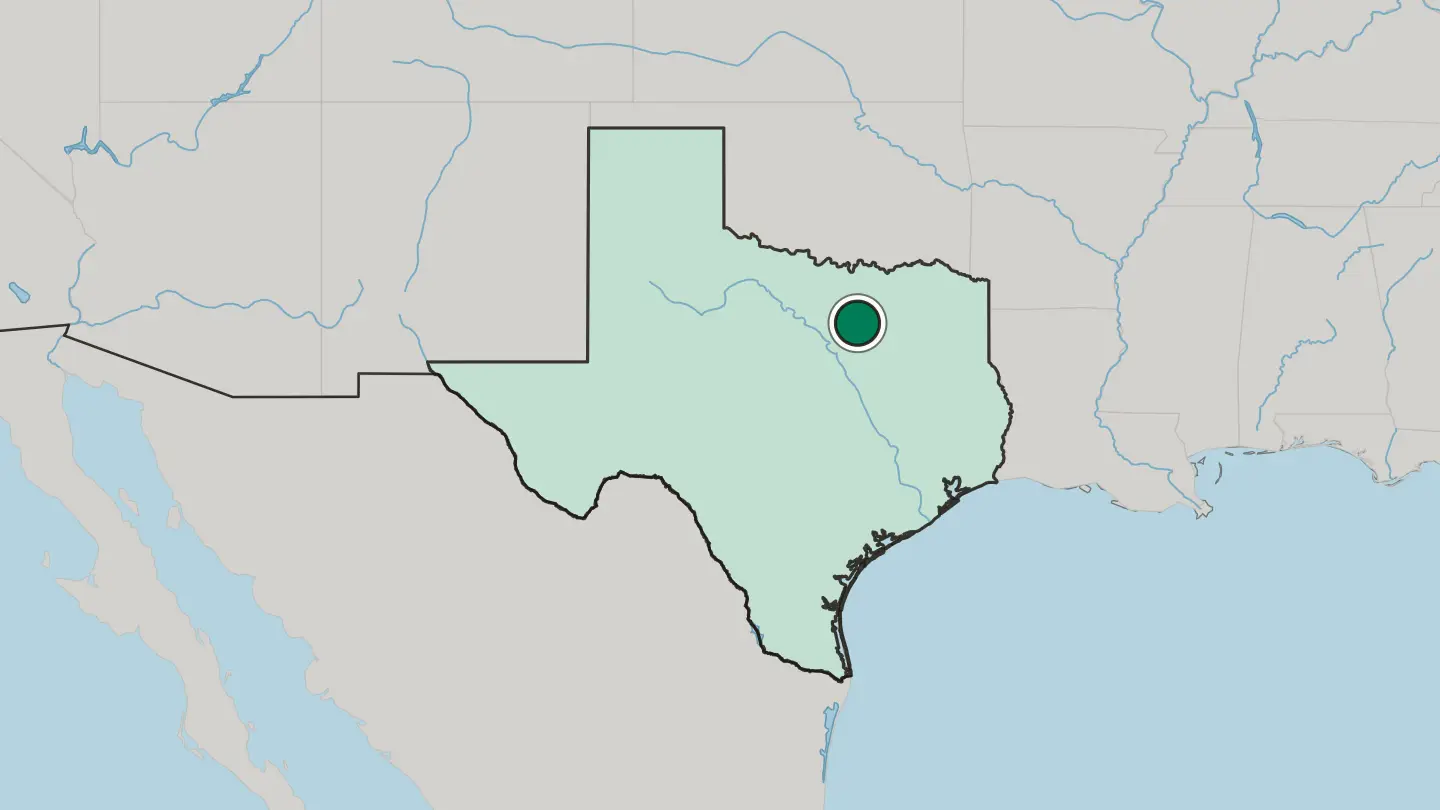 United States
Brownsville
Brownsville holds the southernmost tip of Texas, seat of Cameron County on the western Gulf Coast, founded in 1849 beside Matamoros.Where to stay →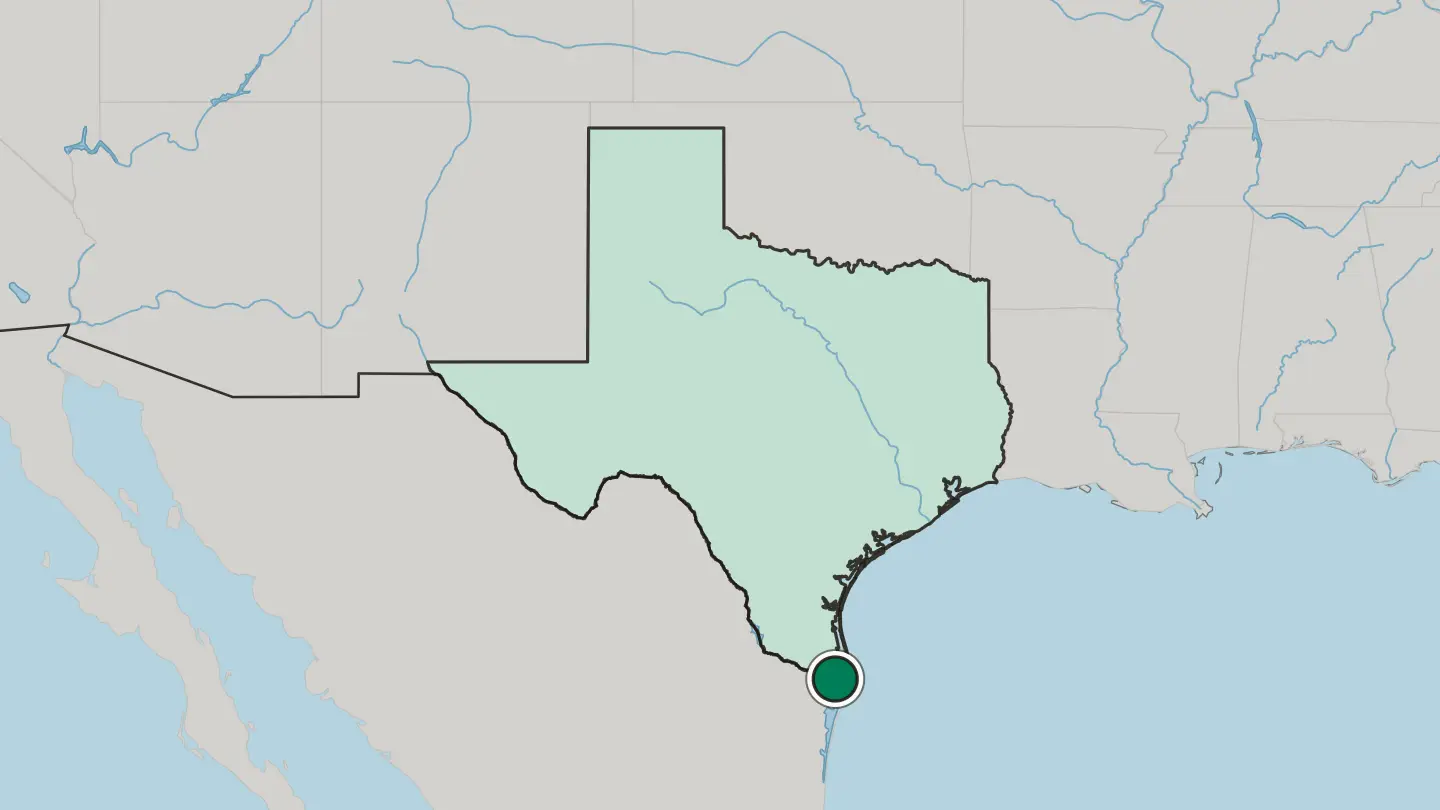
 United States
McKinney
Prairie town turned metroplex suburb. McKinney, the seat of Collin County, dates from 1848 and stands on the Blackland Prairie north of Dallas.Where to stay →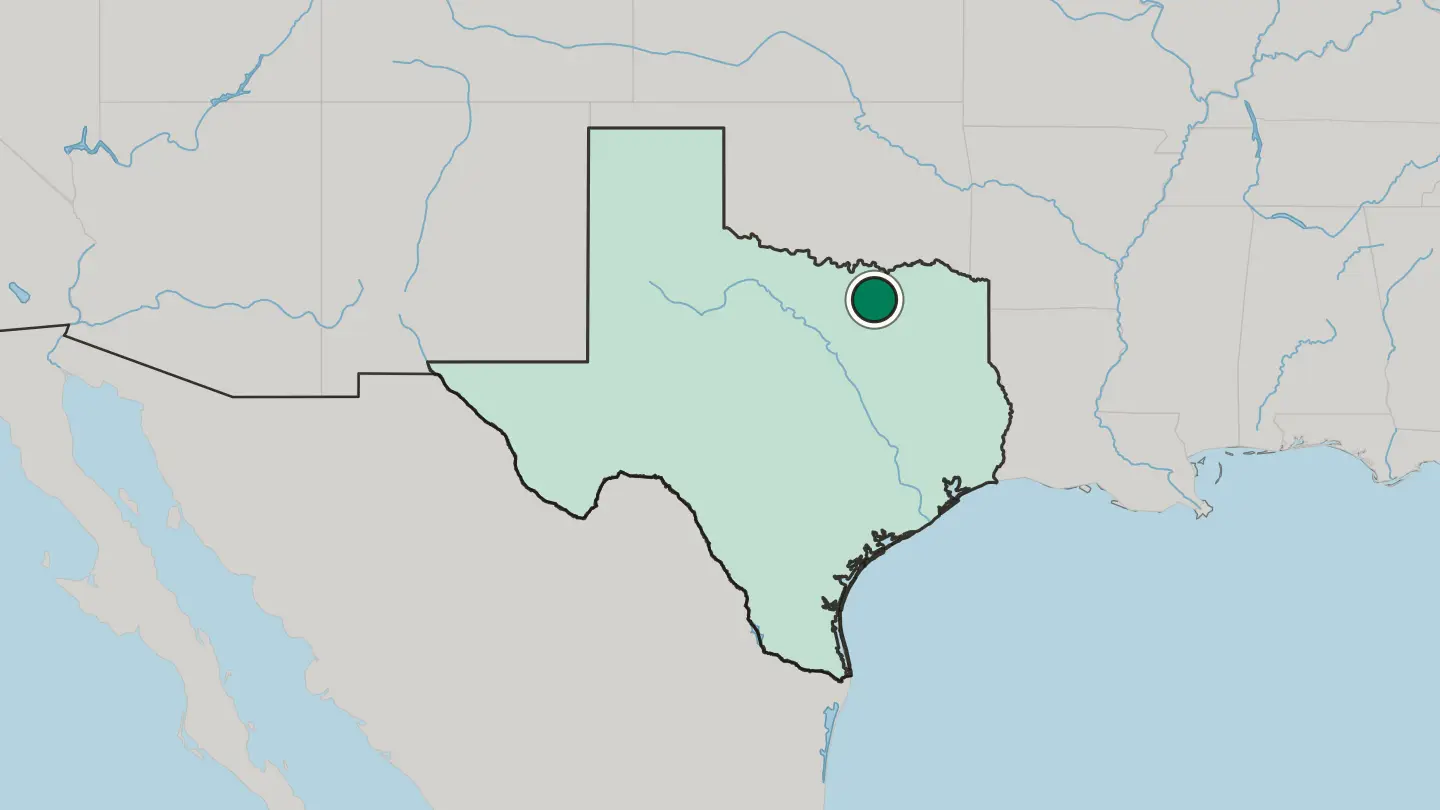
 United States
Frisco
Frisco is a city of Collin and Denton counties inside the Dallas-Fort Worth metroplex, a Dallas suburb with museums of railroads and videogames.Where to stay →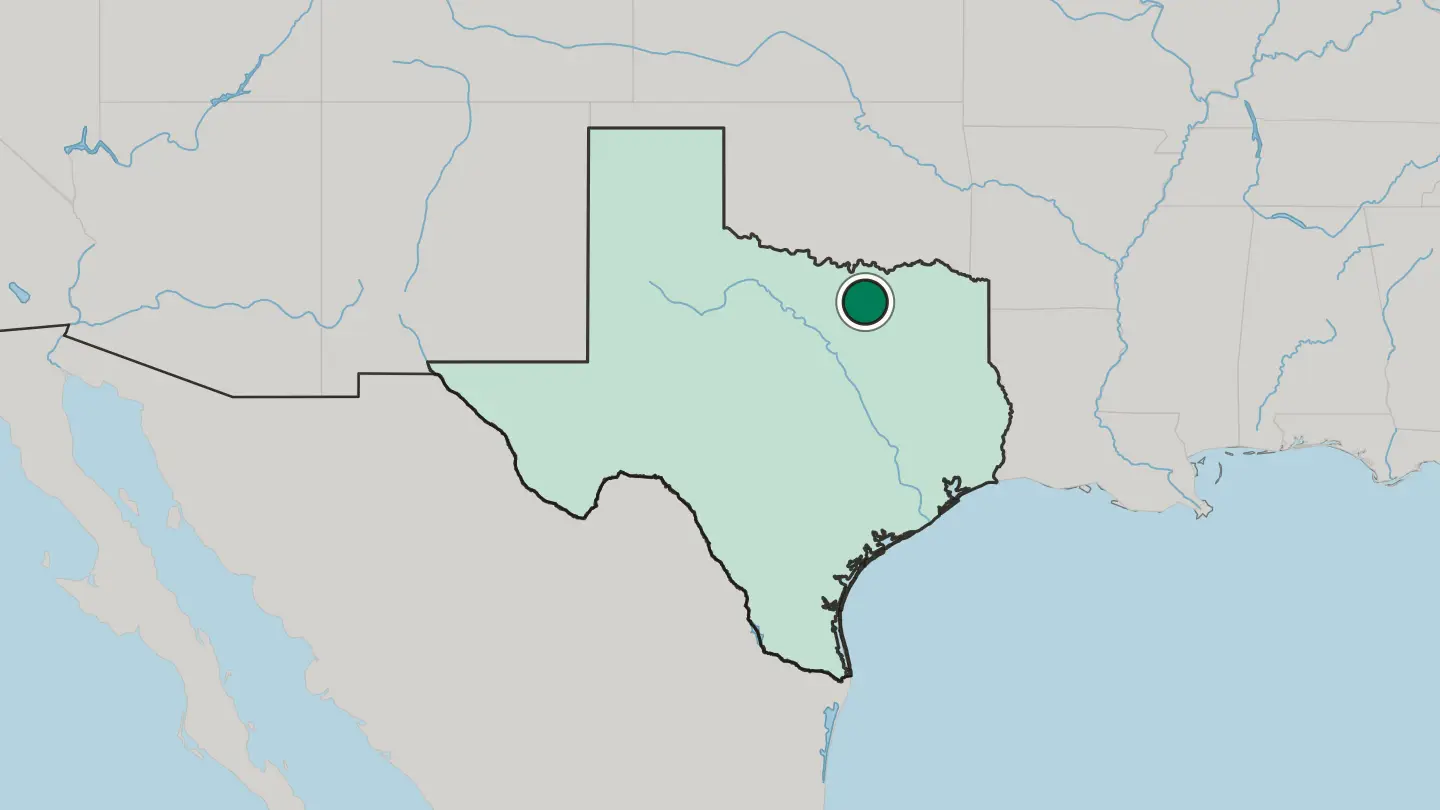 United States
Pasadena
Pasadena, a Harris County city in the Houston metropolitan area, dates from 1893 and borrowed its name from Pasadena, California.Where to stay →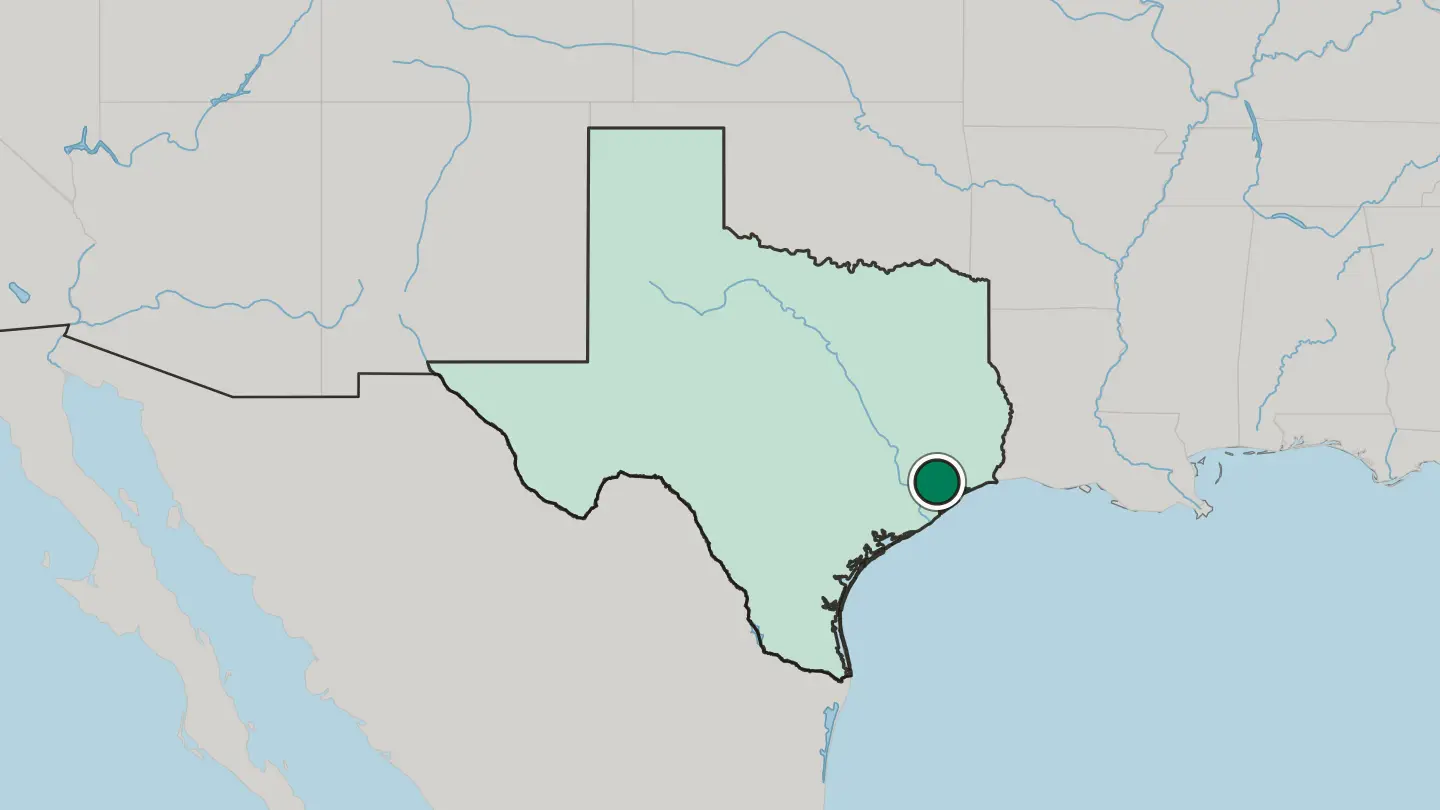 United States
Mesquite
Rodeo comes first here. Mesquite, an eastern suburb of Dallas founded in 1878, calls itself the Rodeo Capital of Texas.Where to stay →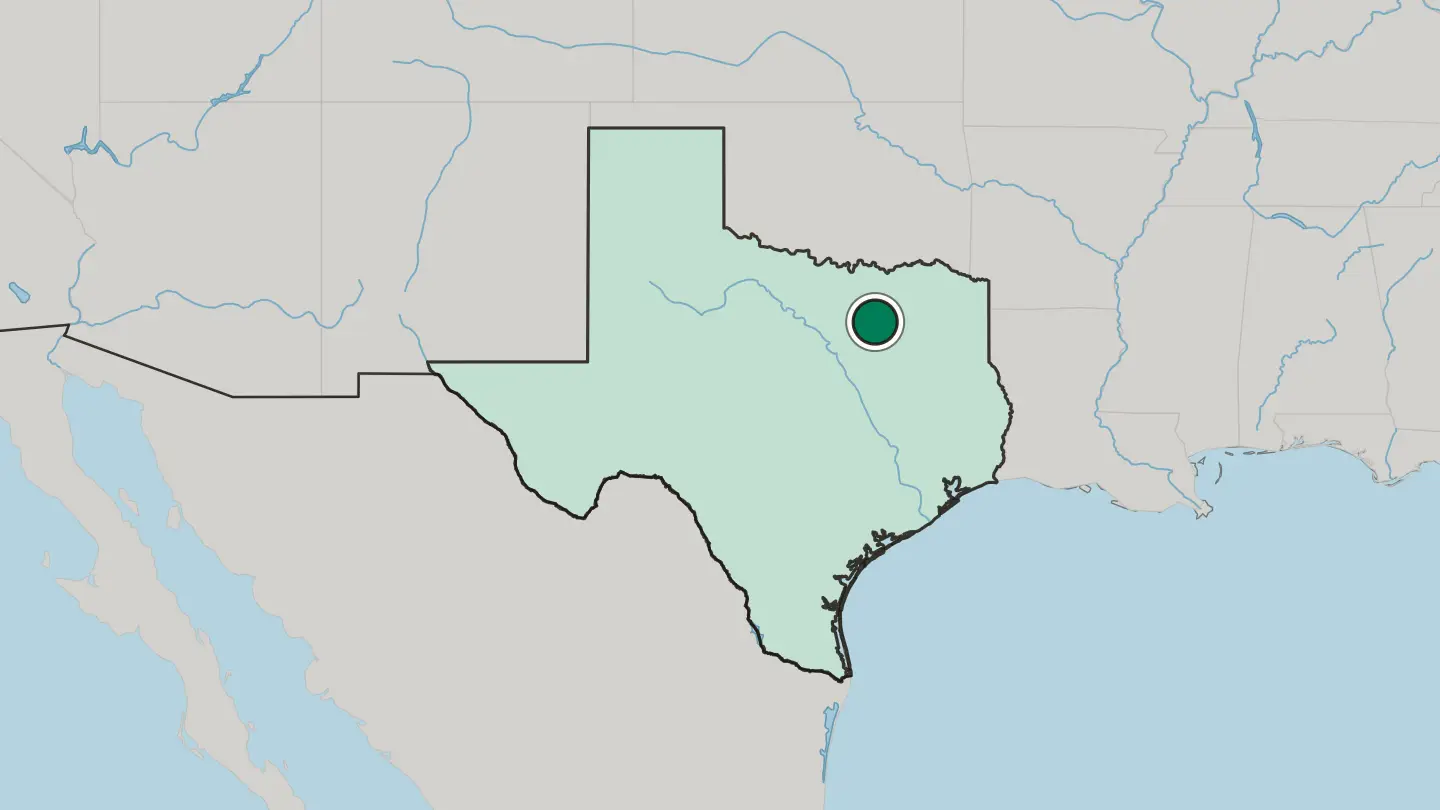 United States
Killeen
Killeen stands beside Fort Cavasos in Bell County, a Central Hill Country city dating from 1872 and the largest of the county's three principal cities.Where to stay →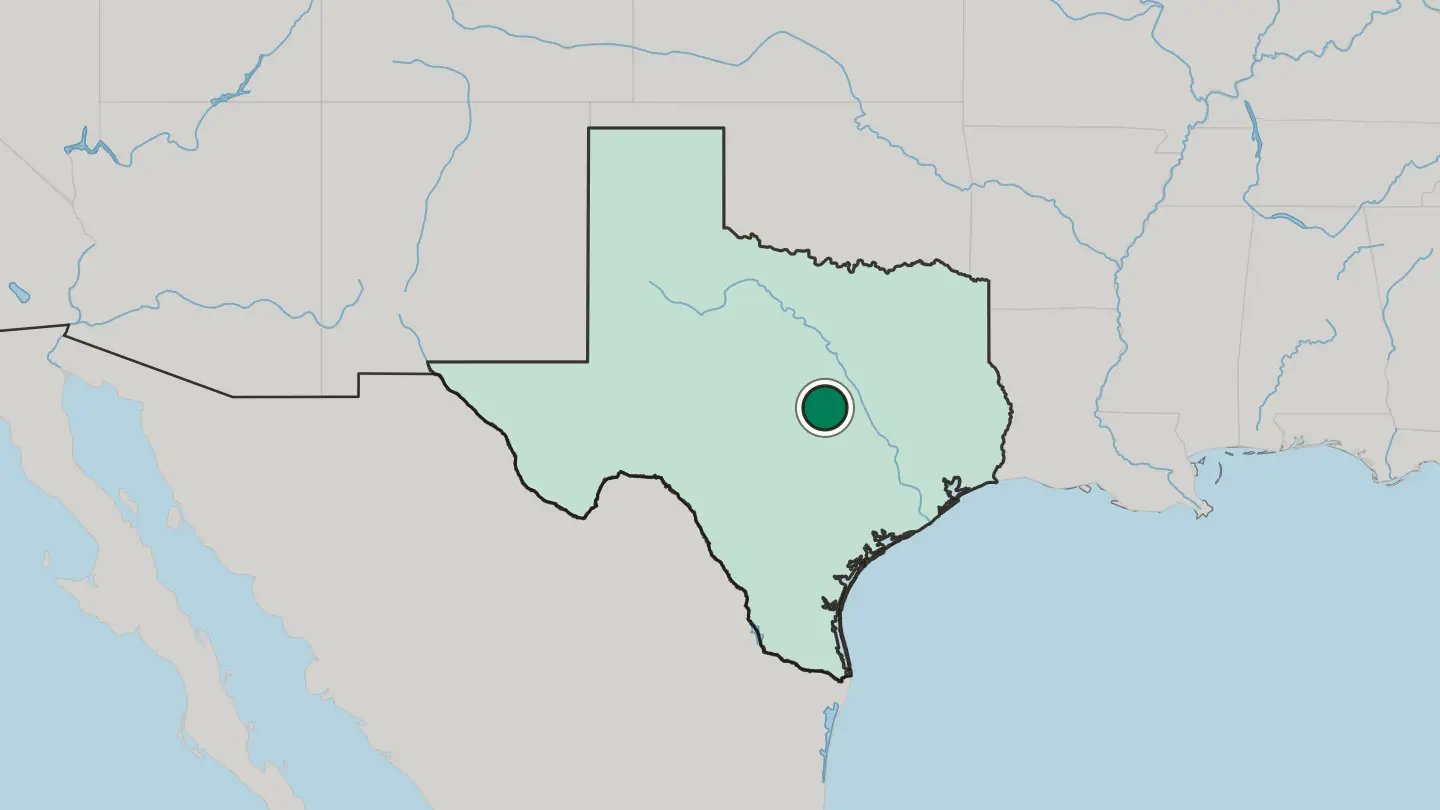
 United States
McAllen
Palms line the streets here. McAllen sits in the Rio Grande Valley on the Mexican border, across the river from Reynosa, and dates from 1904.Where to stay →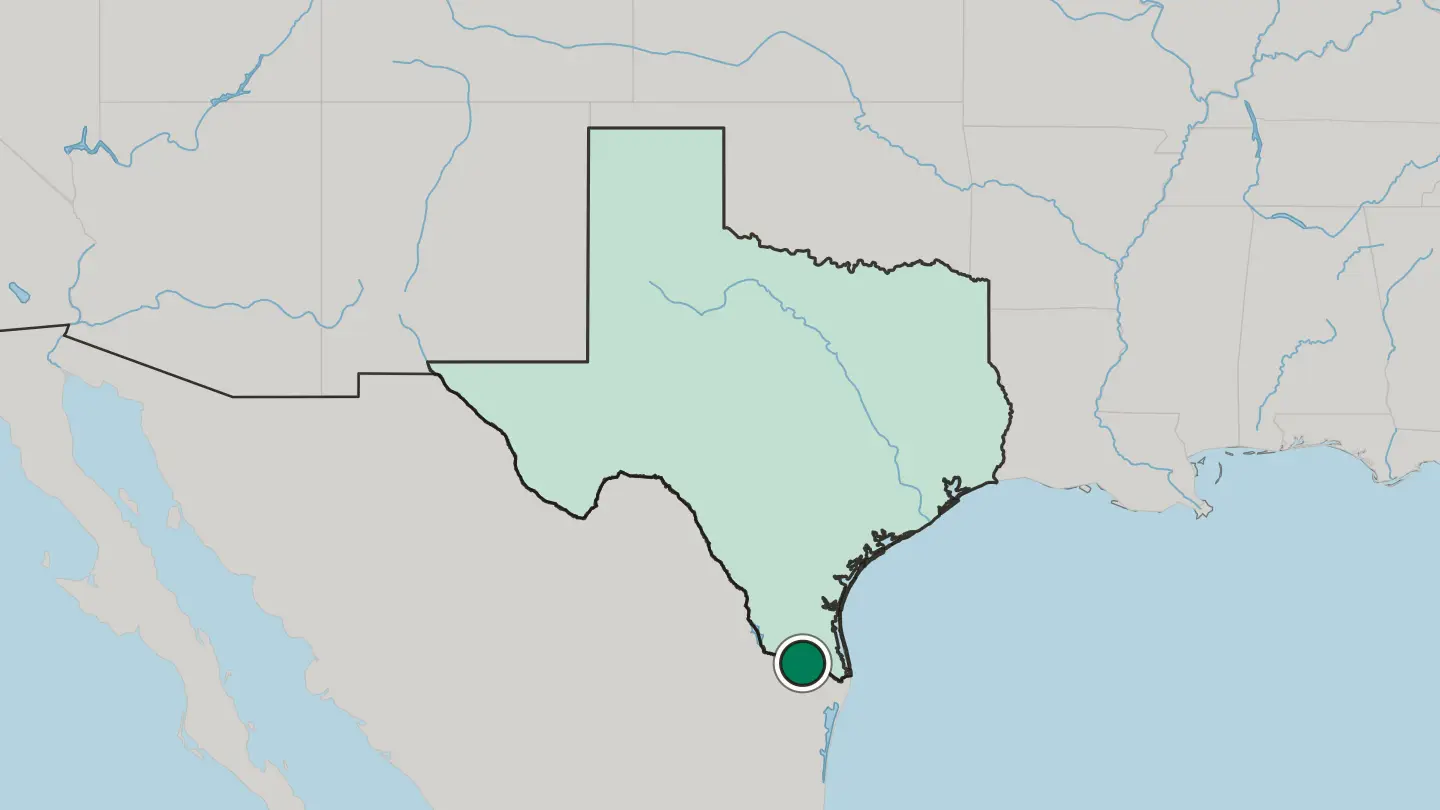
 United States
Carrollton
Carrollton reaches into Dallas, Denton and Collin counties, a Dallas-Fort Worth Metroplex suburb holding the Cavanaugh Flight Museum.Where to stay →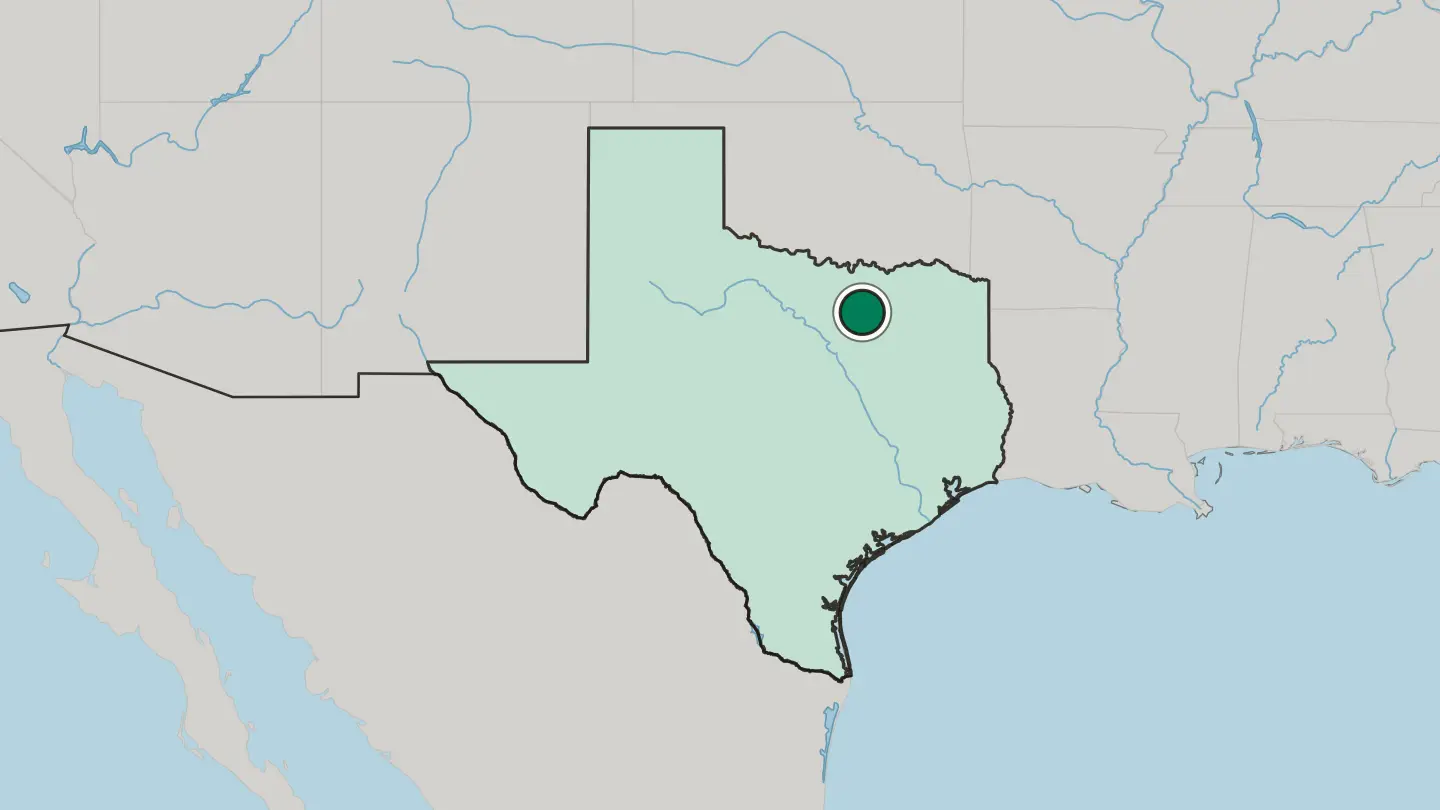
 United States
Midland
Oil and gas run this town. Midland, seat of Midland County, sits in the Permian Basin and dates from 1881, twenty minutes from Odessa.Where to stay →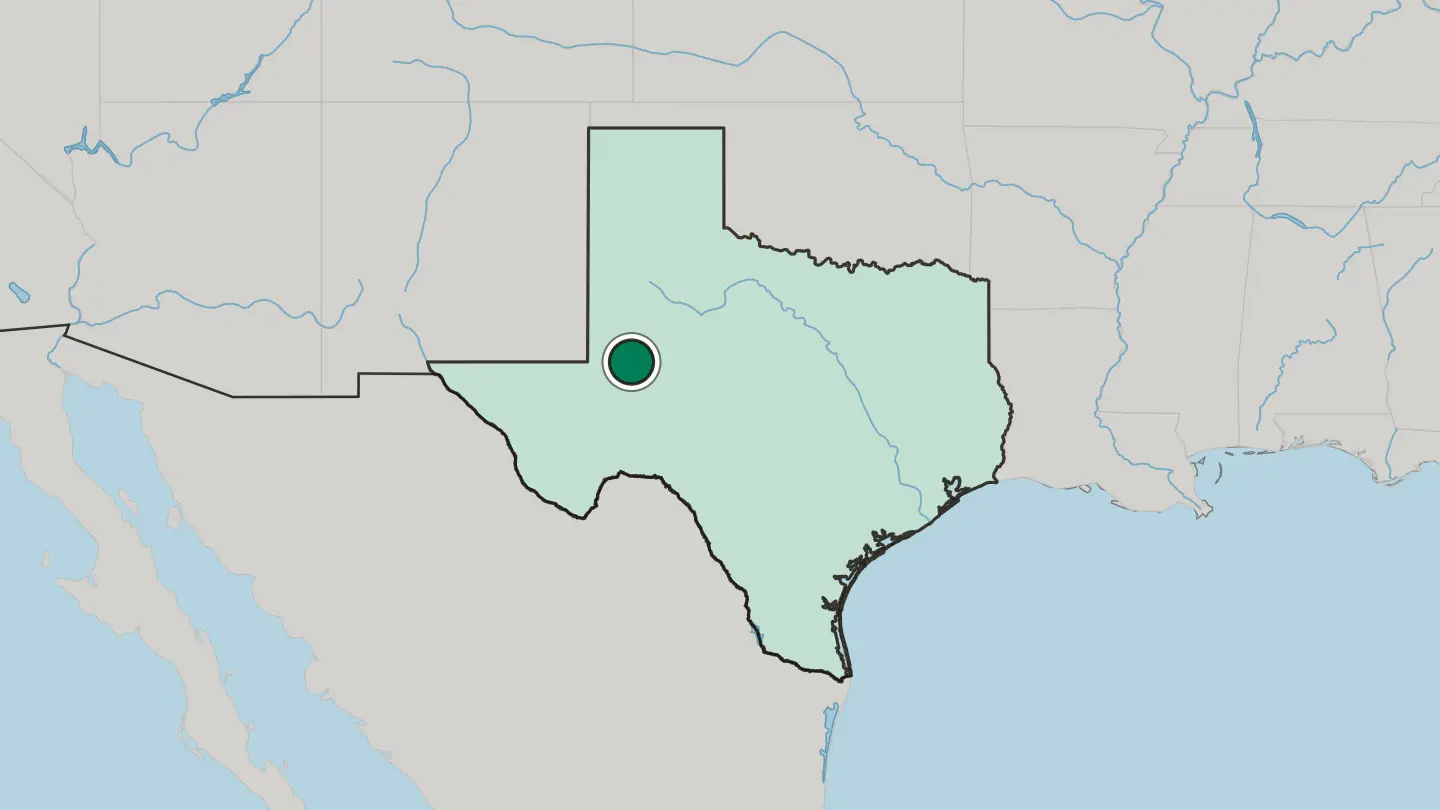
 United States
Waco
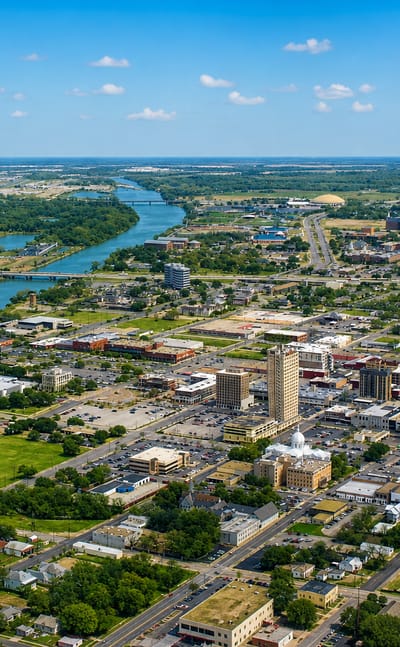
The Brazos River bends through Waco, a city in Texas, United States, known for Baylor University and the Blackland Prairie around it.Where to stay →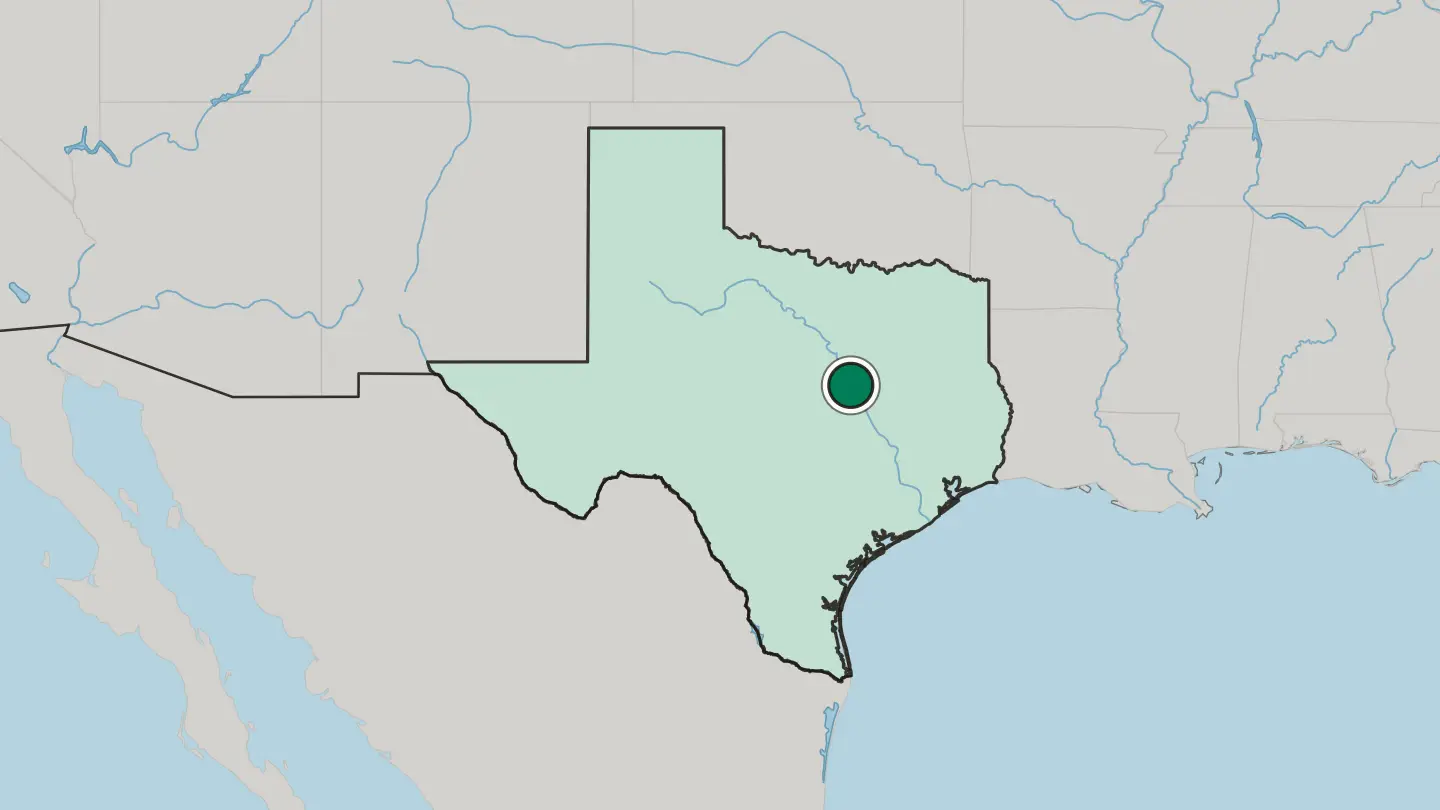
 United States
Denton
Denton is the county seat of Denton County in Texas, a college town at the northern tip of the Golden Triangle.Where to stay →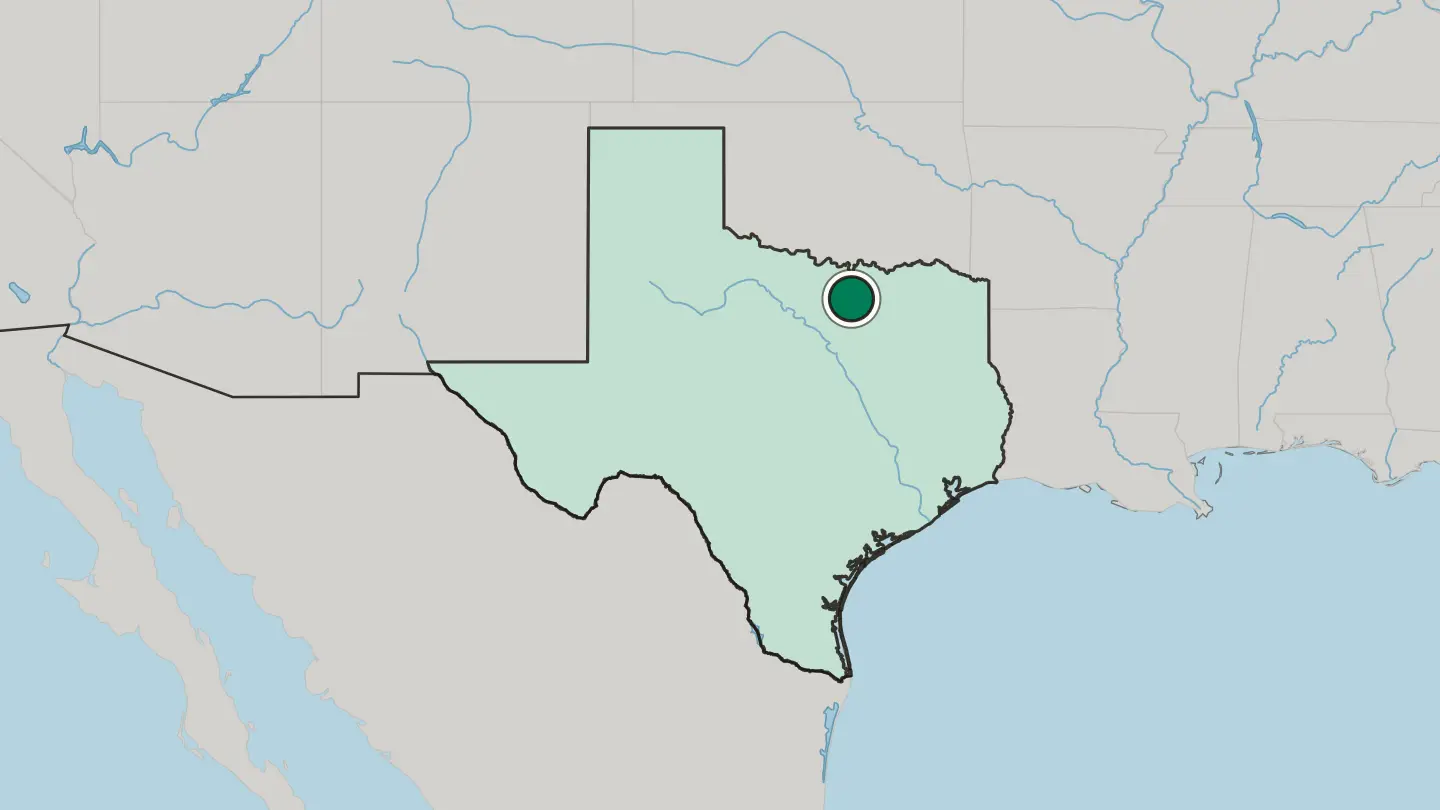
 United States
Abilene
Abilene sits on the North Central Plains of Texas, county seat of Taylor County, founded in 1881 and spread across two counties.Where to stay →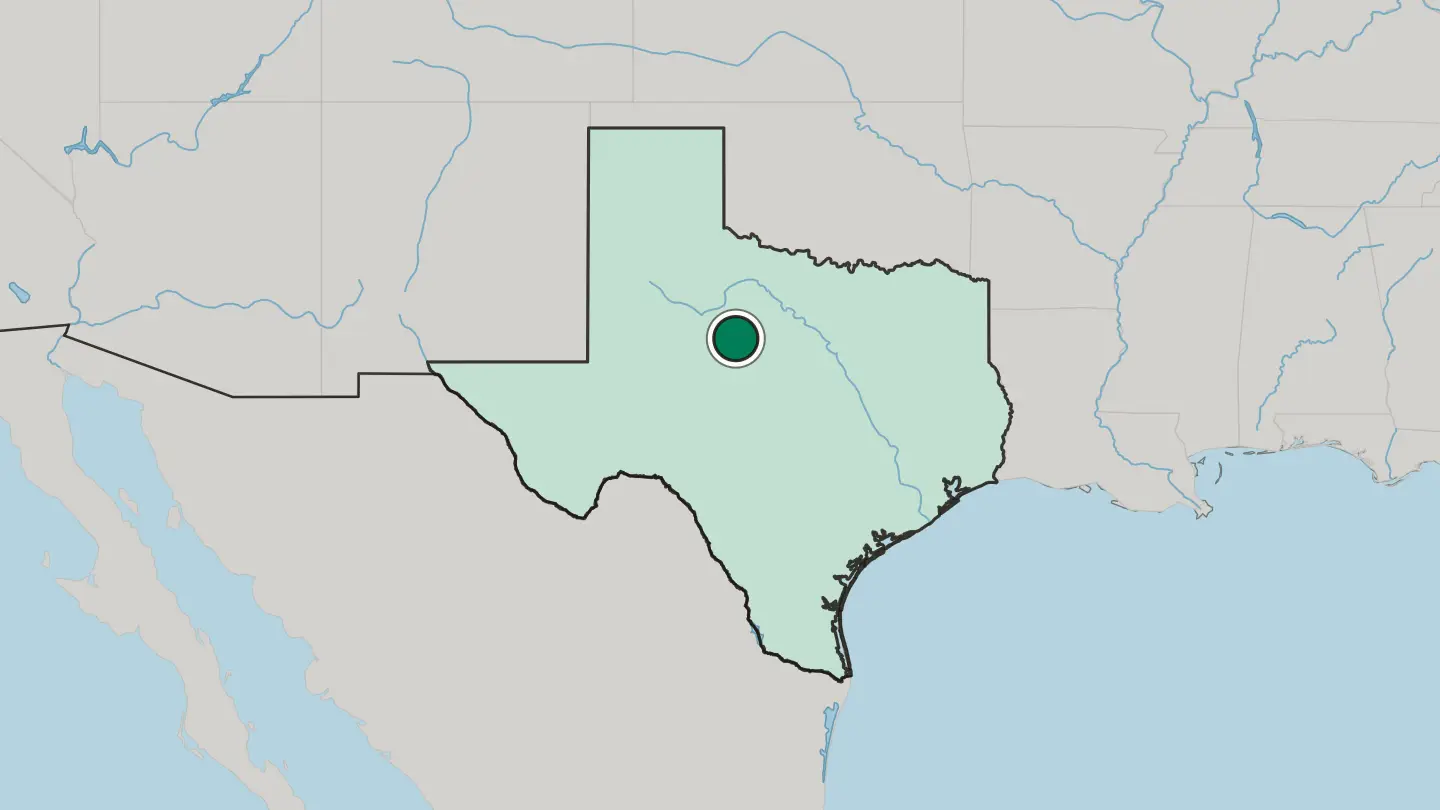
 United States
Round Rock
Round Rock is a Texas city of the Central Hill Country, spread across Williamson County and Travis County inside Greater Austin, dating from 1851.Where to stay →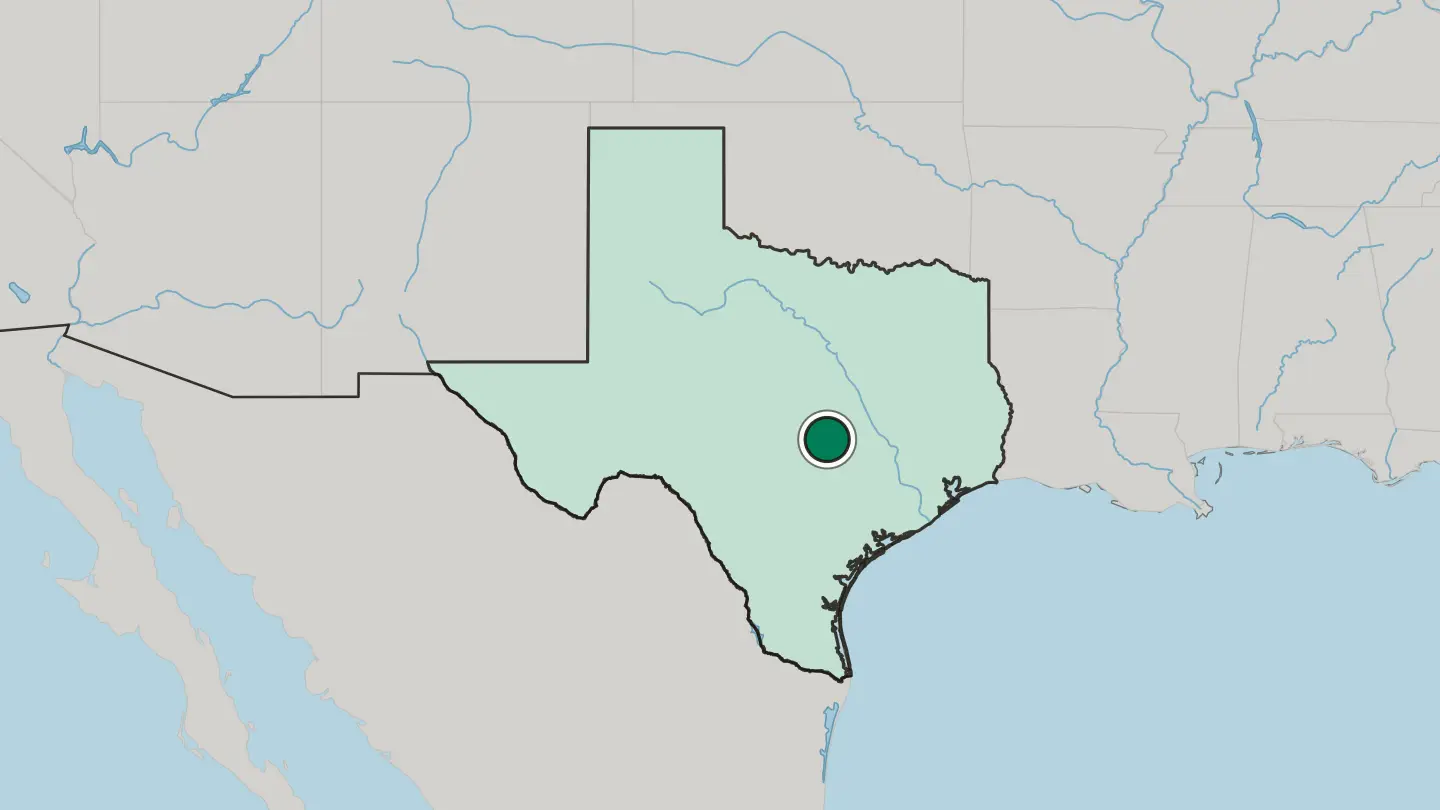
 United States
Beaumont
Beaumont, county seat of Jefferson County, sits on the Neches River in Southeast Texas, dated to 1835 and made by early oil.Where to stay →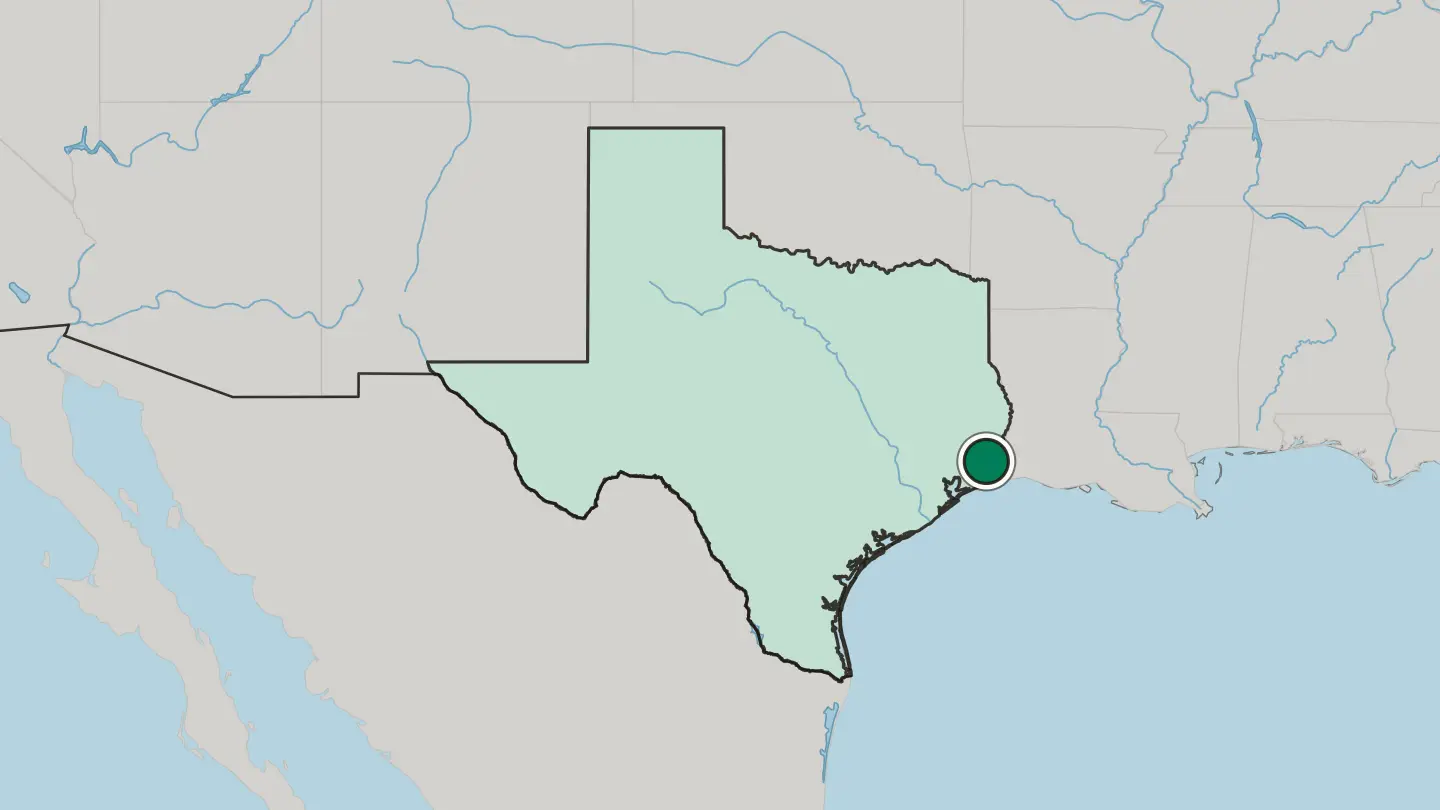
 United States
Odessa
Odessa, seat of Ector County, is a West Texas oil and gas city dating from 1881, paired with its sister city Midland across the petroplex.Where to stay →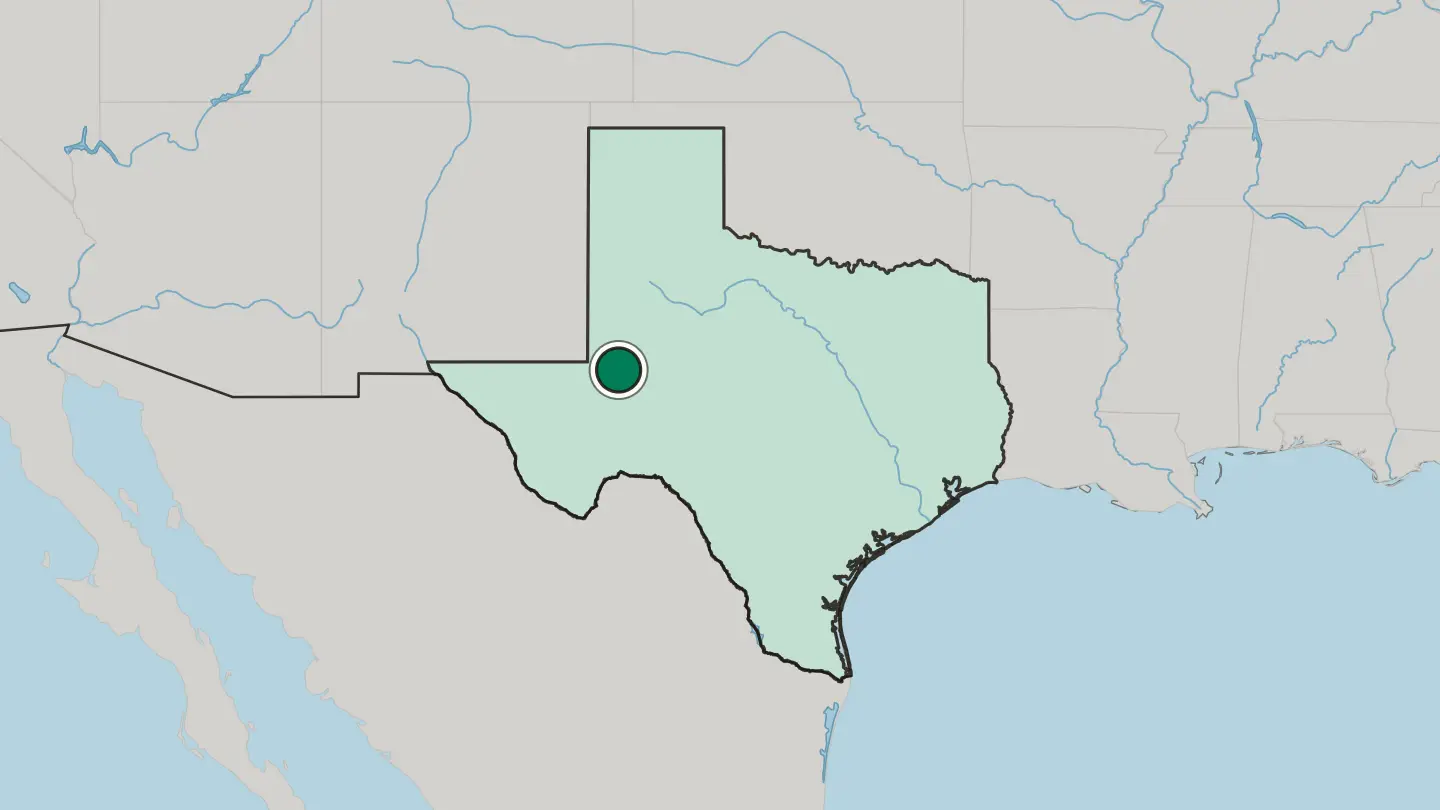
 United States
Richardson
Richardson is an inner suburb of Dallas, straddling Dallas County and Collin County in Texas, with the Cavanaugh Flight Museum among its landmarks.Where to stay →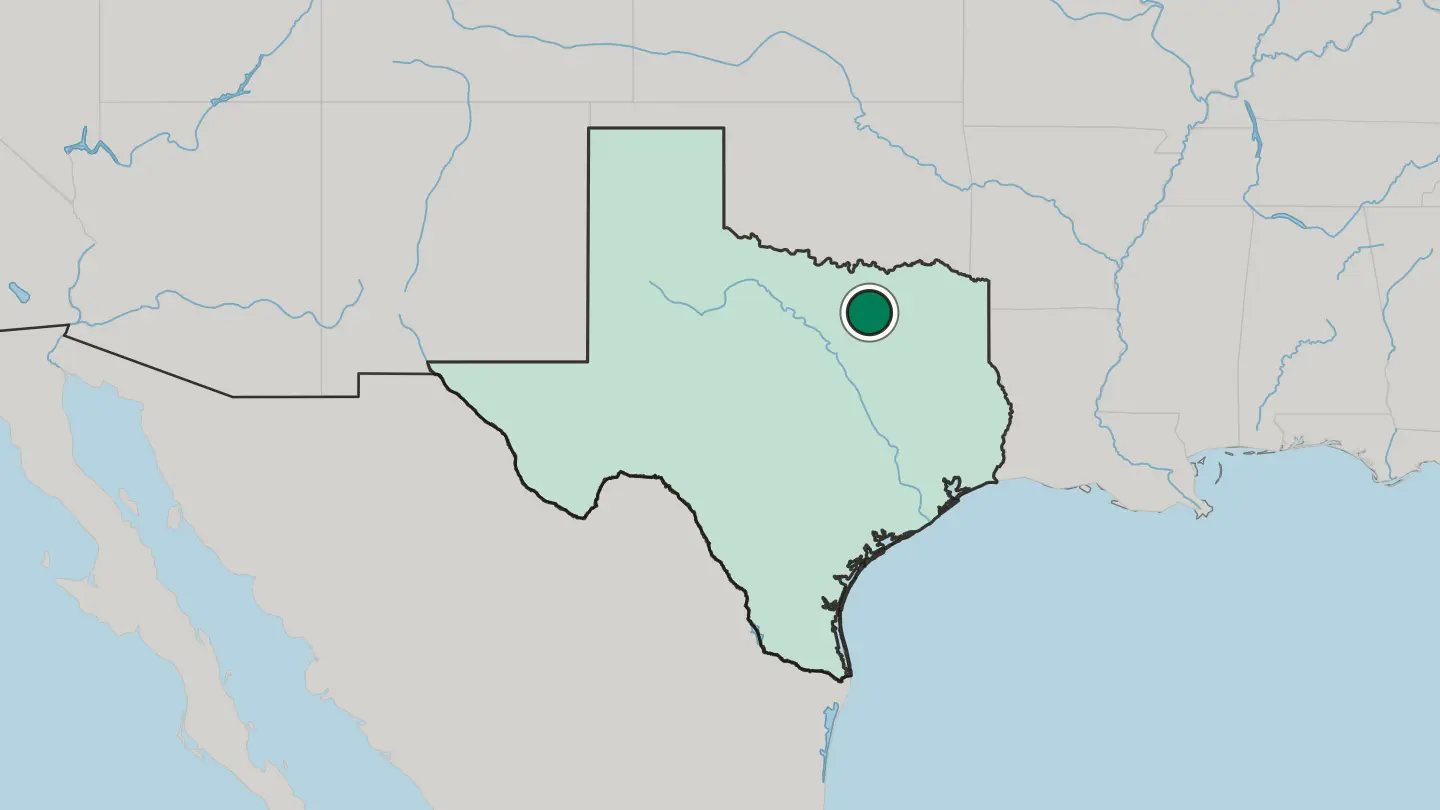 United States
Pearland
Pearland spreads across Brazoria, Fort Bend and Harris counties on the North Barrier Coast of Texas, a Greater Houston city dating from 1894.Where to stay →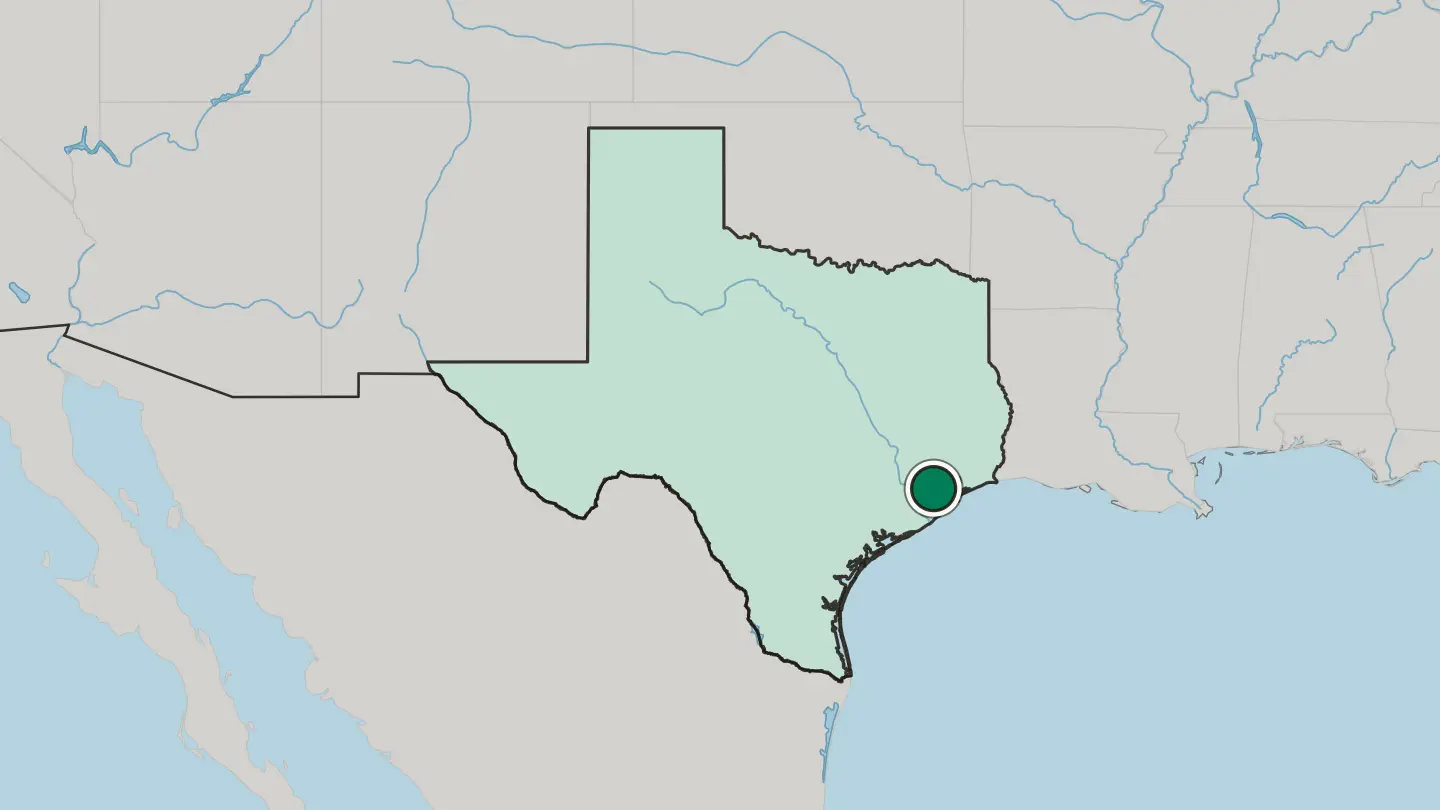
 United States
College Station
College Station stands beside Bryan in the Brazos Valley, the Brazos County city that keeps the George Bush Presidential Library.Where to stay →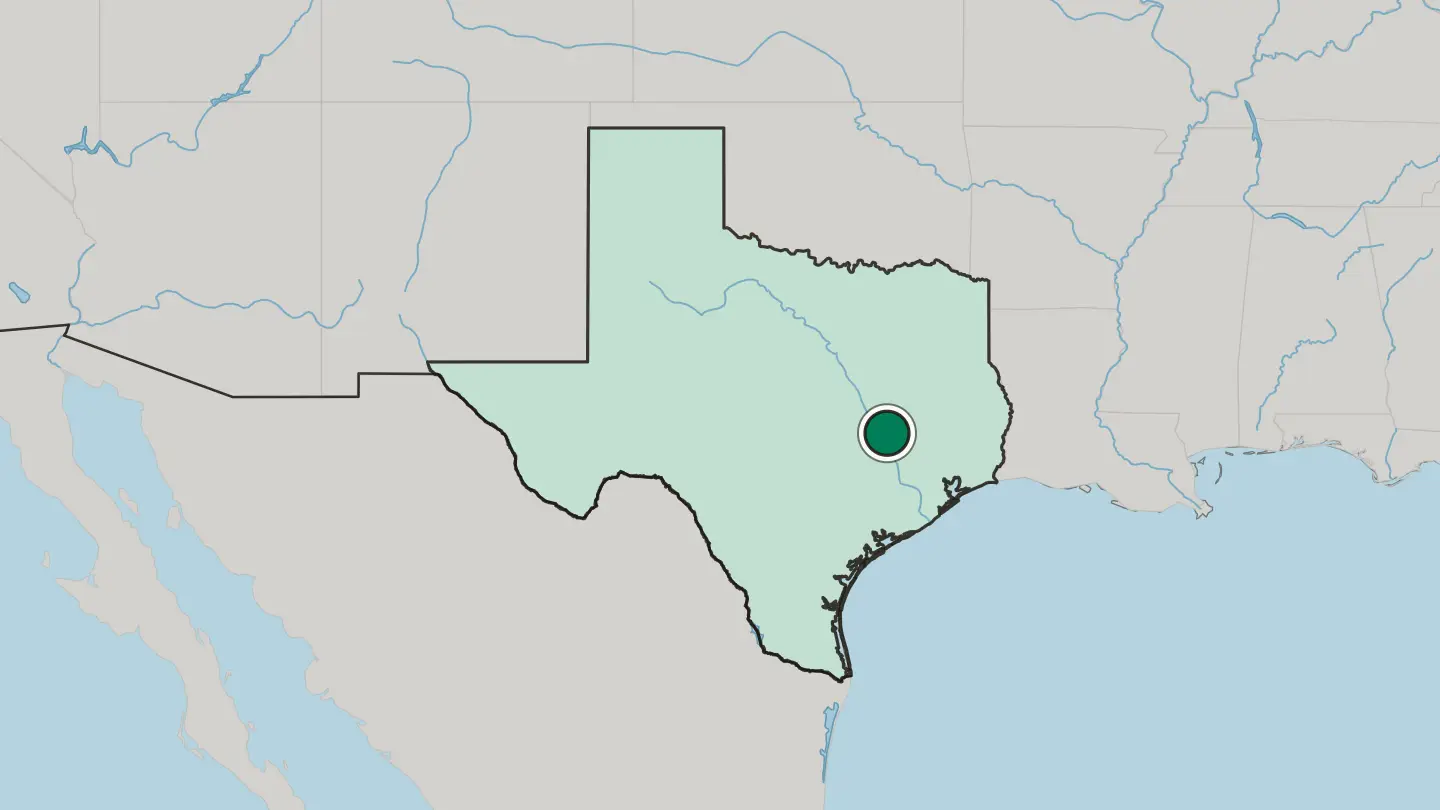
 United States
Wichita Falls
Wichita Falls is the seat of Wichita County on the North Central Plains of Texas, named for the Wichita people and the falls on their river.Where to stay →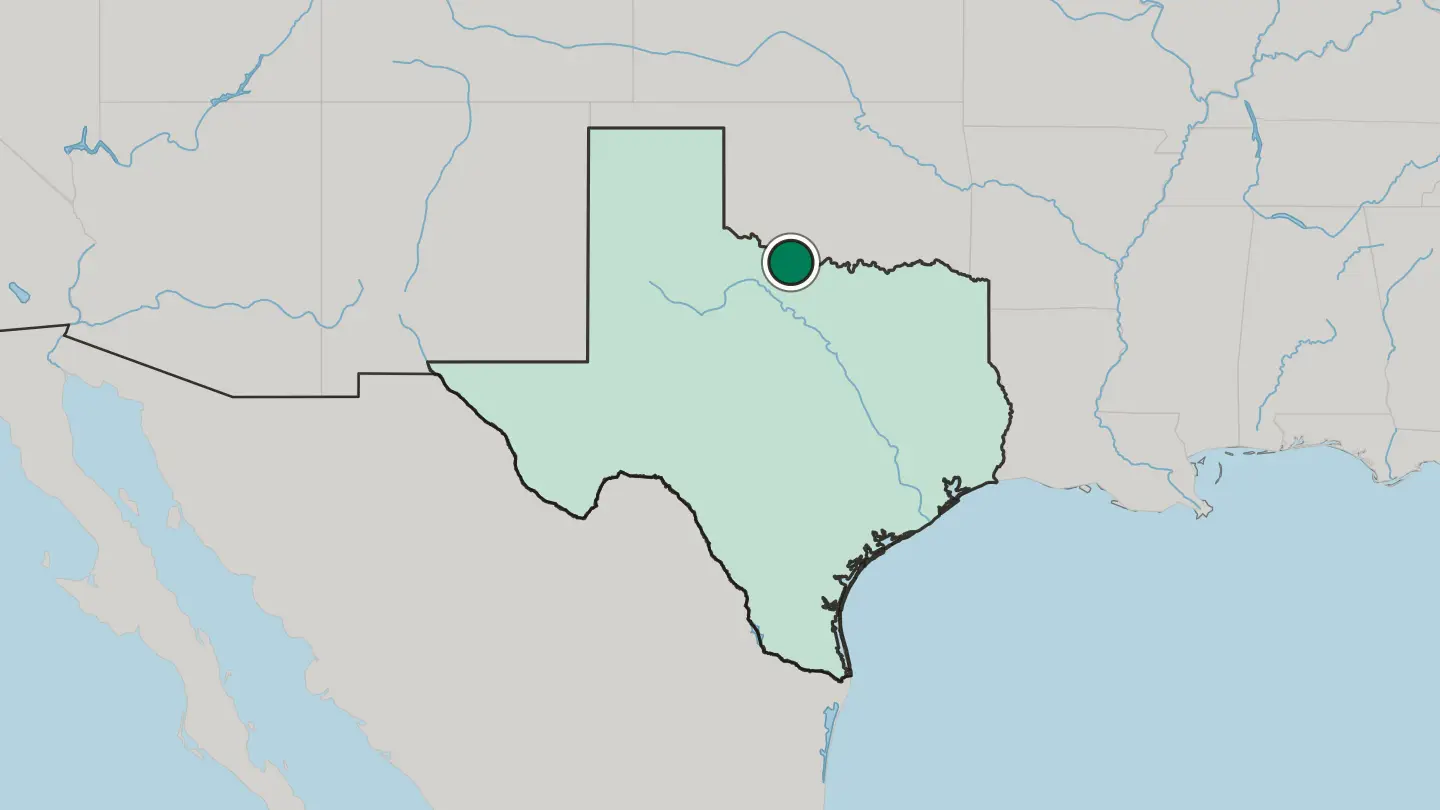
 United States
Lewisville
Lewisville lies in Denton County with portions reaching into Dallas County, one of the Mid-Cities inside the Dallas-Fort Worth metroplex.Where to stay →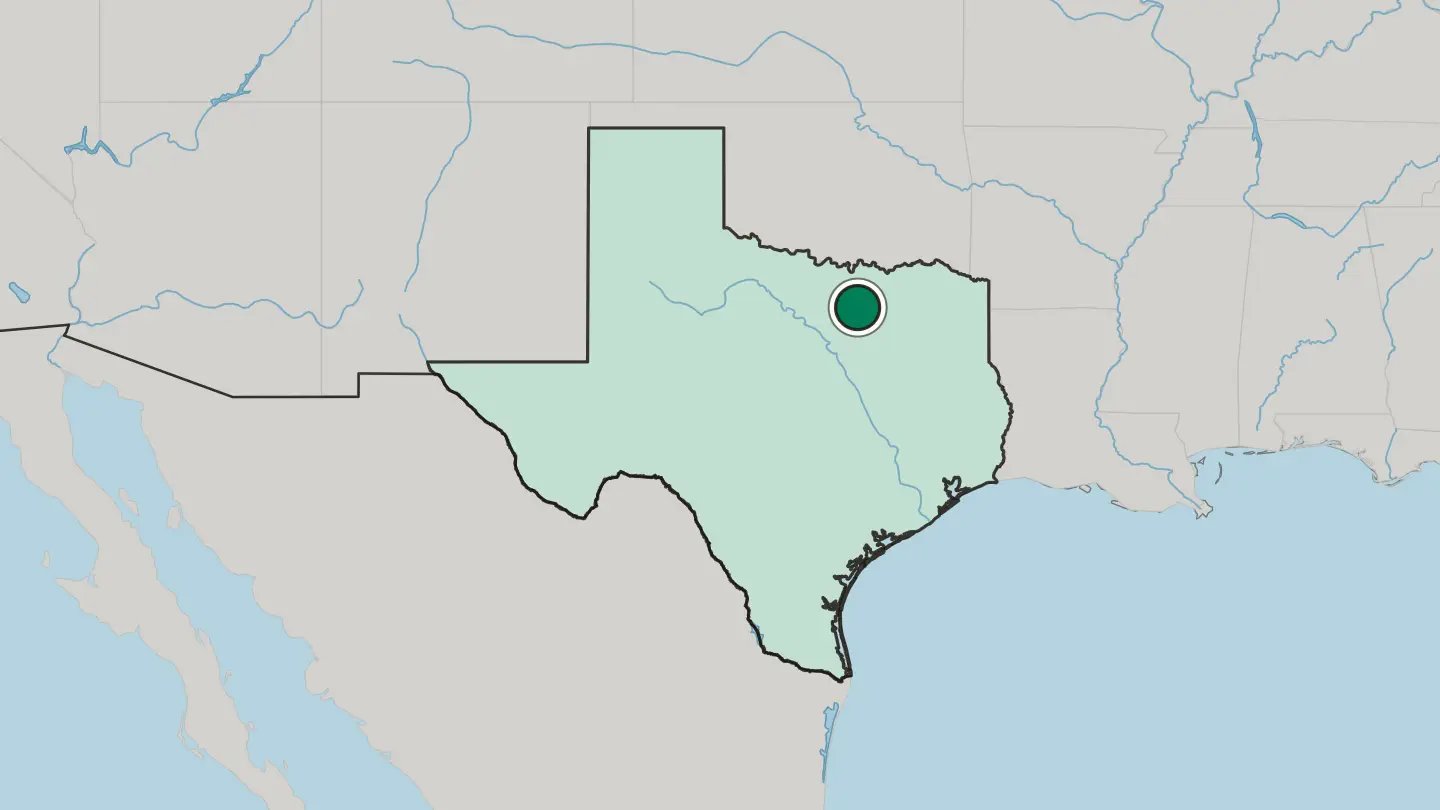
 United States
Tyler
Tyler is the seat of Smith County in eastern Texas, laid out in 1846 and known for the largest municipal rose garden in the country.Where to stay →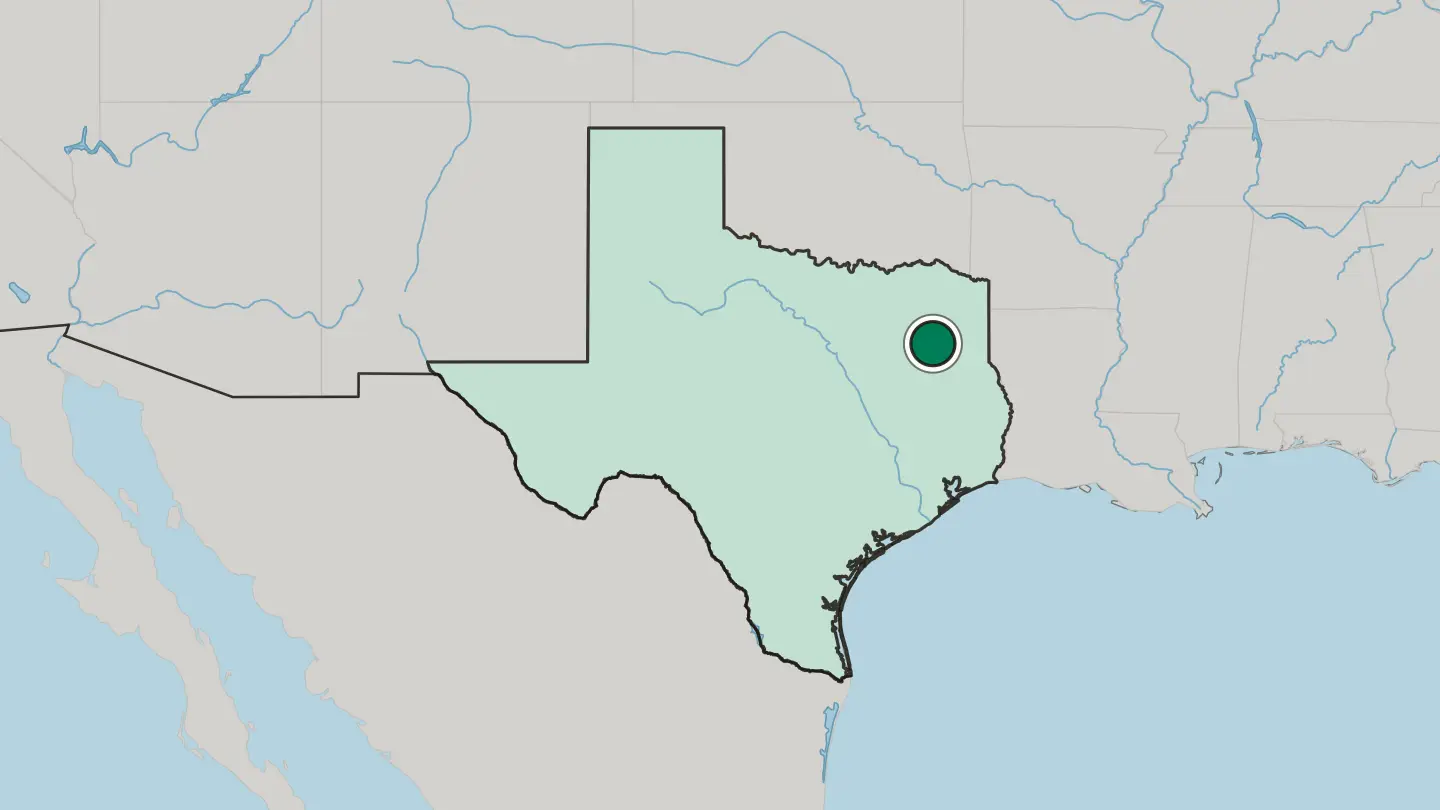
 United States
San Angelo
San Angelo is the county seat of Tom Green County in Texas, a Concho Valley city on the Concho River where Angelo State University stands.Where to stay →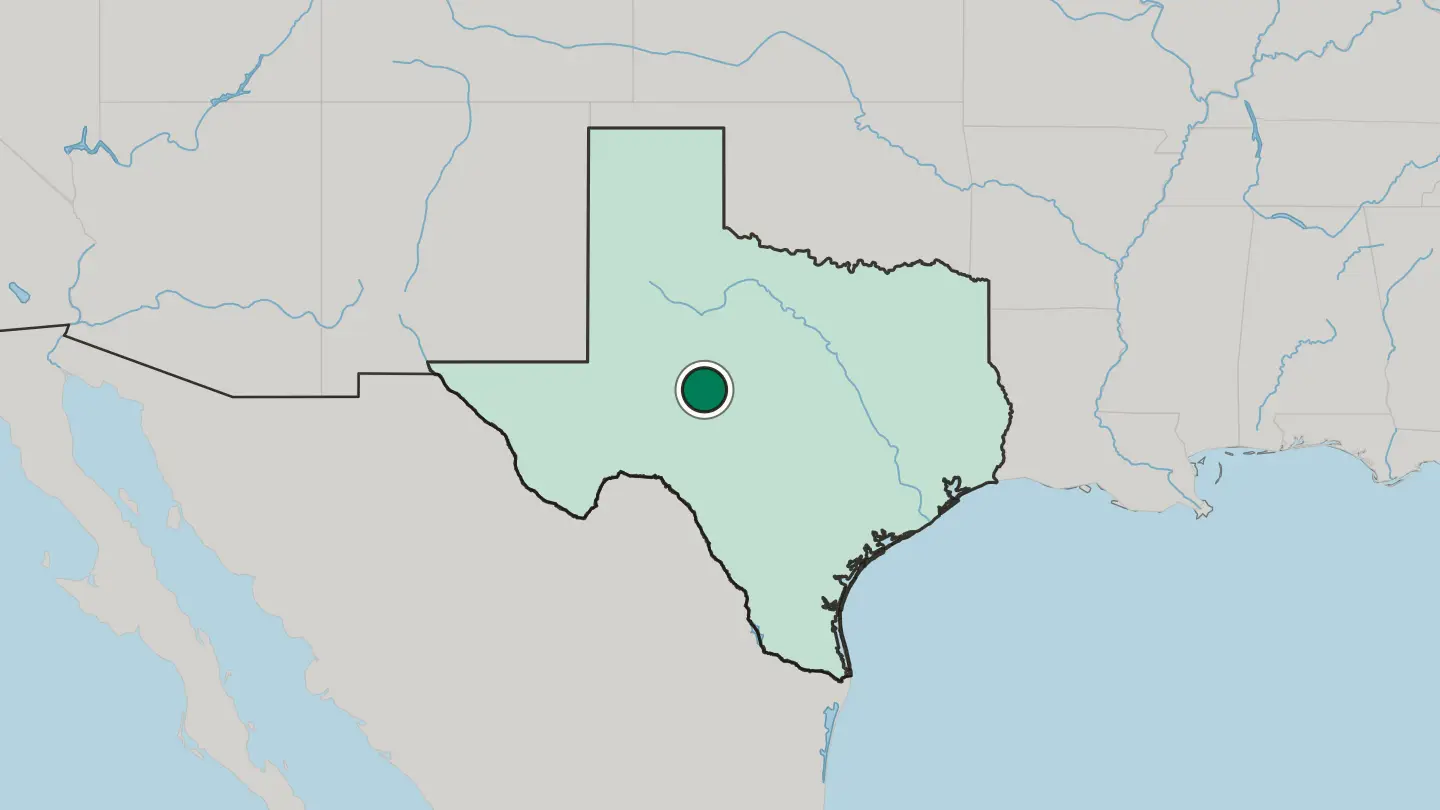 United States
League City
League City is a Galveston County city spread between Clear Creek and the Kemah Boardwalk in Greater Houston.Where to stay →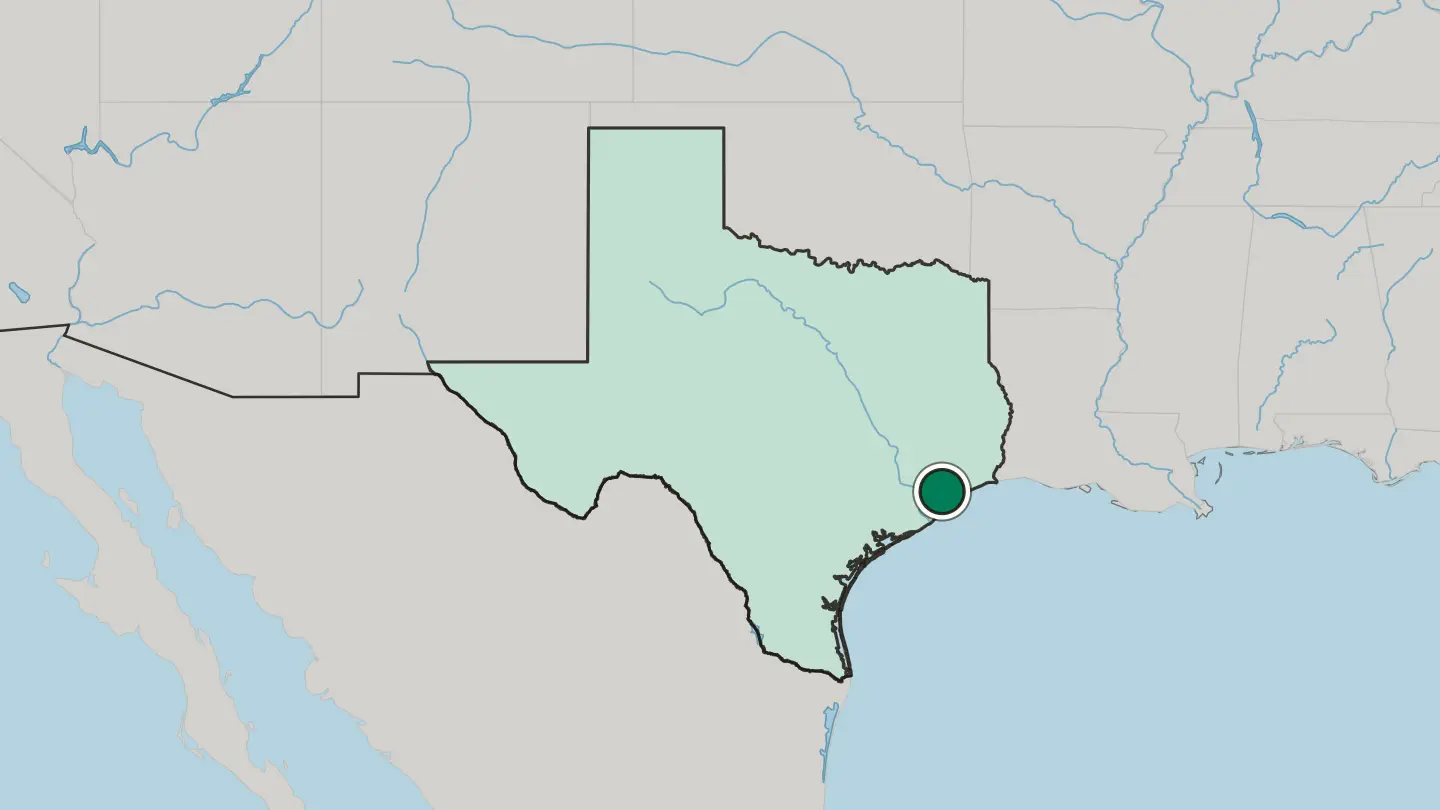
 United States
Allen
Allen fills a stretch of Collin County about twenty miles north of downtown Dallas, founded in 1953 inside the Dallas-Fort Worth metroplex.Where to stay →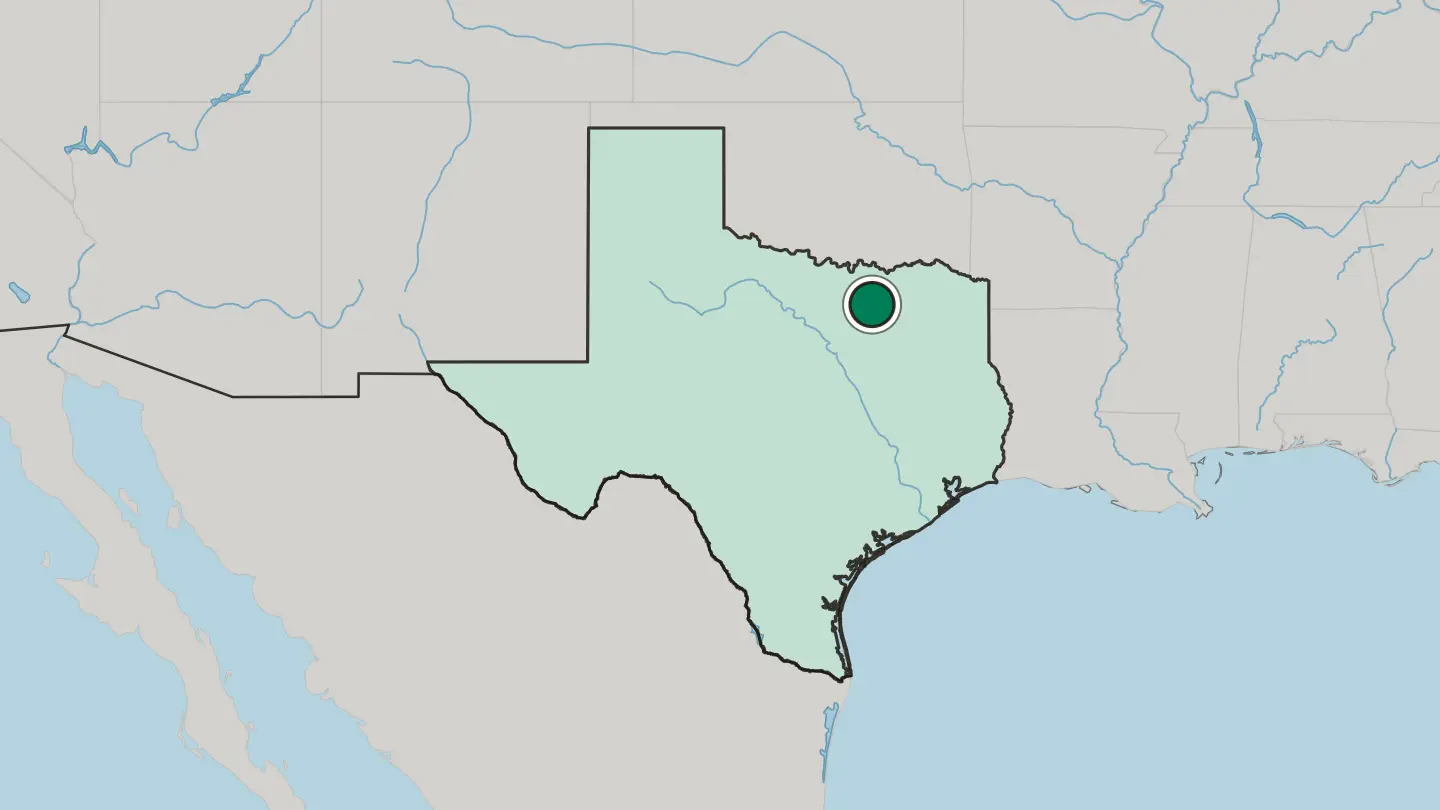
 United States
The Woodlands
The Woodlands is a planned city of Montgomery County, begun in 1974 along Interstate 45 north of Houston.Where to stay →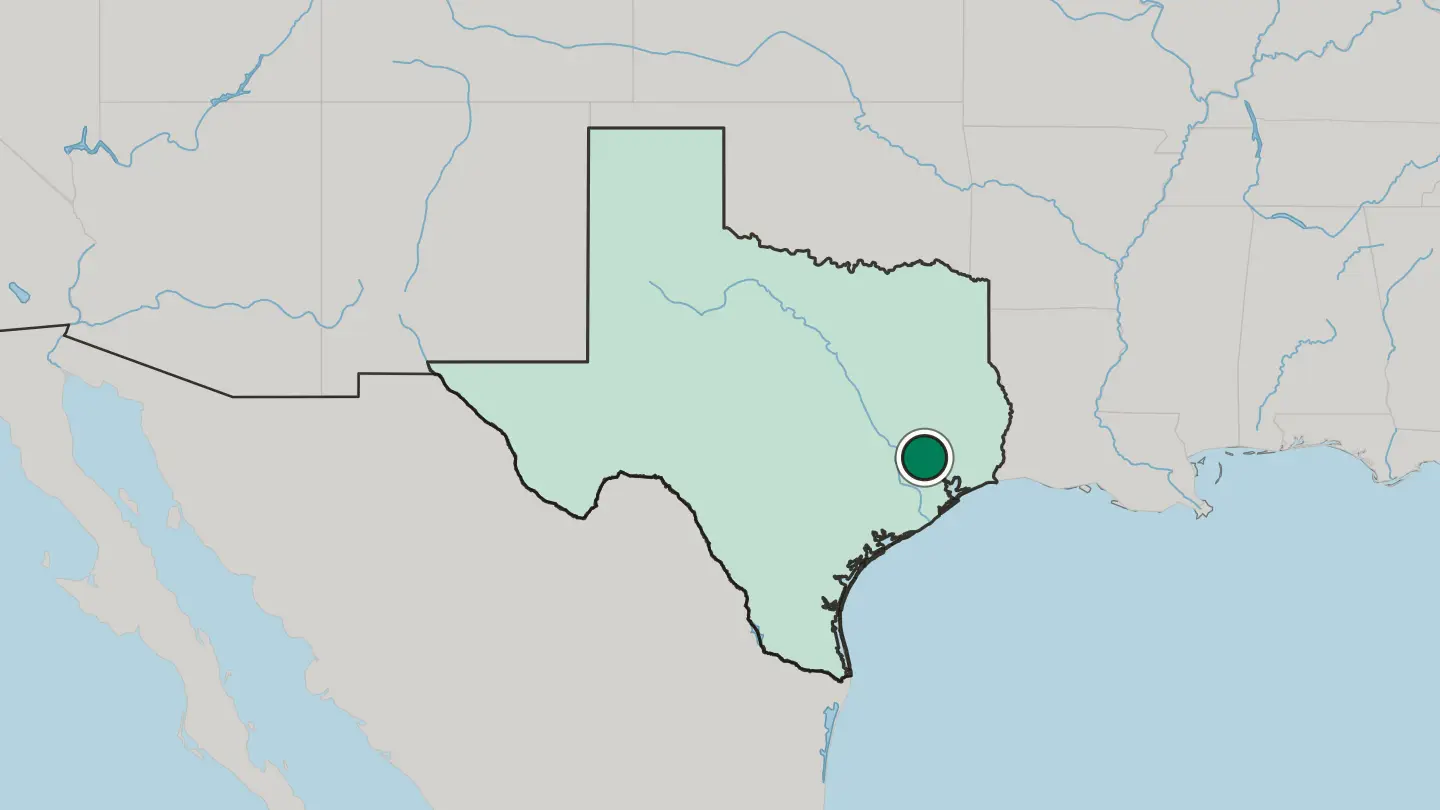
 United States
Sugar Land
Sugar Land is the largest city of Fort Bend County in Texas, a Houston suburb grown from 1908 around the Imperial Sugar Company refinery.Where to stay → United States
Edinburg
Edinburg is the seat of Hidalgo County in the Rio Grande Valley, a university city that answered to Chapin before it took a name from Scotland.Where to stay →
 United States
Mission
Mission is a city in Hidalgo County, Texas, part of the McAllen-Edinburg-Mission metropolitan area, dating from 1910.Where to stay →
 United States
Longview
Oil built this Piney Woods city. Longview, the seat of Gregg County, took its name in 1871 from the long view its first surveyors found from a hill.Where to stay → United States
Bryan
Bryan is the seat of Brazos County, a Brazos Valley city where the LaSalle Hotel and Temple Freda still stand over the old downtown blocks.Where to stay →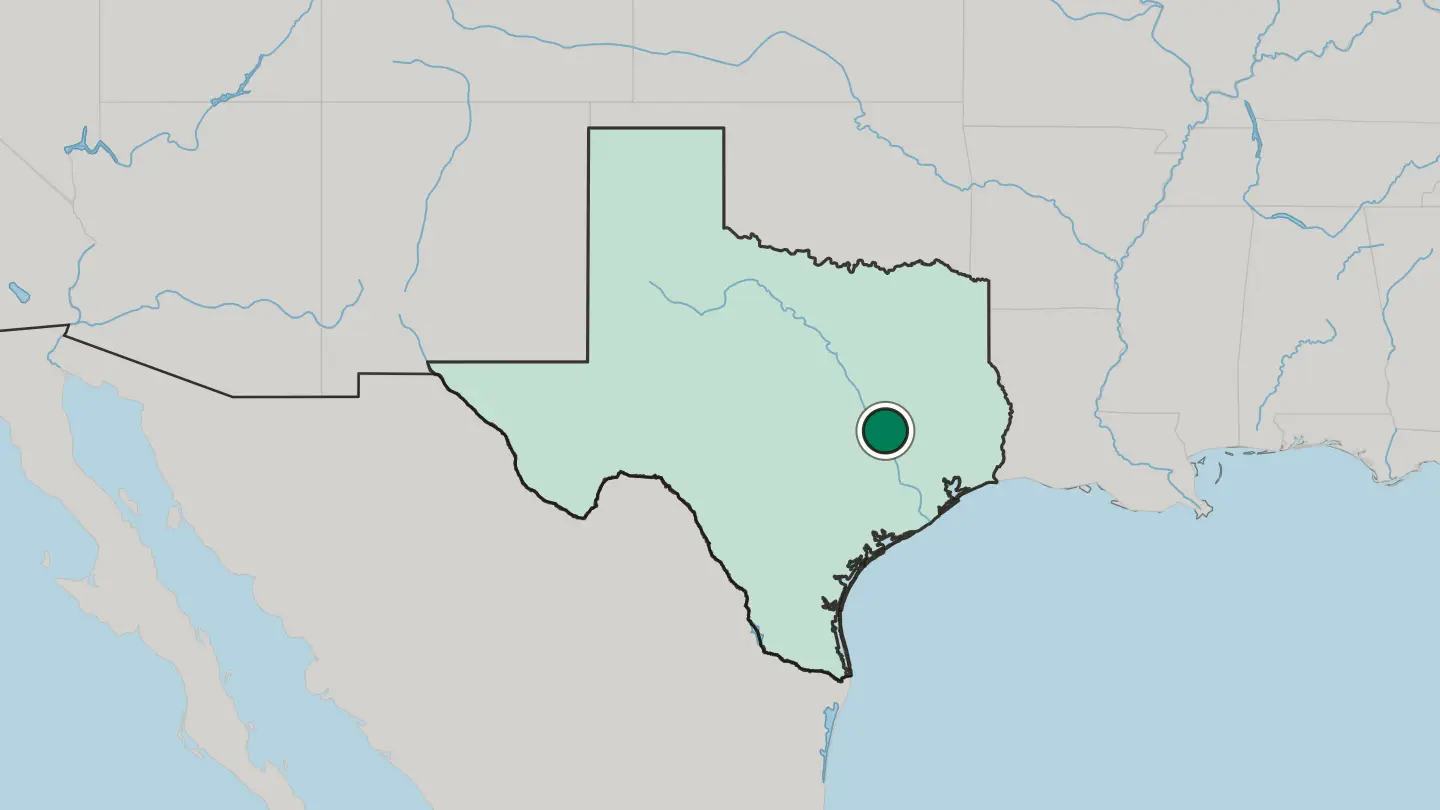
 United States
Baytown
Baytown stands on the northern side of the Galveston Bay complex in Texas, an industrial city split between Harris and Chambers counties.Where to stay →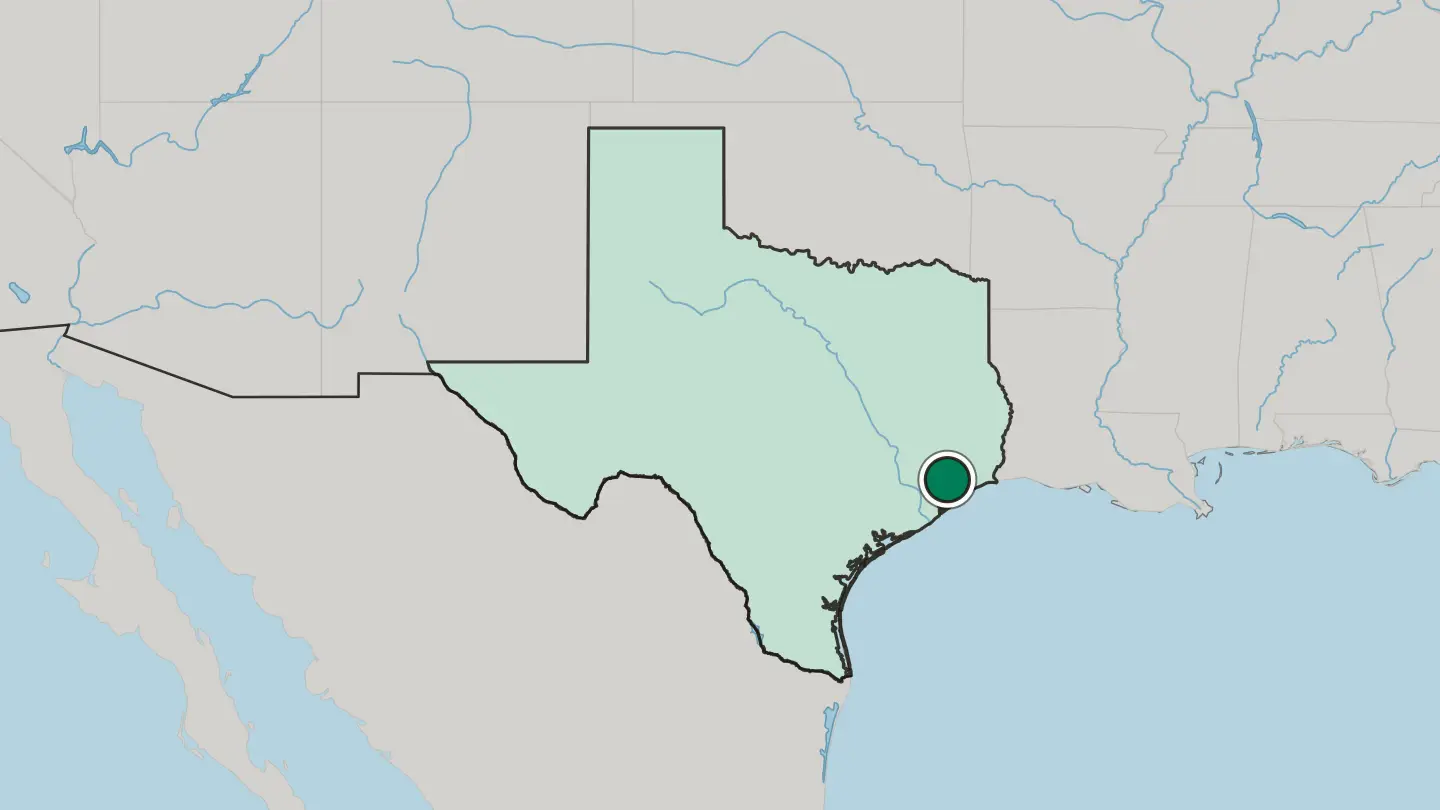
 United States
Missouri City
Suburb of two counties. Missouri City spreads across Fort Bend County and Harris County inside the Houston-The Woodlands-Sugar Land metropolitan area.Where to stay →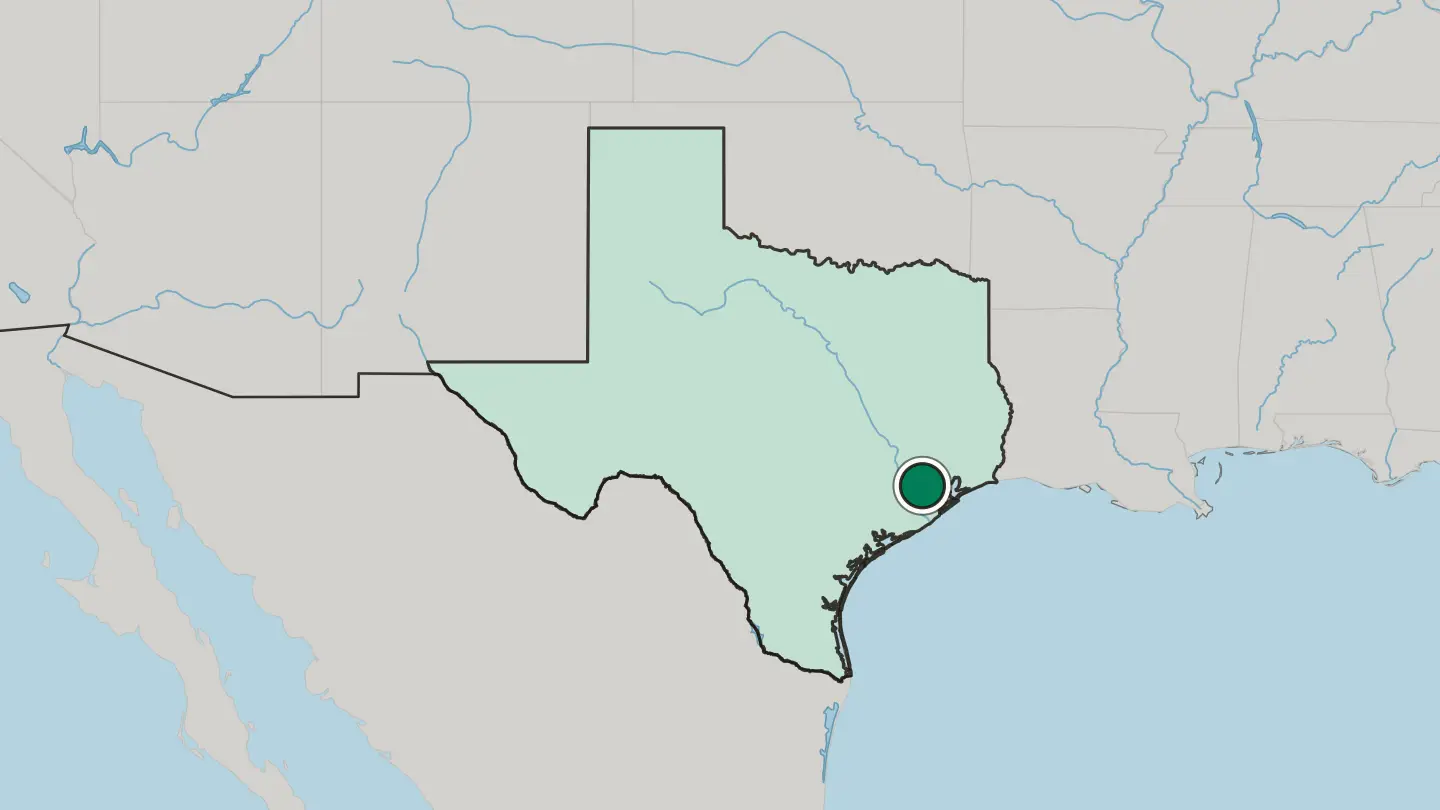
 United States
Temple
Temple is a railroad town on the Blackland Prairie of Central Texas, laid out in 1881 between Waco and Austin.Where to stay →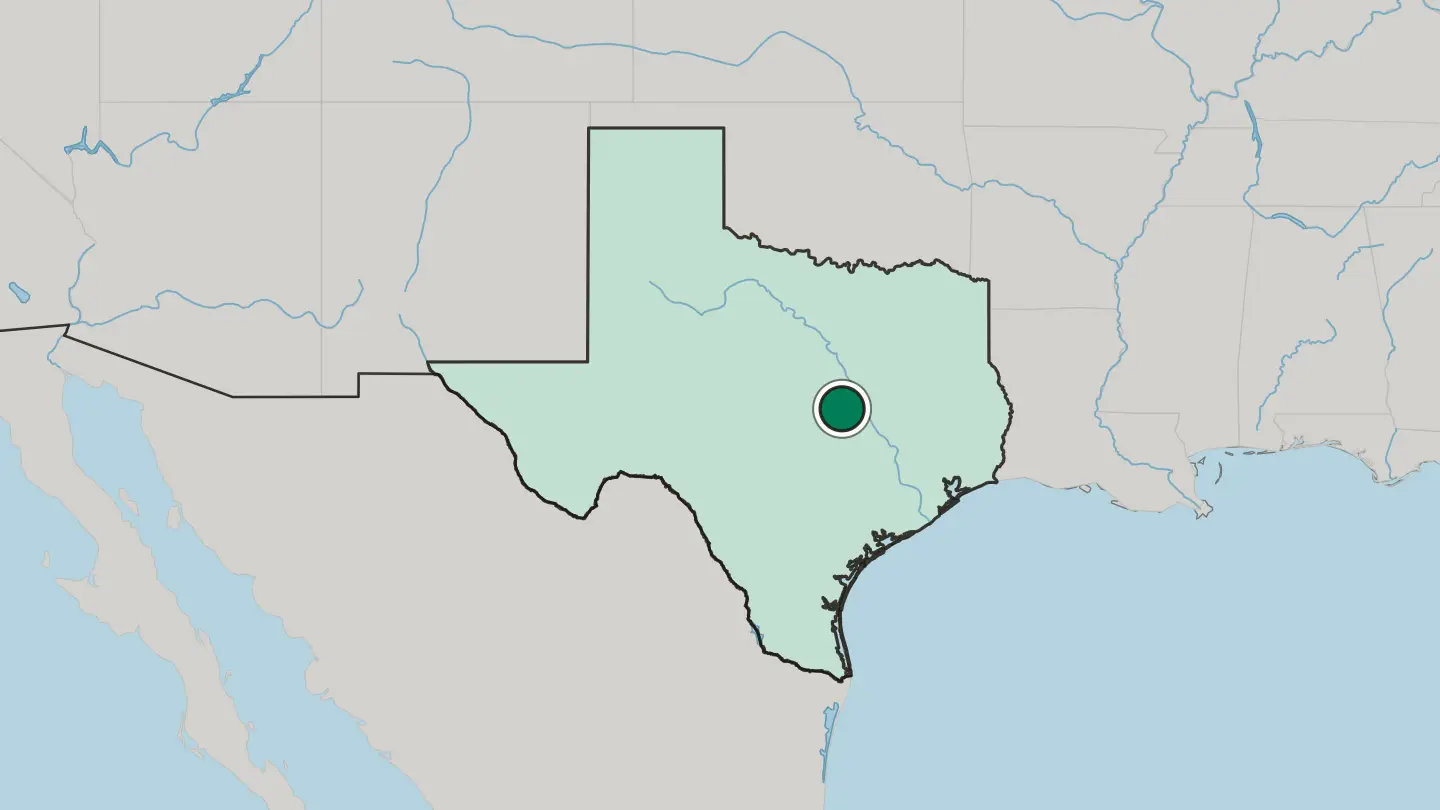
 United States
Flower Mound
Flower Mound is an incorporated town in Denton and Tarrant counties, named for the mound at its centre and lying beside Grapevine Lake.Where to stay →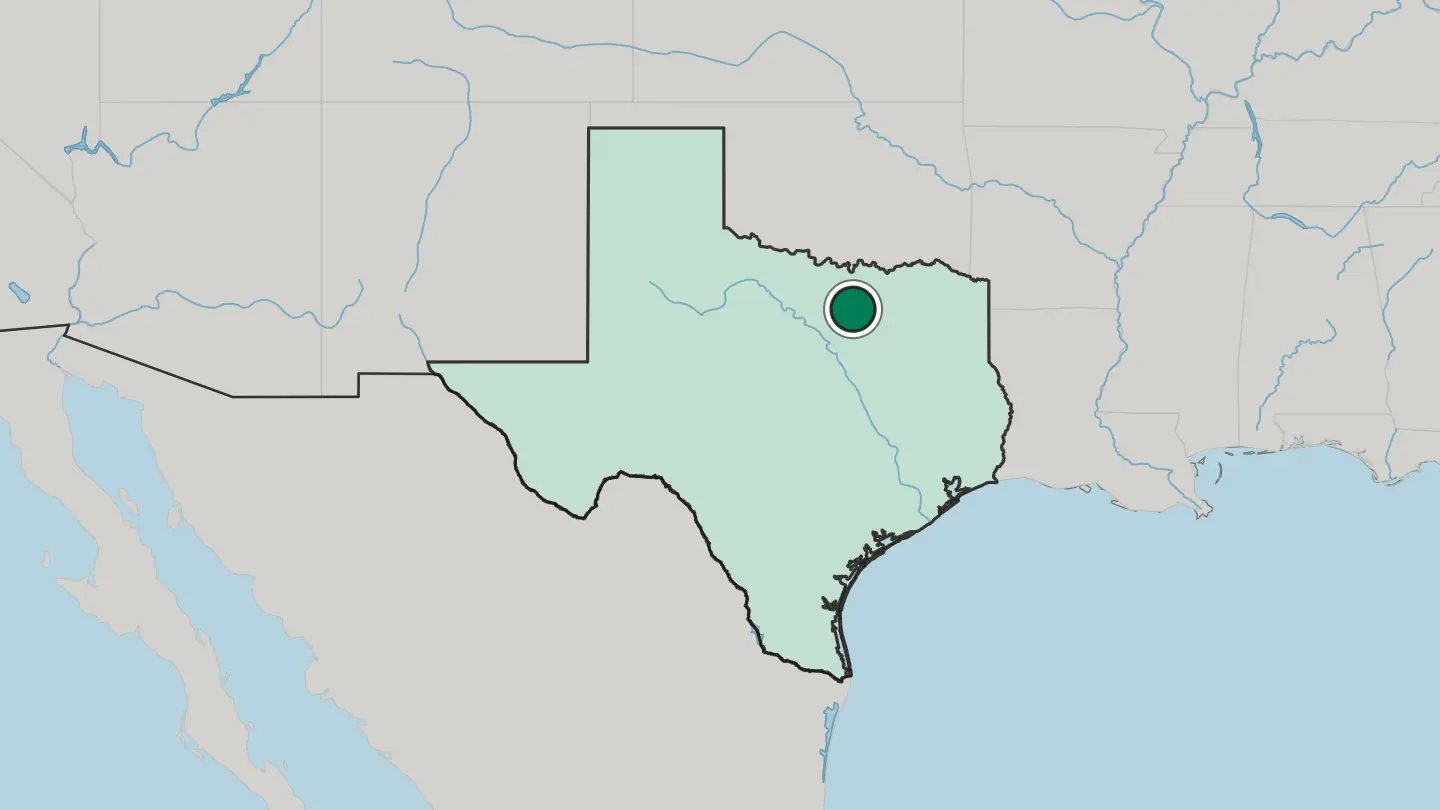
 United States
New Braunfels
New Braunfels, seat of Comal County, is a German-founded resort town in the Texas Hill Country north of San Antonio, dating from 1845.Where to stay →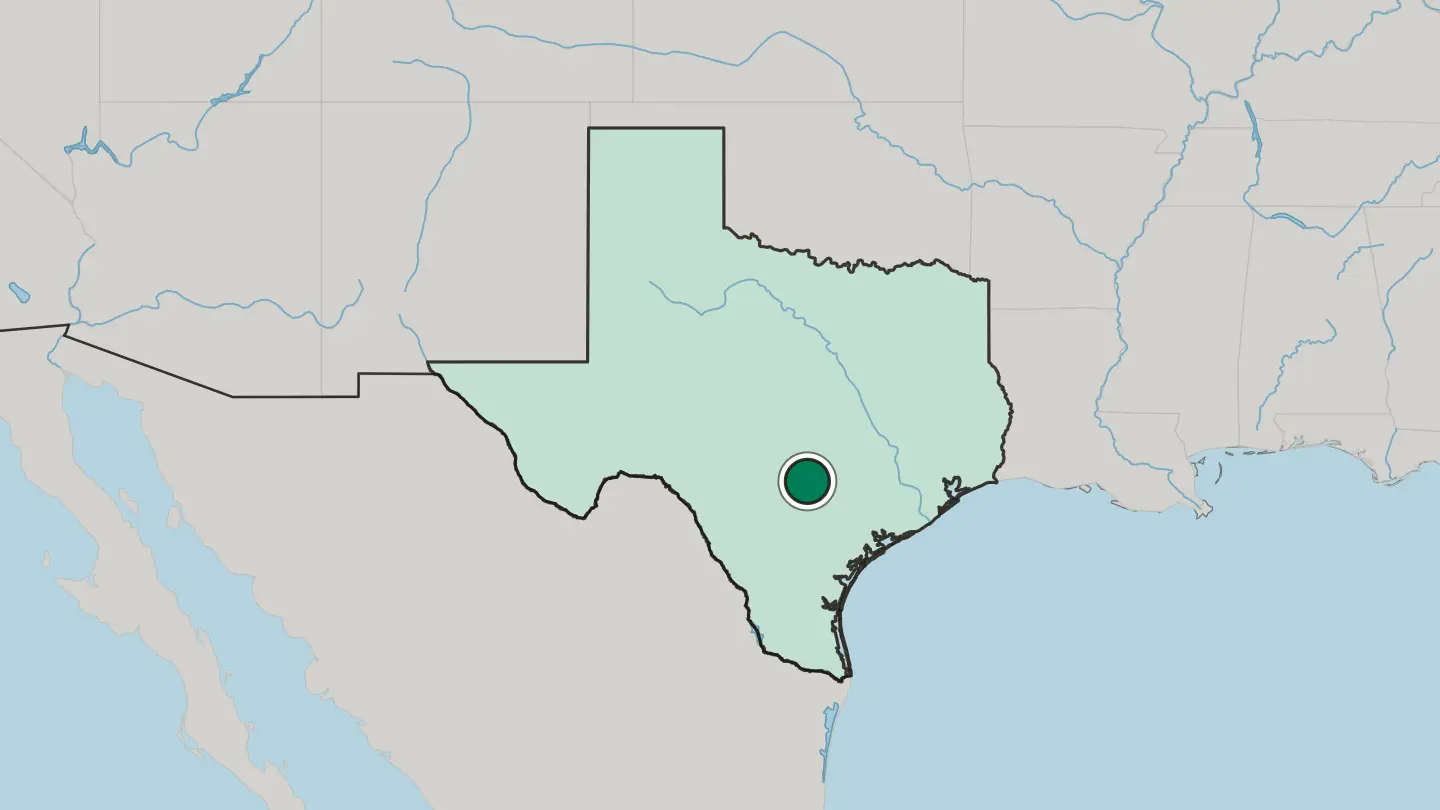
 United States
Conroe
Montgomery County's seat, Conroe stands 40 miles from Houston and keeps the Crane Family Cabin and the Heritage Museum of Montgomery County.Where to stay →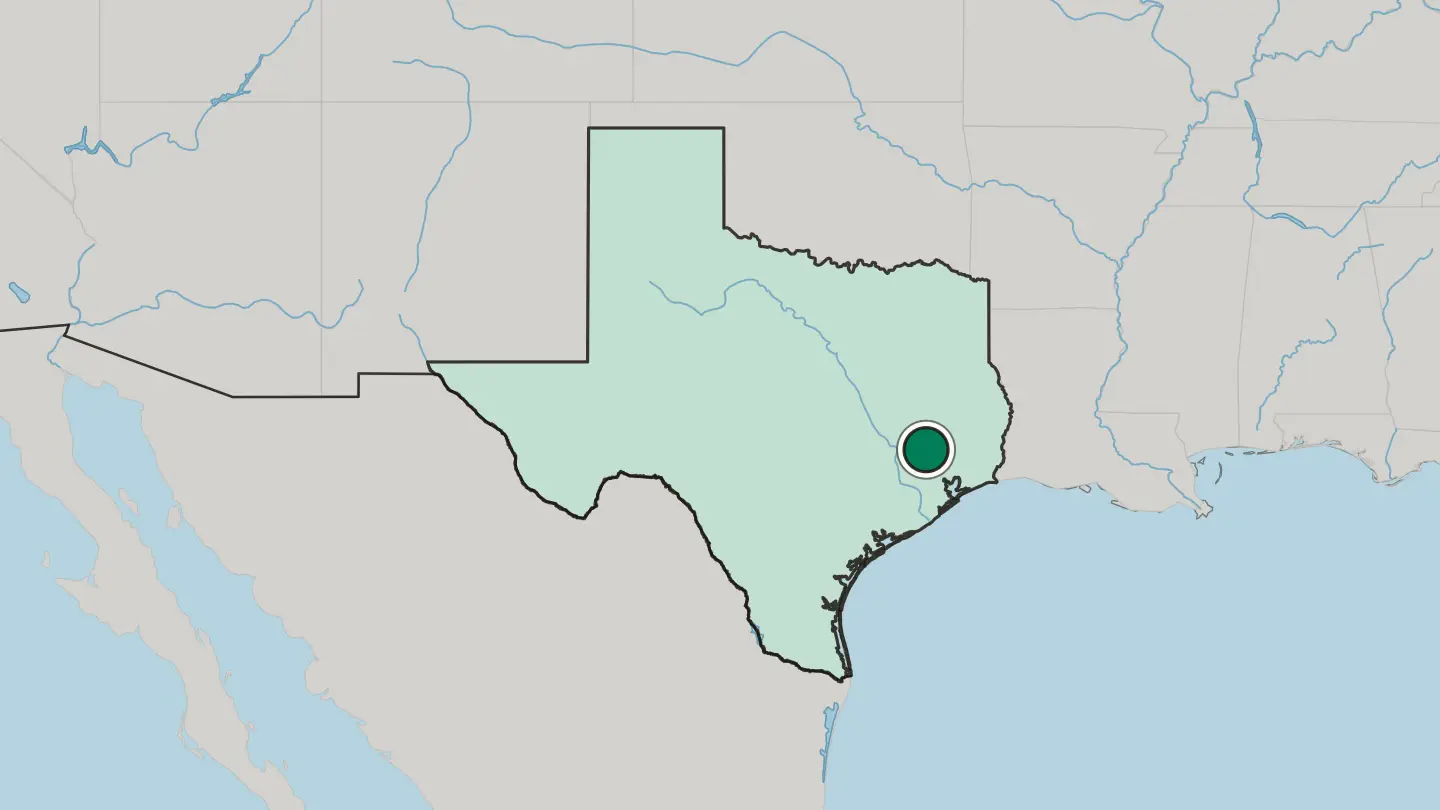 United States
Victoria
Victoria is the county seat of Victoria County, the second largest city on the South Barrier Coast of Texas.Where to stay →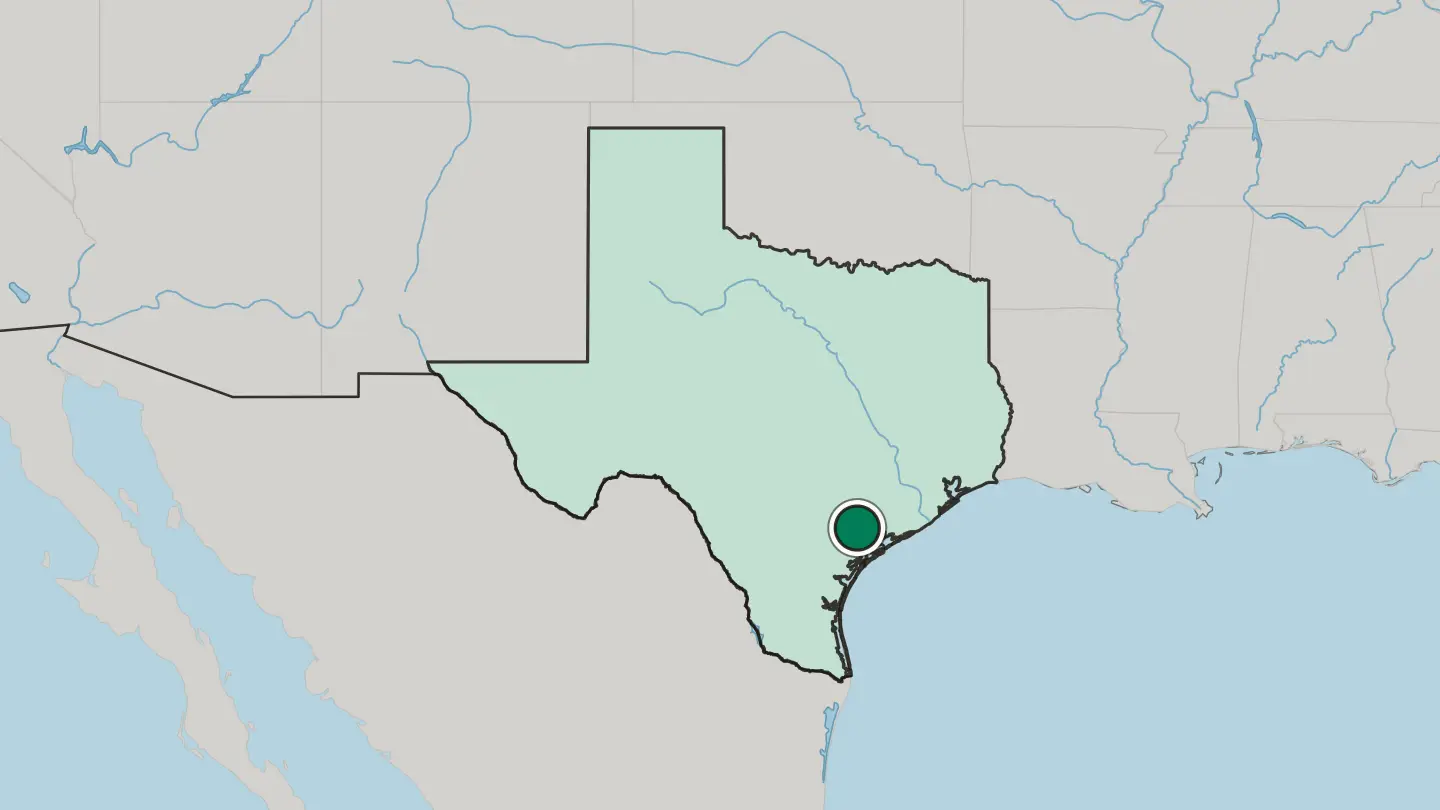
 United States
Cedar Park
Cedar Park is a Williamson County city in the Central Hill Country, an Austin suburb keeping the John M. King Log House among its landmarks.Where to stay →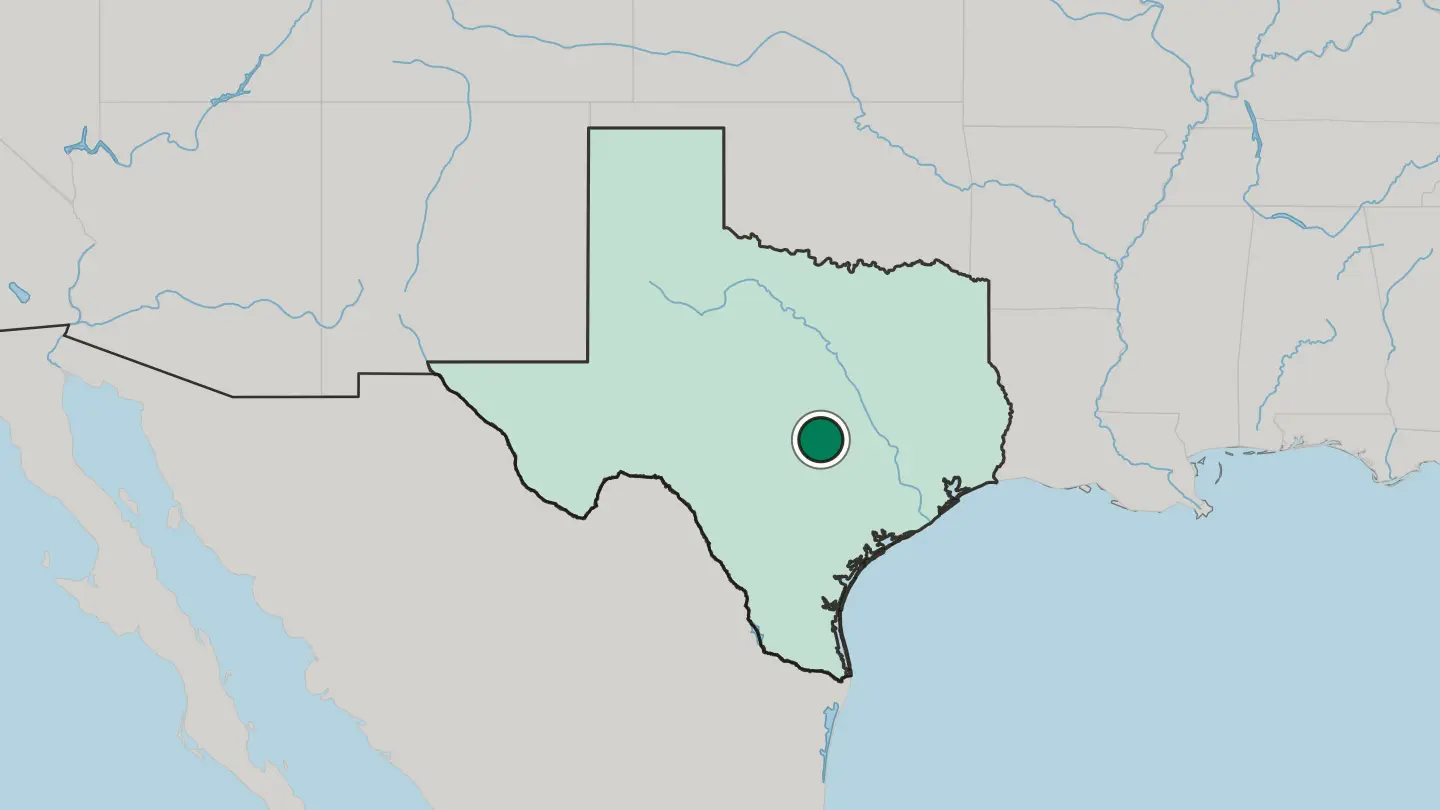
 United States
Harlingen
Harlingen stands in the central Rio Grande Valley, a Cameron County city laid out in 1904 some 30 miles inland from the Gulf of Mexico.Where to stay →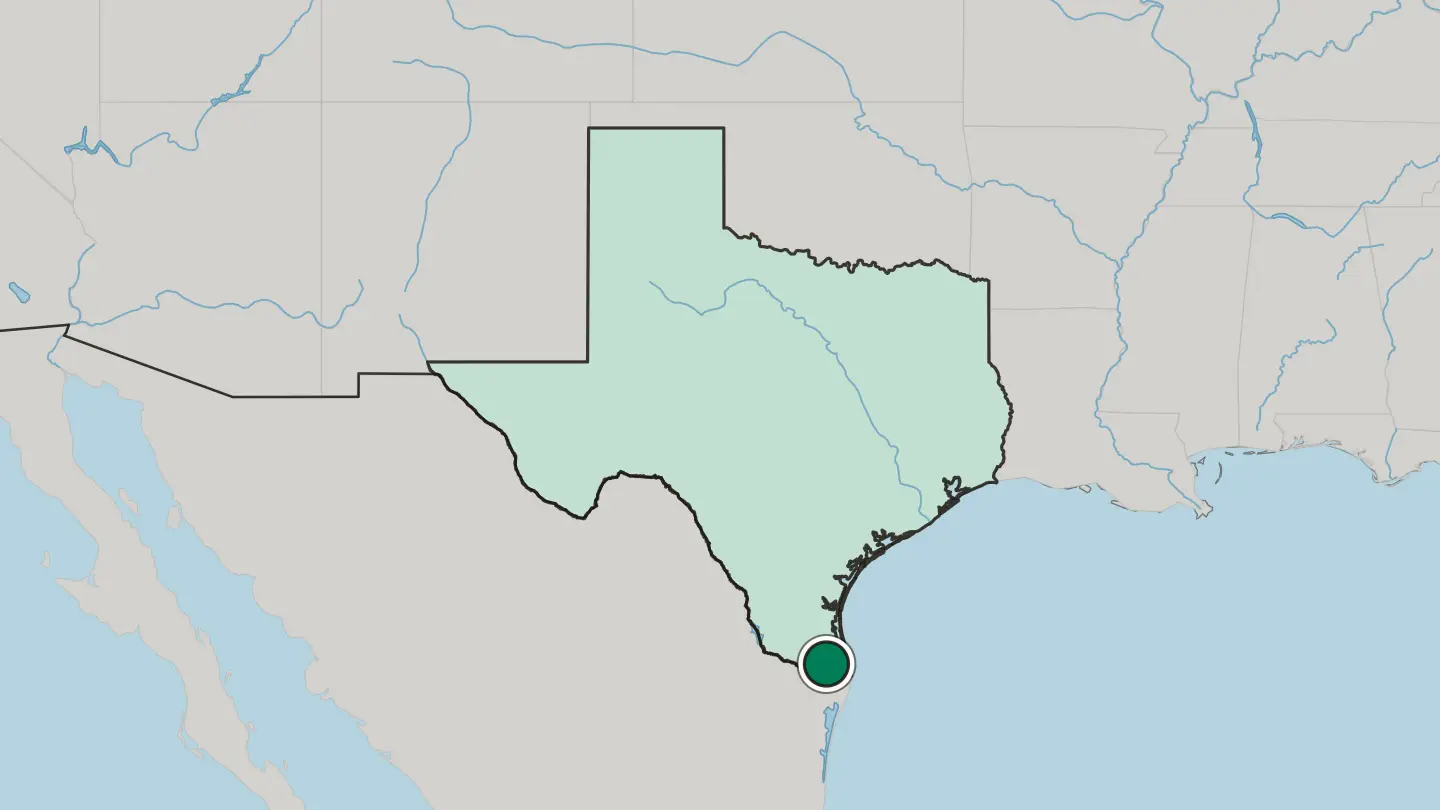 United States
Mansfield
Mansfield is a city in Tarrant County, Texas, south of Arlington between Dallas and Fort Worth, its settlement dating from 1856.Where to stay →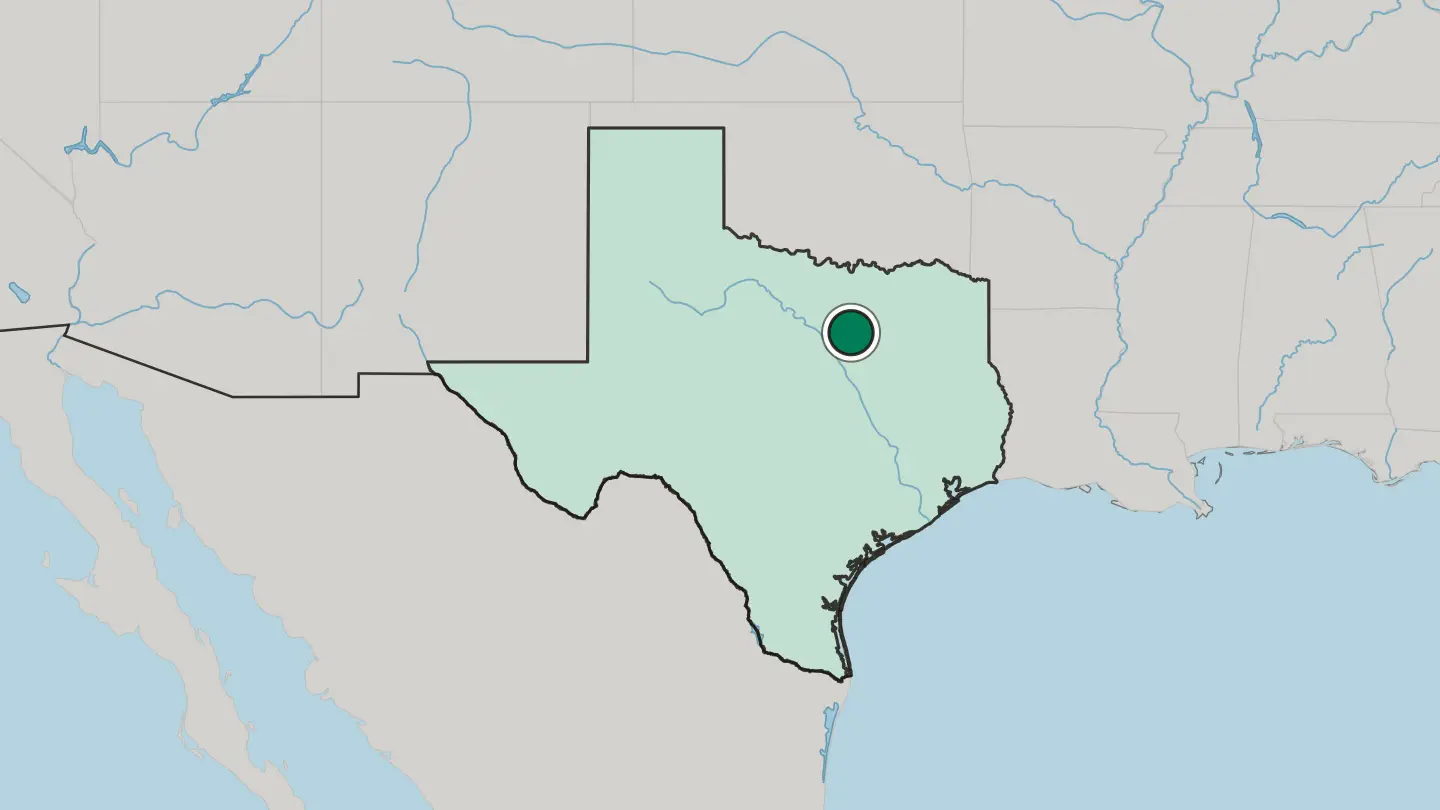
 United States
Georgetown
Georgetown is the seat of Williamson County in the German Hill Country of Texas, 30 miles north of Austin and dating from 1848.Where to stay →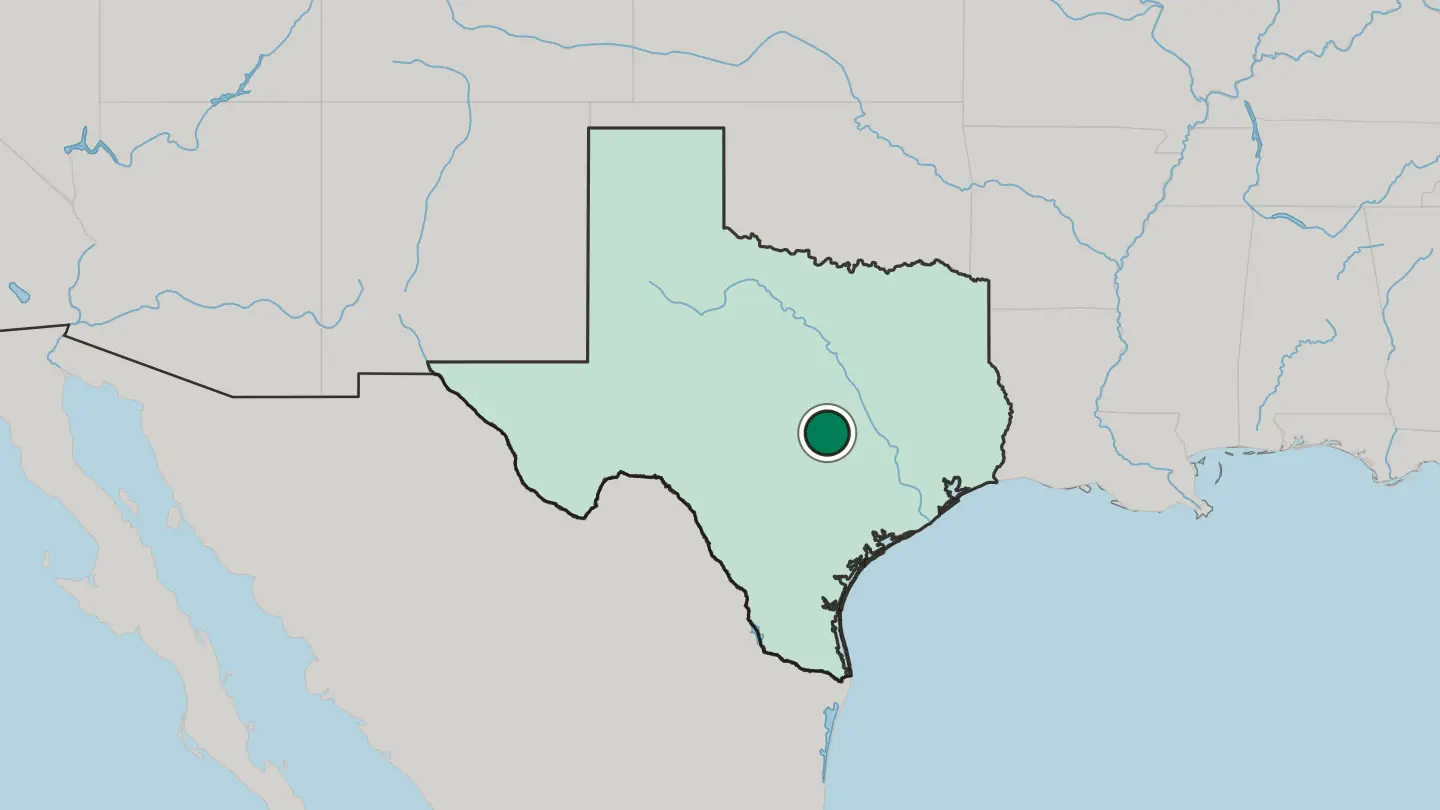
 United States
San Marcos
San Marcos is a college town on the San Marcos River in the Central Hill Country of Texas, county seat of Hays County and settled in 1808.Where to stay →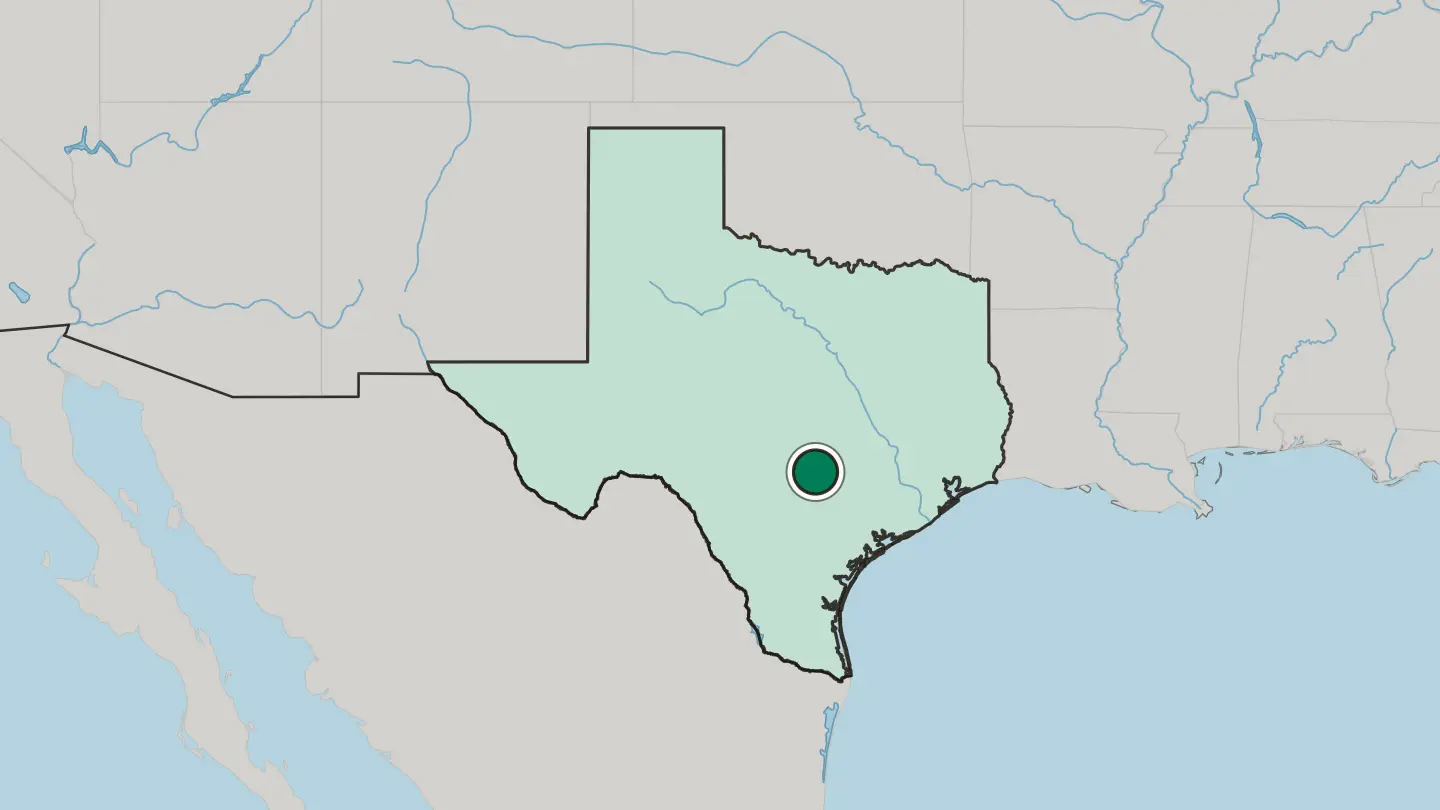
 United States
Pflugerville
Pflugerville is a city in Travis County, Texas, 18 miles north of Austin, farmed by German settlers from 1849 and incorporated in 1965.Where to stay →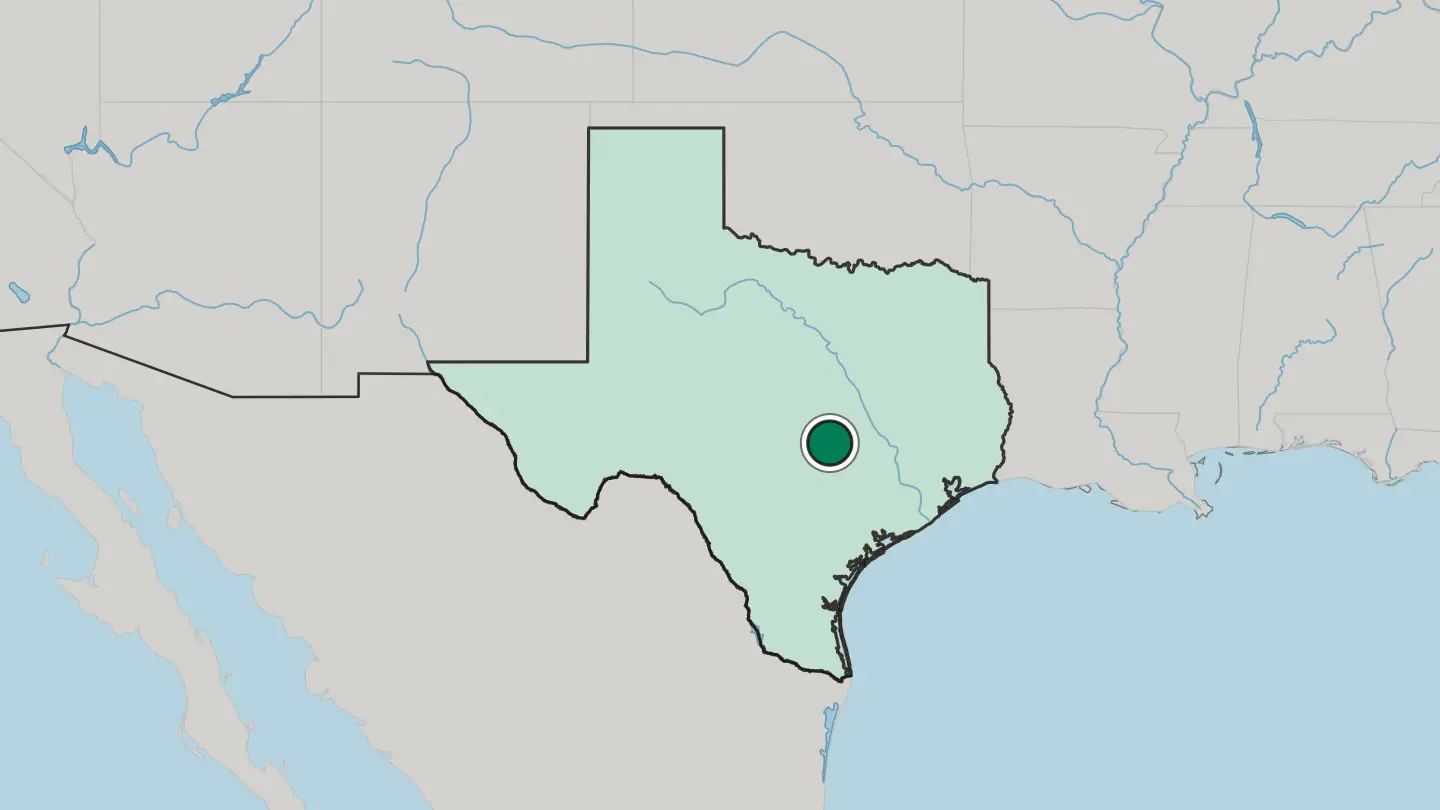
 United States
Port Arthur
Port Arthur, a Jefferson County city on the Gulf Coast of Texas east of Houston, is a refining port anchored by the Motiva Refinery.Where to stay →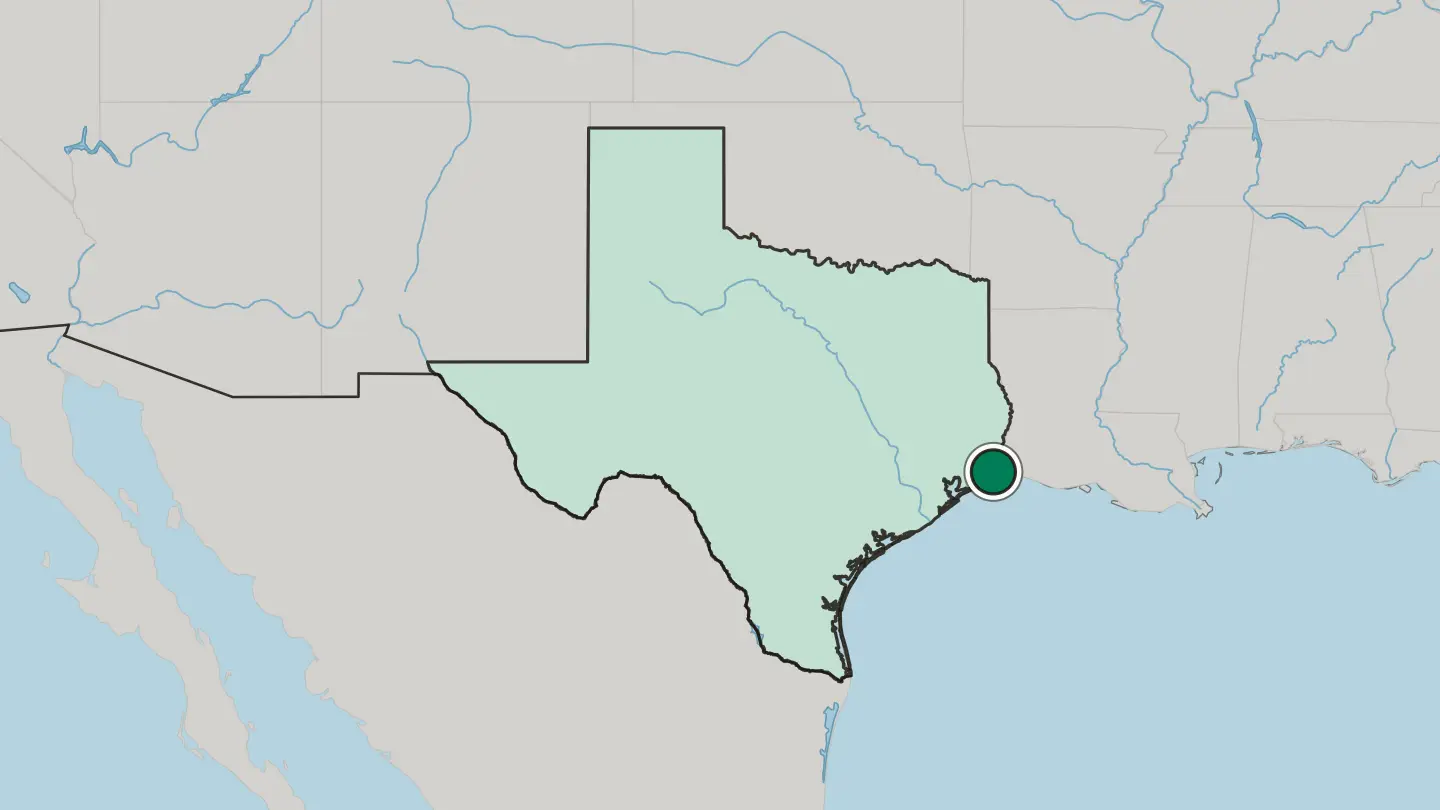
 United States
Spring
Spring is a census-designated place in Harris County, Texas, inside the Greater Houston area, with Old Town Spring at its historic core.Where to stay →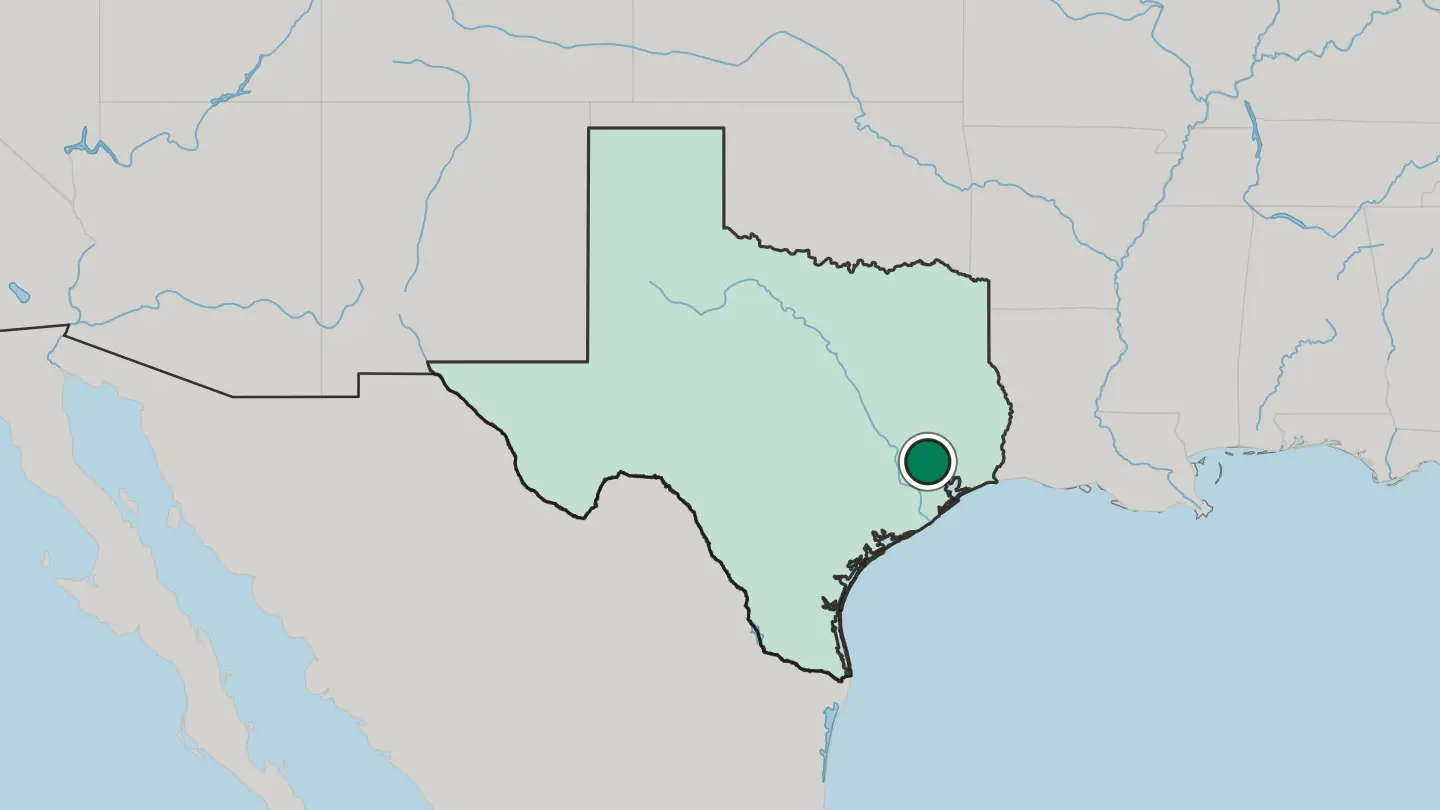 United States
Euless
Euless is a Tarrant County city in the Mid-Cities between Dallas and Fort Worth, within reach of Six Flags Over Texas and the Arlington Museum of Art.Where to stay →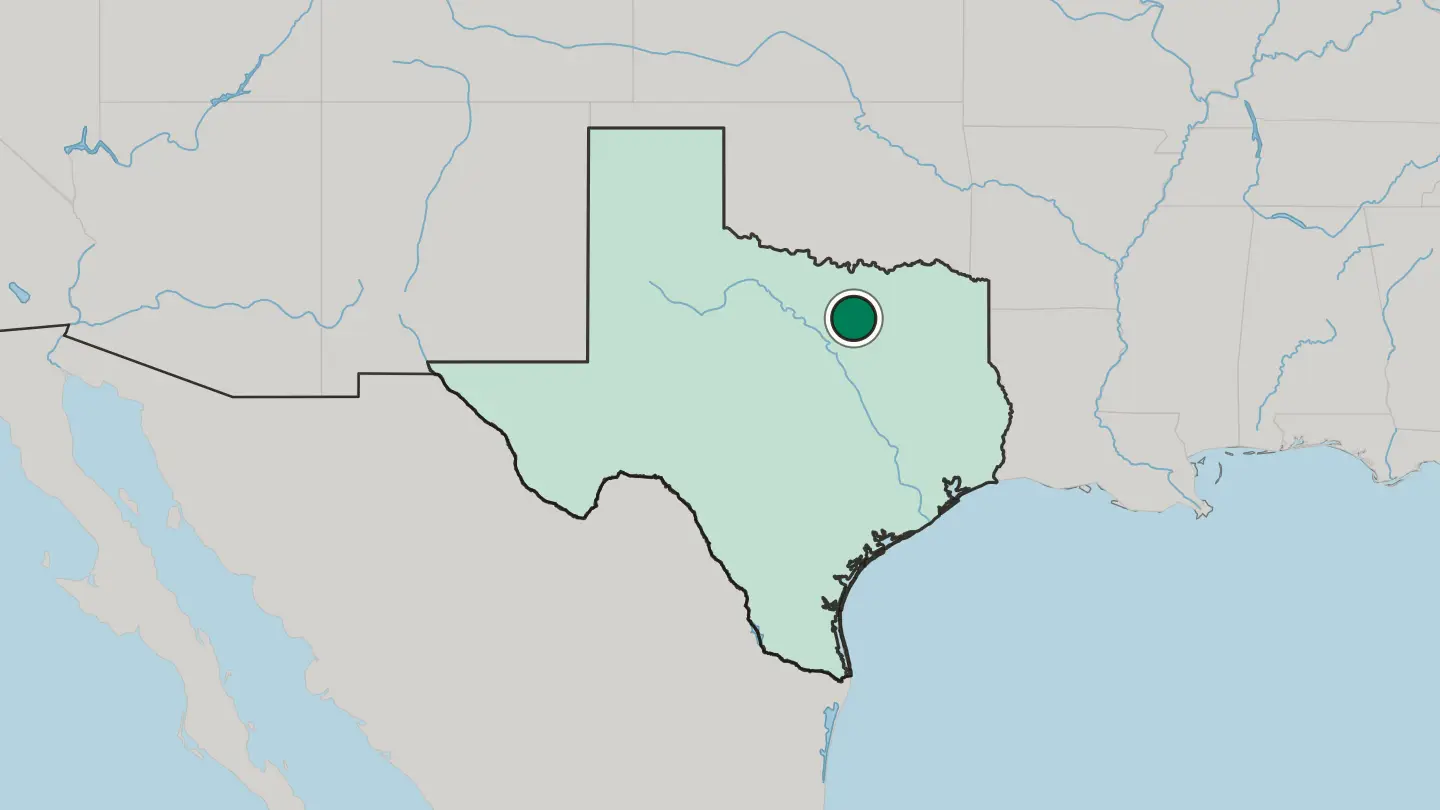 United States
DeSoto
DeSoto is a Dallas County city settled in 1847, one of the Best Southwest suburbs of Dallas, keeping Nance Farm and the Randlett House.Where to stay →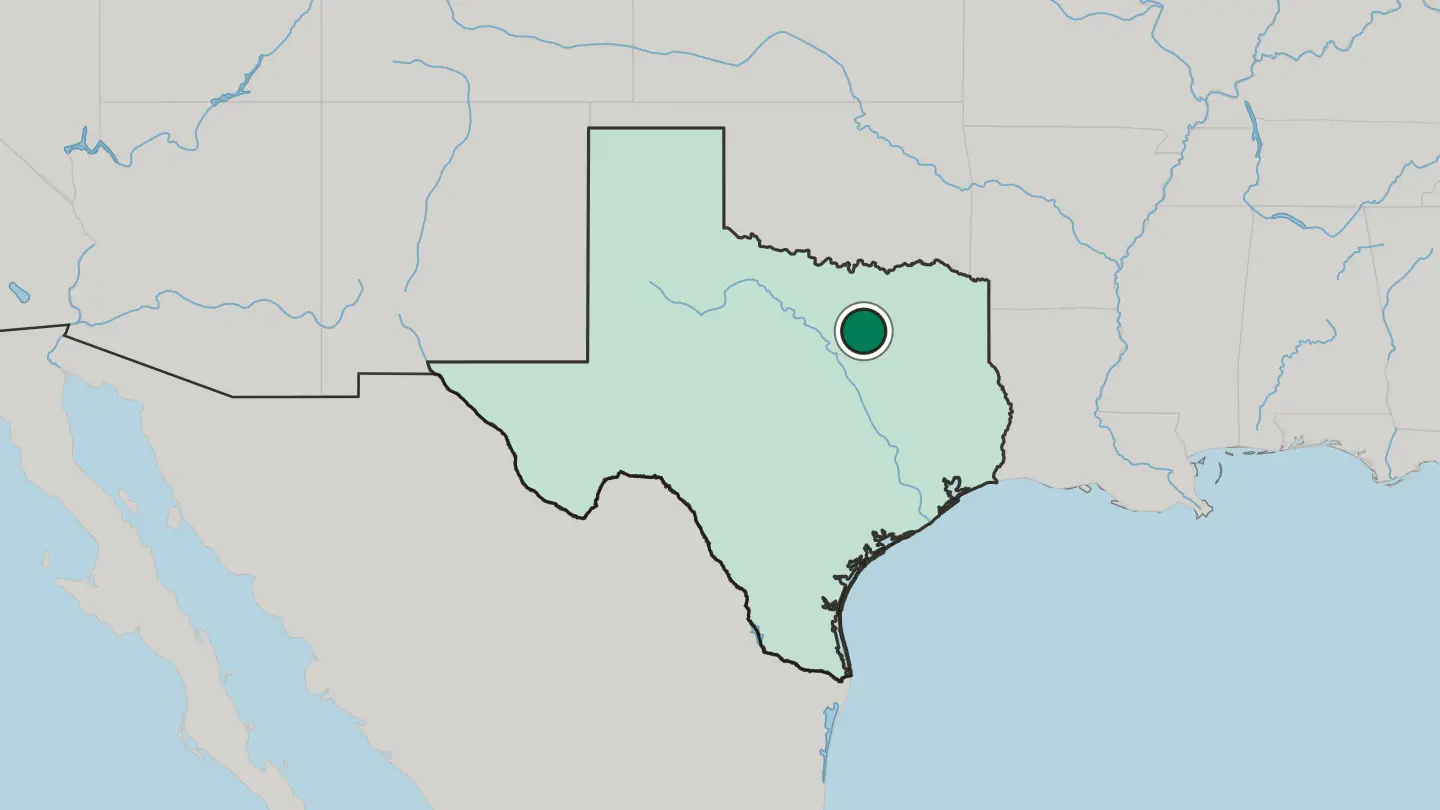
 United States
Grapevine
Grapevine holds the largest municipal share of Dallas/Fort Worth International Airport, a Tarrant County town dating from 1844.Where to stay →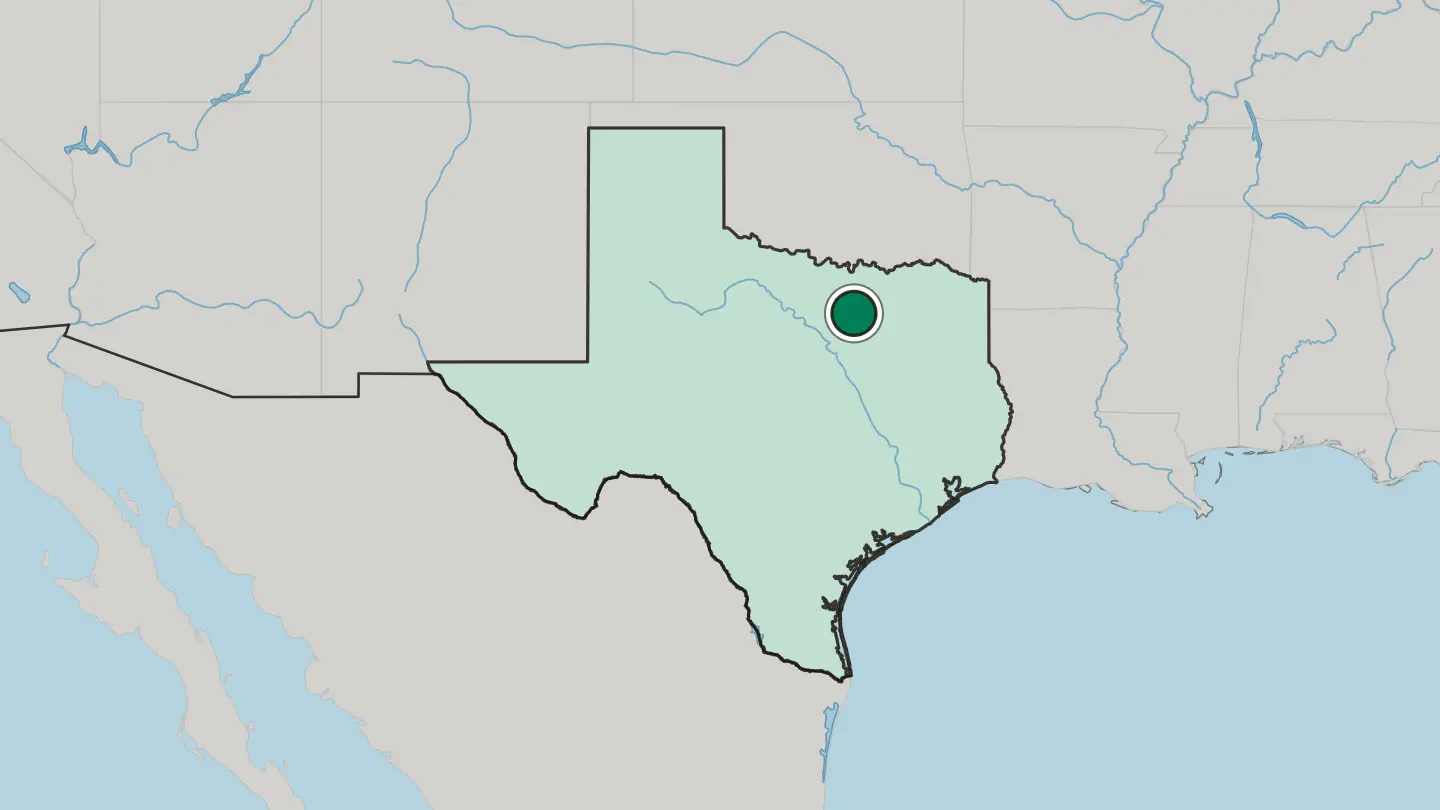
 United States
Galveston
Galveston is a historic port city on Galveston Island off the Texas coast, known for its Victorian streets and Gulf beaches.Where to stay →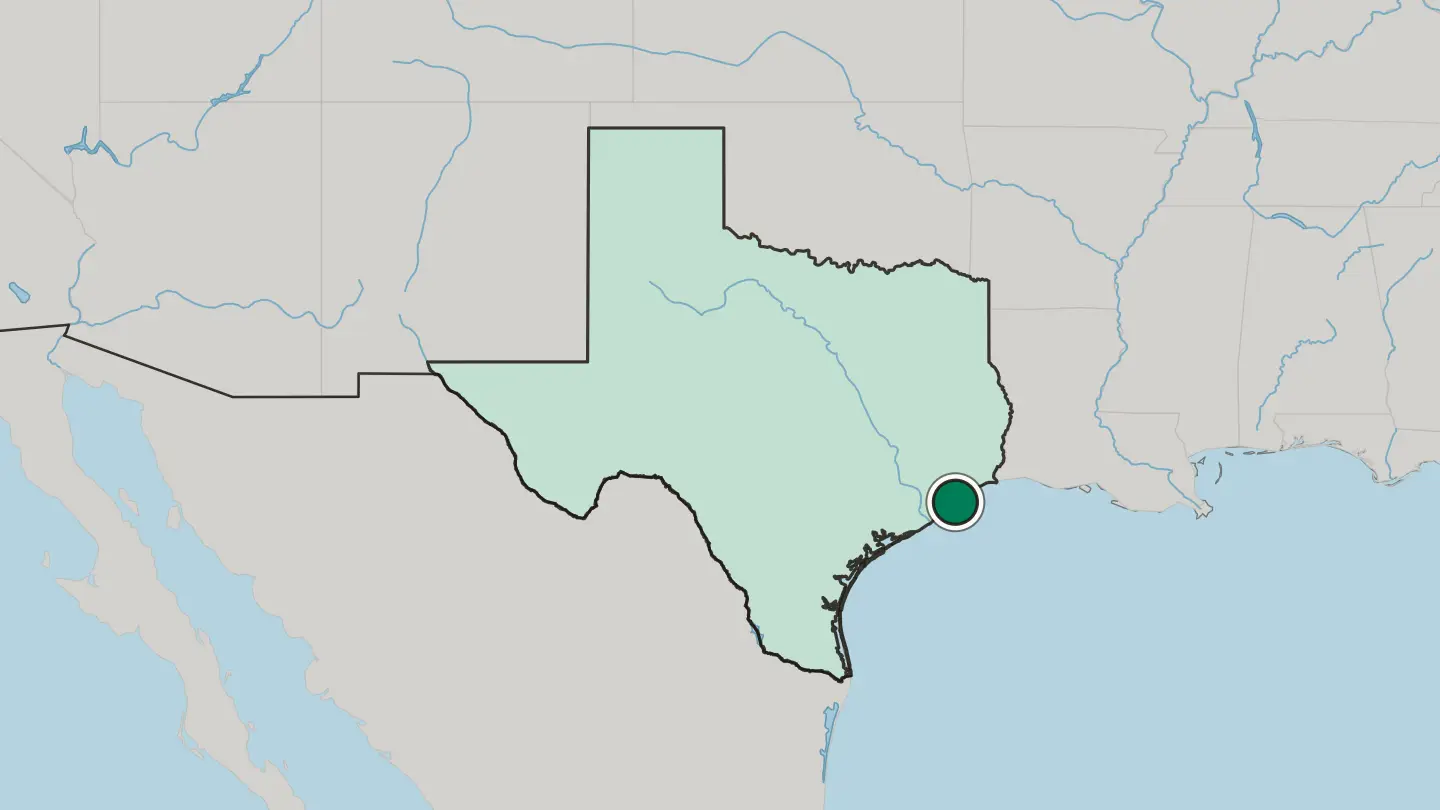
 United States
University Park
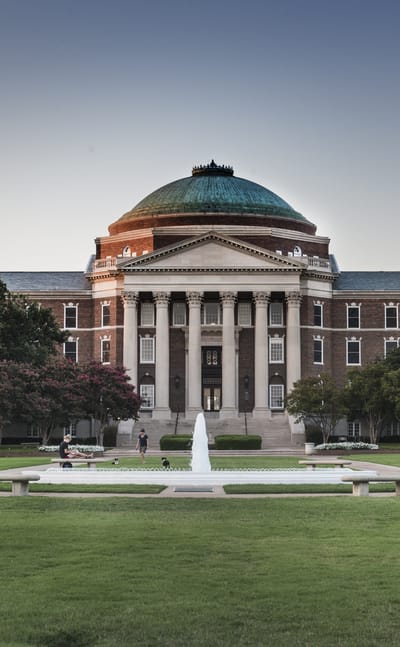
University Park is a city in Dallas County, Texas, one of the two Park Cities and the home of Southern Methodist University.Where to stay →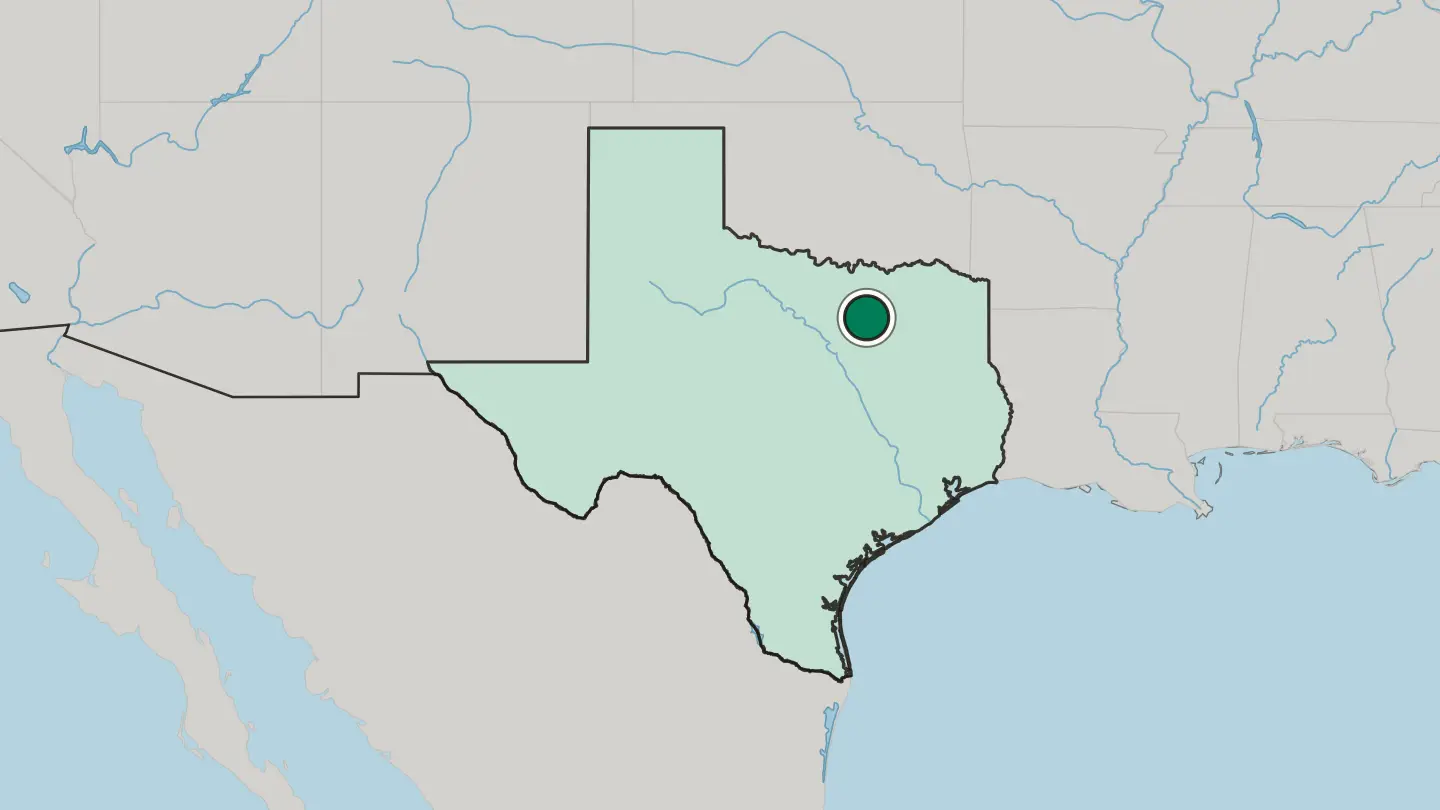
 United States
Bellaire
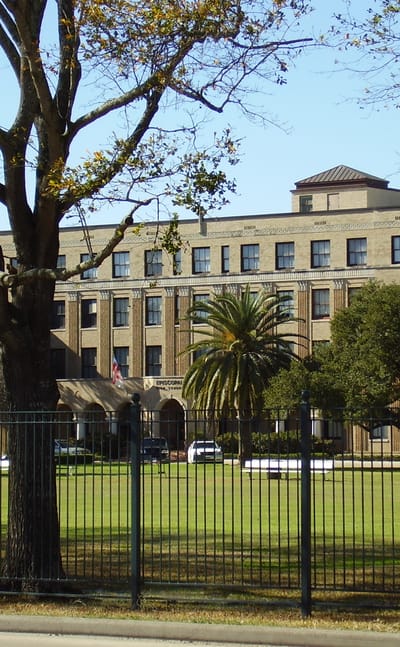
Bellaire is a separate city in southwestern Harris County, Texas, known as the City of Homes for its mostly residential streets.Where to stay →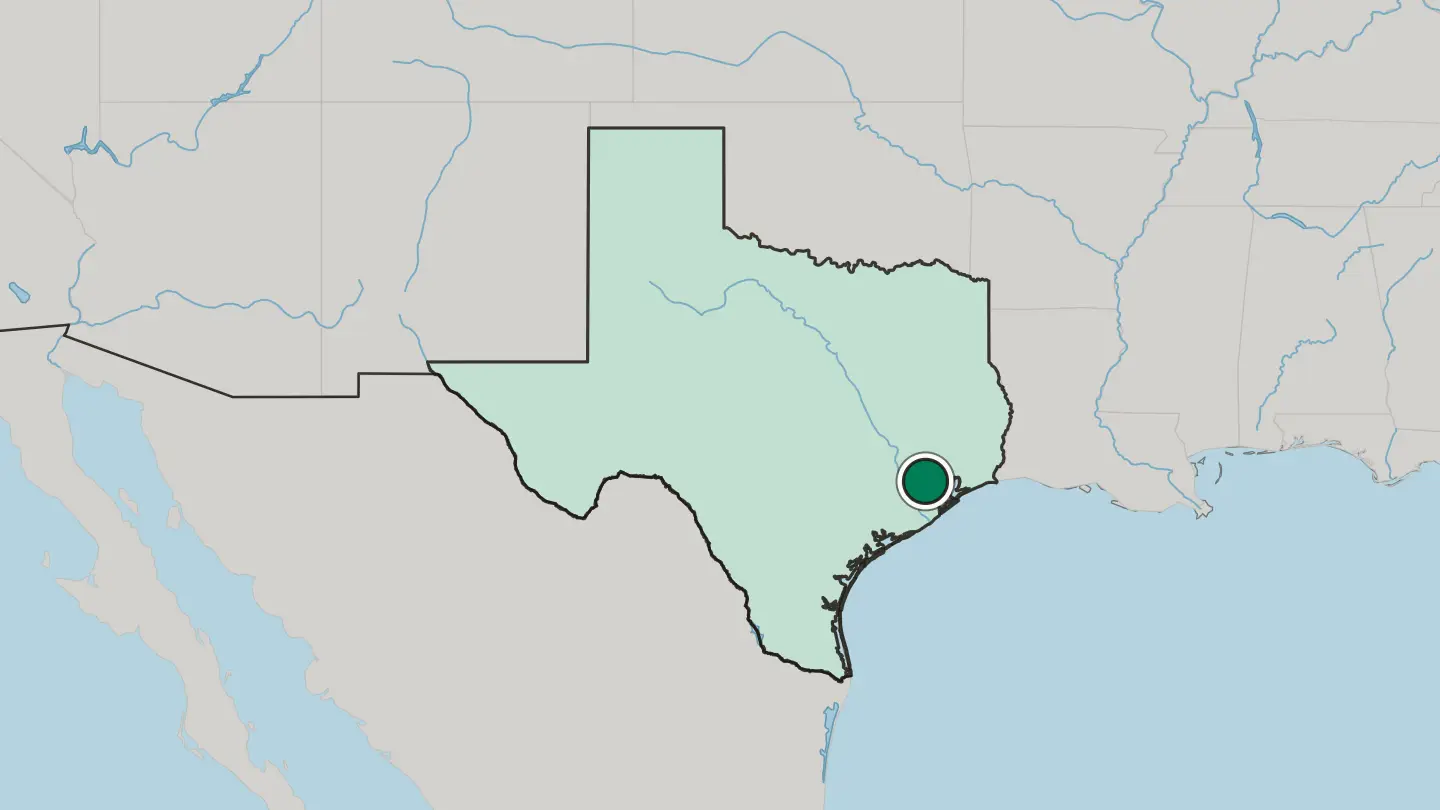 United States
West University Place
West University Place is a city in southwestern Harris County, Texas, known as West U and nicknamed the Neighborhood City, near Rice University.Where to stay →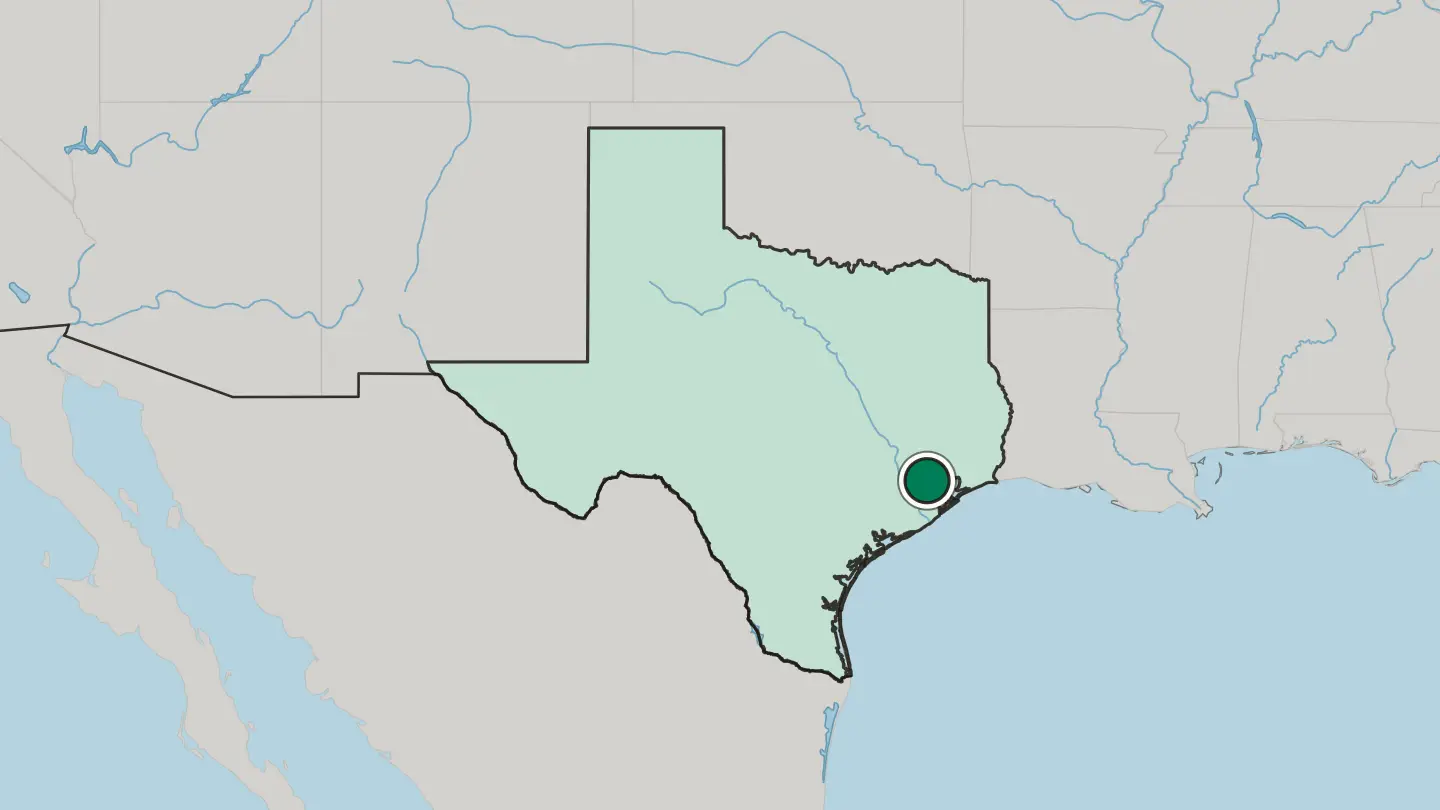 United States
Leon Valley
Leon Valley is a city in Bexar County, Texas, an enclave of San Antonio along Bandera Road that incorporated in 1954 to stay independent.Where to stay →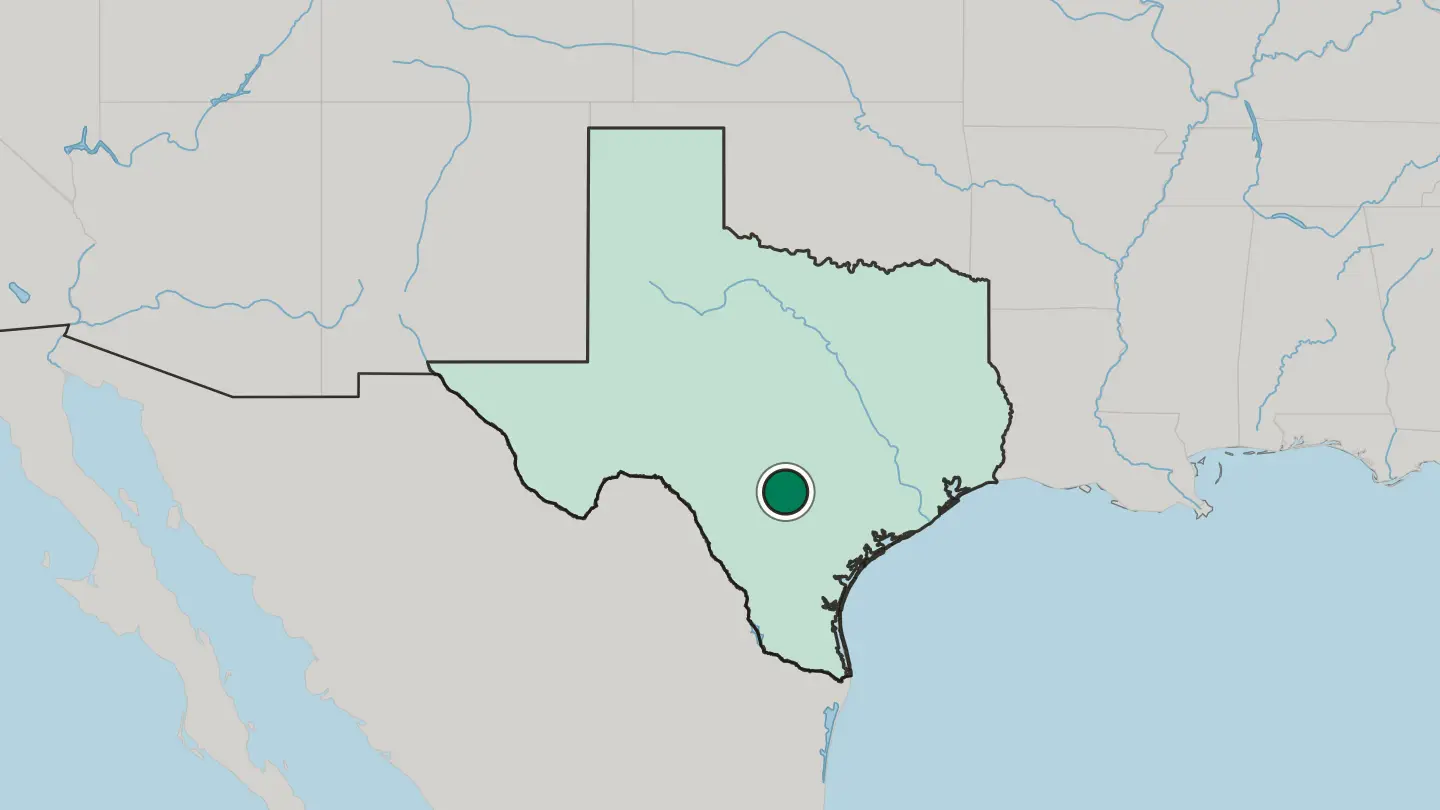 United States
Galena Park
Galena Park is a city in Harris County, Texas, east of the 610 Loop and north of the Houston Ship Channel, named for a refinery company.Where to stay →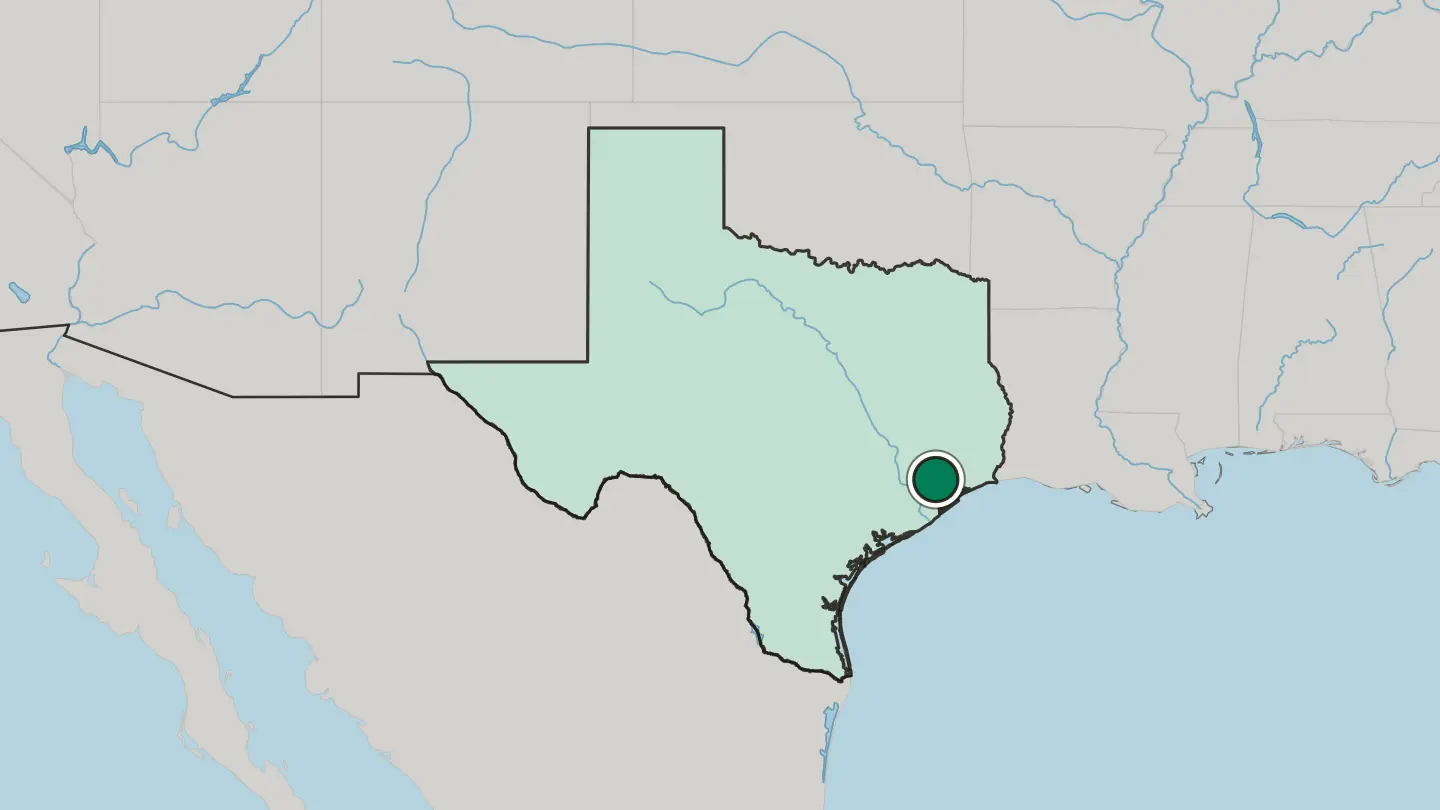 United States
Jacinto City
Jacinto City is a city in central Harris County, Texas, east of the junction of Interstate 10 and Interstate 610, named for the San Jacinto battleground.Where to stay →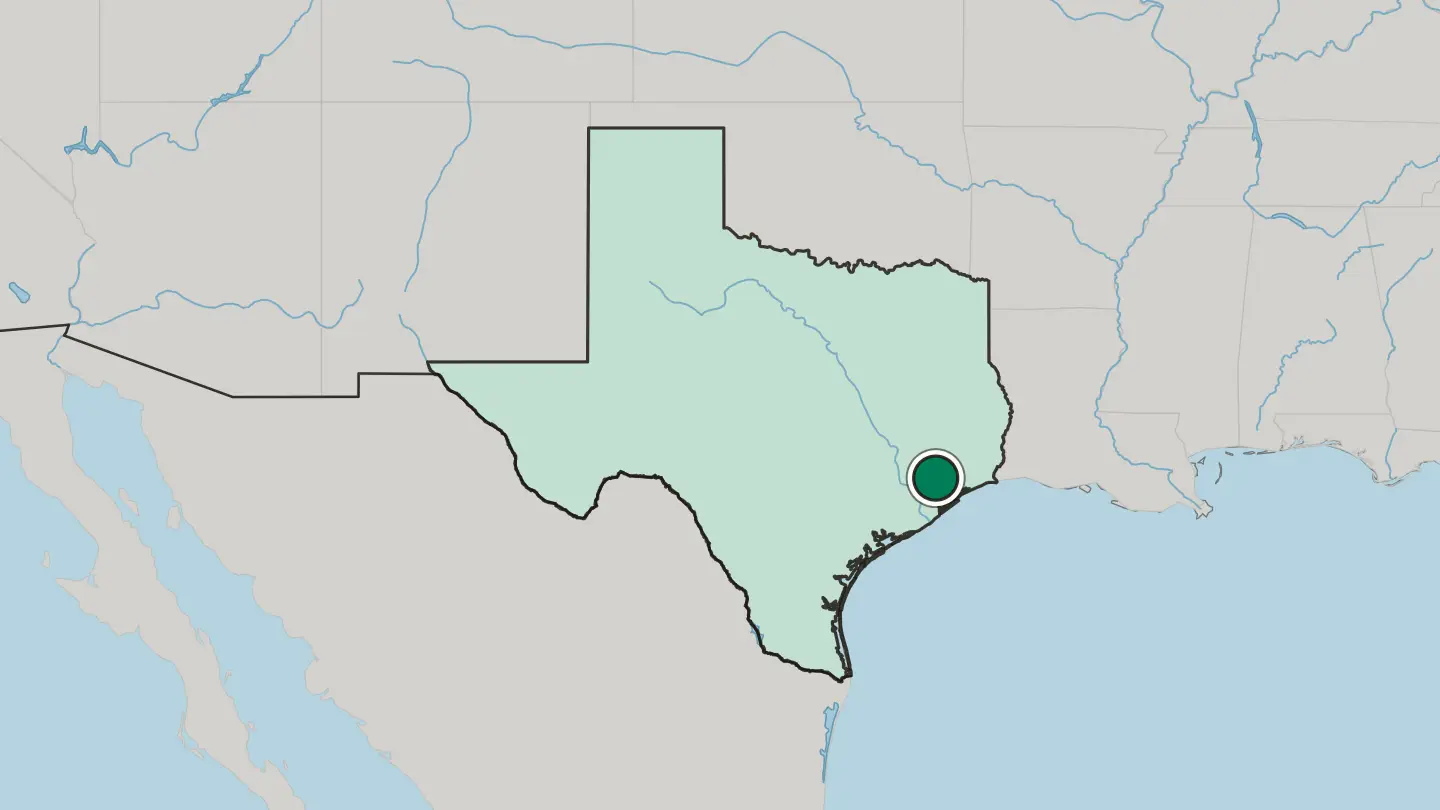 United States
Highland Park
Highland Park is a town in central Dallas County, Texas, one of the two Park Cities, between the Dallas North Tollway and U.S. Route 75.Where to stay →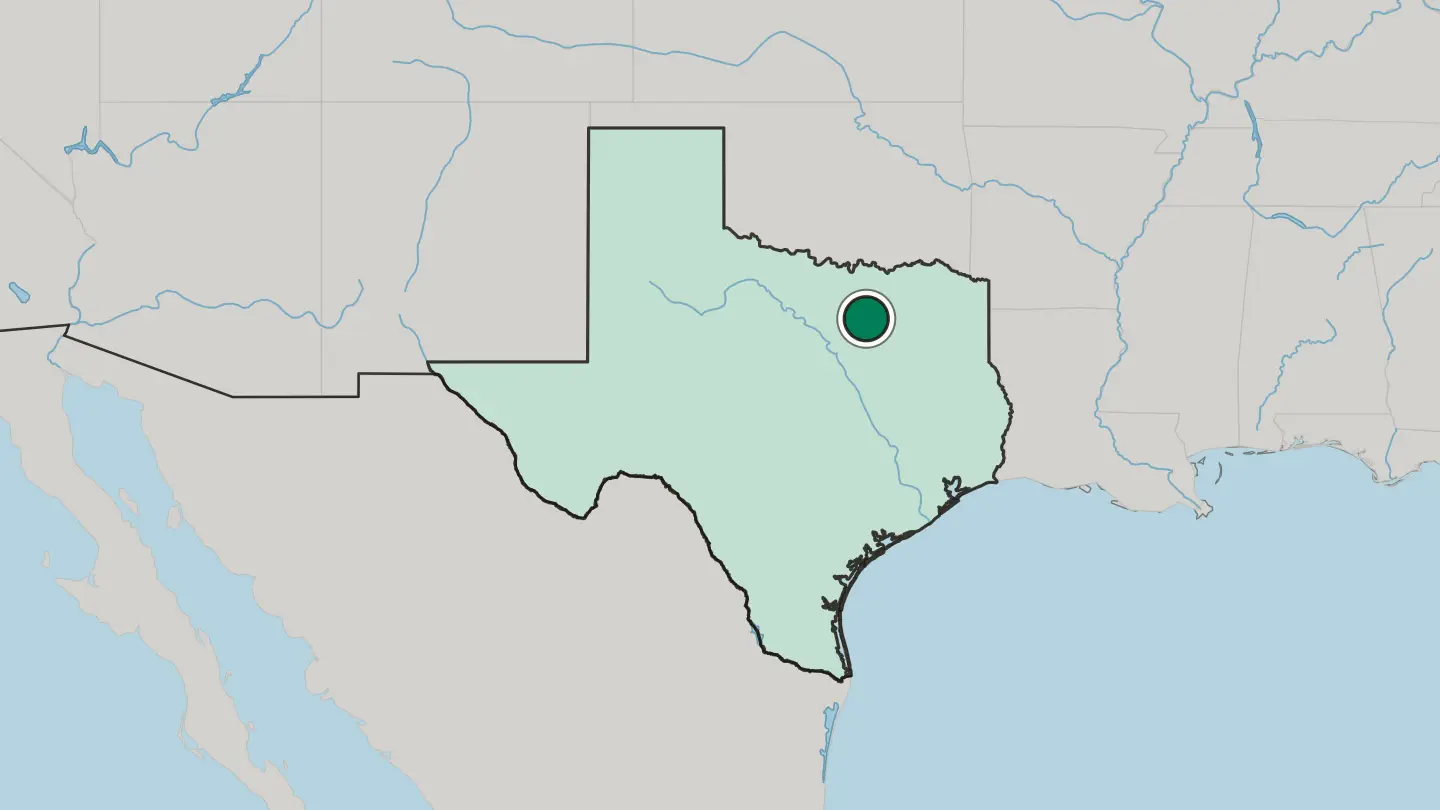 United States
Kirby
Kirby is a city in Bexar County, Texas, an enclave of San Antonio named for a railroad yard and known as the Hobo Capital of Texas.Where to stay →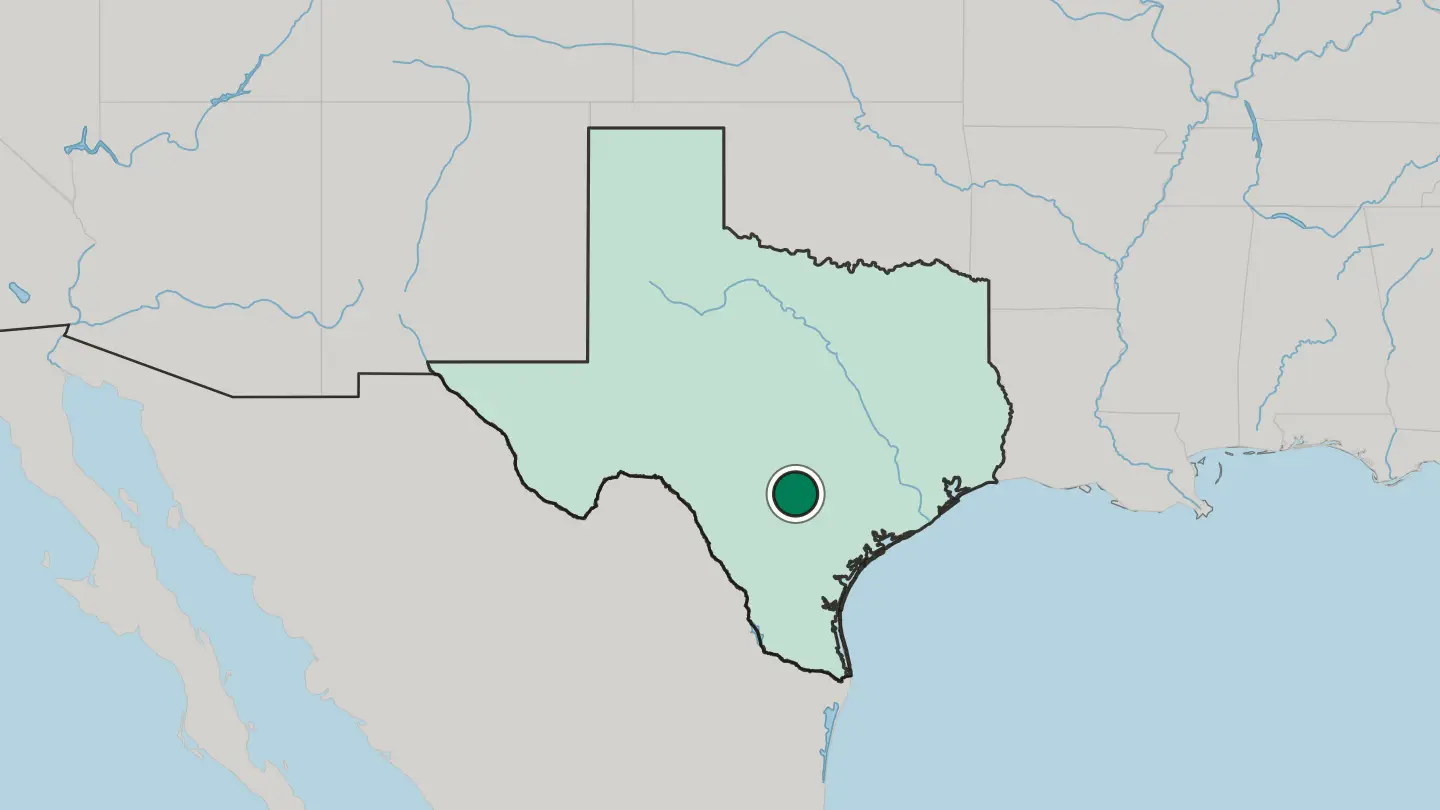 United States
Alamo Heights
Alamo Heights is a city in Bexar County, Texas, almost entirely surrounded by San Antonio, and home to part of the University of the Incarnate Word.Where to stay →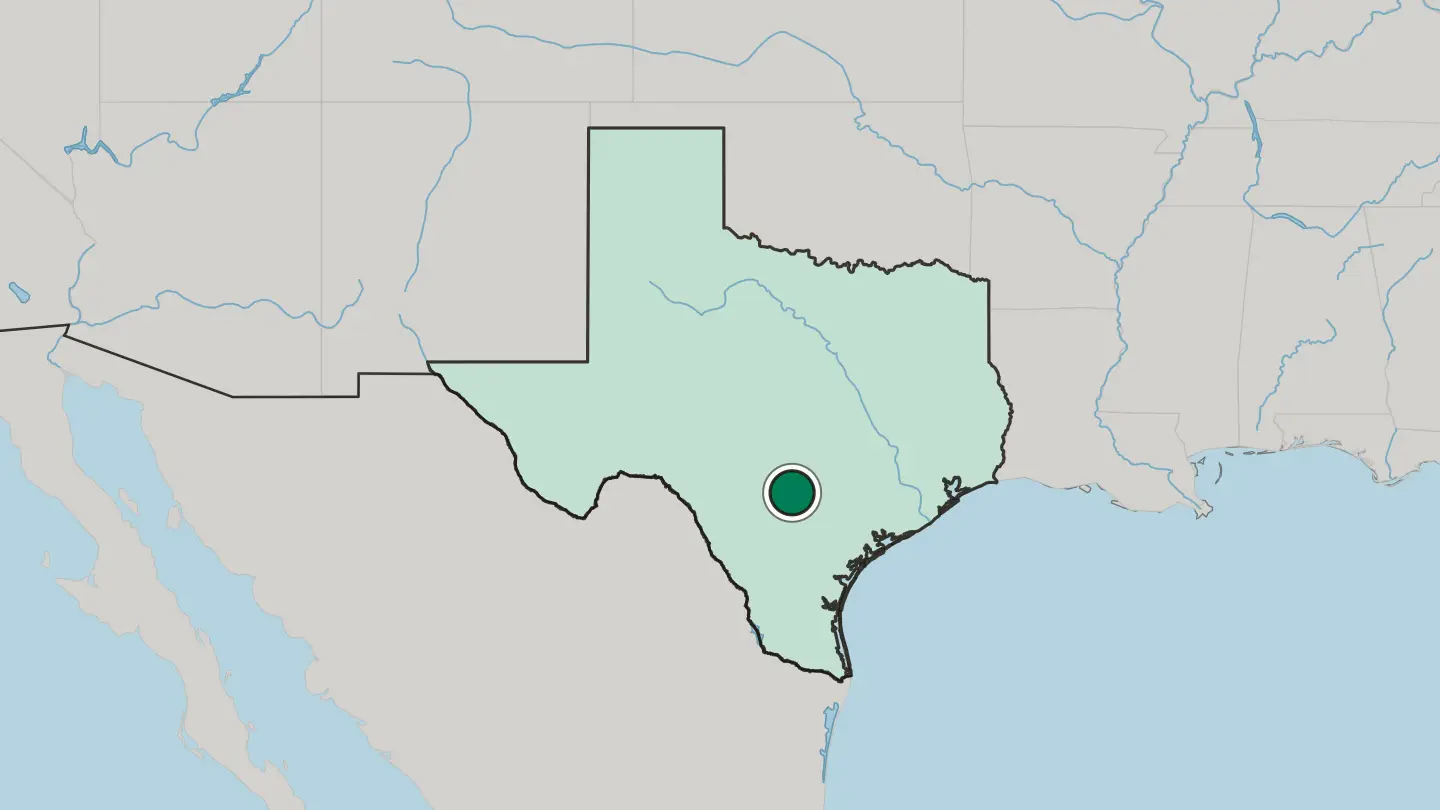 United States
Terrell Hills
Terrell Hills is a city in Bexar County, Texas, 5 miles northeast of downtown San Antonio, named after a banker who had been mayor of San Antonio.Where to stay →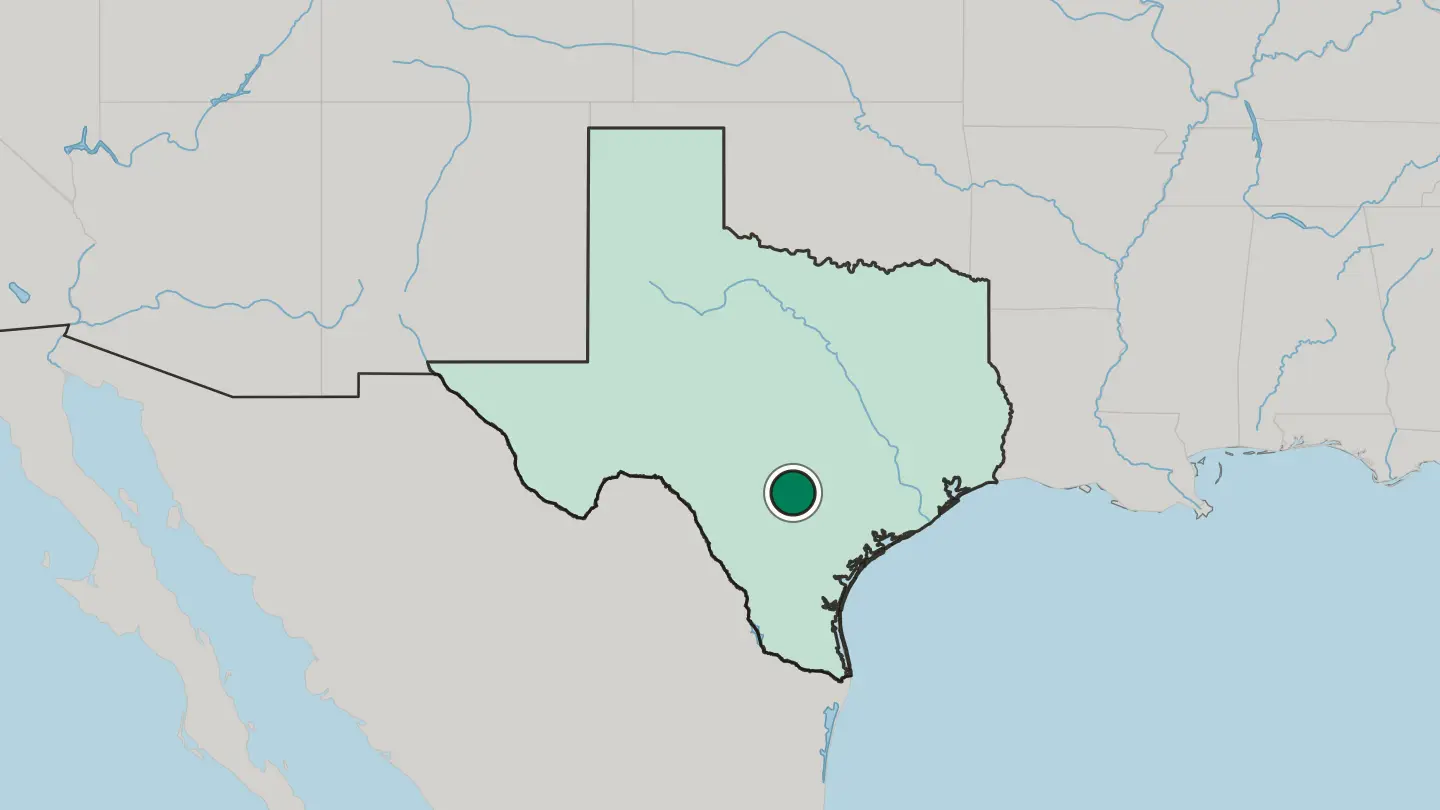
Hotel links are affiliate links: booking through them may earn us a commission, at no extra cost to you. It never affects how places are ranked. How this works
About Texas
What is Texas known for?
Texas is known as the Lone Star State, once the independent Republic of Texas before it joined the United States in 1845. The single star on its flag recalls those years. It borders Louisiana, Arkansas, Oklahoma, and New Mexico, and meets Mexico along the Rio Grande.
The Gulf of Mexico washes its southeastern coast. It ranks as the second-largest state by area.
Where is Texas?
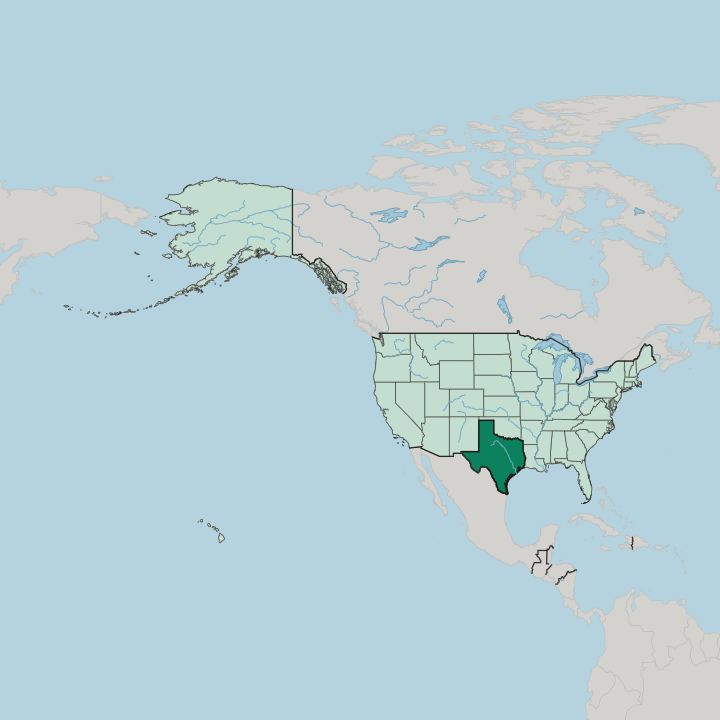
Texas is the second-largest state by area in the United States, a vast reach of the American South. Louisiana borders it on the east and Arkansas at the northeast corner. Oklahoma runs along the north.
New Mexico lies to the west. To the south and southwest, the Rio Grande forms a natural boundary with Mexico, dividing Texas from the Mexican states of Chihuahua, Coahuila, Nuevo León, and Tamaulipas. Four Mexican states face it across the river.
The land is immense. On the southeast, Texas opens to the Gulf of Mexico, its one stretch of coast. The Rio Grande runs the length of the southern border, from the New Mexico side in the west down to the Gulf of Mexico.
Inland, the country spreads wide and flat toward New Mexico and the interior. The Gulf shoreline curves along the southeast. Distances are huge here.
From the Gulf of Mexico coast to the New Mexico line, and from Oklahoma south to the Rio Grande, Texas covers ground on a scale matched by few states, second only in area to one other. The state fills the map.
What is Texas like?
Texas carries the identity of the Lone Star State, marked by the single star on its flag. That star recalls the years when Texas stood on its own as the Republic of Texas, an independent country before it joined the United States in 1845. Independence runs deep in its self-image.
The Republic of Texas left its mark. The long border with Mexico, drawn along the Rio Grande, ties the state closely to its southern neighbour and the Mexican states beyond. Two worlds meet at the river.
Spanish is spoken widely across Texas, a legacy of the border with Mexico and the Mexican states of Chihuahua, Coahuila, Nuevo León, and Tamaulipas. The culture of the Rio Grande country blends the traditions of both sides of the river. Along the Gulf of Mexico, the coast takes on a maritime character.
The interior, stretching toward New Mexico and Oklahoma, keeps its own inland identity within the American South. Its ways run large. From the Gulf coast to the border river, Texas holds a culture shaped by its size, its independent past, and its long frontier with Mexico.
What is the history of Texas?
Texas began as its own country, the Republic of Texas, an independent nation marked by the single star that gave the Lone Star State its name. It joined the United States in 1845. The Rio Grande became its southern boundary with Mexico, dividing Texas from Chihuahua, Coahuila, Nuevo León, and Tamaulipas.
The Gulf of Mexico opened its coast to the sea. From that border river to the Gulf, the young state grew across a vast southern land.
What is the climate of Texas?
Texas has a warm, subtropical climate, hottest across the long summers of the interior. The Gulf of Mexico keeps the southeastern coast humid, while the drier country toward New Mexico bakes under clear skies. Heat lingers for months.
Along the Rio Grande, the southern border stays warm deep into the year. Winters are mild, though cold fronts sweep down from Oklahoma and the north.
How do you get to Texas?
Most travellers reach Texas by air, road, or sea. Major airports serve the state, while interstate highways cross its borders from Louisiana, Arkansas, Oklahoma, and New Mexico to link it with the rest of the country. The Gulf of Mexico gives it seaports along the southeastern coast.
Border crossings span the Rio Grande from Mexico. Routes converge from every side.
Good for
More regions in United States
Updated October 2026