United States · New York
Where to Stay in Tuckahoe, New York
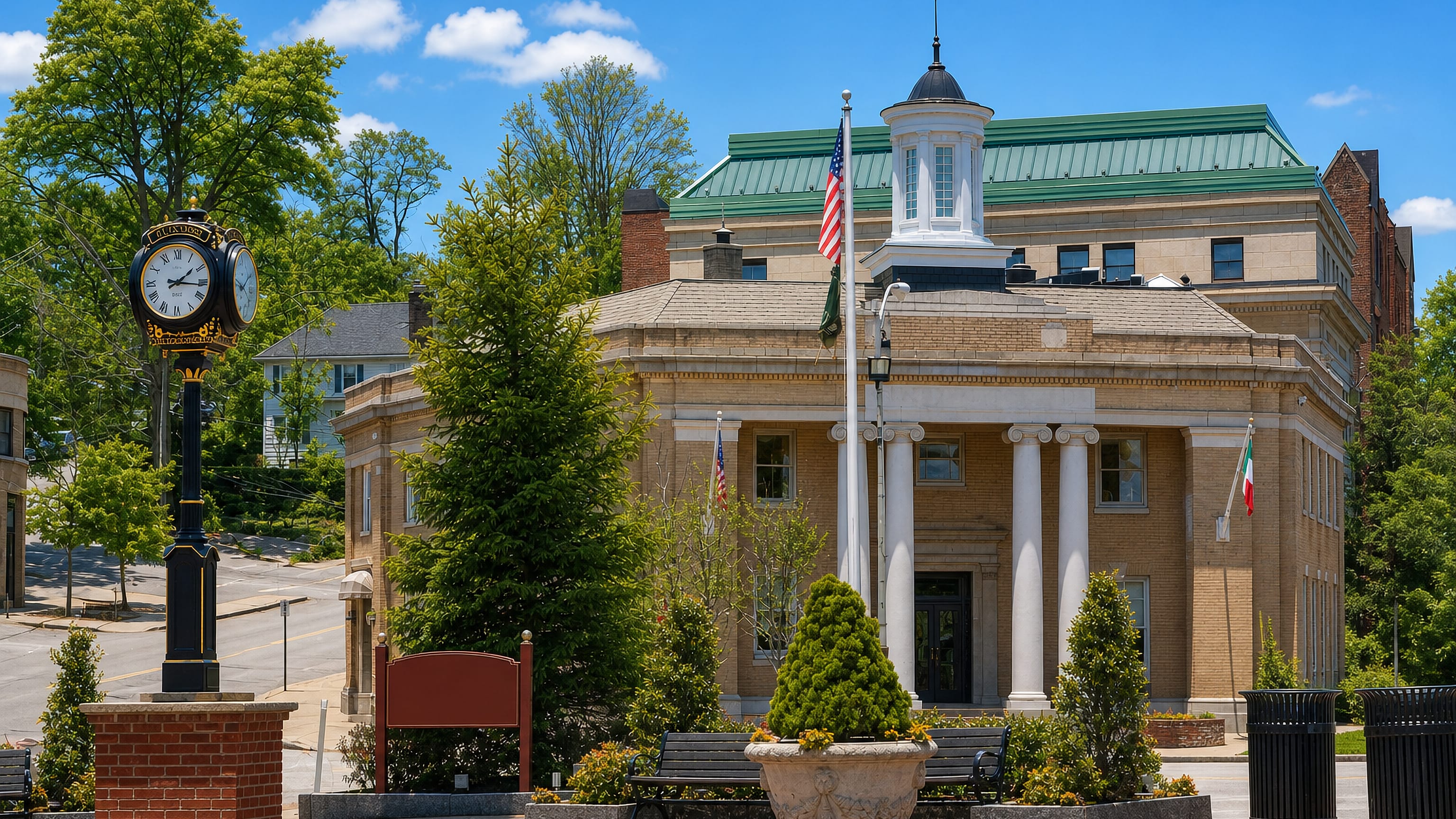
Tuckahoe is a village in southern Westchester County, New York, on the Bronx River, once called the marble capital of the world for its quarries.
Hotel links are affiliate links: booking through them may earn us a commission, at no extra cost to you. It never affects how places are ranked. How this works


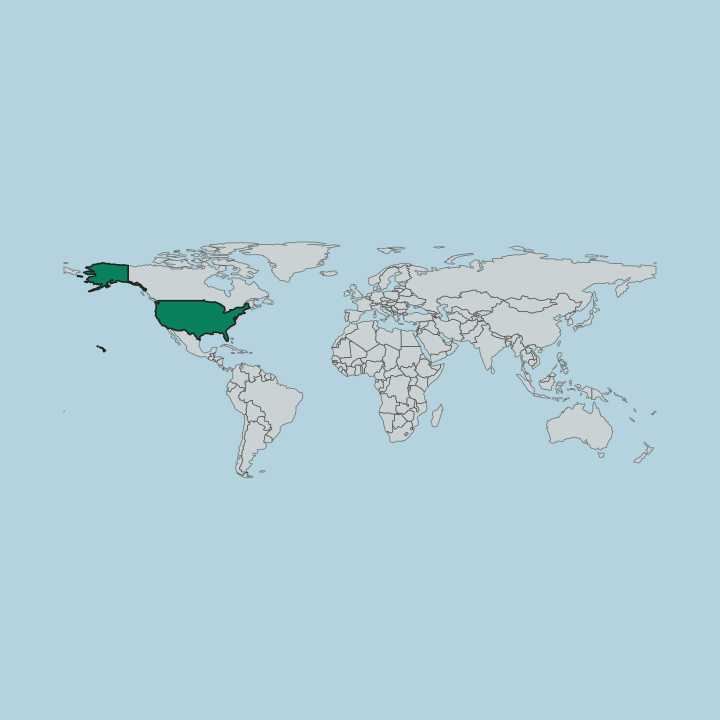
Where to stay in Tuckahoe
How the choice of base plays out on the ground.
Tuckahoe is one-and-a-half miles long and three-quarters of a mile wide, and its Metro-North trains run into Manhattan. Ward House, a rebuilt Revolutionary War inn, still stands on White Plains Road. Bronxville lies to the south.
Eastchester lies to the north and east, and the Bronx River separates the village from the Crestwood section of Yonkers on the west.
Find hotels in Tuckahoe
Direct booking searches for these neighbourhoods.
Metro-North side
Tuckahoe is on the Metro-North railroad, sixteen miles north of midtown Manhattan.Find hotels in Metro-North sideWard House, the rebuilt Revolutionary War innWhite Plains Road
Ward House on White Plains Road, rebuilt in the early 1790s, was a Revolutionary War inn and intelligence post.Find hotels in White Plains RoadHotel links are affiliate links: booking through them may earn us a commission, at no extra cost to you. It never affects how places are ranked. How this works
About Tuckahoe
What is Tuckahoe known for?
Tuckahoe's fame is its marble. Quarried from 1812, after Alexander Masterson found white marble deposits near the Bronx River, Tuckahoe Marble was in great demand, and the village's Church of the Immaculate Conception is built of it. Tuckahoe was also the fictional setting of the CBS sitcom Maude from 1972 to 1978.
What are the main landmarks in Tuckahoe?
Ward House is Tuckahoe's landmark. Stephen Ward's inn and tavern served as an intelligence post in the Revolutionary War and briefly as British headquarters before the Battle of White Plains; British troops burned it in 1778, and it was rebuilt to its original design in the early 1790s on White Plains Road. The Church of the Immaculate Conception was built of Tuckahoe Marble.
What is the history of Tuckahoe?
The name Tuckahoe, meaning it is globular, was a general word among the Native Americans of the region for the bulbous roots they ate. For most of the 1700s and 1800s Tuckahoe was a rural corner of the town of Eastchester, farmed by tenants of Philipsburg Manor. During the Revolutionary War the area lay in the neutral ground of Westchester County, raided by both sides, and fighting took place at Ward House in October 1776 and March 1777.
Marble changed the village: Alexander Masterson opened the first quarry in 1812, the New York and Harlem Railroad opened two depots in the 1840s to carry marble to the city, and German, Irish, and Italian workers, then African Americans from the South after the Civil War, came to cut it. Tuckahoe's quarries ran for almost a century. In the 1920s Burroughs Wellcome set up research and manufacturing on Scarsdale Road, where the Nobel Prize-winning scientists Gertrude B. Elion and George H. Hitchings worked, until the company left in 1971.
Where is Tuckahoe?
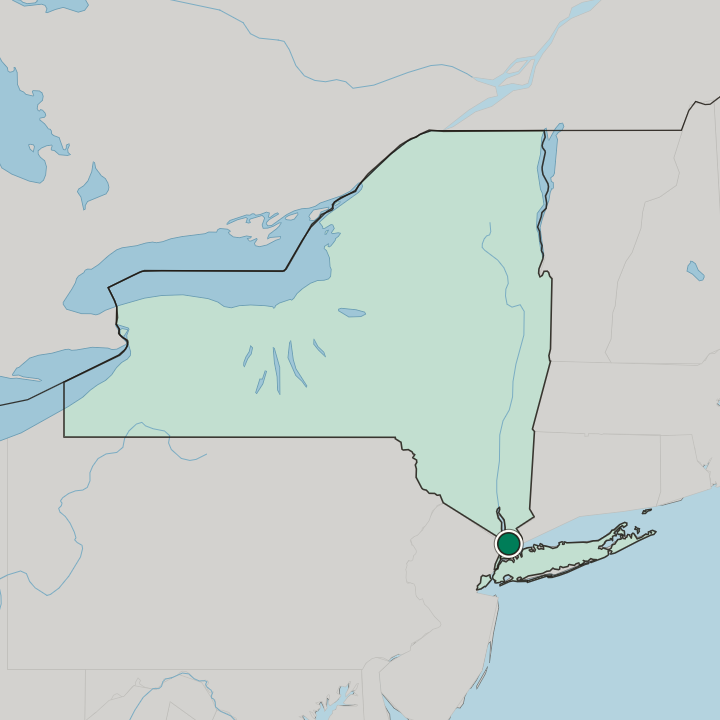
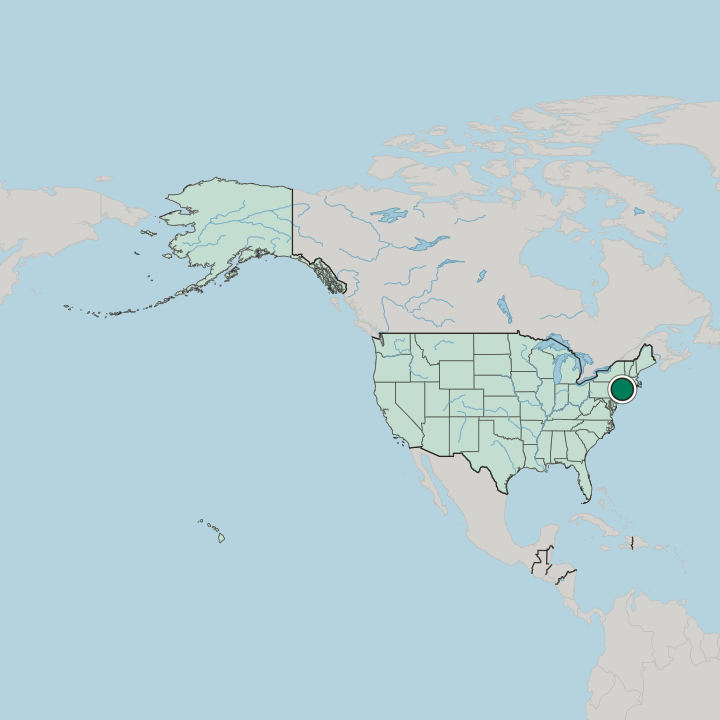
Tuckahoe lies in the lower central part of Westchester County, New York, sixteen miles north of midtown Manhattan. Bronxville borders it on the south. Unincorporated Eastchester lies to the north and east, and the Bronx River separates the village from the Crestwood section of Yonkers on the west.
The village covers about 1.6 square kilometres.
How do you get to Tuckahoe?
Metro-North serves Tuckahoe by rail. By road, the Bronx River Parkway, White Plains Road, which is Route 22, the Major Deegan Expressway, the Hutchinson River Parkway, and the Cross County Parkway are all within easy reach of the village.
Common questions
What is the best area to stay in Tuckahoe?
Metro-North side: train trips into Manhattan on the Metro-North railroad from Tuckahoe. White Plains Road: Ward House, the rebuilt Revolutionary War inn.
More cities in New York
Updated October 2026