United States · Texas
Where to Stay in Abilene, Texas
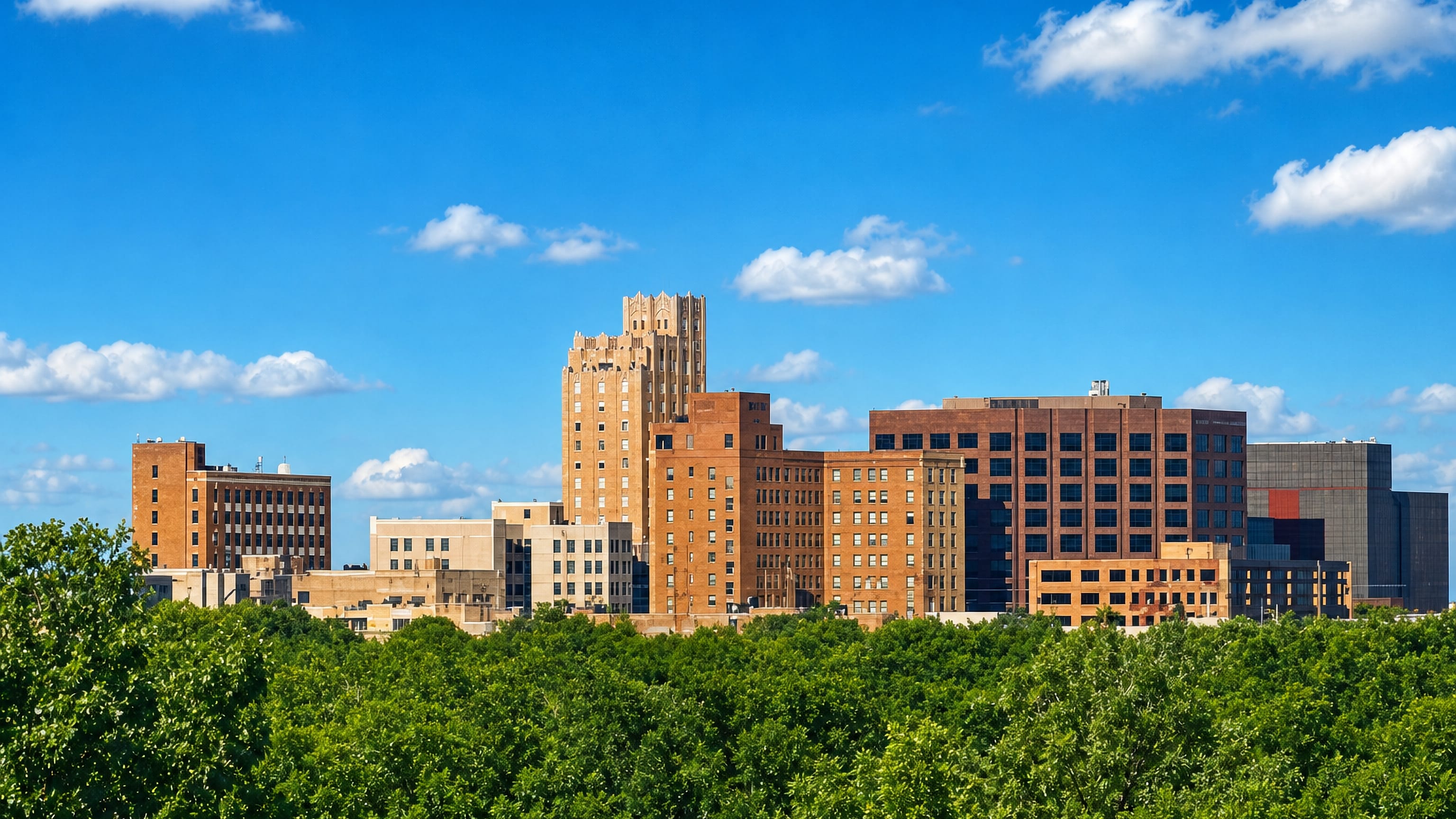
Abilene sits on the North Central Plains of Texas, county seat of Taylor County, founded in 1881 and spread across two counties.
Hotel links are affiliate links: booking through them may earn us a commission, at no extra cost to you. It never affects how places are ranked. How this works


Where to stay in Abilene
Where the beds are, and what that means for the visit.
The Grace Museum marks the obvious base in Abilene. Downtown blocks put the National Center for Children's Illustrated Literature, First Central Presbyterian Church, and the older houses of Taylor County within a walk of one another, which is unusual in a city this spread out. The Zabloudil-Hendrick House and the Harkrider-Dodd House stand among them.
Evenings are quiet there. Campus beds serve a different trip. Abilene Christian University, McMurry University, and Hardin-Simmons University each pull their own visitors, and a room near one of the three shortens the drive on a graduation weekend or a game day.
Sacred Heart Catholic Church stands on the same side of town as the older parish buildings. The west side belongs to Dyess Air Force Base. Rooms out that way suit anyone with business at the base, and they trade the walking distance downtown for easier parking and a shorter approach from the roads that cross the North Central Plains.
Two nights is enough. One goes to The Grace Museum and the Henry Sayles House, the other to whichever of the three campuses brought the trip about.
Find hotels in Abilene
Direct booking searches for these neighbourhoods.
Downtown around The Grace Museum
The one part of Abilene where The Grace Museum, the National Center for Children's Illustrated Literature, and First Central Presbyterian Church stand within a few blocks of each other.Find hotels in Downtown around The Grace Museumgraduation weekends at McMurry University or Hardin–Simmons UniversityThe three-campus side
The university flank of Taylor County, where Abilene Christian University, McMurry University, and Hardin–Simmons University set the calendar a visit runs on.Find hotels in The three-campus sidebusiness at Dyess Air Force BaseThe Dyess side
The west side of Abilene, where Dyess Air Force Base sets the traffic and parking comes easier than it does near the Henry Sayles House. Beds are limited here, so book early.Find hotels in The Dyess sideHotel links are affiliate links: booking through them may earn us a commission, at no extra cost to you. It never affects how places are ranked. How this works
Things to do in Abilene
Ranked by global recognition; descriptions from Wikidata (CC0).
Museums & Galleries
2- The Grace Museum
- National Center for Children's Illustrated Literature
Churches & Religious Sites
3- First Presbyterian Church Heritage
- Sacred Heart Catholic Church Heritage
- First Central Presbyterian Church
Landmarks & Notable Places
8- J.D. Magee House Heritage
- William A. Minter House Heritage
- Zabloudil-Hendrick House Heritage
- A.T. Jones House Heritage
- C.A. Lanius House Heritage
Show 3 more →
- Docia and David C. Fritz House Heritage
- E.D. Williamson House Heritage
- Eugene L. Finley House Heritage
worth knowingacross 3 categories in Abilene
About Abilene
What is Abilene known for?
Three Christian universities share the city: Abilene Christian University, McMurry University, and Hardin-Simmons University, which together give a plains county seat more student traffic than its size would predict. Dyess Air Force Base holds the west side. Museums take the middle.
The Grace Museum and the National Center for Children's Illustrated Literature draw the visiting hours downtown, and the older houses around them carry names from the first decades after 1881.
What are the main landmarks in Abilene?
The Grace Museum and the National Center for Children's Illustrated Literature carry the museum end, and the streets around them hold a long list of registered houses. Names repeat on them. Henry Sayles House and Hattie Sayles House sit on the same register as the Mary and William Ackers House, the Evla and William Stith House, and the Shirley and William Gray Swenson House.
Churches close the list. First Presbyterian Church, First Central Presbyterian Church, and Sacred Heart Catholic Church are the three that carry it.
What is the history of Abilene?
Abilene's founding year is 1881. The city grew on the North Central Plains as the seat of Taylor County, and the houses now on the register, the Henry Sayles House, the Hattie Sayles House, the Harkrider-Dodd House and the Zabloudil-Hendrick House among them, belong to the decades that followed. Two counties hold it.
Abilene spreads across both Taylor County and Jones County, though the county seat function belongs to Taylor County alone. Schools shaped the century that followed. Abilene Christian University, McMurry University, and Hardin-Simmons University each took root here, which is why a plains city of this size carries three separate campuses rather than one.
First Presbyterian Church and Sacred Heart Catholic Church stand from the older congregational layer. The military arrived later. Dyess Air Force Base occupies the west side of the city, which gives Abilene a second economy running beside the campuses and the county seat business.
The old streets survived it all. The Grace Museum and the National Center for Children's Illustrated Literature occupy downtown buildings, and the Mary and William Ackers House, the Evla and William Stith House, and the Shirley and William Gray Swenson House stand nearby as the built record of the first Abilene.
Where is Abilene?
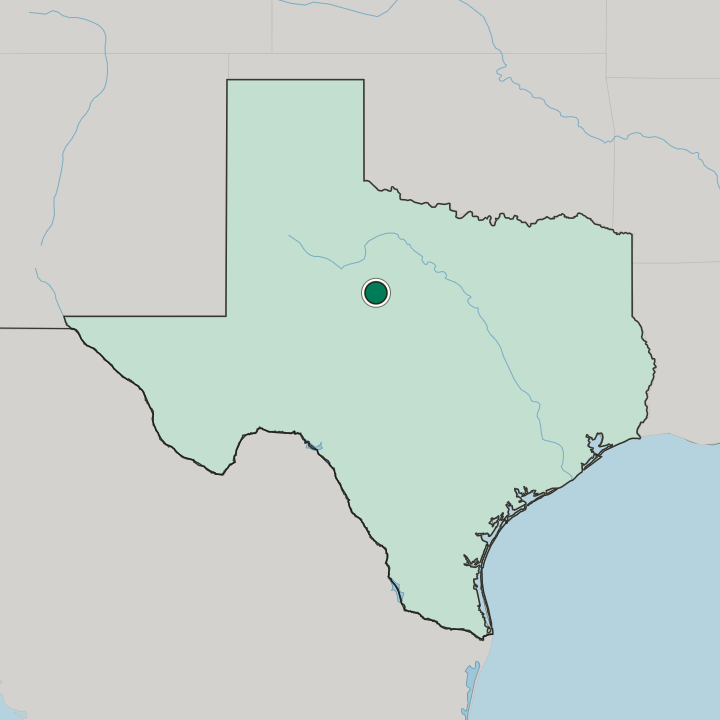
Taylor County carries most of it, Jones County the rest. Abilene covers about 290 square kilometres of the North Central Plains, open country in the subtropical band of the northern hemisphere, with the built-up part gathered around the downtown blocks. Dyess Air Force Base takes the west.
That leaves The Grace Museum, First Central Presbyterian Church, and the listed houses on the older ground at the middle.
What is the climate of Abilene?
The North Central Plains leave Abilene open on every side, and the subtropical band it sits in gives long hot summers with the milder half of the year better suited to walking the older streets. Shade is scarce out there. Sacred Heart Catholic Church and First Presbyterian Church give some cover on the walking route, while The Grace Museum and the National Center for Children's Illustrated Literature take the hottest afternoons.
Spring and autumn read best.
How do you get to Abilene?
Abilene is the principal city of its own metropolitan area, so arrivals converge here rather than pass through on the way to somewhere larger on the North Central Plains. Roads do most of it. Dyess Air Force Base occupies the west side of the city and is the flying presence in Taylor County.
Once here, a car still matters. About 290 square kilometres of ground separates the three campuses, The Grace Museum, and the houses on the older streets, which is more distance than a single walking day covers.
Common questions
What is the best area to stay in Abilene?
Downtown around The Grace Museum: walking days between The Grace Museum and the illustrated-literature centre. The three-campus side: graduation weekends at McMurry University or Hardin–Simmons University. The Dyess side: business at Dyess Air Force Base.
Good for
More cities in Texas
Updated September 2026