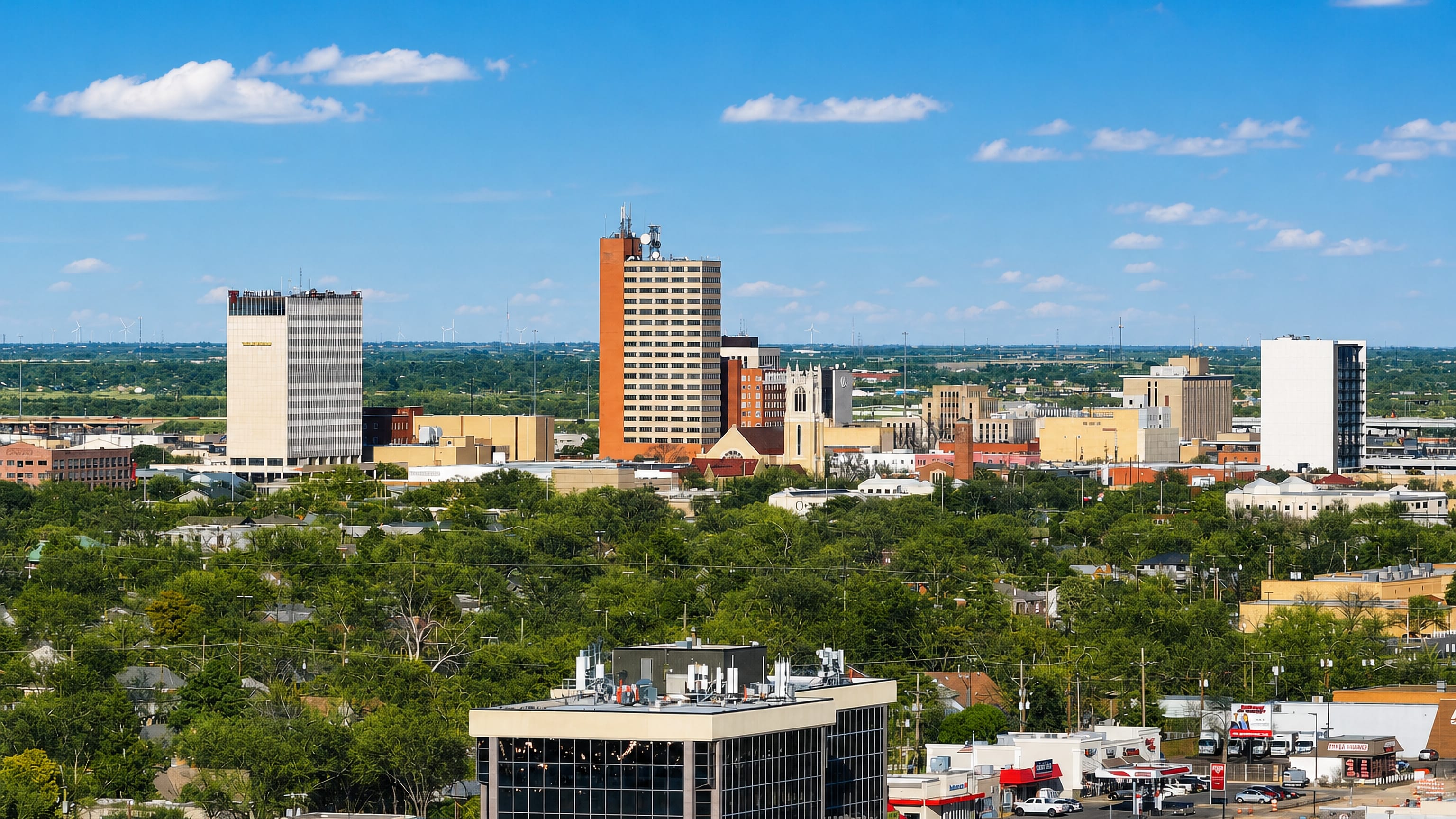
United States · Texas
Where to Stay in Lubbock, Texas
Lubbock spreads flat across the South Plains of Texas, a ranching and college city founded in 1890 and home to the Buddy Holly Center.
Hotel links are affiliate links: booking through them may earn us a commission, at no extra cost to you. It never affects how places are ranked. How this works


Where to stay in Lubbock
Where visitors usually base themselves, and why.
Where you stay in Lubbock depends on whether you want the college side or the older downtown. The blocks around the Buddy Holly Center and the arts district give the most central footing, close to the museums and restaurants of the old core. Choose this ground if you want the Buddy Holly story and downtown Lubbock on foot.
The Texas Tech side of town gathers around the campus and the National Ranching Heritage Center, a busy footing that suits visitors tied to the university or its games. Families often head toward Joyland Amusement Park and the South Plains Fairgrounds for a stay near the rides and events. Distances run long across the flat grid.
Plan on driving between them.
Find hotels in Lubbock
Direct booking searches for these neighbourhoods.
Downtown arts district
Central blocks around the Buddy Holly Center, close to the old core's restaurants.Find hotels in Downtown arts districtCampus visits and game daysTexas Tech side
A busy footing near the university and the National Ranching Heritage Center, keyed to college events.Find hotels in Texas Tech sideFamily stays near the ridesFairgrounds and Joyland
Rooms near Joyland Amusement Park and the South Plains Fairgrounds for fairs and events.Find hotels in Fairgrounds and JoylandHotel links are affiliate links: booking through them may earn us a commission, at no extra cost to you. It never affects how places are ranked. How this works
Things to do in Lubbock
Ranked by global recognition; descriptions from Wikidata (CC0).
Museums & Galleries
2- Buddy Holly Center
- American Wind Power Center
Churches & Religious Sites
3- Broadway Church of Christ
- Experience Life Now Church
- St. Paul's on the Plains
Stadiums & Sports
2- South Plains Fairgrounds
- Linda and Terry Fuller Track
Parks & Gardens
1- Joyland Amusement Park
Landmarks & Notable Places
3- Warren and Myrta Bacon House Heritage
- Carl E. Ratliff House
- Dr. O.W. English House
worth knowingacross 5 categories in Lubbock
About Lubbock
What is Lubbock known for?
Lubbock is known as the hub of the Texas South Plains and the hometown of Buddy Holly. The Buddy Holly Center keeps the rock-and-roll pioneer's story, while the National Ranching Heritage Center gathers the buildings of the open range. The American Wind Power Center lines up its windmills on the flat.
Cotton and cattle built the town.
What are the main landmarks in Lubbock?
The main landmarks in Lubbock reflect its music, its ranching past, and the wind of the plains. The Buddy Holly Center honours the town's most famous son, and the National Ranching Heritage Center preserves the cabins and barns of the range. Windmills turn at the American Wind Power Center.
Older homes survive in the Overton House and the Bacon House. Rides still run at Joyland Amusement Park.
What is the history of Lubbock?
Lubbock was founded in 1890 when two rival settlements on the South Plains of Texas agreed to join on a single townsite. Ranchers had grazed cattle on the open grassland long before the town took shape. The railroad reached the plains, and cotton farming spread across the flat land around the young settlement.
Homes like the Overton House and the Bacon House rose as the town filled out, and the National Ranching Heritage Center now gathers the older buildings of the range. Wind and grass framed the early decades. The town grew into the trading centre of the cotton country and the seat of learning for the region.
Its most famous son, the musician Buddy Holly, was born and raised here, and the Buddy Holly Center now tells his story. Congregations built churches like St. Paul's on the Plains as the streets multiplied. The American Wind Power Center later gathered the windmills that once dotted every farm.
The plains still shape the city.
Where is Lubbock?
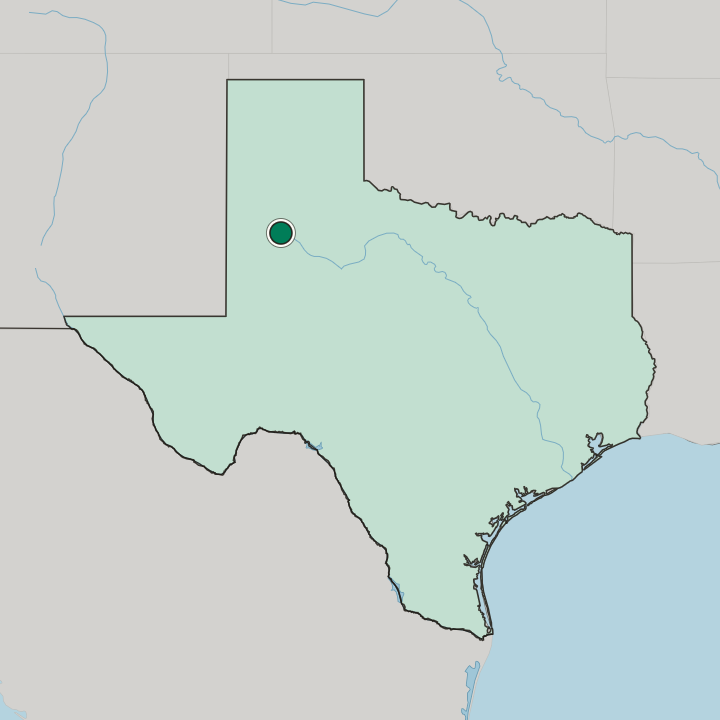
Lubbock lies on the Llano Estacado, the high flat tableland of the Texas South Plains. The ground runs level for miles. Shallow playa basins are the only break in it, filling with rainwater after storms and drying to grass again between them.
The streets around the Buddy Holly Center sit on the same even grid as the rest of town, and cotton fields reach right to the edge. The horizon stays flat and wide.
What is the climate of Lubbock?
Lubbock has a dry, semi-arid climate set by its height on the South Plains of Texas. Summers turn hot and sunny, with warm days easing to cool nights on the high tableland. Winters stay short but can bring cold snaps and blowing dust.
Spring winds sweep the flat land hard. Rain comes mostly in brief storms.
How do you get to Lubbock?
Lubbock sits at a road hub on the flat South Plains of Texas, reached most often by car across the open country. The city's airport handles connecting flights for longer trips, tying the plains to the larger Texas hubs. Highways run out straight to the surrounding cotton towns.
Coach lines connect the city to the wider region of the plains and on toward the larger cities of Texas beyond. Downtown is easy to find.
Common questions
What is the best area to stay in Lubbock?
Downtown arts district: Museums and the Buddy Holly story on foot. Texas Tech side: Campus visits and game days. Fairgrounds and Joyland: Family stays near the rides.
Good for
More cities in Texas
Updated September 2026